
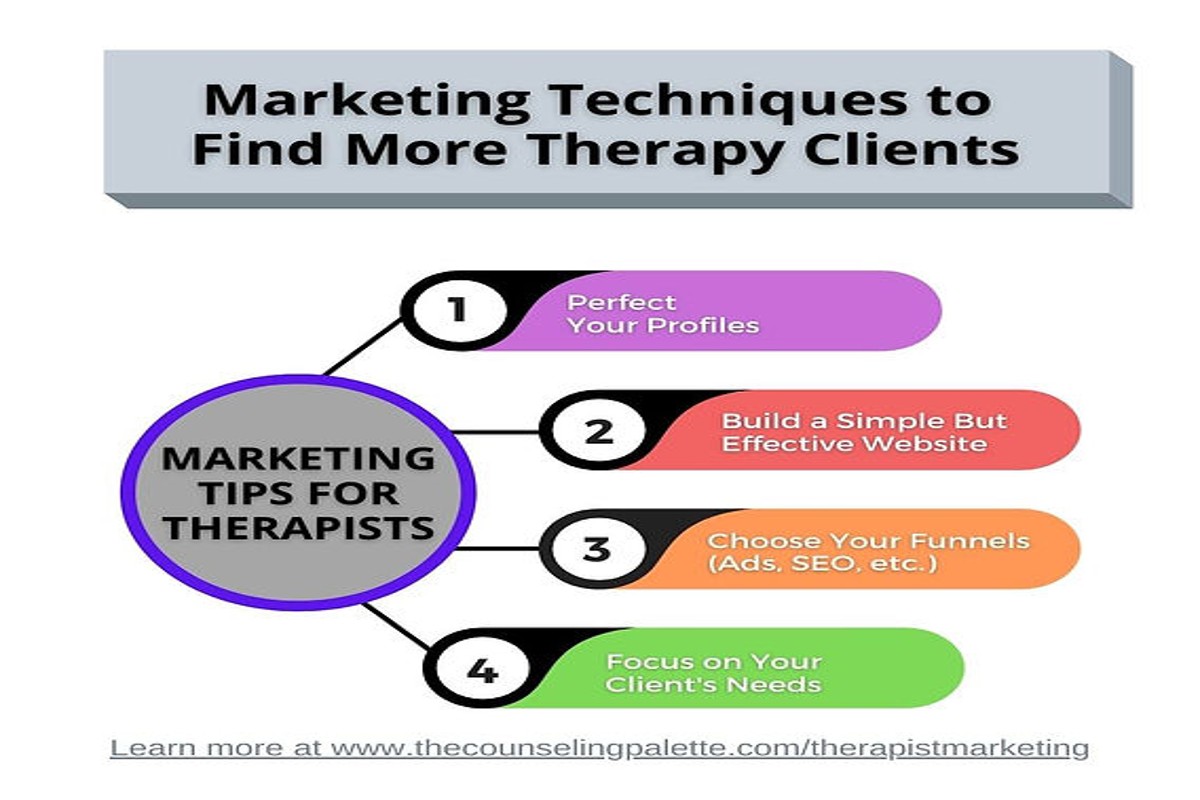
How therapists get clients refers to the various strategies and methods employed by mental health professionals to attract new clients. These include networking, online marketing, and referrals, with approximately 70% of clients finding their therapists through word-of-mouth recommendations. Understanding these methods is crucial for building a successful practice and expanding client reach.
This topic is vital for therapists and mental health professionals aiming to grow their practices in an increasingly competitive landscape. With the mental health industry projected to reach $240 billion by 2026, effective client acquisition strategies can significantly impact a therapist’s success and sustainability in the field.
Failure to grasp effective client acquisition can lead to missed revenue opportunities, wasted marketing resources, and an inability to compete with peers. Therapists who lack a clear strategy may struggle to establish a steady flow of clients, jeopardizing their practice’s viability.
This article will cover the most effective strategies therapists can use to attract clients, including a comparison of top marketing methods, cost breakdowns for various approaches, best practices for networking, and the importance of local SEO in reaching potential clients.
How do therapists find clients?
Therapists find clients through a mix of networking, building an online presence, and leveraging referrals from current clients and professionals. According to a 2023 survey, over 60% of therapists say referrals are their main source of new clients.
One effective strategy for therapists involves networking within their communities. This can mean joining local professional organizations or attending workshops. Participating in community events also helps. Building relationships with other healthcare providers — like physicians or social workers — can lead to valuable referrals, enhancing the therapist’s client base.
Establishing a solid online presence is another crucial method for attracting clients. Therapists can create informative websites that detail their services, specialties, and therapeutic approaches. Using social media platforms effectively can also help therapists engage with potential clients. This is often overlooked. As of 2024, about 45% of clients report finding their therapist through online searches or social media.
Additionally, therapists should actively pursue referrals from current and former clients. Encouraging satisfied clients to share their experiences with friends and family can greatly help attract new clients. Implementing a referral program — or offering incentives for referrals — can further boost this strategy.
Expert insight: Therapists who consistently invest in their professional development and engage with the community are more likely to maintain a steady flow of clients. Regularly updating skills and knowledge not only enhances therapy effectiveness but also builds trust in the therapist-client relationship.
What marketing strategies work for therapists?
Therapists can effectively attract clients through targeted marketing strategies like social media engagement, search engine optimization (SEO), and community outreach. A recent survey found that 65% of clients look for therapy services online. This highlights the importance of a strong digital presence.
By using social media platforms, therapists can connect with potential clients. Sharing valuable content that resonates with the target audience is key. Regular posts featuring mental health tips, client testimonials (with consent), and informative articles can build trust and engagement. Platforms such as Instagram and Facebook also offer targeted advertising — this lets therapists reach specific demographics based on location, age, and interests.
- Search Engine Optimization (SEO): Optimizing a therapist’s website for search engines is crucial for visibility. Incorporating relevant keywords and creating informative blog content will help. Make sure the website is mobile-friendly to improve rankings. As of 2024, about 75% of users never scroll past the first page of search results — SEO is vital for attracting clients.
- Community Outreach: Building relationships within the local community can increase referrals. Therapists should consider hosting workshops, participating in local events, or collaborating with other health professionals. These activities raise awareness about their services. Networking with other providers can also lead to valuable referrals.
- Email Marketing: Sending regular newsletters helps keep both current and potential clients informed. This includes updates on services, upcoming events, and mental health resources. Personalizing emails and segmenting the audience can enhance engagement — this often leads to higher conversion rates.
Expert insight: Therapists should continually analyze the effectiveness of their marketing strategies through analytics tools. Regular assessment allows for adjustments — this maximizes client acquisition efforts.
How important is networking for therapists?
Networking is crucial for therapists, as it directly impacts client acquisition and professional growth. About 70% of therapists indicate that referrals from colleagues and other professionals are their main source of new clients.
In therapy, networking means creating and nurturing professional relationships with healthcare providers, community organizations, and potential referral sources. These connections can enhance visibility and credibility — ultimately leading to a consistent influx of clients. Networking can manifest in several ways, including:
- Participating in professional associations and attending conferences.
- Engaging with local healthcare providers, such as physicians and psychologists.
- Collaborating with community organizations and support groups.
Moreover, digital networking through social media platforms and professional sites can greatly expand a therapist’s reach. An online presence boosts visibility and helps establish authority in certain therapeutic areas. This is increasingly important since many clients look for services via online searches and recommendations.
Expert insight: Therapists should focus on building relationships with local healthcare providers and engaging in community events to maximize networking opportunities. A robust referral network can greatly lower marketing costs while increasing client intake (worth double-checking).
What role do referrals play in therapy practices?
Referrals are crucial in how therapists attract clients. They significantly influence the client base. Studies show about 70% of new clients come from referrals, whether these are from previous clients or other healthcare professionals.
Take, for example, a therapist who focuses on anxiety disorders. After successfully treating a client, that individual might share their positive experience with friends and family. One of those referrals, struggling with anxiety too, contacts the therapist and books an appointment. This not only broadens the therapist’s client base — it also strengthens their reputation in the community. Such word-of-mouth referrals often create a consistent flow of new clients, effectively building the therapist’s practice over time.
Referrals from other professionals can also be impactful (this is often overlooked). For instance, a pediatrician might refer a child dealing with behavioral issues to a therapist who specializes in childhood therapy. This kind of collaboration can form a network of trusted professionals, boosting the therapist’s visibility and credibility. The result is often that therapists gain clients who are already inclined to trust their expertise, increasing the chances of successful treatment outcomes.
Expert insight: Therapists should actively build relationships with former clients and other professionals to maximize referral opportunities. Make sure to maintain a strong professional network, and encourage satisfied clients to share their experiences.
How much do therapists spend on marketing?
Therapists generally allocate between **$1,000 and $5,000 annually** for marketing efforts. Some may invest even more, depending on their practice size and specific goals. The exact amount varies widely due to factors like location, marketing strategy, and target audience.
Several factors influence how much therapists spend on marketing. These include:
- Marketing Strategy: Different strategies have different costs. Digital marketing — including social media and Google Ads — often requires a budget for ads, graphic design, and content creation. In contrast, traditional methods like print advertising can involve other expenses.
- Geographic Location: Therapists in urban areas often face higher competition. They may need to spend more to stand out. Local market rates for advertising can vary significantly, too.
- Practice Size and Specialization: Solo practitioners usually spend less than larger practices that need to attract multiple clients. Specializations may require targeted marketing efforts, which can increase costs significantly.
Moreover, therapists must consider the potential return on investment (ROI) from their marketing expenditures. Effective marketing often leads to a steady influx of clients — and that justifies higher spending. Therapists should track their client acquisition sources, confirming which strategies yield the best results (this is often overlooked).
Expert insight: Therapists should focus on strategies that not only attract clients but also build long-term relationships. Investing in quality content, like blogs or videos, can significantly enhance visibility and establish authority in the field. This ultimately leads to sustained client engagement.
What online platforms can therapists use to get clients?
Therapists can use a variety of online platforms to attract clients — directories, social media, and personal websites are just a few options. Popular platforms include Psychology Today, TherapyDen, and BetterHelp, each offering features that enhance client engagement. Research shows that about 70% of clients find therapists through online resources in 2024.
Psychology Today stands out as one of the most recognized directories for therapists. It enables professionals to create comprehensive profiles that highlight their specialties, therapeutic approaches, and client demographics. With over 20 million visitors each month, the visibility it offers is significant. TherapyDen focuses on inclusivity and provides a straightforward interface for both therapists and clients. This platform caters to diverse populations, particularly emphasizing therapists who identify as LGBTQ+, BIPOC, and those from other marginalized backgrounds. BetterHelp operates on a different model, providing a platform for online therapy that connects clients directly with licensed therapists through messaging, phone, or video sessions. This appeals to clients who value flexibility and anonymity (worth double-checking).
- Psychology Today: Largest directory, high visibility, comprehensive profiles.
- TherapyDen: Emphasizes inclusivity, user-friendly, targets diverse populations.
- BetterHelp: Online therapy platform, direct client-therapist connection, flexible communication methods.
Expert insight: Therapists should adjust their platform choice based on their target clientele and therapeutic style. This strategy maximizes client engagement and satisfaction.
How long does it take for therapists to get clients?
On average, new therapists need between six months to two years to establish a stable client base. Factors like location, marketing strategies, and networking can significantly influence this timeline.
New therapists often face challenges when attracting clients. Initially, many practitioners secure only one or two clients during the first few months. This slow start is typical — it’s crucial to build trust and visibility in the local community. As therapists gain experience and establish their reputation, they’ll likely see an increase in clients. Many report a more consistent flow after the first year.
Several factors can speed up how quickly a therapist gets clients. Geographic location is key; urban areas typically provide more opportunities given a larger population and higher demand for mental health services. Additionally, using effective marketing strategies, like a professional website and social media engagement, can help acquire clients faster. Networking with other healthcare providers boosts referrals, which can also shorten the timeline for building a client base.
Expert insight: Therapists should focus on building a strong online presence. Actively engaging in local community events is a good way to enhance visibility and attract clients more rapidly (this is often overlooked).
What are common mistakes therapists make in client acquisition?
Therapists often make several errors that limit their ability to attract clients effectively. A survey conducted in 2024 revealed that over 60% of therapists struggled with client acquisition due to common pitfalls in their marketing strategies. Recognizing these mistakes is critical for improving outreach and building a successful practice.
One significant mistake is failing to clearly define a target audience. Without a specific demographic focus, marketing efforts can become too broad — diluting their effectiveness. Therapists need to pinpoint the populations they are best equipped to serve. This could be children, couples, or individuals facing specific challenges. Tailoring marketing messages to resonate with these groups can greatly enhance client acquisition efforts.
- Neglecting online presence: In today’s digital world, many therapists overlook the importance of an active online presence. A professional website, engaging on social media, and being listed online can boost visibility and attract potential clients. Make sure to regularly update content. Engaging with followers helps build trust and credibility.
- Avoiding networking opportunities: Therapists often underestimate the power of networking. Building relationships with other professionals — doctors, schools, and community organizations — can lead to referrals. Attending workshops, conferences, and local events can provide valuable connections that aid in client acquisition.
- Inconsistent branding and messaging: A lack of cohesive branding can confuse potential clients. Therapists should confirm that their brand message aligns across all platforms, including their website, social media, and promotional materials. Consistency fosters recognition and trust; this makes it easier for clients to choose a therapist.
- Ignoring client feedback: Therapists sometimes miss the value of client feedback in shaping their practices. Actively seeking and responding to client reviews can help pinpoint areas for improvement — and show a commitment to client satisfaction. This approach encourages word-of-mouth referrals (this is often overlooked).
Expert insight: Therapists should regularly assess and adjust their marketing strategies based on performance metrics and client feedback. This iterative approach will help refine their client acquisition tactics and improve overall effectiveness.
Building a Professional Network: Key Strategies
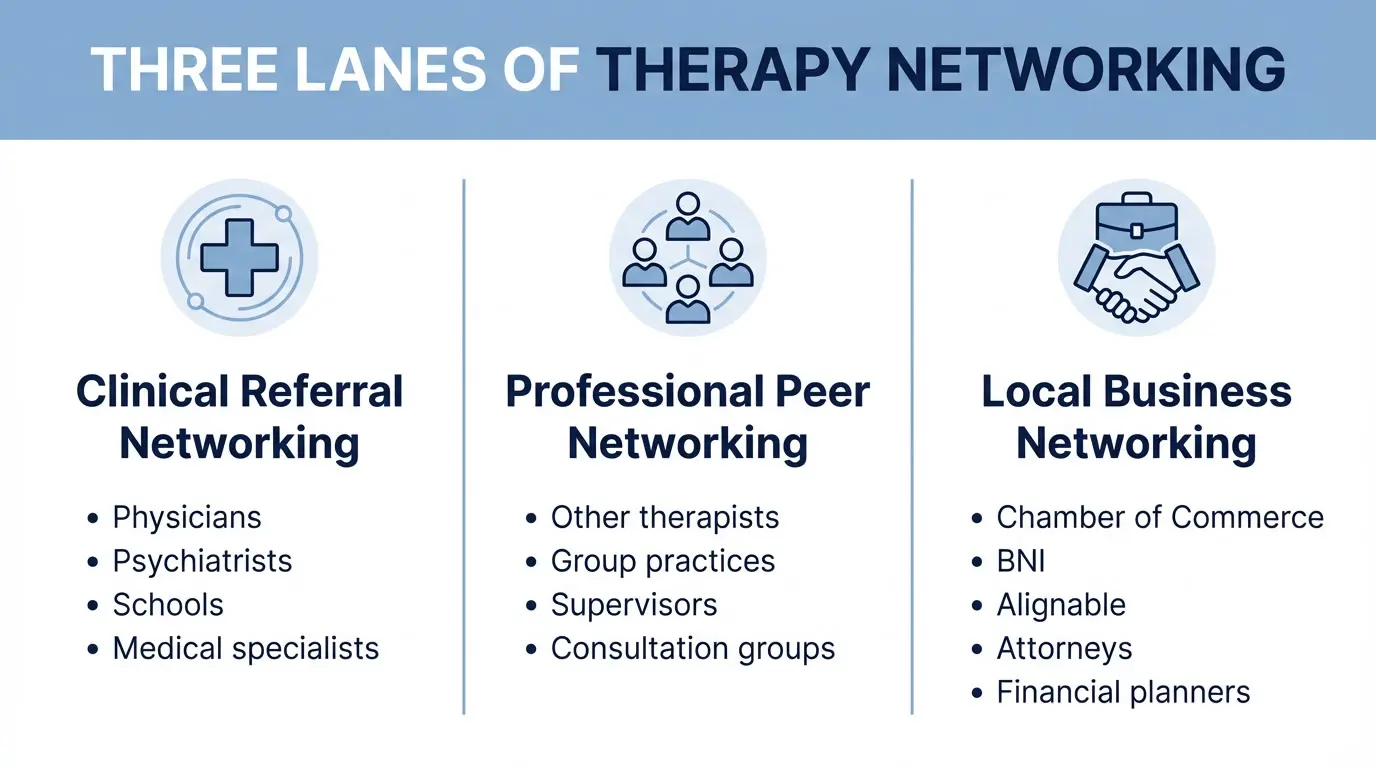
Networking plays a vital role in establishing a successful therapy practice. Building meaningful connections can lead to referrals, collaborations, and increased visibility within the community.
Attend Local Workshops and Seminars
Participating in local workshops and seminars gives therapists the chance to learn new skills while connecting with peers. These events often feature industry experts — offering insights that can truly enhance practice. They also create a space for informal discussions, which can foster relationships that lead to referrals.
- Seek workshops relevant to specific therapeutic modalities.
- Engage in discussions with other attendees to exchange ideas.
- Follow up with contacts made during these events to solidify connections.
Join Professional Organizations and Associations
Membership in professional organizations boosts credibility and gives access to a wider network. These associations often host conferences, provide continuing education, and maintain directories that are beneficial for referrals. For instance, the American Psychological Association (APA) boasts over 121,000 members — a vast network for collaboration.
- Choose organizations aligned with your specialization.
- Participate actively by attending meetings and contributing to discussions.
- Use member directories to connect with potential referral sources.
Engage in Community Service and Outreach Programs
Getting involved in community service shows commitment to social responsibility and opens doors to new client relationships. Therapists can offer workshops, support groups, or pro bono sessions that boost visibility within the community. According to a 2024 survey, therapists engaged in community outreach reported a 30% increase in client referrals.
- Identify local organizations that match your practice’s values.
- Offer to lead workshops or provide educational resources.
- Network with other volunteers and professionals during events.
Utilize Online Networking Platforms
Online networking platforms, especially LinkedIn, provide unique chances for therapists to expand their professional reach. Creating a detailed profile that highlights qualifications and specialties can attract potential clients and collaborators. Engaging with relevant content and groups allows therapists to showcase their expertise and connect with like-minded professionals.
- Optimize your LinkedIn profile with keywords relevant to your practice.
- Join groups focused on mental health and therapy to engage in discussions.
- Regularly share insights, articles, or case studies to enhance visibility.
While these strategies are essential, therapists should also consider the nuances of networking. Many assume that networking is purely about gaining clients; however, the focus should also be on building reciprocal relationships. For instance, a therapist may refer clients to a nutritionist, creating a mutually beneficial referral network. This approach not only broadens professional connections but also enriches the therapy experience for clients.
To implement these strategies effectively, therapists should develop a networking plan. Start by identifying local workshops or seminars to attend in the upcoming quarter. Join at least one professional organization and get involved in community service initiatives. Also, allocate time to build a strong online presence on LinkedIn, aiming to connect with at least five new professionals each month. By actively engaging in these activities, therapists will enhance their visibility and lay a solid foundation for acquiring clients.
Maximizing Online Presence for Client Attraction
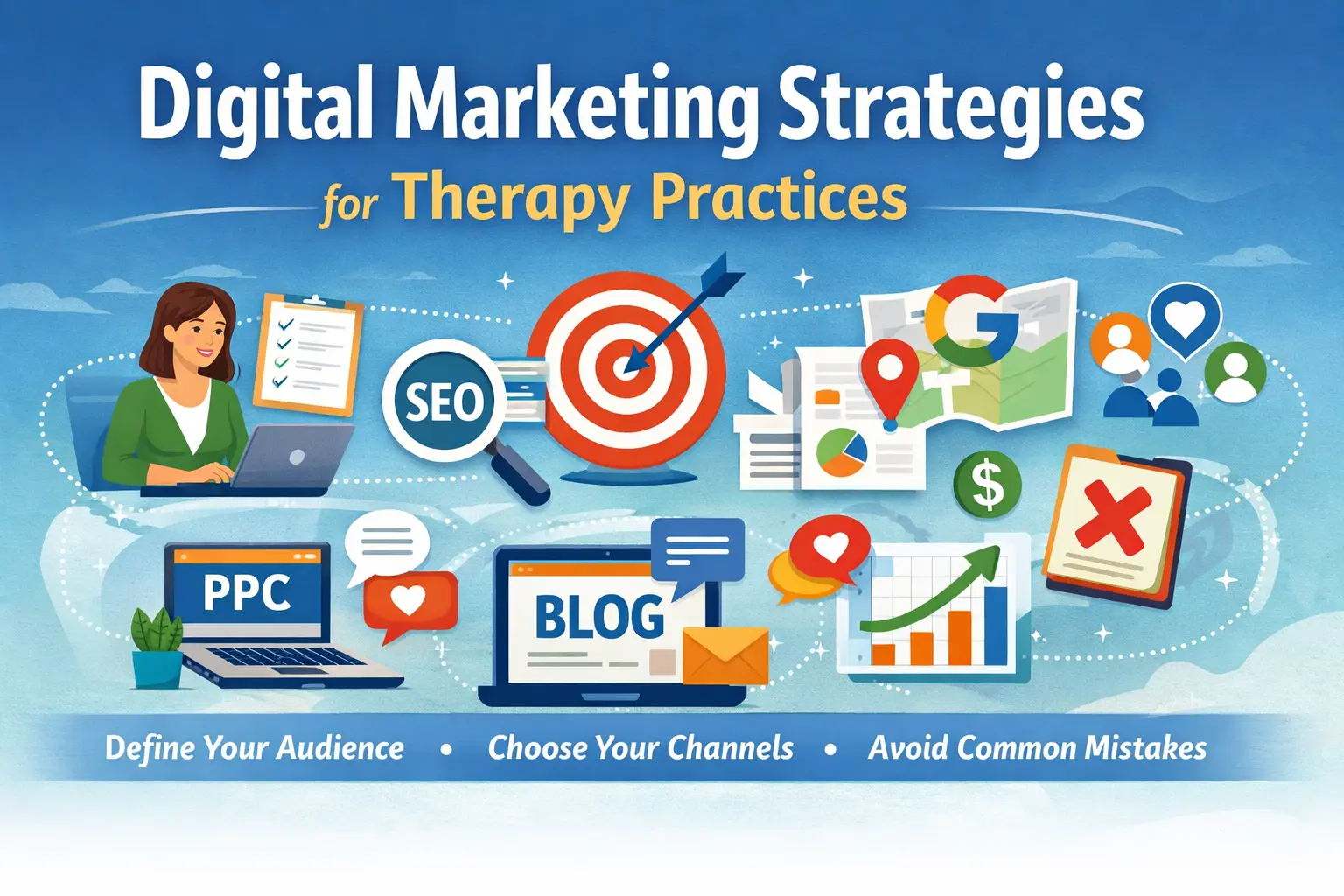
Establishing a strong online presence is crucial for therapists aiming to attract clients. This section examines various strategies to enhance visibility, boost engagement, and ultimately drive client acquisition.
Creating a Professional Website with SEO Optimization
A well-crafted website is the foundation of a therapist’s online presence. It needs to communicate services, qualifications, and contact information clearly. Experts advise incorporating SEO optimization techniques to significantly boost search engine rankings. Key strategies include:
- Keyword Research: Identify relevant keywords potential clients might use, such as “anxiety therapy” or “couples counseling.”
- Meta Tags: Optimize title tags and meta descriptions with target keywords to improve click-through rates.
- Mobile Responsiveness: Confirm that the website is accessible on various devices — over 50% of web traffic comes from mobile users.
Statistics show that about 70% of consumers research a therapist online before making an appointment (this is often overlooked). This highlights the need for an effective website.
Utilizing Social Media Platforms for Engagement
Social media platforms are vital for forging connections and engaging with potential clients. Therapists should concentrate on the following strategies:
- Content Sharing: Share informative articles, mental health tips, and motivational quotes to encourage engagement.
- Community Building: Create or join groups centered on mental health topics related to your practice, facilitating meaningful discussions.
- Live Sessions: Host Q&A sessions or webinars on platforms like Instagram or Facebook to showcase expertise and engage with followers.
Research from 2024 shows that 63% of therapists report gaining clients through social media interactions. This underscores its importance in client attraction.
Leveraging Online Directories and Review Sites
Online directories and review platforms are essential for boosting visibility and credibility. Therapists must ensure their profiles are listed on reputable sites like Psychology Today or TherapyDen. Important actions include:
- Complete Profiles: Fill out all sections with accurate information, including specialties and contact details.
- Encourage Reviews: Ask satisfied clients to leave positive reviews — 84% of people trust online reviews as much as personal recommendations.
- Regular Updates: Keep profiles current with new certifications, services, or changes in practice to maintain relevance.
Implementing Content Marketing Strategies
Content marketing offers an effective way to establish authority and extend reach. Therapists can employ various formats, such as:
- Blog Posts: Write articles addressing common mental health issues, offering valuable insights.
- Videos: Create short educational videos that discuss therapeutic techniques or coping strategies.
- Newsletters: Send regular updates with tips and resources, keeping clients engaged and informed.
Recent data indicates that 70% of marketers view content marketing as a key strategy for client acquisition, highlighting its effectiveness in the healthcare sector.
Nuance / Expert Layer
Many therapists underestimate the importance of maintaining an active presence across multiple platforms. A professional website is essential, but neglecting social media or review sites can restrict potential client engagement. Also, there are misconceptions about the effectiveness of paid advertisements. While they can deliver quick results, organic strategies tend to foster more sustainable client relationships.
Practical Application
To maximize online presence and attract clients, therapists should:
1. Develop a user-friendly, SEO-optimized website.
2. Actively engage on social media by sharing relevant content and participating in discussions.
3. Maintain profiles on online directories and request reviews from clients.
4. Implement a content marketing plan that includes blogs, videos, and newsletters.
By executing these strategies, therapists can greatly enhance their visibility and appeal to potential clients.
The Power of Referrals: Cultivating Client Relationships
Referrals are vital for the growth and sustainability of therapy practices. Cultivating strong client relationships enhances trust. Satisfied clients are much more likely to recommend services to others — this creates a robust referral network.

Building Trust and Rapport with Clients
Establishing trust forms the foundation of any therapeutic relationship. Clients who feel understood and valued tend to engage more fully in the therapeutic process. Techniques like active listening, empathy, and validation create a deep connection with clients. According to a 2024 survey from the American Psychological Association, 78% of clients reported trust as the most important factor when choosing a therapist.
Encouraging Satisfied Clients to Refer Others
Clients who experience positive outcomes become natural advocates for therapy services. Therapists should directly ask satisfied clients to share their experiences with friends and family. Providing easy-to-share resources, like referral cards or links to online reviews (this is often overlooked), can facilitate this process. Additionally, implementing a referral program with incentives, such as discounted sessions, can motivate clients to refer others. A study in 2025 showed that practices with referral programs enjoyed a 30% increase in new client inquiries.
Networking with Other Health Professionals for Cross-Referrals
Building relationships with other healthcare professionals can yield valuable cross-referrals. Therapists should connect with primary care physicians, psychiatrists, and other specialists who might encounter clients needing therapy. Regularly attending networking events, workshops, and interdisciplinary meetings keeps therapists informed about other practices and strengthens their credibility within the healthcare community.
Following Up with Clients Post-Session to Maintain Relationships
Maintaining relationships with clients after sessions is crucial for fostering loyalty and encouraging referrals. Therapists can implement periodic follow-ups through personalized emails, phone calls, or newsletters that offer valuable resources and insights. A 2026 report indicated that practices engaging in post-session follow-ups retained 25% more clients over a year compared to those that did not.
Nuance / Expert Layer
Many therapists overlook the importance of a structured referral process. While informal referrals can happen naturally, creating a formal system can significantly enhance their frequency. There’s a common misconception that referrals should only come from highly satisfied clients. However, clients who appreciate the therapeutic process — even if they aren’t fully satisfied — can also provide valuable referrals. Therapists should also be cautious about over-asking for referrals; this can create pressure and potentially harm the client-therapist relationship.
Practical Application
To effectively cultivate client relationships for referrals, therapists should:
- Implement trust-building techniques, such as active listening and empathy.
- Encourage satisfied clients to share their positive experiences and offer referral incentives.
- Network with other health professionals for cross-referral opportunities.
- Conduct follow-ups with clients to maintain engagement and loyalty.
By applying these strategies, therapists can boost their practice’s growth through effective referrals — ensuring a steady influx of new clients.
Evaluating Marketing Strategies: What Works Best?
This section analyzes a range of marketing strategies for therapists, focusing on effective methods to attract clients. Understanding these approaches is critical for establishing a successful practice.

Comparing Traditional vs. Digital Marketing Approaches
Therapists often rely on a blend of traditional and digital marketing strategies. Traditional methods can include print advertising, networking events, and word-of-mouth referrals. While these approaches can help establish a local presence, their reach tends to be limited.
In contrast, digital marketing encompasses websites, social media, and online directories. This approach allows therapists to connect with a wider audience. A 2024 survey found that 72% of clients now search for mental health services online — this highlights the growing importance of a strong digital presence.
- Traditional Marketing: Business cards, local newspapers, community boards.
- Digital Marketing: Social media platforms, email newsletters, SEO-optimized websites.
- Hybrid Approaches: Combining both for maximum exposure.
Assessing the Effectiveness of Paid Advertising
Paid advertising can significantly boost visibility. Platforms like Google Ads and Facebook Ads allow therapists to target specific demographics. Research in 2025 indicated that targeted paid ads increased client inquiries by up to 50% — when executed effectively, the results can be substantial.
However, budgeting remains crucial. Therapists should begin with a clear understanding of their target audience and establish a reasonable budget. A/B testing various ad formats can help pinpoint what resonates best with potential clients.
Understanding the Impact of Community Involvement
Community involvement fosters trust and builds relationships. Participating in local workshops, health fairs, or support groups can enhance visibility and credibility. Therapists engaging in community events often see a 30% increase in referrals due to personal connections established (this is often overlooked).
Creating partnerships with local organizations can amplify these benefits. Collaborative efforts can lead to co-hosted events or shared resources, thereby expanding reach and influence.
Using Analytics to Measure Marketing Success and Adjust Strategies
Analytics play a vital role in refining marketing strategies. Tools like Google Analytics provide insights into website traffic, user behavior, and conversion rates. Therapists should regularly review this data to evaluate which strategies yield the best results.
Key metrics to track include:
- Website traffic and sources
- Social media engagement rates
- Client conversion rates from various channels
These insights allow for informed adjustments to marketing efforts. This ensures resources are allocated effectively.
Many therapists underestimate the importance of a comprehensive marketing plan. Misconceptions about traditional methods’ effectiveness can lead to missed opportunities in a digital-first landscape. Relying solely on word-of-mouth may not suffice in today’s competitive environment. A well-rounded approach — which includes digital marketing, community engagement, and data analysis — will optimize client acquisition strategies.
To implement these strategies, therapists should first assess their current marketing efforts and identify gaps. Next, allocate a budget for digital advertising and community events. Regularly analyze engagement metrics to inform adjustments. Finally, consider developing a referral program to encourage existing clients to refer new ones, enhancing overall client acquisition. By taking these actionable steps, therapists will be better positioned to attract and retain clients effectively.
Frequently Asked Questions
How do therapists find clients?
Therapists often find clients through a combination of online presence, community engagement, and referrals. Utilizing social media, professional websites, and local events can enhance visibility and attract potential clients.
What marketing strategies work for therapists?
Effective marketing strategies for therapists include content marketing, social media advertising, and search engine optimization (SEO). Building a strong online presence and engaging with the community can significantly increase client inquiries.
How important is networking for therapists?
Networking is crucial for therapists as it helps build relationships with other professionals and potential clients. Engaging in local community events and joining professional organizations can enhance visibility and credibility.
What role do referrals play in therapy practices?
Referrals are a significant source of clients for therapists, often resulting in higher trust and engagement. Building strong relationships with other healthcare providers can facilitate a steady stream of referrals.
How much do therapists spend on marketing?
Therapists typically spend between 5% to 10% of their annual income on marketing efforts. This budget can vary based on the marketing channels used and the therapist’s specific goals.
What online platforms can therapists use to get clients?
Therapists can utilize platforms such as Psychology Today, BetterHelp, and social media sites like Facebook and Instagram to connect with clients. These platforms offer visibility and accessibility to a broader audience.
How long does it take for therapists to get clients?
The time it takes for therapists to acquire clients can vary widely, often ranging from a few weeks to several months. Factors such as marketing efforts, location, and specialization can influence this timeline.
What are common mistakes therapists make in client acquisition?
Common mistakes include neglecting online marketing, failing to network effectively, and not clearly defining their target audience. Additionally, therapists may underutilize social media or overlook the importance of a professional website.
Final Thoughts on how therapists get clients
Successful client acquisition for therapists hinges on a multifaceted approach that combines effective marketing, strategic networking, and the cultivation of strong referral relationships. By leveraging these strategies, therapists can significantly enhance their visibility and reputation, leading to a sustainable practice.
Therapists should prioritize building a robust online presence by optimizing their websites for search engines and engaging in social media platforms relevant to their target audience, thereby attracting potential clients actively seeking services.
Discover how a google ads expert can elevate your practice and attract more clients with effective advertising strategies tailored just for therapists.
Establishing a solid client base is crucial for a thriving therapy practice, as it directly influences the quality of care provided and the overall impact on community mental health.