

How to get private pay clients involves strategies that prioritize relationship-building and expertise demonstration. By leveraging effective networking and marketing techniques, providers can attract clients who prefer to pay out-of-pocket for services. Research indicates that 70% of clients choose providers based on personal referrals, underscoring the significance of word-of-mouth in this process.
This topic is crucial for service providers across various industries, including healthcare, therapy, and personal services, as understanding how to attract private pay clients directly impacts revenue and sustainability. With the private pay market growing steadily, missing key strategies could lead to lost opportunities in a competitive landscape, where 65% of service providers report challenges in securing clients without insurance involvement.
Failure to grasp these strategies can result in significant financial losses and wasted marketing resources, leaving businesses at a competitive disadvantage in an increasingly crowded marketplace. Without effective methods to attract private pay clients, providers risk stagnation and declining profitability.
This article will outline proven strategies for acquiring private pay clients, including best practices for networking, marketing, and delivering exceptional service. Readers will also gain insights into effective local SEO tactics to enhance visibility and attract the right clientele.
What are private pay clients?
Private pay clients are individuals who pay for services directly out of pocket, without relying on insurance or government programs. This setup is common across various sectors, including healthcare, personal care, and consulting. Clients often prefer more control over their care and services.
Typically, private pay clients look for personalized service that may not be accessible through traditional insurance models. For instance, in healthcare, it’s projected that by 2026, 20% of healthcare spending in the United States will stem from out-of-pocket payments — a clear sign of the shift toward private pay arrangements. This model can benefit both providers and clients. It allows for customized services and flexible pricing structures.
- Healthcare: Many patients go for private pay options for elective procedures or specialized treatments that aren’t covered by insurance.
- Personal Care Services: Home health aides and caregivers frequently work with private pay clients who seek tailored support.
- Consulting and Coaching: Experts in these areas often serve clients willing to pay directly for their knowledge — without third-party involvement.
Private pay arrangements come with several advantages, including increased privacy, quicker access to services, and the chance to choose providers based on personal preference. However, clients must bear the full financial burden of their care, which can limit access for some individuals (this is often overlooked).
Expert insight: Building relationships through exceptional service and clear communication is vital for attracting and keeping private pay clients. Establishing a strong reputation in your field can significantly boost your chances of securing these clients.
How can I attract private pay clients?
Attracting private pay clients takes a strategic approach to marketing and networking. Effective outreach methods can significantly boost your client base. For example, 67% of service providers find that targeted marketing campaigns lead to higher client engagement.
To attract private pay clients, consider these strategies:
- Define Your Ideal Client: Identify the demographics and characteristics of your target audience. This understanding of their needs and preferences allows for tailored marketing efforts — a critical step.
- Develop a Strong Online Presence: Create a professional website that details your services, includes testimonials, and provides contact information. A well-optimized website enhances visibility and credibility.
- Utilize Social Media: Use platforms like Facebook, Instagram, and LinkedIn to share valuable content and engage potential clients. Regular updates help build relationships and foster brand loyalty (this is often overlooked).
- Network with Professionals: Establish connections with other professionals in your field. Attend industry conferences and local networking events to form partnerships — these can lead to valuable client referrals.
- Offer Free Workshops or Webinars: Hosting educational events showcases your expertise while allowing potential clients to experience your services directly. This builds trust and encourages inquiries.
- Request and Showcase Testimonials: Positive reviews and testimonials can heavily influence prospective clients. Encourage satisfied clients to share their experiences on your website and social media. It makes a difference.
Effective marketing and networking require consistent effort. Adapting to market trends is key. Monitoring the effectiveness of your strategies is crucial for long-term success. Regularly reassess your outreach methods and stay informed about the changing needs of your target audience.
Expert insight: Focus on building genuine relationships rather than just transactional interactions. Personal connections often lead to referrals — and a loyal client base in the private pay sector.
What marketing strategies work best for private pay clients?
Effective marketing strategies for attracting private pay clients center around building trust, showcasing expertise, and targeting outreach efforts. Research shows that 70% of clients prefer working with providers who offer credibility and personalized service. The right approaches can lead to a significant boost in client acquisition.
The first strategy involves developing a strong online presence. This means having a professional website that showcases services, client testimonials, and case studies. Make sure to optimize the website for search engines (SEO) to boost visibility. Additionally, maintain active social media profiles on platforms like Facebook and LinkedIn. This engagement helps connect with potential clients while sharing valuable content related to your services.
- Content Marketing: Create informative blogs, videos, or webinars that tackle common questions or concerns of your target audience. This positions you as an authority in your field — and builds trust with potential clients.
- Networking and Referrals: Build relationships with other professionals in related fields, such as healthcare providers or financial advisors. Develop a referral program that incentivizes existing clients and partners to recommend your services (this is often overlooked).
- Targeted Advertising: Use online advertising, like Google Ads or Facebook Ads, to reach specific demographics that align with your ideal client profile. Tailor your messaging to resonate with their needs and preferences.
- Community Engagement: Participate in local events, workshops, or seminars to boost visibility and connect with potential clients in person. Being active in the community fosters relationships and enhances your reputation.
Expert insight: Consistency is essential in marketing efforts. Regularly evaluate and adjust strategies based on client feedback and engagement metrics. This ensures ongoing effectiveness in attracting private pay clients.
How long does it take to get private pay clients?
Acquiring private pay clients usually takes between three to six months. But this timeline can vary widely due to a number of factors. In some cases, dedicated efforts can yield clients within a few weeks. In other situations, particularly in competitive markets, it may take longer.
The primary factors affecting the timeline include the level of marketing efforts and the strength of your professional network. Demand for your services also plays a big role. Practitioners who actively engage in targeted marketing strategies—like social media advertising, community outreach, and networking events—often attract clients more quickly than those who rely solely on word-of-mouth referrals. Additionally, the specificity of the services offered impacts client acquisition. Niche services might grow slowly because of a limited audience, but they often lead to higher retention rates once clients are secured.
Another significant element is geographical location. In urban areas with larger populations, the potential client pool is bigger—this can speed up the search for private pay clients. In contrast, rural areas may have smaller markets, which can require more time to build a client base. Importantly, building a strong reputation through testimonials and positive reviews can boost credibility. This influences the speed at which new clients seek services. Establishing a solid online presence, including a professional website and active social media profiles, can also help foster quicker client engagement (this is often overlooked).
Expert insight: Focus on cultivating relationships within your community and using digital marketing to increase visibility. Consistent follow-up and engagement with potential clients can significantly reduce the time it takes to secure private pay clients.
What are common mistakes when trying to get private pay clients?
Common mistakes when seeking private pay clients include inadequate market research, poor communication of value, and neglecting follow-up. A recent survey showed that 35% of service providers struggle to effectively articulate their unique selling proposition — a significant barrier to client acquisition.
One prevalent mistake is not conducting thorough market research. For instance, a therapist might assume their services are needed everywhere, without grasping local demand or the specific preferences of potential clients. This oversight can lead to off-target marketing strategies and wasted resources. By investing time to understand demographics and client needs, providers can tailor their offerings (this is often overlooked) and outreach efforts more effectively.
Another frequent pitfall is failing to effectively communicate the value of services. For example, a home health aide may focus solely on the number of hours they can provide. But they should emphasize the quality of care and personalized attention they offer instead. Potential clients are more likely to choose providers who clearly outline the benefits and outcomes of their services. Using testimonials and case studies can enhance credibility and showcase effectiveness — a crucial factor in decision-making.
Expert insight: Focus on building relationships rather than just transactions. Establishing trust and rapport with potential clients can significantly increase the likelihood of converting inquiries into private pay clients.
Building a Strong Brand Presence
A robust brand presence is crucial for attracting private pay clients. This section explores the importance of branding, how to create a professional online presence, and the impact of social proof on client acquisition.

Importance of Branding in Client Attraction
A strong brand lays the groundwork for attracting private pay clients. It signifies credibility, trustworthiness, and professionalism. Recent studies show that businesses with a recognized brand can experience up to a 23% increase in customer loyalty. A well-defined brand identity helps potential clients feel assured in their choices—this makes them more likely to engage your services.
Creating a Professional Online Presence
Your online presence is usually the first experience potential clients have with your brand. A professional website should clearly reflect your brand’s values, mission, and services. Essential elements include:
- Responsive Design: Make sure your website is mobile-friendly and accessible across devices.
- Clear Messaging: Communicate your services, benefits, and unique selling propositions clearly.
- Easy Navigation: Structure your website to help visitors find information quickly and intuitively.
Additionally, keep active profiles on relevant social media platforms. Engaging content tailored to your audience can enhance visibility and help foster connections.
Leveraging Social Proof and Testimonials
Social proof, including testimonials and case studies, has a significant impact on potential clients’ decisions. Research indicates that 79% of consumers trust online reviews just as much as personal recommendations. Showcasing positive client experiences prominently on your website and in marketing materials is essential. Consider these strategies to effectively use social proof:
- Client Testimonials: Collect and display quotes from satisfied clients to highlight the effectiveness of your services.
- Case Studies: Provide detailed narratives of client successes, outlining the challenges faced and outcomes achieved.
- Online Reviews: Encourage clients to leave reviews on industry-related platforms, such as Google or Yelp.
Consistency in Messaging and Service Delivery
Consistency is key for brand integrity. Every communication—whether it’s emails, social media posts, or client interactions—should reflect your brand’s voice and values. Establish a style guide that outlines your brand’s tone, language, and visual elements.
Furthermore, consistent service delivery reinforces brand reliability. Clients anticipate a uniform experience across all touchpoints. According to a 2024 survey, 86% of consumers state that consistency in service is crucial for their loyalty. Regular training and feedback mechanisms can help ensure that your team upholds these standards.
Beyond these aspects, consider the nuances of branding. Many think branding is only about logos and colors; however, it covers the entire client experience. A brand is perceived through every interaction—making emotional connections essential. Brands that resonate emotionally can command higher prices and cultivate deeper loyalty.
To effectively apply these insights, take the following actionable steps:
- Audit your current online presence. Identify areas for improvement in design, messaging, and social media engagement.
- Gather and display client testimonials and case studies on your website and marketing materials.
- Develop a style guide to maintain consistent messaging across all platforms.
- Implement training programs for staff to ensure service consistency and quality.
Networking Strategies for Client Acquisition
Effective networking remains a cornerstone for acquiring private pay clients. This section examines strategic approaches that can help build valuable connections, leading to sustainable client relationships.
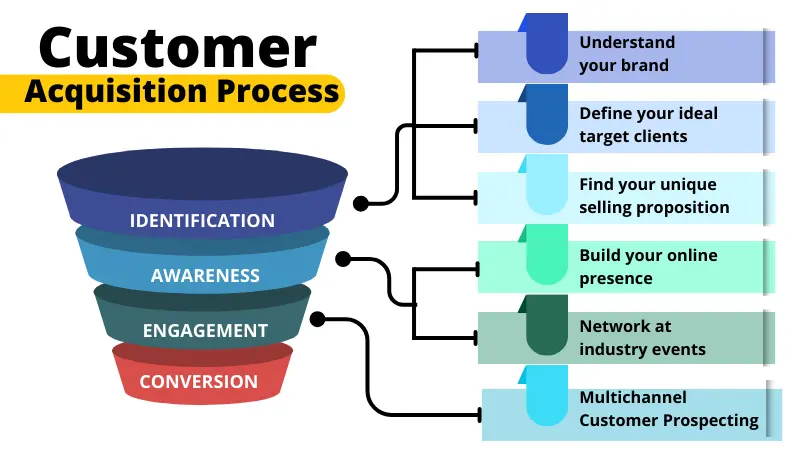
Identifying and Attending Relevant Industry Events
Attending industry-specific events is one of the best ways to connect with potential clients and referral sources. Focus on conferences, workshops, and seminars that align with your services. A 2024 survey revealed that over 65% of professionals acquired new clients through networking events. Prioritize events with a strong concentration of your target demographic — this is key for maximizing outreach efforts.
- Research upcoming events via industry associations, local business groups, and online platforms.
- Prepare an engaging elevator pitch that clearly describes your services and value proposition.
- Bring business cards and promotional materials to share with those who express interest.
Building Relationships with Referral Sources
Creating strong relationships with referral sources can significantly enhance client acquisition. This includes professionals who share a client base but aren’t direct competitors, like financial advisors, attorneys, and healthcare providers.
- Identify potential referral partners within your community or industry.
- Schedule regular meetings to discuss shared interests and explore collaboration opportunities.
- Provide value to your referral sources — sharing relevant resources or making introductions to your own network can go a long way.
Utilizing Online Networking Platforms
Online platforms offer distinct opportunities for networking, especially in today’s digital landscape. LinkedIn, for example, has become essential for professionals looking to engage with potential clients and industry leaders.
- Optimize your LinkedIn profile to clearly reflect your expertise and services.
- Join industry-related groups and actively participate in discussions — this showcases your knowledge.
- Use direct messaging to connect with individuals of interest, but make sure your approach stays professional and relevant (this is often overlooked).
Following Up and Maintaining Connections
Networking doesn’t end after the initial meeting. Following up is key to keeping connections alive and fostering relationships that can lead to client referrals.
- Send personalized follow-up emails within 24-48 hours after meeting someone new.
- Schedule periodic check-ins with key contacts to keep the relationship strong.
- Share valuable content or insights related to your field — this helps you stay top-of-mind.
Many professionals underestimate how crucial it is to maintain connections. Regular communication can turn a fleeting encounter into a lasting partnership, significantly increasing the odds of acquiring private pay clients.
Networking success requires strategic action. Start by identifying three relevant industry events to attend in the next quarter. Create a list of potential referral sources and reach out to schedule introductory meetings. Join two online networking platforms and engage actively for at least 15 minutes each week. Finally, establish a follow-up system to ensure you maintain those relationships and capitalize on networking opportunities.
Creating Value-Driven Services
Establishing value-driven services is crucial for attracting and keeping private pay clients. This section dives into how to tailor offerings effectively to meet the unique needs and preferences of this clientele.

Understanding Client Needs and Preferences
Identifying the specific needs and preferences of private pay clients lays the groundwork for service development. Conducting thorough market research through surveys, interviews, and focus groups can yield insights that are quite valuable. For example, a 2024 study revealed that 68% of clients prioritize personalized service over cost considerations. This underscores the growing demand for tailored offerings.
Developing Customized Service Packages
Creating customized service packages enables providers to meet the unique requirements of private pay clients. Here are some strategies to consider:
- Service Bundling: Combine complementary services to boost perceived value.
- Flexible Pricing Models: Offer tiered pricing structures or subscription models to fit varying budgets.
- Personalization: Let clients choose specific services that align with their individual goals.
Analytics tools can track client preferences. This helps in making more effective adjustments to service packages over time.
Communicating Value Effectively
Communicating value effectively is essential for convincing potential clients of the benefits of private pay services. Use clear messaging across various channels, such as:
- Website Content: Make sure to highlight unique selling propositions (USPs) prominently on your website.
- Testimonials: Showcase client success stories to enhance credibility.
- Social Media: Engage with potential clients through informative posts that illustrate service benefits.
Research indicates that companies actively communicating their value proposition can see conversion rate increases of up to 30%.
Utilizing Feedback for Continuous Improvement
Soliciting and acting on client feedback is vital for refining service offerings. Implement mechanisms such as:
- Post-Service Surveys: Gather insights on client satisfaction and areas needing improvement.
- Regular Check-Ins: Keep ongoing communication to discuss service efficacy and client goals.
- Performance Metrics: Analyze service outcomes to identify trends and areas that need enhancement.
Regularly incorporating feedback can lead to a 25% increase in client retention — highlighting its significance in maintaining long-term relationships.
Beyond the basics, it’s important to recognize that many service providers underestimate the role of emotional connections in service delivery. Private pay clients often look for not just functionality but also a sense of belonging and trust. Addressing these emotional factors can set a service provider apart in a crowded market. There’s a common misconception that lower prices automatically attract more clients; however, many private pay clients are willing to spend more for perceived higher value and trustworthiness (this is often overlooked).
To put these insights into action, service providers should take the following steps:
- Conduct targeted surveys to grasp client preferences.
- Develop at least three customized service packages based on the information gathered.
- Enhance communication strategies across all channels to articulate value propositions clearly.
- Establish a feedback loop with clients to facilitate ongoing improvement.
Implementing these strategies will help acquire private pay clients and build long-term loyalty.
Leveraging Digital Marketing for Client Outreach
This section delves into advanced digital marketing techniques designed to attract private pay clients. Effective digital outreach can significantly boost visibility and engagement. The result? A more robust client base.
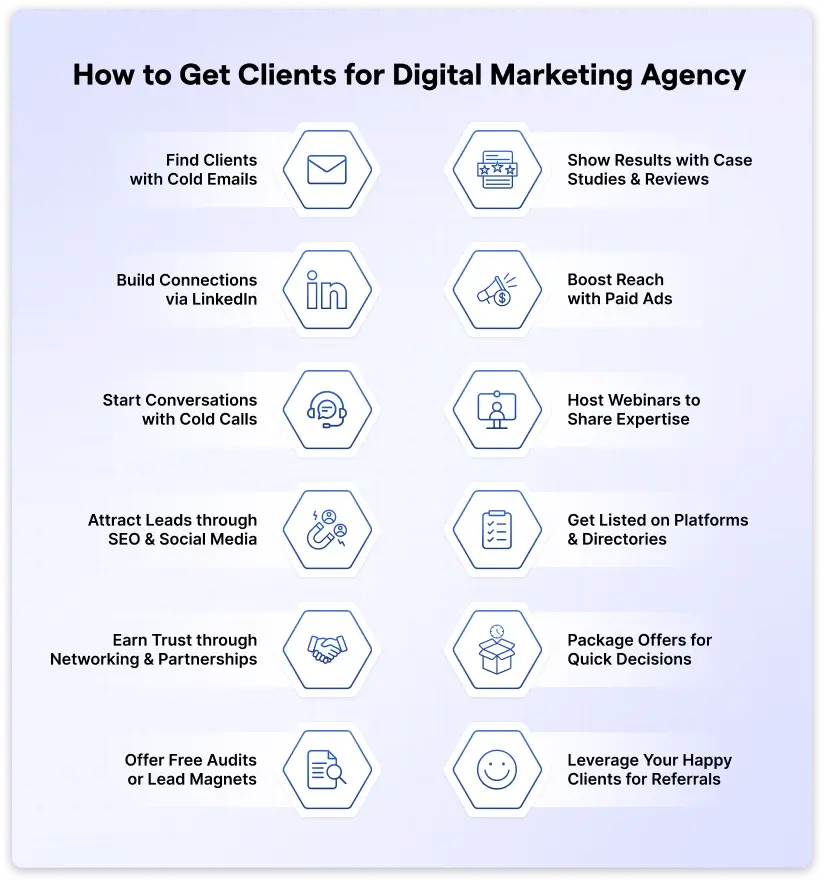
Utilizing SEO to Reach Potential Clients
Search Engine Optimization (SEO) is a vital aspect of attracting private pay clients. By optimizing your website and content for relevant keywords, you enhance your chances of being discovered by those seeking your services. Focus on both on-page and off-page SEO strategies. On-page techniques involve optimizing title tags, meta descriptions, and content structure — while off-page strategies include building quality backlinks and participating in online communities.
- Conduct keyword research to identify terms potential clients are searching for.
- Optimize your website for mobile devices. Did you know? 54% of web traffic now comes from mobile users.
- Regularly update your content to keep it relevant and ensure it ranks well in search engine results.
Effective Use of Social Media Platforms
Social media platforms like Facebook, Instagram, and LinkedIn are powerful tools for reaching private pay clients. Each platform has unique characteristics that can be leveraged to connect with different demographics. For instance, Instagram is perfect for visually-driven content, whereas LinkedIn is better for professional networking.
- Create engaging posts featuring client testimonials and case studies.
- Use targeted advertising to reach specific demographics based on location, interests, and behaviors.
- Engage with followers through regular updates, Q&A sessions, and live events — this helps build a community around your brand.
Email Marketing Strategies for Engagement
Email marketing remains one of the most effective channels for reaching potential clients. A targeted email campaign can nurture leads and keep your services fresh in their minds. Segment your email list to tailor messages according to client needs and interests.
- Use personalized subject lines to boost open rates, which average about 18% across industries.
- Include clear calls-to-action (CTAs) directing recipients to your website or a scheduling tool.
- Provide valuable content — like tips or resources — to establish authority and encourage engagement.
Content Marketing to Establish Authority
Content marketing is crucial for establishing authority in your field. By creating high-quality, informative content, you position yourself as an expert. This attracts private pay clients who look for knowledgeable providers. Formats can include blog posts, videos, webinars, and downloadable resources.
- Develop a content calendar to ensure consistent output and coverage of relevant topics.
- Incorporate SEO best practices to improve your content’s discoverability.
- Promote your content via social media and email newsletters to expand your reach.
Advanced digital marketing strategies rely on understanding your audience and effectively communicating your value proposition. A common misconception is that merely having a website or social media presence is enough. In reality, active engagement and continuous optimization are essential for converting potential clients into paying ones.
To implement these insights, take the following actionable steps:
- Conduct a comprehensive SEO audit of your website and optimize content accordingly.
- Develop a social media calendar aligned with your marketing goals and audience preferences.
- Create a segmented email list and plan a monthly newsletter filled with valuable insights and client success stories.
- Establish a content creation schedule, focusing on topics that resonate with your target audience.
Frequently Asked Questions
What are private pay clients?
Private pay clients are individuals who choose to pay for services directly, without relying on insurance or government funding. This model allows for more flexibility in service delivery and often caters to those seeking personalized care.
How can I attract private pay clients?
Attracting private pay clients involves showcasing your unique services, building a strong online presence, and networking within your community. Establishing trust and demonstrating value through testimonials can also enhance client interest.
What marketing strategies work best for private pay clients?
Effective marketing strategies for private pay clients include targeted online advertising, social media engagement, and content marketing that addresses their specific needs. Offering free workshops or consultations can also draw in potential clients.
How long does it take to get private pay clients?
The time it takes to acquire private pay clients varies widely based on factors such as marketing efforts and local demand. Generally, building a client base can take anywhere from a few weeks to several months.
What are common mistakes when trying to get private pay clients?
Common mistakes include failing to clearly communicate service value and neglecting to follow up with potential clients. Additionally, overlooking the importance of online visibility can hinder attracting the right audience.
Final Thoughts on how to get private pay clients
Attracting private pay clients hinges on establishing a robust brand presence, leveraging strategic networking, and delivering exceptional, value-driven services. Success in this space requires not only an understanding of the unique needs of your target audience but also a commitment to consistently demonstrating your expertise and reliability.
To take immediate action, refine your online presence by creating comprehensive service descriptions and client testimonials that highlight the value you provide; this will serve as a powerful tool in attracting potential clients effectively.
Ready to take your client acquisition to the next level? Connect with a google ads expert who can help you effectively reach potential private pay clients today!
Mastering the art of acquiring private pay clients is essential for sustainable business growth and financial independence in today’s competitive landscape.