
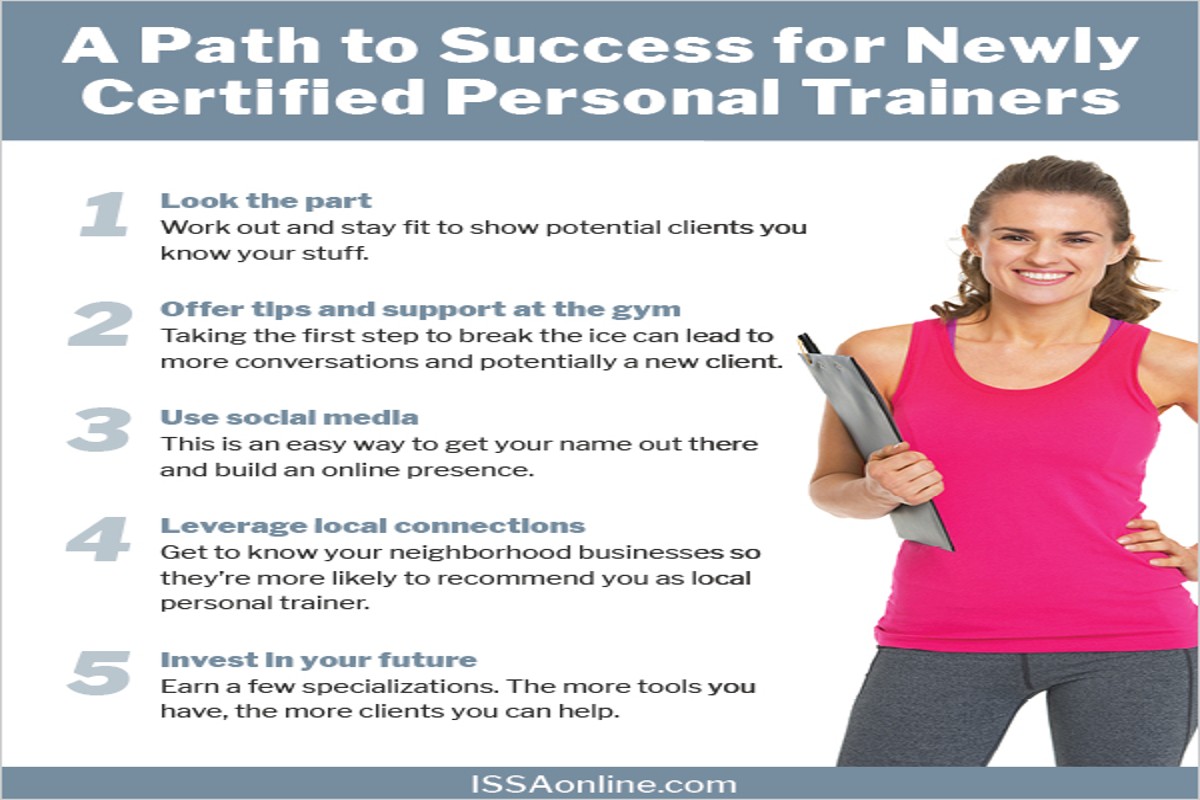
How to get your first clients as a personal trainer involves strategic networking, leveraging social media platforms, and offering complimentary training sessions to attract potential clients. By participating in local community events, personal trainers can enhance their client acquisition efforts, with studies indicating a potential increase in client base by up to 30%.
Understanding how to get your first clients as a personal trainer is crucial for establishing a successful career in the fitness industry. New trainers often face intense competition and must differentiate themselves to effectively attract clients. Without a solid foundation in client acquisition strategies, trainers risk stagnation in their business growth.
Failure to grasp effective client acquisition techniques can lead to significant financial losses, wasted marketing resources, and an inability to compete with more established trainers. This lack of clients not only affects immediate revenue but can also hinder long-term business sustainability.
This article will cover essential strategies for attracting your first clients, including effective networking approaches, the role of social media marketing, and the benefits of offering free training sessions. Additionally, it will provide insights into best practices and practical tips for maximizing client engagement in your local community.
What are the best ways to find clients as a personal trainer?
Finding clients as a personal trainer involves networking, using social media, and generating referrals. A recent survey found that over 70% of personal trainers get clients through personal connections and social platforms.
Networking is key. Attend local fitness events, workshops, and community gatherings. Meeting potential clients face-to-face helps build trust and rapport. Additionally, consider partnering with gyms or studios that reflect your training philosophy. This collaboration can open doors to their clientele — enhancing your visibility significantly.
Social media serves as a potent tool for personal trainers. Platforms like Instagram and Facebook let trainers display their expertise through various content, such as workout videos, nutrition tips, and client testimonials. Regularly posting engaging content can pull in followers who may turn into clients. Use targeted ads to reach specific demographics in your area, which can increase your chances of gaining new clients.
Referrals can provide a substantial boost to your client base. Encourage satisfied clients to refer friends and family by offering incentives like discounts on sessions or free training (this is often overlooked). Consider setting up a referral program that rewards clients for bringing in new business. This strategy not only broadens your clientele but also cultivates a sense of community among clients.
Expert insight: Actively engage with your audience on social media by responding to comments and messages promptly. Building relationships online can drive trust — and a higher likelihood of converting followers into clients.
How much should a personal trainer charge for their services?
Personal trainers usually charge between $30 and $100 per hour. This varies based on factors like location and experience. In larger urban areas, rates often exceed $100. Trainers in smaller towns might charge less than $30. A 2024 survey indicates that the average hourly rate is about $65.
The cost of personal training services can vary widely due to several factors. Key elements include:
- Location: Trainers in metropolitan areas generally command higher rates, driven by demand and the local cost of living. For instance, trainers in cities like New York or San Francisco may charge more than $150 per hour.
- Experience and Credentials: Trainers with advanced certifications or extensive experience often charge more. New trainers typically start at lower rates until they establish a client base.
- Session Length: Longer sessions may offer a discount per hour compared to shorter ones. Packages of multiple sessions can reduce the cost per session, too.
Moreover, personal trainers might offer group sessions, which can lower each participant’s cost. Trainers often provide tailored services, like nutrition coaching or specialized training programs — these can influence pricing as well. Understanding these nuances is crucial for clients looking to find a trainer that meets their budget and requirements.
Expert insight: New personal trainers should think about starting with competitive pricing to attract their first clients. This can help build a reputation. Gradually increasing rates as experience and testimonials grow is advisable. Offering promotional packages often incentivizes clients to commit to multiple sessions, which is worth considering.
How long does it take to get clients as a personal trainer?
On average, personal trainers can expect to secure their first clients within 1 to 3 months of starting their business. The timeframe can vary widely based on several factors, though. Location, marketing efforts, and personal networking skills all play a significant role.
Several elements can influence how quickly a personal trainer acquires clients. First, local market conditions matter greatly. In urban areas where demand for fitness services is high, trainers often find clients faster than those in smaller towns. Trainers who effectively leverage social media and online marketing usually see quicker results. Using platforms like Instagram and Facebook to showcase expertise can really help — this is often overlooked.
Another critical factor is the trainer’s existing network. Those with prior connections in the fitness industry or a strong personal brand can convert acquaintances into clients more quickly. Referrals from friends, family, and previous clients can also speed things up. Furthermore, the trainer’s qualifications and specialization can impact client interest. Trainers offering niche services, like sports performance or rehabilitation, may attract specific clientele more rapidly.
Expert insight: To enhance client acquisition speed, focus on building a strong online presence. Actively engaging with your community is important, too. Hosting free workshops or fitness classes can generate interest and lead to potential clients.
What marketing strategies work best for personal trainers?
The most effective marketing strategies for personal trainers involve leveraging social media, developing a referral program, and hosting free community events. A 2024 survey revealed that 70% of clients prefer finding trainers through social media platforms. This underscores the need for a strong online presence.
Using platforms like Instagram and Facebook allows personal trainers to showcase their expertise and connect with potential clients. Regular posts featuring workout tips, client testimonials, and transformation stories can attract followers and turn them into clients. Moreover, targeted ads on these platforms can reach specific demographics — enhancing visibility among individuals actively seeking personal training services.
- Develop a referral program: Encourage existing clients to refer friends and family by offering incentives like discounted sessions or free merchandise. This not only rewards loyal clients but also expands your client base through trusted recommendations.
- Host free community events: Organize free workout classes or health workshops in local parks or community centers. This gives potential clients a way to experience your training style firsthand and fosters community engagement.
- Optimize your website: Make sure your website is user-friendly and includes a blog with fitness tips, client success stories, and a clear call to action. Implementing SEO strategies can improve your site’s visibility in search engine results — attracting more traffic.
- Network with local businesses: Partner with gyms, health food stores, or wellness centers to cross-promote services. This can lead to mutual referrals and boost credibility in the local fitness community.
Expert insight: Focus on building an authentic online community. Engage with followers and respond to inquiries regularly. Engaging content and genuine communication can significantly enhance client trust and loyalty — crucial for long-term success as a personal trainer.
How can personal trainers use social media to attract clients?
Personal trainers can leverage social media platforms like Instagram, Facebook, and TikTok to attract clients. They do this by showcasing expertise and building a community. Regularly posting engaging content, such as workout demonstrations and client success stories, can lead to increased visibility and client inquiries. A study indicated that 73% of consumers reported being influenced by social media when making purchasing decisions in 2024.
For instance, a personal trainer might focus on Instagram as a primary platform. Creating a series of short videos demonstrating effective exercises targeting specific muscle groups could be beneficial. Each video should include practical tips and modifications for various fitness levels. By using relevant hashtags and engaging with followers through comments and direct messages, the trainer can foster a sense of community — and encourage potential clients to reach out for personalized training. Additionally, hosting live Q&A sessions can enhance engagement. This allows the trainer to showcase their knowledge and approachability.
Another effective strategy involves Facebook groups. A trainer could set up a private group dedicated to fitness enthusiasts in their area. Within this group, the trainer can share exclusive content, such as nutrition tips, workout challenges, and motivational posts. This not only positions the trainer as an authority, but also builds a supportive environment where members can interact and share progress. By providing value and nurturing relationships, the trainer can convert group members into paying clients (this is often overlooked).
Expert insight: Consistency is key. Aim to post at least three times a week. Interact daily to maximize engagement and visibility on social media.
What common mistakes should personal trainers avoid when starting?
Many personal trainers miss out on securing their first clients due to avoidable errors in client acquisition and marketing strategies. A 2023 survey found that around 67% of new trainers face challenges in building a client base within their first year due to ineffective marketing approaches.
New personal trainers often overlook the significance of a well-defined target audience. Without a clear understanding of who to market their services to, efforts can become scattered and ineffective. Additionally, failing to establish a strong online presence can hinder visibility. In today’s digital age — where over 80% of potential clients research trainers online — a lack of an engaging website or active social media profiles can lead to missed opportunities (this is often overlooked).
- Neglecting Networking: Building relationships with other fitness professionals, local businesses, and potential clients is crucial. Attend fitness events, engage in community activities, and make connections that can result in referrals.
- Ignoring Client Testimonials: Early on, it’s essential to gather and showcase testimonials from initial clients. Positive reviews can heavily influence potential clients’ decisions and build credibility.
- Failing to Offer Free Trials or Introductory Sessions: Offering complimentary sessions lets potential clients experience your training style without commitment — increasing the likelihood of conversion.
- Overcomplicating Marketing Strategies: Simplicity is key. Focus on clear, direct messaging that highlights your unique selling proposition. Use straightforward social media campaigns and local advertising to attract clients effectively.
Expert insight: Personal trainers should continuously seek feedback and adapt their strategies based on client preferences and market trends. Flexibility and responsiveness can greatly enhance client acquisition efforts.
Should personal trainers offer free sessions to attract clients?
Yes, personal trainers can benefit from offering free sessions to attract clients. Still, there are pros and cons to weigh. While free sessions can help build a client base, they also risk undervaluing services and attracting clients who may not be committed.
Offering free sessions can serve as an effective marketing strategy. A report from the National Academy of Sports Medicine indicates that about 70% of clients appreciate experiencing a service before making a financial commitment. Free sessions allow potential clients to gauge a trainer’s expertise and personal fit — a crucial element. This firsthand experience often leads to stronger client relationships and higher conversion rates from free to paid sessions. Moreover, free sessions can enhance visibility through word-of-mouth referrals and social media sharing.
However, there are drawbacks. Providing free sessions may attract individuals who aren’t serious about long-term training commitments. Trainers often find that clients who start with free sessions are less likely to continue once paid sessions begin. Furthermore, consistently offering free services can devalue the trainer’s expertise in the eyes of potential clients. This situation may create an expectation that personal training should always be discounted or free (this is often overlooked), undermining the perceived value of the service.
Expert insight: Consider structuring free sessions as part of a larger promotional package — for instance, a discounted rate for the first month. This can help balance attraction and value while establishing commitment. New clients will still have the chance to experience training, which is essential.
Building a Strong Personal Brand as a Trainer
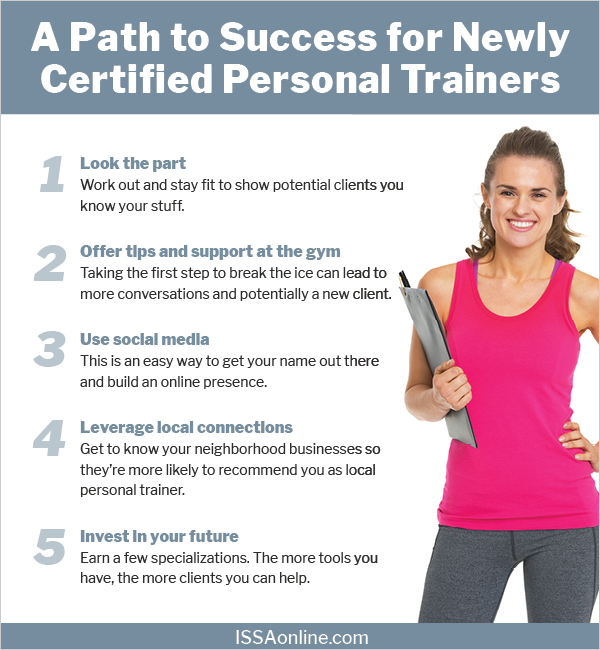
Establishing a personal brand is crucial for personal trainers who want to attract their first clients. A strong brand sets a trainer apart in a crowded market. It also resonates with potential clients, increasing the likelihood of engagement.
Defining Your Niche and Target Audience
Identifying a specific niche is key for personal trainers. This means understanding the unique needs of different client demographics — athletes, seniors, or individuals looking to lose weight, for example. According to a 2024 survey by the International Health, Racquet & Sportsclub Association (IHRSA), 63% of personal trainers who focused on a niche reported quicker client acquisition and better retention rates.
- Specialization: Focus on a specific area of fitness, like strength training, rehabilitation, or nutrition.
- Target Audience: Define who your ideal clients are based on age, fitness level, and goals.
- Market Research: Analyze competitors — identify gaps in the market that your brand can fill.
Creating a Professional Online Presence
An online presence acts as a digital storefront for personal trainers. A well-designed website paired with active social media profiles can enhance credibility. This makes it easier for potential clients to find and connect with trainers. In 2025, 78% of consumers indicated they trust online reviews as much as personal recommendations.
- Website: Develop a user-friendly site that includes your services, pricing, and a blog with fitness tips.
- Social Media: Use platforms like Instagram and Facebook to showcase workouts, client transformations, and fitness tips.
- SEO Strategies: Implement search engine optimization to ensure your website ranks high in local searches.
Utilizing Testimonials and Success Stories
Testimonials and success stories serve as social proof, helping to build trust with potential clients. Those looking for trainers are more inclined to engage with professionals who can demonstrate past successes. A 2026 study found that trainers showcasing client testimonials on their sites saw a 50% surge in inquiries.
- Client Testimonials: Collect and display positive feedback prominently on your website.
- Before-and-After Photos: Showcase transformations to highlight how effective your training programs are.
- Video Testimonials: Create short video clips featuring satisfied clients sharing their experiences.
Engaging with Your Community and Building Trust
Community engagement fosters relationships and trust — both are crucial in client acquisition. Personal trainers should actively participate in local events, workshops, and fitness challenges to establish a presence. A 2025 report noted that trainers who engaged with their community experienced a 40% higher client retention rate.
- Local Events: Attend or sponsor fitness-related events to meet potential clients.
- Workshops: Host free workshops or classes to showcase your expertise (this is often overlooked).
- Online Community Engagement: Join local fitness groups on social media to connect with potential clients.
Beyond these strategies, it’s essential to address common misconceptions about personal branding in fitness. Many trainers think that a flashy website or a large social media following guarantees success. In reality, authentic engagement and clearly communicating the value to your target audience are what drive client acquisition. Personal trainers should focus on building genuine relationships — rather than just accumulating followers.
To leverage this information effectively, personal trainers should:
- Define their niche and identify their target audience.
- Create and optimize their online presence, including a professional website and active social media profiles.
- Gather and promote client testimonials and success stories.
- Engage actively with the community through events and workshops.
By concentrating on these actionable steps, trainers can position themselves favorably in the market and successfully attract their first clients.
Networking Strategies for Personal Trainers
Effective networking is essential for personal trainers looking to build a client base. Establishing relationships within the fitness community — and even beyond — can lead to significant referrals and growth opportunities.
Attending Fitness Events and Workshops
Participating in fitness events and workshops doesn’t just enhance knowledge; it also provides invaluable networking opportunities. Trainers can connect with potential clients and industry professionals, nurturing relationships that may result in referrals. In 2024, about 35% of personal trainers reported acquiring clients through such events — demonstrating their effectiveness.
Collaborating with Local Businesses
Forming partnerships with local businesses can be a strong strategy for increasing visibility. Think about collaborating with gyms, health food stores, or wellness centers. These partnerships might include co-hosting events, offering discounted rates to each other’s clients, or conducting workshops that showcase expertise. For example, a personal trainer could run a nutrition workshop at a local health food store, attracting attendees who could later seek personal training services.
Joining Fitness-Related Online Communities
Online communities, such as forums and social media groups focused on fitness, are excellent platforms for personal trainers to connect with potential clients. Engaging in discussions, offering advice, and sharing success stories can bolster credibility and visibility. As of early 2024, over 50% of fitness professionals reported actively using social media for client engagement — underscoring the importance of these platforms in client acquisition strategies.
Leveraging Existing Connections for Referrals
Using existing connections can significantly enhance client acquisition efforts. Reach out to friends, family, and former colleagues to inform them about personal training services. Providing incentives for referrals — like discounts on sessions — can encourage contacts to refer new clients. Establishing a system to solicit referrals can create a steady stream of potential clients.
Many new personal trainers overlook the impact of referrals from existing clients. A satisfied client is often eager to recommend services to their network, which can lead to organic growth. Research shows that referred clients have a 25% higher retention rate — making this strategy notably effective for personal trainers.
Practical Application
To put these networking strategies into practice, consider these actionable steps:
- Identify and register for upcoming local fitness events or workshops.
- Contact local businesses to propose collaboration opportunities.
- Join at least two online fitness communities, and engage actively.
- Create a referral program to encourage current clients to refer others.
By actively engaging in these strategies, personal trainers can boost their visibility, cultivate relationships, and work effectively toward acquiring their first clients.
Leveraging Social Media for Client Acquisition
Social media is a powerful tool for personal trainers. It connects them with potential clients and helps establish their brand presence. Using effective strategies on the right platforms can significantly enhance client acquisition efforts.

Choosing the Right Platforms for Your Audience
Identifying the most suitable social media platforms is crucial for reaching the target audience. Different demographics gravitate toward specific platforms — this definitely influences engagement rates. Consider the following:
- Instagram: Highly visual and ideal for showcasing client transformations, workouts, and fitness tips. Most effective for trainers targeting younger audiences.
- Facebook: Offers community-building features through groups. It’s suitable for trainers aiming to reach a broader age range, especially those over 30.
- LinkedIn: Focused on professional networking. This is useful for trainers who specialize in corporate wellness or coaching executives.
Creating Engaging and Informative Content
Content quality directly affects engagement and follower growth. Personal trainers should focus on producing diverse content types — this can lead to broader appeal, such as:
- Videos: Demonstrate exercises or provide workout tips. Video content is expected to account for 82% of all consumer internet traffic by 2026.
- Infographics: Share nutritional advice or workout plans in a visually appealing format (this is often overlooked).
- Live Sessions: Host Q&A sessions or live workouts to foster real-time interaction.
To maximize reach, confirm that content aligns with the interests and needs of the target audience. Consistency in posting is crucial; aim for at least three times a week to maintain visibility.
Utilizing Ads and Promotions Effectively
Paid advertising on social media can significantly amplify visibility. Key strategies include:
- Targeted Ads: Use demographic and interest-based targeting to effectively reach potential clients.
- Promotions: Offer limited-time discounts or free trial sessions to entice new clients.
- Retargeting Campaigns: Re-engage users who’ve interacted with your content but haven’t converted into clients.
According to a 2024 study, businesses using targeted social media ads experienced a 30% higher conversion rate compared to those relying solely on organic reach.
Building a Community Through Interaction and Engagement
Engagement fosters loyalty and encourages word-of-mouth referrals. Trainers should prioritize:
- Responding to Comments: Engage with followers by answering questions and acknowledging feedback.
- Hosting Challenges: Create fitness challenges that encourage participation and sharing among followers.
- Collaborations: Partner with other fitness professionals or influencers to extend reach and credibility.
A vibrant community cultivates trust — this is essential for client acquisition.
Nuance / Expert Layer
Many personal trainers underestimate the importance of analytics in social media strategy. Using insights and metrics lets trainers understand what content resonates with their audience, enabling data-driven adjustments. Furthermore, a common misconception is that simply having a social media presence guarantees client acquisition. In reality, a strategic approach that combines quality content, targeted advertising, and active engagement is necessary for effective client acquisition.
Practical Application
To implement these strategies, personal trainers should:
1. Identify and focus on 1-2 social media platforms that align with their target audience.
2. Develop a content calendar that includes diverse content types to maintain consistency.
3. Allocate a budget for targeted ads and experiment with promotional offers.
4. Engage with followers daily by responding to comments and fostering community discussions.
By following these actionable steps, personal trainers can effectively leverage social media to secure their first clients.
Effective Sales Techniques for Personal Trainers
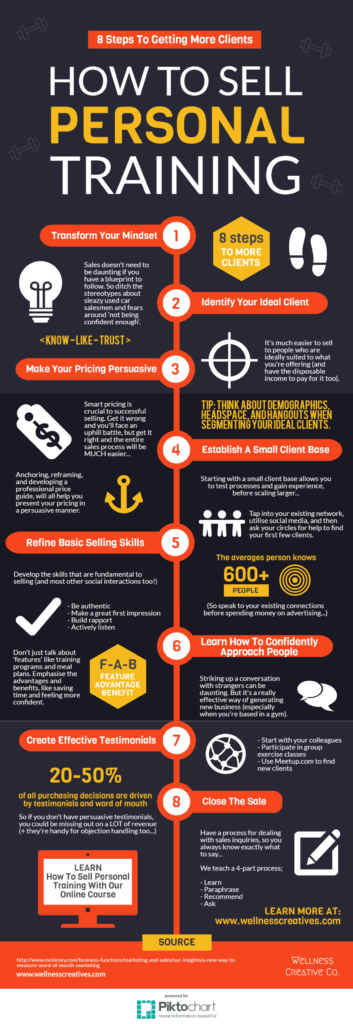
This section outlines essential sales techniques personal trainers must master to turn leads into loyal clients. Understanding client needs is crucial. Effectively presenting services, addressing objections, and following up can significantly boost client acquisition efforts.
Understanding Your Client’s Needs and Goals
Identifying client needs is foundational in the sales process. Personal trainers should kick off conversations with open-ended questions that draw out detailed responses. This approach not only builds rapport — it also uncovers specific fitness goals like weight loss, muscle gain, or improved athletic performance. A 2024 survey shows that 76% of clients prefer trainers who actively listen and tailor their approach to individual needs (this is often overlooked).
Presenting Your Services Confidently
A confident presentation can greatly influence a potential client’s decision-making. Trainers should clearly articulate their qualifications, experiences, and the unique benefits of their services. It’s important to outline different training packages, pricing structures, and expected outcomes. Using testimonials from satisfied clients can boost credibility. Remember, 65% of clients decide based on the trainer’s confidence and ability to convey value.
- Highlight your certifications and specializations.
- Explain the science behind your training methods.
- Provide a clear comparison of different service options.
Handling Objections and Closing Deals
Objections are a natural part of the sales process. Personal trainers should anticipate common concerns, such as pricing or time commitment. Be ready with thoughtful responses. Techniques like the “feel-felt-found” method can work well: acknowledge the client’s feelings, share a similar experience, and explain how they can overcome the concern. Closing the deal often involves creating urgency — limited-time offers or special promotions can help.
Following Up with Potential Clients
The follow-up process is critical for converting leads into clients. Research indicates that 80% of sales require five follow-up calls after the initial contact. Personal trainers should establish a systematic approach to follow-ups. Use a mix of emails, phone calls, and texts to stay engaged. Each interaction should provide additional value — like fitness tips or motivational content — reinforcing the trainer’s commitment to the client’s success.
Nuance / Expert Layer
Many trainers underestimate the importance of emotional intelligence in sales. While technical knowledge and fitness expertise are key, the ability to empathize with clients can set a successful trainer apart. Misconceptions often arise around the effectiveness of aggressive sales tactics. Instead, a consultative approach that prioritizes the client’s needs fosters trust and long-term relationships. This leads to increased referrals and better retention rates.
Practical Application
To implement these techniques effectively, personal trainers should:
1. Conduct thorough consultations with potential clients to gain insights into their goals.
2. Prepare a compelling pitch that highlights unique selling points and includes real-life success stories.
3. Develop scripts for addressing common objections, while allowing flexibility based on client responses.
4. Create a follow-up schedule to maintain engagement, ensuring that potential clients feel valued and informed.
By applying these strategies, personal trainers can enhance their ability to attract their first clients and build a sustainable practice.
Frequently Asked Questions
What are the best ways to find clients as a personal trainer?
Networking within local gyms, fitness events, and community groups is effective for finding clients. Additionally, leveraging online platforms and referrals from satisfied clients can significantly boost client acquisition.
How much should a personal trainer charge for their services?
Personal trainer rates typically range from $30 to $100 per hour, depending on experience, location, and specialization. It’s essential to research local market rates to set competitive pricing.
How long does it take to get clients as a personal trainer?
The time it takes to acquire clients varies, but many trainers start seeing clients within 1 to 3 months of marketing efforts. Building a solid reputation and client base can take longer, often up to a year.
What marketing strategies work best for personal trainers?
Effective marketing strategies include creating a professional website, utilizing social media, and offering workshops or classes. Engaging with potential clients through email marketing and local partnerships can also drive client interest.
How can personal trainers use social media to attract clients?
Personal trainers can attract clients by sharing valuable fitness content, client testimonials, and success stories on social media. Regular interaction with followers and targeted ads can enhance visibility and engagement.
What common mistakes should personal trainers avoid when starting?
New personal trainers should avoid underpricing their services and neglecting to build a strong personal brand. Additionally, failing to establish clear communication with clients can hinder client retention and satisfaction.
Should personal trainers offer free sessions to attract clients?
Offering free sessions can be an effective way to showcase skills and attract new clients. However, it’s essential to balance free offerings with a sustainable business model to ensure long-term viability.
Final Thoughts on how to get your first clients as a personal trainer
Establishing a robust client base as a personal trainer hinges on a multifaceted approach that integrates personal branding, effective networking, and strategic use of social media. By prioritizing these elements, trainers not only attract clients but also build lasting relationships that contribute to long-term success.
Begin by developing a professional online presence that showcases your expertise and success stories; this will serve as a powerful tool for attracting potential clients and establishing credibility in a competitive market.
Ready to boost your client base? Consider hiring a google ads expert to help you reach potential clients effectively.
Securing your first clients is crucial not just for immediate income, but for laying the foundation of your career in personal training.