
To get private clients for home care involves implementing strategic approaches that enhance visibility and credibility within the community. By establishing a robust online presence, networking effectively, and delivering exceptional service, home care providers can significantly increase their client base. Research indicates that 70% of home care clients prefer to engage with providers who have positive online reviews and testimonials.
Understanding how to get private clients for home care is crucial for providers aiming to thrive in a competitive market. With the home care industry projected to reach $225 billion by 2024, mastering client acquisition strategies is essential for success. Failure to implement effective methods can lead to missed opportunities and diminished trust among potential clients.
Businesses that overlook these strategies risk substantial revenue loss, wasted marketing resources, and a weakened competitive position. In an industry where trust and reputation are paramount, not adapting to client acquisition best practices can severely impact growth.
This article will cover proven strategies for attracting private clients, including effective online marketing techniques, community networking tips, and best practices for showcasing testimonials. Readers will gain insights into optimizing their approach to client acquisition in the home care sector.
What are the best ways to find private clients for home care?
To find private clients for home care, focus on networking, online marketing, and leveraging referrals. Using these strategies can boost client acquisition and improve your reputation in the community — which makes it easier to attract new clients.
1. Networking with Healthcare Professionals: Build relationships with local physicians, hospitals, and rehabilitation centers. These professionals can recommend your services to patients needing home care. This creates a direct pathway to potential clients.
2. Establish an Online Presence: Create a professional website and use social media platforms to showcase your services. A 2024 survey showed that 72% of consumers search online for home care services. An online presence is essential for visibility (this is often overlooked).
3. Implement Referral Programs:
Encourage current clients and their families to refer others by offering incentives, like discounts or gift cards. A strong referral program can significantly expand your client base. personal recommendations carry more weight than traditional advertising.
4. Attend Community Events: Engage in local health fairs, senior expos, and community gatherings. These events provide opportunities to connect with potential clients and their families. They also raise awareness about your services.
5. Utilize Online Directories: List your services on online platforms designed specifically for home care providers. Websites like Care.com or AgingCare.com can help attract clients actively seeking home care assistance.
6.
Focus on SEO strategies:
Optimize your website for search engines to improve visibility. Use relevant keywords and create informative content that addresses common questions about home care. This makes it easier for clients to find you online.
Expert insight: Regularly request feedback from clients to improve services and address any concerns. Satisfied clients are more likely to refer your services and provide positive testimonials — which can enhance your credibility and attract new clients.
How much does it cost to get private clients for home care?
The cost of acquiring private clients for home care typically falls between $1,000 and $10,000 per client. This depends on various factors, such as marketing strategies, networking efforts, and service delivery costs.
Marketing plays a crucial role in client acquisition. Traditional advertising methods, like print ads and direct mail, can set one back anywhere from $500 to $3,000. Digital marketing options, including search engine optimization (SEO) and pay-per-click (PPC) advertising, can vary considerably — often between $1,000 and $5,000 monthly. This variability hinges on the competitiveness of the targeted keywords and the extent of the campaigns. Additionally, establishing a professional website with valuable content usually incurs initial expenses, typically ranging from $2,000 to $10,000. This is often overlooked.
Networking is another vital factor affecting costs. Joining professional associations or local business groups often requires membership fees that range from $100 to $1,000 annually. On top of this, attending industry conferences and events can cost between $200 and $2,000 per event, which will depend on travel and accommodation expenses. Building relationships with referral sources, such as healthcare providers, may demand time and resources. But this effort can yield long-term benefits in client acquisition.
Service delivery costs should not be neglected. These costs encompass hiring qualified staff, training, and supplying necessary equipment. Labor costs in home care generally average $15 to $30 per hour — influenced by the region and the level of care provided. Maintaining high-quality service can lead to better client retention and referrals, which ultimately impacts the overall cost of acquiring new clients.
Expert insight: Invest in a balanced marketing strategy that integrates both digital and traditional methods. Actively participating in community events and networking opportunities can maximize client acquisition efficiently.
What qualifications do I need to provide home care services?
To provide home care services, a caregiver generally needs a mix of formal education, relevant certifications, and practical experience. Most states require at least a high school diploma or its equivalent, along with specialized training or certification in home care.
The qualifications can differ by state and depend on the type of services offered. Common requirements include:
- Certified Nursing Assistant (CNA): Many states require CNAs to assist with basic health care tasks.
- Home Health Aide (HHA) Certification: This certification often involves completing a training program and passing an exam.
- First Aid and CPR Certification: Essential for emergency preparedness.
- Background Checks: Most states mandate criminal background checks for caregivers.
Additionally, specialized training in areas such as dementia care, palliative care, or physical therapy can be beneficial — especially for caregivers looking to enhance their skills and appeal to a broader range of clients. Some agencies require ongoing education and training to maintain certifications and stay updated with industry best practices (this is often overlooked). Understanding the specific legal and regulatory landscape in your state is crucial. This knowledge will determine the exact qualifications necessary to operate legally and effectively.
Expert insight: Obtaining additional certifications in specialized areas can really set caregivers apart in a competitive market. This increases their attractiveness to private clients seeking tailored home care solutions.
How long does it take to build a client base in home care?
Building a client base in home care usually takes anywhere from six months to two years, depending on several factors, including marketing strategies and local demand. On average, new agencies may attract their first few clients in the first three to six months.
The timeline for establishing a client base can vary quite a bit. Effective marketing strategies are key. Agencies that use digital marketing, local networking, and community outreach often see results faster. For example, engaging with local healthcare providers, attending community events, and leveraging social media can really speed up client acquisition. Plus, having a clear value proposition and a robust referral program can significantly enhance visibility and credibility in the marketplace.
Market conditions also impact how quickly clients can be acquired. In areas where demand for home care services is high, agencies may attract clients more quickly. On the other hand, in regions with saturated markets, it might take longer to stand out and build a reputation. The type of care offered—such as specialized services for conditions like dementia or post-operative care—can also shape client interest and lead generation (this is often overlooked).
Expert insight: To speed up the process of building a client base, consider forming partnerships with local hospitals and rehabilitation centers. These relationships can provide a steady source of referrals — and they enhance credibility in the community.
What are common mistakes to avoid when seeking private clients?
Common mistakes when seeking private clients include neglecting your online presence, failing to follow up with leads, and not clearly defining your target market. These missteps can significantly reduce effectiveness in client acquisition and hinder business growth.
One major pitfall is neglecting your online presence. In 2024, about 70% of consumers research services online before making a decision. Without an optimized website and active social media profiles, potential clients may struggle to find or trust your services. Make sure your online platforms showcase your expertise, client testimonials, and clear service offerings. Regularly updating your content and engaging with your audience is crucial for building credibility.
Another critical mistake is failing to follow up with leads. Research shows that 80% of sales require five follow-ups, yet many service providers stop after the first attempt. Implement a systematic follow-up process. Nurture leads and convert inquiries into clients. Use tools like CRM software to track communications and set reminders for follow-ups — ensure no potential client slips through the cracks.
- Define your target market: Clearly identify who your ideal clients are based on demographics, needs, and preferences. Tailor your marketing strategies to attract this specific audience.
- Offer free consultations: Providing a no-obligation consultation can help build trust and demonstrate your value. This can significantly increase your chances of converting leads into clients.
- Network within the community: Attend local events, join professional groups, and collaborate with other healthcare professionals to expand your reach. Building relationships within the community can lead to referrals — and increased visibility.
Expert insight: Focus on building a robust referral network by maintaining relationships with satisfied clients and local professionals. A strong reputation and word-of-mouth can be more effective than traditional advertising (this is often overlooked). Invest time in delivering exceptional service to encourage referrals.
Effective Networking Strategies for Home Care Providers
This section outlines key networking techniques for home care providers aimed at fostering relationships with potential clients and referral sources. Building a solid network is essential — it helps secure private clients and boosts service visibility.

Engage in Local Health and Wellness Events
Participating in local health and wellness events allows home care providers to connect directly with potential clients and their families. These events typically attract individuals looking for information about services available — making them an ideal platform for outreach. For instance, a 2025 survey found that over 60% of attendees at health fairs expressed interest in home care options.
- Host informational booths to showcase services.
- Offer free consultations or health assessments.
- Participate in panel discussions or workshops.
Collaborate with Healthcare Professionals
Establishing partnerships with healthcare professionals is a vital strategy for generating referrals. Physicians, nurses, and social workers often encounter clients needing home care services. By cultivating relationships with these professionals, providers can position themselves as trusted resources. Research indicates that 70% of home care clients are referred by healthcare professionals.
- Schedule regular meetings with local healthcare providers.
- Share informative newsletters to keep them updated on your services.
- Attend community health seminars where healthcare professionals gather.
Leverage Social Media Platforms
Using social media effectively can expand a home care provider’s reach within the community. Platforms like Facebook, LinkedIn, and Instagram allow providers to share success stories, client testimonials, and informative content. Engaging with local community groups on these platforms can help build a network — in 2024, 45% of consumers reported finding healthcare services through social media.
- Create a content calendar to ensure regular updates.
- Engage with followers through Q&A sessions and live events.
- Utilize targeted ads to reach specific demographics in your area.
Attend Workshops and Seminars
Workshops and seminars not only enhance professional knowledge but also increase visibility within the industry. By participating in educational events, home care providers can showcase their expertise and gain credibility among peers and potential clients. A study revealed that businesses engaged in continuous learning are 35% more likely to attract new clients.
- Seek out relevant workshops in the home care industry.
- Present at seminars to establish authority in the field.
- Network with attendees to build relationships.
While these networking strategies are effective, it’s crucial to approach them strategically. Many providers overlook the importance of follow-up communication after initial meetings or events (this is often overlooked). Consistent outreach and nurturing relationships can dramatically enhance referral rates and client acquisition. For instance, sending personalized thank-you notes or follow-up emails reinforces connections made during networking events.
To apply these strategies effectively, home care providers should prioritize attending at least two local health events each quarter. They should also schedule monthly meetings with healthcare professionals, engage on social media at least three times a week, and commit to attending one workshop or seminar every two months. These actionable steps will not only expand their network but also significantly increase their chances of securing private clients for home care services.
Leveraging Online Marketing for Client Acquisition
Effective online marketing strategies are crucial for attracting private clients in the home care sector. Establishing a strong digital presence allows agencies to reach more potential clients and foster lasting relationships.
Creating a Professional Website
A well-designed, professional website is the cornerstone of digital marketing efforts. It should clearly showcase the services offered. Including client testimonials helps build credibility. Essential elements include:
- Service Descriptions: Clearly outline the array of services provided, including specialized care options.
- Testimonials: Displaying positive client experiences fosters trust and encourages inquiries.
- Contact Information: Make sure contact details are easy to find, including phone numbers and email addresses.
Research shows that 75% of users judge a company’s credibility based on its website design. This highlights the importance of having a visually appealing and functional site.
Improving Online Visibility with SEO
Search Engine Optimization (SEO) plays a vital role in boosting online visibility. By optimizing website content for relevant keywords, agencies can rank higher in search engine results. Key strategies include:
- Keyword Research: Identify keywords that potential clients are searching for regarding home care services.
- On-Page SEO: Optimize title tags, meta descriptions, and headers with targeted keywords.
- Content Creation: Develop informative blog posts that address common questions or concerns about home care.
In 2024, 70% of all web traffic will come from organic search. This underscores the need for effective SEO practices.
Engaging in Social Media Marketing
Social media platforms serve as powerful tools for reaching a broader audience. An effective social media strategy enhances brand awareness and engagement. Key steps include:
- Platform Selection: Choose platforms where target clients are active, like Facebook and Instagram.
- Content Sharing: Regularly post engaging content, including tips, client stories, and informative articles.
- Community Engagement: Interact with followers through comments, messages, and live sessions to foster connections.
Statistics indicate that 54% of social browsers use social media to research products. This makes it a vital channel for client acquisition.
Implementing Email Marketing Campaigns
Email marketing continues to be an effective method for nurturing leads and maintaining client relationships. Strategies include:
- Building an Email List: Collect email addresses through website sign-ups and social media campaigns.
- Segmentation: Tailor messages based on demographics and interests to increase relevance.
- Regular Updates: Send newsletters with tips, service updates, and client success stories to keep clients informed.
Recent data shows that targeted email campaigns can yield a return on investment of $42 for every dollar spent. This highlights their effectiveness.
Many articles overlook the importance of a cohesive online strategy. Successful client acquisition doesn’t just rely on individual tactics; it requires an integrated approach that aligns website content, SEO, social media, and email marketing. Understanding the unique needs and preferences of the target audience is essential for tailoring marketing efforts effectively (this is often overlooked).
To leverage these insights, home care agencies should take immediate action by:
- Developing or refining their website to ensure it is user-friendly and informative.
- Investing in SEO tools to enhance their online visibility.
- Creating a content calendar for social media and blog posts.
- Establishing an email marketing strategy to engage current and prospective clients regularly.
Building Trust and Credibility with Clients
Establishing trust and credibility is crucial for attracting private clients in the home care industry. Clients look for reliable and compassionate services. Transparency and effective communication are key components of any successful strategy.
Provide Transparent Information About Services and Pricing
Clear and detailed information about services and pricing helps build trust. Clients should easily grasp what services are available, the qualifications of caregivers, and how pricing structures function. Transparency removes ambiguity. This lets clients make informed decisions. For example, a survey by Home Care Pulse in 2024 indicated that over 75% of clients prioritize pricing transparency when choosing a home care provider.
Showcase Client Testimonials and Success Stories
Displaying testimonials and success stories enhances credibility. Positive feedback from current clients can significantly sway potential clients’ choices. Create a dedicated section on your website for testimonials, featuring detailed accounts of how your services have positively impacted clients’ lives. Video testimonials can add authenticity, providing a personal touch that written reviews often lack.
Offer Free Consultations to Build Rapport
Free consultations serve as an effective way to build rapport with potential clients. During these meetings, caregivers can assess client needs and show their expertise. Such personal interactions not only highlight service quality but also give caregivers a chance to answer questions and address concerns directly. According to a 2025 report by the National Association for Home Care & Hospice, about 60% of families prefer providers who offer free consultations; this helps them feel more comfortable before making a commitment.
Maintain Open Communication and Prompt Responses to Inquiries
Effective communication is the backbone of trust. Keeping lines of communication open makes clients feel valued. Prompt responses to inquiries reflect professionalism and dedication. Consider putting a system in place for tracking inquiries and follow-ups — this ensures no potential client feels neglected. A 2026 study showed that businesses prioritizing quick response times experience a 50% higher conversion rate for potential clients.
Nuanced Considerations in Building Trust
While transparency and communication are essential, many home care agencies overlook the importance of cultural competence and personalization. Trust isn’t just built on information — it’s rooted in understanding and respecting clients’ diverse backgrounds and preferences. Some may think a one-size-fits-all approach suffices. However, personalization in care plans can significantly boost client trust. Clients are more inclined to engage with a provider who truly understands their unique circumstances and values.
Practical Application: Steps to Foster Trust
- Develop a clear pricing guide and service description document.
- Collect and display client testimonials on your website and marketing materials.
- Implement a structured process for offering and conducting free consultations.
- Create a communication protocol to ensure prompt responses to inquiries.
- Engage in continuous training on cultural competence for all staff members.
By implementing these strategies, home care providers can build trust and credibility effectively. These are essential components in learning how to get private clients for home care. Prioritize transparency, communication, and personalization. This approach will enhance client relationships and foster long-term loyalty.
Understanding the Legal and Regulatory Framework
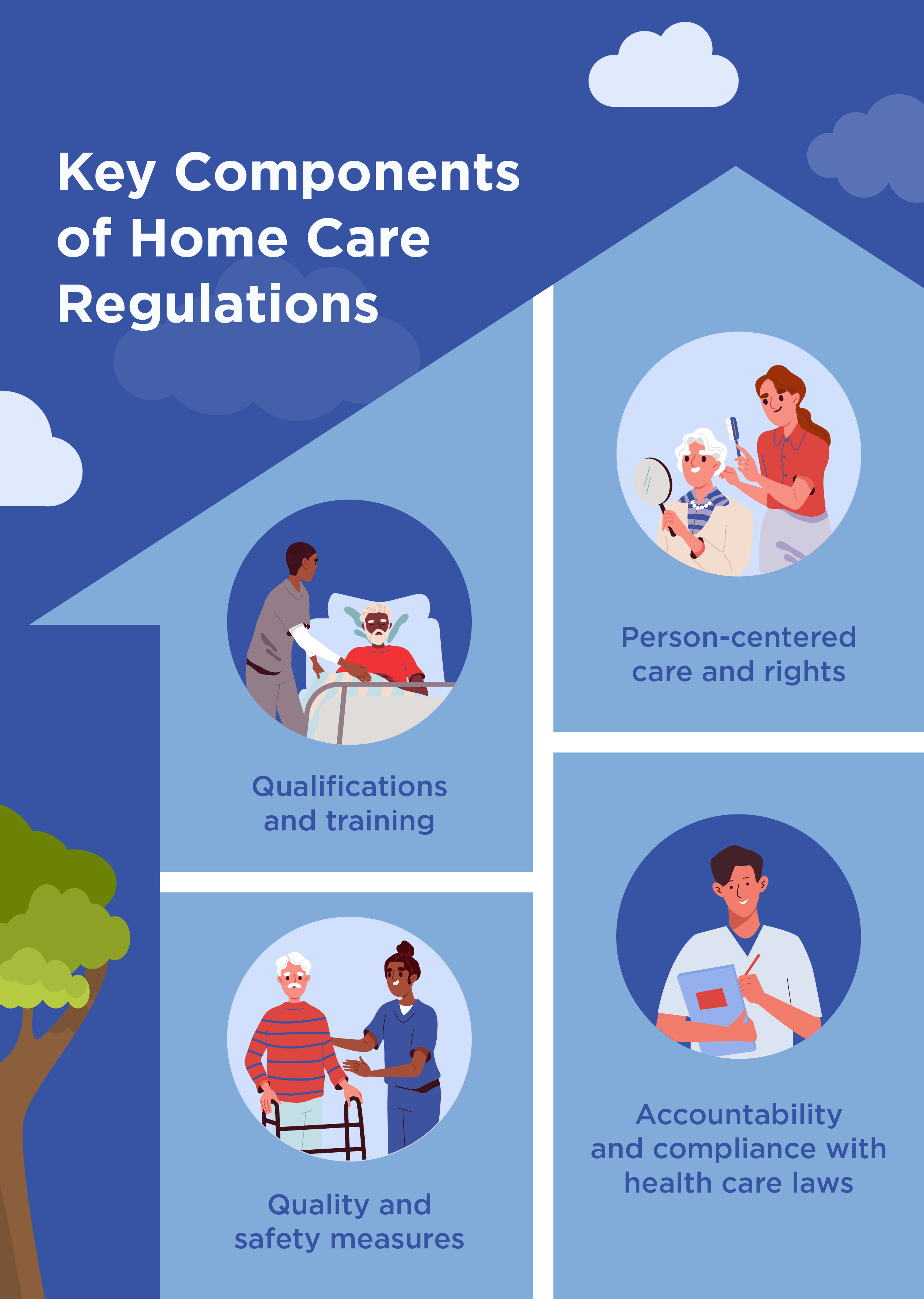
This section outlines essential legal requirements and regulations that home care providers must navigate when acquiring private clients. Adhering to these guidelines ensures compliance and builds trust with clients and their families.
State-Specific Licensing Requirements
Licensing requirements for home care providers differ significantly by state. Most states require home care agencies to obtain a license to operate legally. In California, for instance, organizations must secure a Home Care Organization license from the California Department of Social Services. In contrast, states like Texas have fewer regulations, allowing non-medical home care agencies to operate without a specific license.
- California: Home Care Organization license required.
- Florida: License from the Agency for Health Care Administration.
- New York: Home Care Services Agency license mandatory.
Insurance and Liability Considerations
Insurance is a critical component for home care providers. Liability insurance protects businesses against claims that can arise from injuries or damages during service provision. In 2024, the average cost of liability insurance for home care agencies ranged from $2,000 to $5,000 annually, depending on coverage levels and client volume. Additionally, workers’ compensation insurance is often necessary to protect employees in case of job-related injuries.
- General liability insurance for client-related incidents.
- Professional liability insurance to cover errors and omissions.
- Workers’ compensation insurance for employee protection.
Importance of Adhering to HIPAA Regulations
Compliance with the Health Insurance Portability and Accountability Act (HIPAA) is mandatory for all healthcare providers, including home care agencies. HIPAA regulations safeguard patient information, making sure personal health data is handled with the utmost confidentiality. Violations can lead to severe penalties; fines can reach up to $1.5 million annually for repeated breaches. Providers need to implement strict policies for data protection, employee training, and secure communication to stay compliant.
Resources for Staying Updated on Legal Changes
Staying compliant requires being informed about legal changes that can impact home care operations. Several resources are available for home care providers:
- State health department websites for licensing updates.
- Professional organizations like the National Association for Home Care & Hospice (NAHC).
- Legal counsel specializing in healthcare law for personalized advice.
Common misconceptions exist regarding the licensing and regulatory landscape of home care. Some providers assume that once licensed, no further compliance efforts are necessary. However, ongoing training and policy updates are critical as regulations evolve. Moreover, many providers overlook the importance of liability insurance (this is often overlooked), believing it’s optional. In reality, without adequate coverage, agencies expose themselves to significant financial risks.
To effectively use this information, home care providers should first identify the specific licensing requirements in their operating state and obtain the necessary licenses. Next, invest in comprehensive insurance coverage tailored to the unique risks associated with home care services. Finally, establish a compliance program that includes regular training on HIPAA regulations and a protocol for monitoring legal updates. Implementing these steps will not only ensure compliance but also enhance the agency’s reputation. This builds client trust — which ultimately aids in securing private clients for home care.
Frequently Asked Questions
What are the best ways to find private clients for home care?
Effective methods to find private clients for home care include networking with healthcare professionals, utilizing social media platforms, and joining local community groups. Additionally, advertising through local newspapers and online directories can increase visibility.
How much does it cost to get private clients for home care?
The cost of acquiring private clients for home care varies based on marketing strategies and geographic location. Budgeting for online advertising, referral incentives, and promotional materials is essential for effective outreach.
What qualifications do I need to provide home care services?
To provide home care services, one typically needs relevant certifications, such as CPR and first aid, as well as any necessary state licenses. Experience in caregiving or healthcare can also enhance credibility and attract clients.
How long does it take to build a client base in home care?
Building a client base in home care can take several months to a few years, depending on the marketing efforts and local demand. Consistent networking and providing quality services can accelerate the process.
What are common mistakes to avoid when seeking private clients?
Common mistakes include neglecting to establish a strong online presence and failing to follow up with leads. Additionally, underestimating the importance of client referrals and testimonials can hinder business growth.
Final Thoughts on how to get private clients for home care
Success in acquiring private clients for home care hinges on a multifaceted approach that combines effective networking, strategic online marketing, and the establishment of trust and credibility. By prioritizing these elements, providers can create a robust client base that not only meets immediate needs but also fosters long-term relationships.
To take immediate action, invest time in building a professional online presence through targeted social media campaigns and a well-optimized website that highlights your qualifications and client testimonials.
Ready to elevate your home care business? Consult a google ads expert today and discover proven strategies to attract more private clients!
Mastering the art of client acquisition in home care is essential, as it directly impacts the sustainability and growth of your practice in an increasingly competitive landscape.