
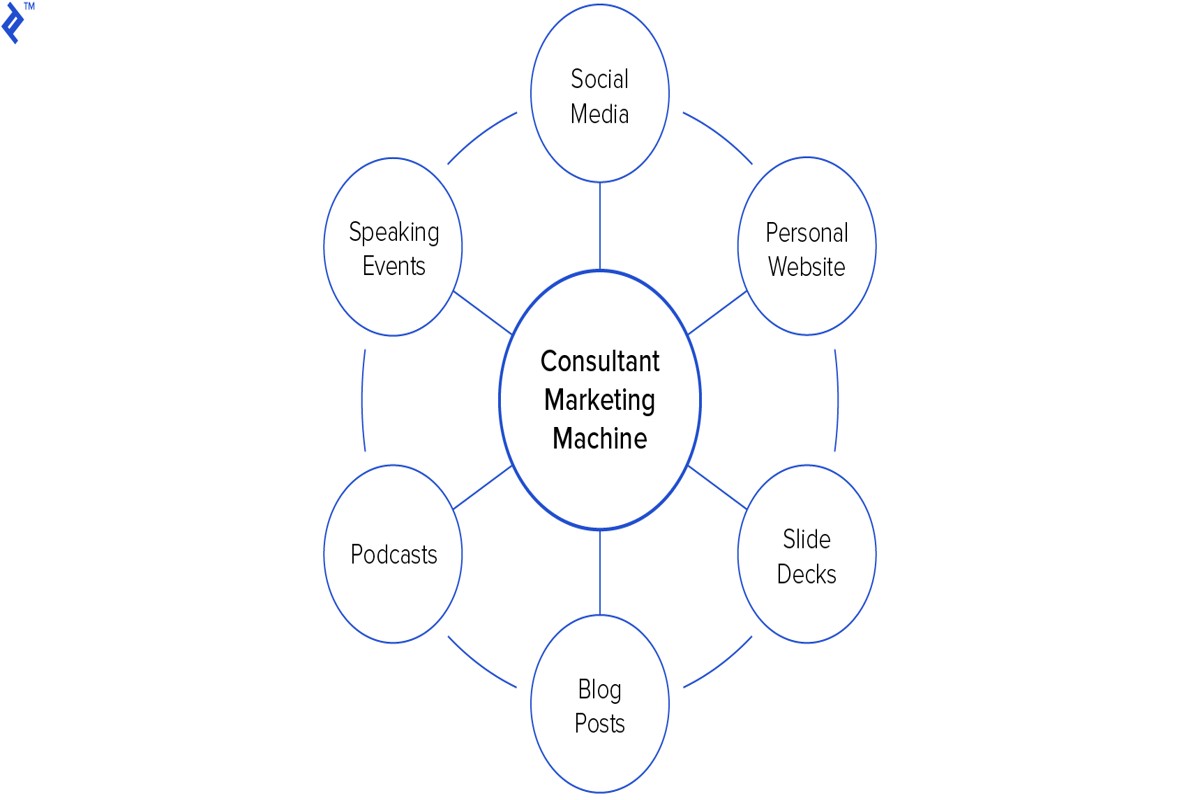
Consultants get clients through strategic networking, leveraging referrals, and implementing effective marketing strategies. By building strong relationships and demonstrating their expertise, consultants can achieve a 70% increase in client acquisition, significantly enhancing their business growth.
Understanding how consultants get clients is crucial for professionals seeking to thrive in a competitive market. Mastery of client acquisition strategies can lead to sustainable business growth and increased revenue. According to industry reports, 70% of new clients come from referrals, emphasizing the importance of relationship-building in consulting.
Failure to grasp effective client acquisition methods can result in missed revenue opportunities, wasted marketing resources, and a significant competitive disadvantage. Without a solid strategy, consultants risk stagnating their business growth and losing potential clients to more adept competitors.
This article will explore proven strategies for consultants to acquire clients, including effective networking techniques, the power of referrals, and essential marketing practices. Readers will gain insights into best practices that can drive client engagement and boost their consulting business.
What are the best strategies for consultants to get clients?
Consultants can attract clients effectively through a mix of networking, crafting a strong personal brand, and using social media. In 2024, around 85% of consultants reported gaining clients mainly through referrals and personal connections. This highlights just how important these strategies are.
Networking remains a key strategy for consultants. Engaging in industry events, conferences, and local business gatherings provides opportunities to meet potential clients face-to-face. Building genuine relationships is crucial; following up with contacts, offering assistance, and keeping communication open fosters trust and credibility.
- Develop a personal brand: Establish a clear and distinct personal brand that reflects expertise and values. Create a professional website to showcase services, testimonials, and case studies. Consistency across platforms enhances recognition — and trust.
- Utilize social media: Use platforms like LinkedIn and Twitter to share insights, industry trends, and success stories. Regularly posting engaging content positions one as a thought leader in the field, attracting interest from potential clients (this is often overlooked).
- Offer free workshops or webinars: Hosting free sessions on relevant topics can demonstrate expertise and attract leads. This provides value upfront, allowing potential clients to experience the consultant’s approach before committing to services.
- Ask for referrals: Actively seek referrals from satisfied clients. A structured referral program can incentivize existing clients to recommend services — significantly expanding the consultant’s network.
Expert insight: Focus on nurturing relationships rather than transactional interactions. Building a robust network can lead to long-term client engagements and sustainable business growth. Remember, relationships matter.
How do consultants use social media to attract clients?
Consultants tap into social media platforms, especially LinkedIn, to attract clients. They create valuable content and engage with their target audience. In fact, 80% of B2B leads come from social media — a clear indication of its role in client acquisition strategies.
To effectively navigate social media, consultants should follow these steps:
- Identify Target Audience: Clearly define the ideal client profile. This helps tailor content and messaging effectively.
- Create Valuable Content: Share insights, case studies, and industry trends. Use articles, infographics, and videos that address potential clients’ needs and pain points.
- Engage Regularly: Interact with followers. Respond to comments, participate in relevant discussions, and join industry-specific groups to build relationships and trust.
- Utilize LinkedIn Features: Leverage LinkedIn’s publishing platform. Write long-form posts, use the Stories feature for updates, and participate in LinkedIn Live sessions to showcase expertise.
- Monitor Analytics: Regularly review engagement metrics. Understand what content resonates most with the audience and adjust strategies accordingly.
Engaging on social media isn’t a one-time effort; it demands consistency and adaptability. A strong online presence can lead to referrals and repeat business — satisfied clients often share your content and recommend your services.
Expert insight: Focus on storytelling in your content. Real-life success stories resonate deeply and convey your expertise and the value you provide to potential clients (this is often overlooked).
What role do referrals play in a consultant’s business?
Referrals are a key source of new clients for consultants, often representing over 70% of their business. This organic growth channel comes from happy clients recommending services to their networks — enhancing both credibility and trust.
Referrals tap into existing relationships to forge new connections, making them one of the most effective strategies for acquiring clients. When clients refer a consultant, they’re not just endorsing the service; they’re also vouching for the consultant’s expertise and reliability. This kind of endorsement can greatly reduce the time and resources spent on marketing efforts. Referrals typically lead to higher conversion rates compared to other lead generation methods.
- Quality over quantity: Referrals usually come from clients who have firsthand experience with the consultant’s work, resulting in higher-quality leads that are more likely to convert.
- Cost-effective marketing: Acquiring clients via referrals often incurs lower costs than traditional advertising and outreach campaigns.
- Trust factor: Potential clients are more likely to engage with a consultant recommended by someone they trust — which shortens the sales cycle.
To encourage referrals, consultants should actively seek feedback from their clients and express gratitude for successful referrals. Establishing a formal referral program can also motivate clients to refer others, offering rewards or recognition for each successful lead they generate. Regular communication with past clients keeps the consultant top-of-mind (this is often overlooked), increasing the chances of future referrals.
Expert insight: Building strong relationships with clients and consistently exceeding their expectations helps create a referral culture. This turns satisfied clients into advocates who actively promote the consultant’s services.
How much time does it take for consultants to get clients?
Consultants usually take several weeks to a few months to acquire clients. This varies based on several factors — experience, networking strategies, and market demand all play a role. On average, new consultants might land their first client within 1 to 3 months. Established consultants? They can often secure clients more quickly, sometimes within just a few weeks.
The time frame for client acquisition can vary significantly. New consultants, especially those without an established network, may need considerable time to build relationships and gain visibility in their target market. They often have to rely on networking, social media, and word-of-mouth referrals — which can take a while to produce results. In contrast, experienced consultants with a solid portfolio and existing connections can leverage their reputation to attract clients more swiftly (this is often overlooked).
Moreover, industry dynamics are crucial. In sectors where there’s high demand for consulting services — like technology or healthcare — consultants may find clients more readily. Conversely, in saturated markets, the competition can prolong the time it takes to secure clients. Effective use of digital marketing techniques, such as content marketing and search engine optimization, can significantly cut down the time frame, enhancing visibility and attracting potential clients more quickly.
Expert insight: Building a strong personal brand and establishing a niche can really speed up client acquisition for consultants. Networking within industry-specific groups can lead to quicker referrals and opportunities — worth double-checking.
What mistakes should consultants avoid when seeking clients?
Consultants should steer clear of several common mistakes that can hinder their ability to attract clients. Neglecting follow-ups, not defining a target audience, and depending too much on a single marketing channel can greatly reduce the effectiveness of client acquisition. Research shows that 80% of sales require five follow-up calls after the first meeting — yet many consultants fall short here.
One significant pitfall is not having a clearly defined target audience. If consultants don’t understand who their ideal clients are, they risk wasting time and resources on outreach efforts that bring little return. Conducting market research and creating buyer personas can help tailor messaging and services to meet the specific needs of the target demographic (this is often overlooked).
- Neglecting follow-ups: Following up with potential clients is crucial. Schedule reminders to reach out after initial meetings or proposals. This shows commitment and can significantly boost chances of conversion.
- Ignoring networking opportunities: Building relationships within industry networks is vital. Attend industry events, join professional organizations, and engage on social media platforms to expand connections. It pays off.
- Over-reliance on one marketing channel: Diversify marketing efforts across various platforms, such as social media, email marketing, and content creation. This approach increases visibility and attracts a broader audience — essential for growth.
- Failing to showcase expertise: Consultants should actively share their knowledge through blogs, webinars, or public speaking. This builds credibility and positions them as thought leaders in their field (worth double-checking).
Expert insight: Successful consultants continuously refine their strategies based on feedback and results. Regularly assess which methods yield the best client engagement. Adapt accordingly to stay competitive.
Can consultants use content marketing to gain clients?
Yes, consultants can effectively use content marketing to gain clients. In fact, 70% of marketers reported that content marketing increased their brand awareness and client engagement in 2024.
One successful example involves a management consultant who ran a blog sharing insights on industry trends and best practices. By consistently publishing high-quality articles that tackled common challenges faced by target clients, the consultant established authority in the field. This strategy attracted visitors through organic search. It also prompted social shares — expanding reach significantly. Over six months, the blog generated a 150% increase in leads, resulting in several new client contracts.
Another effective strategy is using social media platforms to distribute valuable content. A digital marketing consultant created a series of short video tutorials that showed actionable strategies for optimizing online presence. By sharing these videos on platforms like LinkedIn and Instagram, the consultant connected directly with potential clients. This method led to a 40% increase in inquiries from businesses seeking digital marketing support (worth double-checking). It demonstrates how targeted content can drive client acquisition.
Expert insight: To maximize the effectiveness of content marketing, consultants should focus on creating content that addresses specific pain points of their target audience — ensuring relevance and engagement.
What is the importance of a personal brand for consultants?
A personal brand for consultants represents the unique blend of skills, experiences, and values that shapes their professional identity. It plays a crucial role in building client trust and recognition. In fact, 70% of clients prefer working with consultants who maintain a strong personal brand.
Personal branding involves how consultants portray themselves across different platforms, such as social media, websites, and professional networks. A well-defined personal brand sets a consultant apart from competitors while also conveying credibility and expertise. This differentiation is vital in a crowded market — clients want assurance about the reliability of their consultants.
- Credibility: A strong personal brand builds trust, making potential clients more inclined to engage services.
- Visibility: Effective branding boosts online presence, increasing the chances of being discovered by prospective clients.
- Networking: A clear personal brand helps in building connections, as peers and clients can easily recognize and remember a consultant.
The influence of personal branding is clear when it comes to how clients perceive value. Consultants with a strong personal brand can often command higher fees and enjoy greater client loyalty. This occurs because their brand communicates a promise of quality and reliability — a reassuring factor for clients making hiring decisions.
Expert insight: Consultants should align their personal brand with their target market’s needs and values (this is often overlooked) to maximize client engagement and retention.
How can networking events help consultants get clients?
Networking events give consultants direct access to potential clients, industry partners, and thought leaders. A 2024 survey found that 70% of consultants gained new clients through networking opportunities. These events are great for forging personal connections, which can lead to business collaborations and referrals.
To make the most out of networking events, consultants should implement specific strategies that encourage meaningful connections. Here are some actionable steps to consider:
- Prepare an elevator pitch: Develop a concise and compelling summary of your services and unique value proposition. Keep it clear enough to communicate your expertise in under 30 seconds.
- Research attendees: Before the event, check out the guest list. Identify key individuals or companies you want to connect with — and understand their needs and challenges (this is often overlooked).
- Engage actively: Approach conversations with genuine curiosity. Ask open-ended questions that encourage dialogue, showing interest in the other person’s work or industry.
- Follow up promptly: After the event, send personalized follow-up emails to those you met. Mention specific points from your conversation; this reinforces the connection and shows your willingness to collaborate.
- Offer value: Share relevant resources, insights, or introductions that might help your new contacts. This positions you as a resource — not just a seller — and increases the likelihood of referrals.
Networking events can also act as a platform for establishing authority in a specific niche. By participating in panel discussions or workshops, consultants can showcase their expertise. This can attract potential clients who are seeking specialized knowledge.
Expert insight: Attending industry-specific networking events boosts credibility. Focus on building relationships instead of merely exchanging business cards; this creates a lasting impact on potential clients.
Building a Personal Brand as a Consultant
This section looks at the vital role personal branding plays in attracting clients. It also explores how consultants can leverage this branding for business growth.
Defining Personal Branding
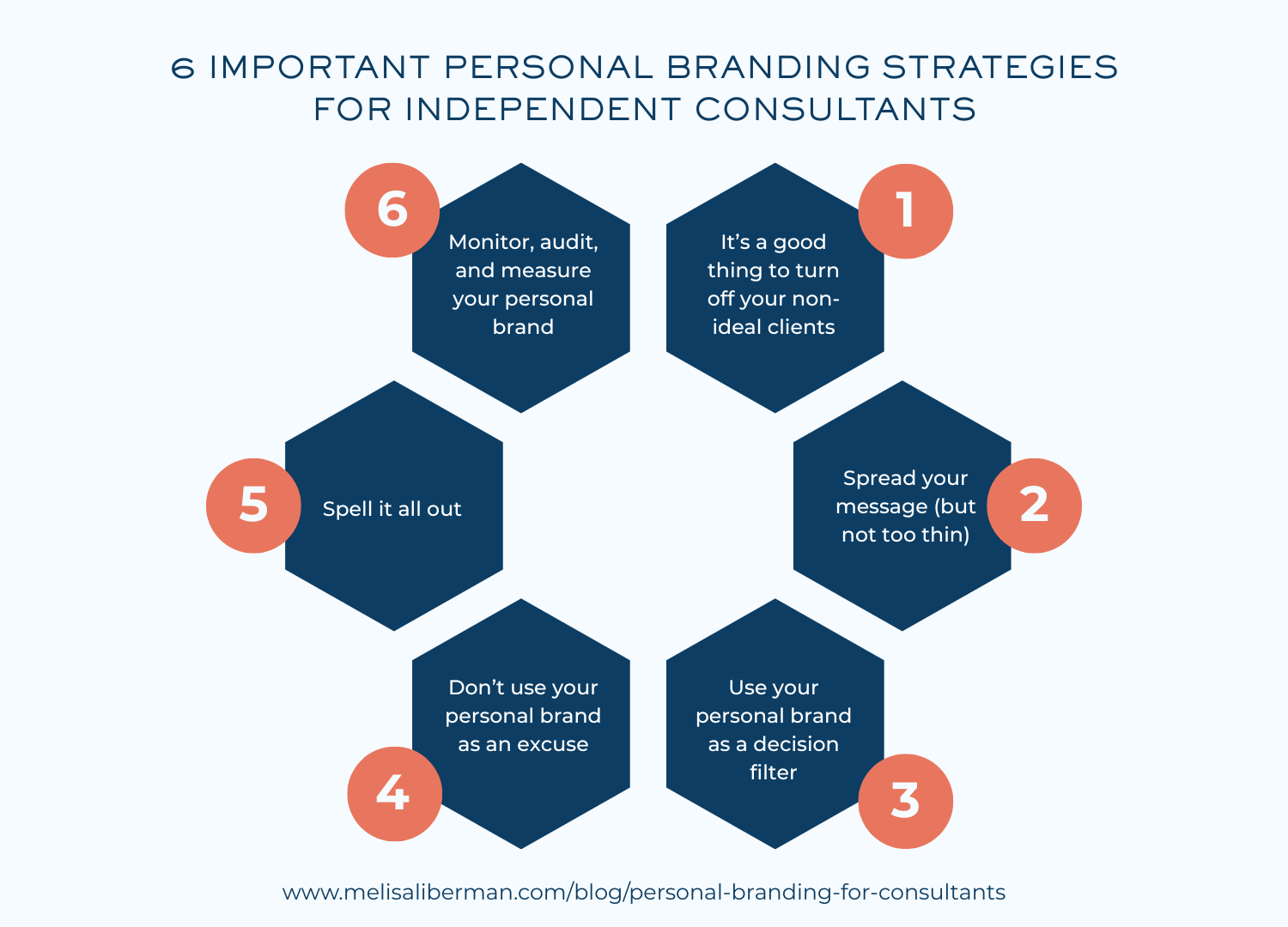
Personal branding involves establishing an identity that expresses expertise, values, and unique selling propositions. For consultants, a robust personal brand acts as a significant marketing tool. It helps differentiate them in a crowded marketplace. A clearly defined personal brand not only enhances visibility — it also fosters trust, making it easier for potential clients to engage.
Strategies for Developing a Strong Personal Brand
Creating a compelling personal brand requires several strategic actions:
- Identify Your Niche: Focus on a specific area of expertise that aligns with both your skills and market demand.
- Create Quality Content: Develop blog posts, articles, or videos that showcase your knowledge and insights.
- Engage on Social Media: Use platforms like LinkedIn to share industry-related content and connect with potential clients.
- Network Actively: Attend industry events, webinars, and workshops to build relationships with peers and potential clients.
- Gather Testimonials: Collect feedback from previous clients to enhance credibility and highlight successful outcomes.
Enhancing Credibility Through Personal Branding
A strong personal brand greatly enhances a consultant’s credibility. A 2024 survey revealed that 70% of clients prefer working with consultants who have a recognizable personal brand. This preference exists because a well-branded consultant is often viewed as more knowledgeable and reliable. Moreover, personal branding can lead to referrals — satisfied clients are more likely to recommend consultants whose expertise and values resonate with them.
Case Studies of Successful Personal Branding
Several consultants have effectively used personal branding to expand their client base:
- Marie Forleo: By offering valuable online courses and engaging content, Forleo has positioned herself as a go-to business consultant, attracting clients globally.
- Neil Patel: Patel’s extensive blog and SEO resources have helped him become a leading digital marketing consultant, resulting in a significant boost in client inquiries.
- Ramit Sethi: Sethi combines storytelling with actionable advice in his personal finance brand, making him a trusted consultant in the financial sector.
Common Misconceptions About Personal Branding
One common misconception is that personal branding is just self-promotion. In reality, effective personal branding is about providing value and creating genuine connections. Additionally, some consultants think that personal branding is exclusive to creative fields. However — and this is often overlooked — every consultant can benefit from a well-crafted brand, no matter their area of expertise. A strong personal brand can lead to higher visibility, better client engagement, and ultimately, more business opportunities.
Practical Application
Consultants can take specific actions to strengthen their personal brand:
- Conduct a personal brand audit to evaluate current visibility and reputation.
- Develop a content calendar to share insights and updates regularly.
- Join professional groups or associations related to your niche to broaden networking opportunities.
- Solicit feedback and testimonials from past clients to boost credibility.
By applying these strategies, consultants can effectively build a personal brand that attracts clients and supports long-term success.
Leveraging Networking for Client Acquisition
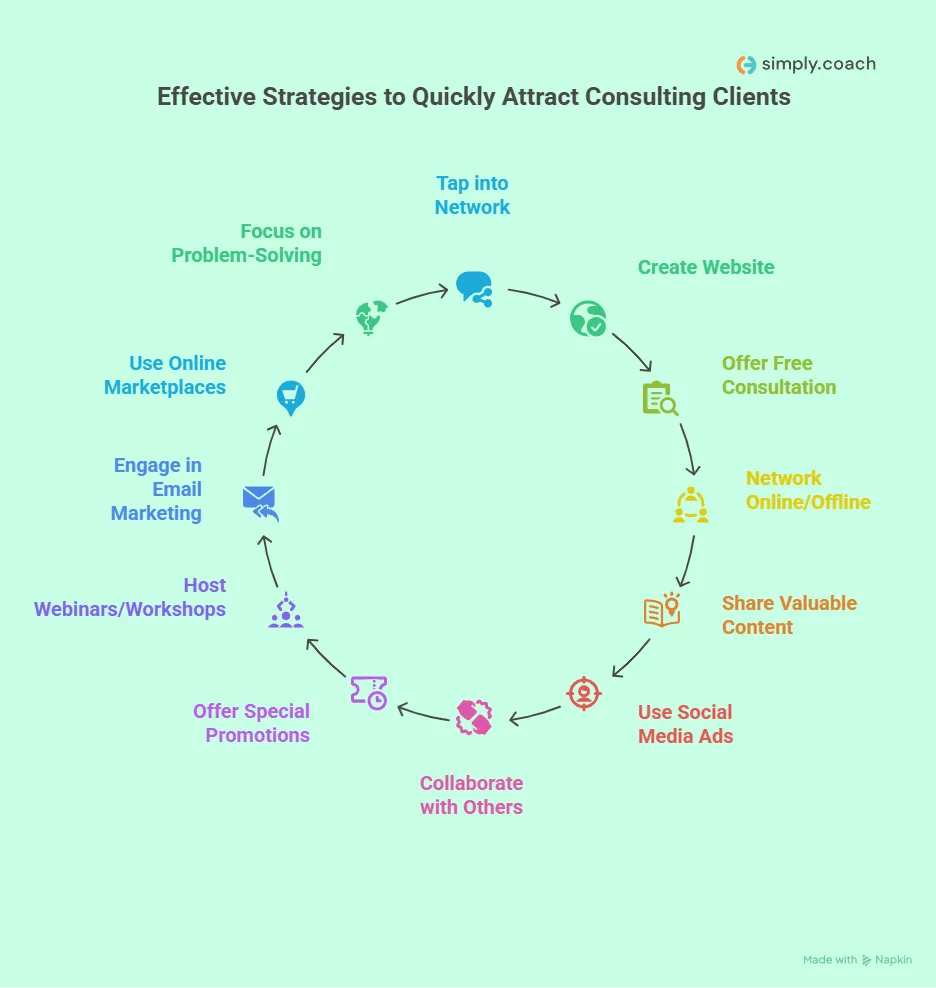
This section covers effective networking strategies consultants can use to acquire clients, focusing on both online and offline methods. Understanding these techniques is key for building a robust client base through meaningful connections.
Types of Networking
Networking typically falls into two main types: online and offline. Each type offers its own advantages and requires tailored approaches.
- Online Networking: Use platforms like LinkedIn, professional forums, and social media to connect with potential clients and industry peers. According to a 2024 LinkedIn survey, 80% of professionals see networking as essential for career advancement.
- Offline Networking: Engage in face-to-face interactions at conferences, workshops, and local business events. These gatherings foster personal connections that can lead to referrals and partnerships.
- Hybrid Networking: Combine both online and offline strategies to maximize reach and engagement — especially in a post-pandemic context where flexibility is key.
Creating a Compelling Elevator Pitch
An effective elevator pitch clearly conveys who you are, what you do, and how you can add value. This pitch should be tailored for specific audiences. Key elements include:
- Clarity: Define your services and expertise in one to two concise sentences.
- Value Proposition: Highlight the benefits your services offer, addressing common pain points for potential clients.
- Engagement: Conclude with a question or call to action that invites further discussion.
Follow-Up Strategies
Maintaining connections after initial interactions is crucial for nurturing relationships. Effective follow-up strategies include:
- Timeliness: Reach out within 24-48 hours after a meeting to reinforce the connection.
- Personalization: Reference specific topics from your conversation to show genuine interest (this is often overlooked).
- Value Addition: Share relevant articles, insights, or resources that align with the recipient’s interests or challenges.
Building Long-Term Relationships for Referrals
Long-term relationships are vital for generating referrals. Focus on these strategies:
- Consistency: Regularly engage with your network through emails, social media, or personal check-ins.
- Reciprocity: Offer value to your connections by providing assistance, insights, or introductions when it makes sense.
- Feedback Loop: Solicit feedback on your services to improve and show your commitment to client satisfaction.
In a 2025 study by the Association of Consulting Professionals, 65% of consultants credited their client growth to networking efforts — emphasizing the importance of these strategies.
While networking is often seen as a way to acquire clients, it’s also about building trust and rapport. Many consultants underestimate the power of authentic relationships, mistakenly believing that purely transactional interactions will do the job. Successful networking goes beyond client acquisition; it’s about creating a community of advocates who refer clients and support professional growth.
To put these insights into practice, consultants should identify key networking events and online platforms relevant to their field. Craft a tailored elevator pitch and practice it frequently. Develop a follow-up schedule to maintain connections, and commit to offering value without expecting anything in return. Lastly, focus on nurturing relationships to create a strong referral network, essential for long-term success.
Effective Marketing Techniques for Consultants
This section delves into key marketing strategies for consultants aiming to attract clients. Leveraging digital channels and targeted content can help consultants position themselves as leaders in their industry.

Overview of Digital Marketing Channels
Digital marketing includes a variety of channels that consultants can use to connect with potential clients. Key channels are:
- Social Media: Platforms like LinkedIn and Twitter enable consultants to showcase their expertise, join industry discussions, and connect with prospective clients.
- Webinars: Hosting educational webinars helps establish authority — plus, it facilitates direct interaction with prospects.
- Online Advertising: Pay-per-click (PPC) ads on search engines or social media can target specific demographics and drive traffic to service offerings.
Content Marketing Strategies That Resonate
Content marketing is essential for consultants. Creating valuable, informative content not only demonstrates expertise; it builds trust, too. Effective strategies include:
- Blogging: Regularly posting on industry trends, case studies, and how-to guides can attract organic traffic and engage an audience.
- Whitepapers and E-books: In-depth resources offer significant value and can capture leads through gated content (this is often overlooked).
- Video Content: Short videos explaining concepts or sharing client success stories enhance engagement and add a personal touch.
Using SEO to Attract Organic Traffic
Search Engine Optimization (SEO) plays a crucial role in boosting visibility. Consultants should focus on:
- Keyword Research: Identifying relevant keywords related to consulting services is key for creating optimized content.
- On-Page SEO: Properly structuring web pages with meta tags, headers, and quality content can improve search rankings.
- Link Building: Developing backlinks from reputable sites enhances credibility and boosts overall search engine rankings.
As of 2024, over 60% of marketers report that SEO efforts significantly increase their website traffic. This underscores the importance of a strong SEO strategy for consultants.
Email Marketing Campaigns That Convert
Email marketing remains one of the most effective channels for engaging clients. Successful campaigns often incorporate:
- Segmentation: Dividing email lists into targeted groups allows for personalized messaging based on client interests and behaviors.
- A/B Testing: Testing different subject lines, content formats, and calls-to-action can optimize both open and click-through rates.
- Automated Follow-ups: Setting up automated sequences helps nurture leads and maintain engagement without additional manual efforts.
Statistics show that email marketing can yield a return on investment of up to 4400%, which makes it a powerful tool for consultants.
While these strategies provide a solid foundation, many consultants undervalue the importance of consistency in execution and measurement. Relying solely on one marketing channel often leads to missed opportunities. A comprehensive approach that integrates multiple strategies and regularly assesses performance can significantly enhance client acquisition efforts.
To implement these marketing techniques effectively, consultants should:
- Develop a content calendar to align blog posts, social media updates, and email campaigns.
- Use analytics tools to track website traffic, email performance, and social media engagement.
- Engage with clients through surveys to gather insights on their needs and preferences.
Common Mistakes Consultants Make When Seeking Clients
Consultants often struggle with client acquisition due to avoidable mistakes. Recognizing these pitfalls can greatly improve a consultant’s ability to attract and retain clients.

Neglecting the Importance of Follow-Ups
Many consultants underestimate follow-ups’ value. A HubSpot study shows that 80% of sales require five follow-up calls after the initial contact — yet most consultants stop after just one. This neglect can lead to missed opportunities. Regular follow-ups show persistence and commitment, reminding potential clients that their needs matter.
Failing to Define a Target Audience
Without a clearly defined target audience, consultants risk wasting resources on ineffective marketing. A 2024 LinkedIn survey found that 67% of consultants targeting a specific niche reported higher client acquisition rates. Defining a target audience helps consultants tailor their messaging. Focusing on that group’s unique challenges and needs increases engagement and conversion rates (this is often overlooked).
Overlooking the Power of Testimonials
Testimonials act as social proof, building trust with potential clients. However, many consultants don’t actively seek or showcase client feedback. A 2023 BrightLocal survey revealed that 91% of consumers read online reviews before making a purchase decision. Curating positive testimonials enhances credibility and gives prospective clients compelling reasons to engage their services.
Not Investing in Professional Development
In a constantly evolving market, continuous professional development is crucial. Consultants who ignore this aspect may find their skills falling behind. The Bureau of Labor Statistics projects that by 2026, professionals who pursue ongoing education will see a 20% increase in job opportunities. Investing in training and certifications not only boosts a consultant’s expertise but also signals a commitment to excellence to potential clients.
Nuanced Considerations
Consultants often misjudge the effectiveness of their outreach strategies, mistakenly believing a single approach will yield consistent results. In reality, client acquisition calls for a multifaceted strategy that adapts to changing client preferences and market conditions. Misconceptions about the necessity of direct outreach versus inbound marketing can skew priorities. A balanced mix of both strategies is vital for sustainable client growth.
Practical Application
- Implement a structured follow-up schedule, using CRM tools to track outreach efforts.
- Conduct market research to clearly define your target audience and refine your messaging.
- Actively request testimonials from past clients, displaying them prominently on your website and marketing materials.
- Commit to ongoing education by enrolling in relevant courses or obtaining certifications that enhance your service offerings.
Frequently Asked Questions
What are the best strategies for consultants to get clients?
Effective strategies for consultants include leveraging networking, establishing a strong online presence, and utilizing targeted marketing. Building relationships and showcasing expertise are crucial for attracting potential clients.
How do consultants use social media to attract clients?
Consultants utilize social media platforms to share valuable content, engage with their audience, and promote their services. By establishing authority and building relationships online, they can effectively attract new clients.
What role do referrals play in a consultant’s business?
Referrals are a significant source of new clients for consultants, as they often come from satisfied customers or professional networks. A strong referral system can enhance credibility and lead to higher conversion rates.
How much time does it take for consultants to get clients?
The time it takes for consultants to acquire clients varies widely, typically ranging from a few weeks to several months. Factors such as industry, marketing efforts, and personal networking significantly influence this timeline.
What mistakes should consultants avoid when seeking clients?
Consultants should avoid underpricing their services, neglecting follow-ups, and failing to define their target market. These mistakes can hinder their ability to attract and retain clients effectively.
Can consultants use content marketing to gain clients?
Yes, content marketing is a powerful tool for consultants to demonstrate expertise and attract potential clients. By creating valuable content, they can engage their audience and build trust over time.
What is the importance of a personal brand for consultants?
A strong personal brand helps consultants differentiate themselves in a competitive market. It establishes credibility and fosters trust, making it easier to attract and retain clients.
How can networking events help consultants get clients?
Networking events provide consultants with opportunities to connect directly with potential clients and industry peers. These interactions can lead to valuable relationships and referrals that enhance client acquisition efforts.
Final Thoughts on how consultants get clients
Successful client acquisition for consultants hinges on a multifaceted approach that combines personal branding, strategic networking, and effective marketing. By harnessing these elements, consultants can create a sustainable pipeline of clients that not only enhances their reputation but also drives their business growth.
To implement these strategies, consultants should actively engage on social media platforms, sharing insights and establishing authority in their niche, while also prioritizing relationship-building through networking events and leveraging referrals from satisfied clients.
Ready to elevate your consulting game? Learn from a google ads expert and discover strategies that really work for attracting clients!
Mastering client acquisition is crucial for long-term success in the consulting industry, as it directly impacts profitability and professional sustainability.