
How to get clients for real estate photography involves strategies to attract and retain clients in the real estate market. A strong online presence, effective networking with real estate agents, and a well-curated portfolio are essential components. According to a survey, 85% of real estate agents believe that high-quality photography significantly impacts a property’s marketability.
Understanding how to get clients for real estate photography is crucial for photographers aiming to establish a successful business in a competitive market. With the real estate industry continually evolving, it’s imperative for photographers to leverage digital platforms and build relationships with agents to thrive. Failure to employ effective marketing strategies can lead to missed opportunities in a market projected to reach $4 trillion by 2025.
Without a solid grasp of client acquisition strategies, photographers risk losing potential revenue, wasting marketing resources, and falling behind competitors who effectively engage with their target audience. This lack of focus can severely limit growth and sustainability in a lucrative industry.
This article will cover proven strategies for acquiring clients, including building a robust online presence, effective networking techniques, portfolio development, and insights into local real estate communities. Readers will gain actionable insights to enhance their client outreach efforts and establish a thriving real estate photography business.
What are the best ways to market real estate photography?
The best ways to market real estate photography include leveraging social media, networking with real estate professionals, and using online advertising. These strategies can significantly boost visibility and attract potential clients. A well-executed social media campaign can potentially reach thousands of users in a specific geographic area.
Real estate photography thrives on visual appeal. Social media platforms like Instagram, Facebook, and Pinterest are ideal for showcasing high-quality images. Regular posting is key. Engaging with followers and using targeted hashtags can help build a solid online presence. Additionally, creating a portfolio website that’s optimized for search engines can attract organic traffic, enhancing discoverability (this is often overlooked).
Networking is another vital strategy. Establishing relationships with real estate agents, brokers, and agencies can lead to referrals and repeat business. Attend local real estate events. Join industry groups and participate in community activities to connect with potential clients. Offering special promotions or discounts for first-time clients can also encourage referrals and foster a loyal customer base.
Online advertising, especially through platforms like Google Ads or Facebook Ads, allows for targeted outreach. By focusing on specific demographics and geographic locations, photographers can effectively reach potential clients. An estimated 70% of homebuyers start their search online, making targeted ads essential for capturing their attention.
Expert insight: Diversifying marketing efforts across multiple channels while maintaining a consistent brand image can significantly enhance client acquisition. It’s crucial to regularly analyze the performance of each strategy. This will help refine and optimize marketing efforts for maximum impact.
How much should I charge for real estate photography?
Real estate photography rates usually range from $150 to $500 per shoot, but this can vary based on several factors. In larger markets or for high-end properties, prices can go beyond $1,000. The fee often reflects the photographer’s experience, location, and how complex the shoot is.
Several factors impact pricing in real estate photography. First, geographic location significantly matters; urban areas with a higher cost of living tend to require higher rates. The type of property being photographed also plays a role. Luxury homes or commercial properties usually need specialized techniques and equipment — this justifies a higher fee. Additionally, the level of post-processing work affects costs. Enhanced editing, like virtual staging or advanced retouching, often leads to an increase in the total price.
Other considerations involve the duration of the shoot and the number of images delivered. A session that includes drone photography or twilight shoots generally costs more due to the extra time and equipment needed. Moreover, photographers might offer packages that include services like video tours or floor plans (this is often overlooked), providing clients with added value.
Expert insight: To stay competitive, regularly assess local market rates and adjust pricing accordingly. Offering tiered packages can attract a wider client base, allowing flexibility based on specific client needs.
How can I network effectively with real estate agents?
Networking effectively with real estate agents means building authentic relationships and adding value to their business. A study from the National Association of Realtors indicates that nearly 80% of agents prefer photographers who understand their needs and can communicate well. Establishing a strong network can significantly boost opportunities for landing clients.
To foster these relationships, consider these best practices:
- Attend industry events: Participate in real estate conferences, open houses, and networking gatherings. These events offer valuable chances to meet agents face-to-face and showcase your work.
- Leverage social media: Use platforms like Instagram and LinkedIn to connect with agents. Share your photography work, engage with their posts, and join relevant groups — this helps establish your presence in the community.
- Offer exclusive deals: Create tailored packages or discounts for agents who refer clients to you. This incentive often motivates agents to choose your services over others.
- Follow up consistently: After initial meetings or interactions, send a follow-up email or message. This demonstrates professionalism and keeps you top-of-mind when they need a photographer.
- Provide value through education: Host workshops or create content that helps agents grasp the importance of professional photography in selling properties (this is often overlooked). This positions you as an expert and builds trust.
Expert insight: Building relationships with real estate agents isn’t just about securing jobs; it’s about creating long-term partnerships. Focus on nurturing these connections through regular communication. Deliver high-quality work that meets their evolving needs consistently.
What should be included in a real estate photography portfolio?
A real estate photography portfolio should feature a diverse selection of high-quality images that showcase different property types and styles. Essential elements include interior shots, exterior views, and unique property features. Aim for a minimum of 15-20 well-composed images; this effectively demonstrates versatility and skill.
When creating a portfolio, focus on capturing a range of properties. Include everything from residential homes to commercial spaces to appeal to various client types. For instance, feature images of a cozy suburban home highlighting its living spaces and backyard, alongside sleek shots of a modern downtown apartment with its skyline views. Also, including images that reflect various lighting conditions—like golden hour shots or twilight exteriors—shows the ability to adapt to different environments (this is often overlooked).
Incorporate specialized shots that emphasize unique features. Think about architectural details, outdoor amenities, or staging elements. This not only adds depth to the portfolio; it also helps potential clients visualize the potential of their properties. Use a clean, organized layout for the portfolio. This ensures images are presented professionally and enhances the overall impression, increasing the likelihood of attracting clients.
Expert insight: Regularly update the portfolio with recent work. This reflects evolving skills and market trends, ensuring it stays relevant and appealing to prospective clients.
How long does it take to get clients for real estate photography?
On average, securing clients for real estate photography can take three to six months. Many factors influence this timeline, including marketing efforts, networking, and regional demand.
Building a client base in real estate photography demands a strategic approach. First and foremost, establishing a strong online presence with a professional website and active social media profiles is essential. Engaging with local real estate agents and agencies can really speed things up. Networking events and industry meetups are also worth considering — they can lead to valuable connections. Those who actively promote their work and keep in touch with potential clients usually see results faster.
The local real estate market plays a crucial role in determining the timeline as well. In areas with high property turnover, photographers might find clients more easily. On the flip side, in slower markets, it could take longer to gain a foothold. Additionally, offering promotional packages or introductory rates can grab the attention of initial clients, which helps build a portfolio and leads to referrals (this is often overlooked).
Expert insight: To speed up client acquisition, focus on creating high-quality sample work and engaging with real estate professionals on platforms like LinkedIn. Building relationships and showcasing expertise can cut down the time needed to gain clients significantly.
What are common mistakes to avoid in real estate photography marketing?
Common mistakes in real estate photography marketing often include a lack of clear brand identity, neglecting online presence, and failing to target the right audience. These pitfalls can seriously hinder the ability to attract potential clients — a crucial factor in a competitive market where 70% of homebuyers rely on photos during their search.
First, establishing a strong brand identity is vital. Photographers need to develop a unique style and consistent messaging that resonates with real estate professionals. This involves having a professional logo, cohesive color schemes, and a recognizable portfolio. A well-defined brand helps set services apart from competitors, making it easier for potential clients to remember and choose your offerings over others.
- Neglecting Online Presence: A robust online presence is essential for visibility. Make sure to maintain an updated website that showcases the portfolio, client testimonials, and contact information. Additionally, engaging with social media platforms like Instagram and Facebook can greatly amplify reach and build connections with real estate agents and homeowners.
- Ignoring SEO Best Practices: Search engine optimization (SEO) can heavily impact visibility. Using relevant keywords, optimizing image tags, and regularly updating content can improve search rankings. This is particularly important since 90% of consumers conduct online searches before making decisions — a detail worth double-checking.
- Targeting the Wrong Audience: Understanding the ideal client profile is crucial for effective marketing. Real estate photographers should concentrate their efforts on real estate agents, property managers, and developers. Tailoring marketing messages to meet the specific needs of these groups can lead to more successful engagements.
Expert insight: Implementing a feedback loop can significantly enhance marketing strategies. Regularly asking for and analyzing client feedback helps refine services and better align offerings with market demands.
How can social media help in getting clients for real estate photography?
Social media serves as a powerful tool for attracting clients in real estate photography. It allows photographers to showcase their work and connect with potential clients effectively. Approximately 73% of real estate agents use social media to promote listings and services — this highlights its significance in the industry.
First, platforms like Instagram, Facebook, and LinkedIn allow photographers to display their portfolios. High-quality images of properties can really grab the attention of real estate agents and homeowners. Engaging visuals often drive interaction, which leads to increased visibility. Regular posting, along with the right hashtags, can amplify reach and connect photographers with a wider audience.
Second, social media makes direct engagement with potential clients much easier. By responding to comments and participating in discussions, photographers can build a community around their brand. This engagement fosters relationships — and it often positions the photographer as an authority in real estate photography. The result is an increase in referrals and repeat business.
- Use Instagram to share striking property images, leveraging hashtags like #RealEstatePhotography and #HomeForSale.
- Join Facebook groups focused on real estate to network with agents and homeowners.
- Post behind-the-scenes content or tips on LinkedIn to showcase expertise and attract business professionals.
Expert insight: Optimize social media profiles by including a clear call-to-action and contact information. This makes it easy for potential clients to reach out or book a session directly through the platform — something that’s often overlooked.
Is it necessary to have a website for real estate photography?
Yes, having a professional website is crucial for real estate photographers. It helps attract clients and showcases their work effectively. In 2024, over 70% of potential clients start their search for services online. This makes a website a vital part of any successful marketing strategy.
A website acts as a portfolio, letting photographers display their best work in an organized way. It also provides important information about services, pricing, and how to get in touch. Without a website, photographers may struggle to build credibility and expand their reach. Moreover, a well-optimized website can enhance visibility in search engines, increasing the chances of attracting clients.
- Portfolio Showcase: A website lets photographers present a curated selection of their best images — clearly demonstrating their style and expertise.
- Client Testimonials: Including reviews and testimonials from satisfied clients can build trust (this is often overlooked) and encourage new clients to engage.
- SEO Benefits: A properly optimized website can rank higher in search results, leading to greater visibility and inquiries from potential clients.
Additionally, a website facilitates online bookings and inquiries, streamlining client acquisition. Features like contact forms and booking calendars enhance user experience and improve conversion rates. Social media profiles can complement a website, but they shouldn’t replace it. A dedicated website offers more control and professionalism.
Expert insight: Invest time in creating a visually appealing and user-friendly website. It will be the cornerstone of marketing efforts and significantly influence the ability to attract and retain clients in the competitive real estate photography market.
Building a Strong Online Presence
Establishing a robust online presence is crucial for attracting clients in real estate photography. This section outlines strategies to create a compelling digital brand and effectively use various online platforms for maximum visibility and engagement.

Creating a Professional Website
A well-designed website is the cornerstone of your online presence. It should showcase your portfolio effectively, highlight your unique style, and make contact information easy to find. Key elements of a professional website include:
- High-Quality Images: Displaying your best work with clear, high-resolution images will reflect your expertise.
- User-Friendly Navigation: Make sure visitors can easily navigate through your portfolio, services, and contact details.
- Mobile Optimization: With over 50% of web traffic coming from mobile devices, confirm that your site is responsive and visually appealing on all screens.
Statistics indicate that 75% of consumers judge a company’s credibility based on its website design. Therefore, investing in a professional website is essential for anyone serious about finding clients in real estate photography.
Utilizing Social Media Platforms
Social media is a powerful tool for marketing and engagement. Platforms like Instagram, Facebook, and LinkedIn can help reach potential clients and showcase your work. Effective strategies include:
- Regular Posting: Share your photos, behind-the-scenes shots, and client testimonials to maintain a consistent presence.
- Engagement: Respond to comments, engage with followers, and collaborate with real estate agents and companies.
- Targeted Ads: Use paid advertising options to reach specific demographics interested in real estate services.
Research shows that 54% of social media users utilize these platforms to research products and services. An active social media presence can significantly enhance visibility and attract new clients.
Implementing SEO Strategies
Search Engine Optimization (SEO) is vital for increasing online visibility. By optimizing your website for search engines, you can attract organic traffic. Key SEO strategies include:
- Keyword Research: Identify relevant keywords, such as “real estate photography” and “property photography services,” to include in your website content.
- Blogging: Create informative blog posts about real estate trends, photography tips, and case studies to improve search rankings.
- Local SEO: Optimize your website for local searches by including location-specific keywords and registering with Google My Business.
A well-executed SEO strategy can increase website traffic by up to 300% — significantly enhancing the chances of securing clients.
Leveraging Online Reviews and Testimonials
Positive reviews and testimonials build credibility and trust. Encourage satisfied clients to leave feedback on platforms such as Google, Yelp, and your website. Strategies for leveraging reviews include:
- Follow-Up Requests: After completing a project, send a follow-up email thanking clients and asking for a review.
- Showcasing Testimonials: Highlight positive reviews prominently on your website and social media.
- Responding to Feedback: Publicly acknowledge both positive and negative reviews to demonstrate commitment to client satisfaction.
Studies show that 91% of consumers read online reviews before making a purchase decision. A strong collection of testimonials can decisively influence potential clients.
To effectively build your online presence, start with a professional website that highlights your best work. Regularly engage on social media — especially on platforms where your target audience is active. Implement SEO strategies to enhance visibility in search results, and actively seek out client reviews to establish credibility. These steps will greatly improve the ability to attract clients in real estate photography.
Effective Networking Strategies
Networking with real estate professionals is fundamental for building a successful real estate photography business. Establishing connections can lead to valuable referrals and enduring partnerships. This can significantly impact client acquisition.
Attending Local Real Estate Events and Meetups
Participating in local real estate events and meetups is a crucial strategy for forging connections. Events like open houses, property expos, and industry conferences provide great opportunities to meet agents, brokers, and potential clients face-to-face. A 2024 survey revealed that 65% of real estate agents gained new clients through networking events — this underscores their effectiveness.
- Identify key events: Research local real estate associations and event calendars to find relevant gatherings.
- Prepare your pitch: Have a concise introduction ready that highlights your unique photography services.
- Follow up: Collect business cards and reach out post-event. This reinforces connections.
Building Relationships with Real Estate Agents and Brokers
Establishing strong relationships with real estate agents and brokers can result in consistent referrals. Agents often look for high-quality images to market their listings effectively. A 2025 report showed that 85% of agents prefer photographers who understand their specific needs and can deliver results promptly. This is key for collaboration.
- Offer value: Provide agents with complimentary services, like a mini photo shoot for their personal branding.
- Schedule meetings: Arrange coffee or lunch meetings to discuss how your photography can enhance their listings.
- Request feedback: After completing a project, ask for feedback. This improves services and shows commitment to their success.
Collaborating with Other Photographers and Creatives
Collaboration with other photographers and creatives can broaden your reach and diversify your portfolio. Partnering with interior designers, real estate staging companies, or even videographers can create attractive, comprehensive service packages for clients.
- Joint promotions: Create promotional materials that highlight both services. Offer clients discounts for using both.
- Cross-referrals: Establish a referral system where both parties recommend each other to their respective clients.
- Portfolio expansion: Collaborate on projects to showcase a broader range of styles and settings.
Utilizing LinkedIn for Professional Networking
LinkedIn is a powerful platform for professional networking in the real estate sector. By optimizing your profile and engaging with industry content, you can build credibility and connect with potential clients.
- Optimize your profile: Use a professional photo and include keywords related to real estate photography.
- Join relevant groups: Participate in LinkedIn groups focused on real estate and photography — this fosters connections with like-minded professionals.
- Share valuable content: Post articles or tips about photography and real estate trends to position yourself as an expert.
Many photographers overlook the importance of nurturing relationships with existing clients. Regular communication is essential. Sending personalized updates about new services can lead to repeat business and referrals. Additionally, hosting workshops or informational sessions for real estate professionals can showcase expertise and foster deeper connections.
To implement these networking strategies effectively, focus on attending at least one local event each month, reaching out to five agents weekly, and actively engaging on LinkedIn every day. Building a robust network requires consistent effort — and a genuine approach to relationship-building.
Creating an Impressive Portfolio
An impressive portfolio plays a vital role in attracting clients in real estate photography. It acts as a visual resume, showcasing skills and versatility while demonstrating the value photographers can deliver to real estate professionals.

Selecting Diverse Examples
Incorporating a variety of work is essential for appealing to a wider client base. Show different property types — think residential homes, commercial spaces, and luxury estates. Highlight various styles, including modern, traditional, and minimalist designs. This diversity not only demonstrates adaptability but also helps potential clients envision how your photography can enhance their listings.
Before-and-After Shots
Including before-and-after shots is a smart way to showcase the transformative impact of professional photography. These comparisons reveal just how much quality images can elevate a property’s best features. A study from the National Association of Realtors shows that homes with professional photographs sell 32% faster than those with amateur images. This highlights the importance of presenting your work in a manner that underscores your skills and the value you bring to the table.
Ensuring High-Quality Images
Quality is a must in real estate photography. Use high-resolution images that show clarity and detail. Invest in proper editing software to enhance images while keeping realistic representations of the properties. A well-presented portfolio should reflect professionalism, with careful attention to layout, organization, and consistency. This includes a cohesive color palette and uniform formatting across all images, creating a polished appearance.
Regular Updates
To stay relevant and appealing, update your portfolio regularly with new work. This practice not only showcases your latest skills and styles but also reflects current market trends. As of 2024, a significant shift towards virtual tours and drone photography is evident in the real estate market — these techniques are increasingly popular among buyers. Incorporating these elements into your portfolio can attract tech-savvy clients and demonstrate your ability to adapt to industry changes.
Nuance / Expert Layer
Many photographers mistakenly think that any high-quality image will do in a portfolio. However, it’s crucial to grasp the specific needs of real estate clients. For example, while artistic shots may appeal to some, real estate professionals often prioritize images that effectively communicate the property’s layout and dimensions. Highlighting spaces and creating a sense of flow can really set a portfolio apart. Moreover, understanding the local market and showcasing properties that resonate with the target audience can further enhance your portfolio’s effectiveness.
Practical Application
- Curate a diverse selection of your best work, focusing on different property types and styles.
- Incorporate before-and-after images to illustrate the value of your services.
- Make sure all images are high-quality and presented in a professional format.
- Regularly refresh your portfolio to include recent projects and emerging trends in real estate photography.
- Tailor your portfolio to address the specific needs of potential clients, showcasing how your work meets industry demands.
Pricing Strategies and Packages
Setting competitive prices for real estate photography is crucial for attracting clients and ensuring profitability. This section highlights effective pricing strategies that meet diverse client needs while demonstrating the value of your expertise.
Researching Local Market Rates
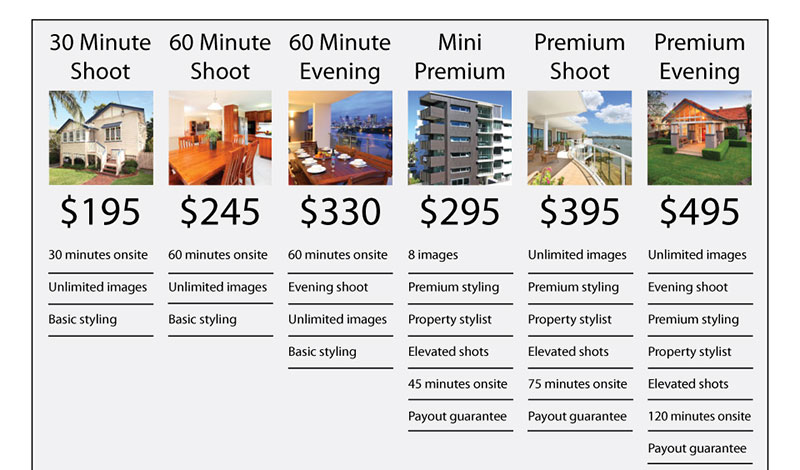
Understanding local market rates for real estate photography serves as the foundation of effective pricing. Thorough research is necessary — examine the prices charged by competitors in your area. Online platforms, such as photography directories and real estate websites, can provide valuable data. According to recent surveys, the average cost for real estate photography in metropolitan areas typically ranges from $150 to $400 per session. This depends on project complexity and the photographer’s experience.
Creating Tiered Pricing Packages
Offering tiered pricing packages enables photographers to meet diverse client budgets and needs. Consider structuring packages like this:
- Basic Package: Includes essential services, such as 20 high-quality images and basic editing for smaller properties.
- Standard Package: Offers 30 images, advanced editing, and a virtual tour option for mid-range properties.
- Premium Package: Features 50 images, drone photography, and a detailed floor plan for luxury listings.
This structure appeals to a broader audience. Clients are often encouraged to opt for higher-priced packages as they recognize the added value in the services offered.
Offering Discounts for Repeat Clients or Referrals
Implementing a discount strategy for repeat clients or referrals can foster loyalty and drive new business. For example, consider a 10% discount on the second booking for returning clients or a $50 credit for clients who refer new customers. This approach not only incentivizes repeat business — it also expands your client base through word-of-mouth marketing.
Understanding the Value of Your Time and Expertise
Pricing should reflect the value of your time, skills, and the quality of your work. Factors such as shoot complexity, travel time, and editing hours must be considered in your pricing model. If a project requires 10 hours of work at $50 per hour, the base price should start at $500 — additional costs for travel or specialized equipment are not included.
Nuance in Pricing Strategies
Many photographers mistakenly underprice their services in a bid to attract more clients. This frequently leads to burnout and undervalued work. Recognizing that pricing should not only cover costs is essential; it must also reflect the quality and unique style you bring to your photography. Additionally, consider the long-term effects of low pricing — it can create a perception of lower quality, potentially deterring higher-end clients.
Practical Application
To effectively implement these pricing strategies, start with a competitor analysis to determine local market rates. Next, develop tiered packages that showcase the value of your services. Actively promote discounts for repeat clients and referrals, fostering loyalty. Regularly assess your pricing model to confirm it aligns with your expertise and the quality of your work. By approaching pricing strategically, you’ll enhance your ability to attract clients for real estate photography.
Frequently Asked Questions
What are the best ways to market real estate photography?
Effective marketing strategies include leveraging social media platforms, joining local real estate groups, and utilizing online portfolios. Networking with real estate agents and attending industry events can also enhance visibility.
How much should I charge for real estate photography?
Pricing for real estate photography typically ranges from $150 to $500 per session, depending on factors like location, experience, and package offerings. Research local competitors to determine a competitive rate.
How can I network effectively with real estate agents?
Build relationships by attending real estate events, offering free sessions for new agents, and joining local associations. Follow up with personalized communication to maintain connections and showcase your work.
What should be included in a real estate photography portfolio?
A strong portfolio should showcase a variety of property types, highlight your best work, and include before-and-after examples. Ensure high-quality images that demonstrate your unique style and technical skills.
How long does it take to get clients for real estate photography?
Acquiring clients can take anywhere from a few weeks to several months, depending on your marketing efforts and networking. Consistency in outreach and quality of work will expedite the process.
What are common mistakes to avoid in real estate photography marketing?
Avoid underpricing services, neglecting to follow up with leads, and having a disorganized portfolio. Failing to showcase your work online can also hinder client acquisition.
How can social media help in getting clients for real estate photography?
Social media platforms allow photographers to showcase their work, engage with potential clients, and build a personal brand. Regularly posting high-quality images can attract real estate professionals and buyers.
Is it necessary to have a website for real estate photography?
Having a website is highly recommended as it serves as a central hub for your portfolio, client testimonials, and contact information. A professional website enhances credibility and makes it easier for potential clients to find you.
Final Thoughts on how to get clients for real estate photography
Success in real estate photography hinges on a strategic blend of marketing acumen, strong networking, and a captivating portfolio. By establishing a robust online presence and effectively engaging with real estate agents, photographers can differentiate themselves in a competitive market and attract high-value clients.
To gain immediate traction, invest time in optimizing your website and social media profiles, ensuring they showcase your best work and reflect your unique style, which will enhance your visibility to potential clients.
Ready to attract more clients? Consider reaching out to a google ads expert who can help elevate your real estate photography business!
Mastering the art of real estate photography is essential for capturing the attention of agents and homeowners alike, ultimately leading to sustained business growth in this dynamic industry.