

How to get clients for a marketing agency involves identifying your target audience and articulating a strong value proposition. By leveraging networking opportunities, social media engagement, and content marketing strategies, agencies can effectively attract potential clients. Research indicates that agencies utilizing referral programs experience a 70% increase in client acquisition.
Understanding how to get clients for a marketing agency is crucial for sustaining growth in a competitive landscape. Marketing professionals and agency owners need to master client acquisition strategies to ensure their services reach the right audience. Failure to implement effective strategies can lead to significant revenue loss, given that the global digital marketing industry is projected to exceed $640 billion by 2027.
Businesses that neglect to grasp effective client acquisition techniques risk missing out on substantial revenue opportunities and may waste valuable resources on ineffective marketing efforts. This can create a competitive disadvantage, making it challenging to establish a foothold in the market.
This article will cover proven strategies for acquiring
clients, including a detailed comparison of marketing tactics, cost breakdowns, best practices for engagement, and insights into optimizing local SEO for better visibility.
What are the best ways to get clients for a marketing agency?
Effective strategies for acquiring clients for a marketing agency include networking, leveraging social media platforms, and creating valuable content. According to a 2024 survey, more than 60% of agencies reported that referrals and networking were their primary sources of new clients.
Networking remains one of the most powerful tools for attracting clients. Engaging with local business communities, attending industry conferences, and participating in trade shows can help establish meaningful connections. Building relationships with professionals like web developers or graphic designers often leads to referrals and collaborative opportunities. Plus, creating a strong personal brand within the industry can enhance visibility and trust.
- Use Social Media: Create a robust presence on platforms like LinkedIn, Instagram, and Facebook. Share case studies, client testimonials, and industry insights to engage potential clients. Regularly interacting with followers can build a loyal audience — and increase brand recognition.
- Content Marketing: Develop high-quality content that addresses your target audience’s pain points. This includes blog posts, webinars, and infographics. Providing valuable information positions the agency as an authority in the field, attracting clients who are seeking expertise (this is often overlooked).
- Offer Free Workshops or Webinars: Hosting educational sessions can showcase your agency’s knowledge and skills. These events can attract potential clients looking for solutions to their marketing challenges. Following up with attendees can convert interest into business opportunities.
Expert insight: Focus on building long-term relationships rather than just transactional interactions. A client-centric approach fosters trust and loyalty, often leading to repeat business and referrals.
How can I attract clients as a new marketing agency?
Attracting clients as a new marketing agency takes a strategic approach. This includes building a strong portfolio, leveraging personal networks, and using social media effectively. A recent survey shows that 64% of businesses prefer working with agencies that have a proven track record — highlighting the need to showcase results.
1. Build a portfolio: Start by creating a portfolio that highlights your best work, even if it’s from personal projects or internships. Aim to showcase at least three case studies that demonstrate your skills, creativity, and results achieved for clients or hypothetical businesses. This is crucial.
2. Leverage your personal network: Tap into your existing connections for referrals. Attend networking events and join local business groups to meet potential clients. Personal recommendations can significantly boost credibility — 83% of consumers trust recommendations from people they know (worth double-checking).
3. Use social media strategically: Establish a strong presence on platforms relevant to your target audience, such as LinkedIn, Instagram, or Facebook. Share valuable content, engage with followers, and use targeted ads to reach potential clients. Aim for at least three engaging posts per week to maintain visibility and interaction. Consistency is key.
4. Offer free consultations: Provide complimentary consultations or audits to attract potential clients. This tactic not only demonstrates your expertise but also helps build relationships, increasing the likelihood of converting leads into paying clients.
Expert insight: Focus on niche markets where your agency can excel. Specializing in a specific industry can differentiate your agency and attract clients looking for tailored solutions.
What mistakes should marketing agencies avoid when seeking clients?
Marketing agencies often undermine their client acquisition efforts by making critical mistakes. Common pitfalls include neglecting follow-ups, lacking a clear brand identity, and failing to understand client needs. Recent data shows that 80% of sales require at least five follow-ups — yet many agencies stop after just one (this is often overlooked).
One major mistake is neglecting follow-ups. Many agencies fail to reach out to potential clients after the initial contact. This decreases the likelihood of closing deals. A structured follow-up strategy can enhance client engagement and conversion rates significantly. Use tools like CRM software to schedule reminders for follow-ups and track interactions effectively.
- Lack of clear branding can confuse potential clients. A well-defined brand identity communicates what the agency stands for and what unique value it offers. Make sure branding elements, such as logos, colors, and messaging, are consistent across all platforms.
- Not understanding client needs leads to misaligned services. Conduct thorough research to grasp the specific challenges and goals of potential clients. Tailor pitches that address these needs directly. This demonstrates genuine interest and understanding.
- Overpromising and underdelivering can damage credibility. Be realistic about what your agency can achieve within specific timelines. Setting achievable expectations fosters trust and long-term relationships with clients — which is crucial.
Expert insight: Implementing a feedback loop with clients after each project can provide insights into their needs and expectations. This enhances future engagements and reduces the chance of common pitfalls (worth double-checking).
How long does it take to get clients for a marketing agency?
On average, it takes about three to six months to secure clients for a marketing agency. However, this timeframe can vary significantly. Factors such as the agency’s niche, the effectiveness of marketing strategies, and market demand all play a role.
Several elements influence how quickly clients can be acquired. First, the marketing strategy adopted is crucial. Agencies that focus on targeted outreach, networking, and referrals often see quicker results — compared to those relying solely on inbound marketing methods. For instance, agencies that actively participate in industry events or use social media to engage prospects may build relationships faster. Additionally, the clarity of the agency’s value proposition can impact how quickly potential clients recognize the benefits of partnering (this is often overlooked).
Market conditions also affect the speed of client acquisition. Economic trends, industry competition, and the specific needs of the target audience can either speed up or slow down the process. In a thriving economy, for example, businesses might be more willing to invest in marketing services, leading to faster client acquisition. Conversely, during economic downturns, companies may cut budgets, which usually results in longer sales cycles. Furthermore, agencies specializing in high-demand sectors tend to find clients more readily than those in saturated markets.
Expert insight: To expedite client acquisition, it’s essential to build a strong online presence and leverage client testimonials. Consistent engagement through valuable content can also shorten the time to conversion — a strategy worth double-checking.
What is the average cost of acquiring a client for a marketing agency?
The average cost of acquiring a client for a marketing agency usually falls between $500 and $5,000. This depends on the methods employed. In 2024, estimates suggest an average cost of about $1,200 per client. However, this can differ significantly based on the industry and strategy.
Several factors influence client acquisition costs. These include:
- Marketing Channel: Different channels come with varying expenses. For example, digital advertising (PPC, social media) often proves pricier than organic methods (content marketing, SEO).
- Target Audience: The specificity and competitiveness of the target market matter a lot. Niche markets often require more tailored — and costly — strategies.
- Sales Process: The length and complexity of the sales funnel impact acquisition costs. A more complex process may need additional resources, increasing expenses.
Additionally, the effectiveness of marketing strategies also plays a role in costs. Agencies that invest in high-quality content and data-driven campaigns generally see better returns on their investments. Metrics like customer lifetime value (CLV) are worth double-checking, as a higher CLV can justify a steeper acquisition cost.
Expert insight: To optimize client acquisition costs, regularly analyze marketing performance metrics. It’s crucial to adjust strategies based on data. This ensures the most efficient use of the budget while maximizing client retention rates.
Building a Strong Portfolio to Attract Clients
A well-crafted portfolio is crucial for demonstrating expertise and drawing in potential clients. This section covers the key components of an impactful portfolio that effectively showcases your marketing agency’s capabilities.

Select Diverse Projects That Highlight Your Expertise
A diverse portfolio reflects a range of skills and adaptability. Include projects that span various industries, marketing channels, and campaign types. This variety shows your ability to tailor strategies to different client needs. Aim for at least three distinct categories, such as:
- Social Media Campaigns
- Content Marketing Initiatives
- SEO and PPC Projects
This approach not only showcases versatility but also appeals to a broader client base.
Include Case Studies With Measurable Results
Case studies are critical for illustrating the effectiveness of your strategies. Each case study should include:
- A clear description of the client’s challenge.
- An outline of the strategic approach taken.
- Measurable outcomes, such as percentage increases in engagement or sales figures.
For example, a case study that demonstrates a 150% increase in lead generation from a targeted email campaign adds significant weight to your portfolio. According to recent data, agencies presenting quantifiable results in their portfolios are 70% more likely to secure new clients.
Use Testimonials to Build Credibility
Incorporating testimonials from satisfied clients enhances trust and credibility. Aim to gather feedback that highlights not just results but also the quality of your service. Use direct quotes and, when possible, include the client’s name and company for authenticity. For instance:
“The marketing strategies implemented by [Agency Name] increased our online sales by 200% within six months.” – Jane Doe, CEO of XYZ Corp.
Such endorsements can greatly influence potential clients’ decisions.
Regularly Update Your Portfolio to Reflect Current Capabilities
An up-to-date portfolio signals that your agency is engaged with the latest marketing trends. Schedule regular portfolio reviews—at least every six months—to add new projects and remove outdated ones. This practice makes sure that your showcased work aligns with current market standards and client expectations.
Nuance / Expert Layer
A common misconception is that portfolios should only include completed projects. However, including works in progress or experimental campaigns can also show innovation and forward-thinking. Highlighting pilot projects or unique approaches can set your agency apart from competitors. For example, showcasing a beta test of a new ad format illustrates your agency’s willingness to embrace new technologies and methodologies—an increasingly valuable trait in a rapidly evolving digital landscape.
Practical Application
To build an impactful portfolio, take the following steps:
- Identify three diverse projects that represent your strengths.
- Create detailed case studies for each project, focusing on measurable results.
- Gather and format client testimonials to enhance credibility.
- Schedule regular updates to reflect your agency’s evolving capabilities.
By implementing these strategies, you can effectively demonstrate your expertise and attract new clients to your marketing agency.
Leveraging Networking and Referrals for Growth
This section explores the vital role of networking and referrals in acquiring clients for marketing agencies. Building connections and nurturing relationships can significantly enhance visibility and credibility. The result is often sustainable growth.
Attend Industry Events and Conferences
Participating in industry events and conferences is a robust strategy for connecting with potential clients and peers. These gatherings offer chances to showcase expertise and learn about market trends. They also foster meaningful conversations. Research indicates that 75% of attendees at marketing conferences are decision-makers — this makes these events prime environments for generating leads. Engaging in discussions and sharing insights can firmly establish an agency’s presence, creating potential collaborations.
Build Relationships with Complementary Businesses
Forming alliances with businesses that offer complementary services can broaden an agency’s reach. A marketing agency, for instance, might partner with a web development firm to deliver integrated solutions. By referring clients to each other, both businesses can tap into new client bases. This symbiotic relationship not only enhances service offerings but also builds trust within the network, as clients often view the agency as a well-rounded provider (this is often overlooked).
Create a Referral Program that Incentivizes Past Clients
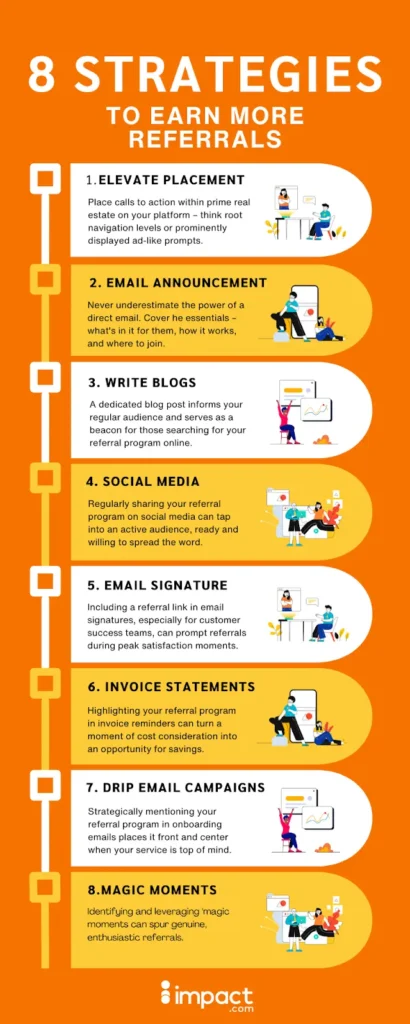
A referral program actively encourages satisfied clients to recommend services to others. Structuring the program with rewards, such as discounts or free services, can motivate clients to take part. Research shows that referred clients are 18% more likely to convert than other leads. Implementing a systematic approach to track referrals ensures the program’s effectiveness and provides valuable insights into client behaviors.
Utilize Social Media to Connect with Potential Clients
Social media platforms are crucial tools for engaging with potential clients and showcasing agency capabilities. Using channels like LinkedIn, Twitter, and Facebook allows agencies to share content, engage in discussions, and network with industry professionals. A study in 2024 found that 62% of marketers consider social media their most effective channel for lead generation. Regularly posting relevant content and interacting with followers can position the agency as an industry thought leader — a significant advantage.
Nuances of Networking and Referrals
Many agencies overlook the long-term benefits of nurturing relationships. Networking isn’t just about immediate gains; it’s about cultivating trust and rapport over time. Additionally, misconceptions about networking often push agencies to focus only on quantity rather than quality. Building a smaller, engaged network can often be more beneficial than having numerous superficial connections. Effective networking requires active listening, genuine interactions, and consistent follow-ups to sustain relationships.
Practical Application
- Identify and attend at least three industry-related events or conferences each year.
- Develop partnerships with at least two complementary businesses to create reciprocal referral opportunities.
- Design a referral program that rewards past clients for bringing in new business, and promote it through email campaigns.
- Engage on social media by posting relevant content weekly and participating in discussions to increase visibility.
Effective Use of Content Marketing to Generate Leads
Content marketing is an essential strategy for agencies looking to attract clients and build authority in their industry. By producing valuable and relevant content, agencies can pinpoint the pain points of potential clients while demonstrating expertise.
Develop a Content Strategy that Addresses Client Pain Points
Creating a content strategy starts with recognizing the specific challenges potential clients face. Conduct thorough research to grasp their needs and preferences. Use tools like surveys, interviews, and market analysis to gather insights. Focus on these key areas:
- Identify Target Audience: Define your ideal clients and customize content to their specific interests.
- Address Pain Points: Create content that directly tackles the problems your target audience encounters.
- Establish Authority: Leverage your content to showcase expertise in the marketing field, thus building trust with potential clients.
Utilize Various Content Formats
Diverse content formats can boost engagement and cater to different audience preferences. Consider incorporating the following:
- Blogs: Write informative articles that explore industry trends, how-tos, and case studies.
- Videos: Use video content to visually explain concepts, highlighting your agency’s personality and expertise.
- Infographics: Present complex information in a visually appealing manner, making it easier to digest.
Research shows that companies employing a mix of content formats often see a 62% increase in engagement rates. Audiences tend to share various content types more readily.
Optimize Content for SEO to Increase Visibility
Search engine optimization (SEO) is crucial for ensuring that content reaches its intended audience. Key optimization strategies include:
- Keyword Research: Identify relevant keywords that potential clients are searching for, including variations of “how to get clients for marketing agency.”
- On-Page SEO: Optimize headings, meta descriptions, and image alt tags to improve search engine rankings.
- Internal Linking: Use internal links to direct readers to related content on your site, thus enhancing user experience and SEO performance.
According to a 2024 study, content optimized for SEO can generate three times more leads than content that isn’t optimized.
Promote Content Through Social Media and Email Marketing
Once content is created and optimized, effective promotion is vital for maximizing reach. Leverage these channels:
- Social Media: Share content on platforms where your target audience is active, using targeted ads to broaden reach.
- Email Marketing: Use newsletters to deliver content directly to subscribers, encouraging engagement and shares.
- Partnerships: Collaborate with influencers or other businesses to expand content distribution.
Engagement on social media can elevate content visibility by up to 80%—a substantial boost for lead generation efforts.
Nuance / Expert Layer
Many agencies often overlook the necessity of aligning content with client journeys. Creating content for every stage—awareness, consideration, and decision—ensures potential clients receive relevant information at the right time. Misunderstandings about content marketing frequently lead agencies to focus solely on top-of-funnel content. This can overlook clients in later stages who need case studies or testimonials to make informed decisions.
Practical Application
To implement these strategies effectively, follow this actionable plan:
1. Conduct audience research to identify pain points.
2. Develop a content calendar that features a variety of formats.
3. Optimize all content for relevant keywords and SEO best practices.
4. Plan a promotion strategy that includes social media and email marketing.
5. Continuously analyze engagement metrics to refine your approach.
By following these steps, marketing agencies can harness content marketing as a powerful tool for attracting clients and establishing their authority in the industry.
Understanding Your Target Audience for Better Client Acquisition
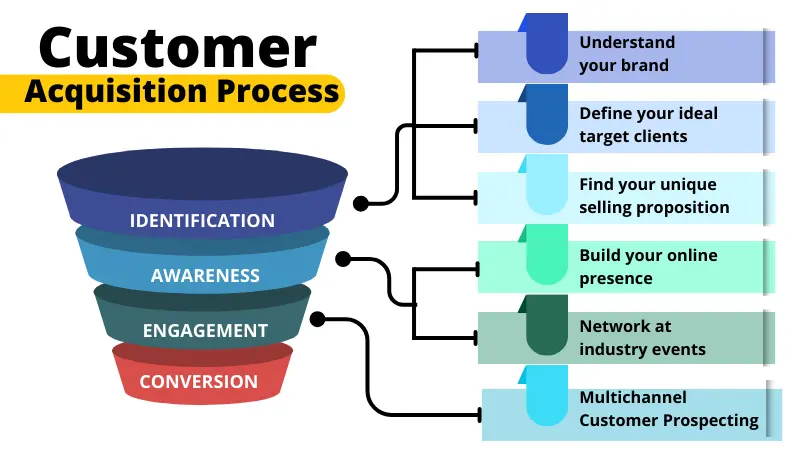
Identifying and understanding your target audience is crucial for any marketing agency aiming to attract and retain clients. Tailoring approaches based on insights into client demographics, preferences, and behaviors can significantly enhance client acquisition efforts.
Conduct Market Research to Identify Ideal Clients
Market research is the foundation for grasping potential clients. This involves analyzing industry trends, competitor strategies, and consumer behavior to identify the traits of your ideal client. Use both qualitative and quantitative data, like surveys, focus groups, and industry reports. A 2023 survey revealed that 74% of successful marketing agencies invested in thorough market research to define their target clientele.
Create Buyer Personas to Guide Your Marketing Efforts
Once market research wraps up, developing buyer personas is the next step. These semi-fictional representations of your ideal clients should cover demographics, pain points, goals, and purchasing behaviors. By creating 3-5 distinct personas, agencies can refine their services and marketing strategies to directly meet the needs of these segments — improving engagement and conversion rates in the process.
Tailor Messaging and Services to Resonate with Your Audience
Effective messaging plays a key role in attracting clients. Tailor content, promotions, and service offerings to match the specific needs and preferences of your target audience. This may involve adjusting tone, highlighting relevant case studies, and emphasizing unique benefits. For instance, if your buyer persona values sustainability, showcasing eco-friendly marketing strategies can boost appeal — something worth double-checking.
Regularly Reassess Your Audience to Adapt to Changes
The market landscape is always changing. Regularly reassessing your target audience helps ensure your agency stays responsive to evolving needs and preferences. Use analytics tools and client feedback to track shifts in behavior, which can help refine buyer personas and marketing strategies over time. Agencies that adjust their approaches based on ongoing research are 60% more likely to retain clients long-term.
Nuance / Expert Layer
A common misconception is that targeting a broad audience will yield more clients. However, this often results in diluted messaging and ineffective campaigns. On the contrary, focusing on niche markets can foster stronger connections and higher conversion rates. For instance, a marketing agency specializing in healthcare may achieve greater success by addressing specific challenges faced by healthcare providers, rather than trying to appeal to all businesses. This targeted approach not only builds credibility but also increases the likelihood of referrals within specialized networks.
Practical Application
- Conduct a comprehensive market analysis using online tools like Google Trends and industry reports.
- Create detailed buyer personas based on research findings and client interviews.
- Develop tailored marketing messages and service offerings that speak directly to your identified personas.
- Implement a feedback loop to regularly collect data on client satisfaction and market changes.
By following these steps, marketing agencies can effectively deepen their understanding of target audiences, leading to improved strategies on how to get clients for marketing agency. This tailored approach not only attracts new clients but also cultivates long-term relationships based on mutual understanding and value.
Frequently Asked Questions
What are the best ways to get clients for a marketing agency?
The best ways to get clients include leveraging social media, networking at industry events, and utilizing referrals from existing clients. Additionally, creating valuable content can attract potential clients to your agency.
How can I attract clients as a new marketing agency?
New marketing agencies can attract clients by establishing a strong online presence, showcasing case studies, and offering free consultations. Building relationships through networking and participating in community events also helps gain visibility.
What mistakes should marketing agencies avoid when seeking clients?
Marketing agencies should avoid overpromising results and neglecting client communication. Additionally, failing to define a target audience can lead to wasted marketing efforts and resources.
How long does it take to get clients for a marketing agency?
The time it takes to secure clients can vary widely, typically ranging from a few weeks to several months. Factors influencing this timeline include the agency’s reputation, marketing strategies, and the niche being targeted.
What is the average cost of acquiring a client for a marketing agency?
The average cost of acquiring a client for a marketing agency can range from $500 to $5,000, depending on the services offered and the marketing strategies employed. Effective targeting and efficient sales processes can help reduce this cost.
Final Thoughts on how to get clients for marketing agency
Securing clients for a marketing agency hinges on a multifaceted approach that combines strategic networking, a compelling portfolio, and effective content marketing. Agencies that prioritize building relationships and demonstrating value through tangible results will stand out in a competitive marketplace.
Begin by identifying and reaching out to potential clients through targeted networking events or online platforms, ensuring that your pitch highlights your unique value proposition and past successes.
Ready to take your marketing agency to the next level? Consult with a google ads expert today and watch your client base grow!
In an increasingly digital landscape, understanding how to connect authentically with prospective clients is paramount for sustained growth and success.