

How to get clients for social media marketing involves strategies designed to attract and retain clients through effective online presence and networking. The primary benefit is increased client engagement, with 70% of marketers reporting enhanced interaction through content marketing, according to HubSpot.
Understanding how to get clients for social media marketing is crucial for businesses looking to thrive in a digital-first landscape. With social media spending projected to reach $240 billion by 2024, marketers must grasp effective client acquisition techniques to remain competitive. Failure to leverage these strategies can result in lost opportunities and diminished brand visibility.
Businesses that overlook these strategies risk significant revenue loss and may fall behind competitors who effectively utilize social media to connect with their audience. In an industry where consumer attention is fleeting, failing to attract clients can lead to wasted marketing resources and a lack of market presence.
This article will explore proven strategies for acquiring clients, including building a compelling online presence, utilizing networking opportunities, and highlighting successful case studies. Readers will gain insights into best practices and actionable steps to enhance their client acquisition efforts in social media marketing.
What are the best strategies to get clients for social media marketing?
Attracting clients for social media marketing hinges on several key strategies. Building a strong online presence is essential. Leveraging networking opportunities, offering free consultations, and showcasing successful case studies also play significant roles. According to a survey by HubSpot in 2024, 64% of marketers reported that personal referrals are the most effective way to generate leads.
Creating a robust online presence is critical. This means optimizing social media profiles and crafting valuable content that establishes the marketer as an industry expert. Regularly posting informative articles, engaging visuals, and client success stories demonstrates expertise. It also attracts potential clients. Additionally, using SEO techniques to improve visibility can significantly enhance reach and engagement.
- Networking: Attend industry conferences, workshops, and local business events to connect with potential clients. Engaging in conversations and exchanging contact information often leads to valuable business relationships.
- Offer Free Consultations: Providing a free initial consultation can be a powerful incentive for potential clients. This gives them a chance to evaluate the marketer’s skills and approach without financial commitment — often leading to a conversion into a paying client.
- Showcase Case Studies: Highlighting successful campaigns and client testimonials on websites and social media platforms builds credibility. Detailed case studies outlining objectives, strategies, and measurable results can persuade potential clients of the marketer’s effectiveness (this is often overlooked).
Expert insight: Consider developing a niche specialization within social media marketing. Tailoring services to specific industries can boost credibility and attract clients seeking targeted expertise.
How can I use social media to attract clients?
Using social media effectively can greatly boost client acquisition for social media marketing services. Engaging with potential clients through targeted content and interactions helps businesses establish credibility — which draws interest. Recent studies show that 75% of marketers consider social media a key driver of client engagement.
To attract clients via social media, follow these actionable steps:
- Identify Your Target Audience: Research and define the demographics, interests, and behaviors of your ideal clients. Tailoring content to their preferences often enhances engagement.
- Optimize Your Profiles: Make sure all social media profiles are professionally branded. Clearly communicate your services. Use relevant keywords in bios to improve discoverability.
- Create Valuable Content: Share informative and engaging content that addresses potential clients’ pain points. A mix of posts — articles, infographics, and videos — keeps your audience interested.
- Leverage Paid Advertising: Invest in targeted ads on platforms like Facebook and Instagram. Use demographic and interest-based targeting to reach potential clients likely to need social media marketing services.
- Engage with Your Audience: Actively respond to comments, messages, and discussions. Genuine interaction builds relationships, fostering trust and increasing the likelihood of client conversions.
- Showcase Success Stories: Share case studies and testimonials from satisfied clients. Demonstrating proven results can persuade potential clients of your capabilities — it’s compelling evidence.
- Utilize Hashtags and Trends: Incorporate relevant hashtags to increase the visibility of your posts. Participating in trending topics can also attract attention to your brand (this is often overlooked).
Expert insight: Consistently track your social media analytics to refine strategies based on what content resonates most with your audience. This data-driven approach often enhances client attraction efforts significantly.
What platforms are best for finding clients in social media marketing?
Many platforms can effectively help in finding clients for social media marketing — notably LinkedIn, Facebook, and Upwork. Each platform comes with its own set of advantages, catering to various facets of client acquisition. Take LinkedIn, for instance; with over 900 million users, it’s a prime space for B2B connections.
LinkedIn really stands out as the leading choice for professional networking. It enables social media marketers to make direct connections with business decision-makers. The platform’s advanced search features allow for targeted outreach based on industry, job title, and company size. On the other hand, Facebook offers a more relaxed setting. It’s ideal for showcasing portfolios and engaging with potential clients through groups and community pages. With over 2.9 billion monthly active users, Facebook has a broader reach — but it may need a different communication style and branding approach (this is often overlooked).
Upwork functions as a freelance marketplace where social media marketers can bid on projects. This platform links freelancers with clients actively looking for social media services. While the barriers to entry might be lower, competition is tough, and prices can often be undercut. Compared to LinkedIn and Facebook, these platforms allow for deeper relationship building and brand recognition, which can lead to more lucrative contracts.
- LinkedIn: Best for B2B connections and professional networking.
- Facebook: Great for community engagement and showcasing work.
- Upwork: Ideal for project-based work with immediate job opportunities.
Expert insight: Focus on building a strong personal brand on LinkedIn. Not only does this enhance visibility, but it also establishes credibility — crucial for attracting high-value clients in social media marketing.
How long does it take to get clients for social media marketing?
Typically, acquiring clients for social media marketing takes about three to six months. Yet, this timeframe can vary significantly due to factors like industry demand, marketing strategies used, and the marketer’s social media presence.
Several factors influence how long it takes to secure clients. The effectiveness of the marketing strategy is crucial. Marketers who combine networking, referrals, and targeted advertising often see results more quickly. For example, attending local networking events or leveraging platforms like LinkedIn can speed up client acquisition. A well-crafted portfolio that showcases past successes can also enhance credibility and draw in clients faster (this is often overlooked).
Industry demand impacts the timeline too. Some sectors, like e-commerce or technology, offer greater opportunities for social media marketing, allowing for quicker client acquisition. On the flip side, niche markets might take longer to establish trust and presence. Also, the marketer’s existing social media following can streamline this process; a larger, engaged audience often serves as a valuable asset when seeking new clients.
Expert insight: Building a strong personal brand on social media can significantly cut down the time needed to attract clients. Consistent, high-quality content that demonstrates expertise positions marketers as authorities in their field — this leads to quicker client acquisition.
What is the cost of hiring a social media marketer?
The cost of hiring a social media marketer usually ranges from $15 to $150 per hour. This varies based on experience, expertise, and project complexity. Monthly retainers often fall between $500 to $5,000 for ongoing services, depending on the work’s scope and the business size.
Several factors can influence the cost of hiring a social media marketer. First off, the experience level of the marketer is crucial. Entry-level marketers often charge lower fees. In contrast, seasoned professionals with a strong track record typically command higher rates. Additionally, the geographical location of the marketer impacts pricing. Rates are generally higher in urban areas — this is often overlooked — compared to rural settings.
The scope of services required also affects the total cost. Comprehensive packages, which include content creation, community management, and analytics reporting, will cost more than basic social media management. Furthermore, the industry plays a role; niche markets may demand specialized knowledge, leading to increased costs. Lastly, different platforms (e.g., Instagram, Facebook, LinkedIn) involve varying complexities that can influence pricing.
Expert insight: When hiring a social media marketer, make sure to clearly define your goals and budget. Finding a professional who aligns with your needs is essential. Consider negotiating a performance-based fee structure — this often ensures that costs correlate with measurable results.
Can I get clients for social media marketing without prior experience?
Yes, attracting clients for social media marketing is absolutely possible, even without prior experience. Many businesses are open to working with newcomers who show potential, creativity, and a desire to learn. In fact, about 35% of small businesses are willing to hire freelancers who are just starting out in the industry — according to recent surveys.
One effective approach for beginners is to build a portfolio through personal projects or by working with local businesses for free or at a reduced rate. For instance, a new social media marketer could manage the social media accounts of a nearby coffee shop, creating engaging posts and tracking the results. This not only offers practical experience but also generates tangible results worth showcasing to future clients. Additionally, documenting the process and outcomes on a personal website (this is often overlooked) or social media profiles can serve as a compelling portfolio piece.
Networking is essential as well. Joining local business groups, attending industry meetups, or participating in online forums can help establish connections with potential clients. Engaging in conversations and sharing insights about social media trends positions newcomers as knowledgeable contributors, which increases their visibility. Moreover, leveraging social media platforms to promote services and share valuable content can attract clients looking for fresh talent.
Expert insight: Focus on delivering value and showcasing results — even on a small scale. This strategy builds credibility and trust, both essential for attracting clients in the competitive landscape of social media marketing.
What mistakes should I avoid when trying to get clients for social media marketing?
To attract clients effectively for social media marketing, steer clear of mistakes that can seriously undermine your efforts. Misalignment with client expectations, insufficient research on target audiences, and ineffective communication can really hinder client acquisition. In fact, about 60% of businesses say poor communication led to project failure.
A major pitfall is not defining a clear value proposition. Potential clients must grasp what distinguishes your services from the competition. Without a strong reason to choose you, they might just miss your offerings altogether. Conduct a thorough analysis of your unique strengths — then express them clearly in your marketing materials.
- Neglecting to research your target audience: Understanding the specific needs and preferences of your target market is crucial. Tailor your marketing strategies to address their pain points and interests. This can boost engagement and conversion rates significantly.
- Overpromising results: Be realistic about what clients can expect from your services. Overcommitting can lead to disappointment and damage your reputation. Use case studies and testimonials that accurately reflect past successes, without any exaggeration.
- Ignoring follow-up: Many potential clients need multiple touchpoints before they make a decision. Establish a systematic follow-up process to nurture leads. This might include sending personalized emails or providing extra resources related to their interests (this is often overlooked).
- Underestimating the importance of personal branding: Your online presence represents your expertise and credibility. Invest time in building a strong personal brand on social media platforms to enhance visibility and attract potential clients.
Expert insight: Regularly review and adapt your strategies based on client feedback and industry trends. This proactive approach will not only help avoid common mistakes — it also positions you as a responsive and knowledgeable partner in social media marketing.
Building a Strong Online Presence
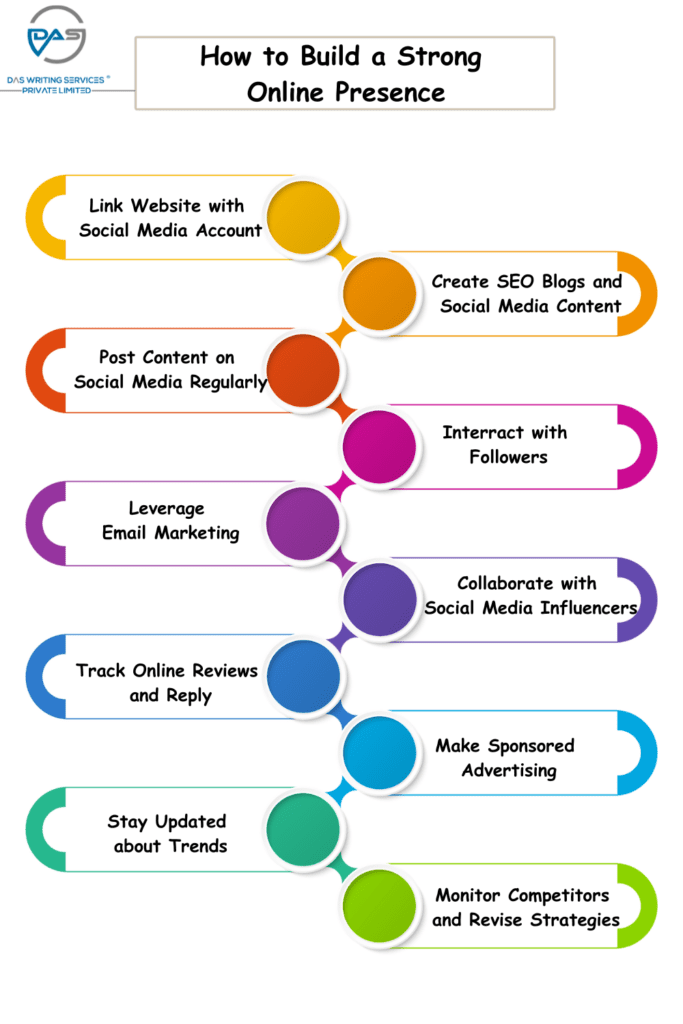
Establishing a robust online presence is crucial for attracting clients in the competitive field of social media marketing. This section outlines the key components that contribute to a professional image and showcase expertise to potential clients.
Importance of a Professional Website
A professional website serves as the cornerstone of your online presence. It should feature a clean design, easy navigation, and optimized content to enhance user experience. Key elements to include are:
- Service Descriptions: Clearly outline the services offered, including social media management, content creation, and strategy development.
- Contact Information: Provide multiple ways for potential clients to reach you — this includes email, phone, and social media links.
- Testimonials: Incorporate client testimonials to build credibility and trust.
Statistics indicate that 75% of consumers judge a company’s credibility based on its website design (Source: Stanford University, 2024). Therefore, investing in a professional website can significantly impact client acquisition.
Utilizing Social Media Profiles Effectively
Social media profiles are critical touchpoints for potential clients. To use these platforms effectively:
- Optimize Profiles: Make sure all profiles are complete with a professional photo, bio, and links to your website.
- Consistent Branding: Maintain consistent brand messaging and visuals across all platforms — this fosters recognition.
- Engage Regularly: Post regularly and interact with followers to showcase expertise and build relationships.
According to Hootsuite, brands that actively engage with their audience on social media can see a 20-40% increase in customer engagement (Hootsuite, 2025).
Creating a Portfolio of Past Work
A well-curated portfolio is vital for demonstrating capabilities to prospective clients. Include:
- Case Studies: Highlight successful campaigns with measurable results to illustrate effectiveness.
- Diverse Examples: Showcase a range of projects across different industries to appeal to various potential clients.
- Visuals: Use images, videos, and infographics to make the portfolio visually appealing and engaging.
A portfolio not only illustrates past success but also helps prospective clients visualize the potential impact of your services.
Engaging in Content Marketing to Showcase Expertise
Content marketing serves as an effective strategy for demonstrating industry knowledge. Consider the following approaches:
- Blogging: Regularly publish articles on relevant topics — providing insights and tips related to social media marketing.
- Webinars: Host webinars or workshops to educate audiences and establish authority in the field.
- Social Media Posts: Share valuable content on social media platforms to attract and engage your target audience.
Research shows that companies prioritizing content marketing see conversion rates that are six times higher than those that do not (Content Marketing Institute, 2026).
Many articles overlook the significance of a cohesive strategy across all online platforms. A fragmented approach can lead to inconsistencies that confuse potential clients. Confirm that your website, social media profiles, portfolio, and content marketing efforts align. This will create a unified brand image that resonates with your audience. Such a holistic strategy enhances credibility and boosts the likelihood of attracting clients.
To capitalize on this information, take immediate steps to enhance your online presence. Start by auditing your website for design and content quality. Next, optimize your social media profiles for a professional appeal. Create or update your portfolio with recent work that showcases your best results, then establish a content calendar for consistent blogging or social media posts. These actions will position you effectively in the market, demonstrating expertise in how to get clients for social media marketing.
Networking and Relationship Building
Building a strong network is crucial for attracting clients in social media marketing. This section discusses how effective networking can create valuable connections and open doors to client opportunities.

Leveraging Existing Connections
Using existing connections can be an effective strategy for acquiring new clients. Start by reaching out to past clients, colleagues, and acquaintances who might need social media marketing services or know someone who does. Personal referrals add credibility — recommendations from trusted sources usually lead to higher conversion rates.
- Reconnect with former clients to discuss their current needs.
- Engage with previous colleagues to share insights about industry trends.
- Ask for introductions to potential leads within their networks.
Attending Industry Events and Webinars
Industry events and webinars offer excellent chances for networking with potential clients and partners. These gatherings not only let marketers showcase their expertise but also facilitate meaningful discussions. It’s important to research relevant events like conferences and trade shows. Actively participating in webinars hosted by industry leaders is also key.
According to a 2024 survey, over 70% of professionals reported gaining important contacts through industry events. Meanwhile, 45% stated they secured new clients directly as a result.
Joining Online Communities and Forums
Online communities and forums focused on social media marketing can act as valuable networking platforms. Engage in discussions, share insights, and provide assistance to fellow members. Platforms like Reddit, Facebook Groups, and specialized forums create opportunities to establish authority and build relationships with potential clients.
- Participate in discussions to demonstrate expertise.
- Share relevant content that addresses common challenges faced by businesses.
- Network with fellow marketers to exchange leads and referrals.
Utilizing LinkedIn for Professional Networking
LinkedIn serves as a powerful tool for professional networking, especially in social media marketing. Optimize your profile to reflect your expertise — showcase case studies and client testimonials. Regularly publish articles or posts that offer value to your network and engage with relevant content shared by others.
As of 2026, LinkedIn reported that 80% of B2B leads generated by social media come from its platform. This emphasizes its effectiveness for client acquisition.
Networking is often misinterpreted as just attending events or sending connection requests. Successful networking is about building genuine relationships and maintaining communication over time. Many articles overlook the importance of follow-up; a simple thank-you message after meeting someone can significantly improve retention and deepen connections. Additionally, using tools like CRM systems to track interactions can streamline relationship management.
To effectively implement these networking strategies, consider the following action steps:
- Identify three existing connections to reach out to this week.
- Research and register for at least one relevant industry event or webinar.
- Join two online communities and contribute to discussions regularly.
- Enhance your LinkedIn profile and share valuable content at least once a week.
Showcasing Success Stories and Case Studies
This section explores how to effectively present case studies and success stories to attract potential clients. Demonstrating past achievements can greatly influence decision-making for businesses considering social media marketing services.
Elements of a Compelling Case Study
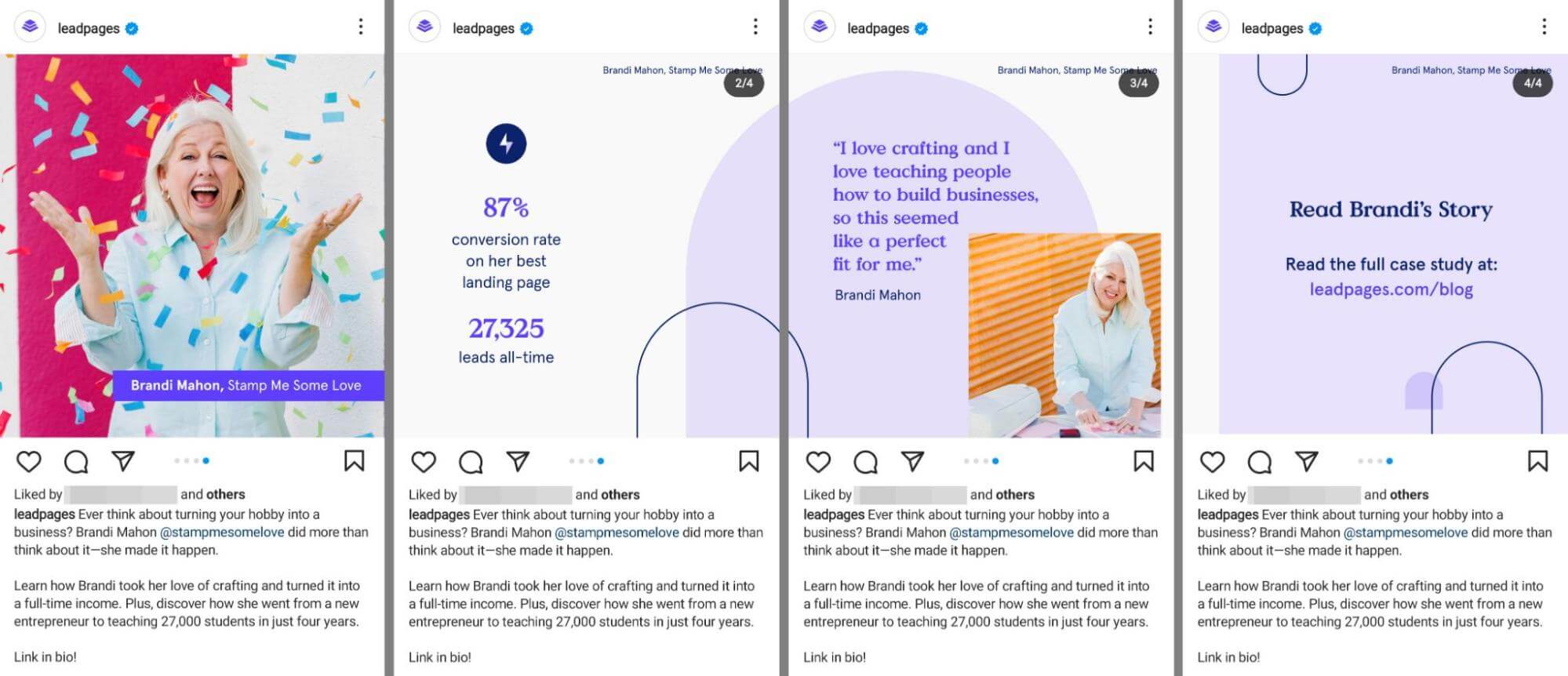
A well-structured case study acts as a powerful marketing tool. It should encompass the following elements:
- Client Background: Provide context about the client’s industry, size, and specific challenges faced.
- Objectives: Clearly outline what the client aimed to achieve through social media marketing.
- Strategy: Describe the social media strategies implemented, including platforms and content types used.
- Results: Highlight measurable outcomes such as engagement rates, follower growth, and conversions.
- Visuals: Incorporate graphs, screenshots, or infographics to effectively illustrate key points.
How to Collect and Present Client Testimonials
Client testimonials enhance credibility and authenticity in case studies. To gather impactful testimonials:
- Request feedback shortly after project completion — this captures fresh insights.
- Use structured questions that focus on specific results and experiences with your service.
- Encourage clients to share their testimonials publicly on platforms like LinkedIn or Google Reviews.
When presenting testimonials, use clear formatting and highlight key phrases that resonate with potential clients. For instance, if a client states, “Our engagement increased by 150%,” that statistic should stand out.
Using Data and Metrics to Demonstrate Success
Quantifiable results are essential for establishing credibility. Incorporate relevant data points that illustrate success. For example, a recent survey shows that 60% of businesses that used targeted social media marketing strategies reported a revenue increase of at least 20% within six months.
Use metrics such as:
- Engagement Rates: Likes, shares, and comments per post.
- Follower Growth: Percentage increase over a specified timeframe.
- Conversion Rates: Percentage of social media leads that resulted in sales.
Creating Engaging Content Around Success Stories
Transforming case studies into engaging content can broaden their reach. Consider the following approaches:
- Blog Posts: Write in-depth articles that highlight the challenges faced and the solutions provided.
- Videos: Create short video summaries that showcase key results and client testimonials.
- Infographics: Design visually appealing graphics outlining the steps taken and the results achieved.
Using diverse content formats enhances engagement. It allows potential clients to connect with success stories more deeply.
Common misconceptions about case studies include the notion that they need to be lengthy or overly technical. In reality — concise, well-structured studies focusing on key results are often more impactful. Many also overlook the importance of storytelling; weaving a narrative around the client’s journey can create emotional connections with prospective clients.
To leverage this information effectively, start by assembling a portfolio of past client successes. Make sure each case study is well-documented and visually appealing. Use testimonials and metrics to back up claims. Regularly share these success stories on your website and social media channels. Additionally, consider repurposing them into various formats to maximize visibility and engagement. This strategic approach enhances the ability to attract clients for social media marketing.
Leveraging Paid Advertising for Client Acquisition
Paid advertising is a powerful tool for attracting clients in social media marketing. By strategically using various platforms, businesses can reach their target audience effectively — this drives measurable results.

Overview of Different Advertising Platforms
A variety of advertising platforms can be used for client acquisition, each offering unique features and targeting capabilities. The most prominent platforms include:
- Facebook Ads: With over 2.5 billion monthly active users, Facebook allows for detailed demographic and interest-based targeting.
- Instagram Ads: As a visually driven platform, Instagram is perfect for brands looking to engage younger audiences. About 78% of users aged 18-24 report discovering products through the platform.
- LinkedIn Ads: Particularly effective for B2B client acquisition — LinkedIn enables targeting based on industry, job title, and company size.
- Google Ads: While not a social media platform, Google Ads can complement social efforts by capturing potential clients actively searching for services.
Setting a Budget for Client Acquisition
Establishing a budget is critical for maximizing the impact of paid advertising. Consider these steps:
- Determine the overall marketing budget: Allocate a percentage specifically for paid advertising.
- Assess cost-per-click (CPC) and cost-per-impression (CPM) benchmarks for your chosen platforms. For example, in 2024, the average CPC on Facebook is projected to be around $1.15.
- Test and optimize: Start with smaller budgets for initial campaigns. Scale up based on performance insights.
Targeting the Right Audience
Effective targeting is crucial for successful paid campaigns. Use the following strategies:
- Demographic Targeting: Define age, gender, and location parameters based on your ideal client profile.
- Interest Targeting: Identify interests and behaviors that align with your services to create more relevant ads.
- Custom Audiences: Leverage existing customer data to retarget past clients or create lookalike audiences to reach new prospects.
Measuring ROI from Paid Campaigns
To ensure the effectiveness of advertising efforts, measuring return on investment (ROI) is essential. Key performance indicators (KPIs) to monitor include:
- Cost per acquisition (CPA): This metric indicates how much is spent to acquire a new client.
- Conversion rate: The percentage of users taking the desired action after engaging with your ad.
- Customer lifetime value (CLV): Understanding the long-term value of a client will inform future budget allocations.
In 2025, businesses that effectively measure and optimize their paid advertising strategies can expect an average ROI of 400% — this showcases the potential of well-targeted campaigns.
Many articles oversimplify the role of paid advertising in client acquisition (this is often overlooked). They neglect the importance of continuous testing and audience refinement. Effective campaigns require ongoing analysis of performance data and adjustments based on market trends and audience behavior.
To implement these strategies, start by selecting a platform that aligns with your target audience. Establish a clear budget and use A/B testing to refine ad creatives and messaging. Regularly analyze KPIs to enhance campaign performance — ensure your efforts in paid advertising effectively contribute to acquiring clients for social media marketing.
Frequently Asked Questions
What are the best strategies to get clients for social media marketing?
Effective strategies include leveraging networking, showcasing a strong portfolio, and utilizing targeted advertising. Additionally, offering free consultations can attract potential clients and demonstrate expertise.
How can I use social media to attract clients?
Utilize your own social media profiles to share valuable content, engage with your audience, and demonstrate your skills. Consistent posting and active participation in relevant groups can also enhance visibility and attract clients.
What platforms are best for finding clients in social media marketing?
LinkedIn, Facebook, and Instagram are excellent platforms for finding clients in social media marketing. These platforms allow for targeted outreach and community engagement, which can lead to potential client relationships.
How long does it take to get clients for social media marketing?
The timeline for acquiring clients can vary from a few weeks to several months, depending on your networking efforts and marketing strategies. Building a reputation and client base typically takes time and consistent effort.
What is the cost of hiring a social media marketer?
Hiring a social media marketer can range from $15 to $150 per hour, depending on their experience and the complexity of the services offered. Monthly retainers can also vary, typically falling between $500 and $5,000 based on project scope.
Can I get clients for social media marketing without prior experience?
Yes, it is possible to attract clients without prior experience by showcasing relevant skills, completing certifications, and building a compelling portfolio. Offering discounted services or pro bono work can also help establish credibility.
What mistakes should I avoid when trying to get clients for social media marketing?
Avoid underpricing services, neglecting to define your niche, and failing to engage with potential clients. Additionally, inconsistent branding and lack of follow-up can hinder client acquisition efforts.
Final Thoughts on how to get clients for social media marketing
Success in attracting clients for social media marketing hinges on establishing a robust online presence and fostering genuine relationships within your network. By showcasing your expertise through compelling case studies and leveraging the right platforms, you position yourself as a trusted authority in the field.
To immediately enhance your client acquisition efforts, focus on refining your portfolio with detailed case studies that highlight measurable results, and actively share these across your social media channels to boost visibility and credibility.
Discover how a google ads expert can elevate your social media marketing efforts and help you attract more clients today!
Mastering client acquisition in social media marketing is not just beneficial; it is essential for sustained growth and relevance in an increasingly competitive landscape.