
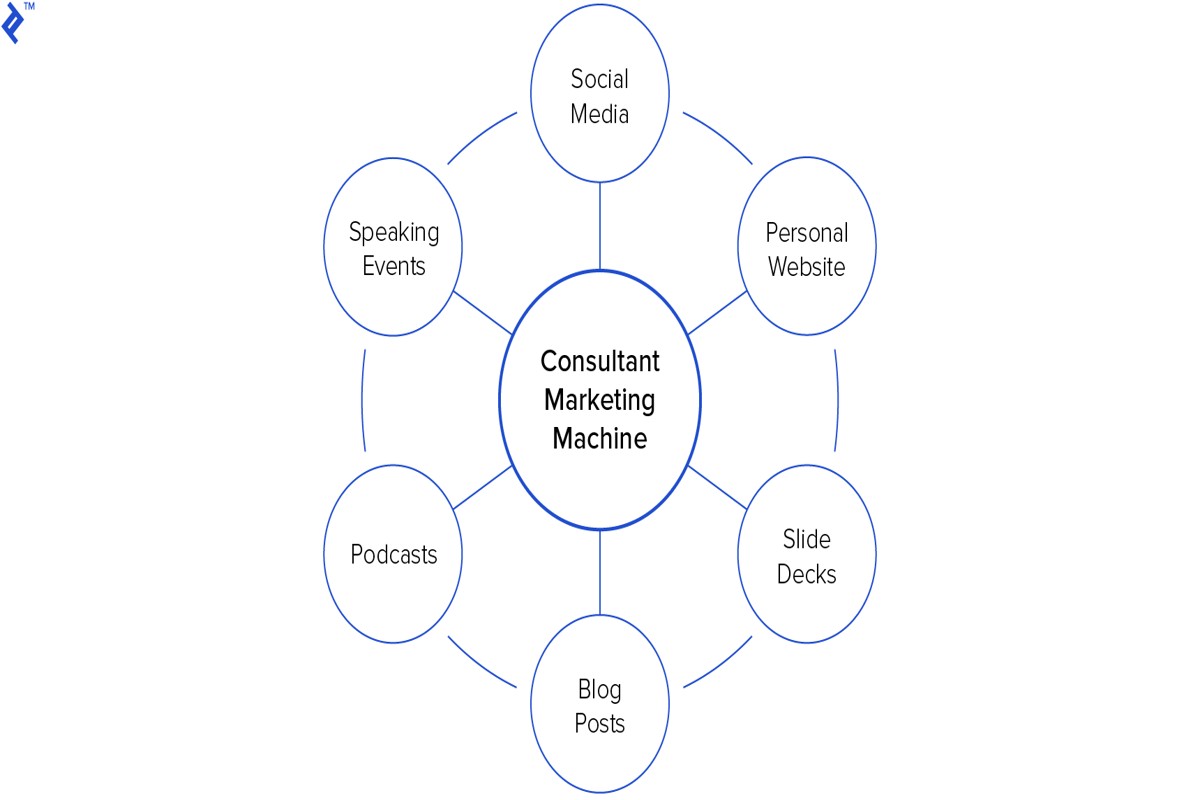
Consulting firms get clients through a strategic mix of networking, referrals, and targeted marketing strategies. Approximately 70% of consulting work comes from referrals, highlighting the importance of relationship-building in securing new business opportunities.
Understanding how consulting firms get clients is essential for both emerging and established businesses in the consulting industry. With a market projected to reach $500 billion by 2025, firms that master client acquisition strategies position themselves for sustainable growth and competitive advantage. Missing key details in this area can lead to lost opportunities and diminished market presence.
Failure to grasp effective client acquisition methods can result in missed revenue streams, wasted marketing resources, and an inability to compete effectively in a crowded marketplace. Firms that struggle with client acquisition may find themselves at a significant disadvantage compared to their more adept competitors.
This article will cover proven strategies for consulting firms to attract clients, including a comparison of top providers, cost breakdowns for various marketing approaches, best practices for leveraging referrals, and insights into local SEO tactics that can enhance visibility and engagement.
What are the best strategies for consulting firms to attract clients?
Consulting firms can attract clients through a mix of effective strategies, including networking, content marketing, and leveraging referrals. In 2024, 70% of new clients for consulting firms come from referrals and personal networks. This highlights the critical need for building strong relationships.
One of the most effective ways to attract clients is through networking. This means actively participating in industry events, conferences, and local business meetings. Making connections within relevant circles not only increases visibility — it also fosters trust. Personal relationships often lead to new opportunities. Potential clients frequently prefer to work with consultants they know or have received recommendations for.
- Content Marketing: Producing high-quality, informative content positions a consulting firm as an authority in its field. Regularly publishing articles, whitepapers, and case studies helps attract potential clients who are seeking expertise. This strategy can lead to a website traffic increase of up to 300% when executed properly over six months.
- Leveraging Referrals: Encouraging satisfied clients to refer others is a potent strategy. Implementing a structured referral program can incentivize existing clients to spread the word about the firm. Studies show that referred clients tend to have higher lifetime value and lower acquisition costs (this is often overlooked).
- Social Media Engagement: Using platforms like LinkedIn to share insights and engage in industry discussions enhances visibility. Thought leadership posts and active participation can establish credibility — attracting clients who are looking for knowledgeable partners.
Expert insight: Building a strong brand presence through consistent content and active networking can significantly reduce client acquisition costs while enhancing overall reputation. Prioritize quality over quantity in networking efforts for sustainable growth.
How can a new consulting firm find clients quickly?
A new consulting firm can find clients quickly by leveraging networking, establishing a strong online presence, and using social media effectively. Research shows firms with a robust online strategy can attract up to 50% more clients within their first year compared to those without.
To start, networking is essential. Attend industry events — conferences, local business meetups, and more — to connect with potential clients and partners. Building relationships in relevant industries can lead to referrals and direct client engagements, establishing credibility and trust. Make sure to engage in at least one networking event per month; it’s key for expanding your reach.
Next, developing a strong online presence is critical. Create a professional website that highlights your services, showcases case studies, and includes testimonials from previous clients (if available). Invest in search engine optimization (SEO) to ensure your site ranks well in search results. This makes it easier for potential clients to find you. Additionally, creating valuable content, like blogs or whitepapers, can help position your firm as an authority in the consulting space — a smart move.
Lastly, leverage social media platforms to connect with your audience. Regularly post insights, industry news, and updates about your firm on platforms like LinkedIn and Twitter. Engaging with followers and participating in relevant discussions can enhance visibility and attract potential clients. Aim to post at least three times a week to maintain an active presence; consistency matters.
Expert insight: Focus on building genuine relationships instead of just selling services — this approach fosters long-term partnerships that can lead to sustained business growth.
What role does networking play in acquiring consulting clients?
Networking is essential for acquiring clients in consulting firms. It fosters relationships that often lead to referrals and new business opportunities. In fact, around 70% of consulting clients come from referrals — this highlights how important personal connections are in this field.
Building a strong network means engaging with professionals across various sectors. It involves attending industry events and participating in online forums. These interactions create chances for consultants to showcase their expertise and establish credibility. Additionally, networking helps consultants stay on top of market trends and client needs (this is often overlooked), enabling them to tailor their services effectively.
- Relationship Building: Establishing trust is crucial. Regular contact with existing and potential clients can lead to lasting partnerships.
- Referrals: Happy clients and professional contacts often refer consultants to others, amplifying business opportunities significantly.
- Market Insights: Networking allows consultants to gather essential information about competitors and emerging trends. This enhances their service offerings.
Moreover, networking can also include collaboration with other professionals, such as lawyers or accountants, to leverage each other’s client bases. This strategy creates a mutually beneficial environment — one where all parties can grow their businesses through shared referrals.
Expert insight: Focus on building genuine relationships, not just transactional ones. This approach yields more sustainable client acquisition over time.
How much does it cost to acquire a consulting client?
On average, acquiring a consulting client costs between $5,000 and $20,000. This range depends on the strategies used by the consulting firm and its target market. These expenses cover various aspects like marketing, networking, and sales efforts.
Several factors influence the cost of client acquisition for consulting firms. These include:
- Marketing Expenses: Costs linked to digital marketing, content creation, and advertising can heavily impact client acquisition costs. Effective campaigns often require significant investment in SEO, pay-per-click ads, or social media promotions.
- Networking and Relationship Building: Participating in industry conferences, trade shows, and networking events incurs travel and registration fees. Building relationships through these channels is crucial — yet it can be costly.
- Sales Team Costs: Salaries and commissions for sales personnel focused on acquiring new clients add to overall expenses. A skilled sales team can enhance conversion rates, but this often raises costs too.
Additionally, the consulting firm’s reputation and its existing client base can influence acquisition costs. Well-established firms might benefit from referrals and word-of-mouth, which can help lower acquisition expenses. In contrast, newer firms often need to invest more in marketing and networking to build credibility and attract clients.
Expert insight: Consulting firms should track and analyze their client acquisition costs closely. This data is invaluable. It helps refine marketing strategies and pinpoint the most effective channels for attracting clients — ultimately leading to more efficient spending.
What are common mistakes consulting firms make when trying to get clients?
Consulting firms often make critical mistakes that can really hinder their client acquisition efforts. Common pitfalls include neglecting follow-ups, poorly targeting marketing campaigns, and failing to effectively demonstrate their value proposition. Research shows that 80% of sales require at least five follow-ups. Yet, many firms stop after just one or two attempts.
One frequent scenario involves a consulting firm that launches a marketing campaign aimed at small to medium-sized enterprises (SMEs) in the tech sector. They create a compelling ad and gather a list of potential leads. But they fail to follow up consistently. After sending an initial email, they don’t reach out again — missing opportunities to engage with prospects who might be interested but need more information or reassurance. This lack of persistence can lead to lost connections and, ultimately, lost clients.
Another common mistake is the misalignment of marketing efforts with the actual target audience. For instance, a firm may heavily focus on social media advertising without considering whether their ideal clients even use those platforms (this is often overlooked). If the marketing message doesn’t reach the intended audience, the firm ends up wasting resources and fails to generate leads. Moreover, many firms don’t articulate their unique value proposition clearly. Without showcasing tangible benefits or successful case studies, potential clients may struggle to understand how the firm’s services can address their specific challenges.
Expert insight: Regularly evaluate and refine your follow-up strategies. Make sure your marketing efforts are tailored to the preferences of your target audience for optimal engagement.
How long does it typically take for consulting firms to secure clients?
Consulting firms usually take anywhere from a few weeks to several months to secure clients. On average, the client acquisition process spans three to six months. This timeline depends on several factors — including the firm’s reputation, industry focus, and the complexity of the client’s needs.
Multiple factors influence the timeline for acquiring clients. First, the firm’s established network is critical. Firms with strong relationships and a solid track record can secure clients faster through referrals and repeat business. Newer firms, however, often face longer acquisition times. They need to build credibility and trust in their target markets (this is often overlooked).
Secondly, the type of consulting services offered also impacts the timeline. Simple, straightforward projects can lead to quicker client engagement. In contrast, complex, multi-faceted projects typically involve more extensive discussions and negotiations. Moreover, the decision-making process within potential client organizations varies significantly. Larger corporations often have more bureaucratic structures, which can extend the time needed to finalize agreements. Smaller businesses usually have quicker decision-making processes.
Expert insight: To expedite client acquisition, consulting firms should focus on building a robust network. Leveraging existing client relationships is crucial, as these channels are often the most effective for securing new business.
Building a Strong Referral Network
Referrals are a cornerstone for consulting firms aiming to grow their client base. Tapping into existing relationships can greatly enhance business growth — and it helps build credibility in a competitive market.

The Importance of Existing Relationships
Existing relationships are the foundation of a strong referral network. Clients who’ve experienced successful outcomes are more likely to recommend a consulting firm to their peers. A 2024 survey revealed that 83% of clients trust referrals from friends and colleagues over any other marketing form. This trust leads to higher conversion rates and shorter sales cycles.
Strategies for Asking for Referrals
Asking for referrals requires a careful approach — being pushy can backfire. Here are some effective strategies:
- Timing is key: Ask for referrals after delivering a successful project or when clients express satisfaction.
- Be specific: Clearly state the type of clients you seek, which helps potential referrers identify suitable contacts.
- Offer value: Provide something in return, like a referral bonus or a free consultation. This encourages clients to assist in your networking efforts.
Nurturing Referral Relationships
Maintaining and nurturing these referral relationships is crucial for long-term success. Regular communication and appreciation strengthen these ties — keeping relationships fresh is important. Consider implementing the following practices:
- Regular check-ins: Schedule periodic updates with clients to keep them informed about your services and outcomes.
- Thank you notes: Send personalized thank you messages to clients who provide referrals. This reinforces their positive experience.
- Share success stories: Keep your network updated on how their referrals have benefited from your services. This encourages future referrals.
Real-World Examples of Successful Referral Strategies
Many consulting firms have effectively put referral strategies into practice. For example, a management consulting firm saw a 30% increase in its client base in 2025 through a structured referral program that incentivized clients to refer peers. Another firm developed a client ambassador program, which resulted in satisfied clients sharing their experiences at networking events, leading to a 50% rise in new inquiries.
Referral networks aren’t just about acquiring new clients; they also create a community of advocates. The power of word-of-mouth marketing shouldn’t be underestimated. This often results in higher-quality leads and improved client loyalty.
Nuance and Expert Insight
While referrals are a critical avenue for client acquisition, relying solely on them can be misleading. Firms need to diversify their client acquisition strategies. Understanding the distinction between direct and indirect referrals can be enlightening — this is often overlooked. Direct referrals come from satisfied clients who recommend you directly, while indirect referrals happen when a client shares your information more broadly, like on social media or within industry groups. Both are valuable, but they require different nurturing and engagement approaches.
Practical Application
To effectively leverage referrals, consulting firms should take immediate action by:
- Identifying key clients to approach for referrals.
- Creating a clear and concise referral request template.
- Establishing a follow-up schedule to nurture these relationships.
Implementing these strategies will boost a consulting firm’s ability to attract new clients through a strong referral network. This ultimately answers the question of how consulting firms get clients.
Leveraging Digital Marketing for Client Acquisition
This section delves into how consulting firms can effectively use digital marketing strategies to attract and retain clients. Implementing targeted techniques allows firms to showcase their expertise — and expand their reach in a competitive landscape.

Effective Use of Content Marketing to Showcase Expertise
Content marketing is a powerful tool for consulting firms seeking to establish authority in their field. Creating high-quality, relevant content like blog posts, whitepapers, and case studies helps firms demonstrate their knowledge and problem-solving capabilities. In fact, 70% of marketers report that content marketing increases engagement and leads.
Firms can adopt various content formats, including:
- Blog articles that address industry challenges and solutions
- Webinars that showcase expertise and engage potential clients
- Infographics — they simplify complex concepts for better understanding
Utilizing Social Media Platforms for Outreach and Engagement
Social media platforms give consulting firms a chance for direct communication with potential clients. By actively engaging on platforms like LinkedIn, firms can build a professional network and share insights that resonate with their target audience. As of 2024, 83% of B2B marketers use social media for lead generation. This highlights its significance in client acquisition.
Key strategies include:
- Regularly posting thought leadership content
- Participating in industry-related discussions
- Using targeted ads to reach specific demographics
The Role of SEO in Increasing Visibility to Potential Clients
Search Engine Optimization (SEO) is critical for improving a consulting firm’s online presence. By optimizing website content with relevant keywords and ensuring user-friendliness, firms can enhance their visibility on search engines. Companies that prioritize SEO see a 14.6% conversion rate — compared to just 1.7% for outbound leads.
Essential SEO practices include:
- Conducting keyword research to identify high-traffic search terms
- Creating high-quality backlinks that improve domain authority
- Optimizing page load speed and mobile responsiveness
Case Studies of Consulting Firms that Successfully Used Digital Marketing
Numerous consulting firms have effectively harnessed digital marketing to achieve significant client acquisition results. For instance, Firm A implemented a content marketing strategy that featured weekly blog posts and webinars. The result? A 45% increase in leads within six months. Similarly, Firm B leveraged SEO tactics, achieving a whopping 300% growth in organic traffic — which translated to a substantial uptick in client inquiries.
These case studies illustrate the effectiveness of tailored digital marketing approaches in attracting clients and building long-term relationships.
While many firms understand the importance of digital marketing, misconceptions often arise regarding its implementation. A common belief is that merely having an online presence is enough for client acquisition. However, without a strategic approach to content creation, social media engagement, and SEO, firms might not realize their full potential in attracting clients. Understanding the nuances of digital marketing strategies is crucial for consulting firms to thrive.
To effectively leverage digital marketing, consulting firms should:
- Develop a comprehensive content strategy that aligns with client needs.
- Engage consistently on social media to foster relationships.
- Invest in SEO to enhance online visibility and attract targeted traffic.
By taking these actionable steps, firms can optimize their digital marketing efforts — and significantly enhance their client acquisition strategies.
The Power of Niche Specialization in Consulting
Niche specialization acts as a strategic tool for consulting firms aiming to attract and retain clients effectively. By concentrating on a specific area of expertise, firms can stand out in a crowded marketplace. This approach helps build a reputation that appeals to clients looking for targeted solutions.

Identifying and Defining a Niche Market
Choosing a niche means pinpointing a specific segment of the market where a consulting firm can thrive. This involves analyzing market needs, assessing competition, and leveraging the firm’s unique strengths. A well-defined niche might focus on industry sectors like healthcare or technology — or even specific services such as change management or digital transformation.
Benefits of Being Seen as an Expert
Specializing in a niche brings considerable advantages. Clients tend to trust firms that demonstrate deep knowledge and experience in a particular area. A 2024 survey revealed that 78% of clients prefer hiring specialists over generalists. This strong perception can lead to enhanced engagement rates and the ability to set premium pricing.
How Niche Specialization Impacts Marketing Strategies
- Targeted Messaging: Marketing can home in on specific pain points and solutions relevant to the niche, making communication much more effective.
- Content Creation: Creating specialized content, like white papers or webinars, positions the firm as a thought leader. (This can be very impactful.)
- Networking Opportunities: Participating in niche-related events and communities fosters valuable connections with potential clients.
Examples of Successful Niche Consulting Firms
Several consulting firms have thrived by narrowing their focus. For example, FSG specializes in social impact consulting aimed at nonprofit organizations and foundations. Their in-depth understanding of this sector allows them to deliver tailored solutions that generalist firms often miss. Another case is McKinsey Digital, which focuses on digital transformation strategies, effectively leveraging its expertise to attract tech-savvy clients.
Nuances in Niche Specialization
While niche specialization offers benefits, it isn’t without challenges. Some firms wrongly assume that narrowing their focus will guarantee more clients. In reality, a niche needs to be large enough to sustain the business — or it risks becoming unviable. Moreover, firms must stay adaptable; market demands can shift, making it essential to reassess the niche periodically. A rigid commitment to a niche without market validation can lead to missed opportunities.
Practical Application
Consulting firms should follow these steps to effectively leverage niche specialization:
- Conduct thorough market research to uncover underserved niches.
- Develop a unique value proposition that showcases the firm’s expertise in that niche.
- Create targeted marketing campaigns that directly address the niche’s needs.
- Engage with industry-specific events and forums to enhance credibility and connect with potential clients.
By implementing these strategies, consulting firms can boost their visibility and credibility within their chosen niche, effectively answering the question, “how do consulting firms get clients?”
Understanding Client Needs and Delivering Value
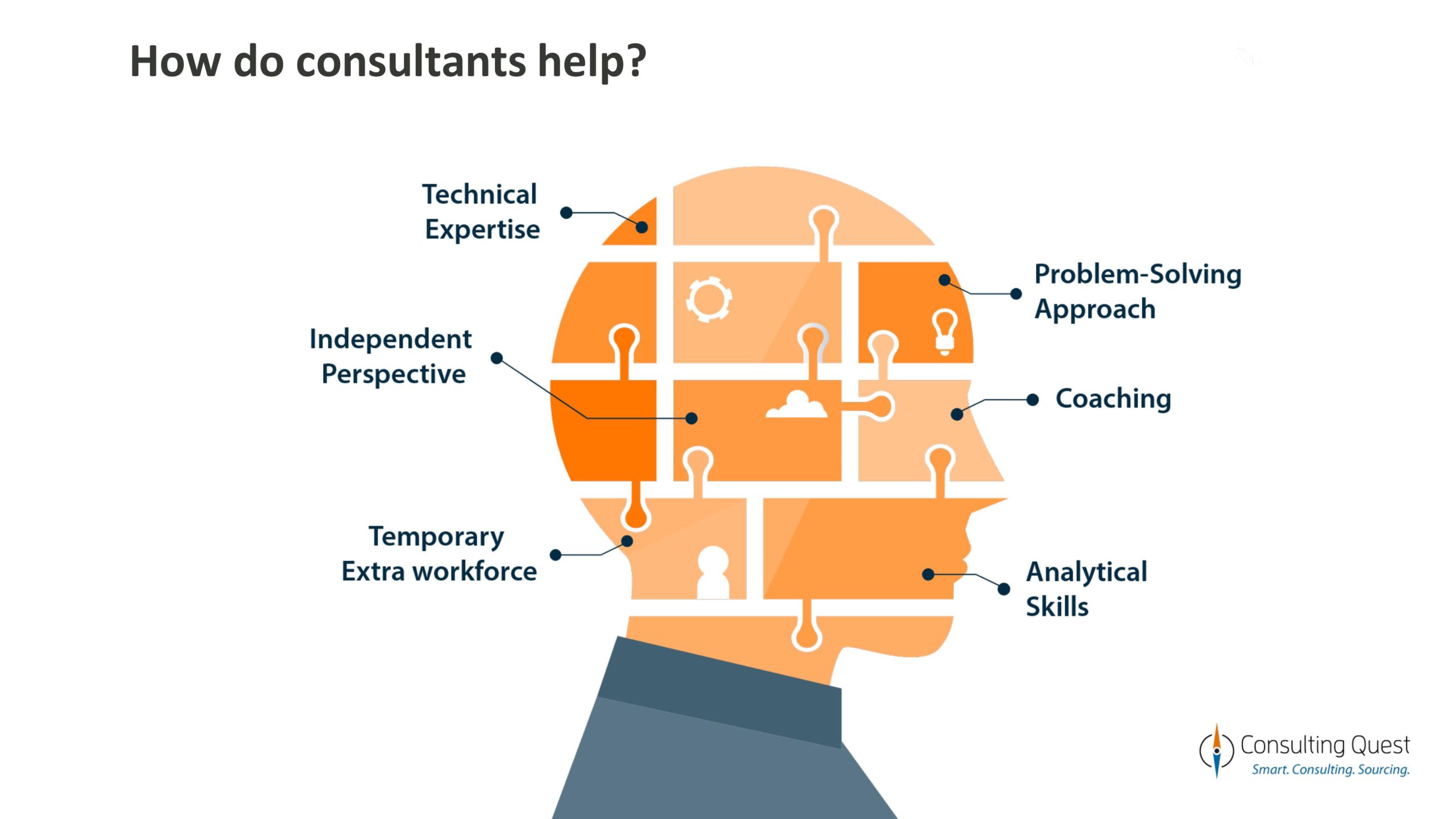
This section explores the essential processes of assessing client needs and delivering tailored value — both critical for client acquisition and retention in consulting firms.
Methods for Conducting Client Needs Assessments
Client needs assessments form the foundation of effective consulting. Common methods include:
- Surveys and Questionnaires: Use structured surveys to gather quantitative data on client preferences and pain points.
- Interviews: Conduct in-depth interviews with key stakeholders to extract qualitative insights and understand underlying motivations.
- Market Research: Analyze industry trends and competitor strategies to identify gaps and opportunities clients may face.
These methods help firms build a comprehensive profile of client needs. It’s crucial to ensure that services align with expectations.
Tailoring Services to Meet Specific Client Demands
After assessing client needs, consulting firms must adapt their services accordingly. Customization strategies include:
- Personalized Solutions: Develop bespoke offerings that address specific pain points identified during assessments.
- Flexible Engagement Models: Provide options that cater to varying client budgets and project scopes.
- Ongoing Feedback Mechanisms: Implement systems for continuous feedback to adjust services in real-time based on client experiences.
Such tailored approaches enhance relevance. This fosters stronger client relationships.
The Significance of Demonstrating Value and ROI
Demonstrating value is crucial in securing client trust and satisfaction. Consulting firms should focus on:
- Quantifiable Results: Use metrics to show improvements, such as a reported 25% increase in operational efficiency post-engagement.
- Case Studies: Present detailed case studies that illustrate successful outcomes and the ROI achieved for past clients.
- Regular Reporting: Provide clients with regular updates that highlight progress and areas of success to reinforce perceived value.
According to a 2024 report, 78% of clients prioritize consultants who can clearly communicate the value of their services through measurable outcomes.
Success Stories of Firms That Excel in Client Engagement
Several consulting firms have established benchmarks in client engagement using innovative strategies. Notable examples include:
- Firm A: Leveraged technology to automate client feedback processes, resulting in a 30% increase in client satisfaction scores.
- Firm B: Developed industry-specific workshops that addressed client needs and fostered community among participants, enhancing loyalty.
- Firm C: Established a dedicated client success team that proactively engages clients post-project, leading to a 40% increase in repeat business.
These firms exemplify the impact of understanding and addressing client needs effectively.
Nuance in Client Engagement Strategies
Many articles overlook the complexity of client engagement, often suggesting a one-size-fits-all approach. In reality, client needs can vary significantly — not just by industry but also by organizational culture and maturity level. For example, startups often prioritize speed and agility in consulting solutions, while established corporations typically focus on stability and compliance. Recognizing these distinctions allows firms to segment their market effectively and tailor their engagement strategies accordingly.
Practical Application
Consulting firms should implement the following actionable steps to enhance client engagement:
- Conduct comprehensive needs assessments using a mix of qualitative and quantitative methods.
- Develop customized service offerings based on insights gathered from assessments.
- Use metrics and case studies to communicate the value and ROI of services to potential clients clearly.
By systematically applying these strategies, firms can significantly boost their client acquisition and retention rates.
Frequently Asked Questions
What are the best strategies for consulting firms to attract clients?
Effective strategies for consulting firms include establishing a strong online presence, leveraging content marketing, and utilizing targeted advertising. Building a reputation through case studies and client testimonials also enhances credibility.
How can a new consulting firm find clients quickly?
A new consulting firm can quickly find clients by leveraging personal networks, attending industry events, and utilizing social media platforms for outreach. Offering free initial consultations can also attract potential clients.
What role does networking play in acquiring consulting clients?
Networking is crucial for consulting firms, as it helps build relationships and trust within the industry. Engaging with potential clients and other professionals can lead to referrals and new business opportunities.
How much does it cost to acquire a consulting client?
The cost to acquire a consulting client varies widely but can range from a few hundred to several thousand dollars depending on marketing strategies and the firm’s niche. Effective targeting and relationship-building can help reduce acquisition costs.
What are common mistakes consulting firms make when trying to get clients?
Common mistakes include failing to define a clear target market, neglecting follow-ups, and overpromising results. Additionally, many firms underestimate the importance of a strong online presence and effective marketing strategies.
How long does it typically take for consulting firms to secure clients?
Securing clients can take anywhere from a few weeks to several months, depending on the firm’s reputation and the effectiveness of its outreach strategies. Building trust and relationships is essential for faster client acquisition.
Final Thoughts on how do consulting firms get clients
Attracting clients in the competitive consulting landscape hinges on a multifaceted approach that combines strategic networking, targeted digital marketing, and niche specialization. Successful consulting firms understand that building trust through referrals and establishing a strong online presence are critical to sustainable growth.
Consulting firms should actively engage in industry-specific networking events and online platforms to foster relationships that can lead to referrals and collaborations. This proactive approach will create a robust pipeline of potential clients, accelerating growth and visibility in the marketplace.
Ready to elevate your consulting firm’s client acquisition strategies? Consider reaching out to a google ads expert to boost your online visibility and attract more leads.
Mastering client acquisition strategies is essential for consulting firms to thrive, as the ability to attract and retain clients directly impacts long-term success and profitability.