
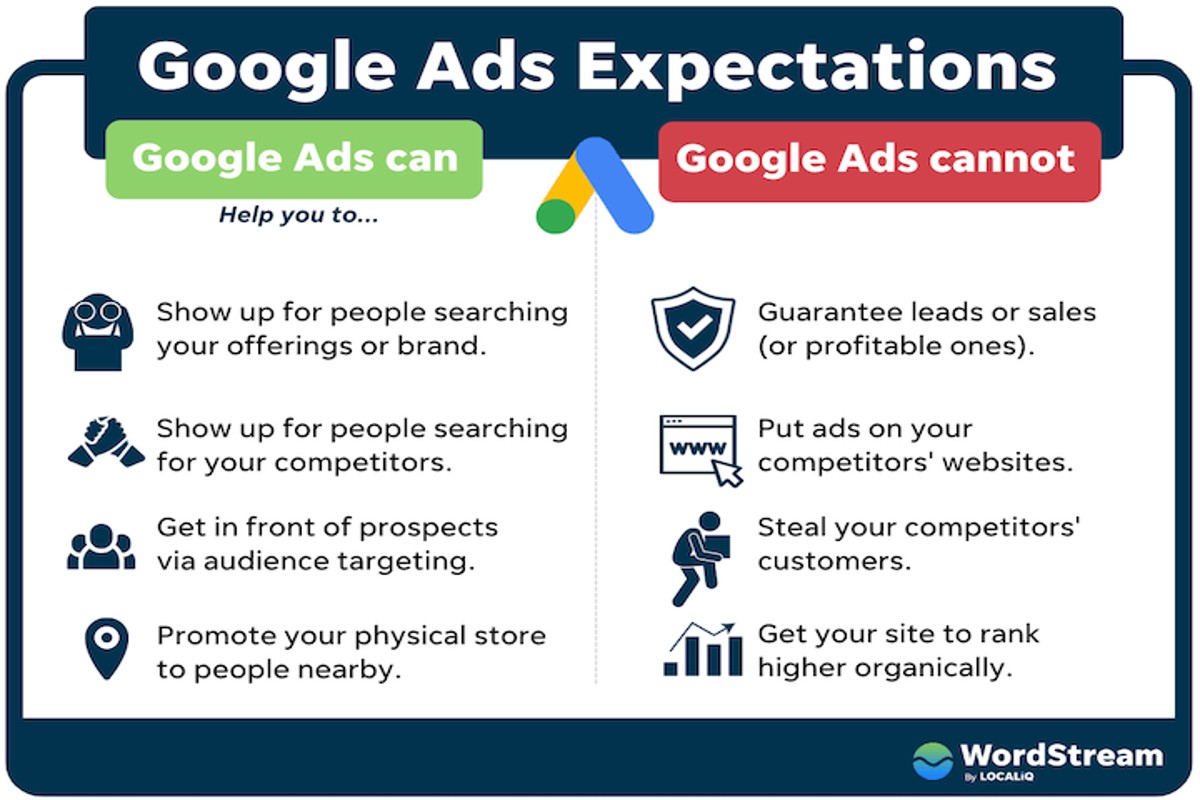
Yes, Google Ads can be worth it if managed correctly. Businesses often see an average return on investment of $2 for every $1 spent, highlighting the potential financial benefits. Effective targeting and optimization are crucial to maximizing this return.
Understanding whether Google Ads are worth it is essential for businesses seeking to enhance their online visibility and drive sales. With digital advertising spending projected to reach $500 billion in 2023, companies must navigate this landscape effectively to remain competitive. Mismanaging ad campaigns can lead to wasted budgets and missed opportunities for growth.
Failure to grasp the intricacies of google ads can cost businesses significantly, resulting in lost revenue, inefficient resource allocation, and a competitive disadvantage in an increasingly crowded marketplace. Without proper management, the potential benefits of Google Ads may go unrealized.
This article will provide a comprehensive analysis of Google Ads, including a comparison of top providers, a detailed cost breakdown, best practices for campaign management, and insights into how local SEO can enhance advertising effectiveness.
What are Google Ads and how do they work?
Google Ads is an online advertising platform where businesses create ads that appear on Google’s search results pages and across its vast display network. It primarily operates on a pay-per-click (PPC) model, meaning advertisers pay only when a user clicks on their ad. In 2023, Google Ads generated around $224 billion in revenue. This highlights its prominence in the digital marketing arena.
Google Ads works by letting advertisers bid on specific keywords related to their products or services. When users search for these terms, Google’s algorithm selects which ads to display based on several factors — including bid amount, ad quality, and relevance to the search query. There are various types of ads that advertisers can create:
- Search Ads: Text-based ads that show up on Google’s search results pages.
- Display Ads: Visual ads appearing on websites within Google’s Display Network.
- Video Ads: Ads that appear before, during, or after videos on platforms like YouTube.
Advertisers can target specific demographics, locations, and interests. This allows for tailored campaigns that reach the right audience. The platform also offers detailed analytics to monitor ad performance — enabling continuous optimization. Businesses can set budgets and control spending. They can also adjust campaigns based on real-time data, making Google Ads a flexible choice for a variety of marketing strategies.
Expert insight: To maximize Google Ads’ effectiveness, focus on optimizing ad copy and landing pages for relevance and user experience. These elements significantly influence Quality Score and overall ad performance (this is often overlooked).
How much do Google Ads cost?
The cost of Google Ads varies widely based on several factors, typically ranging from $1 to $2 per click for the average advertiser. However, costs can exceed $50 per click in highly competitive industries — this often surprises newcomers.
Several factors influence the overall cost of Google Ads, including:
- Bidding Strategies: Google Ads uses a bidding system where advertisers set maximum bids for their keywords. Common strategies include Manual CPC (Cost-Per-Click) and Automated bidding. This can affect overall spending significantly.
- Industry and Competition: Costs differ by industry. For example, industries like legal and finance often face higher costs due to fierce competition for keywords (this is often overlooked).
- Quality Score: Google assigns a Quality Score to ads based on relevance and performance. A higher Quality Score can lower costs — Google rewards well-performing ads with reduced click prices.
- Targeting Options: Ads can be tailored to specific demographics, locations, and devices. More granular targeting can bump up costs, but it may also improve conversion rates.
Additionally, the total budget set by the advertiser plays a crucial role. Google Ads allows for daily budgets; this enables businesses to control their spending effectively. Advertisers can start with a modest budget and scale up as they analyze performance metrics.
Expert insight: Businesses should conduct thorough keyword research and competitor analysis to optimize their bidding strategies. Improving Quality Scores is key and can ultimately lead to more cost-effective campaigns.
What are the benefits of using Google Ads?
Google Ads offers substantial benefits, such as improved visibility and precise targeting capabilities. Businesses often achieve a return on investment (ROI) of up to 200% with effective campaigns. This makes it a valuable marketing tool.
One major advantage of Google Ads is its ability to boost visibility on search engine results pages (SERPs). Take, for example, a local bakery that recently launched a new line of organic pastries. By using Google Ads, the bakery can create targeted ads that show up when users search for terms like “organic pastries near me.” This targeted approach ensures ads reach potential customers actively looking for similar products, leading to higher conversion rates. In fact, businesses investing in paid search advertising are 1.5 times more likely to convert than those relying solely on organic search.
Another key benefit is flexibility in managing budgets. Google Ads operates on a pay-per-click (PPC) model, allowing businesses to set daily budgets and only pay when users click their ads. So even small businesses with tight marketing budgets can compete effectively. For instance, a startup offering digital marketing services can allocate a modest daily budget to focus on specific demographics and geographic locations — ensuring that every dollar spent is aimed at reaching potential clients. This level of control and accountability is often not achievable through traditional advertising methods.
Expert insight: To make the most of Google Ads, businesses should continuously analyze campaign performance and adjust targeting parameters based on real-time data (this is often overlooked). This way, they can ensure optimal ROI and strategic ad placements.
How can I optimize my Google Ads campaigns?
Optimizing Google Ads campaigns requires a series of strategic steps that can greatly enhance performance and return on investment (ROI). Implementing these measures can lead to an increase in click-through rates (CTR) of up to 30% and improve conversion rates by 20% or more.
To start, focus on refining your keyword selection. Use Google’s Keyword Planner to find high-performing keywords relevant to your business. Long-tail keywords are worth considering as they target specific customer intents and tend to reduce competition. Regularly review and adjust your keyword list based on performance data (this is often overlooked).
- Improve Ad Copy: Craft compelling ad copy that highlights unique selling points. Use clear calls to action (CTAs) that encourage clicks. Make sure your ads align with the targeted keywords.
- Utilize Ad Extensions: Implement ad extensions like site link, call, and location extensions. These add useful information and can enhance your ad’s visibility — increasing CTR in the process.
- Optimize Landing Pages: Confirm that landing pages are relevant to the ads and optimized for mobile devices. A well-structured landing page boosts user experience and often improves conversion rates. Aim for a loading time under 3 seconds.
- Monitor and Adjust Bids: Regularly analyze your campaign performance and adjust bids based on the data. Consider automated bidding strategies like Target CPA (Cost Per Acquisition) or Target ROAS (Return on Ad Spend) to optimize budget allocation.
- Utilize A/B Testing: Conduct A/B tests on ad copy, visuals, and landing pages. Testing different variations helps identify the most effective elements — leading to better overall performance.
Expert insight: Regularly analyzing performance metrics like Quality Score and conversion tracking can yield valuable insights for ongoing optimization. Use these metrics to inform future campaigns and refine strategies effectively.
Are Google Ads worth it for small businesses?
Google Ads can be highly effective for small businesses, often delivering a measurable return on investment (ROI) when done right. In 2023, studies indicated that businesses earn an average of $2 in revenue for every $1 spent on Google Ads. This makes it a compelling advertising option.
Small businesses frequently encounter unique challenges. Limited budgets and the need for quick visibility are common issues. Google Ads offers a platform where targeted advertising can be based on keywords, location, and demographics. This precision helps small businesses connect with potential customers who are actively searching for their products or services. Compared to traditional advertising methods, like print or television, which typically require larger investments without guaranteed returns, Google Ads provides a scalable solution that can accommodate various budgets.
When comparing Google Ads to other digital advertising methods, such as social media advertising and email marketing, several key differences stand out:
- Google Ads: Focuses on intent-driven searches, enabling businesses to capture customers at the moment they show interest. This is ideal for immediate results.
- Social Media Advertising: Engages users based on interests and demographics, often leading to a longer customer journey. While effective for brand awareness, it generally requires a higher commitment of time and resources for engagement.
- Email Marketing: Targets an existing customer base with personalized messaging. While it’s cost-effective, it relies on building a substantial email list and may not generate immediate traffic like Google Ads (this is often overlooked).
Expert insight: Small businesses should regularly assess their campaigns and adjust bidding strategies based on performance data. Make sure to use tools like Google Analytics, as they can offer insights into conversion rates and customer behavior. This ensures that advertising dollars are spent effectively — a crucial point to consider.
What are common mistakes to avoid with Google Ads?
Many advertisers make critical errors that can really undermine the effectiveness of their Google Ads campaigns. Common mistakes include poor keyword selection, inadequate budget management, and neglecting ad performance metrics. According to recent studies, nearly 70% of businesses report wasting their ad spend due to these common pitfalls.
Effective Google Ads management requires attention to detail — and a strategic approach. The following best practices can help avoid frequent mistakes:
- Neglecting keyword research: Use tools like Google Keyword Planner to identify relevant keywords. Overly broad terms can drain your budget without delivering results. Focus instead on long-tail keywords that match user intent (this is often overlooked).
- Ignoring ad extensions: Use ad extensions to provide extra information and improve click-through rates (CTR). Options include site links, callouts, and structured snippets; these can enhance visibility and engagement.
- Underestimating the importance of negative keywords: Regularly update your negative keyword list. This helps prevent your ads from appearing for irrelevant searches. This optimization refines audience targeting and improves ROI.
- Failing to monitor and adjust campaigns: Regularly review performance metrics such as CTR, conversion rates, and cost per acquisition (CPA). Make data-driven adjustments to enhance ad performance. It’s key to maximizing your budget.
- Setting and forgetting: Continuous optimization is essential. Allocate time to analyze trends. Test new ad copy and adjust bids as necessary to stay competitive in your market.
Expert insight: Regularly conducting A/B tests on ad copy and landing pages can significantly improve engagement and conversion rates. Leverage insights from these tests to refine your strategy — and achieve better results.
How long does it take to see results from Google Ads?
Typically, advertisers can expect to see initial results from Google Ads campaigns within 1 to 3 months. Still, this timeline can vary based on several factors, such as the campaign’s structure, industry competition, and budget allocation.
Several elements influence the time needed to see substantial results. First, the type of campaign being run can affect outcomes. For example, search ads often yield quicker conversions compared to display ads — which tend to require more time to build brand awareness. Moreover, the quality of the ad copy and landing page plays a significant role in performance. High-quality, relevant ads usually lead to better click-through rates (CTR) and conversion rates, ultimately accelerating results.
Another critical factor is the competitive landscape of the industry. In highly competitive markets, it may take longer to optimize campaigns and achieve desired results. Advertisers must monitor performance metrics closely and adjust bidding strategies, keywords, and targeting options accordingly. Additionally, budget allocation is vital. A larger budget promotes more data collection and testing, which can quickly inform effective strategies. On the other hand, a limited budget often prolongs the testing phase.
Expert insight: Regularly analyze campaign data and make iterative adjustments to maximize efficiency. Using A/B testing for ad variations and landing pages can significantly reduce the time needed to achieve optimal results — this really helps streamline the process.
Can Google Ads help improve SEO?
Yes, Google Ads can indirectly boost SEO by driving website traffic and offering valuable insights into user behavior. Businesses using Google Ads often notice a traffic surge of up to 30% within the first month of launching an ad campaign.
When a business runs Google Ads, it gains immediate visibility in search engine results pages (SERPs). This spike in traffic can lead to better user engagement metrics — like longer session durations and lower bounce rates — which are positive signals to search engines. For instance, a company selling outdoor gear might launch a Google Ads campaign targeting keywords such as “best hiking boots.” The resulting influx of visitors can enhance the site’s authority, potentially improving organic rankings over time (this is often overlooked).
Google Ads also provides detailed analytics that can shape SEO strategies. By examining which keywords drive the most conversions, businesses can fine-tune their organic content to focus on these effective terms. If the ad campaign reveals that “lightweight hiking boots” is a high-converting keyword, the business may decide to optimize existing content or develop new material around that term to capture organic traffic more effectively.
Expert insight: Combining Google Ads with a strong SEO strategy allows businesses to test keywords in paid campaigns. They can then apply successful findings to their organic efforts, maximizing overall digital marketing effectiveness.
Understanding Google Ads: A Deep Dive
This section delves into the Google Ads platform, highlighting its features, campaign types, and its integration into the digital marketing landscape. Understanding these elements is crucial for assessing how effective Google Ads can be in meeting marketing goals.
Overview of Google Ads Features and Types of Campaigns
Google Ads offers various features that aim to boost advertising effectiveness. Key components include:
- Search Ads: Text-based ads appearing on Google search results when users look for specific keywords.
- Display Ads: Visual ads that show up on websites within the Google Display Network, targeting users based on their browsing behavior.
- Video Ads: Ads that appear on YouTube and other video platforms, allowing for engagement through visual storytelling.
- Shopping Ads: Product-based ads displayed on Google Search, showcasing product images, prices, and merchant information.
- App Promotion Ads: Ads focused on driving installations or increasing engagement with mobile applications.
In 2024, Google Ads is expected to capture around 29% of the global digital advertising spend, underscoring its significant role in the advertising ecosystem.
How Google Ads Fits Within the Marketing Funnel
Google Ads works effectively across multiple stages of the marketing funnel:
- Awareness: Display and video ads create brand visibility among potential customers.
- Consideration: Search ads drive targeted traffic to websites, encouraging users to explore available products or services.
- Conversion: Retargeting campaigns can re-engage users who’ve shown interest before, facilitating sales.
This multi-faceted approach allows businesses to interact with consumers at various stages of their buying journey.
Comparison with Other Digital Marketing Channels
Google Ads stands out compared to other digital marketing channels, like social media advertising and email marketing. Key distinctions include:
- Intent: Google Ads targets users actively searching for specific information or solutions. Social media ads, on the other hand, often rely on behavioral targeting.
- Measurement: Google Ads delivers precise tracking of conversions and ROI, which is crucial for performance evaluation.
- Budget Flexibility: Advertisers can set daily budgets and modify bids according to performance, granting more control over spending.
Despite its advantages, Google Ads demands careful management to avoid overspending — especially in competitive markets.
Insights into Audience Targeting and Segmentation
Effective audience targeting is key to successful Google Ads campaigns. Advertisers can leverage various targeting options:
- Keyword Targeting: Align ads with specific search queries.
- Demographic Targeting: Target users based on age, gender, and household income.
- Geographic Targeting: Focus on specific locations to reach local customers.
- Custom Audiences: Create tailored segments based on user behavior and interests.
In 2025, it’s anticipated that 65% of marketers will prioritize audience segmentation to enhance campaign effectiveness.
Nuance / Expert Layer
A common misconception is that Google Ads is only for large enterprises with significant budgets. In reality, small businesses can also find success with Google Ads by using strategies like long-tail keywords and localized targeting. Furthermore, many overlook the importance of ongoing optimization. Regularly analyzing performance metrics and adjusting campaigns can greatly improve ROI and reduce cost-per-click rates.
Practical Application
To effectively leverage Google Ads, businesses should:
– **Define clear goals** for each campaign stage to direct strategy.
– **Conduct thorough keyword research** to identify high-performing keywords.
– **Use A/B testing** to find the most effective ad copy and formats.
– **Regularly review performance metrics** to optimize campaigns based on data-driven insights.
Implementing these strategies can boost the overall effectiveness of Google Ads, helping to make informed decisions about whether Google Ads are worth it for specific marketing objectives.
Maximizing ROI with Google Ads: Strategies and Techniques
This section delves into advanced strategies for optimizing Google Ads campaigns, emphasizing the goal of achieving the highest return on investment (ROI). Effectively applying these techniques can significantly boost campaign performance and reduce acquisition costs.
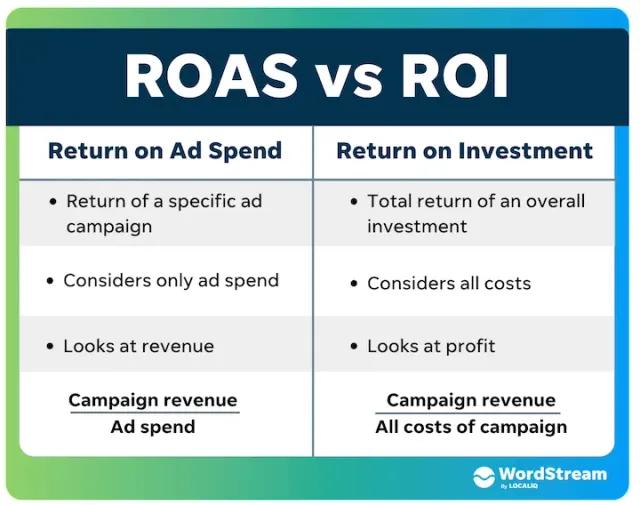
Setting Realistic Goals and KPIs
Establishing clear and realistic goals is vital for measuring the success of Google Ads campaigns. Define key performance indicators (KPIs) that align with overall business objectives. Common KPIs include:
- Click-through rate (CTR)
- Conversion rate
- Cost per acquisition (CPA)
For instance, a campaign with a target CPA of $50 should be closely monitored — the actual CPA needs to match expectations. Setting benchmarks based on historical performance or industry standards can help guide this process (worth double-checking).
Utilizing A/B Testing for Ad Copy and Targeting
A/B testing serves as a powerful tool for optimizing ad performance. By crafting two variations of an ad, marketers can pinpoint which version yields better results. Tests can focus on:
- Ad headlines
- Description lines
- Call-to-action phrases
In 2024, advertisers who used A/B testing reported an average conversion rate increase of up to 30%. Regular testing drives continuous improvement, helping identify which elements resonate best with the target audience.
Leveraging Negative Keywords to Reduce Waste
Incorporating negative keywords into campaigns can greatly reduce irrelevant clicks. By excluding specific terms, advertisers can concentrate their budget on high-intent traffic. For example, if a business sells premium running shoes, including “cheap” as a negative keyword prevents ads from showing up in unrelated searches.
Recent data shows campaigns that employed negative keywords achieved a 25% reduction in wasted spend, boosting overall ROI. Regularly reviewing search term reports is crucial for refining these negative lists (this is often overlooked).
Understanding Quality Score and Its Impact on Costs
The Quality Score plays a critical role in determining ad placement and cost-per-click (CPC). It’s based on three key components: expected CTR, ad relevance, and landing page experience. A higher Quality Score often leads to lower CPCs and better ad positions.
For example, an ad with a Quality Score of 8 can enjoy a CPC reduction of up to 40% compared to one with a score of 5. Optimizing for Quality Score should be a continuous endeavor, as it directly influences budget efficiency.
Many advertisers overlook the significance of Quality Score in their campaigns, often fixating on bid amounts alone. This misconception frequently results in overspending and suboptimal ad placements.
To maximize ROI with Google Ads, consider implementing these actionable strategies:
- Define specific, measurable goals and KPIs aligned with business objectives.
- Conduct A/B testing regularly to refine ad copy and targeting.
- Incorporate negative keywords to eliminate low-value clicks.
- Monitor and optimize Quality Score to reduce costs and improve ad positioning.
By applying these techniques, advertisers can significantly enhance their Google Ads campaigns — ensuring their investment yields substantial returns. A data-driven approach empowers marketers to make informed decisions, ultimately answering the question: are Google Ads worth it?
Case Studies: Success Stories with Google Ads
This section looks at real-world examples of businesses that have effectively used Google Ads. It highlights successful strategies, performance metrics, and key lessons learned from both triumphs and setbacks.

Successful Campaigns: Real-World Examples
Many businesses have shown how powerful Google Ads can be through well-executed campaigns. A leading e-commerce retailer, for example, implemented a Google Ads strategy that resulted in a 30% increase in online sales within six months. By using targeted keywords and optimizing ad placements, the company effectively reached its audience, driving traffic and conversions.
Another notable case involves a local service provider that achieved a 150% return on ad spend (ROAS) by emphasizing location-based targeting. They used Google Ads to promote specific services, which significantly increased their local clientele. This case underscores the need to tailor campaigns to local demand and consumer preferences.
Lessons from Failures and Adjustments
Not every campaign yields immediate results. A tech startup initially struggled with their Google Ads strategy, resulting in a 40% drop in click-through rates (CTR). After analyzing their ad copy and landing pages, they found their messaging didn’t resonate with the target audience. After a few tweaks — including A/B testing different ad formats — the startup saw a resurgence, ultimately achieving a 60% increase in conversions.
- Conduct regular performance reviews to adapt strategies.
- Use A/B testing to identify effective ad copy and visuals.
- Engage in continuous keyword research to stay relevant.
Industry-Specific Insights
Different industries showcase unique trends in Google Ads performance. For instance, the travel sector has experienced a 25% growth in CPC rates from 2024 to 2026, which requires more precise targeting and ad optimization strategies. Conversely, the healthcare industry has found success by incorporating informative content marketing within ads, leading to a 35% increase in patient inquiries when ads featured educational material.
Retailers, too, have improved their outcomes by implementing shopping ads, which have recorded a 20% higher CTR than standard text ads. This highlights the importance of adopting industry-specific strategies to maximize ad effectiveness.
Comparative Performance Metrics
Performance metrics provide crucial insights into how well Google Ads are working. A comparison of metrics before and after campaign implementation shows significant improvements:
- CTR: Increased from 1.5% to 3.8%
- Conversion Rate: Rose from 2% to 5%
- Cost per Acquisition (CPA): Decreased by 20%
Expert Perspective: Common Misconceptions
A common misconception about Google Ads is that spending more money automatically yields better results. In reality, effective targeting and ad relevance are far more crucial to campaign success. Businesses often overlook the need to refine audience targeting and ad messaging. These refinements can lead to higher returns without significantly increasing budgets. Understanding the nuances of campaign management is key to maximizing the value of every advertising dollar spent.
Practical Application: Steps to Optimize Google Ads
To make the most of insights from these case studies, businesses should:
- Conduct thorough keyword research to align with consumer intent.
- Implement A/B testing for ad copy and design to determine effectiveness.
- Regularly analyze performance metrics to adjust budgets and strategies.
- Focus on creating industry-specific content that speaks directly to the target audience.
By following these strategies, businesses can better assess whether Google Ads are worth it for their marketing efforts, ultimately driving improved outcomes and higher ROI.
Future Trends in Google Ads and Digital Advertising
This section delves into crucial trends shaping the future of Google Ads and the wider digital advertising landscape. Understanding these trends is key for marketers aiming to optimize their strategies in a changing environment.
Impact of AI and Machine Learning on Ad Targeting
Artificial Intelligence (AI) and machine learning are transforming ad targeting. They enhance how precisely advertisers can reach their desired audiences. Algorithms analyze extensive datasets to identify patterns in consumer behavior. This enables more personalized ad experiences. By 2026, it’s expected that over 70% of digital ads will be optimized through AI, leading to significantly improved engagement rates.
- Dynamic Ads: AI enables the creation of dynamic ads that adapt content based on user behavior — in real-time.
- Predictive Targeting: Machine learning algorithms predict which users are most likely to convert. This improves return on ad spend.
- Enhanced Analytics: AI-driven insights offer a deeper understanding of campaign performance (this is often overlooked), allowing for rapid adjustments.
Changes in Consumer Behavior and Ad Consumption
Consumer behavior is changing. There’s a clear shift towards mobile and video content. By 2025, mobile devices are projected to account for over 80% of all digital ad spending. This shift means advertisers must prioritize mobile-friendly formats and engaging video content to capture attention effectively.
Furthermore, consumers are increasingly using ad-blockers and seeking more authentic brand interactions. Brands that focus on transparency and value-driven advertising are likely to build stronger relationships with their audiences. The movement towards interactive and immersive ad experiences, like augmented reality (AR) ads, is also gaining traction.
The Evolution of Privacy Regulations and Their Effect on Ads
Privacy regulations are reshaping the digital advertising landscape. Laws such as the General Data Protection Regulation (GDPR) and the California Consumer Privacy Act (CCPA) have introduced stricter guidelines on data collection and usage. By 2025, compliance costs for companies are expected to rise by about 30%, which will impact advertising budgets.
Advertisers must adapt by employing privacy-centric strategies — like contextual advertising, which doesn’t rely on personal data. This shift might also lead to greater transparency in ad targeting practices, ultimately building consumer trust.
Predictions for the Future of Digital Advertising
Looking ahead, several key predictions can be made about the future of digital advertising:
- Increased Integration of AI: AI will keep enhancing targeting and personalization, resulting in more effective campaigns.
- Greater Emphasis on Video Content: Video will continue to dominate ad formats, with projections showing a 150% increase in video ad spending by 2026.
- Expansion of Voice Search Advertising: With the rise of voice-activated devices, advertisers will increasingly optimize for voice search, altering keyword strategies.
As these trends unfold, businesses must stay nimble and adapt their advertising strategies accordingly. The landscape will favor those who innovate and prioritize consumer preferences.
Nuance / Expert Layer
Many discussions around Google Ads focus only on cost-effectiveness or immediate performance metrics. However, a deeper understanding shows that long-term brand building and customer loyalty are equally critical. Advertisers frequently overlook the potential of Google Ads not just for direct response but also for nurturing brand awareness and engagement over time. The relationship between short-term campaigns and longer-term branding strategies can greatly enhance overall marketing effectiveness.
Practical Application
To leverage these insights, marketers should consider the following actionable steps:
- Invest in AI tools for data analysis and ad optimization — it enhances targeting precision.
- Develop mobile-first and video-centric ad campaigns to align with consumer preferences.
- Stay informed about privacy regulations and adjust advertising strategies to ensure compliance while maintaining effectiveness.
Frequently Asked Questions
What are Google Ads and how do they work?
Google Ads is an online advertising platform that allows businesses to display ads on Google’s search results and its advertising network. Advertisers bid on keywords, and ads are shown based on relevance and bid amount.
How much do Google Ads cost?
The cost of Google Ads varies based on factors like industry, competition, and bidding strategy. Advertisers can set daily budgets and pay per click (PPC) or per impression (CPM).
What are the benefits of using Google Ads?
Google Ads provides immediate visibility, targeting options, and measurable results. It can effectively drive traffic, generate leads, and increase sales for businesses of all sizes.
How can I optimize my Google Ads campaigns?
Optimizing Google Ads campaigns involves refining keyword selection, improving ad copy, and adjusting bidding strategies. Regularly analyzing performance metrics helps identify areas for improvement.
Are Google Ads worth it for small businesses?
Yes, Google Ads can be highly effective for small businesses, offering targeted reach and flexible budgeting options. A well-managed campaign can yield significant returns on investment.
What are common mistakes to avoid with Google Ads?
Common mistakes include neglecting keyword research, failing to use negative keywords, and not optimizing landing pages. These errors can lead to wasted budget and poor campaign performance.
How long does it take to see results from Google Ads?
Results from Google Ads can often be seen within days, depending on the campaign setup and competitiveness of the keywords. However, optimizing for the best performance may take several weeks.
Can Google Ads help improve SEO?
While Google Ads does not directly impact SEO rankings, it can drive traffic and increase brand visibility. This heightened exposure can indirectly contribute to improved organic search performance over time.
Final Thoughts on are google ads worth it
Google Ads can be a powerful tool for businesses seeking to enhance their online visibility and drive targeted traffic, provided that campaigns are strategically designed and continuously optimized. When executed correctly, the potential return on investment can significantly outweigh the initial costs, making it a worthwhile consideration for any growth-oriented company.
To maximize the effectiveness of Google Ads, businesses should implement a robust tracking system to monitor campaign performance and adjust strategies based on data-driven insights, ensuring sustained growth and profitability.
Ready to take your online advertising to the next level? Consult a google ads expert today and see how they can make a difference for your business.
In an increasingly competitive digital landscape, leveraging Google Ads effectively is not just beneficial; it is essential for staying ahead of the curve and achieving long-term success.