
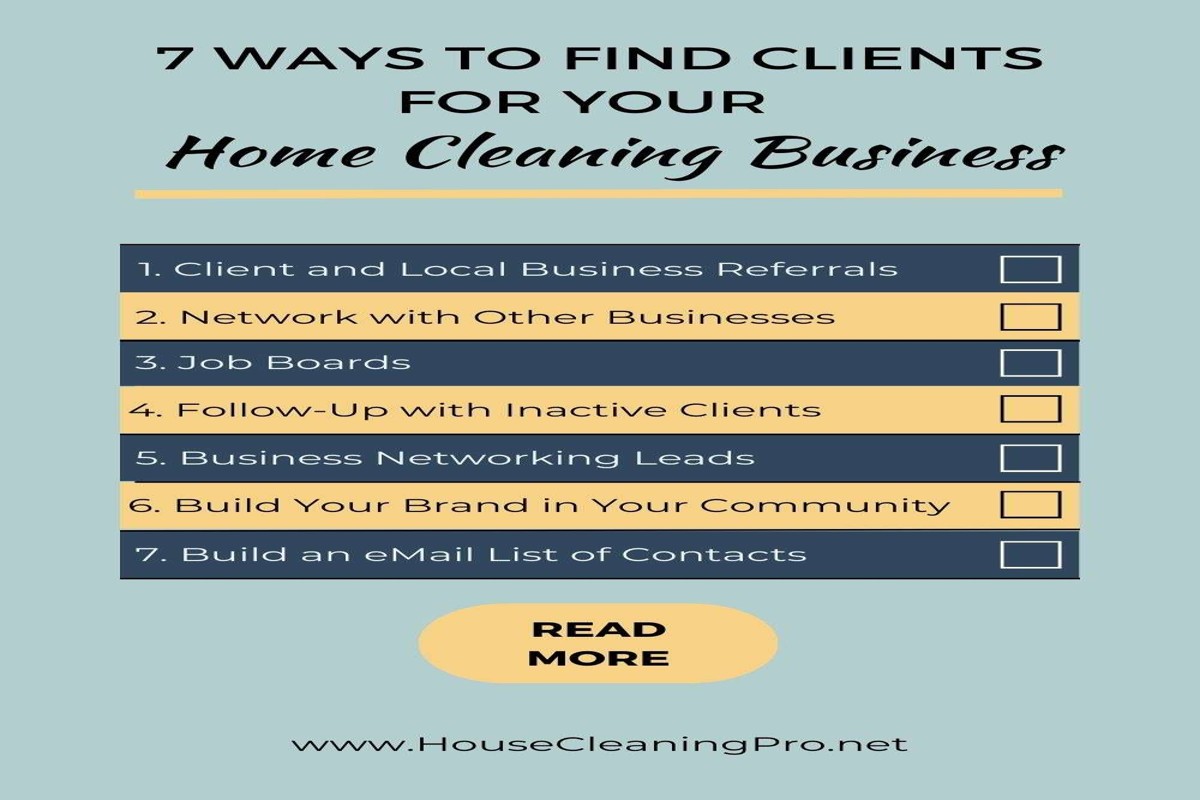
How to get cleaning clients involves identifying your target market and leveraging online marketing platforms effectively. The primary benefit of this approach is increased client acquisition, with statistics indicating that 70% of cleaning businesses secure clients through referrals.
Understanding how to get cleaning clients is crucial for anyone operating in the cleaning industry, from independent contractors to established companies. As the cleaning service market continues to grow, estimated at $74 billion in the U.S. alone, mastering client acquisition strategies is essential for sustaining profitability and competitive edge.
Failure to effectively attract cleaning clients can lead to significant revenue losses and wasted marketing resources, ultimately resulting in a diminished market presence. Without a solid client base, businesses risk falling behind competitors who successfully implement these strategies.
This article will explore proven strategies for acquiring cleaning clients, including effective online marketing techniques, networking opportunities, promotional offers, and the importance of referrals in building a loyal customer base.
What are the best ways to get cleaning clients?
To effectively acquire cleaning clients, focus on strategic marketing, networking, and leveraging referrals. A recent survey indicated that 70% of cleaning businesses reported gaining clients through word-of-mouth recommendations — highlighting the importance of building relationships in the industry.
Implementing a multi-faceted marketing strategy is essential. Start with a professional website that showcases services, testimonials, and easy contact options. Use social media platforms to engage with the community and promote special offers. Also, email marketing can be effective; targeting local businesses and residents with newsletters or promotional campaigns can generate leads (this is often overlooked).
- Leverage local SEO: Optimize your website for local search terms to make sure potential clients can easily find your services online. Register your business on Google My Business — this enhances visibility.
- Network within the community: Attend local events and join community organizations to connect with potential clients. Collaborating with real estate agents and property managers can also yield valuable leads.
- Request referrals: Encourage satisfied clients to refer your services to others. Consider offering incentives, such as discounts on future services, to motivate clients to spread the word.
- Utilize online directories: List your cleaning business on platforms like Yelp, Thumbtack, and Angie’s List. These directories can attract clients searching for cleaning services in your area.
- Offer promotions: Create introductory offers or seasonal discounts to attract new clients. Limited-time offers can create urgency — and encourage potential clients to try your services.
Expert insight: Consistently follow up with leads. Timely communication can significantly increase the chances of converting inquiries into clients. Additionally, maintaining a high standard of service will encourage existing clients to become repeat customers and advocates for your business.
How much should I charge cleaning clients?
Cleaning services usually charge between $25 and $50 per hour, but this depends on several factors. For specialized services — like deep cleaning or commercial cleaning — rates can reach $75 to $150 or even more per visit. Pricing can vary widely based on location, service type, and the specific needs of clients.
There are numerous factors that influence the pricing of cleaning services. Geographic location is crucial. Urban areas often have higher costs of living. This can lead to increased rates. For example, cleaning services in metropolitan cities typically charge more than those in suburban or rural settings. The type of cleaning service offered also impacts the price. Standard cleaning, which includes basic tasks like dusting and vacuuming, is usually less expensive than specialized services such as post-construction cleaning or move-in/move-out cleaning (this is often overlooked).
- Service type: Different cleaning tasks require varying levels of labor and expertise. For instance, carpet cleaning or window washing typically commands higher rates — much more than basic housekeeping.
- Frequency of service: Clients who schedule regular cleanings may receive discounts. Weekly or bi-weekly clients often pay less per visit compared to one-time services.
- Size of the property: Larger homes or commercial spaces take more time and resources to clean. This can lead to higher charges. Cleaners often base their estimates on square footage.
Expert insight: To set competitive rates, conduct market research in your area. Review competitors’ pricing. Consider offering packages or discounts for long-term contracts to attract and retain clients — it’s a smart strategy.
How long does it take to get cleaning clients?
On average, it takes about 1 to 3 months to secure the first cleaning clients. This timeframe varies significantly due to factors like marketing strategies, local competition, and service offerings.
Several elements influence the timeline for acquiring cleaning clients. First, the effectiveness of marketing efforts is crucial. For instance, using social media, local SEO, and word-of-mouth referrals can speed up client acquisition. A well-optimized online presence can lead to inquiries within weeks — while more traditional methods might draw interest over a longer period.
Another significant factor is the level of competition in the area. In densely populated regions with many cleaning services, it often takes longer to make your business stand out and attract clients. On the other hand, in areas with fewer options, clients may be quicker to engage with new providers. Additionally, the range of services offered can influence how fast clients come on board. Businesses that provide specialized services, such as eco-friendly cleaning or post-construction clean-ups, often attract clients more rapidly due to specific demand (this is often overlooked).
Expert insight: To boost client acquisition speed, consider offering introductory discounts or referral incentives. These tactics can generate immediate interest and motivate potential clients to try your services.
What marketing strategies work best for cleaning services?
Effective marketing strategies for cleaning services include leveraging online presence, using referral programs, and engaging in local advertising. In 2024, about 63% of consumers search for service providers online. Digital marketing is essential for attracting clients.
Building a strong online presence is crucial. This means creating a user-friendly website that showcases services, customer testimonials, and contact information. Search engine optimization (SEO) can boost visibility in local searches, driving organic traffic. Social media platforms also present opportunities for engagement. Posting cleaning tips, before-and-after photos, and promotional offers can draw in potential clients. Consider investing in targeted online ads to reach specific demographics in your service area — it can make a difference.
- Referral Programs: Implement a referral program that encourages current clients to refer new customers. Offering discounts or free services for successful referrals can motivate satisfied clients to share their experiences with your services.
- Local Advertising: Invest in local advertising channels like community newspapers, flyers, and bulletin boards. Partnering with local businesses can also improve visibility. For instance, offering discounts to employees of nearby companies can create a win-win situation (this is often overlooked).
- Google My Business: Claim and optimize your Google My Business listing. This free tool can greatly enhance your local search visibility. It provides potential clients with important details such as hours of operation, services offered, and customer reviews.
Expert insight: Regularly seek and showcase customer reviews on your website and social media. Positive feedback can heavily influence potential clients’ decisions. Keeping consistency in your marketing efforts across platforms builds trust — and brand recognition.
How can I retain cleaning clients long-term?
To retain cleaning clients long-term, focus on exceptional service, consistent communication, and personalized experiences. Studies show retaining existing clients can be up to five times cheaper than acquiring new ones — a fact that makes client retention a key strategy for sustainable growth.
Building a long-lasting relationship with clients requires a multi-faceted approach. First, prioritize quality service. Consistently delivering high standards ensures clients feel satisfied and valued. Regularly asking for feedback allows for adjustments based on client preferences (this is often overlooked), demonstrating a commitment to their needs. Second, maintain open lines of communication. Regular check-ins, whether through phone calls, emails, or texts, help address concerns promptly. This reinforces that their satisfaction is a top priority.
- Establish a loyalty program: Reward loyal clients with discounts or special offers. Doing so not only incentivizes repeat business but also fosters a sense of appreciation.
- Personalize your services: Tailor cleaning schedules and services to meet individual client needs. Personal touches, like remembering special requests or preferences, can greatly enhance client loyalty.
- Be responsive: Address any issues or inquiries swiftly. A prompt response can prevent dissatisfaction — and shows you value their business.
Expert insight: Regularly evaluate your service offerings and adjust them based on market trends and client feedback. This proactive approach not only enhances client satisfaction but also positions your cleaning service as a leader in the industry.
What mistakes should I avoid when trying to get cleaning clients?
Avoiding common mistakes is crucial for effectively acquiring cleaning clients. One major pitfall is underpricing services — this can lead to undervaluing your work and attracting clients who only want low-cost options. Research indicates that 60% of new cleaning businesses fail in their first year, often due to pricing errors and poor market positioning.
Another frequent mistake is not clearly defining a target market. For example, a cleaning service that tries to appeal to both residential and commercial clients without a focused strategy may spread its resources too thin. This approach can result in ineffective marketing efforts and a lack of brand recognition. Instead, identify your niche — whether it’s residential deep cleaning, post-construction clean-up, or office maintenance — and tailor marketing strategies accordingly. This targeted approach increases the chances of attracting the right clients who value your specific services (this is often overlooked).
Neglecting to build a robust online presence is another common error. In 2024, over 70% of consumers search for local services online before making a decision. A cleaning service that lacks a professional website or engaging social media presence might miss out on potential clients. Investing in a user-friendly website is essential. Maintaining active social media accounts can enhance visibility and credibility, thereby attracting more clients. Additionally, asking for online reviews from satisfied customers can further bolster reputation and trust.
Expert insight: Focus on building relationships with clients through excellent service and consistent communication. This approach not only enhances client retention but can also lead to referrals — which are invaluable for business growth.
How do I find clients for my cleaning business online?
To find clients for a cleaning business online, use digital platforms such as social media, local service directories, and targeted advertising. About 70% of consumers search online for local services. This makes a strong online presence essential.
Start by creating a professional website that highlights services, pricing, and customer testimonials. Make sure to optimize the site for search engines (SEO) to boost visibility in search results. Using local SEO strategies, like incorporating location-based keywords, can attract clients from specific geographical areas.
- Leverage Social Media: Set up profiles on platforms like Facebook, Instagram, and LinkedIn. Share engaging content — such as cleaning tips and before-and-after photos — to draw in followers and potential clients.
- Utilize Online Directories: List your cleaning business on platforms like Yelp, Angie’s List, and Google My Business. These directories are often the first stop for consumers looking for local services (worth double-checking).
- Invest in Online Advertising: Use Google Ads and Facebook Ads to target specific demographics. Tailor ads to reach individuals who need cleaning services, focusing on local areas.
- Engage in Community Forums: Join local community groups on platforms like Facebook or Nextdoor. Answer questions and provide cleaning advice to showcase expertise and connect with potential clients.
- Offer Promotions: Create limited-time offers or discounts for first-time clients. Promote these through social media and email marketing to encourage new inquiries.
Building an online presence takes time and consistency — it doesn’t happen overnight. Regularly update content, engage with followers, and respond promptly to inquiries. Tracking analytics can also help refine strategies for better results.
Expert insight: Use customer reviews and testimonials on your website and social media to enhance credibility; studies show that 92% of consumers read online reviews before making a purchase decision.
What are effective networking tips for cleaning service providers?
Effective networking for cleaning service providers focuses on creating relationships that open the door to new client opportunities. Engaging with local communities is key. Using online platforms and attending industry events can significantly boost your client base. A recent survey revealed that 70% of small businesses find clients through networking efforts.
To maximize networking effectiveness, consider the following strategies:
- Attend Local Events: Participate in community gatherings, trade shows, and business expos. These events provide chances to meet potential clients and connect with other business owners who might refer clients to you.
- Join Professional Associations: Become a member of industry-specific organizations, such as the International Janitorial Cleaning Services Association (IJCSA). Networking with peers often leads to referrals and valuable partnerships.
- Leverage Social Media: Use platforms like LinkedIn and Facebook to connect with local businesses and community members. Regularly post engaging content related to cleaning tips, services, and promotions — this can increase your visibility.
- Establish Referral Partnerships: Collaborate with related businesses, such as real estate agents, property managers, or home improvement contractors. Offer a referral fee for any clients they send your way. This creates a win-win situation.
- Host Free Workshops: Organize educational sessions about cleaning techniques or maintenance tips in your community. This positions you as an expert and builds trust, making it more likely that attendees will convert into clients.
Expert insight: Focus on fostering genuine relationships instead of just pushing for sales. Building trust and providing value can lead to long-term client retention and referrals — a significant contributor to business growth.
Leveraging Online Marketing to Attract Clients
Effective online marketing strategies are crucial for cleaning businesses looking to grow their client base. This section explores advanced techniques that can significantly boost visibility and client engagement.
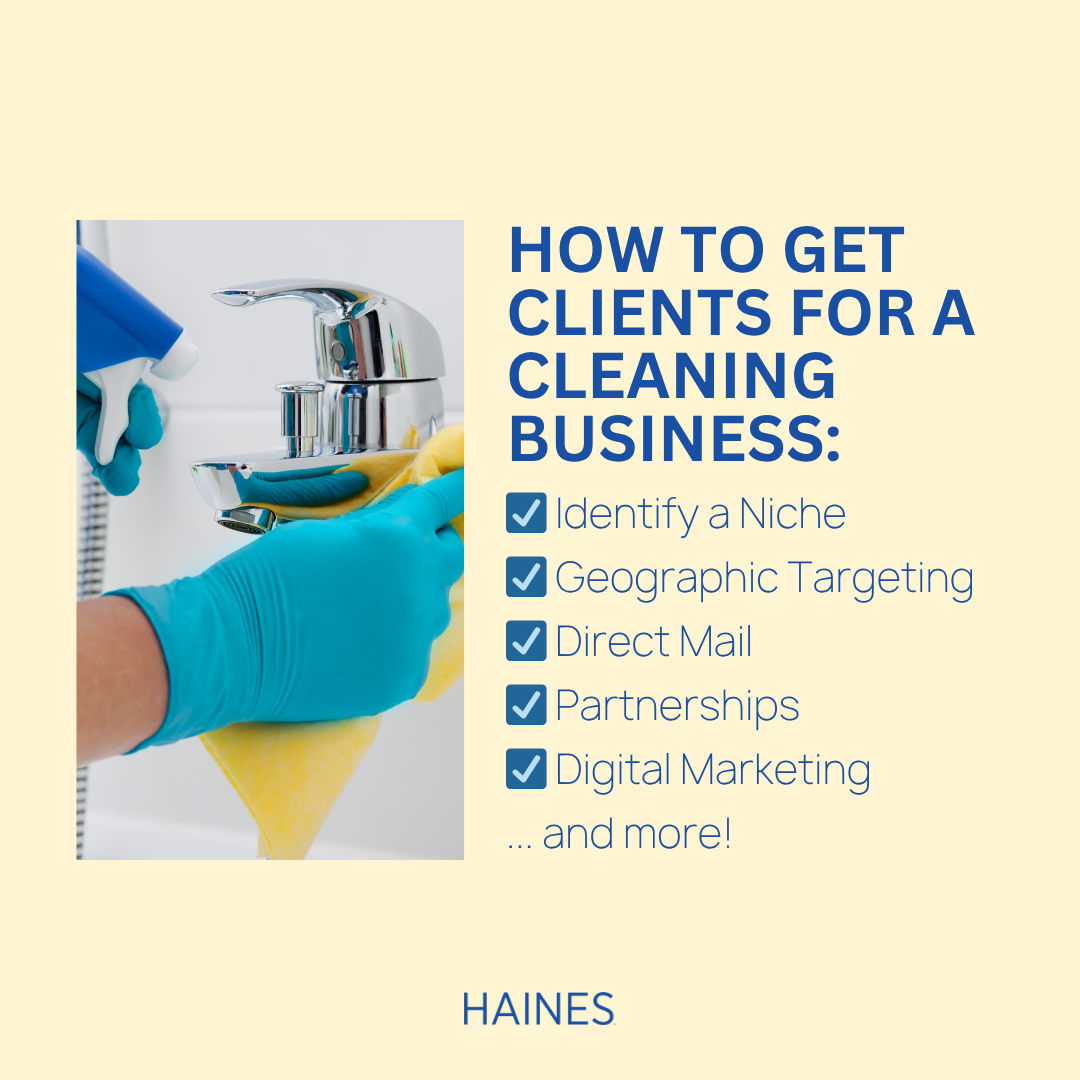
Utilizing Social Media Platforms Effectively
Social media platforms like Facebook, Instagram, and LinkedIn are powerful tools for connecting with potential clients. A strategic social media approach can drive engagement and create a community around your cleaning services.
- Content Creation: Share before-and-after photos, cleaning tips, and client testimonials to showcase expertise.
- Targeted Ads: Use demographic targeting to reach homeowners in specific neighborhoods — this enhances the relevance of your ads.
- Engagement: Respond promptly to comments and messages to foster trust and relationships with potential clients.
Creating a Professional Website and SEO Optimization
A well-designed website functions as your online storefront. It should reflect professionalism and provide critical information about your services. SEO optimization increases your site’s visibility on search engines, making it easier for clients to find you.
- Mobile Responsiveness: Make sure your website is mobile-friendly. Over 50% of searches for local services happen on mobile devices.
- Keyword Optimization: Use relevant keywords like “cleaning services in [your city]” throughout your site to improve search rankings.
- Local Listings: Claim your business on Google My Business to enhance local visibility and attract clients searching for cleaning services.
Engaging in Online Advertising and Google Ads
Online advertising, especially Google Ads, can provide immediate visibility for cleaning businesses. This tactic allows targeting specific keywords that potential clients may use to search for cleaning services.
- Pay-Per-Click (PPC): Set up PPC campaigns targeting high-intent keywords, such as “best cleaning services near me.” This can generate leads quickly.
- Remarketing: Use remarketing strategies to re-engage users who have previously visited your website, reminding them of your services.
- Performance Tracking: Analyze ad performance data to refine campaigns and improve ROI.
Building an Email Marketing List for Promotions
Email marketing remains one of the most effective ways to retain clients and promote services. Building a solid email list allows for targeted communication and promotional efforts.
- Lead Magnets: Offer free resources, like cleaning checklists or discounts, in exchange for email sign-ups.
- Segmented Campaigns: Create tailored email campaigns for different segments of your client base — ensuring greater relevance and higher engagement rates.
- Frequency: Send regular newsletters to keep your service top-of-mind, with a recommended frequency of once a month.
Many cleaning businesses overlook the importance of advanced online marketing strategies. For example, while social media is typically viewed as a platform for engagement, it can also drive conversions effectively when utilized properly. Additionally, misconceptions about SEO often result in the neglect of local optimization, a critical factor for attracting nearby clients. A well-structured online marketing approach can lead to a reduction in client acquisition costs by up to 30% over the next few years.
To implement these strategies effectively, cleaning businesses should start by establishing a strong online presence. Begin by creating a professional website equipped with SEO best practices. At the same time, develop a content calendar for social media to regularly engage your audience. Consider allocating a budget for Google Ads to capture immediate leads, and kick off an email marketing campaign to nurture client relationships. These actionable steps will enable your business to attract more clients efficiently.
Building a Referral Network for Sustainable Growth
Creating a strong referral network is essential for growing a cleaning business. Word-of-mouth referrals build credibility and also drive sustainable growth through trusted recommendations.
Strategies to Encourage Satisfied Clients to Refer Others
Satisfied clients form the backbone of any thriving cleaning service. To take advantage of their positive experiences, consider these strategies:
- Follow-Up Communications: Regularly check in with clients after services to gather feedback. These moments are perfect to thank them for their business — and to gently encourage referrals.
- Highlight Referral Success Stories: Share testimonials from clients who’ve referred others. This helps reinforce the value of referrals and inspires more clients to join in.
- Personalized Thank You Notes: Send handwritten notes expressing gratitude. Include a gentle nudge about your referral program (this is often overlooked).
Collaborating with Local Businesses for Mutual Referrals
Partnering with local businesses can create a powerful referral ecosystem. Here are some approaches to consider:
- Joint Promotions: Team up with local real estate agents, property managers, or home improvement stores to promote each other’s services. Offering exclusive discounts to their clients can serve as an incentive.
- Networking Events: Attend local business networking events to connect with potential referral partners. Share insights and look for mutually beneficial collaboration opportunities.
- Cross-Promotion on Social Media: Use social media platforms for cross-promotion. Tag partner businesses in your posts and encourage them to return the favor — this can help expand your reach.
Creating a Referral Program with Incentives
A well-structured referral program can significantly boost client referrals. To set up an effective program, follow these steps:
- Define Incentives: Offer tangible rewards — like discounts on future services or gift cards — to clients who successfully refer new customers.
- Clearly Communicate the Program: Promote the referral program across various channels, including newsletters, social media, and your website. Make sure it’s clear and easy to understand.
- Track Referrals: Use a customer relationship management (CRM) system to monitor referrals. Reward clients promptly to reinforce their positive behavior.
Tracking and Measuring Referral Success
To optimize your referral network, tracking and measuring its success is crucial. Use these metrics:
- Referral Rate: Calculate the percentage of new clients gained through referrals compared to total clients. A referral rate of 15-25% is regarded as strong in the cleaning industry.
- Client Acquisition Cost (CAC): Assess the cost-effectiveness of your referral program by comparing it to the CAC from other marketing channels.
- Lifetime Value (LTV): Analyze the long-term value of clients gained through referrals versus those obtained via traditional marketing methods.
Beyond basic referral strategies, it’s important to recognize that not all clients are inclined to refer others, even if they’re satisfied. Many clients hesitate due to privacy concerns or fears of overstepping social boundaries. Therefore, taking a nuanced approach to referrals is essential. Clients should feel appreciated, not pressured. This understanding can set a successful referral program apart from those that fall short.
To effectively use this information, focus on implementing the strategies outlined. Begin by enhancing client follow-ups, forming partnerships with local businesses, and establishing a structured referral program. Regularly analyze referral data to refine your approach. This will ensure sustained growth in your cleaning business.
Understanding Your Target Market and Niche
This section highlights the importance of identifying and understanding ideal clients within the cleaning industry. A clearly defined target market not only improves service offerings but also supports effective marketing strategies.
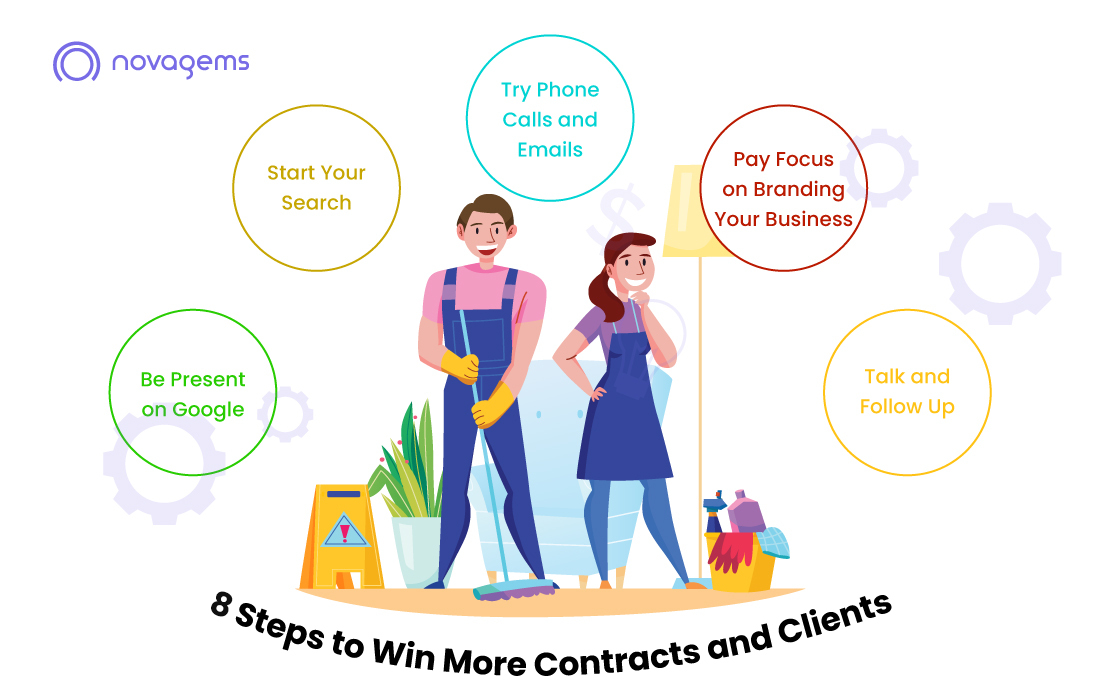
Conducting Market Research to Define Your Target Audience
Market research is the cornerstone of identifying your target audience. Use surveys, interviews, and online research to collect data about potential clients. Key demographic factors include age, income level, and geographic location. A 2024 survey found that 68% of cleaning service clients prioritize affordability. Meanwhile, 42% look for eco-friendly solutions — which underscores the necessity for tailored services.
Identifying Niche Markets Within the Cleaning Industry
The cleaning industry includes various niches, each with its own distinct needs. Common niches are residential cleaning, commercial cleaning, specialized cleaning (like post-construction or carpet cleaning), and green cleaning services. By concentrating on a specific niche, businesses can set themselves apart and draw in dedicated clientele. For example, the demand for eco-friendly cleaning services increased by 25% from 2024 to 2026, reflecting a growing consumer preference for sustainable practices.
Tailoring Services to Meet Specific Customer Needs
Once the target audience and niche are pinpointed, it’s crucial to tailor services to meet specific customer needs. This might involve flexible scheduling, customized cleaning plans, or specific services like organizing and decluttering. Understanding client pain points helps cleaning businesses provide solutions that address their concerns directly — resulting in enhanced customer satisfaction and loyalty.
Using Customer Personas to Guide Marketing Efforts
Creating customer personas is an effective approach to refine marketing efforts. These personas are fictional representations of ideal clients, developed using market research data. Include details like demographics, cleaning preferences, and purchasing behaviors. By segmenting the audience into personas, targeted marketing campaigns can be crafted, ensuring the messaging resonates with each group. Approximately 75% of businesses that use customer personas report increased client engagement and higher conversion rates.
Nuance / Expert Layer: A common misconception is that focusing only on price will attract more clients. While affordability is significant, many consumers value quality and reliability more than cost. Building a reputation for high-quality service usually leads to better retention rates and referrals. This, in turn, often results in greater long-term profitability. Moreover, niche markets might require ongoing education about the benefits of specialized services — which is often overlooked in generic marketing strategies.
Practical Application: To effectively apply these insights, follow these steps:
- Conduct thorough market research using surveys and online tools to gather demographic data.
- Identify and select a niche market that aligns with your strengths and market demand.
- Develop tailored service offerings based on the needs and preferences of your target audience.
- Create detailed customer personas to inform your marketing strategies and messaging.
By applying these strategies, cleaning businesses can attract and retain clients more effectively. This approach fosters sustainable growth and success.
Effective Client Communication and Relationship Management
Strong client relationships are crucial to the success of any cleaning business. This section explores best practices in client communication and relationship management that foster trust, loyalty, and long-term partnerships.
Establishing Clear Communication Channels
Effective communication starts with clear and accessible channels. Clients need to know how to reach you—whether by phone, email, or messaging apps. Each channel should be monitored regularly to ensure quick responses. A study from the Customer Service Institute revealed that 70% of clients prefer to communicate via email, while 40% favor direct messaging. Implementing multiple channels can accommodate diverse client preferences.
Providing Excellent Customer Service and Follow-Ups
Customer service plays a pivotal role in retaining clients. Excellent service is marked by politeness, professionalism, and responsiveness. Follow-ups after service delivery can significantly boost client satisfaction. According to a survey by Zendesk, 60% of consumers are more likely to refer a business that follows up after a service interaction. A systematic follow-up approach—like scheduling calls or sending thank-you notes—can reinforce client loyalty.
Gathering and Responding to Client Feedback
Client feedback offers invaluable insights into service quality and areas for improvement. Implement regular feedback mechanisms, such as surveys or direct inquiries, to gauge client satisfaction. Data from Statista indicates that 76% of clients are willing to provide feedback if asked (this is often overlooked). Actively responding to feedback shows a commitment to client needs and can lead to service enhancements.
Utilizing CRM Tools for Relationship Management
Customer Relationship Management (CRM) tools streamline client interactions and data management. These platforms help track client preferences, service history, and communication logs—ensuring personalized service. As of 2024, the adoption rate of CRM systems among small businesses has reached 70%, underscoring their importance in maintaining client relationships. Popular options include HubSpot, Zoho CRM, and Salesforce, which provide varying features to suit different needs.
Beyond standard CRM features, advanced tools can provide analytics that track client engagement and satisfaction levels. This data can inform strategic decisions that enhance service delivery and foster stronger relationships.
Nuances in Client Communication
A common misconception is that automated responses are enough for client communication. While automation can enhance efficiency, it shouldn’t replace personal touchpoints. Clients appreciate genuine interactions, especially in service-oriented industries like cleaning. Striking the right balance between automation and personal engagement is critical—over-reliance on automated systems can lead to disengagement and dissatisfaction.
Practical Application
- Establish at least three communication channels for clients to reach you.
- Implement a follow-up process after each cleaning service to gauge satisfaction.
- Use a CRM tool to manage client data and personalize interactions.
- Create a feedback mechanism, such as surveys, and act on the insights gathered.
By applying these strategies, cleaning businesses can build strong client relationships, enhancing retention and driving growth. Effective communication and relationship management aren’t merely optional; they’re essential components in achieving success within the cleaning industry.
Frequently Asked Questions
What are the best ways to get cleaning clients?
Networking, online advertising, and leveraging social media are effective ways to acquire cleaning clients. Additionally, word-of-mouth referrals and local community involvement can significantly boost client acquisition.
How much should I charge cleaning clients?
Cleaning service rates typically range from $25 to $60 per hour, depending on location and service complexity. It’s essential to research local competitors and consider your overhead costs when setting prices.
How long does it take to get cleaning clients?
The time it takes to acquire cleaning clients varies, but many businesses see initial results within a few weeks to a couple of months. Consistent marketing efforts and networking can expedite the process.
What marketing strategies work best for cleaning services?
Effective marketing strategies for cleaning services include online advertising, social media engagement, and local SEO optimization. Additionally, distributing flyers and offering referral discounts can attract new clients.
How can I retain cleaning clients long-term?
To retain cleaning clients long-term, prioritize excellent customer service and consistent communication. Offering loyalty programs and regular follow-ups can also enhance client satisfaction and retention.
What mistakes should I avoid when trying to get cleaning clients?
Avoid underpricing your services, as it can devalue your work and lead to unsustainable business practices. Additionally, neglecting client feedback and failing to maintain clear communication can hinder client relationships.
How do I find clients for my cleaning business online?
Utilize social media platforms, create a professional website, and leverage online directories to find clients for your cleaning business. Additionally, consider using targeted online ads to reach potential customers in your area.
What are effective networking tips for cleaning service providers?
Join local business groups and attend community events to network with potential clients and other professionals. Building relationships with real estate agents and property managers can also lead to valuable referrals.
Final Thoughts on how to get cleaning clients
Success in acquiring cleaning clients hinges on a strategic blend of targeted marketing, networking, and an in-depth understanding of market needs. By tailoring your services to meet specific client demands and leveraging both digital platforms and personal referrals, you can establish a robust client base that ensures sustainable growth.
To propel your business forward, immediately create a detailed profile of your ideal customer, focusing on their unique pain points and preferences. Use this insight to refine your marketing message and outreach efforts.
Ready to elevate your cleaning business? Consult a google ads expert to implement effective strategies that attract more clients and drive your success today!
Securing cleaning clients is not just about filling a schedule; it’s about building a reputation that fosters loyalty and long-term relationships in a competitive landscape.