
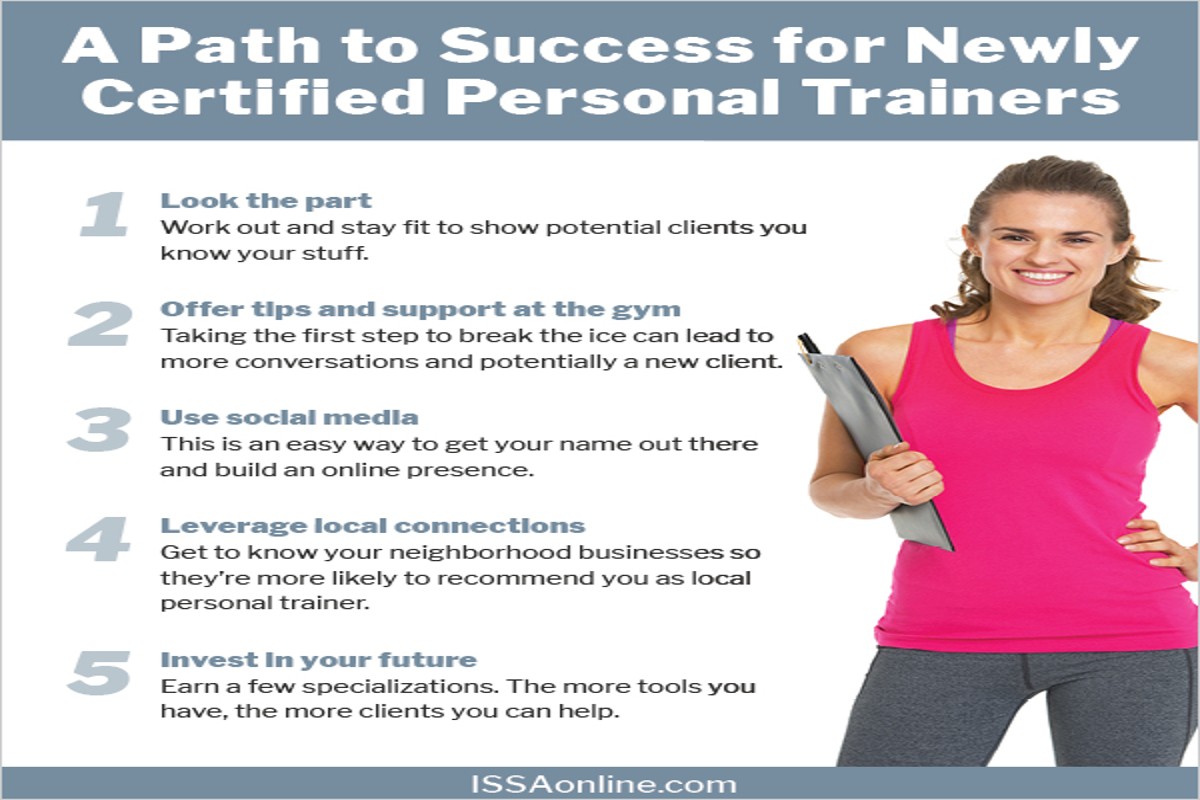
How to get clients as a personal trainer involves implementing strategies such as establishing a robust online presence, utilizing social media effectively, and engaging in local networking. These methods are crucial for attracting new clients, as 80% of personal trainers rely on referrals, underscoring the significance of relationship-building in the fitness industry.
This topic is vital for personal trainers seeking to expand their clientele and enhance their business growth. Understanding how to attract clients effectively can lead to increased revenue and a sustainable career in a competitive market, where the global fitness industry is projected to reach $105 billion by 2025.
Failure to grasp these client acquisition strategies can result in missed revenue opportunities, wasted marketing resources, and a significant competitive disadvantage in an industry that thrives on personal connections and reputation.
This article covers proven strategies for gaining clients as a personal trainer, including effective online marketing techniques, social media engagement, networking tips, and the importance of referrals, providing a comprehensive guide for success in the fitness industry.
What are the best ways to attract clients as a personal trainer?
Effective strategies for attracting clients as a personal trainer include using social media, offering free trials, and building partnerships with local businesses. Recent surveys show that 70% of personal trainers find their clients through referrals and online marketing efforts.
To successfully attract clients, personal trainers should focus on these best practices:
- Use Social Media: Create engaging content that showcases your training style, client transformations, and fitness tips. Platforms like Instagram and TikTok are proving effective for personal trainers — consider posting at least three times a week to stay visible.
- Offer Free Trials or Classes: Providing a complimentary session lets potential clients experience your training style firsthand. This builds trust and shows off your expertise, increasing the likelihood of conversion (this is often overlooked).
- Network Locally: Establish relationships with local gyms, wellness centers, and health clubs. Collaborate on promotions or workshops to reach a broader audience. Attending community events can really enhance visibility and credibility — and it’s often a great way to connect.
- Collect and Showcase Testimonials: Positive reviews from satisfied clients can significantly influence potential customers. Encourage clients to share their experiences on social media. Include these testimonials on your website and marketing materials for added impact.
- Implement Email Marketing: Build an email list to keep in touch with potential and existing clients. Send regular newsletters featuring fitness tips, success stories, and special offers to keep your audience engaged and informed.
Expert insight: Consistency in branding and messaging across all platforms is vital for building trust and recognition. Tailor your content to meet the specific needs of your target audience — doing so can enhance engagement and improve client retention.
How can social media help personal trainers get clients?
Social media platforms are powerful tools for personal trainers to attract clients by showcasing expertise, building a brand, and engaging with potential customers. Approximately 70% of consumers use social media to find and connect with service providers. This makes it essential for personal trainers to establish a strong presence online.
First, trainers can use platforms like Instagram and Facebook to display client transformations and share workout tips. High-quality images and videos that highlight success stories not only show effectiveness but also build trust among potential clients. Additionally, trainers can create engaging content — think live Q&A sessions, workout challenges, or educational posts. These encourage interaction and foster a sense of community.
Second, using targeted advertising on social media can significantly boost client acquisition efforts. Platforms such as Facebook and Instagram offer advanced targeting options. Personal trainers can reach specific demographics based on location, age, and fitness interests. This targeted approach helps trainers connect with individuals likely to be interested in their services — which increases the chances of converting followers into paying clients.
Finally, social media provides an excellent feedback mechanism. By actively engaging with followers through comments and direct messages, trainers can gain insights into their audience’s preferences and pain points. This information can be used to tailor services and marketing strategies, making them more relevant and appealing to potential clients (this is often overlooked).
Expert insight: Consistency is key on social media. Regularly posting valuable content and engaging with your audience not only builds trust — it also keeps your brand top-of-mind for potential clients.
How much should personal trainers charge for their services?
Personal trainers usually charge between $30 and $150 per hour. This varies based on factors like location, experience, and specialization. On average, trainers in the United States earn around $65 per session as of 2024.
Several key factors influence the pricing of personal training services. Geographical location plays a major role — trainers in urban areas generally charge more than those in rural settings. This is due to both higher demand and cost of living. Experience and certifications are also crucial; trainers with extensive experience and advanced qualifications often command higher rates. Specializations, like working with athletes or addressing specific health concerns, can justify increased fees (this is often overlooked).
- Location: Urban trainers may charge 20-50% more than their rural counterparts.
- Experience: New trainers might start at $30-$50. Seasoned professionals, however, can charge $100 or more.
- Specialization: Trainers with niche expertise, such as sports conditioning or rehabilitation, often set higher rates.
Pricing models can also differ. Some trainers offer package deals or monthly memberships, which often reduce the per-session cost. Group training sessions are another option. They allow for lower costs per client, making services more accessible while still maintaining a profitable model for trainers.
Expert insight: Personal trainers should regularly evaluate their pricing based on market trends and client feedback. Adjusting rates in response to demand — and expanding service offerings like online coaching — can boost profitability and attract new clients.
What are common mistakes personal trainers make when trying to get clients?
Common mistakes personal trainers make include failing to define their target audience and neglecting effective marketing strategies. Research shows trainers who actively market to a specific demographic are 60% more likely to attract new clients within their first year.
One prevalent error is not identifying a niche market. A trainer offering general fitness services may struggle to stand out — especially in a saturated market. In contrast, a trainer specializing in senior fitness or sports conditioning can tailor marketing efforts to resonate with specific groups. This targeted approach boosts visibility and establishes credibility, often resulting in higher client acquisition rates.
Another mistake is underestimating the power of social media. Many trainers miss the chance to leverage platforms like Instagram or Facebook for promoting their services. For instance, a trainer who regularly posts workout videos and success stories can engage potential clients and build a community. Without a solid online presence, they miss opportunities to connect with a wider audience (this is often overlooked), severely limiting their potential client base.
Expert insight: Personal trainers should invest time in understanding their unique value proposition. They need to actively engage with their target audience through consistent, tailored content marketing. This strategic focus can dramatically enhance client acquisition efforts.
How long does it typically take for personal trainers to build a client base?
On average, personal trainers can take anywhere from 3 to 12 months to establish a steady client base. Factors like location, marketing efforts, and networking skills play a significant role in this timeline.
The timeline for building a client base varies widely, based on several key factors. First, geographic location matters; trainers in urban areas often find clients faster than those in rural settings. This is a critical point — the right location can make a big difference. Additionally, the trainer’s marketing strategy can either accelerate or hinder client acquisition. Using social media, hosting workshops, and having an engaging online presence can boost visibility and attract clients more quickly. (This is often overlooked.)
Networking and building relationships within the fitness community can also impact how quickly clients are acquired. Personal trainers who actively engage with local gyms, fitness events, and wellness fairs usually benefit from referrals and word-of-mouth recommendations. Moreover, a trainer’s experience and specialization can sway client interest; those with unique skills or certifications might draw in clients faster due to the perceived value they offer.
Expert insight: Personal trainers should concentrate on building a strong personal brand and using local connections to speed up client acquisition. Regularly reviewing marketing strategies and being open to client feedback can also help shorten the timeline for achieving a stable client base.
Building an Online Presence: The Digital Age of Personal Training
Establishing a strong online presence is crucial for personal trainers aiming to attract and keep clients. A well-crafted digital strategy boosts visibility, builds credibility, and fosters engagement — all of which drive client acquisition.

Creating a Professional Website
A professional website acts as the foundation of any online presence. It should reflect your brand identity and effectively showcase your services. Key elements of a successful personal trainer website include:
- Clear navigation and user-friendly layout.
- Details about your qualifications, specialties, and training philosophy.
- Client testimonials and success stories to build trust.
- Contact information along with a booking system for sessions.
Recent data shows that 70% of consumers research a business online before making a visit or a purchase — underscoring the importance of a well-designed site (this is often overlooked).
Utilizing SEO Strategies for Visibility
Search Engine Optimization (SEO) is essential for enhancing your website’s visibility in search results. Effective SEO strategies consist of:
- Conducting keyword research to pinpoint terms potential clients use, like “personal trainer near me.”
- Optimizing on-page elements, such as meta descriptions, headers, and image alt tags.
- Building backlinks through guest blogging or collaborations with other fitness professionals.
In 2024, 93% of online experiences begin with a search engine — making SEO a vital part of attracting new clients.
Engaging Content Creation
Content creation serves as a powerful way to engage potential clients and showcase expertise. Trainers should focus on producing:
- Informative blog posts that tackle common fitness questions or trends.
- Video tutorials demonstrating exercises, nutrition tips, or workout routines.
- Social media content that encourages interaction and shares client success stories.
Engaging content attracts visitors and builds authority in the fitness industry. In fact, content marketing generates three times more leads than traditional marketing methods.
Email Marketing Campaigns to Nurture Leads
Email marketing remains one of the most effective strategies for retaining clients and nurturing leads. Personal trainers can implement campaigns by:
- Building an email list through website sign-ups and social media promotions.
- Sending regular newsletters with workout tips, special offers, or client achievements.
- Creating automated email sequences for new subscribers to introduce services and establish rapport.
Studies indicate that email marketing has an average ROI of 4400% — making it a cost-effective way for personal trainers to maintain client relationships.
Common misconceptions about online presence often stem from the belief that having a social media account alone is enough. While social media is beneficial, a comprehensive strategy — including a professional website, SEO, engaging content, and targeted email campaigns — is essential for effectively attracting clients.
To leverage this information, personal trainers should start by creating a professional website that reflects their brand. Then, invest time in learning and implementing SEO techniques for better visibility. Regularly produce engaging content, and develop an email marketing strategy to nurture leads. It’s wise to set measurable goals, such as increasing website traffic by 30% in six months or growing your email list by 20% in the same timeframe. These actionable steps will systematically enhance your ability to gain clients as a personal trainer.
Networking and Client Referrals: The Power of Relationships
This section discusses how personal trainers can leverage networking and client referrals to grow their client base. Strong relationships within the community can lead to sustainable growth and enhanced visibility.

Building Relationships with Local Businesses
Forging partnerships with local businesses can be a smart way to gain clients. Collaborate with gyms, health food stores, or wellness centers to create arrangements that work for both parties. For example, offer free classes or workshops at these venues to draw in potential clients. A 2024 survey revealed that 62% of personal trainers gained clients through local business collaborations.
- Identify local businesses that cater to health-conscious individuals.
- Propose cross-promotional deals, like discounts for clients referred by the partner business.
- Host joint events, such as health fairs or fitness challenges, to boost community engagement.
Participating in Community Events and Workshops
Active participation in community events can greatly enhance visibility for personal trainers. Attend local fairs, charity runs, or health expos to showcase services and connect with potential clients. Offering free workshops or fitness demonstrations can establish trainers as experts in their field — a crucial positioning strategy.
- Seek out local events where fitness and health take center stage.
- Prepare engaging materials, such as flyers and business cards, to hand out.
- Consider conducting free fitness assessments — this often attracts interest.
Offering Referral Incentives to Current Clients
Referral programs are a powerful strategy for personal trainers aiming to broaden their clientele. By incentivizing current clients to refer friends and family, trainers tap into their existing networks. A well-structured referral program can lead to a 25% increase in new clients, according to fitness industry studies conducted in 2025.
- Provide discounts or free sessions for clients who successfully refer new customers.
- Implement a tiered referral system to reward clients based on the number of referrals.
- Communicate the referral program effectively through newsletters and social media.
Collaborating with Other Fitness Professionals
Collaboration with other fitness professionals, such as nutritionists, yoga instructors, or physical therapists, can enhance service offerings and attract new clients. Joint ventures provide a more comprehensive approach to client well-being, making services more appealing and—importantly—more valuable.
- Identify professionals in complementary fields.
- Create bundled service packages that combine personal training with nutrition consultations or wellness coaching.
- Share client referrals to mutually benefit both parties.
Many trainers mistakenly think that relying solely on social media marketing will suffice for client acquisition. While an online presence is vital, offline strategies like networking and referrals can produce significant results. Direct relationships often foster greater trust and client retention — both of which are essential for long-term success.
To implement these insights, personal trainers should take actionable steps: reach out to local businesses for collaboration, participate in at least one community event each month, and set up a referral incentive program. Additionally, forming partnerships with other fitness professionals can create unique offerings that stand out in the market. These strategies can greatly enhance visibility and client acquisition efforts.
Effective Marketing Strategies for Personal Trainers
This section explores advanced marketing strategies personal trainers can use to attract and retain clients. Effective marketing is critical — it builds a sustainable client base and boosts visibility in a competitive fitness landscape.
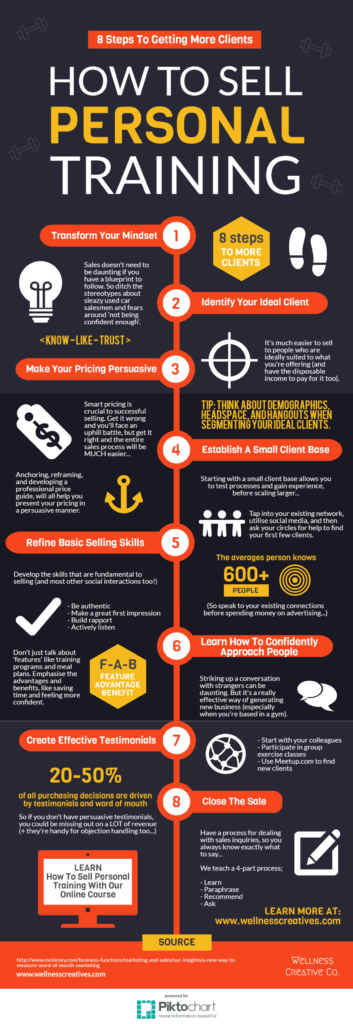
Utilizing Social Media Advertising
Social media platforms are essential for personal trainers aiming to broaden their reach. With over 4.7 billion active social media users globally, targeted advertising can greatly improve visibility. Trainers should prioritize platforms like Instagram and Facebook; these are especially effective for fitness-related content. Paid advertising offers the chance to target demographics based on age, location, and interests, making sure marketing efforts connect with potential clients already interested in fitness.
Creating Targeted Promotions and Packages
Offering promotions and customized packages can draw in new clients while motivating current ones. Here are three effective methods:
- Seasonal Promotions: Launch limited-time offers aligned with New Year resolutions or summer fitness goals.
- Referral Discounts: Encourage current clients to refer friends by providing them with discounts on future sessions.
- Bundled Packages: Create packages that combine multiple sessions at a reduced rate — these appeal to clients looking for value.
These targeted promotions not only spark initial interest but also nurture long-term client commitment.
Leveraging Client Testimonials and Success Stories
Sharing client testimonials and success stories establishes credibility and trust. Research indicates that 79% of consumers trust online reviews as much as personal recommendations. Personal trainers should actively gather feedback and success narratives from clients. Showcasing these on websites and social media profiles is vital. Including before-and-after photos and specific metrics, like weight loss or improved fitness levels, can significantly enhance the effectiveness of these testimonials.
Implementing Loyalty Programs for Retention
Client retention is just as important as attracting new clients. Implementing loyalty programs can promote repeat business. Here are a few strategies to consider:
- Point Systems: Offer points for each attended session, which can be redeemed for free classes or merchandise.
- Membership Tiers: Create different levels of membership providing various benefits — long-term clients receive exclusive perks.
- Regular Check-ins: Schedule periodic assessments to discuss progress, reinforcing a commitment to clients’ fitness journeys.
These programs foster loyalty and enhance the overall client experience — a key factor in retention.
Many articles on marketing for personal trainers overlook the role of analytics in refining strategies. Trainers should regularly assess their marketing campaign performance using metrics like engagement rates, conversion rates, and client acquisition costs. This data is essential for figuring out what works (and what needs adjusting), allowing trainers to optimize marketing efforts effectively.
To put these strategies into action, personal trainers should start by establishing a clear social media presence. They need to set up targeted ads in the coming month. Developing at least one promotional package and a loyalty program within the next quarter is also recommended. Regularly soliciting client feedback helps create compelling testimonials, and tracking marketing analytics can refine strategies over time. By taking these actionable steps, personal trainers can notably improve their client acquisition and retention efforts.
Understanding Your Target Market: Who Are Your Ideal Clients?
Identifying and understanding the target market is essential for personal trainers aiming to expand their client base. This section explores the necessity of defining a niche, conducting thorough market research, and tailoring services to meet the specific needs of clients.

Defining Your Niche
Establishing a clear niche enables personal trainers to stand out in a crowded market. Common niches include:
- Weight Loss: Focusing on clients who want to shed pounds through tailored fitness and nutrition plans.
- Sports Performance: Training athletes to boost their skills, speed, and strength for specific sports.
- Senior Fitness: Creating programs that address the unique needs of older adults, emphasizing mobility and strength.
According to a 2024 survey, 62% of fitness clients prefer trainers who specialize in their particular goals, underscoring the significance of niche marketing.
Conducting Market Research
Understanding client needs demands comprehensive market research. This can be achieved through several methods:
- Surveys: Collecting feedback from potential clients about their fitness goals and preferences.
- Competitor Analysis: Evaluating what other successful personal trainers offer and spotting gaps in the market.
- Social Media Analysis: Monitoring fitness trends and discussions on platforms like Instagram and TikTok to uncover emerging client interests.
Market research provides insights that help personal trainers align their services with client expectations and industry trends (this is often overlooked).
Tailoring Services and Marketing
After gaining an understanding of the target market, services and marketing strategies need customization. Consider the following aspects:
- Client Demographics: Adjust your messaging based on age, gender, and fitness level.
- Program Customization: Offer various training programs that cater to different experience levels, from beginners to advanced athletes.
- Content Marketing: Create relevant content that addresses the specific needs and interests of your ideal clients.
By aligning services with client demographics, personal trainers can boost engagement and attract a loyal client base.
Adapting to Trends and Demands
The fitness industry is always changing, with trends evolving rapidly. Staying informed is crucial for attracting clients. Key areas to monitor include:
- Technology Integration: Incorporating apps and wearable tech in training programs to enhance the client experience.
- Holistic Health Approaches: Offering services that blend fitness with mental wellness, nutrition, and recovery.
- Group Training Options: Providing group classes that cater to social fitness trends, appealing to clients seeking community engagement.
By 2025, the global fitness app market is expected to reach $14.7 billion, indicating a significant shift towards digital fitness solutions.
Many personal trainers underestimate the value of niche marketing, thinking a broad approach will yield better results. Specializing can lead to more effective marketing, as it resonates more deeply with specific audiences. Also, understanding client demographics allows for more personalized interactions, which fosters stronger relationships and higher retention rates.
To effectively apply these insights, personal trainers should start by identifying their niche and conducting market research to grasp their ideal clients. Next, customize services and marketing strategies to align with the identified demographics and trends. Finally, remain adaptable — regularly updating offerings based on emerging fitness trends is key to staying relevant in the market.
Frequently Asked Questions
What are the best ways to attract clients as a personal trainer?
To attract clients, personal trainers should leverage referrals, network within their community, and offer free introductory sessions. Establishing a strong online presence and showcasing client success stories can also enhance visibility.
How can social media help personal trainers get clients?
Social media platforms allow personal trainers to showcase their expertise, share client testimonials, and engage with potential clients. Regularly posting valuable content can increase reach and establish credibility in the fitness industry.
How much should personal trainers charge for their services?
Personal trainers typically charge between $30 to $100 per hour, depending on their experience, location, and the services offered. Researching local market rates can help trainers set competitive pricing.
What are common mistakes personal trainers make when trying to get clients?
Common mistakes include failing to market themselves effectively, neglecting to follow up with leads, and not defining a niche. Additionally, underpricing services can undermine perceived value and professionalism.
How long does it typically take for personal trainers to build a client base?
Building a client base can take anywhere from a few months to over a year, depending on factors like marketing efforts and networking. Consistency in outreach and service quality plays a crucial role in accelerating this process.
Final Thoughts on how to get clients as a personal trainer
Success in attracting clients as a personal trainer hinges on a multifaceted approach that combines effective marketing, robust networking, and an engaging online presence. By leveraging social media, cultivating client referrals, and avoiding common pitfalls, personal trainers can significantly enhance their visibility and credibility in a competitive market.
To take immediate action, personal trainers should invest time in optimizing their social media profiles, showcasing their expertise through engaging content that resonates with their target audience and highlights their unique value proposition.
Ready to elevate your gym business? Consult with a google ads expert to attract more clients and boost your visibility today!
Mastering the art of client acquisition is not merely beneficial; it is essential for sustaining a rewarding career in personal training.