

How to get architecture clients involves strategies focused on establishing a robust portfolio, utilizing social media, and fostering industry connections. Approximately 80% of architecture clients are acquired through referrals, highlighting the significance of relationship-building in this competitive field.
Understanding how to get architecture clients is crucial for architects and firms looking to thrive in a competitive market. With the architecture industry projected to grow by 3.7% annually, professionals must leverage effective client acquisition strategies to capitalize on opportunities. Failing to implement these strategies can lead to stagnation and missed potential in a rapidly evolving landscape.
Neglecting to master client acquisition can result in substantial revenue losses, wasted marketing resources, and an inability to compete effectively in the marketplace. Firms that do not prioritize client relationships may find themselves at a significant disadvantage, unable to secure projects and sustain growth.
This article will outline proven strategies and tips for acquiring architecture clients, including the importance of a strong portfolio, social media engagement, networking techniques, and best practices for maximizing referrals. Readers will gain actionable insights to enhance their client acquisition efforts.
What are the best ways to attract architecture clients?
Attracting architecture clients requires a strong online presence, effective social media use, and savvy networking. Research shows that 70% of architecture firms see digital marketing as key to reaching prospective clients.
1. Develop a Professional Website: Create a visually appealing website that highlights your portfolio, client testimonials, and services. Make sure it’s optimized for search engines — improved visibility is crucial.
2. Utilize Social Media: Actively engage on platforms like Instagram, LinkedIn, and Pinterest. Sharing project updates, behind-the-scenes content, and design inspiration can help attract followers and potential clients.
3. Network Within the Industry: Attend local and national architecture and design events. Building relationships with other professionals often leads to referrals and collaborative opportunities.
4. Offer Free Workshops or Webinars: Host educational events that tackle common design challenges. This not only positions you as an expert but also lets potential clients experience your skills firsthand (this is often overlooked).
5. Leverage Online Directories: List your services on platforms like Houzz or Architizer, frequented by clients seeking architectural services. This strategy increases your exposure to a targeted audience.
6. Implement Email Marketing: Build a mailing list and send regular newsletters featuring project highlights, industry news, and design tips. Staying top-of-mind for potential clients is critical.
7. Invest in Paid Advertising: Consider targeted ads on social media or Google. These can effectively reach specific demographics that are actively looking for architectural services.
Expert insight: Focus on cultivating a recognizable brand identity; consistency across all platforms enhances credibility and attracts clients who align with your design philosophy.
How can I improve my architecture portfolio to get more clients?
To attract more clients, an architecture portfolio must effectively showcase design skills, project diversity, and personal style. A well-structured portfolio can boost client inquiries by up to 40% — that’s significant, according to recent industry surveys. Focus on clarity, visual impact, and relevance to the types of projects you’re targeting.
Start by curating your best work. Choose 8-12 projects that highlight your range and expertise. Each project should illustrate your design process, from concept sketches to completed images. Include a variety of project types—residential, commercial, and public spaces—to meet different client needs. This selection should reflect not only your technical skills but also your knack for solving design challenges creatively (this is often overlooked).
- High-Quality Imagery: Use professional photographs and renderings to present your work. Poor-quality images can detract from even the most exceptional designs. Invest in photography that showcases your projects in the best light.
- Clear Project Descriptions: Provide concise descriptions for each project, touching on the client’s needs, your design approach, and the outcome. Highlight any unique challenges and how you addressed them — it makes a difference.
- Updated Content: Regularly update your portfolio with recent projects and remove older works that don’t align with your current style or capabilities. An up-to-date portfolio signals to potential clients that you’re active and evolving.
- Personal Branding: Make sure your portfolio reflects your personal brand. Use consistent design elements, colors, and typography that resonate with your architectural style. This strengthens your identity and helps clients remember you.
Expert insight: Tailor your portfolio to reflect the type of architecture you want to pursue. If seeking residential clients, emphasize home designs; for commercial work, focus on relevant projects. This targeted approach often enhances your appeal to specific client segments — worth double-checking.
What networking strategies work for architects?
Effective networking strategies for architects involve attending industry events, leveraging online platforms, and building relationships within local communities. Engaging in these activities can lead to a significant increase in client referrals. Studies show up to 70% of architecture clients come through networking.
1. Attend Industry Conferences and Trade Shows: Participating in architecture-focused events, such as the AIA Conference on Architecture or local design expos, allows architects to meet potential clients and industry peers. These events provide opportunities to showcase work, learn about industry trends — and connect with decision-makers.
2. Join Professional Organizations: Becoming a member of organizations like the American Institute of Architects (AIA) or local architectural associations enhances credibility and expands networking opportunities. Members typically engage in networking events, workshops, and mentorship programs that facilitate valuable connections (this is often overlooked).
3. Utilize Social Media Platforms: Platforms like LinkedIn and Instagram are essential for architects to showcase their projects and engage with potential clients. Regularly sharing project updates, design insights, and behind-the-scenes content can attract interest from clients and collaborators alike. It’s crucial to stay active.
4. Participate in Community Events: Engaging with local community events, such as charity fundraisers or public forums, can help architects build relationships with potential clients and community leaders. This grassroots approach fosters trust and rapport, making it easier to secure local projects (worth double-checking).
Expert insight: Focus on building long-term relationships instead of seeking immediate gains. Consistent engagement and follow-up with contacts can lead to referrals and repeat business. That’s how a robust client base is established over time.
How much do architects spend on marketing to get clients?
Architects typically allocate between 5% to 10% of their annual revenue to marketing efforts aimed at acquiring new clients. For smaller firms, this often means a budget of $10,000 to $50,000 annually. Larger firms? They may invest significantly more, sometimes exceeding $200,000 per year.
Several factors influence the marketing budget for architecture firms. These include the firm’s size, target market, and the type of services offered. Smaller firms or sole practitioners tend to operate with tighter budgets, often relying on cost-effective strategies like social media marketing or networking events. In contrast, larger firms might pursue more comprehensive campaigns — including digital advertising, public relations, and trade show participation.
- Firm Size: Larger firms generally have higher marketing budgets because of greater revenue and the need to maintain a competitive edge.
- Target Market: Firms targeting high-end clients often invest more in branding and marketing to create a luxury image.
- Marketing Strategies: The choice of marketing channels — such as online advertising, print media, and community outreach — can affect overall costs.
Effective marketing in architecture isn’t just about spending money; it requires strategic planning and a solid understanding of the firm’s unique market position. Tracking return on investment (ROI) for various marketing tactics is crucial for optimizing future budgets. This helps ensure sustainable growth.
Expert insight: Regularly reviewing marketing performance (this is often overlooked) and adjusting budgets based on what yields the best client conversion rates can significantly enhance profitability for architecture firms.
How long does it take to get architecture clients?
Typically, acquiring architecture clients takes about three to six months. This timeframe can vary widely based on factors like marketing strategies, networking efforts, and market demand. Some firms might land clients faster, while others could face delays, particularly in competitive markets.
Several elements affect how long it takes to acquire architecture clients. First off, the effectiveness of marketing strategies is key. Firms investing in targeted online advertising, a strong social media presence, and search engine optimization can speed up client acquisition. For example, firms that use platforms like Instagram and LinkedIn well often experience quicker response rates due to better visibility and engagement. Also, having a solid portfolio and positive testimonials can greatly reduce the time it takes to attract new clients — this is often overlooked.
Networking and relationship building are essential as well. Architects who take part in industry events, local community organizations, and professional associations typically create a strong referral network. This engagement can lead to faster client acquisition, as referrals from trusted sources usually convert at a higher rate. Moreover, factors like the economic climate and construction market conditions also influence client demand. During economic upturns, architects might find it easier to secure projects, while downturns often prolong the timeline for client acquisition.
Expert insight: To speed up the client acquisition process, focus on building relationships within the local community and using digital marketing strategies tailored to the target audience. Don’t forget — consistent follow-up with leads can significantly enhance conversion rates.
What mistakes should architects avoid when seeking clients?
Architects must recognize the value of a well-defined niche and effective marketing strategies. Research shows firms with a focused niche can increase client acquisition rates by up to 60% compared to those with a broad approach.
One common pitfall is failing to identify a specific target market. For example, an architect might try to serve both residential and commercial clients without making clear distinctions in their services. This dilutes the brand — and potential clients may struggle to understand their expertise. Instead, defining a niche, such as sustainable residential design or urban commercial projects, helps architects tailor their marketing efforts. It also allows them to build a strong portfolio that attracts clients seeking specialized knowledge. A focused approach not only boosts credibility but also simplifies the creation of targeted marketing campaigns that resonate with the intended audience.
Another mistake is neglecting client relationships and feedback. Architects often prioritize project execution over engaging with clients. This leads to missed referrals and repeat business opportunities. For instance, an architect who completes a project but neglects to follow up for feedback may lose out on valuable future referrals from satisfied clients. Establishing a systematic approach to client communication — like regular check-ins during a project’s lifecycle and soliciting feedback after completion — can significantly enhance client satisfaction. Happy clients are much more likely to refer others and return for new projects.
Expert insight: Prioritize building a robust referral network by nurturing relationships with past clients and actively seeking testimonials. This strategy often proves more effective than traditional marketing methods in generating new leads.
How important is social media for attracting architecture clients?
Social media plays a crucial role in attracting architecture clients. It enhances visibility and engagement. In 2024, over 60% of potential clients reported discovering architectural firms through social media platforms. This shift in discovery methods is significant.
Social media serves as a dynamic marketing tool. It allows architects to showcase portfolios, share project updates, and engage directly with potential clients. Platforms like Instagram and Pinterest are particularly effective for visual industries, enabling architects to present their designs in an appealing format. Additionally, LinkedIn is useful for professional networking — connecting architects with industry professionals and potential clients.
- Content Sharing: Regularly posting high-quality images and project details can increase follower engagement and attract inquiries. It’s vital.
- Client Interaction: Responding to comments and messages fosters relationships, enhancing trust and client interest. This shouldn’t be ignored.
- Targeted Advertising: Social media platforms offer targeted advertising options, allowing firms to reach specific demographics and geographical areas. This is often overlooked.
However, the effectiveness of social media marketing can vary based on the architect’s niche and target audience. For instance, firms specializing in high-end residential projects may find more success on visually-oriented platforms compared to those focused on commercial architecture. Adapting the content strategy to fit audience preferences is essential — don’t assume one size fits all.
Expert insight: To maximize social media impact, architecture firms should focus on creating a cohesive brand identity across platforms. Using analytics tools to measure engagement and adjust strategies accordingly is also crucial.
What role do referrals play in getting architecture clients?
Referrals are crucial in acquiring architecture clients, often making up to 40% of new business for firms. Clients trust personal recommendations more. This leads to stronger relationships and shorter sales cycles.
Referrals serve as a powerful marketing tool in architecture; they tap into existing relationships to create new leads. When a satisfied client recommends an architect to their network, it results in a strong endorsement — one that greatly boosts credibility. A 2023 survey found that 85% of clients chose their architect based on a referral (this is often overlooked), showcasing the effectiveness of such strategies.
- Quality of Work: Exceptional past performance increases the chance of getting referrals.
- Networking: Building relationships within industry circles can open up more referral opportunities.
- Client Engagement: Stay in regular contact with past clients. This keeps the relationship warm and encourages them to refer your services.
Moreover, the type of referral can vary. Direct referrals from satisfied clients usually have a greater impact than indirect ones from acquaintances. The rise of online platforms has also allowed architects to collect testimonials, which can further bolster their reputation. These digital recommendations act as a modern form of referral — expanding reach and visibility.
Expert insight: Set up a structured referral program. Incentivize past clients to recommend your services by offering discounts on future projects or hosting exclusive events for referrals.
Building a Strong Portfolio: Key Elements
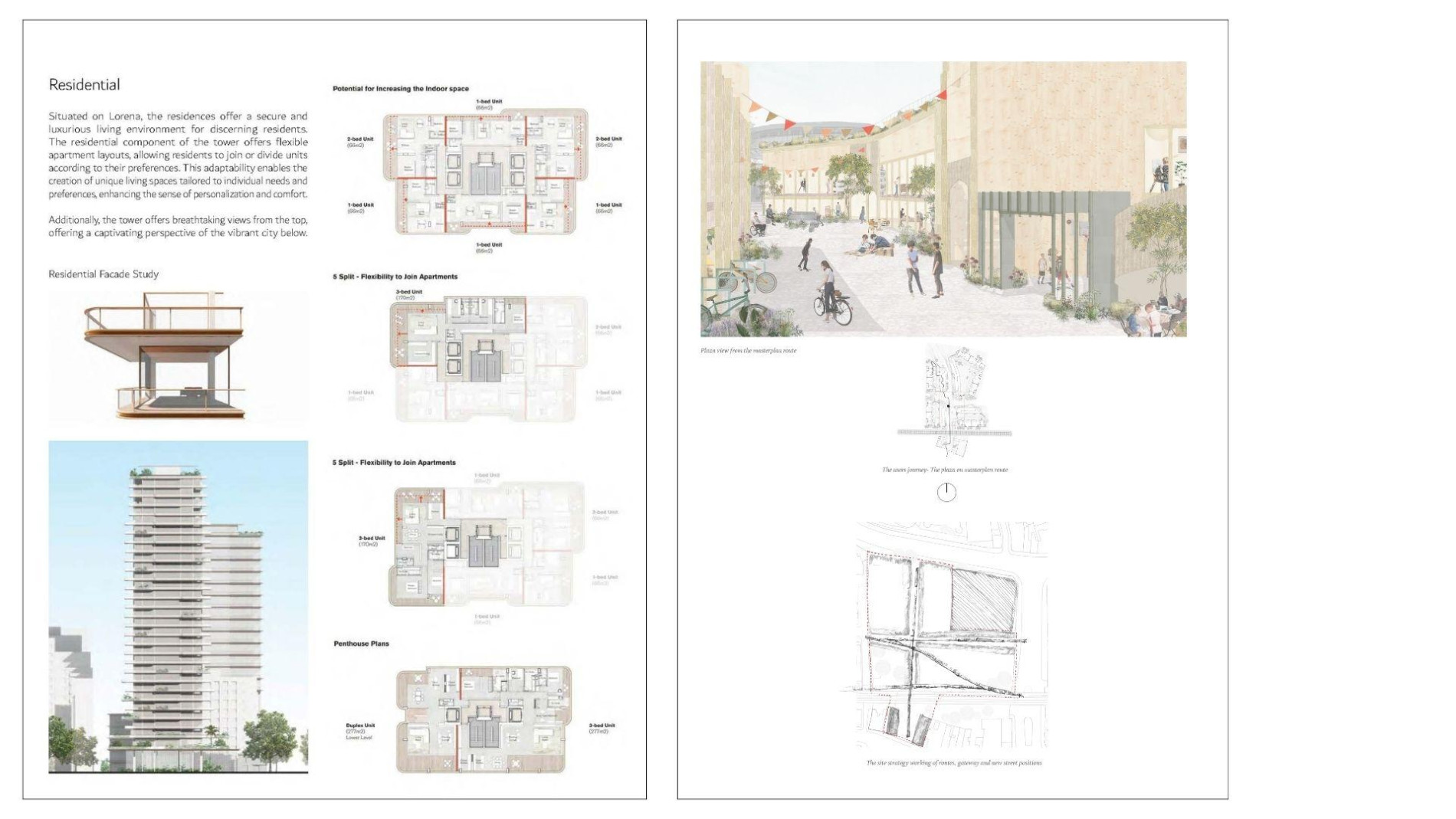
A compelling portfolio is a vital tool for attracting architecture clients. This section outlines essential elements to include in a portfolio that showcases skills and builds trust with potential clients.
Showcase Diverse Project Types and Styles
Architects often work across different sectors, including residential, commercial, and institutional projects. A diverse portfolio shows versatility and a breadth of expertise. Include projects that reflect various styles, such as modern, traditional, and sustainable designs. This variety helps potential clients see how skills can be applied to their specific needs.
Include Client Testimonials and Case Studies
Client testimonials offer social proof and boost credibility. Incorporate direct quotes from satisfied clients that spotlight strengths—like communication, design quality, and project management. Additionally, detailed case studies can outline the challenges faced in specific projects, the approaches used to solve them, and the successful outcomes. This narrative not only highlights technical skills but also underscores a client-centric approach.
Highlight Your Design Process and Problem-Solving Skills
Clarifying your design process is crucial. Potential clients want to know how you work. Include phases like initial consultation, conceptual design, development, and final execution. Illustrate your problem-solving skills by presenting examples where challenges were overcome—demonstrating adaptability and innovation. Industry data shows that 75% of clients value the design process as much as the final product. This makes it an essential part of any portfolio.
Use High-Quality Visuals and Professional Layouts
Visual appeal is critical in architecture portfolios. Invest in high-quality images that accurately represent your work, including renderings, photographs, and sketches. A clean, professional layout boosts readability and engagement. Make sure each project is presented cohesively, with consistent formatting, clear headings, and concise descriptions. Research indicates that portfolios with strong visual elements can increase client engagement by over 60%—an opportunity not to be missed.
Nuanced Considerations in Portfolio Development
Many architects underestimate the importance of tailoring portfolios to specific client segments. Customizing your portfolio for different target audiences—like residential clients versus commercial developers—can significantly enhance its effectiveness. Additionally, a common misconception is that a larger portfolio is better. In reality, quality trumps quantity; a focused selection of the best work is often more impactful than a vast but diluted collection.
Practical Application
- Curate a selection of 5-10 projects that showcase diversity in style and complexity.
- Collect and incorporate at least three strong testimonials from past clients.
- Document your design process for each project, emphasizing problem-solving scenarios.
- Engage a professional designer to create a clean, visually appealing layout for your portfolio.
By implementing these strategies, architects can build a powerful portfolio that effectively communicates their capabilities and attracts prospective clients.
Effective Networking Strategies for Architects
Building a strong client base in architecture relies on effective networking strategies. This section explores practical methods that can boost visibility, foster relationships, and ultimately lead to client acquisition.
.png?width=440&height=1100&name=5%20Ways%20to%20Build%20an%20Effective%20Architecture%20Firm%20Marketing%20Strategy%20(3).png)
Attend Industry Events and Conferences
Participating in industry events and conferences presents an invaluable chance to connect with potential clients and industry peers. These gatherings serve as a platform for architects to showcase their work, learn about emerging trends, and engage in discussions that can lead to collaborative opportunities. For instance, attending events like the AIA Conference on Architecture can introduce architects to new clients and business partners.
- Identify key events that align with your specialization.
- Prepare an engaging portfolio to present during networking sessions.
- Follow up with contacts made during these events to cultivate relationships.
Join Professional Associations and Groups
Membership in professional associations, such as the American Institute of Architects (AIA) or local architectural societies, offers access to a network of peers and potential clients. Associations often host networking events, workshops, and seminars that can sharpen skills and expand professional connections. According to a 2024 survey, 62% of architects reported gaining clients through association networking. That’s significant.
- Participate actively in meetings and committees to increase visibility.
- Use online forums within these groups to share expertise and connect with others.
- Seek leadership roles that can elevate your profile within the community.
Leverage Online Platforms like LinkedIn
Online platforms, especially LinkedIn, are vital tools for modern networking. Architects should keep an up-to-date profile that highlights their skills, projects, and endorsements. Engaging with content relevant to the architecture industry can help attract potential clients. Recent data shows that 80% of professionals consider LinkedIn a key resource for building business relationships.
- Post regularly about completed projects or industry insights to establish authority.
- Connect with other industry professionals and engage with their content.
- Join relevant LinkedIn groups to participate in discussions and showcase expertise.
Engage with Local Community Projects and Initiatives
Getting involved in local community projects not only enhances an architect’s portfolio but also builds rapport with the community. Collaborating on public projects, such as parks or community centers, can foster long-lasting relationships with clients who appreciate community-oriented designs. A report from 2025 highlighted that architects involved in community initiatives increased their client base by 35% over two years.
- Volunteer for community design charrettes to demonstrate commitment.
- Network with local government officials and non-profits to identify upcoming projects.
- Promote successful community projects through social media and professional channels.
While basic networking strategies can yield results, many architects underestimate the significance of follow-up and relationship nurturing. The idea that one-time interactions are enough can hinder long-term success. Continuous engagement with contacts — whether through casual check-ins or sharing relevant articles — can solidify relationships and lead to more referrals and collaborative opportunities.
To effectively implement these networking strategies, architects should create a structured plan. Start by identifying key events and associations that pertain to your niche. Set a goal to attend a specific number of events each year, and actively engage in online platforms such as LinkedIn. Finally, seek opportunities to contribute to community initiatives, ensuring you build not just a client list but a network of advocates who can refer you to potential clients.
Leveraging Social Media for Client Acquisition
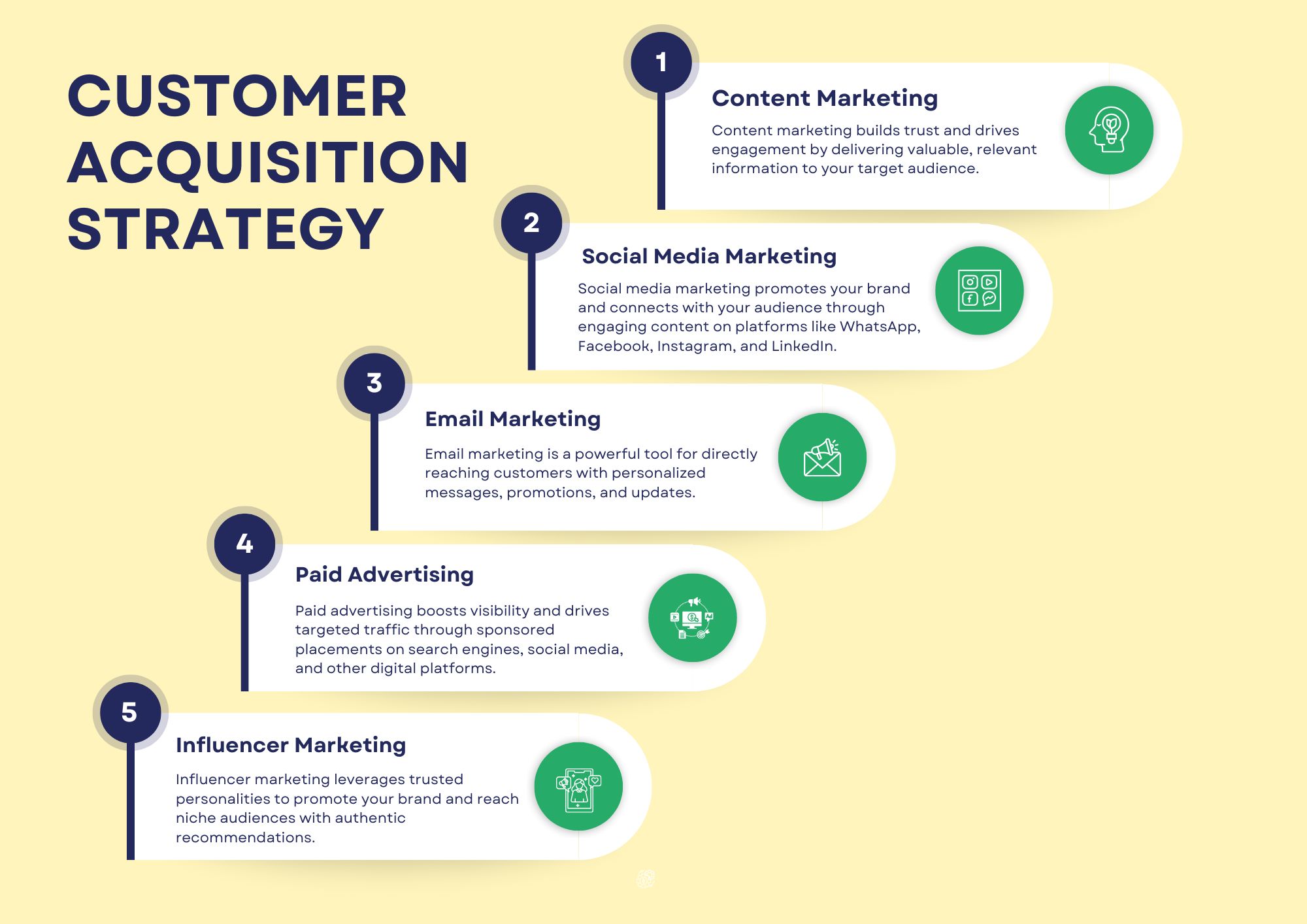
Social media acts as a powerful tool for architects looking to attract clients. By strategically using various platforms, architects can showcase their work, engage with potential clients, and grow their professional network.
Choose the Right Platforms for Your Target Audience
Selecting the right social media platforms is crucial for effectively reaching potential clients. Consider the following options:
- Instagram: Great for visual storytelling, showcasing project images, and connecting with design enthusiasts.
- LinkedIn: Best for professional networking, sharing industry insights, and establishing authority in architecture.
- Facebook: Useful for community engagement and local client outreach through targeted groups and events.
Research shows that as of 2024, 80% of architects use Instagram to promote their work. This makes it a vital platform for visual engagement — one that shouldn’t be ignored.
Share Engaging Content That Showcases Your Work
Creating compelling content is essential for attracting attention. Architects should focus on these types of posts:
- Project Highlights: Share high-quality images and videos of completed projects, highlighting unique design elements.
- Behind-the-Scenes: Provide insights into the design process, including sketches, renderings, and construction phases.
- Client Testimonials: Post reviews and feedback from satisfied clients to build credibility and trust.
A survey conducted in 2025 found that posts with images receive 94% more views than text-only ones, underlining the importance of visual content (this is often overlooked).
Interact with Followers and Potential Clients
Engagement is key to building relationships on social media. Architects should actively:
- Respond to comments and messages promptly to foster a sense of connection.
- Engage with other users by liking, sharing, and commenting on their content.
- Host Q&A sessions or live streams to address common questions and showcase expertise.
Regular interaction not only boosts visibility — it also enhances the likelihood of referrals and repeat business.
Utilize Targeted Ads to Reach Specific Demographics
Paid advertising can amplify reach and attract specific clientele. Consider implementing:
- Facebook Ads: Use demographic targeting to reach potential clients based on location, interests, and behaviors.
- Instagram Sponsored Posts: Create visually appealing ads to capture attention and drive traffic to your portfolio or website.
- LinkedIn Ads: Target businesses and professionals seeking architectural services in specific industries.
Data from 2026 indicates that targeted ads can yield a 50% higher conversion rate compared to non-targeted campaigns. This makes them a significant investment.
Common misconceptions about social media in architecture often stem from the belief that simply posting content will attract clients. However, success hinges on strategic engagement, consistent interaction, and tailored content that resonates with the audience. Architects must also be aware of varying preferences across platforms and adjust their strategies accordingly — a critical step for effective outreach.
To effectively leverage social media for client acquisition, architects should:
- Identify their target audience and select the most suitable platforms.
- Create a content calendar that includes diverse and engaging posts.
- Engage actively with followers and utilize analytics to refine strategies.
- Invest in targeted advertising to reach specific demographics that align with their services.
Implementing these strategies can greatly enhance visibility and lead to increased client acquisition opportunities.
Common Mistakes to Avoid When Seeking Clients
This section highlights key errors architects make when trying to acquire clients. Strategic approaches are essential for enhancing client engagement and retention.

Neglecting the Importance of Follow-Ups
Many architects underestimate the value of follow-ups in the client acquisition process. Research indicates that 80% of sales require five follow-ups to close a deal — yet 44% of salespeople give up after only one attempt. Consistent follow-ups not only show professionalism but also keep the architect’s services at the forefront of potential clients’ minds.
Failing to Differentiate Your Services
In a competitive market, failing to clearly differentiate architectural services can lead to missed opportunities. Architects must articulate their unique value propositions. This might include specialized design styles, sustainable practices, or innovative technology use. According to a 2023 survey, 65% of clients prioritize unique offerings when selecting an architect (this is often overlooked), underscoring the necessity of distinct service offerings.
Overlooking the Power of Personal Branding
Personal branding plays a crucial role in client acquisition. Architects who neglect to build a strong personal brand miss out on the chance to establish trust and credibility. A well-defined personal brand — showcased through consistent messaging and high-quality portfolio work — can greatly enhance visibility and attract clients. Data from a 2024 marketing report shows that 72% of clients prefer to work with professionals who have a recognizable brand identity.
Ignoring Feedback from Past Clients
Feedback from previous clients is a valuable resource for improvement and client retention. Architects who don’t actively seek and integrate client feedback risk alienating potential new clients. A study found that 50% of clients are willing to refer businesses that respond positively to feedback (worth double-checking). Engaging with past clients not only helps refine services but also fosters a network of advocates.
Nuanced Perspectives on Client Acquisition
Many architects mistakenly believe that a polished portfolio alone guarantees client attraction. While quality work is essential, client acquisition is multifaceted. Misconceptions often arise about the immediacy of results; developing client relationships takes time. Additionally, architects should recognize the significance of emotional intelligence in client interactions. Understanding client needs and preferences can significantly enhance engagement and rapport.
Practical Applications
- Implement a structured follow-up system to reconnect with potential clients regularly.
- Clearly define and communicate your unique value proposition in all marketing materials.
- Invest time in developing a cohesive personal brand that reflects your architectural philosophy.
- Regularly solicit and analyze feedback from past clients to inform service improvements.
Frequently Asked Questions
What are the best ways to attract architecture clients?
Effective methods to attract architecture clients include showcasing a strong online portfolio, leveraging social media platforms, and engaging in local community events. Additionally, building relationships with real estate agents and contractors can lead to valuable referrals.
How can I improve my architecture portfolio to get more clients?
To enhance an architecture portfolio, focus on high-quality images, diverse project types, and clear descriptions of each project’s objectives and outcomes. Including client testimonials and case studies can also demonstrate expertise and reliability to potential clients.
What networking strategies work for architects?
Architects can benefit from attending industry conferences, joining professional organizations, and participating in local business groups. Building relationships with other professionals in related fields, such as construction and real estate, can also provide valuable networking opportunities.
How much do architects spend on marketing to get clients?
Architects typically allocate 5-10% of their annual revenue to marketing efforts, though this can vary based on firm size and goals. Investing in digital marketing, website optimization, and local advertising can yield significant returns in client acquisition.
How long does it take to get architecture clients?
The timeline for acquiring architecture clients can vary widely, ranging from a few weeks to several months. Factors such as market demand, networking effectiveness, and the architect’s reputation can significantly influence this duration.
What mistakes should architects avoid when seeking clients?
Common mistakes include neglecting a professional online presence, failing to follow up with leads, and not clearly communicating their unique value proposition. Architects should also avoid underpricing their services, as it can undermine perceived value.
How important is social media for attracting architecture clients?
Social media is crucial for architects as it allows for showcasing work, engaging with potential clients, and building a brand presence. Platforms like Instagram and LinkedIn can effectively reach target audiences and generate interest in architectural services.
What role do referrals play in getting architecture clients?
Referrals are a significant source of new clients for architects, as they establish trust and credibility. Satisfied clients and professional contacts can provide valuable endorsements that lead to new business opportunities.
Final Thoughts on how to get architecture clients
Attracting architecture clients hinges on a multifaceted approach that combines a compelling portfolio, strategic networking, and effective use of digital platforms. By crafting a narrative that resonates with potential clients and showcasing unique design capabilities, architects can position themselves as industry leaders.
Immediately enhance your client acquisition efforts by dedicating time to refine your online portfolio, ensuring it not only highlights your best work but also aligns with the specific needs and preferences of your target market.
Ready to take your architecture business to the next level? Consider hiring a google ads expert to help you attract more clients effectively!
In an increasingly competitive landscape, mastering client attraction is not just beneficial; it is essential for sustained growth and relevance in the architecture industry.