

How to get more clients as a therapist involves implementing effective marketing strategies that enhance visibility and attract potential clients. A strong online presence, community networking, and social media engagement are crucial elements, as research indicates that 70% of clients discover therapists through online searches.
Understanding how to effectively attract more clients as a therapist is essential in a competitive mental health landscape. With the increasing demand for therapeutic services—projected to reach a market size of $4.3 billion by 2025—therapists must employ strategic approaches to stand out. Failing to grasp these marketing techniques can hinder growth, limit client outreach, and ultimately affect the viability of a practice.
Not recognizing the importance of client acquisition strategies can lead to significant missed revenue opportunities, wasted marketing resources, and a competitive disadvantage in a saturated market. Therapists who do not adapt risk becoming invisible to potential clients, thereby stunting their professional growth.
This article will provide a comprehensive overview of proven strategies to increase client acquisition, including effective online marketing techniques, the role of local SEO, best practices for social media engagement, and networking tips tailored for therapists.
What are the best marketing strategies for therapists?
Effective marketing strategies for therapists encompass a blend of online and offline techniques that boost visibility and draw in clients. Research shows that over 70% of consumers search online for healthcare providers. This underscores the critical need for a robust digital presence.
Therapists can implement several proven marketing strategies to effectively reach potential clients:
- Build a Professional Website: A well-designed website serves as the cornerstone of online presence. It should detail services, showcase credentials, and explain how to book appointments. Make sure it’s mobile-friendly and optimized for search engines (SEO), which is vital for increasing visibility.
- Utilize Social Media: Platforms such as Facebook, Instagram, and LinkedIn are excellent for connecting with potential clients. Share valuable content — like mental health tips or success stories. This not only engages your audience but helps establish authority in the field.
- Leverage Online Directories: Listing services on platforms like Psychology Today or TherapyDen can significantly improve discoverability. These directories often rank high in search results, making it easier for clients to find therapists nearby.
- Network with Other Professionals: Building relationships with fellow healthcare providers can lead to referrals. Attend local events — or join professional organizations — to connect with potential referral sources.
- Offer Workshops or Webinars: Hosting events on mental health topics can demonstrate expertise and attract new clients. Promote these events through multiple channels, including social media and email newsletters.
Expert insight: Consistency across all marketing channels is crucial. Regularly update content, engage with followers, and maintain an active presence to build trust and credibility with potential clients. (This is often overlooked.)
How can social media help therapists gain clients?
Social media can greatly improve a therapist’s ability to attract clients. It provides a platform for visibility, engagement, and education. In 2024, over 70% of potential clients reported using social media to find health and wellness professionals. This underscores its effectiveness in client acquisition.
Therapists can leverage social media by sharing targeted content that resonates with their ideal clients. Engaging posts featuring mental health tips, educational videos, and client testimonials build a therapist’s credibility. Regularly posting this type of content helps establish expertise in the field — which makes it easier for potential clients to trust them. Plus, interactive features like polls, Q&A sessions, and live videos foster community engagement. This encourages followers to reach out for services (worth double-checking).
- Identify the Right Platforms: Focus on platforms where your target demographic is most active. For therapists, Instagram and Facebook are particularly effective for sharing visual content and connecting with a broader audience.
- Create Valuable Content: Share informative articles, infographics, and videos that tackle common mental health issues. This approach positions you as a knowledgeable resource and can attract individuals seeking help.
- Engage with Your Audience: Respond to comments, messages, and inquiries promptly. Building relationships through direct interaction can convert followers into clients — don’t miss the chance to connect.
- Utilize Paid Advertising: Consider using targeted ads to reach specific demographics. Platforms like Facebook offer robust targeting options, allowing connection with potential clients based on interests and location.
- Network with Other Professionals: Collaborate with other health and wellness professionals to cross-promote services. This can broaden your reach and introduce you to new potential clients.
Expert insight: Consistency is key. Establish a regular posting schedule to maintain visibility and engagement. This helps ensure your audience remains informed and connected to your practice.
What role does networking play in attracting clients?
Networking involves establishing and nurturing professional relationships that can lead to referrals and new clients for therapists. About 70% of clients find their therapists through referrals — this highlights the significance of a solid professional network.
In therapy, networking includes various activities, such as attending industry conferences, joining professional associations, and collaborating with other healthcare providers. These interactions help build trust and credibility, which are essential when potential clients seek therapeutic services. Additionally, fostering relationships with other professionals—like physicians or social workers—can create a steady stream of referrals, further expanding a therapist’s client base.
- Professional Associations: Joining organizations like the American Psychological Association can offer networking opportunities through events and forums.
- Workshops and Conferences: Attending or speaking at industry-related events can boost visibility and establish authority in the field.
- Community Involvement: Getting involved in local events or volunteering helps therapists connect with potential clients and other professionals in a more informal setting.
Networking isn’t just about quantity; it’s about quality too. Building strong, authentic relationships often leads to more meaningful referrals. Therapists should also consider using online platforms—like LinkedIn—to connect with other professionals and engage in discussions relevant to their field (this is often overlooked).
Expert insight: Therapists should actively cultivate relationships with allied health professionals to create a referral network that can support their practice for the long-term.
How much should therapists spend on marketing?
Therapists should set aside between 5% and 10% of their annual revenue for marketing efforts. For instance, if a therapist’s annual income is $100,000, that means a marketing budget of $5,000 to $10,000 is needed.
Several factors can impact the marketing budget for therapists. Key elements include the therapist’s location, target clientele, and marketing strategy. The type of services offered can also demand different marketing approaches, which affects total costs.
- Geographic location: Therapists in urban areas often face more competition — which can lead to higher marketing costs than those in rural settings.
- Target audience: Specific niches, like child therapy or couples counseling, might need tailored marketing strategies that can differ in expense.
- Marketing channels: Digital marketing, which covers social media, search engine optimization (SEO), and online ads, can have a wide range of costs. Traditional marketing methods — think print advertising and community events — also come with varying price tags.
Budget-friendly options include using social media platforms, creating a professional website, and tapping into referral networks. Many therapists find that implementing low-cost strategies, like hosting workshops or webinars, boosts visibility without a hefty investment.
Expert insight: Build a robust online presence and employ local SEO techniques to draw in clients. These approaches frequently yield significant returns on investment for therapists working with limited marketing budgets.
How long does it take to build a client base as a therapist?
Building a client base as a therapist usually takes six months to two years. This timeline varies greatly, influenced by factors like location, marketing efforts, and specialization.
The initial stage of establishing a client base often involves networking and marketing strategies. Therapists in urban areas may find clients more quickly due to higher demand. In contrast, those in rural locations might experience a slower buildup. The effectiveness of marketing strategies — such as online presence, community outreach, and referrals — can seriously impact how quickly clients come in. Therapists who actively engage in community events or offer workshops often attract clients more rapidly than those relying solely on passive advertising.
Experience and specialization also play crucial roles. Newly licensed therapists may need more time to build credibility and rapport. Conversely, those with established practices or specialized skills tend to draw clients in faster. For example, therapists focusing on high-demand areas like trauma or anxiety may see quicker client acquisition than those with niche specialties. Additionally, maintaining a strong online presence through social media and professional websites can enhance visibility and outreach — shortening the time needed to build a client base.
Expert insight: To expedite client acquisition, therapists should invest in a robust online presence and actively network within their communities. Engaging in targeted marketing efforts can significantly boost visibility and attract clients more efficiently (this is often overlooked).
What are common mistakes therapists make in marketing?
Common mistakes therapists make in marketing include failing to define their target audience, neglecting online presence, and not using social proof effectively. A 2024 survey reveals that 67% of therapists say unclear messaging leads to fewer client inquiries.
One major mistake is not clearly identifying the target audience. A therapist who specializes in anxiety might market their services to a wide audience — but this approach can backfire. Generic messaging often fails to connect with potential clients seeking specific help. By narrowing the focus to those struggling with anxiety-related issues, therapists can create tailored content that truly speaks to their needs. This, in turn, increases the chance of engagement.
Another critical error is underestimating the importance of an online presence. Many therapists rely strictly on word-of-mouth referrals, while neglecting to set up a professional website or use social media platforms. For example, a therapist without a website could miss out on 77% of potential clients who research services online before deciding. Establishing an informative and user-friendly website can significantly boost visibility and credibility — making it easier for clients to find and connect with the therapist.
Expert insight: Therapists should prioritize building a strong online presence and clearly defining their niche to attract the right clients. Regularly updating content and engaging with the audience can further enhance outreach efforts (this is often overlooked).
What are effective ways to improve client retention?
Improving client retention is crucial for therapists aiming to maintain a stable practice and develop lasting relationships with clients. Research shows that just a 5% increase in client retention can elevate profits by anywhere from 25% to 95%. Implementing targeted strategies can significantly boost these retention rates.
- Establish strong therapeutic rapport. Building a trusting relationship with clients encourages them to come back. Active listening techniques are key. Demonstrating empathy helps clients feel understood and valued — a vital component in therapy.
- Set clear treatment goals. Collaboratively establish measurable and achievable goals during sessions. Clients are more likely to remain engaged when they can see their progress (this is often overlooked) and grasp the purpose of their therapy.
- Regularly solicit feedback. Actively request client feedback to get a better sense of their needs and perceptions regarding the therapy process. This not only informs potential adjustments but also shows clients their opinions truly matter.
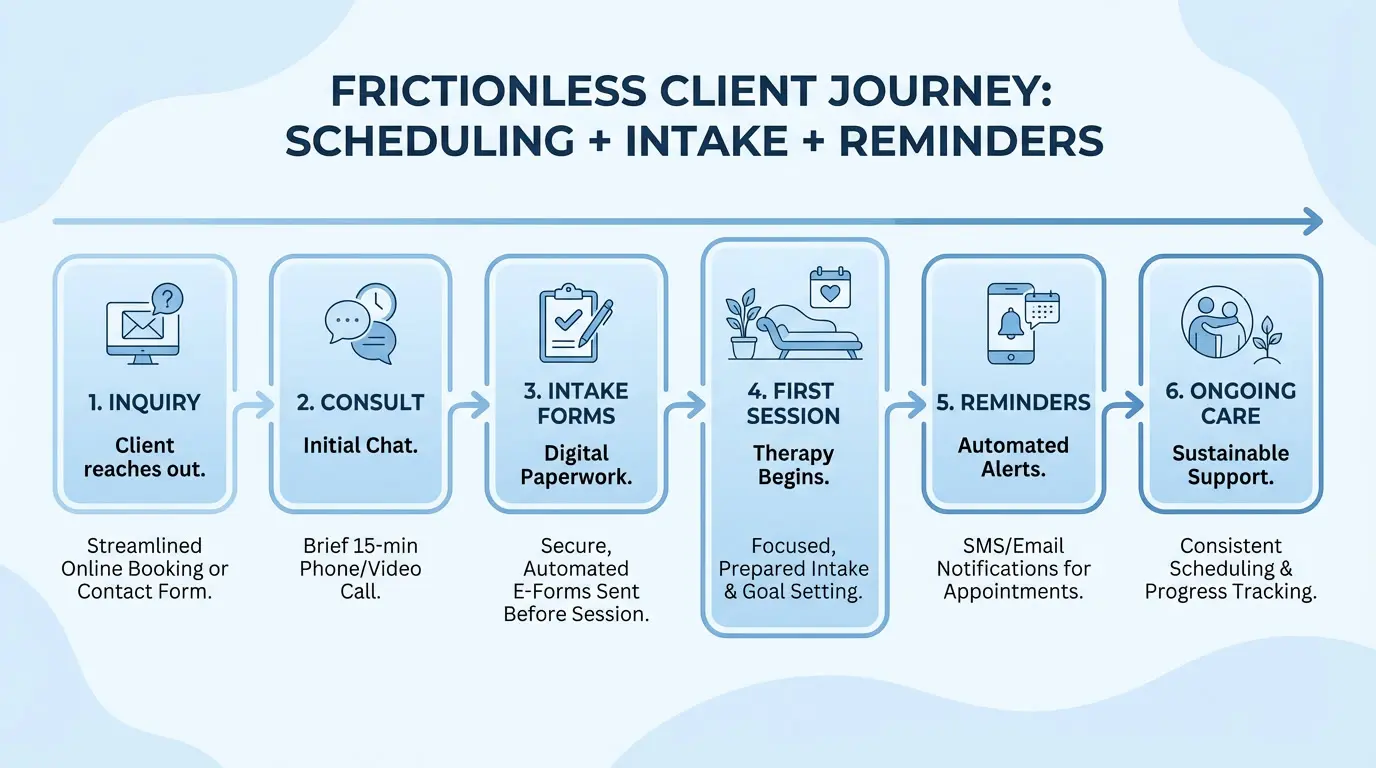
- Maintain consistent communication. Send reminders for upcoming appointments and follow-up messages post-sessions. This helps clients feel connected — a crucial factor — and reinforces their commitment to ongoing therapy.
- Provide valuable resources. Share relevant articles, exercises, or self-help tools tailored to each client’s individual needs. Offering additional support demonstrates your investment in their well-being beyond the session.
These strategies foster a supportive environment, encouraging clients to continue their therapy journey. Moreover, offering flexible scheduling and accommodating last-minute changes can further boost client satisfaction and retention.
Expert insight: Consider implementing a client loyalty program. Offering incentives for referrals or consistent attendance can further strengthen client relationships and drive up retention rates.
How can therapists use their website to attract clients?
A well-designed website can really boost a therapist’s ability to draw in clients. It serves as an informative and engaging platform. Recent data shows that 75% of consumers judge a company’s credibility based on its website design. By optimizing their online presence, therapists can effectively connect with potential clients and build trust.
1. Optimize for Search Engines: Implementing search engine optimization (SEO) techniques increases visibility on search engines. Use relevant keywords—like “therapy services” or “mental health support”—to help potential clients find your site more easily.
2. Create Engaging Content: Providing valuable content, such as blog posts or articles on mental health topics, positions therapists as knowledgeable professionals. Regularly updated content can improve search rankings, too. This keeps visitors engaged.
3. Include Clear Calls to Action: A well-structured website should guide visitors toward taking action—like scheduling an appointment or contacting for more information. Use clear and compelling calls to action on each page to facilitate this process.
4. Showcase Credentials and Specialties: Highlighting qualifications, certifications, and areas of expertise builds credibility. Including testimonials or case studies can further enhance trust and demonstrate successful outcomes (this is often overlooked).
5. Ensure Mobile Compatibility: With over 50% of web traffic coming from mobile devices, a mobile-friendly design is crucial. Make sure the website is responsive. This can improve user experience and attract more clients.
6. Integrate Social Proof: Incorporate testimonials, reviews, and success stories to showcase the effectiveness of therapy services. Social proof can be a powerful motivator for potential clients to choose your services.
Expert insight: Regularly analyze your website’s performance using tools like Google Analytics to understand visitor behavior. Make data-driven improvements to enhance client acquisition efforts. Staying responsive to user needs is key.
Building a Strong Online Presence
Establishing a robust online presence is vital for therapists looking to attract more clients. A well-crafted digital footprint boosts visibility and also helps build trust and credibility with potential clients.

Creating an Informative and User-Friendly Website
A therapist’s website is the primary digital touchpoint for potential clients. It should be visually appealing, simple to navigate, and provide essential information about services, qualifications, and contact details. Key elements of an effective website include:
- Clear navigation: Make sure clients can easily find information about services, pricing, and testimonials.
- Mobile optimization: With over 54% of web traffic coming from mobile devices, responsive design is critical.
- Professional branding: Use consistent colors, fonts, and imagery to create a cohesive brand identity.
Utilizing SEO Techniques to Improve Search Rankings
Search Engine Optimization (SEO) is a fundamental strategy for increasing online visibility. Implementing effective SEO techniques can significantly enhance a therapist’s search rankings on platforms like Google. Key strategies include:
- Keyword research: Identify relevant keywords, such as “anxiety therapy” or “couples counseling,” to effectively target your audience.
- On-page SEO: Optimize website content — including titles, headers, and meta descriptions — to align with selected keywords.
- Content creation: Regularly update the website with informative articles or resources that address common client concerns. This is often overlooked.
According to recent studies, businesses that actively implement SEO strategies can see up to a 14.6% conversion rate, compared to just 1.7% for traditional outbound methods.
Engaging with Clients Through Blogs and Newsletters
Creating valuable content through blogs and newsletters can position therapists as thought leaders in their field. Regularly publishing insightful articles helps to:
- Educate clients: Address common mental health issues while providing practical tips.
- Build relationships: Foster a sense of connection and trust with potential clients.
- Encourage referrals: Satisfied readers may share content with their networks — increasing visibility.
Leveraging Online Directories and Review Platforms
Online directories and review platforms play a critical role in enhancing visibility and credibility. Clients often rely on these resources when searching for therapists. Key steps to maximize this opportunity include:
- Claiming listings: Confirm that accurate and updated information is available on platforms such as Psychology Today and TherapyDen.
- Encouraging reviews: Prompt satisfied clients to leave positive feedback — as 72% of consumers trust online reviews as much as personal recommendations.
- Engagement: Respond to reviews professionally, showcasing a commitment to client satisfaction.
While many therapists focus solely on their websites, the misconception lies in underestimating the power of online directories and reviews. These platforms not only enhance visibility, they provide social proof that can significantly influence a potential client’s decision-making process.
To implement these strategies effectively, therapists should prioritize developing a user-friendly website, invest time in SEO practices, engage clients through regular content creation, and actively manage their online presence on directories and review platforms. Start by conducting a website audit, identifying key search terms relevant to your practice, and drafting a content calendar for blogs and newsletters. These steps serve as foundational actions to successfully attract more clients as a therapist.
Networking Strategies for Therapists
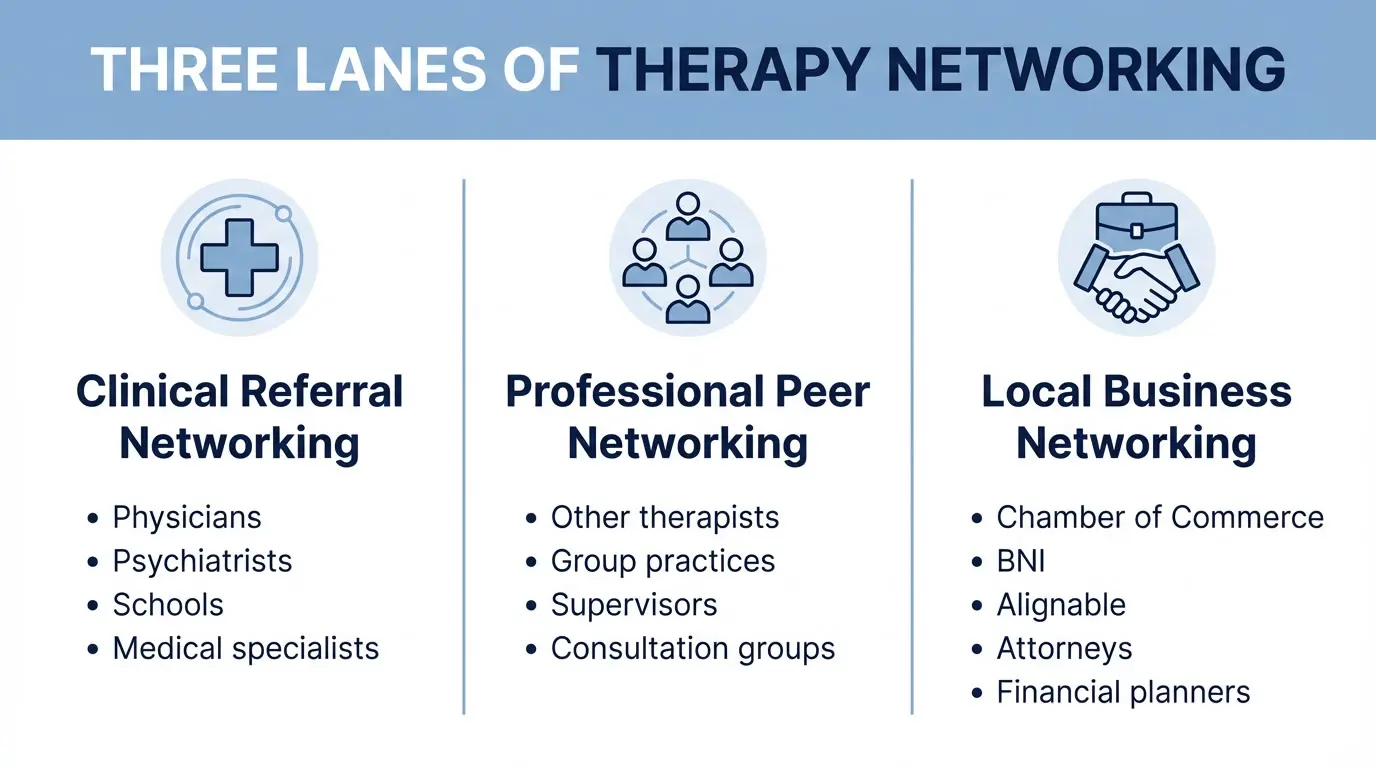
This section examines practical networking techniques that therapists can use to expand their professional connections. The goal is to enhance client acquisition. A strong network is vital for building credibility and creating referral opportunities.
Participating in Local Community Events
Engaging in community events is a great way to connect with potential clients and fellow professionals. Therapists can attend health fairs, workshops, and local seminars to demonstrate their expertise. By actively participating, therapists not only enhance their visibility — they also establish themselves as trusted community resources.
- Offer free workshops or seminars on mental health topics.
- Set up informational booths at community health fairs.
- Collaborate with schools or local organizations to provide educational sessions.
Joining Professional Organizations and Associations
Membership in professional organizations can greatly expand a therapist’s network. These groups provide valuable resources, training, and networking opportunities essential for professional growth. For example, the American Psychological Association (APA) and the National Association of Social Workers (NASW) have directories that can yield referrals.
According to a 2024 survey, 73% of therapists found that joining professional associations helped them gain new clients through networking opportunities.
Collaborating with Other Health Professionals
Building relationships with other health professionals can facilitate mutual referrals. Therapists should strive to connect with primary care physicians, psychiatrists, and holistic practitioners. These collaborations can create a holistic care network, strengthening the therapist’s reputation and expanding their client base.
- Attend interdisciplinary team meetings to discuss client care.
- Share resources and referrals with allied health professionals.
- Consider co-hosting events or workshops with other practitioners.
Utilizing Referral Programs and Incentives
Implementing a referral program can motivate existing clients and professional contacts to refer new clients. Therapists can offer discounts or complimentary sessions for successful referrals. This rewards current clients and encourages them to actively promote the therapist’s services.
Data from 2025 shows that referral programs can boost client acquisition rates by up to 30%. This illustrates their effectiveness in growing a practice.
Nuance and Expert Insights
Many therapists underestimate the impact of informal networking. While formal events and memberships are useful, casual interactions often bring about significant opportunities. Engaging in conversations at social gatherings or community events can lead to organic referrals that formal networking might not always provide. Additionally, therapists should avoid over-relying on a single networking strategy — diversifying approaches can lessen risks and improve visibility across various platforms.
Practical Application
To leverage these networking strategies effectively, therapists should:
- Identify and engage in at least one local community event each month.
- Join a professional organization relevant to their field.
- Network with at least three health professionals each month to explore potential collaborations.
- Create a referral program that incentivizes current clients to refer new clients.
Leveraging Social Media for Client Attraction
Social media is a crucial tool for therapists aiming to grow their client base. By effectively using these platforms, therapists can connect with potential clients, build credibility, and share valuable insights into mental health.

Choosing the Right Platforms for Your Target Audience
Choosing the right social media platforms is critical for maximizing outreach. Different demographics tend to concentrate on various platforms:
- Facebook: Great for reaching a wide audience, especially adults aged 30-65.
- Instagram: Most effective for connecting with younger clients, particularly those aged 18-30, through visually engaging content.
- LinkedIn: Useful for attracting professionals who seek mental health support, especially in corporate environments.
Research shows that 73% of marketers believe their social media efforts have been “somewhat effective” or “very effective” for their business. Therefore, it’s vital to identify where your target audience congregates — that’s where client acquisition begins.
Creating Valuable Content That Resonates with Potential Clients
Content creation is central to a successful social media strategy. Therapists should focus on making content that speaks to the needs and concerns of their target audience. Consider these types of content:
- Educational Posts: Share insights into common mental health issues and coping strategies.
- Client Testimonials and Success Stories: Highlight positive therapy outcomes while ensuring confidentiality is maintained.
- Live Q&A Sessions: Engage your audience by answering mental health questions in real-time.
A 2024 survey revealed that 60% of consumers are more likely to seek services from brands that provide educational content (this is often overlooked). This underscores the importance of delivering value through your posts.
Engaging with Followers and Responding to Inquiries
Active engagement builds a sense of community and trust. Quick responses to comments and messages show your commitment to potential clients. Here are key strategies for effective engagement:
- Use personal responses instead of generic replies to build rapport.
- Encourage followers to share their experiences or questions in the comments.
- Host regular polls or surveys to gather feedback and understand audience preferences.
Engagement not only boosts visibility but also enhances your reputation as an approachable and knowledgeable therapist.
Running Targeted Ad Campaigns to Reach a Broader Audience
Paid advertising on social media can greatly expand your reach. Platforms like Facebook and Instagram provide targeted ad options that let you focus on specific demographics based on location, age, interests, and behaviors. Key steps for effective ad campaigns include:
- Define your target audience based on your ideal client profile.
- Create compelling ad content that showcases your services and unique approach.
- Regularly monitor and analyze ad performance to optimize your strategy.
By 2025, social media ad spending is projected to hit $200 billion, highlighting the significant potential for client acquisition through targeted ads.
To implement these strategies effectively, therapists should start by evaluating their current social media presence. Identify which platforms your target audience frequents and focus on creating engaging, informative content. Establish a consistent posting schedule and interact with followers regularly. Additionally, consider investing in targeted ads to amplify your reach — ensuring your services are visible to those who need them most.
Client Retention Techniques
This section delves into critical client retention techniques that strengthen therapeutic relationships and assist in acquiring new clients. Retaining existing clients is just as important as attracting new ones — it fosters stability and growth in a therapy practice.
Building Strong Therapeutic Relationships
Establishing strong therapeutic relationships is essential for client retention. A positive therapeutic alliance, marked by trust and empathy, encourages clients to return. Studies indicate that over 70% of clients cite a strong alliance as a significant factor in their decision to continue therapy. Therapists can nurture these relationships by actively listening, validating clients’ experiences, and genuinely caring for their well-being.
Implementing Feedback Mechanisms
Regularly soliciting client feedback is crucial for enhancing services. This can be done through anonymous surveys, one-on-one check-ins, or suggestion boxes. An analysis of therapy practices shows that those who implement feedback mechanisms often see a 30% increase in client satisfaction and retention. Clients appreciate being heard, which leads to greater engagement and loyalty — this is often overlooked.
Offering Additional Resources and Support
Providing supplementary resources can reinforce the therapeutic process and boost retention. These resources may include educational materials, workshops, or access to online support groups. For instance, therapists might share articles or videos related to clients’ treatment goals, creating a continuous learning environment. This approach not only improves therapeutic outcomes but also positions therapists as valuable resources beyond the session.
Creating Loyalty Programs or Incentives
Introducing loyalty programs can motivate returning clients. Consider offering discounts for pre-paid sessions or referral bonuses for those who bring in new clients. Research indicates that practices with loyalty initiatives retain clients at a rate that’s 25% higher than those without. Such programs foster a sense of community and appreciation among clients, encouraging them to stay engaged with their therapy journey.
Nuance / Expert Layer
While client retention strategies are vital, therapists must also recognize that not all clients will stay indefinitely. Factors such as life transitions or personal growth can lead clients to conclude therapy. The misconception that high retention rates indicate superior therapeutic effectiveness can be misleading. Instead, balance between retention and client autonomy should be prioritized. Effective therapists understand — empowering clients to make informed decisions about their therapy journey can lead to positive outcomes, even if it means clients eventually leave therapy.
Practical Application
To put these retention techniques into action, therapists should follow these steps:
- Establish regular feedback opportunities, like quarterly surveys or informal check-ins.
- Create a resource library with relevant materials clients can access between sessions.
- Develop and promote a loyalty program that rewards returning clients and referrals.
- Monitor client satisfaction with consistent follow-up communications.
By concentrating on these strategies, therapists can enhance client retention, ultimately supporting their objective of acquiring more clients.
Frequently Asked Questions
What are the best marketing strategies for therapists?
Effective marketing strategies for therapists include building a strong online presence, utilizing social media, and engaging in community outreach. Additionally, offering workshops or seminars can enhance visibility and attract potential clients.
How can social media help therapists gain clients?
Social media allows therapists to share valuable content, connect with potential clients, and build a professional brand. Regular engagement and targeted advertising can significantly increase visibility and client inquiries.
What role does networking play in attracting clients?
Networking is crucial for therapists as it fosters relationships with other professionals who can provide referrals. Attending industry events and joining professional organizations can enhance visibility and credibility.
How much should therapists spend on marketing?
Therapists typically allocate 5-10% of their annual revenue to marketing efforts. This budget can vary based on practice size and marketing goals, but consistent investment is essential for growth.
How long does it take to build a client base as a therapist?
Building a client base can take several months to a few years, depending on various factors such as marketing efforts and community engagement. Consistent outreach and quality service can accelerate this process.
What are common mistakes therapists make in marketing?
Common mistakes include neglecting online presence, failing to define a target audience, and underestimating the importance of follow-up. Additionally, inconsistent messaging can confuse potential clients.
What are effective ways to improve client retention?
Improving client retention can be achieved through regular follow-ups, personalized communication, and providing a supportive environment. Additionally, soliciting feedback and adapting services based on client needs can enhance loyalty.
How can therapists use their website to attract clients?
Therapists can attract clients through their website by providing informative content, showcasing services, and optimizing for search engines. A user-friendly design and clear contact information also enhance client engagement.
Final Thoughts on how to get more clients as a therapist
Successful client acquisition for therapists hinges on a multifaceted approach that integrates a robust online presence, strategic networking, and effective use of social media. By aligning marketing efforts with the unique needs of their target audience, therapists can significantly enhance their visibility and credibility in a competitive market.
To take immediate action, therapists should develop a comprehensive social media strategy that not only showcases their expertise but also engages potential clients through valuable content, fostering connections that lead to client relationships.
Ready to take your practice to the next level? Connect with a google ads expert to attract more clients and enhance your online presence today!
In an era where mental health support is in high demand, mastering client attraction strategies is essential for therapists aiming to make a meaningful impact in their communities.