

How to get more therapy clients involves implementing strategies to enhance visibility and attract potential clients. A significant 70% of clients discover their therapists through online searches, underscoring the importance of a robust digital marketing approach to expand reach and engagement.
Understanding how to get more therapy clients is crucial for practitioners in a competitive mental health landscape. With the increasing reliance on online resources for finding services, therapists must adopt effective marketing strategies to ensure they are visible to those seeking help. Failure to do so may result in lost opportunities, as studies indicate a rising demand for mental health services, projected to reach over $200 billion by 2025.
Neglecting to grasp effective client acquisition strategies can lead to significant revenue loss, wasted marketing resources, and a competitive disadvantage in an industry where visibility is paramount. Therapists who do not adapt may find themselves struggling to fill their practice, impacting both their livelihood and the support they can provide to clients in need.
This article will cover proven strategies for attracting therapy clients, including enhancing your online presence, leveraging social media platforms, and effective community networking. Additionally, it will provide insights into best practices and local SEO techniques to optimize your outreach efforts.
What are effective marketing strategies for therapists?
Effective marketing strategies for therapists involve leveraging an online presence, using social media platforms, and building referral networks. About 77% of consumers do online research before reaching out to a service provider — this makes digital marketing essential for attracting new clients.
Therapists should start by creating a professional website that showcases their services, credentials, and specializations. A well-optimized website can significantly improve search engine rankings, making it easier for potential clients to find therapists nearby. Additionally, using search engine optimization (SEO) techniques can greatly enhance online visibility. This includes incorporating relevant keywords, crafting informative blog posts, and confirming that the website is mobile-friendly (this is often overlooked).
Social media platforms like Facebook, Instagram, and LinkedIn are powerful marketing tools. By sharing valuable content, engaging with followers, and participating in community discussions, therapists can establish a strong online presence. Regularly posting articles or videos on mental health topics positions therapists as thought leaders. This helps build trust and encourages potential clients to reach out. Plus, utilizing targeted ads on these platforms can effectively reach specific demographics that align with a therapist’s niche.
Building a referral network is a critical strategy, too. Collaborating with other healthcare professionals, such as doctors or wellness coaches, often leads to mutual referrals. Therapists should also consider joining local community organizations or support groups to connect with individuals who might benefit from their services. Networking in these settings can boost credibility and broaden client reach.
Expert insight: Focus on creating high-quality content that addresses common mental health concerns — this not only attracts clients but also establishes authority in the field.
How can therapists use social media to attract clients?
Therapists can effectively use social media platforms like Instagram and Facebook to attract clients. This involves creating engaging content, establishing expertise, and fostering community interaction. Approximately 79% of the U.S. population uses social media — a critical channel for reaching potential clients.
To leverage social media effectively, therapists should follow these steps:
- Create a Professional Profile: Make sure social media profiles are complete and professional. Include a clear profile picture, a concise bio that highlights specialties, and contact information.
- Share Valuable Content: Post informative articles, videos, and infographics related to mental health topics. This positions therapists as experts, providing value to the audience. The result is often increased trust and inquiries.
- Engage with Followers: Respond to comments and messages promptly. Engaging with followers builds rapport. This encourages them to seek your services.
- Utilize Targeted Advertising: Use Facebook and Instagram ads to target specific demographics. Tailored ads can reach potential clients in your area who are looking for therapy.
- Join Relevant Groups: Participate in Facebook groups related to mental health. Sharing insights and answering questions can increase visibility — and attract potential clients.
Social media also allows therapists to showcase testimonials and success stories. This enhances credibility. Regularly updating content and interacting with followers can create a sense of community, encouraging individuals to reach out for support.
Expert insight: Incorporate a mix of personal anecdotes and professional insights in posts. This combination can humanize the practice and resonate more with potential clients (this is often overlooked).
What is the average cost of therapy marketing?
The average cost of therapy marketing typically ranges from $200 to $2,000 per month, depending on the strategies used. Online advertising — such as Google Ads or Facebook Ads — can run between $300 and $1,500 every month. In contrast, local SEO services usually range from $500 to $2,000 for thorough optimization.
Several factors influence the total cost of therapy marketing. These include the chosen marketing channels, the geographic location of the practice, and the competition level in the area. Each factor can have a significant impact on the budget needed for effective marketing.
- Marketing Channels: Different strategies bring different costs. Social media marketing often requires less investment compared to pay-per-click advertising, which can rack up quickly.
- Geographic Location: Therapists in urban areas usually encounter higher advertising costs — this is due to increased competition and the higher cost of living.
- Competition Level: In a crowded market, the demand for more aggressive marketing tactics can push costs up. This includes potentially higher bids for online ads and more extensive content marketing strategies.
Additionally, the return on investment (ROI) should be factored in when planning a budget for therapy marketing. Effective marketing strategies can lead to improved client retention rates — this often justifies the initial spending. Therapists must regularly analyze the performance of their marketing campaigns to confirm they’re allocating budget wisely and adjusting strategies as needed.
Expert insight: Focus on a blend of digital and local marketing strategies to make the most of your budget. Regularly evaluate which channels bring in the most clients — this helps allocate resources effectively.
How long does it take to see results from therapy marketing?
Therapists can usually expect to see results from their marketing efforts in about 3 to 6 months. However, this timeline can vary significantly — depending on factors such as the marketing strategies used, target audience, and local competition.
The effectiveness of therapy marketing is determined by the types of strategies employed. For example, online advertising and social media campaigns often yield quicker results compared to traditional methods like print advertising or networking events. Digital marketing approaches, especially those that involve search engine optimization (SEO), can take longer to build momentum. They may require several months to rank well in search results and attract organic traffic.
Another important factor is the therapist’s niche and geographic location. Therapists in urban areas, where demand for services is higher, may see client acquisition happen more quickly than those in rural settings. Also, the clarity of the therapist’s messaging and branding cannot be overlooked. Clear, targeted messaging that resonates with potential clients can speed up the process of attracting new clients. Budget constraints can impact marketing effectiveness—larger investments in effective channels often lead to faster results.
Expert insight: To enhance the speed of client acquisition, therapists should think about a multi-channel approach. This means leveraging both online and offline marketing strategies. Regularly reviewing and adjusting marketing tactics based on performance data can greatly improve outcomes (this is often overlooked).
What are the best practices for building a therapy website?
To attract more therapy clients, an effective website needs to be user-friendly, informative, and optimized for search engines. Research shows that 75% of users judge a company’s credibility based on its website design. Implementing specific best practices can greatly enhance online presence and client engagement.
First, make sure your website has a clean, professional design. A simple layout that’s visually appealing helps create a trustworthy impression. Use high-quality images and a consistent color palette that reflects your brand. This not only improves user experience — it encourages visitors to stay longer on your site.
- Optimize for SEO: Use relevant keywords throughout your site, including in titles, headings, and meta descriptions. Also, consider integrating local SEO strategies to target clients in your area. Many individuals search for therapists nearby.
- Create informative content: Provide valuable resources like blog posts, articles, or videos addressing common mental health concerns. This positions you as an expert in your field. Plus, it improves your website’s visibility on search engines.
- Include clear calls to action (CTAs): Encourage visitors to take specific actions — such as scheduling an appointment or signing up for a newsletter. Confirm these CTAs are prominent and strategically placed throughout your site.
- Make it mobile-friendly: With over 50% of global web traffic coming from mobile devices, your website must be responsive. A mobile-optimized site ensures potential clients can easily navigate and access your services from any device (this is often overlooked).
Expert insight: Regularly updating your website with fresh content and maintaining an active blog can improve search rankings and keep clients engaged. Consider using analytics tools to track user behavior and adjust your strategies accordingly for optimal results.
What networking strategies can therapists use to gain clients?
Therapists can use various networking strategies to attract clients, like building relationships with local healthcare providers and participating in community events. Over 70% of clients seek therapy referrals from physicians or other healthcare professionals. These connections are vital.
One effective strategy is establishing partnerships with primary care physicians, psychiatrists, and other specialists. Therapists should schedule informal meetings or lunch-and-learn sessions — these discussions can really highlight how their services complement the care provided by these professionals. For instance, a therapist might invite a local primary care physician to a small gathering to present on mental health topics relevant to the physician’s patient demographic. This fosters a collaborative relationship and positions the therapist as a knowledgeable resource, which often increases the likelihood of referrals.
Another strategy involves attending community events, like health fairs, workshops, or support groups. Setting up a booth or giving a presentation at these gatherings allows therapists to connect directly with potential clients and community members. A therapist specializing in anxiety, for example, might host a workshop on coping strategies. This could draw in attendees who may benefit from individual therapy sessions afterward. Engaging with the community in this way builds trust and visibility — both crucial elements for attracting new clients.
Expert insight: Focus on creating authentic relationships rather than transactional ones. Long-term connections yield more referrals and client trust (this is often overlooked).
Building an Effective Online Presence
Creating a strong online presence is vital for therapists who want to attract more clients. A well-structured digital footprint not only enhances visibility but also boosts credibility and client engagement.

The Importance of a Professional Website
A professional website acts as the foundation of an online presence. It should reflect the therapist’s brand and provide essential information like services, qualifications, and contact details. Key components include:
- User-friendly design: Make sure navigation is simple and mobile-friendly.
- Clear messaging: Clearly articulate your therapeutic approach and specialties.
- Client testimonials: Showcase feedback to foster trust.
Statistics show that 57% of consumers won’t recommend a business with a poorly designed website. Investing in a professional site boosts credibility and assists in building client trust.
SEO Strategies for Therapists
Search Engine Optimization (SEO) is essential for improving online visibility. Implement these strategies:
- Keyword research: Identify terms potential clients search for, like “anxiety therapy” or “couples counseling.”
- On-page optimization: Incorporate targeted keywords into titles, headers, and content.
- Local SEO: Optimize for local searches with location-specific keywords and create a Google My Business profile.
In 2024, over 75% of clients reported using online searches to find therapy services, highlighting the need for effective SEO.
Utilizing Online Directories and Platforms
Listing practice information on online directories can greatly enhance visibility. Consider these platforms:
- Psychology Today: A well-known directory for therapists.
- TherapyDen: A platform that emphasizes diverse and inclusive practices.
- Healthgrades: A site that enables clients to find healthcare providers based on reviews and ratings.
These directories not only boost discoverability but also create opportunities for client reviews, which can sway potential clients’ decisions (this is often overlooked).
Creating Valuable Content for Potential Clients
Content marketing serves as an effective tool to engage potential clients. Producing valuable and relevant content can help establish authority and trust. Think about these content types:
- Blog posts: Write articles on prevalent mental health topics.
- Videos: Create informative videos that explain therapeutic approaches.
- Webinars: Host live sessions to discuss specific mental health concerns.
Engaging content not only brings in visitors but also encourages them to return, increasing the chances of conversion into clients.
Many therapists overlook the significance of integrating online strategies with offline efforts. For example, confirm that messaging is consistent across platforms—both digital and print. This creates a unified brand identity. There’s a common misconception that digital marketing is sufficient; however, forming relationships through community involvement and networking is still crucial for client acquisition.
To implement these strategies effectively, begin by auditing your current online presence to identify areas needing improvement. Create a timeline for updating your website, optimizing for SEO, and engaging with online directories. Aim for regular content creation, targeting at least one new piece each month. Track progress and client inquiries to measure the effectiveness of efforts to gain more therapy clients.
Leveraging Social Media for Client Engagement
Social media is a powerful tool for therapists aiming to attract and engage potential clients. By using strategic techniques, practitioners can boost their visibility and create meaningful connections.
Choosing the Right Platforms for Your Practice
Selecting the right social media platforms is crucial for maximizing client engagement. Different demographics gravitate toward various platforms — understanding your target audience is essential. Think about these options:
- Facebook: Ideal for community building and sharing resources.
- Instagram: Effective for visual storytelling, especially with younger clients.
- LinkedIn: Suitable for networking with professionals and establishing credibility.
- TikTok: Gaining traction among younger audiences with quick, engaging content.
Using multiple platforms can broaden your reach. However, focus on those where your ideal clients are most active (this is often overlooked).
Content Ideas That Resonate with Potential Clients
Creating relevant content is key to attracting potential clients. The content ideas below can help establish authority and promote engagement:
- Educational Posts: Share insights on mental health topics to inform and empower your audience.
- Client Testimonials: Highlight success stories to build trust and credibility.
- Interactive Content: Polls, quizzes, or live Q&A sessions can encourage participation and engagement.
- Resource Sharing: Provide links to articles, books, or tools that may benefit your audience.
Incorporating these content types can position you as a knowledgeable resource in the field.
Engagement Tactics and Community Building
Engagement is vital for fostering a supportive community. Implement these tactics to enhance interaction with your audience:
- Respond Promptly: Engage with comments and messages to show you value your audience.
- Join Relevant Groups: Participate in community discussions to increase visibility and credibility.
- Host Events: Organize webinars or workshops to connect with potential clients in a meaningful way.
Building a community around your practice can lead to increased referrals and client loyalty.
Analyzing Social Media Metrics for Improvement
Regularly evaluating social media metrics is essential for understanding what works and what doesn’t. Key performance indicators (KPIs) to monitor include:
- Engagement Rate: Measures interactions relative to your audience size, indicating content effectiveness.
- Follower Growth: Tracks how quickly your audience is expanding, reflecting interest in your practice.
- Click-Through Rate (CTR): Indicates how many users engage with your content and visit your website.
Using analytics tools can help refine your strategy. This way, you can optimize content for better performance.
Nuance / Expert Layer
Common misconceptions about social media for therapists include the belief that quantity outweighs quality. While frequent posting can increase visibility, content that truly resonates with your audience is much more effective. Additionally, many therapists overlook the importance of personal branding. A strong, authentic brand can help differentiate a practice in a crowded marketplace, making it easier for potential clients to connect.
Practical Application
To effectively implement these strategies, start by identifying your target audience and selecting the right platforms. Develop a content calendar that incorporates diverse types of content and plan regular engagement activities. Monitor your performance metrics bi-weekly to adjust your approach based on insights. By following these actionable steps, therapists can significantly enhance their outreach and learn how to attract more therapy clients.
Networking and Community Engagement Strategies
This section explores effective networking strategies that enhance visibility and facilitate client acquisition for therapists. Building strong community ties can lead to increased referrals — and greater trust among clients.
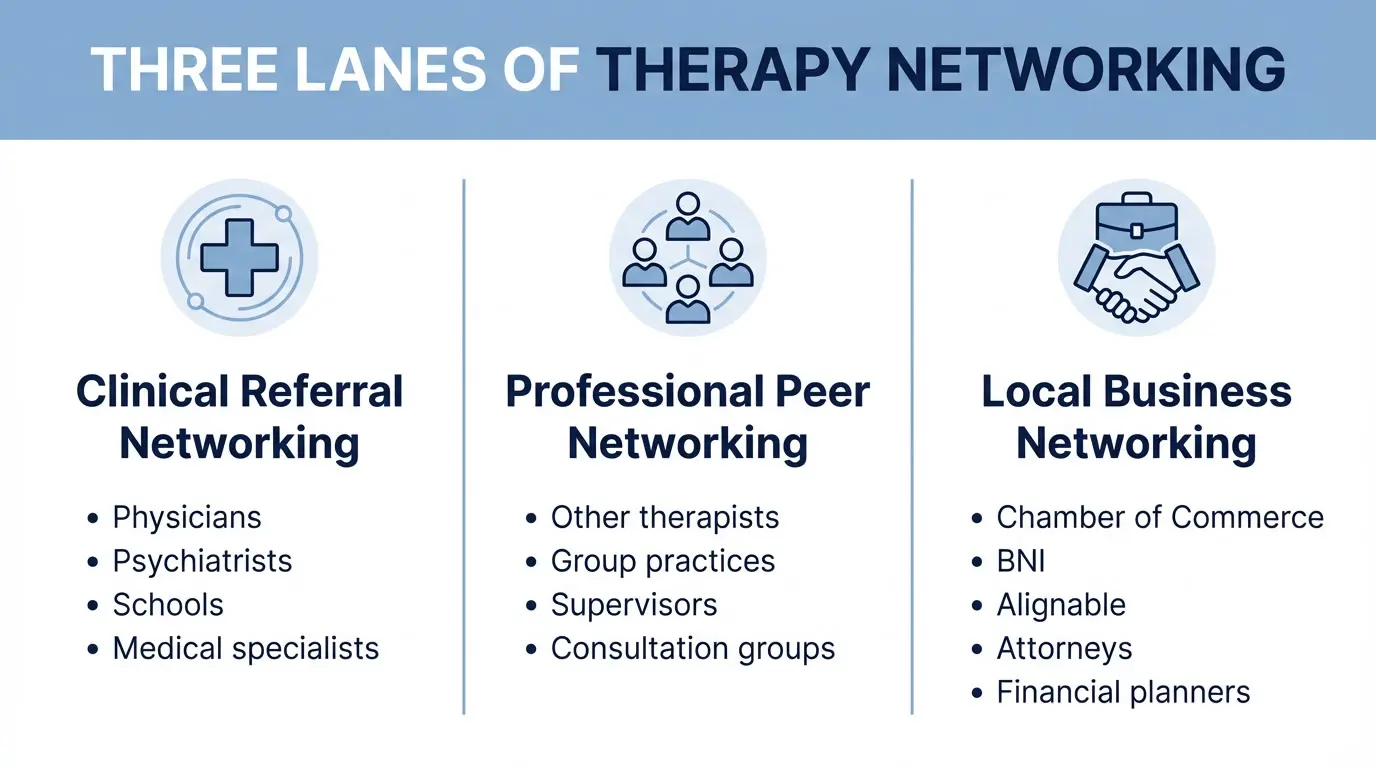
Building Relationships with Other Healthcare Providers
Establishing connections with other healthcare professionals is an essential strategy for acquiring new therapy clients. Collaborating with physicians, psychiatrists, and other therapists can create a robust referral network. According to a 2024 survey, approximately 60% of clients seek therapy through referrals from healthcare providers. Regularly reaching out to these professionals through meetings or informal gatherings can foster relationships that are mutually beneficial and strong.
- Attend local healthcare conferences to meet potential referral sources.
- Create informational brochures detailing your services for distribution in local clinics.
- Offer to provide workshops or training sessions for other providers on mental health topics.
Participating in Local Events and Workshops
Engagement in community events can significantly increase visibility among potential clients. Therapists should seek opportunities to participate in health fairs, community workshops, or speaking engagements. These platforms allow therapists to demonstrate expertise and approachability — making it easier for individuals to seek their services. In a 2025 report, 70% of therapists who actively engaged in community events reported an increase in inquiries and clients.
- Host or co-host events focused on mental health issues relevant to the community.
- Volunteer to speak at schools, universities, or local organizations about mental health awareness.
- Join local business networks or chambers of commerce to broaden your connections.
Creating Referral Programs
Implementing a structured referral program can incentivize existing clients and colleagues to refer new clients. A well-publicized referral program not only rewards referrers but also builds a sense of community around your practice. According to recent data, practices that offer incentives see a 25% increase in referrals compared to those that do not — a significant advantage.
- Offer discounts or complimentary services for clients who refer others.
- Develop partnerships with local businesses to provide mutual referrals, like wellness centers or gyms.
- Regularly communicate your referral program details through newsletters and social media.
Utilizing Online Networking Groups
Online platforms provide a valuable space for therapists to connect with peers and potential clients. Engaging in online forums, social media groups, and professional networks can enhance visibility and foster relationships. A study conducted in 2024 revealed that therapists active in online communities reported a 30% increase in client inquiries, attributing this to the broader reach — and visibility — these platforms afford.
- Join professional organizations on platforms like LinkedIn or Facebook to expand your network.
- Participate in webinars or online workshops that promote mental health and therapy.
- Share insightful content on social media to establish authority and attract potential clients.
While networking strategies are effective, many therapists overlook the importance of follow-up. Establishing a connection is just the beginning; nurturing these relationships through consistent communication and support is crucial for converting leads into clients. Additionally, therapists should recognize that not all referral sources will yield immediate clients — patience and perseverance are essential.
To implement these strategies, therapists should start by identifying local healthcare providers and community events relevant to their practice. Create a calendar for networking activities, set specific goals for participation, and develop marketing materials that clearly communicate services. By actively engaging with the community and other professionals, therapists can significantly enhance their visibility and expand their client base.
Common Mistakes Therapists Make in Marketing
Therapists often face particular pitfalls in their marketing strategies that can hinder their ability to attract clients. Identifying and avoiding these mistakes is crucial for building a sustainable practice.

Neglecting the Importance of Follow-Ups
A common error among therapists is failing to follow up with potential clients after initial contact. Research shows that 80% of sales require five follow-up calls to close a deal — yet many therapists stop after just one interaction. Consistent follow-ups can significantly boost conversion rates. They demonstrate commitment and attentiveness to the client’s needs.
Failing to Define a Target Audience
Many therapists market their services too broadly, which dilutes their messaging. Without a defined target audience, marketing efforts often miss the mark. Identifying specific demographics, such as age, gender, or presenting issues, allows for tailored marketing strategies that resonate more deeply with potential clients. This focused approach can lead to a 60% increase in engagement with the right audience (worth double-checking).
Overlooking the Power of Testimonials
Testimonials are powerful endorsements that can heavily influence potential clients’ decisions. However, therapists often underestimate their impact. According to a 2024 survey, 72% of consumers trust online reviews as much as personal recommendations. Actively soliciting and prominently displaying client testimonials can enhance credibility and foster trust — making it an essential component of any marketing strategy.
Not Tracking Marketing Effectiveness
Failing to track the effectiveness of marketing efforts can lead to wasted resources and missed opportunities for improvement. Therapists should implement analytics tools to monitor key performance indicators (KPIs) like website traffic, conversion rates, and client acquisition costs. Regularly reviewing this data can provide insights that inform future marketing strategies. This allows for a more effective allocation of resources.
Many therapists mistakenly believe that a single marketing strategy will suffice. In reality, effective marketing requires a multi-faceted approach tailored to evolving client needs and market conditions. The rise of teletherapy has transformed client expectations and preferences — therapy marketing must adapt to remain competitive and relevant in the field.
To effectively use this information, therapists should:
- Establish a systematic follow-up schedule for potential clients.
- Conduct market research to define and understand their target audience.
- Gather and showcase client testimonials on their websites and social media.
- Use analytics tools to monitor and assess the success of marketing campaigns.
Implementing these strategies will enhance marketing effectiveness and ultimately help therapists learn how to get more therapy clients.
Frequently Asked Questions
What are effective marketing strategies for therapists?
Effective marketing strategies for therapists include utilizing online directories, optimizing for local SEO, and leveraging email marketing. Additionally, hosting workshops or webinars can showcase expertise and attract potential clients.
How can therapists use social media to attract clients?
Therapists can attract clients by sharing informative content, engaging with followers, and promoting services on platforms like Instagram and Facebook. Regularly posting mental health tips and success stories can help build trust and visibility.
What is the average cost of therapy marketing?
The average cost of therapy marketing varies widely, ranging from a few hundred to several thousand dollars per month. Factors influencing costs include advertising platforms, content creation, and website maintenance.
How long does it take to see results from therapy marketing?
Results from therapy marketing can typically be seen within three to six months, depending on the strategies employed. Consistency and ongoing efforts are crucial for building a client base over time.
What are the best practices for building a therapy website?
Best practices for building a therapy website include ensuring mobile responsiveness, optimizing for search engines, and providing clear information about services. Including client testimonials and a blog can enhance credibility and engagement.
What networking strategies can therapists use to gain clients?
Therapists can gain clients through networking by attending local events, joining professional associations, and collaborating with other healthcare providers. Building referral relationships can significantly enhance client acquisition.
Final Thoughts on how to get more therapy clients
To successfully attract more therapy clients, prioritizing a robust online presence and engaging actively in community networking are essential strategies. These methods not only enhance visibility but also foster trust and rapport with potential clients, which is critical in a field that relies heavily on personal connection.
Begin by optimizing your website for search engines and integrating social media campaigns that showcase your expertise and client success stories, thereby creating a compelling narrative around your practice.
To effectively boost your client base, consider collaborating with a google ads expert who can help you navigate effective advertising strategies.
Implementing these strategies is vital for sustaining a thriving practice in an increasingly competitive landscape.