
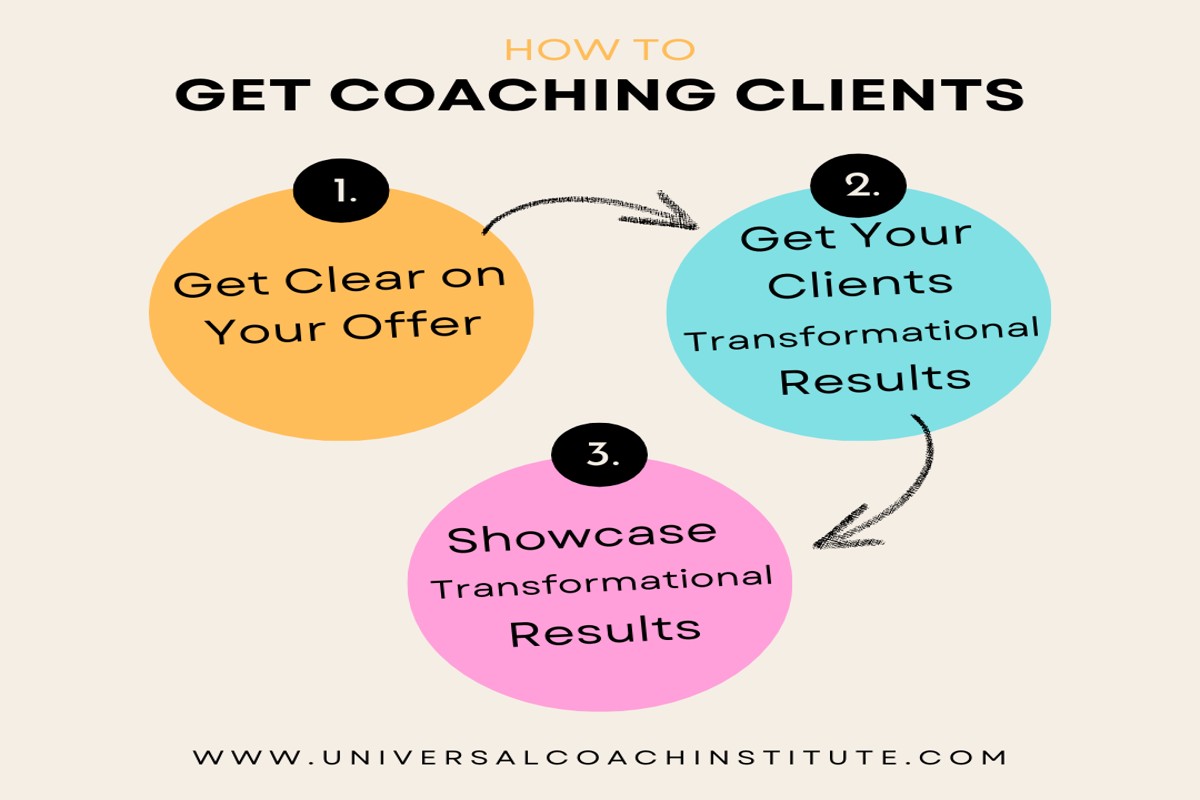
How to get coaching clients refers to the strategies and methods utilized by coaches to attract and secure clients. A strong online presence and effective use of social media are essential, as 70% of coaches acquire clients through referrals. Engaging with potential clients through valuable content significantly enhances client attraction.
Understanding how to get coaching clients is crucial for anyone in the coaching industry. With the coaching market projected to reach $20 billion globally by 2026, mastering client acquisition strategies is essential to stand out in a competitive landscape. Coaches who fail to implement effective marketing tactics risk losing potential clients and revenue.
Not grasping these strategies can lead to missed revenue opportunities and wasted marketing resources, ultimately placing coaches at a competitive disadvantage. The inability to attract clients can stall business growth, making it imperative to adopt proven methods for client acquisition.
This article will explore essential strategies for acquiring coaching clients, including effective online presence building, social media leverage, networking techniques, and the importance of content engagement. Readers will gain insights into best practices that drive success in the coaching industry.
What are the best ways to attract coaching clients?
Attracting coaching clients demands a strategic mix of marketing and networking techniques. Research shows that 70% of coaches depend on referrals and word-of-mouth to expand their client base — this underscores the need for strong relationship building.
To effectively draw in coaching clients, consider these best practices:
- Leverage Social Media: Use platforms like LinkedIn, Instagram, and Facebook to display your expertise. Share client testimonials and success stories. Quality content that resonates with your target audience works wonders. Regular engagement boosts your visibility and builds trust.
- Create a Compelling Website: Your website must clearly convey your coaching services, including what sets you apart. It should feature an easy-to-navigate design, informative blog posts, and a clear call-to-action—like a free consultation or newsletter signup.
- Network Strategically: Attend industry events, workshops, and seminars to interact with potential clients and other professionals. Connecting in person can lead to referrals and opportunities that might not arise online (this is often overlooked).
- Offer Free Workshops or Webinars: Hosting free sessions lets you showcase your coaching style and expertise. This method gives potential clients a taste of what you offer, increasing the likelihood they’ll book a paid session.
- Implement Email Marketing: Build an email list to nurture leads over time. Share informative content, special offers, and updates about your coaching practice. Personalizing your emails can significantly boost engagement rates.
Expert insight: Focus on creating a strong personal brand that reflects your coaching philosophy. Authenticity and consistency in messaging can greatly enhance your ability to attract and retain clients.
How can I find my first coaching client?
To find your first coaching client, tap into your existing network, use social media, and apply targeted outreach strategies. Research shows that about 70% of coaching clients stem from referrals or personal connections.
Start by pinpointing your target audience. Know the demographics and psychographics of the people who would benefit from your coaching services. This helps guide your outreach efforts. Connect with the right individuals — that’s crucial.
- Leverage Your Network: Reach out to friends, family, and professional contacts. Don’t hesitate to share your coaching services and ask for referrals.
- Utilize Social Media: Build a presence on platforms like LinkedIn, Instagram, or Facebook. Post valuable content that speaks to the pain points of your target audience.
- Join Relevant Groups: Engage in online forums or local meetups related to your coaching niche. This is often overlooked. Participate in discussions and offer insights to establish your credibility.
- Offer Free Sessions: Think about providing complimentary coaching sessions to showcase your expertise. This can convert interested individuals into paying clients.
- Network with Other Coaches: Collaborate with established coaches. They might have excess clients or be willing to refer clients who need specific services.
These strategies can help create a solid foundation for attracting your first client — and for building your coaching practice. Focus on nurturing relationships instead of just selling services.
Expert insight: Regularly assess your outreach methods and adapt based on feedback and results. Consistent engagement and timely follow-up are key to turning leads into clients.
What platforms are best for finding coaching clients?
Several platforms can effectively help coaches find clients, including social media, coaching directories, and networking events. Each platform has its advantages and targets different audiences, so it’s essential to pick the right mix based on specific coaching niches.
Social media platforms, like Facebook, Instagram, and LinkedIn, are crucial for coaches seeking clients. With over 4.9 billion social media users globally as of 2024, these platforms offer extensive reach and engagement options. Coaches can share valuable content and engage with potential clients — plus, they can build a personal brand. Competition can be fierce, though, requiring consistent effort and strategic marketing to really stand out.
Coaching directories, such as Noomii and Coach.me, focus on connecting coaches with clients actively looking for coaching services. These platforms often allow coaches to create detailed profiles that showcase their expertise, testimonials, and areas of focus. Unlike social media, coaching directories specifically target users interested in coaching (this is often overlooked), which boosts the likelihood of conversion. However, gaining visibility on these platforms may require paid listings or premium memberships.
Networking events, both in-person and virtual, offer excellent opportunities for coaches to meet potential clients directly. Events like workshops, conferences, and local meetups enable personal interaction, which helps establish trust and rapport. Unlike online platforms, networking events facilitate immediate connections — referrals often follow quickly. Still, they usually demand more time investment and might not always deliver instant results.
- Social Media: Broad reach, high engagement, but intense competition.
- Coaching Directories: Targeted audience, higher conversion potential, but may involve costs.
- Networking Events: Personal connections, immediate trust-building, but variable results.
Expert insight: Diversifying platforms is crucial. Combining a social media presence with participation in coaching directories and networking events maximizes outreach and client acquisition opportunities.
How much should I charge coaching clients?
The typical hourly rate for coaching clients varies — generally, it falls between $100 to $300. New coaches might start at the lower end. In contrast, experienced professionals can charge significantly more. In fact, in some specialized niches, rates can even exceed $500 per hour.
Several factors influence the pricing of coaching services. Recognizing these elements is essential for determining a sustainable rate that accurately reflects value and market demand:
- Experience Level: New coaches usually charge less as they build their client base and develop credibility. Established coaches — with proven results — can command higher fees.
- Specialization: Coaches who focus on specific niches (e.g., executive coaching, life coaching, or health coaching) often charge more. This is due to the specialized knowledge and skills required (worth double-checking).
- Geographic Location: Rates can vary significantly based on location. Coaches in urban areas or regions with a higher cost of living tend to charge more than those in rural settings.
- Session Format: Pricing can differ depending on whether sessions are one-on-one, group-based, or conducted online. Generally, group coaching sessions come with lower per-person rates.
- Client Demographics: Understanding the financial capacity of target clients is critical. Corporate clients often have larger budgets when compared to individual clients seeking personal development.
Expert insight: Regular market research is vital to stay competitive. Consider offering tiered pricing or package deals to attract a broader range of clients while still maintaining perceived value.
How long does it take to get coaching clients?
On average, coaches can expect to acquire their first clients within 1 to 6 months of launching their practice. However, this timeline can vary significantly based on several factors.
One of the main factors influencing this timeline is the marketing strategy a coach adopts. Coaches who effectively use online platforms—like social media and content marketing—often attract clients more quickly than those relying solely on word-of-mouth referrals. A strong online presence can lead to faster client acquisition, potentially within the first month. Additionally, networking and building relationships within relevant communities can speed things up, especially if the coach has existing connections in their target market.
Another key element is the clarity and specificity of the coach’s niche. Coaches who define their target audience and tailor their services to meet specific needs tend to draw clients faster. For instance, a coach specializing in executive leadership may find clients more quickly than a general life coach—this is because the former addresses a defined market. Furthermore, a coach’s pricing strategy can also impact the speed of client acquisition. Competitive pricing can attract clients initially, while premium pricing may require more time to establish credibility and trust.
Expert insight: To enhance client acquisition speed, focus on building a robust personal brand. Actively engaging with potential clients—both online and offline—can make a difference. Establishing authority in your niche is crucial and can significantly reduce the time it takes to gain traction in the coaching industry.
What mistakes should I avoid when seeking coaching clients?
When seeking coaching clients, avoid common pitfalls that can hinder success. Many coaches fail to clearly define their target audience. They often neglect to build a strong online presence or underestimate the importance of networking. Research shows that 57% of coaching clients prefer professionals with a solid online reputation.
One critical mistake is not identifying a specific niche. Coaches frequently try to appeal to a broad audience, which dilutes their message. Instead, define your target demographic. Tailor your services to meet their specific needs. This approach enhances marketing efforts — and improves client engagement and retention.
- Neglecting online visibility: A robust online presence is essential. Use social media, a professional website, and content marketing to showcase expertise. Regularly update your platforms to engage potential clients — it’s important.
- Failing to network: Building relationships is vital. Attend industry events, participate in workshops, and join relevant online groups. Networking expands your reach and can lead to referrals (this is often overlooked).
- Overlooking client testimonials: Social proof carries weight. Collect and display client testimonials prominently to build trust with prospective clients. Consider using video testimonials for even greater impact — they resonate well.
- Inconsistent follow-up: Prospective clients may need time to decide. Implement a follow-up system to maintain communication. Offer additional value through resources or insights — this can help keep you top of mind.
Expert insight: Invest time in understanding your ideal client’s pain points and aspirations. This knowledge informs marketing strategies and enhances your ability to connect authentically with potential clients.
Can I use social media to get coaching clients?
Yes, social media can be a powerful tool for attracting coaching clients. Recent statistics show that over 70% of coaches find clients through platforms like LinkedIn and Instagram. This is significant — and worth considering.
One effective strategy involves crafting valuable content that speaks directly to the target audience. For instance, a life coach might post weekly video tips on Instagram that tackle common issues people encounter, such as time management or stress reduction. By using relevant hashtags and actively engaging with followers through comments and direct messages, the coach builds community and trust. This method not only highlights expertise but also encourages potential clients to reach out for personalized coaching services.
Another strong tactic is hosting live Q&A sessions on platforms like Facebook or Instagram. During these sessions, a business coach could respond to questions about entrepreneurship, sharing insights and actionable advice. These real-time interactions allow potential clients to witness the coach’s knowledge firsthand, establishing a personal connection. Promoting these sessions ahead of time can greatly enhance visibility, drawing in a larger audience — which ultimately boosts client acquisition efforts.
Expert insight: Consistency in posting and engagement is crucial. Make sure to establish a regular schedule for content and interactions. This builds a solid online presence that attracts and retains coaching clients.
Leveraging Social Media for Client Acquisition
This section explores advanced social media strategies that can substantially boost client acquisition for coaching professionals. By effectively using social media platforms, coaches can connect with their target audience — and convert followers into clients.

Creating Engaging Content That Resonates with Your Target Audience
Engagement is crucial for social media success. Coaches must create content that informs and resonates with their audience’s emotions and aspirations. This can include:
- Storytelling: Share personal success stories or client testimonials to foster connection.
- Value-Driven Posts: Offer insights, tips, and resources that relate to your coaching niche.
- Multimedia Content: Use videos, infographics, and live streams to diversify how you engage.
A study by Hootsuite in 2024 found that posts featuring video content achieved a 48% higher engagement rate compared to static images. This statistic highlights the need to incorporate dynamic content into your strategy.
Utilizing Targeted Ads to Reach Potential Clients
Social media platforms provide powerful advertising tools that enable coaches to effectively target specific demographics. Using these tools can boost visibility among potential clients. Key strategies include:
- Defining Your Audience: Use detailed targeting options based on interests, behaviors, and demographics.
- Retargeting Campaigns: Re-engage users who have previously interacted with your content or website.
- Ad Formats: Experiment with various formats such as carousel ads, lead generation forms, and sponsored posts.
Statistics show that advertisers typically see an average return on investment (ROI) of $4.00 for every $1.00 spent on Facebook Ads in 2025 — making it a promising option for client acquisition.
Building a Community Through Groups and Live Sessions
Creating a sense of community encourages loyalty and promotes referrals. Coaches should consider these methods:
- Facebook Groups: Start a niche-focused group where community members can share experiences and seek advice.
- Live Q&A Sessions: Hold regular live sessions to engage directly with followers and address their concerns.
- Collaborative Content: Partner with other coaches or industry experts for joint webinars or discussions.
These initiatives enhance visibility and help position coaches as thought leaders within their niche.
Measuring and Analyzing Social Media Performance
To understand how effective social media efforts are, consistent measurement and analysis is essential. Key performance indicators (KPIs) to track include:
- Engagement Rate: Likes, shares, comments
- Click-Through Rate (CTR): Percentage of users who click on links
- Conversion Rate: Percentage of followers who become clients
Tools like Google Analytics and platform-specific insights can deliver valuable data. Regularly reviewing this data helps coaches refine their strategies based on what works best.
Many resources oversimplify the role of social media in client acquisition, often missing the nuances of audience engagement. It’s not just about posting frequently; understanding your audience’s specific needs and preferences is vital. For example, a common misconception is that all platforms yield the same results. However, each platform attracts different demographics and engagement styles — making tailored strategies necessary for each.
To effectively implement these strategies, coaches should follow these actionable steps:
- Develop a content calendar that features diverse content types and themes.
- Create targeted ad campaigns based on defined audience segments.
- Establish and nurture a community through regular interaction and support.
- Set up analytic tools to measure and adjust your strategies based on performance data.
Networking Strategies for Coaches
This section discusses effective networking techniques that help coaches build relationships, enhance visibility, and secure client referrals. Mastering these strategies is vital for sustainable growth in a competitive coaching landscape.
Attending Industry Events and Workshops
Participating in industry events and workshops is a direct way to connect with potential clients and fellow professionals. These gatherings promote face-to-face interactions, allowing for opportunities to showcase expertise and build rapport. According to a 2024 survey, 68% of coaches reported gaining clients through networking events. This highlights the effectiveness of personal interaction.
Collaborating with Other Coaches or Professionals
Forming collaborations with fellow coaches or professionals in related fields can significantly expand reach and credibility. Consider partnerships for joint workshops or co-hosting webinars. This approach enriches offerings and exposes each party to the other’s networks. A 2025 study found that collaborative efforts can increase client engagement by up to 40%. This significantly enhances chances of referrals.
Using Online Networking Platforms Like LinkedIn
Using online platforms, especially LinkedIn, is crucial in today’s digital age. Coaches can connect with potential clients and industry peers, share valuable content, and establish authority in their niche. Regularly updating profiles with relevant achievements and engaging with posts can foster connections. In 2026, LinkedIn reported that users who actively engage in networking see a 50% boost in connection requests and leads.
Following Up and Maintaining Relationships with Contacts
Networking doesn’t end after the initial meeting. Following up with contacts is essential for nurturing relationships. Send personalized messages, share relevant articles, or invite them to future events. Regular communication keeps you top-of-mind — especially when they or someone they know needs coaching services. Maintaining these connections can lead to a steady flow of referrals and opportunities.
Nuance and Expert Layer
Many coaches underestimate the power of consistent follow-up, often thinking that initial outreach is enough. However, a study by the International Coach Federation in 2025 revealed that maintaining ongoing relationships can yield up to 60% more referrals. Furthermore, some coaches mistakenly focus solely on high-profile events, overlooking smaller, local gatherings that can also offer valuable connections. Building a diverse network across various platforms and settings is crucial for long-term success.
Practical Application
- Identify and register for three relevant industry events in the coming months.
- Reach out to two fellow coaches or professionals to discuss potential collaboration opportunities.
- Optimize your LinkedIn profile and engage with at least five new connections weekly.
- Schedule follow-up communications with previous contacts to strengthen relationships.
Creating a Compelling Coaching Offer
Crafting an attractive coaching package is essential for attracting clients. A well-structured offer not only showcases the unique benefits of your services but also aligns with the specific needs and budgets of potential clients. This alignment is key — and can make a significant difference.
Identifying Your Unique Value Proposition
To stand out in a competitive coaching landscape, it’s important to clearly define your unique value proposition (UVP). This represents the specific benefit that sets your coaching apart. Consider a few crucial factors when developing your UVP:
- Expertise: What qualifications or experiences enhance your coaching approach?
- Specialization: Do you focus on a niche, such as career coaching, wellness, or business strategy?
- Results: What measurable outcomes can clients expect from your coaching?
A compelling UVP can increase client interest. In fact, over 70% of coaching clients report choosing a coach based on their perceived value and expertise. This statistic is noteworthy.
Structuring Packages to Meet Client Needs
Design your coaching packages to cater to different client segments. This approach includes various price points and service levels. A typical structure could include:
- Basic Package: One-on-one sessions with limited access to resources.
- Standard Package: Regular sessions plus access to digital materials and group workshops.
- Premium Package: Personalized coaching, unlimited resources, and ongoing support.
This tiered approach allows clients to select a package that fits their budget while still addressing their specific needs. It’s flexible and effective.
Incorporating Testimonials and Case Studies
Building trust is critical in attracting coaching clients. Incorporate testimonials and case studies into your marketing materials. This provides social proof of your effectiveness. Consider these strategies:
- Video Testimonials: Short clips of satisfied clients discussing their results can be highly persuasive.
- Written Case Studies: Detailed accounts of client transformations showcase your coaching process and outcomes.
- Statistics: Use data to quantify the success of your clients, such as percentage increases in performance or satisfaction.
Research indicates that testimonials can increase conversion rates by up to 34%. This impact is substantial.
Offering Free Introductory Sessions
Free introductory sessions can be a powerful tool for attracting clients. These sessions allow potential clients to experience your coaching style and assess the value you provide. To maximize effectiveness:
- Limit the Offer: Create urgency by offering a limited number of free sessions.
- Focus on Value: Ensure the session provides actionable insights that showcase your expertise.
- Follow Up: After the session, engage with participants to discuss their experiences and potential next steps.
Offering free sessions can significantly enhance your client acquisition strategy. Studies show that approximately 40% of clients who experience a free session will convert to paying clients. This result can be a game changer.
To implement these strategies effectively, begin by defining your UVP and developing tiered coaching packages. Gather testimonials and case studies to enhance credibility. Also, offer free introductory sessions to attract potential clients. These actionable steps will position any coaching practice for success in how to get coaching clients.
The Importance of Building a Personal Brand
Building a personal brand is crucial for coaches looking to attract clients effectively. A strong personal brand enhances visibility, establishes trust, and sets coaches apart in a competitive market.

Defining Your Niche and Target Audience
Identifying a specific niche is fundamental for any coach. This means understanding the unique issues your target audience faces. For example, a life coach may focus on career transitions — while a health coach might specialize in weight loss for busy professionals. According to a 2024 survey, 70% of clients prefer coaches who show expertise in a particular area instead of generalists. That’s worth keeping in mind.
Developing a Consistent Online Presence Across Platforms
A cohesive online presence builds recognition and credibility. Coaches need to maintain consistent branding—logos, color schemes, and messaging—across websites, social media, and professional networks. Platforms like LinkedIn, Instagram, and Facebook are vital tools for visibility. Regularly engaging with followers through posts, stories, and live sessions can significantly increase reach and foster community (this is often overlooked).
Sharing Personal Stories and Experiences to Connect with Clients
Authenticity resonates with potential clients. Sharing personal anecdotes related to coaching experiences can create emotional connections. These stories humanize the coach and demonstrate relatability. For instance, a coach who overcame significant obstacles can inspire others facing similar challenges. Research indicates that personal storytelling can boost client engagement by up to 40% — a substantial increase.
Using Content Marketing to Establish Authority in Your Field
Content marketing serves as an effective strategy for establishing authority. Coaches should create valuable content, such as blog posts, videos, or podcasts, that address common client pain points. This doesn’t just showcase expertise; it also improves search engine optimization (SEO), making it easier for potential clients to find coaching services. In fact, businesses using content marketing see conversion rates increase by 6x compared to those that don’t (definitely significant).
Nuance / Expert Layer
Many coaches underestimate the importance of audience engagement in personal branding. While having a strong online presence is vital, actively engaging with followers can greatly affect brand perception. Responding to comments, conducting Q&A sessions, and soliciting feedback can deepen relationships. Moreover, the misconception that a personal brand should remain static can stifle growth. Adapting the brand to reflect evolving skills and market demands is essential for long-term success.
Practical Application
- Identify your niche by performing market research and defining your ideal client.
- Create or refine your online profiles to reflect a consistent personal brand.
- Share at least one personal story weekly across your platforms to foster connection.
- Develop a content calendar that includes diverse formats to engage your audience regularly.
Frequently Asked Questions
What are the best ways to attract coaching clients?
Attracting coaching clients can be achieved through networking, offering free workshops, and creating valuable content that showcases expertise. Building a strong online presence and leveraging testimonials also enhances credibility.
How can I find my first coaching client?
Finding your first coaching client often involves reaching out to personal contacts, leveraging social media, and offering complimentary sessions to showcase your skills. Engaging in local community events can also help to connect with potential clients.
What platforms are best for finding coaching clients?
Platforms like LinkedIn, Facebook, and Instagram are effective for connecting with potential coaching clients. Additionally, professional networks and coaching directories can provide valuable leads.
How much should I charge coaching clients?
Coaching fees vary widely based on experience, niche, and market demand, typically ranging from $50 to $300 per hour. Researching competitors and understanding your value proposition will help determine appropriate pricing.
How long does it take to get coaching clients?
The timeline for acquiring coaching clients can vary, but many coaches begin to see results within 1 to 3 months of active marketing efforts. Consistency in outreach and engagement is key to building a client base.
What mistakes should I avoid when seeking coaching clients?
Avoid underpricing your services, neglecting to define your niche, and failing to follow up with potential clients. Additionally, not having a clear marketing strategy can hinder client acquisition efforts.
Can I use social media to get coaching clients?
Yes, social media is a powerful tool for attracting coaching clients by showcasing expertise, sharing client success stories, and engaging with your audience. Regularly posting relevant content and interacting with followers can help build a loyal client base.
Final Thoughts on how to get coaching clients
Attracting coaching clients hinges on a strategic blend of visibility, value, and connection. Coaches must differentiate themselves through a compelling offer while actively engaging with potential clients across various platforms. A well-rounded approach that combines social media engagement with targeted networking will yield the best results.
To initiate immediate progress, identify and join a relevant online community or forum where your target clients congregate, and begin sharing insights that demonstrate your expertise and value.
Ready to elevate your coaching business? Consider working with a google ads expert who can help you attract the right clients effectively.
Mastering client acquisition is not merely beneficial; it is essential for sustained success in the coaching industry.