
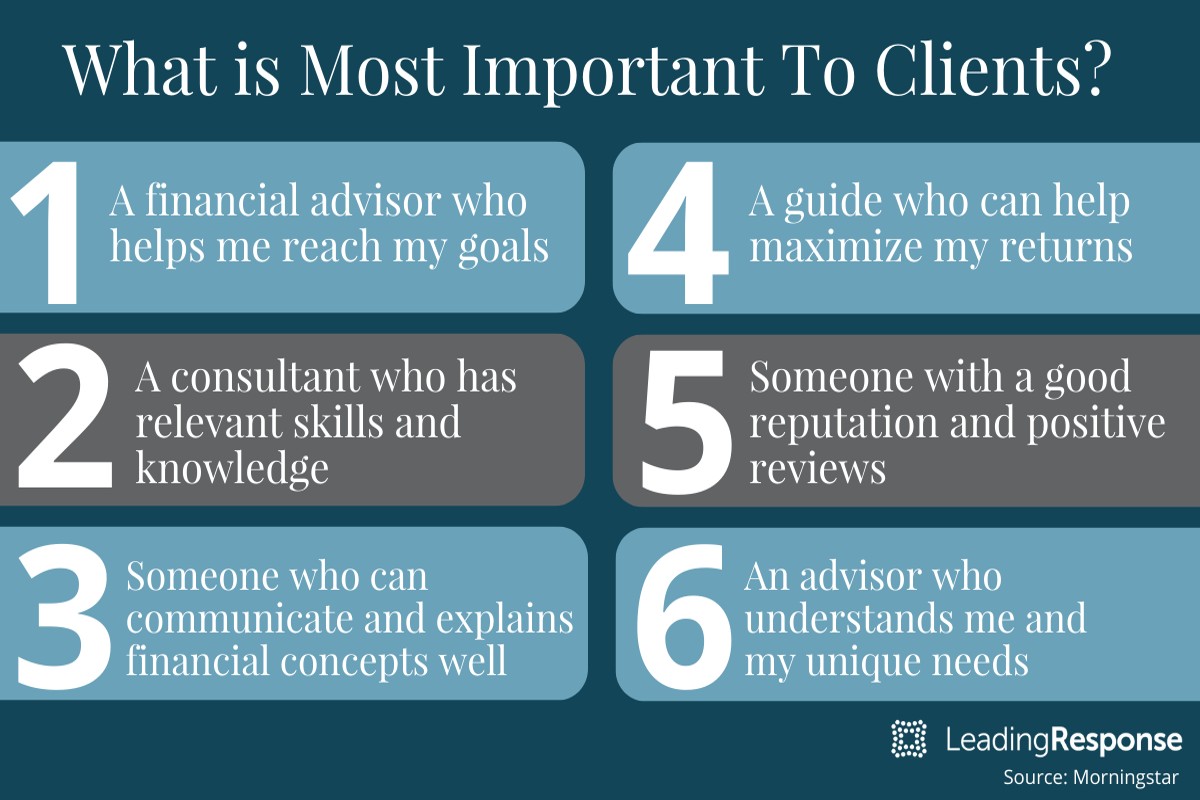
How to get clients as a financial advisor refers to the strategies and methods employed by financial advisors to attract and retain clients. A strong personal brand, effective networking, and digital marketing are essential components, with studies indicating that 80% of new clients originate from referrals.
Understanding how to get clients as a financial advisor is crucial in a competitive financial landscape. Financial advisors must effectively attract clients to ensure business sustainability and growth. With the financial advisory market projected to reach $1 trillion by 2025, failing to implement effective client acquisition strategies can lead to missed opportunities in this lucrative sector.
Neglecting to grasp effective client acquisition methods can result in significant costs for financial advisors, including lost revenue and diminished market presence. Without a robust client base, advisors face increased competition and potential business failure.
This article will cover proven strategies for acquiring clients, including leveraging personal branding, maximizing referral potential, and utilizing digital marketing techniques. Readers will gain insights into best practices and actionable steps to enhance their client acquisition efforts.
What are the best ways to attract clients as a financial advisor?
Attracting clients as a financial advisor takes a mix of effective marketing strategies and robust networking techniques. Research indicates that 70% of clients prefer referrals from trusted sources. This underlines the importance of building relationships.
To effectively attract clients, financial advisors should implement the following strategies:
- Use digital marketing: Create a professional website and make sure it’s optimized for search engines. Invest in content marketing by publishing informative articles and videos that address common financial concerns.
- Leverage social media: Use platforms like LinkedIn and Facebook to share insights, engage with potential clients, and showcase expertise. Regularly posting valuable content helps establish credibility — and attract followers.
- Network strategically: Attend industry conferences, local business events, and community gatherings. Building relationships with other professionals can lead to referrals and partnerships that expand your client base. This is crucial.
- Offer free seminars or webinars: Host educational events to provide valuable information and demonstrate expertise. This can help connect with potential clients and build trust.
- Implement a referral program: Encourage existing clients to refer friends and family by offering incentives or rewards. Personal referrals can significantly enhance credibility (this is often overlooked) and attract new clients.
Each of these strategies plays a critical role in client acquisition. A well-rounded approach that combines a strong digital presence with personal interaction tends to yield the best results. Understanding the specific needs of your target market can also help tailor outreach efforts effectively.
Expert insight: Focus on building long-term relationships rather than just immediate sales. Consistent follow-ups and personalized communication can significantly increase client retention and referrals — a key factor in success.
How long does it take to get clients as a financial advisor?
On average, new financial advisors take between six months to two years to start acquiring clients. This timeline can vary significantly — depending on factors like networking efforts, marketing strategies, and the advisor’s prior experience in the financial industry.
Several factors influence how long it takes for financial advisors to gain clients. First, the advisor’s existing network plays a critical role. Advisors with established relationships within their community or industry often find it easier to attract clients quickly. In contrast, those without a pre-existing network may need to invest more time building connections and trust. Secondly, the marketing strategies employed can significantly impact client acquisition speed. Advisors using digital marketing, social media platforms, and targeted advertising are likely to see faster results compared to those relying solely on traditional methods — such as cold calling or print advertising.
Moreover, an advisor’s niche specialization can affect client acquisition timelines. Advisors focusing on specific demographics or financial needs usually find it easier to attract clients who relate to their expertise. For example, targeting millennials or small business owners presents different challenges and timelines than working with retirees or high-net-worth individuals. Additionally, the economic climate and market conditions matter; during periods of economic uncertainty, potential clients often hesitate to seek financial advice (this is often overlooked).
Expert insight: Developing a strong personal brand and actively engaging in community events can significantly shorten the time it takes to secure clients. Consistency in outreach and follow-up is key — it builds trust and establishes long-term relationships.
What marketing strategies work best for financial advisors?
Effective marketing strategies for financial advisors combine digital marketing, networking, and content creation. A recent survey from 2024 revealed that 72% of financial advisors believe social media significantly boosts their client acquisition efforts.
To attract clients effectively, financial advisors should emphasize the following best practices:
- Leverage Social Media: Use platforms like LinkedIn and Facebook to share insights, engage with potential clients, and establish a professional brand. Posting relevant content regularly can heighten visibility — it fosters connections, too.
- Content Marketing: Create informative articles, videos, and podcasts that tackle common financial concerns. This positions advisors as thought leaders and builds trust with potential clients. A blog or newsletter is also worth double-checking for ongoing engagement.
- Networking and Referrals: Attend industry events and local business gatherings to connect with potential clients. Building relationships with other professionals, such as attorneys and accountants, often leads to valuable referrals.
- Targeted Advertising: Use online advertising platforms like Google Ads and Facebook Ads to reach specific demographics. Tailoring ads to the needs and preferences of the target audience can improve conversion rates significantly.
- Client Testimonials and Case Studies: Showcase success stories and positive client experiences. This social proof can heavily influence potential clients’ decisions when selecting a financial advisor.
Expert insight: Regularly analyze the effectiveness of each strategy through metrics and client feedback. This approach allows for continual improvement and adaptation to shifting market conditions.
How do financial advisors get referrals from clients?
Financial advisors obtain referrals from clients through a structured process that emphasizes trust and satisfaction. Research shows that over 70% of new clients come from referrals — a critical strategy for growth.
Building a referral base starts with establishing strong relationships with existing clients. Advisors must consistently deliver exceptional service; this ensures clients feel valued and understood. Regular communication, including updates on financial goals and market trends, fosters trust. It also encourages clients to share their positive experiences with others.
- Ask for referrals directly: Timing is essential. Request referrals after successfully completing a significant milestone for a client. This is when they’re most satisfied — and likely to recommend your services.
- Make it easy: Provide clients with materials they can share, such as brochures or referral cards. This simplifies the process, making it easier for them to pass your information along.
- Incentivize referrals: Consider implementing a referral program that rewards clients for successful introductions. This could be a small gift or a discount on services. Such incentives often motivate clients to refer others.
- Follow up: After receiving a referral, thank the client who provided it. Keep them informed about the outcome. This reinforces their trust and encourages future referrals.
Trust is foundational in the financial advisory business. Clients are more likely to refer friends and family when they believe in the advisor’s expertise and integrity. Building this level of trust takes time — but consistent, high-quality service will lay the groundwork for a steady stream of referrals.
Expert insight: Focus on creating a referral culture by regularly discussing the importance of referrals during client meetings. This proactive approach keeps the concept top-of-mind and reinforces a commitment to growth through client satisfaction.
What are common mistakes financial advisors make when attracting clients?
Financial advisors often make several mistakes that can limit their ability to attract clients. A 2024 survey revealed that nearly 60% of advisors struggle to communicate their value proposition effectively — leading to missed opportunities. Other frequent pitfalls include neglecting digital marketing and relying too heavily on referrals.
One typical scenario involves an advisor who mainly depends on word-of-mouth referrals from existing clients. Referrals can be effective, but this approach restricts growth potential. For instance, if an advisor has ten clients who each refer one new client per year, their total client base will only grow by ten annually. This slow-paced growth may not sustain the advisor’s business in a competitive market. To avoid this mistake, advisors should actively build a robust online presence. Use social media and a professional website to showcase expertise and services to a broader audience.
Another common error is failing to segment target audiences effectively. Advisors often adopt a one-size-fits-all approach in their marketing strategies — which can alienate potential clients. For example, a financial advisor may send generic newsletters to all contacts. This doesn’t consider their unique financial situations or needs (this is often overlooked). Such a lack of personalization can lead to low engagement rates. Instead, advisors should tailor messaging based on specific demographics or financial goals. This ensures that communications resonate with different segments of their audience.
Expert insight: To effectively attract clients, financial advisors must develop a clear value proposition and use targeted marketing strategies. Emphasizing personalized communication can significantly boost client engagement and retention.
Building a Strong Personal Brand
Establishing a strong personal brand is critical for financial advisors aiming to attract and retain clients. A well-defined brand sends a clear message — trust, expertise, and value — that distinguishes advisors in a competitive market.

Define Your Unique Value Proposition
A unique value proposition (UVP) lays out what sets a financial advisor apart from competitors. This statement must clearly express the specific benefits clients will gain — whether it’s personalized service, specialized knowledge in retirement planning, or a strong commitment to ethical practices. For example, a financial advisor might highlight their expertise in sustainable investments, catering to clients who value socially responsible choices. According to a 2024 survey by the Financial Planning Association, 67% of clients prefer advisors who provide niche services aligned with their values.
Create Consistent Messaging Across Platforms
Brand consistency boosts recognition and trust. Financial advisors must confirm that their messaging aligns across all platforms, including social media, websites, and promotional materials. This entails using the same logo, color schemes, and tone of voice. Consistency fosters familiarity. It makes it easier for potential clients to remember and recommend the advisor. A study by HubSpot in 2025 found that brands with consistent messaging across channels see a 23% increase in revenue.
Utilize Social Proof and Testimonials
Testimonials and case studies act as strong endorsements of a financial advisor’s services. Positive feedback from satisfied clients can significantly sway prospective clients’ decisions. Advisors should actively seek testimonials and display them prominently on their websites and marketing materials. Additionally, leveraging online reviews from platforms like Google and Yelp can enhance credibility. A 2026 report from BrightLocal revealed that 91% of consumers read online reviews, with 84% trusting them just as much as personal recommendations.
Engage in Thought Leadership Through Content
Establishing authority in the financial sector is essential. Financial advisors can do this by creating valuable content, such as articles, blogs, webinars, and podcasts, that tackle common financial concerns. Sharing insights on topics like tax planning, investment strategies, or market trends positions advisors as knowledgeable resources. This not only builds trust but also improves visibility. Content that addresses client questions often ranks well in search engines. According to the Content Marketing Institute, 70% of consumers prefer learning about a company through articles instead of ads.
Many financial advisors underestimate personal branding, thinking traditional marketing will suffice. Nevertheless, a distinctive brand and authentic engagement are crucial. Advisors must also realize that branding goes beyond aesthetics; it encompasses the entire client experience, from the first contact to ongoing service. Misunderstanding this can lead to a disconnect between the advisor’s image and the actual client experience — which can hurt client retention.
To implement these principles effectively, financial advisors should:
- Craft a clear and compelling unique value proposition.
- Audit all marketing materials for consistent messaging.
- Gather and showcase client testimonials and case studies.
- Develop a content strategy that positions them as thought leaders.
By applying these strategies, financial advisors can enhance their personal brand. This often leads to improved client acquisition and retention.
Leveraging Networking for Client Acquisition
This section delves into advanced networking strategies that are essential for financial advisors eager to grow their client base. Effective networking goes beyond simple introductions. It emphasizes building relationships and executing strategic follow-ups.

Identifying Key Networking Events and Groups
Attending the right events can significantly boost client acquisition efforts. Financial advisors should focus on industry conferences, local business expos, and community workshops—these are where potential clients tend to gather. Moreover, joining professional organizations such as the Financial Planning Association (FPA) or local chambers of commerce can grant access to valuable networking opportunities.
- Industry Conferences: Engage with prospective clients and peers.
- Workshops and Seminars: Offer educational value to attendees.
- Local Business Events: Connect with entrepreneurs and business owners.
Building Authentic Relationships
It’s vital to cultivate genuine relationships instead of merely transactional interactions. Establishing trust and rapport is key in the financial advisory sector. Advisors should strive to understand their clients’ needs, values, and concerns. Active listening and meaningful conversations are crucial here. This approach fosters loyalty and can result in referrals, which are essential for sustainable growth.
Effective Follow-Up Strategies
Following up after initial meetings is critical for maintaining connections. A study by the Institute of Financial Planning reveals that 78% of clients prefer follow-up communication within 24 hours of a networking event. Use personalized emails or phone calls to express appreciation for the conversation and restate the value offered. Regular check-ins—even without a specific agenda—can keep relationships warm and top-of-mind.
Utilizing Online Networking Platforms
Online platforms, especially LinkedIn, are powerful tools for financial advisors aiming to expand their network. Creating a professional profile that showcases expertise and achievements can enhance visibility. Engaging with content relevant to financial planning and sharing insights can position advisors as thought leaders. It’s important to connect with peers, potential clients, and industry influencers to broaden the network.
Nuance and Expert Insights
Many advisors mistakenly think networking is only about quantity—attending as many events as possible. In truth, quality matters more. Concentrating on a few key relationships can build deeper trust and lead to better referrals. Additionally, leveraging online platforms isn’t merely about sending connection requests; it’s about nurturing those relationships through consistent engagement and delivering value. The effectiveness of networking is clear—studies indicate that 85% of jobs are filled through networking. This highlights its significance in client acquisition.
Practical Application
- Research and identify three upcoming networking events or groups to attend in the next month.
- Set a goal to connect with at least five new individuals at each event and schedule follow-ups within 24 hours.
- Enhance your LinkedIn profile by adding recent accomplishments and engaging with relevant industry content weekly.
Digital Marketing Techniques for Financial Advisors
This section examines effective digital marketing strategies for financial advisors. These techniques are crucial for attracting and retaining clients in a competitive landscape.

Implement SEO Strategies for Visibility
Search Engine Optimization (SEO) is vital for boosting online visibility. By optimizing website content with relevant keywords, financial advisors can improve their search engine rankings — especially on Google. Key components of an effective SEO strategy include:
- Keyword Research: Identify terms potential clients use when searching for financial advice.
- On-page SEO: Optimize title tags, meta descriptions, and headers to include targeted keywords.
- Local SEO: Register on Google My Business and include location-specific keywords to attract local clients.
Statistics show that 75% of users never scroll past the first page of search results. Thus, SEO is critical for visibility.
Use Social Media to Engage Potential Clients
Social media platforms like LinkedIn, Facebook, and Twitter serve as effective channels for engaging prospective clients. Financial advisors can use these platforms to:
- Share Insights: Post informative articles, market analyses, and financial tips.
- Network: Connect with potential clients and other professionals in the industry.
- Participate in Discussions: Join relevant groups and contribute to conversations to showcase expertise.
Research indicates that 85% of financial advisors use social media to connect with clients — highlighting its importance in relationship building.
Create Valuable Content That Addresses Client Pain Points
Content marketing is a powerful tool for establishing authority and attracting clients. Financial advisors should focus on creating content that addresses common client concerns, such as retirement planning, tax strategies, and investment management. Effective content types include:
- Blog Posts: Regular articles that provide insights and solutions to financial issues.
- Webinars: Live sessions that allow for interaction and provide valuable information.
- Infographics: Visual representations of complex data that simplify financial concepts.
A 2024 report states that companies prioritizing content marketing see conversion rates 6 times higher than those that do not — worth double-checking.
Consider Paid Advertising Options for Targeted Outreach
Paid advertising can enhance visibility and attract targeted clients. Financial advisors should explore options such as:
- Google Ads: Target specific keywords to appear in search results.
- Social Media Ads: Leverage demographic targeting on platforms like Facebook and LinkedIn.
- Retargeting Campaigns: Reach users who have previously engaged with your website.
Investing in paid advertising can yield a return on investment (ROI) of up to 200%. This makes it a viable option for financial advisors looking to expand their client base.
Nuance / Expert Layer
A common misconception is that digital marketing is just about acquiring new clients. In reality, it plays a crucial role in client retention and relationship management. Financial advisors should not only focus on attracting new clients but also actively engage existing ones through personalized content and regular communication. This approach fosters loyalty, leading to referrals and lasting relationships.
Practical Application
To effectively implement these digital marketing techniques, financial advisors should:
- Conduct keyword research to identify relevant search terms.
- Create a content calendar that includes blog posts, social media updates, and webinars.
- Set up targeted advertising campaigns on Google and social media platforms.
- Monitor analytics to assess the effectiveness of strategies and adjust as necessary.
Measuring Success: Key Metrics for Client Acquisition
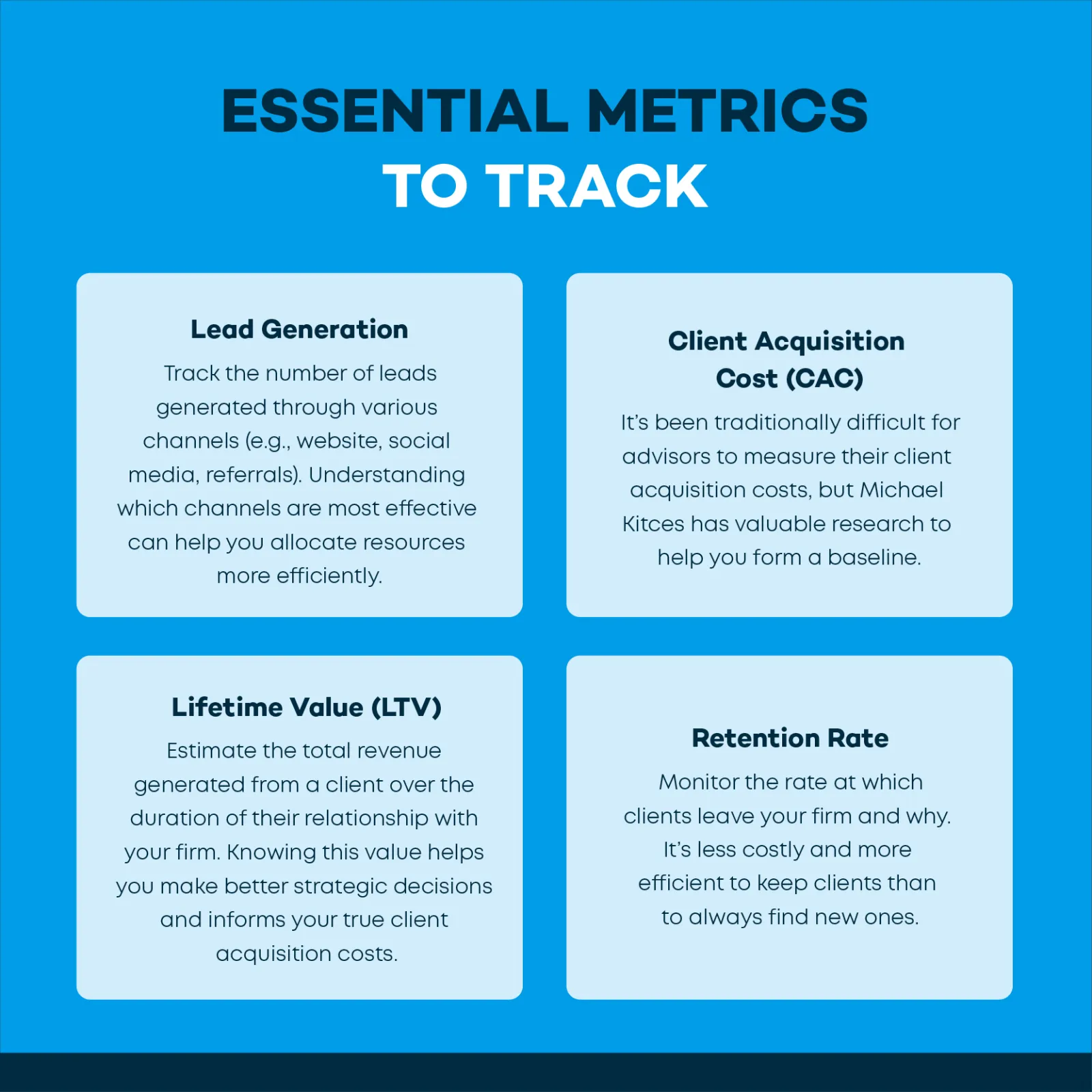
This section explores the key metrics financial advisors need to track to evaluate client acquisition strategies. Understanding these metrics not only supports decision-making — it also improves the efficiency of client onboarding processes (this is often overlooked).
Key Performance Indicators (KPIs)
Establishing KPIs is crucial for evaluating client acquisition efforts. The following metrics are fundamental:
- Client Acquisition Cost (CAC): This metric calculates the total cost associated with bringing in a new client, including marketing and sales expenses. A lower CAC indicates a more efficient acquisition strategy.
- Client Lifetime Value (CLV): This measures the total revenue a client is expected to generate throughout their relationship with your firm. A higher CLV suggests a more profitable client base.
- Conversion Rate: This represents the percentage of leads that turn into paying clients. Monitoring this rate helps gauge the effectiveness of marketing and sales strategies.
Cost Analysis: Acquisition vs. Lifetime Value
Analyzing the relationship between CAC and CLV is vital for sustainable growth. Ideally, the CLV should be at least three times the CAC to ensure profitability over the long term. For instance, if the average CAC is $1,000, the CLV should exceed $3,000. This ratio helps financial advisors assess whether their client acquisition strategies are viable — no room for error here.
Data-Driven Strategy Adjustments
Ongoing monitoring of KPIs enables financial advisors to make informed adjustments to their strategies. By leveraging data analytics, advisors can spot trends, such as which marketing channels yield the highest conversion rates. For example, a recent study showed that digital marketing campaigns have an average conversion rate of 5.5%, while traditional marketing methods hover around 2.4%. These insights allow for reallocating resources to more effective channels.
Refining Your Approach
Refining client acquisition strategies should be a continuous process. Regularly reviewing KPIs helps identify underperforming areas. Implement A/B testing to find the most effective messaging and delivery methods. Even small adjustments based on data insights can lead to significant improvements over time.
Financial advisors often underestimate the importance of qualitative data. While quantitative metrics provide solid numbers, client feedback can reveal insights that numbers alone may not capture. Client satisfaction surveys can expose areas for improvement that boost client retention and encourage referrals.
Practical Application
To apply these insights effectively:
- Define and track your KPIs regularly to assess performance.
- Calculate your CAC and CLV to ensure a sustainable growth model.
- Use data analytics to pinpoint successful marketing channels and refine your strategies based on performance metrics.
- Engage with clients through feedback mechanisms to gather qualitative insights.
Implementing these practices allows financial advisors to significantly enhance their client acquisition efforts. This ensures both immediate and long-term success in their practice.
Frequently Asked Questions
What are the best ways to attract clients as a financial advisor?
Building a strong online presence through a professional website and social media is essential. Networking within local communities and leveraging referrals can also significantly enhance client acquisition.
How long does it take to get clients as a financial advisor?
The timeline for acquiring clients varies, but it typically takes several months to establish a client base. Factors such as marketing efforts and networking can influence the speed of client acquisition.
What marketing strategies work best for financial advisors?
Content marketing, including blogs and webinars, effectively showcases expertise and attracts potential clients. Additionally, targeted social media advertising and email campaigns can generate leads and foster relationships.
How do financial advisors get referrals from clients?
Financial advisors can encourage referrals by providing exceptional service and maintaining strong client relationships. Implementing a formal referral program can also incentivize clients to recommend services to others.
What are common mistakes financial advisors make when attracting clients?
Common mistakes include failing to define a target market and neglecting to follow up with leads. Additionally, advisors often overlook the importance of personal branding and consistent communication with clients.
Final Thoughts on how to get clients as a financial advisor
Success in client acquisition for financial advisors hinges on a multifaceted approach that combines personal branding, strategic networking, and effective digital marketing. Establishing a strong presence across various platforms not only attracts potential clients but also cultivates trust and credibility.
Implement a targeted digital marketing campaign that focuses on content creation, highlighting your expertise through webinars or informative articles, to engage potential clients and position yourself as a thought leader in the financial advisory space.
To effectively grow your client base, consider consulting a google ads expert who can help you navigate the digital marketing landscape.
Mastering the art of client acquisition is essential for sustained growth in the financial advisory field, making it imperative to continuously adapt and innovate in an ever-evolving market.