
How to get clients in real estate involves leveraging online marketing, building a robust network, and utilizing social media platforms. With 90% of home buyers beginning their search online, establishing a strong digital presence is essential for attracting potential clients and driving business growth.
Understanding how to get clients in real estate is crucial for agents and brokers looking to thrive in a competitive market. As the industry continues to evolve, recognizing the importance of digital marketing and networking strategies can significantly impact success. Failing to adapt to these trends could result in lost opportunities, as 44% of agents report not having a consistent lead generation strategy.
Neglecting to grasp effective client acquisition strategies can lead to substantial costs, including missed revenue and wasted marketing expenditures. Competitors who successfully implement these techniques will gain a significant advantage, leaving those who do not at a disadvantage.
This article will explore proven strategies for attracting clients in real estate, including a comparison of top marketing providers, a breakdown of associated costs, best practices for engagement, and insights into the local SEO landscape.
What are the best ways to get clients in real estate?
Attracting clients in real estate requires effective strategies. These can include leveraging online platforms, networking, and providing exceptional service. A 2024 report indicates that 92% of home buyers utilize online resources during their search. This data highlights the need for a strong digital presence — crucial for agents.
Establishing a solid online presence is fundamental in today’s market. This means creating a professional website to showcase listings, client testimonials, and valuable content. Additionally, using social media platforms like Instagram and Facebook allows agents to connect with potential clients. Sharing insightful information about the real estate market is key (this is often overlooked). Regularly posting high-quality images and videos of properties can significantly boost visibility and draw inquiries.
- Networking: Attend local events, join community organizations, and participate in real estate seminars. Building relationships with professionals, such as mortgage brokers and contractors, can lead to valuable referrals.
- Open Houses: Host open houses to connect with potential buyers and sellers. These events offer opportunities to showcase properties and establish personal connections — this can lead to future business.
- Client Referrals: Encourage satisfied clients to refer friends and family. Implementing a referral program with incentives can motivate clients to spread the word about your services.
- Content Marketing: Create informative blogs or videos that address common real estate questions. This positions the agent as an industry expert and helps build trust with potential clients.
Expert insight: Focus on building long-term relationships, not just immediate sales. A client-centric approach often leads to repeat business and positive word-of-mouth referrals — both invaluable in real estate.
How can social media help me get clients in real estate?
Social media can greatly boost client acquisition in real estate by offering a platform for engagement, brand visibility, and targeted advertising. In 2024, more than 90% of real estate agents reported using social media to promote their listings and services. This clearly shows its effectiveness in reaching potential clients.
Using social media effectively requires several strategic steps.
- Choose the Right Platforms: Focus on those platforms where your target audience is most active. Facebook, Instagram, and LinkedIn are particularly effective for real estate marketing — don’t ignore them.
- Create Engaging Content: Share high-quality images, virtual tours, and informative videos about properties. Content showcasing local neighborhoods and market trends can attract potential clients (this is often overlooked).
- Leverage Paid Advertising: Use targeted ads to reach specific demographics. Facebook Ads and Instagram promotions let you tailor your messaging to different buyer personas.
- Engage with Your Audience: Respond quickly to comments and messages. Building relationships through interaction can turn followers into clients.
- Showcase Success Stories: Share testimonials and case studies. Highlighting past successes builds credibility and instills confidence in potential clients.
- Network with Other Professionals: Connect with local businesses and influencers. Collaboration can expand your reach and introduce you to new client bases — it’s often a game-changer.
Each of these steps plays a crucial role in leveraging social media for client acquisition in real estate. Regularly analyzing engagement metrics can help refine strategies and improve outreach efforts. Consistency in posting, along with staying updated on social media trends, is essential for maintaining visibility and relevance.
Expert insight: Consider using analytics tools to measure how effective your social media campaigns are. Understanding which content resonates most with your audience can optimize your strategy and greatly enhance client engagement.
What are common mistakes to avoid when trying to get clients in real estate?
Common mistakes in real estate client acquisition include neglecting follow-ups, failing to leverage social media, and not fully understanding client needs. A recent survey found that 63% of real estate agents indicated that a lack of consistent follow-up led to lost opportunities.
One major pitfall is neglecting follow-ups after the initial contact. For example, an agent may meet potential clients at an open house but then fail to reach out afterward. This lack of communication can lead to missed opportunities — many clients expect timely follow-ups. Implementing a systematic follow-up process can greatly improve client retention and boost conversion rates.
Another common error is underutilizing social media platforms. An agent might create a profile but only post occasionally or fail to engage with followers. For instance, posting a listing without responding to comments or questions can alienate potential clients (this is often overlooked). A consistent posting schedule, paired with engaging content, can build trust and visibility in the market, attracting more clients.
Lastly, not taking the time to understand client needs can seriously hinder success. An agent may rush to present properties without asking the right questions to determine preferences and priorities. For instance, showing high-end listings to first-time buyers can lead to frustration. Conducting thorough needs assessments during initial consultations creates a more tailored experience, which often results in higher satisfaction and referrals.
Expert insight: To maximize client acquisition, implement a structured follow-up system. Develop a robust social media strategy that encourages engagement and ensures a personalized approach to client interactions.
How long does it take to get clients in real estate?
On average, it can take anywhere from six months to two years to build a solid client base in real estate. This timeframe is influenced by several factors — including market conditions, networking efforts, and marketing strategies. Each of these can significantly affect how quickly clients come on board.
Several factors affect how quickly a real estate agent can attract clients. New agents often face challenges like limited experience, a lack of a professional network, and low brand recognition. Those who use existing connections and actively participate in community events may see faster results. In contrast, agents starting without a network might take much longer to establish credibility — which is key for attracting clients.
Market conditions also play a crucial role. In a booming real estate market, clients may be easier to find since buyers and sellers are actively seeking representation. Conversely, in a slower market, agents might have to invest significantly more time in lead generation and marketing to reach potential clients (this is often overlooked). Additionally, using effective marketing strategies — such as social media advertising, open houses, and referral programs — can accelerate client acquisition. Agents who adapt their approach based on market feedback tend to shorten their timeline for securing clients.
Expert insight: Building a client base in real estate is a marathon, not a sprint. Consistent follow-up with leads is crucial. Maintaining relationships with past clients can lead to referrals, which are often the quickest route to gaining new clients.
What networking strategies work best for real estate agents?
Effective networking strategies for real estate agents emphasize building relationships and tapping into local connections. Agents who actively engage in networking are 70% more likely to secure clients compared to those who don’t. Here are some best practices to enhance networking efforts.
- Attend Local Events: Regularly participate in community events, like farmers’ markets, charity functions, or local festivals. These gatherings provide great opportunities to meet potential clients and connect with other professionals in the industry.
- Join Professional Associations: Become a member of local real estate associations or chambers of commerce. These organizations often host networking events, workshops, and seminars that help facilitate connections with other agents and potential clients.
- Utilize Social Media: Actively engage on platforms such as LinkedIn, Facebook, and Instagram. Share valuable content, interact with followers, and join relevant groups to boost reach and visibility. Regularly updating social media profiles can attract potential clients looking for real estate services (this is often overlooked).
- Host Open Houses and Community Workshops: Organize open houses not just for listings but also for informational workshops about the buying and selling process. This positions agents as knowledgeable resources — and allows for direct interaction with potential clients.
- Leverage Referrals: Establish a referral program with satisfied clients and other professionals, such as mortgage brokers or home inspectors. Incentivizing referrals can significantly increase client acquisition rates.
Expert insight: Building a strong personal brand through consistent networking efforts can lead to organic referrals and repeat business. This is crucial for long-term success in real estate.
Leveraging Online Marketing for Client Acquisition
Online marketing is a crucial pillar for attracting clients in real estate. Effective strategies can boost visibility and create meaningful connections with potential clients.

The Importance of a Professional Website
A well-designed, professional website acts as the digital storefront for real estate agents. It should be user-friendly, mobile-responsive, and visually appealing. This site needs to clearly present services offered, client testimonials, and property listings. According to a 2024 report, 75% of consumers judge a company’s credibility based on its website design. So, investing in a quality website is essential for establishing trust and authority in the market.
Utilizing SEO to Increase Visibility
Search Engine Optimization (SEO) is critical for improving online visibility. By optimizing website content with relevant keywords, real estate agents can enhance their rankings on search engines. Key strategies include:
- Conducting keyword research to target terms like “buy a home in [location]” or “sell my property in [location].”
- Optimizing meta tags, headers, and images to align with targeted keywords.
- Building backlinks from reputable sites to boost domain authority.
In 2025, data showed that organic search accounted for 53% of all website traffic in the real estate sector — a clear sign of the importance of SEO in client acquisition.
Creating Valuable Content for Your Audience
Content marketing effectively engages potential clients and demonstrates expertise. Producing valuable content can include:
- Blog posts on local market trends and home-buying tips.
- Video tours of properties and neighborhoods.
- Infographics that illustrate market statistics and insights.
Engaging content not only attracts visitors but also encourages sharing — further expanding reach. It positions agents as knowledgeable resources, thus increasing the likelihood of client inquiries.
Employing PPC Advertising for Targeted Reach
Pay-Per-Click (PPC) advertising is a powerful tool for reaching specific demographics. By using platforms like Google Ads and social media, agents can create targeted campaigns based on factors such as location, interests, and online behavior. Key advantages of PPC include:
- Immediate visibility on search engines and social media platforms.
- The ability to track and measure campaign performance in real-time.
- Flexibility to adjust ad spend based on performance metrics.
In 2026, the average cost-per-click for real estate ads was projected to be around $2.50, making it a cost-effective option for agents looking to maximize reach.
Many think that merely having a website is enough for online marketing success. However, effective online marketing demands a multi-faceted approach that combines SEO, valuable content creation, and targeted advertising. Each element plays a critical role in attracting clients and shouldn’t be viewed in isolation. Furthermore, misconceptions often arise regarding the immediacy of results — SEO typically requires a longer-term commitment for sustainable success, while PPC can deliver immediate traffic when executed correctly.
To effectively leverage online marketing for client acquisition, real estate agents should:
- Create a professional, user-friendly website.
- Implement robust SEO strategies to enhance search visibility.
- Develop and distribute valuable content that addresses audience needs.
- Use PPC advertising to reach specific target demographics.
By executing these strategies, agents can significantly improve their chances of attracting and retaining clients in a competitive market.
Building a Strong Referral Network
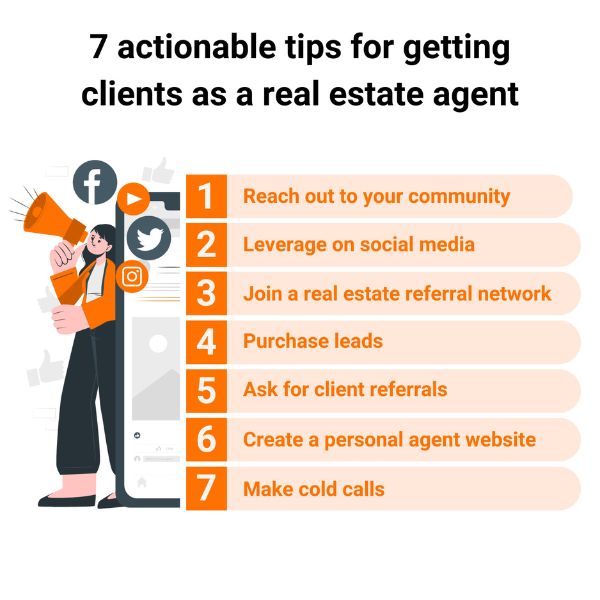
Establishing a strong referral network is crucial for acquiring clients in real estate. This section outlines effective strategies for identifying potential referral sources, nurturing relationships, and measuring referral success.
Identifying Potential Referral Sources
Identifying the right referral sources marks the first step in building a successful network. The potential sources include:
- Past Clients: Happy customers often serve as the best advocates for services offered.
- Local Businesses: Partnerships with businesses like mortgage brokers, contractors, and home inspectors can generate mutual referrals.
- Professional Networks: Engaging with other real estate agents or professionals in related fields can lead to cross-referrals — this can be quite beneficial.
- Community Organizations: Involvement with local charities or community groups enhances visibility and builds trust.
Strategies for Nurturing Relationships
Building and maintaining relationships is vital for a successful referral network. Consider these strategies:
- Regular Communication: Stay in touch through newsletters, updates, and personal notes. Aim for at least one touchpoint per month (this is often overlooked).
- Networking Events: Attend and host events to foster connections. A blend of formal and informal gatherings works best.
- Social Media Engagement: Use platforms like LinkedIn and Facebook to connect and share valuable content — showcasing expertise is key.
Creating a Referral Incentive Program
A well-structured referral incentive program can motivate sources to refer clients. Implement these components:
- Incentives: Offer rewards such as gift cards, discounts on future services, or charitable donations in the referrer’s name.
- Clear Guidelines: Clearly outline how referrals can participate and what qualifies for rewards — clarity is important.
- Regular Updates: Keep referrers informed about successful referrals and their rewards status to maintain motivation.
Tracking and Measuring Referral Success
Monitoring the effectiveness of the referral network is essential for ongoing improvement. Employ these tactics:
- Referral Tracking Software: Use tools like HubSpot or ReferralCandy to monitor referrals and their outcomes.
- Metrics to Measure: Track the number of referrals, conversion rates, and the average value of transactions generated through referrals — these numbers matter.
- Feedback Mechanism: Regularly solicit feedback from referrers to enhance the program and address any concerns.
According to a 2024 study, referrals account for approximately 40% of real estate transactions, underscoring the significance of a strong network. Additionally, agents with a structured referral program see a 25% increase in client engagement compared to those without.
A common misconception is that referrals occur organically without effort. In reality, proactive relationship-building and strategic incentive programs are crucial for cultivating a thriving referral network. Agents need to recognize that nurturing these relationships requires ongoing effort and genuine engagement.
To leverage this information effectively, real estate professionals should:
- Identify and categorize potential referral sources.
- Develop a communication plan that includes regular outreach.
- Create an attractive referral incentive program.
- Implement tracking measures to assess referral performance.
By following these actionable steps, agents can significantly enhance their ability to attract clients through referrals, ultimately driving business growth.
Using Social Media Effectively
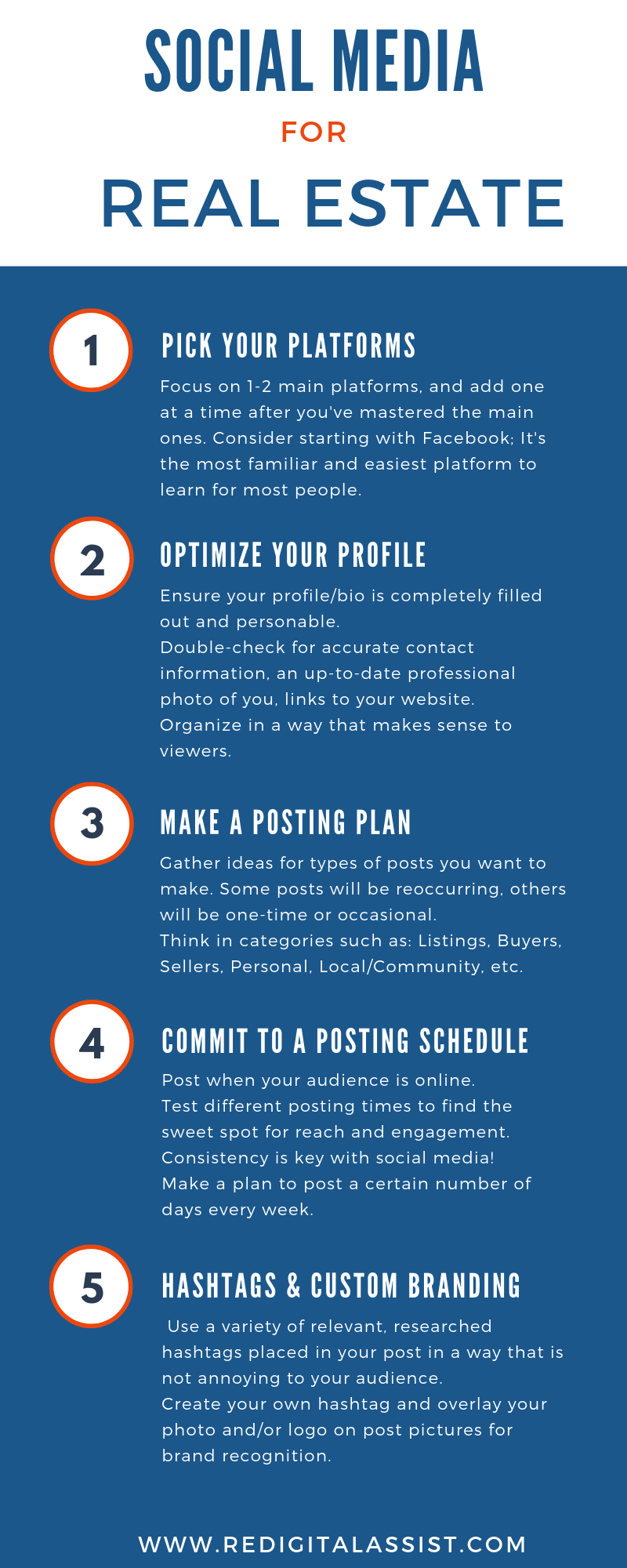
Social media serves as a crucial tool for real estate professionals looking to connect with potential clients. Leveraging the right platforms and strategies can significantly boost visibility and engagement. This often leads to increased client acquisition.
Choosing the Right Platforms for Your Market
Selecting the right social media platforms is key to reaching your target audience. Different demographics tend to favor different platforms. For instance:
- Facebook: This is ideal for community engagement and targeted advertising, especially for older demographics.
- Instagram: Best suited for showcasing properties visually, appealing to younger buyers and renters.
- LinkedIn: Great for networking with other professionals and high-end clientele.
According to a 2024 survey, over 70% of real estate agents reported using Facebook for business purposes, while Instagram usage among agents rose by 35% since 2022.
Engaging with Your Audience Through Content
Creating engaging content is vital for building relationships and trust with potential clients. Consider these types of content:
- Educational Posts: Share insights on market trends, financing options, and home maintenance tips.
- Virtual Tours: Use video content to provide immersive property walkthroughs.
- Client Testimonials: Highlight success stories to build credibility and showcase your expertise.
Consistent posting — ideally 3-5 times a week — can greatly enhance audience engagement. It’s best to aim for a blend of promotional and informative content to keep interest alive.
Running Targeted Ads on Social Media
Social media advertising enables highly targeted outreach. To run ads effectively:
- Define your target audience based on demographics, interests, and behaviors.
- Create visually appealing ads that showcase properties or services.
- Use retargeting strategies to reach users previously interacting with your content.
A recent study indicated that social media ads can achieve a conversion rate of up to 10% — making them a cost-effective option for generating leads.
Analyzing Social Media Metrics for Improvement
Regularly analyzing social media performance metrics is essential for refining strategies. Key metrics to monitor include:
- Engagement Rate: Measures interactions relative to impressions or reach.
- Click-Through Rate (CTR): Indicates the effectiveness of call-to-action buttons in posts or ads.
- Follower Growth: Tracks the increase in followers over time, reflecting brand interest.
Using tools like Google Analytics and social media insights can provide valuable data for optimizing future content and campaigns.
Many articles on social media strategies overlook the importance of aligning content with specific audience needs. Real estate professionals must grasp that generic content often fails to make an impact. Tailoring posts to highlight local market conditions, community events, or neighborhood features can enhance relevance and engagement.
To apply these insights, start by conducting an audit of your current social media presence. Identify the platforms where your target audience is most active — then focus your efforts there. Develop a content calendar that incorporates a mix of educational, promotional, and engaging posts. Lastly, allocate a portion of your budget to targeted ads and continuously analyze your performance metrics to adapt your strategy accordingly. Implementing these action steps will lead to effective client acquisition in the real estate sector.
Understanding the Buyer’s Journey in Real Estate
This section explores the essential stages of the buyer’s journey in real estate. It also highlights the importance of aligning marketing strategies with these stages. A thorough understanding of this journey can enhance client acquisition efforts.

Defining the Stages: Awareness, Consideration, Decision
The buyer’s journey comprises three main stages:
- Awareness: At this stage, potential buyers identify a need or problem — like wanting a new home or investment property. They begin gathering information.
- Consideration: Buyers assess various options, comparing properties, neighborhoods, and financing methods. They seek detailed insights and expert advice.
- Decision: In this final stage, buyers take action. They may reach out to real estate agents, visit properties, and negotiate deals.
Tailoring Your Approach to Each Stage
To effectively engage clients, strategies need to be tailored to each stage of the buyer’s journey:
- Awareness Stage: Focus on educational content that answers common questions. Use social media, blogs, and webinars for building brand visibility.
- Consideration Stage: Provide comparative analyses, property listings, and testimonials. Email marketing campaigns can nurture relationships and offer personalized insights.
- Decision Stage: Share targeted information — like market trends and financing options. Schedule viewings and respond promptly to inquiries to help clients make decisions.
Creating Resources for Buyers at Each Stage
Developing tailored resources boosts client engagement. Think about the following:
- Awareness: Create blog posts and infographics that explain the buying process.
- Consideration: Offer downloadable guides, FAQs, and case studies that showcase successful transactions.
- Decision: Share checklists for home buying and detailed market reports to aid buyers in their final choices.
Importance of Follow-Up and Nurturing Leads
Consistent follow-up is crucial in real estate. Studies show that 70% of leads aren’t converted due to lack of follow-up. Implement a systematic approach to nurture leads through timely follow-ups, personalized messages, and value-added content. This builds trust — and ultimately, increases the likelihood of conversion.
Nuance / Expert Layer
Many real estate professionals overlook emotional intelligence during the buyer’s journey. Understanding clients’ emotional triggers and concerns can enhance engagement significantly. For instance, buyers in the awareness stage often feel overwhelmed by choices. Providing reassurance and guidance can ease anxiety and build trust. Moreover, missteps frequently happen when agents don’t recognize that the journey isn’t linear; buyers may revert to previous stages. Acknowledging this fluidity allows for more effective communication strategies.
Practical Application
To effectively leverage the buyer’s journey for client acquisition, implement these actions:
- Develop targeted content for each stage of the buyer’s journey.
- Use marketing automation tools to streamline follow-up processes.
- Regularly assess and adjust your strategies based on buyer feedback and engagement metrics.
By aligning marketing efforts with the buyer’s journey, agents can improve their effectiveness in client acquisition in real estate. This approach often leads to increased conversions and enhanced client satisfaction.
Frequently Asked Questions
What are the best ways to get clients in real estate?
Effective methods for acquiring clients in real estate include leveraging referrals, hosting open houses, and utilizing online marketing strategies. Building a strong personal brand and networking within the community are also crucial for attracting potential clients.
How can social media help me get clients in real estate?
Social media platforms allow real estate agents to showcase listings, share market insights, and engage with potential clients. By creating valuable content and building a following, agents can increase their visibility and attract new clients.
What are common mistakes to avoid when trying to get clients in real estate?
Common mistakes include neglecting follow-ups, failing to establish a niche, and relying solely on online leads without personal connections. Additionally, agents should avoid overpromising and underdelivering to maintain trust with potential clients.
How long does it take to get clients in real estate?
The time it takes to secure clients in real estate can vary widely, ranging from a few weeks to several months. Factors such as market conditions, networking efforts, and marketing strategies can significantly influence this timeline.
What networking strategies work best for real estate agents?
Effective networking strategies for real estate agents include attending industry events, joining local business groups, and engaging with community organizations. Building relationships with other professionals, such as mortgage brokers and contractors, can also lead to valuable referrals.
Final Thoughts on how to get clients in real estate
Success in real estate hinges on a multifaceted approach to client acquisition that leverages both online marketing and personal connections. By effectively utilizing social media and cultivating a strong referral network, real estate professionals can create a robust pipeline of potential clients and avoid common pitfalls that hinder growth.
To take immediate action, develop a targeted social media campaign that highlights your expertise and engages with your local community, ensuring that your content resonates with potential buyers and sellers.
Ready to take your real estate business to the next level? Consult a google ads expert today and unlock the potential for attracting more clients!
Mastering client acquisition is not just a strategy; it is the cornerstone of sustainable success in the competitive real estate landscape.