
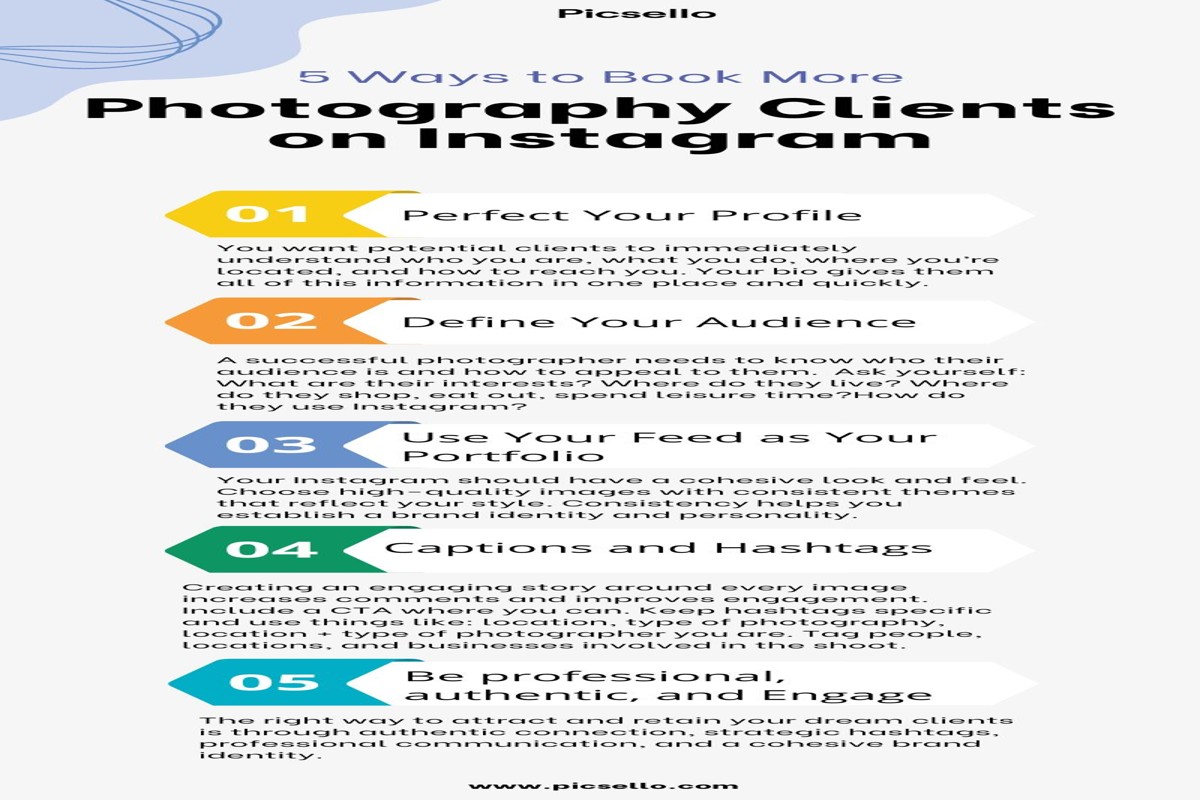
How to get more photography clients involves implementing effective strategies to attract and retain clients in the photography industry. A robust online presence, particularly through social media and a professional website, is crucial, as 78% of photographers report finding clients through referrals.
Understanding how to attract more photography clients is essential for photographers seeking to grow their business. With the photography market projected to reach $110 billion by 2026, mastering client acquisition strategies can significantly impact profitability and sustainability. Failing to effectively market one’s services can lead to stagnation in client growth and missed opportunities in a competitive landscape.
Not grasping these client acquisition strategies can cost photographers substantial revenue and lead to wasted marketing efforts. In a field where competition is fierce, those who do not adapt their approach risk falling behind, losing potential clients to more proactive competitors.
This article will provide proven strategies for gaining more photography clients, including best practices for building an online presence, effective networking techniques, and tips for leveraging local SEO to enhance visibility and attract new business.
What are effective ways to attract photography clients?
Attracting photography clients requires a mix of strategic marketing, networking, and improving your online presence. Specifically, using social media, building a professional website, and getting involved in local events can greatly boost client engagement. Recent studies show that 70% of clients prefer booking services through social media channels.
1. Optimize your online portfolio. A well-structured website that showcases your best work is essential. Make sure it’s mobile-friendly and easy to navigate. Include clear calls to action for potential clients — this can make a real difference.
2. Use social media effectively. Platforms like Instagram and Facebook are crucial for photographers. Post high-quality images regularly, engage with your followers, and use relevant hashtags to boost visibility and attract new clients. Don’t underestimate this step.
3. Network in your community. Attend local events, trade shows, and exhibitions to connect with potential clients and other professionals. Building relationships can lead to referrals and collaborations (this is often overlooked).
4. Offer promotional packages. Create limited-time offers or discounts for first-time clients. This can incentivize potential clients to choose your services instead of competitors — it’s a simple yet effective strategy.
5. Leverage client testimonials and referrals. Positive feedback enhances credibility. Encourage satisfied clients to share their experiences on social media or provide testimonials that can be featured on your website. This really works.
Expert insight:
Tailor your marketing strategies to specific demographics in your area. Understanding the unique needs of your target audience can lead to more effective outreach and higher conversion rates — a key aspect of successful photography businesses.
How can social media help photographers find clients?
Social media platforms like Instagram and Facebook are vital tools for photographers to showcase their work and connect with potential clients. In 2024, more than 70% of photographers reported gaining clients through social media. This highlights its effectiveness in client acquisition.
For instance, a wedding photographer can create an Instagram account just for their work, posting high-quality images from recent weddings. Using relevant hashtags like #WeddingPhotography and tagging venues increases visibility among couples planning their weddings. Engaging with followers through comments and direct messages builds relationships — this can lead to inquiries and bookings.
Facebook also plays a key role. Photographers can join local community groups where potential clients often seek recommendations (this is often overlooked). By sharing their portfolio and actively participating in discussions, they establish credibility. Plus, Facebook Ads enable targeted advertising to specific demographics, ensuring promotions reach engaged couples or businesses in need of photography services.
Expert insight: Consistency in posting and engaging with followers greatly enhances visibility. Photographers should also tap into user-generated content by encouraging clients to tag them in photos, thereby expanding reach and showcasing real client experiences. This strategy often proves effective — worth double-checking.
What should photographers include in their portfolio to attract clients?
Photographers should include a varied selection of high-quality images, client testimonials, and a consistent style in their portfolios to effectively attract clients. A well-structured portfolio can boost inquiries by up to 40%. Potential clients look for evidence of capability and reliability.
First, showcasing a diverse range of work is essential. This means different styles, subjects, and settings that demonstrate versatility. For example, a portfolio might feature portraits, landscapes, event photography, and product shots. Clients are more likely to engage when they see various skills that can cater to their specific needs.
Next, including client testimonials can significantly enhance credibility. Positive feedback from previous clients builds trust and provides social proof. A well-placed quote or two — along with the client’s name and a small image — can make a strong impact. This not only highlights the photographer’s technical skills but also their professionalism and ability to meet client expectations.
Finally, maintaining a cohesive style throughout the portfolio is crucial. Consistency in editing, color palette, and overall aesthetic helps create a recognizable brand identity. Such coherence assures potential clients that the photographer has a unique vision and can deliver a consistent experience across different projects.
Expert insight: Regularly updating the portfolio with recent work and removing outdated images is important. This keeps it relevant and reflective of current skills and style. This practice keeps potential clients engaged and showcases ongoing professional development (this is often overlooked).
How much should photographers spend on marketing to gain clients?
Photographers typically budget around 10% to 20% of their annual revenue for marketing efforts. For instance, if a photographer’s annual earnings are $50,000, a marketing budget of $5,000 to $10,000 is common. This range can fluctuate based on various factors, including specific business goals and local market dynamics.
Several factors play a role in determining how much photographers should invest in marketing. These include:
- Business Goals: If a photographer is targeting rapid growth or looking to expand into new markets, a larger budget might be necessary to support more aggressive marketing strategies.
- Target Audience: It’s crucial to understand the demographics and preferences of the target market. This knowledge can help tailor marketing efforts, potentially cutting overall costs by focusing on the most effective channels.
- Competition: In areas with high competition, increased spending may be needed to differentiate from others. On the other hand, in less saturated markets, lower expenditures might just do the trick.
Moreover, the type of marketing strategies selected will affect costs. Digital marketing methods—like social media and search engine optimization (SEO)—can often be executed at a lower cost compared to traditional advertising methods, such as print or television. Photographers can also tap into low-cost strategies, such as networking within local communities and collaborating with other businesses, plus using word-of-mouth referrals to stretch their budget.
Expert insight: Photographers should continually assess the effectiveness of their marketing spend by tracking client acquisition and return on investment (ROI). Regularly adjusting the budget based on performance data is essential. This ensures resources are used wisely, optimizing growth opportunities.
What are common mistakes photographers make when trying to get clients?
Many photographers find it tough to attract clients due to several common mistakes. A 2024 survey showed that 65% of photographers cited inadequate client engagement as a major barrier to growth. These errors can really impede success in a competitive market.
One significant mistake is lacking a strong online presence. With 80% of potential clients searching for services online, not keeping an updated website and active social media profiles can lead to missed opportunities. Photographers need to make sure their online portfolio is visually appealing and highlights their best work. Regular updates and engaging content are key — they can help draw in and keep client interest.
- Poor networking: Building relationships within the photography community and with potential clients is essential. Attend industry events, workshops, and local meetups to grow your network. Collaborating with other professionals can also lead to referrals.
- Neglecting client relationships: After securing a client, keeping communication open is crucial. Regular check-ins, personalized follow-ups, and thoughtful gestures can enhance client satisfaction and encourage repeat business. This approach often leads to invaluable word-of-mouth referrals.
- Ignoring marketing strategies: Relying solely on word of mouth isn’t enough. Implementing targeted marketing strategies, like email campaigns, social media ads, or collaborations with local businesses, can greatly increase visibility and attract new clients.
Expert insight: Photographers should regularly assess their strategies and adapt to evolving market trends. Continuous learning about marketing and client engagement is vital (this is often overlooked) — it will lead to better results in attracting and retaining clients.
Building Your Online Presence: Essential Steps
Establishing a strong online presence is crucial for photographers wanting to attract more clients. This section highlights key strategies that can enhance visibility and engagement, which often leads to increased opportunities for client acquisition.
Creating a Professional Website with SEO Optimization
A professional website is the foundation of an online presence. It should showcase your portfolio, provide contact information, and highlight a clear value proposition. Incorporate SEO optimization techniques to enhance search engine rankings. Pay attention to the following elements:
- Keyword Research: Identify keywords that are relevant to your niche, like “wedding photography” or “portrait photographer in [location].” Tools like Google Keyword Planner can be quite helpful.
- High-Quality Content: Keep your website updated with blog posts about your work, photography tips, or behind-the-scenes insights. This not only engages visitors but also improves SEO.
- Mobile Optimization: Make sure your website is mobile-friendly. Over 50% of web traffic comes from mobile devices — a key factor in user experience and search rankings.
Utilizing Social Media Platforms Effectively
Social media platforms serve as powerful tools for reaching potential clients. Each platform has its own unique audience and strengths:
- Instagram: Share visually captivating images, use relevant hashtags, and engage with followers through comments and stories. As of 2024, over 70% of Instagram users look for inspiration for their next purchase.
- Facebook: Create a business page for sharing updates, client testimonials, and event announcements. Facebook groups can also be great for local networking (often overlooked).
- LinkedIn: Position yourself as a professional by sharing industry insights, connecting with others, and joining photography-related groups.
Engaging in Online Communities and Forums
Getting involved in online communities can greatly boost your visibility. Participate in photography forums, Facebook groups, and platforms like Reddit. This helps build credibility and offers opportunities for networking with potential clients and fellow photographers. Provide valuable insights, share experiences, and answer questions to position yourself as a knowledgeable resource.
Leveraging Email Marketing for Client Outreach
Email marketing continues to be one of the most effective strategies for reaching clients. It allows direct communication with potential clients. Implement these practices:
- Build an Email List: Collect email addresses through your website and social media. Offering a freebie, like a photography guide, can encourage email subscriptions.
- Regular Newsletters: Send monthly newsletters that feature recent work, promotions, and photography tips. This keeps your services top-of-mind for potential clients.
- Personalized Outreach: Tailor emails to specific segments of your audience. For example, send targeted offers to couples planning weddings or families searching for portraits.
Many photographers underestimate the effect of a strong online presence. For instance, a 2024 study found that 75% of clients select service providers based on their online reputation and visibility. A well-optimized website, active social media engagement, and strategic email marketing can significantly improve the chances of attracting new clients.
To implement these strategies, begin by auditing your current online presence. Create or update your website, optimize it for SEO, and set a consistent posting schedule on social media. Join relevant online communities and start email marketing campaigns to connect with potential clients. Consistency in these efforts will lead to measurable results in client acquisition.
Networking: The Key to Client Acquisition
Effective networking is crucial for photographers aiming to grow their client base. Building meaningful relationships within the industry not only boosts visibility—but it also fosters trust and credibility. This leads to increased client acquisition.

Building Relationships with Local Businesses and Vendors
Establishing partnerships with local businesses and vendors can significantly increase client referrals. Photographers should identify complementary businesses, like event planners, florists, or venues. Approaching them for mutually beneficial collaborations is ideal. For instance, offering photography services for their events in exchange for promotional support often creates a win-win.
Attending Events and Workshops for Exposure
Participating in industry-related events, workshops, and meetups allows photographers to showcase their work—while connecting with potential clients and fellow creatives. Networking at these gatherings can lead to valuable introductions. According to the 2024 Creative Industry Report, 67% of professionals credited networking events as a primary source of new clients (this is often overlooked).
Participating in Collaborative Projects with Other Creatives
Collaborating with other creatives, such as graphic designers, stylists, or models, enhances a photographer’s portfolio. It also extends their reach. These projects often yield shared marketing efforts, where all parties promote the work through their channels, boosting visibility. Moreover, collaborations can introduce photographers to new audiences unfamiliar with their work.
Utilizing Referral Programs to Incentivize Past Clients
Implementing a referral program encourages satisfied clients to recommend services to their network. Offering incentives—like discounts on future sessions or complimentary prints—motivates clients to share their positive experiences. A study from 2025 found that businesses with referral programs typically saw a 30% increase in new client acquisition.
Nuance / Expert Layer
While networking is often recognized as a key strategy, many photographers overlook the need to maintain these relationships over time. Regular follow-ups and personal outreach reinforce connections. Additionally, misconceptions exist regarding networking being solely about quantity rather than quality. Focusing on a few strong relationships usually yields better results than attempting to connect with everyone in the industry.
Practical Application
- Identify three local businesses to approach for partnership opportunities.
- Register for at least one industry event or workshop in the next month.
- Plan a collaborative project with at least one other creative professional.
- Develop and launch a referral program within the next quarter.
By systematically applying these networking strategies, photographers can effectively expand their client base and enhance their market presence.
Creating a Unique Brand Identity
A distinct brand identity is crucial for photographers aiming to attract more clients. This section explores how to define a niche and target audience, develop a consistent visual style, craft a compelling personal story, and leverage testimonials to build credibility.

Defining Your Niche and Target Audience
Identifying a specific niche helps photographers tailor their services to a particular group. Specializing in wedding photography, corporate events — or even family portraits — focuses the business and enhances marketability. Understanding the target audience—demographics, preferences, and pain points—enables more effective marketing strategies. A 2024 survey found that 68% of clients favor photographers who show expertise in a specific area rather than generalists.
Developing a Consistent Visual Style Across Platforms
Consistency in visual style strengthens brand recognition and trust. Photographers must create a cohesive aesthetic across their portfolios, social media, and marketing materials. This involves selecting a specific color palette, typography, and editing style that reflects the brand’s personality. A study from 2025 revealed that brands with a consistent look across all platforms see customer engagement increase by up to 33% — quite significant.
Crafting a Compelling Personal Story
A personal narrative can set a photographer apart from the competition. Sharing the journey that led to a career in photography—such as influences, experiences, and motivations—creates an emotional connection with potential clients. This storytelling approach can be woven into website bios, social media profiles, and marketing materials, highlighting unique aspects of the photographer’s background and vision (this is often overlooked).
Using Testimonials and Case Studies to Build Credibility
Social proof is a powerful asset when attracting new clients. Collecting and showcasing testimonials from satisfied customers offers proof of the photographer’s skills and reliability. Furthermore, detailed case studies outlining the process and outcomes of specific projects can boost credibility significantly. Statistics show that 92% of consumers read online reviews before making purchase decisions, demonstrating the importance of positive feedback in the photography industry.
Nuance / Expert Layer
Many photographers underestimate branding’s role in client attraction. A common misconception is that technical skills alone bring in clients. However, branding involves not just visual elements but also the overall client experience, including communication style and customer service. A well-rounded brand identity can elevate a photographer’s appeal, making them memorable and relatable to clients.
Practical Application
- Identify your niche by evaluating strengths and interests, then research your target audience.
- Develop a visual style guide to maintain consistency across all platforms, including your website and social media.
- Write your personal story, focusing on unique experiences that shaped your photography journey.
- Gather testimonials from past clients and create case studies to showcase your successful projects.
Client Retention Strategies: Keeping Your Clients Coming Back
Strong relationships with existing clients are crucial for securing repeat business in the photography industry. This section outlines effective strategies to enhance client retention and maintain a steady stream of projects.

Implementing Follow-Up Strategies Post-Shoot
After a photography session, timely follow-up communication is vital. A simple email or call thanking clients for their business can significantly improve their experience. Consider using a structured follow-up process, which might include:
- Sending a personalized thank-you message within 24 hours.
- Requesting feedback on their experience (this is often overlooked) to enhance future services.
- Sharing a sneak peek of the photos to keep excitement high while the final images are being processed.
Research shows that businesses engaging with clients post-purchase often see a 30% increase in repeat business.
Offering Loyalty Programs or Discounts for Returning Clients
Implementing a loyalty program can motivate clients to return for future shoots. Think about offering:
- Discounts for repeat bookings, like 10% off the second session.
- Referral bonuses for clients who bring in new customers.
- Exclusive access to special events or promotions for loyal clients.
According to a 2024 survey, 67% of consumers are more likely to return to businesses that provide loyalty rewards.
Regularly Updating Clients on New Services or Promotions
Keeping clients informed about new offerings is essential. Regular newsletters or social media updates can be effective for this purpose. Make sure these communications include:
- Announcements of new photography packages or services.
- Seasonal promotions that encourage timely bookings.
- Showcasing recent work that highlights your evolving style and capabilities.
This proactive approach helps clients feel valued and informed, which encourages them to consider your services for future projects.
Creating Personalized Experiences to Enhance Client Satisfaction
Personalization plays a key role in boosting client satisfaction. Customize experiences based on client preferences and past interactions. Useful strategies include:
- Tailoring shoots based on client interests or preferred themes.
- Providing a personalized online gallery for easy access to their images.
- Offering a consultation session to discuss their vision and expectations before the shoot.
Statistics indicate that 80% of consumers are more likely to make a purchase when brands offer personalized experiences, highlighting the importance of this strategy in photography.
Nuance / Expert Layer
Many photographers undervalue the importance of post-shoot engagement. A common misconception is that securing the initial booking is enough for client retention. The truth is — maintaining a relationship through consistent communication and personalized service fosters loyalty. Additionally, understanding the specific needs of different client segments can lead to tailored offerings that resonate more deeply, which can ultimately boost retention rates. For example, corporate clients might appreciate efficiency and professionalism, while families often value warmth and creativity.
Practical Application
To implement these strategies effectively, consider these actionable steps:
1. Develop a follow-up template that can be customized for each client.
2. Create a loyalty program with clear benefits, and communicate it effectively to your clients.
3. Schedule regular updates to your client mailing list, making sure it includes new services and promotions.
4. Invest time in learning about your clients’ preferences — this enhances their experience during shoots.
By focusing on client retention strategies, photographers can build long-lasting relationships that contribute to sustained business growth and increased referrals.
Frequently Asked Questions
What are effective ways to attract photography clients?
Effective ways to attract photography clients include networking within your community, offering promotions, and collaborating with local businesses. Building a strong online presence through a professional website and utilizing SEO strategies can also enhance visibility.
How can social media help photographers find clients?
Social media platforms allow photographers to showcase their work and engage with potential clients directly. By sharing high-quality images and interacting with followers, photographers can build a loyal audience that may lead to new client inquiries.
What should photographers include in their portfolio to attract clients?
Photographers should include a diverse range of their best work that highlights their unique style and expertise. It’s important to showcase various types of photography, such as portraits, events, and product shots, to appeal to a broader audience.
How much should photographers spend on marketing to gain clients?
Photographers should aim to allocate around 10-15% of their expected revenue towards marketing efforts. This budget can be used for online ads, social media promotions, and networking events to effectively reach potential clients.
What are common mistakes photographers make when trying to get clients?
Common mistakes include neglecting to update their portfolio, failing to engage with clients on social media, and not having a clear marketing strategy. Additionally, photographers often underestimate the importance of networking and personal branding in attracting clients.
Final Thoughts on how to get more photography clients
Attracting more photography clients hinges on a strategic blend of a compelling online presence, effective networking, and a distinctive brand identity. By leveraging these elements, photographers can position themselves as sought-after professionals in a competitive market.
To immediately enhance client acquisition efforts, invest time in refining your portfolio to showcase a diverse range of your best work, ensuring it aligns with the specific niches you wish to target. This tailored approach will resonate more deeply with potential clients.
Ready to elevate your photography business? Consider consulting with a google ads expert to attract more clients and drive your success forward!
Mastering client attraction is essential for sustained success in photography, as it not only drives revenue but also elevates professional reputation in a crowded industry.