
How to spy on competitors’ Google Display Ads involves using analytics tools such as SEMrush or AdBeat to scrutinize the advertising strategies and performance metrics of rival businesses. This practice enables marketers to identify effective ad formats and targeting approaches, ultimately enhancing their own advertising campaigns. According to recent studies, businesses that analyze competitor ads can improve their campaign effectiveness by up to 30%.
Understanding how to spy on competitors’ Google Display Ads is crucial for marketers looking to gain a competitive edge in the digital advertising landscape. As online ad spending is projected to reach $500 billion by 2024, knowing what works for competitors can significantly impact campaign success. Failing to leverage this intelligence can lead to missed opportunities and ineffective ad spend.
Businesses that overlook the importance of competitor ad analysis risk losing market share, wasting advertising budgets, and falling behind in innovation. This lack of insight can result in an estimated 20% decrease in potential revenue, as companies may continue to invest in underperforming strategies.
This article will provide a comprehensive guide on how to effectively spy on competitors’ Google Display Ads, covering top analysis tools, cost implications, best practices, and actionable insights to refine your advertising strategies.
What tools can I use to spy on competitors’ Google Display Ads?
Several tools can effectively analyze competitors’ Google Display Ads, including SEMrush, Adbeat, and SpyFu. These platforms provide detailed insights into ad creatives, spending patterns, and targeted keywords — making them essential for competitive analysis.
SEMrush gives users access to a comprehensive ad archive, showcasing display ads competitors have run over time. A business can input a competitor’s domain into SEMrush and discover their ad creative variations. This can inform its own marketing strategies. Adbeat offers an overview of display ad performance metrics, such as impressions and click-through rates. This helps users gauge how effective their competitors’ campaigns are. Similarly, SpyFu reveals the keywords competitors are bidding on, along with their estimated ad budgets — a unique feature that’s quite useful.
Using these tools, marketers can identify trends in ad design and messaging. They can also track seasonal changes in advertising strategies. For instance, if a competitor significantly increases their ad spend during holiday seasons, it could indicate a successful strategy worth emulating (this is often overlooked). Furthermore, many of these platforms include options for competitive benchmarking, helping businesses understand where they stand in relation to market leaders.
Expert insight: Regularly monitoring competitors’ ads using these tools can uncover valuable insights. These insights drive innovation in ad campaigns, ensuring businesses remain competitive in a rapidly evolving digital landscape.
How can I analyze my competitors’ ad performance?
Analyzing competitors’ ad performance means looking into various metrics and tools to assess effectiveness. Key metrics include click-through rates (CTR), impressions, and engagement rates. These offer insights into how well ads connect with audiences. Use tools like SEMrush or SpyFu to collect data on your competitors’ advertising strategies.
Follow these steps to analyze your competitors’ ad performance effectively:
- Identify Competitors: Begin by selecting direct competitors within your industry. Focus on those aiming at similar demographics or keywords.
- Use Ad Intelligence Tools: Employ platforms such as SEMrush, Adbeat, or WhatRunsWhere to access data on competitors’ ad placements and performance metrics. These tools can provide insights into ad spend, impressions, and formats used.
- Analyze Ad Creatives: Review the visual elements and messaging of your competitors’ ads. Pay attention to the styles, colors, and calls-to-action (CTAs) that drive engagement. Some elements really stand out — these can make a difference.
- Monitor Ad Frequency: Keep an eye on how often competitors run their ads. Frequent ad placements often indicate a successful campaign, while gaps may suggest budget constraints or strategic adjustments (this is often overlooked).
- Evaluate Landing Pages: Click through to competitors’ landing pages to gauge user experience and conversion elements. High-performing ads typically lead to optimized landing pages designed for conversions.
- Track Changes Over Time: Regularly review your competitors’ ads to spot trends and shifts in strategy. This helps in understanding the evolving market landscape and how adaptable your competitors are.
By systematically analyzing these aspects, businesses gain valuable insights into effective advertising strategies. This also helps identify opportunities for improvement.
Expert insight: Concentrate on testing variations of your own ads based on successful elements picked up from competitors’ campaigns. This iterative approach can lead to better performance and improved ROI.
What should I look for when spying on competitors’ display ads?
When analyzing competitors’ Google Display Ads, key elements demand attention: ad copy, visuals, audience targeting, and performance metrics. These components reveal insights into their marketing strategies and effectiveness. In 2024, around 65% of marketers use competitor analysis to sharpen their advertising approaches.
Start by examining the ad copy. Analyze the language, tone, and messaging choices. Identify whether the ads lean towards emotional appeals, unique selling propositions, or direct calls to action. Notice the keywords and phrases that resonate with the target audience — these can inform your own campaign strategies.
- Visual Elements: Scrutinize the images and graphics featured in the ads. Note their color schemes, layout, and overall design. Effective visuals can significantly impact click-through rates (CTR). Determine which styles grab attention and foster engagement.
- Targeting Strategies:
Investigate the audience segments your competitors are reaching. Use tools like google ads’ Audience Insights to identify demographics, interests, and behaviors. This information can help refine your own targeting efforts — reaching similar or untapped audiences is crucial.
- Ad Placement and Frequency: Track where and how often your competitors’ ads show up. Use tools such as SEMrush or Adbeat to analyze ad placements across various websites within the Google Display Network. Understanding placement strategies can reveal valuable insights into effective channels.
- Performance Metrics: If accessible, gather data on competitors’ ad performance, including CTR, conversion rates, and return on ad spend (ROAS). These metrics often serve as benchmarks for your campaigns and highlight areas needing improvement.
Expert insight: Regularly updating your analysis is essential. The digital advertising landscape evolves rapidly — staying informed about competitors’ strategies can provide a competitive edge.
Is it legal to spy on competitors’ ads?
Yes, it’s generally legal to analyze competitors’ ads, including Google Display Ads, as long as the methods used comply with relevant laws and regulations. However, ethical considerations should guide such practices — they can influence brand reputation and industry standards.
Analyzing competitors’ advertising strategies is common in business. Tools and platforms designed for ad analysis often aggregate public information. This makes it easier for businesses to learn from one another. However, legal boundaries exist, especially concerning proprietary data and methods. For example, gaining access to a competitor’s private data or using deceptive practices to obtain information can lead to legal repercussions. A survey conducted in 2023 showed that over 60% of marketers have used competitor analysis tools — this highlights the practice’s prevalence.
- Publicly Available Data: Competitors’ ads displayed on platforms like Google Ads are public information. Analyzing these ads isn’t just legal; it’s a standard business practice.
- Ethical Considerations: While it’s legal, the ethical implications must be considered. Engaging in practices that harm industry standards or trust can seriously damage a brand’s reputation.
- Compliance with Regulations: Ad analysis must adhere to advertising regulations and data protection laws — such as the GDPR or CCPA — depending on the jurisdiction.
Expert insight: Use competitor ad analysis as a strategic tool. But always prioritize ethical practices to maintain a positive brand image and foster healthy competition.
How often should I check my competitors’ display ads?
It’s crucial to monitor competitors’ display ads at least once a week. This helps stay informed about their strategies and tactics. In today’s fast-paced advertising environment, checking every 7 to 14 days provides timely insights into their campaigns.
The frequency of monitoring varies based on several factors. These include the competitiveness of the industry, seasonal trends, and the scale of your competitors’ advertising efforts. In highly competitive sectors, like e-commerce or technology, weekly checks might not cut it. In these cases, bi-weekly or even more frequent assessments may be necessary to spot shifts in messaging, creative strategies, or promotional offers. On the flip side, in less competitive markets, monthly checks might suffice — without a significant risk of overlooking key developments.
Another important factor is the budget and resources allocated to your competitor’s advertising. Larger companies, with substantial ad spends, often rotate their creatives or test new campaigns frequently. Smaller businesses, however, may change things up less often. Understanding these dynamics can guide how frequently to check. Plus, keep an eye on significant events or product launches. These can trigger a spike in competitor activity, meaning more frequent checks might be necessary during those times.
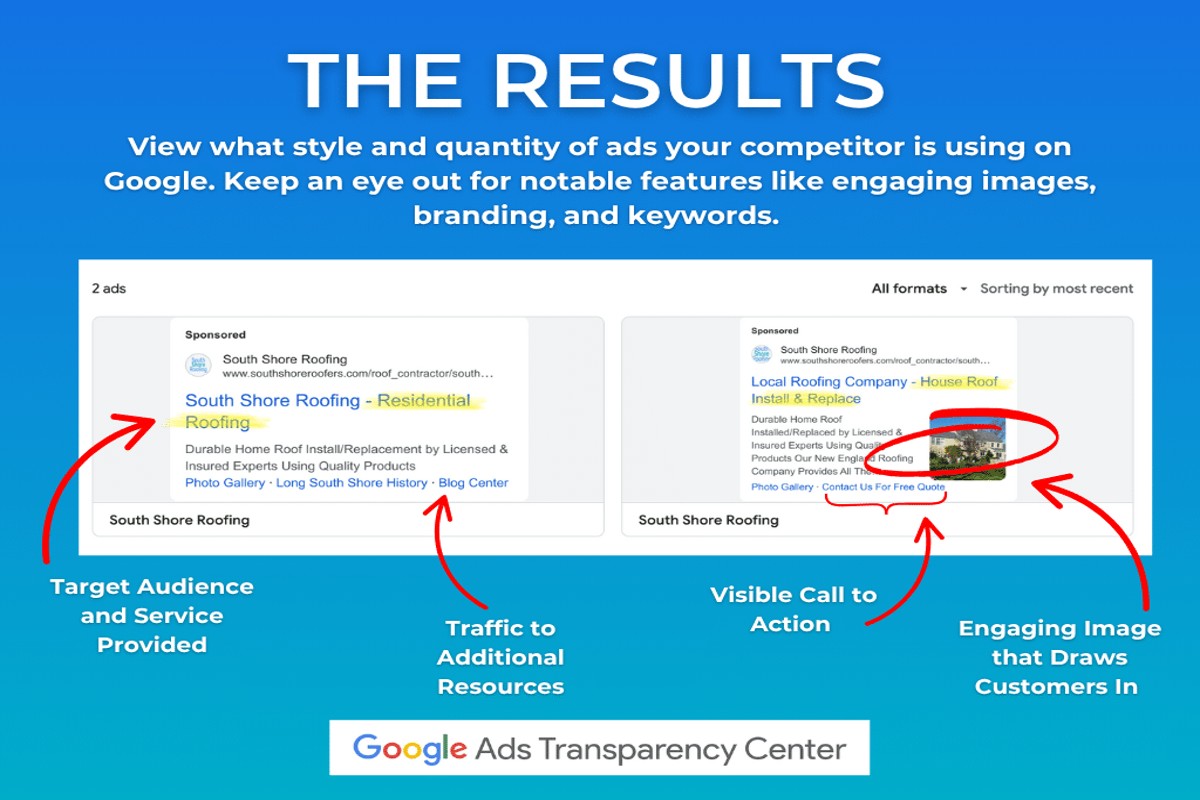
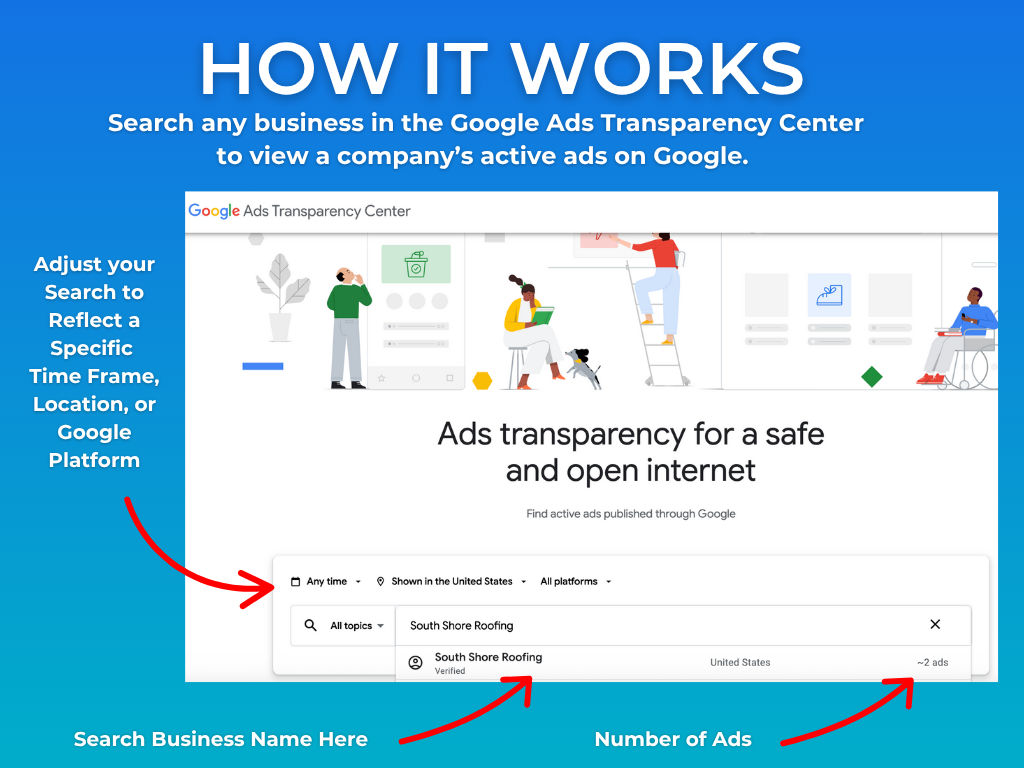
Expert insight: Use tools like Google Ads Transparency Center or Adbeat to automate monitoring and receive alerts about changes in competitors’ ads. This strategy allows for efficient tracking while maintaining focus on your own advertising efforts.
Understanding the Importance of Competitive Analysis
Analyzing competitors’ Google Display Ads is a strategic practice that offers invaluable insights into market dynamics and advertising effectiveness. This analysis not only uncovers competitors’ tactics — it also informs and enhances one’s own advertising strategies.
Identifying Market Trends and Shifts
Monitoring competitors’ display ads allows businesses to spot emerging market trends and shifts in consumer behavior. For instance, if multiple competitors begin emphasizing eco-friendly products in their ads, it signals a growing consumer preference for sustainability. In 2024, 58% of consumers indicated that they prioritize sustainability in their purchasing decisions — making awareness of such trends essential for staying relevant.
Learning from Competitors’ Successes and Failures
Competitive analysis presents an opportunity to learn from both successful and unsuccessful campaigns. By examining which ads drive high engagement or conversions, businesses can identify effective messaging, visuals, and calls-to-action. Conversely, analyzing failed campaigns helps avoid similar pitfalls. If a competitor’s ad with a complex offer underperformed, it highlights the importance of clarity and simplicity in messaging.
Enhancing Your Own Ad Strategies
Insights gained from competitors can significantly enhance advertising strategies. By understanding the creative elements and targeting techniques that yield results, companies can refine ad copy, design, and audience segmentation. Implementing A/B testing based on competitor insights can lead to improved performance metrics. Recent data shows that companies employing data-driven advertising strategies often see a 30% increase in ROI.
Staying Ahead in a Competitive Landscape
In a saturated market, maintaining a competitive edge is crucial. Regularly analyzing competitors’ display ads equips businesses with the knowledge to pivot and adapt quickly. This proactive approach allows companies to seize gaps in the market or themes underrepresented in competitors’ advertising. As of 2026, the digital advertising market is projected to reach $500 billion — emphasizing the need for companies to stay ahead of the curve.
Nuance / Expert Layer
Many companies mistakenly believe that copying competitors’ ads will yield similar results. This approach often leads to brand dilution and a lack of a unique identity in the marketplace. Instead, the focus should be on extracting insights and adapting them to fit the brand’s unique voice and values. Furthermore, not all successful competitor strategies will align with the target audience; careful consideration of audience preferences is essential. Understanding the nuances of ad placement and timing can significantly impact ad effectiveness — an aspect frequently overlooked in basic analyses.
Practical Application
To effectively leverage competitive analysis, consider the following actionable steps:
- Use tools like SEMrush or Adbeat to track competitors’ ad placements and creatives.
- Set up alerts for competitor ads to monitor shifts in messaging or targeting strategies.
- Conduct regular reviews of ad performance data to identify trends and opportunities.
- Test variations of successful competitor ads while maintaining the brand’s unique voice.
Implementing these strategies will help refine ad campaigns, ensuring they resonate with the audience while staying competitive in the market.
Step-by-Step Guide to Using Ad Spy Tools
This section outlines a thorough methodology for using ad spy tools — a vital approach for gaining insights into competitors’ Google Display Ads. Mastering these tools can truly enhance advertising strategies and improve market positioning.
1. Selecting the Right Tool for Your Needs
Choosing the right ad spy tool is essential for effective competitor analysis. Consider these factors:
- Features: Look for tools that provide detailed data on ad creatives, placements, and performance metrics.
- Pricing: Assess your budget in relation to the tool’s pricing structure — it can range from free trials to monthly subscriptions averaging $99 to $500.
- User Reviews: Examine testimonials and case studies to get a sense of real-world application and effectiveness.
2. Setting Up Your Account and Preferences
Once the right tool is chosen, the next step is account setup. Follow these steps:
- Create an account using a valid email address and set a strong password.
- Pick a subscription plan that matches your analysis needs.
- Configure preferences, including geographical targeting, ad formats, and competitor selection.
Make sure to take advantage of any onboarding resources the tool offers. Many platforms provide tutorials or customer support to make the setup process smoother.
3. Navigating the Tool’s Interface
Getting familiar with the interface is key for effective usage. Typically, you’ll find:
- Dashboard: A summary view that displays recent ads and trends.
- Search Functionality: This lets you input competitor names or keywords to filter results.
- Data Filters: Use these to narrow down results by metrics like impressions, clicks, and engagement rates.
Explore each section of the tool. The layout and functionalities can vary greatly between platforms.
4. Interpreting the Data and Insights Provided
Interpreting data is vital for obtaining actionable insights. Focus on these key performance indicators (KPIs):
- Ad Spend: Grasp estimated budgets to understand competitor investment levels.
- Ad Variations: Examine different creatives to pinpoint successful formats and messaging.
- Engagement Metrics: Check click-through rates (CTR) and conversion rates to evaluate effectiveness.
In 2024, about 70% of marketers reported using ad spy tools to refine their campaigns based on competitor insights — this highlights the necessity of data-driven strategy adjustments.
Nuance / Expert Layer
While many articles cover basic functionalities, a common misconception is that all ad spy tools offer the same data. In truth, the depth of data and analytical capabilities can differ significantly. For instance, some tools may excel in tracking historical data while others prioritize real-time monitoring. Understanding these nuances can lead to smarter choices about which tool best meets specific business needs.
Practical Application
To effectively leverage the insights gained from ad spy tools, consider these actions:
- Regularly check competitors’ ads to tweak your strategies based on their successful campaigns.
- Experiment with ad formats and messaging that have demonstrated high engagement in your industry.
- Use competitor insights to find gaps in your own advertising strategy and enhance your performance.
By adopting these strategies, businesses can strengthen their competitive edge and boost overall ad effectiveness.
Common Mistakes to Avoid When Spying on Competitors
Marketers often stumble in their attempts to analyze competitors’ Google Display Ads, leading to wasted resources and misaligned strategies. Recognizing and avoiding common pitfalls can enhance the effectiveness of competitive analysis — ultimately driving better results.
Focusing Too Much on One Competitor
Focusing solely on a single competitor can create a narrow view of the market landscape. While understanding the strategies of leading players is crucial, relying exclusively on one source limits the scope of learning. A comprehensive analysis should include multiple competitors across various segments. This is often vital.
- Identify at least five competitors to analyze their ad strategies.
- Evaluate their market positions, messaging, and creative elements.
- Explore different niches to uncover innovative approaches.
Ignoring the Context of the Ads
Ads don’t exist in a vacuum. Context is critical for understanding how display ads resonate with target audiences. Factors such as seasonality, current events, and ongoing marketing campaigns impact ad performance significantly. Neglecting these elements can lead to misinterpretation of why certain ads succeed or fail — this is commonly overlooked.
- Assess the timing of ads in relation to industry trends.
- Consider the target audience demographics and psychographics.
- Analyze the overall marketing strategy behind the ads, including promotions and product launches.
Neglecting to Adapt Insights to Your Own Brand
Insights gained from competitor analysis must be tailored to fit your brand’s unique identity and goals. Simply copying a competitor’s strategy without considering your value proposition can alienate your audience. Each brand has distinct strengths and weaknesses that should inform strategic decisions; this is crucial.
- Evaluate how competitor messaging aligns with your brand voice.
- Identify gaps in the market that your brand can fill.
- Customize ad creative to reflect your brand’s unique selling points.
Failing to Track Changes Over Time
Competitor strategies evolve, and failing to track these changes can result in outdated insights. A one-time analysis may provide a snapshot, but ongoing monitoring reveals trends and shifts in tactics that can inform your strategy. According to recent data, companies that continuously analyze competitor ads see a 35% increase in campaign effectiveness — this is substantial.
- Set up alerts for competitor ad activity using tools like Google Alerts.
- Use ad intelligence platforms to track changes over time.
- Document findings in a competitive analysis report for future reference.
To effectively spy on competitors’ Google Display Ads, marketers should diversify their focus. They must consider the broader context, adapt insights, and establish a routine for monitoring changes. Implementing these strategies will enhance competitive intelligence and improve overall marketing effectiveness.
Real-World Examples of Competitor Ad Analysis
This section looks at real-world case studies that spotlight successful competitor ad analysis. By examining how different brands have tackled Google Display Ads, businesses can gain insights that help shape their own advertising strategies.
Case Study 1: Brand A’s Successful Campaign Inspired by Brand B
Brand A, a mid-sized e-commerce retailer, analyzed Brand B’s Google Display Ads to pinpoint effective messaging and targeting strategies. By using tools like SEMrush and SpyFu, Brand A found that Brand B often highlighted customer testimonials and seasonal promotions. This insight prompted Brand A to revamp its ad copy, adding similar elements.
The results were impressive: Brand A experienced a 35% increase in click-through rates (CTR) and a 20% boost in conversion rates within three months. This case shows the power of leveraging competitor insights to elevate ad performance.
Case Study 2: Lessons Learned from Brand C’s Ad Failures
Brand C, a technology startup, initially faced challenges with its Google Display Ads, which used overly technical language and lacked clear calls to action. After analyzing competitors, Brand C realized that simpler, more engaging messaging resonated more effectively with its target audience.
After making changes based on this analysis, Brand C boosted its CTR by 50% within six months. This case stresses the importance of grasping not just what works for competitors, but also what falls flat.
Case Study 3: How Brand D Outperformed Competitors with Unique Strategies
Brand D, a leader in the fitness industry, effectively distinguished itself from competitors by analyzing their ad placements and targeting strategies. Through competitive analysis, Brand D discovered that many rivals leaned toward general fitness themes. In contrast, Brand D seized on niche markets, crafting ads focused on specific fitness goals like weight loss and muscle gain.
This distinctive approach led to an impressive 40% increase in engagement rates and a 25% rise in overall sales during their campaign. Brand D’s success highlights the benefit of spotting and capitalizing on gaps in competitor strategies.
Key Takeaways from Each Example
- Brand A: Highlight customer-centric messaging and seasonal promotions to boost CTR.
- Brand C: Streamline messaging and ensure clear calls to action for better engagement.
- Brand D: Identify niche markets to stand out from competitors and drive sales.
Competitor ad analysis often misses critical nuances. Many businesses might think that duplicating a competitor’s successful ad directly will yield similar results. However, context is key — what resonates with one brand’s audience may not click with another’s. Plus, ad fatigue can occur quickly, making ongoing analysis and adjustment vital. Brands must focus on recognizing their unique value propositions while still drawing ideas from competitors.
To put these insights into practice, brands should adopt a structured approach to competitor ad analysis. Start by picking key competitors to monitor, using tools like Adbeat or Moat to keep an eye on their Google Display Ads. Next, categorize their strategies based on messaging, design, and targeting. Lastly, test similar strategies in your campaigns while confirming they align with your brand’s voice and objectives. This method enables brands to stay agile and competitive in a constantly evolving market.
Frequently Asked Questions
What tools can I use to spy on competitors’ Google Display Ads?
Tools like SEMrush, SpyFu, and Adbeat provide insights into competitors’ Google Display Ads. These platforms allow users to view ad creatives, placements, and estimated budgets.
How can I analyze my competitors’ ad performance?
Analyzing competitors’ ad performance can be done through tools that track metrics such as impressions, clicks, and engagement rates. Additionally, reviewing their ad placements and creative strategies can provide valuable insights.
What should I look for when spying on competitors’ display ads?
Focus on ad creatives, messaging, targeting tactics, and frequency of ads. Identifying successful elements can help refine your own Google Display Ads strategy.
Is it legal to spy on competitors’ ads?
Yes, it is legal to analyze competitors’ ads as they are publicly available. However, ensure compliance with advertising regulations and ethical guidelines when using this information.
How often should I check my competitors’ display ads?
Regularly monitoring competitors’ display ads, ideally on a monthly basis, allows you to stay updated on their strategies. Frequent checks help identify trends and shifts in the competitive landscape.
Final Thoughts on how to spy on competitors google display ads
Effectively spying on competitors’ Google Display Ads is essential for gaining a competitive edge in today’s digital marketplace. By leveraging the right tools and methodologies, marketers can uncover valuable insights into ad performance, messaging strategies, and audience targeting that inform their own campaigns and drive superior results.
To harness these insights, begin by selecting a robust ad spy tool that aligns with your specific needs, and conduct a comprehensive analysis of your key competitors’ ads to identify trends and opportunities for optimization.
Ready to take your advertising strategy to the next level? Consult with a google ads expert today and uncover the secrets of your competitors’ success!
Understanding the nuances of your competition’s display advertising strategies is critical; it empowers businesses to refine their approach, ultimately leading to enhanced visibility and increased market share.