
To get more real estate clients, agents must establish a robust online presence, utilize social media effectively, and engage in local networking. With 90% of home buyers beginning their property search online, adopting effective digital marketing strategies is crucial for success.
Understanding how to get more real estate clients is essential for agents looking to thrive in today’s competitive market. With the real estate industry projected to exceed $4 trillion in value, professionals must grasp effective client acquisition strategies to remain relevant. Failing to implement these methods can result in lost opportunities and diminished market share.
Neglecting to master client acquisition techniques can lead to significant financial losses, wasted marketing resources, and a weakened competitive position. Real estate agents who do not adapt may find themselves struggling to attract new clients while their competitors capitalize on effective strategies.
This article will explore proven strategies for gaining more real estate clients, including optimizing your online presence, leveraging social media platforms, and implementing best networking practices. Readers will gain insights into actionable techniques that drive client engagement and business growth.
What are the best ways to attract real estate clients?
Attracting real estate clients effectively hinges on digital marketing, networking well, and offering valuable content. A 2024 survey showed that 73% of homebuyers found their agent online. This underscores the need for a robust digital presence.
To draw in clients successfully, real estate professionals should concentrate on several critical strategies:
- Optimize your online presence: Make sure your website is user-friendly and mobile-responsive. Use search engine optimization (SEO) techniques to rank higher in search results — this makes it easier for potential clients to find you.
- Utilize social media platforms: Engage with potential clients on Instagram, Facebook, and LinkedIn. Share market insights, client testimonials, and property listings to form a connection with your audience (this is often overlooked).
- Network within the community: Attend local events, join real estate associations, and collaborate with other professionals like mortgage brokers and contractors. Building relationships can lead to referrals and increased visibility.
- Create informative content: Develop blog posts, videos, or webinars that tackle common real estate questions or market trends. Positioning yourself as an expert can build trust and motivate potential clients to reach out.
- Leverage online reviews: Encourage satisfied clients to leave reviews on platforms such as Google, Zillow, or Yelp. Positive reviews can greatly influence potential clients’ decisions.
Expert insight: Track the performance of your marketing efforts consistently through analytics tools. Understanding which strategies yield the best results allows for informed adjustments — this maximizes client attraction efforts.
How can social media help real estate agents find clients?
Social media offers real estate agents powerful tools to connect with potential clients, showcase properties, and build their brand. A 2024 survey reveals that over 80% of real estate agents view social media as a key source for generating leads. Effectively leveraging platforms like Instagram and Facebook can significantly expand an agent’s client base.
- Showcase listings creatively. Use high-quality images and engaging videos to present properties. Virtual tours and 360-degree views can draw more attention — making listings more appealing to potential buyers.
- Share client testimonials. Posting success stories and positive reviews builds trust with prospective clients. Highlighting satisfied clients’ experiences demonstrates reliability (this is often overlooked) and can sway new clients’ decisions.
- Engage with your audience. Regularly interact with followers through comments, polls, and Q&A sessions. This engagement nurtures relationships and keeps your brand in the minds of potential clients.
- Utilize targeted advertising. Use Facebook and Instagram’s advertising tools to reach specific demographics. Tailored ads can boost visibility among your ideal client base, enhancing lead generation opportunities.
- Join local groups and communities. Engage in neighborhood or community-focused groups on social media. Sharing valuable insights and contributing to discussions can establish you as a local expert, creating more referral opportunities.
Expert insight: Consistent and authentic engagement on social media attracts potential clients and helps retain past clients. Regularly updating content strategy based on analytics can optimize outreach efforts.
What role does networking play in gaining real estate clients?
Networking is crucial for real estate agents. It helps build relationships and trust, which are key in gaining new clients. About 70% of real estate transactions are affected by referrals. This underscores the importance of a solid professional network.
Effective networking can take many forms. It includes attending industry events, joining local business organizations, and participating in community activities. These interactions let agents showcase their expertise. This builds rapport with potential clients. Plus, networking keeps agents informed about market trends and opportunities — all of which enhances their ability to serve clients effectively.
- Industry Events: Conferences and seminars offer platforms for real estate professionals to connect and share insights. This is where partnerships can begin.
- Local Organizations: Joining groups like chambers of commerce can significantly expand an agent’s reach within the community.
- Online Networking: Using social media platforms and professional networks such as LinkedIn helps agents maintain connections — and attract new clients.
Personal relationships often foster trust, a critical element in real estate transactions. Clients are more likely to choose agents they know or those referred by someone they trust (this is often overlooked). Thus, ongoing networking efforts can greatly boost an agent’s visibility and credibility in the market.
Expert insight: Focus on building genuine relationships instead of mere transactional connections. This strategy leads to more sustainable client acquisition through referrals and repeat business.
How much should real estate agents spend on marketing?
Real estate agents typically allocate 10-20% of their commission income on marketing efforts. This percentage can change based on individual circumstances, market conditions, and specific business goals.
Several factors influence how much agents should spend on marketing. These include the agent’s experience level, the competitiveness of the local market, and the types of marketing channels used. New agents often need to invest more heavily in marketing to establish their brand and client base. In contrast, seasoned agents with a strong reputation might spend less. Additionally, agents working in highly competitive markets may find it necessary to set aside a larger budget to stand out from the crowd.
- Marketing Channels: The choice between digital marketing, traditional advertising, or a mix of both can significantly affect costs. Digital marketing — including social media and pay-per-click advertising — often requires ongoing investments. Traditional methods, like print advertising, may have different cost structures.
- Target Audience: Understanding and targeting specific demographics can impact marketing expenses. Tailoring campaigns to reach high-value clients may demand more sophisticated marketing strategies and, consequently, higher spending (this is often overlooked).
- Geographic Area: The cost of marketing can differ widely by location. Urban markets usually require higher marketing budgets due to increased competition and elevated advertising costs compared to rural areas.
Expert insight: Regularly evaluate marketing return on investment (ROI) to confirm that spending aligns with client acquisition goals. Adjusting budgets based on performance can lead to more effective strategies and increased client engagement. This is essential for sustained success.
How long does it take to build a client base in real estate?
Building a client base in real estate usually takes between six months and three years. This timeline varies greatly, influenced by market conditions, networking efforts, and the marketing strategies in play.
Several factors affect how long it takes to develop a client base. First, local market conditions are crucial. In a booming market, agents can attract clients quickly due to increased property demand. But in a sluggish market, building trust and rapport with potential clients takes longer — this is often overlooked. Secondly, a real estate agent’s networking skills and existing connections can speed things up. Agents involved in community events, seminars, and social gatherings are often able to forge relationships that lead to referrals and clients more rapidly.
Moreover, the effectiveness of marketing strategies heavily influences the timeline. Using digital marketing techniques like social media advertising, search engine optimization, and email campaigns can greatly boost visibility and draw in potential clients. Agents who focus on professional branding and consistently share valuable content may build credibility and trust much faster than those who don’t.
Expert insight: Concentrate on fostering genuine relationships while leveraging technology to enhance outreach. A targeted marketing approach paired with personal connections can speed up the path to a strong client base.
What are common mistakes real estate agents make when trying to get clients?
Common mistakes include neglecting follow-ups, failing to leverage technology, and not differentiating themselves from competitors. A study from 2024 shows that 75% of real estate agents lose potential clients due to inadequate follow-up strategies.
One significant error is the lack of consistent follow-up with leads. An agent might meet a potential client at an open house — then fail to reach out afterward. Research indicates that 80% of sales require five follow-ups, but many agents stop after just one. This oversight can lead to lost opportunities; clients tend to appreciate persistence and remember agents who take the initiative to connect.
Another common mistake is not using technology effectively. Many agents still rely on traditional marketing methods, overlooking tools like social media and real estate platforms that can enhance visibility (this is often overlooked). For example, a real estate agent investing time in creating engaging content for platforms like Instagram or Facebook can reach a broader audience. In 2024, agents utilizing social media noted a 30% increase in client inquiries.
Finally, many agents fail to establish a unique value proposition that sets them apart from competitors. Without a clear differentiation strategy, they blend into a crowded market. For instance, a niche specialist in eco-friendly homes can attract clients who value sustainability. This targeted approach not only garners attention but also builds a loyal client base.
Expert insight: Investing in a robust follow-up system and leveraging technology are critical for success. Agents should also develop a unique selling point that resonates with their target audience — this enhances client acquisition efforts.
What are effective lead generation strategies for real estate agents?
Effective lead generation strategies for real estate agents include content marketing, targeted email campaigns, and leveraging real estate platforms. According to the National Association of Realtors, 44% of buyers start their home search online. This underscores the need for a strong digital presence.
Content marketing is one of the most effective methods. It involves creating valuable resources that draw in potential clients. This could mean writing blog posts about local market trends, producing video tours of properties, or providing informative guides for first-time homebuyers. By establishing oneself as a knowledgeable authority in the market, agents build trust — and that encourages inquiries from interested parties.
Email campaigns are also crucial for lead generation. By segmenting audiences based on interests or their stage in the buying process, agents can send tailored messages that truly resonate. For example, sending market updates to past clients can lead to referrals. Meanwhile, offering property listings to prospective buyers can prompt immediate interest.
Using real estate platforms, such as Zillow or Realtor.com, enables agents to reach a broader audience. These platforms have built-in lead generation tools and advertising options that can greatly enhance visibility. Engaging with users on these sites can drive inquiries and help establish connections with potential clients.
Expert insight: Focus on integrating multiple lead generation strategies for a comprehensive approach. Consistency in content creation and communication increases engagement. It also fosters long-term relationships with clients — this is often overlooked.
How can real estate agents use testimonials to attract clients?
Real estate agents can leverage testimonials to attract clients by boosting their credibility and fostering trust. A 2024 survey found that 79% of consumers trust online reviews just as much as personal recommendations. This makes testimonials a powerful marketing tool.
Collecting and showcasing client testimonials is crucial. A well-structured approach ensures authenticity and relevance. Reach out to satisfied clients shortly after closing a deal. This timing captures their positive emotions — and encourages them to provide detailed feedback. Use a blend of written and video testimonials to cater to different audience preferences, which enhances engagement.
- Use multiple platforms: Share testimonials across various channels, including your website, social media, and email newsletters. This broadens your reach and reinforces your reputation.
- Highlight specific results: When possible, focus on particular metrics or outcomes in testimonials. For example, mention how quickly a property sold or how much above asking price it fetched. Quantifiable results resonate strongly with potential clients.
- Feature diverse client experiences: Showcase testimonials from clients with different backgrounds (first-time buyers, investors, sellers) to appeal to a wider audience. This diversity demonstrates versatility and expertise.
- Make it personal: Include client photos or short bios alongside their testimonials. Personalizing testimonials increases relatability — and fosters a connection with prospective clients.
Expert insight: Regularly update testimonials to reflect your latest successes and highlight your commitment to client satisfaction. This not only keeps your content fresh but also signals to potential clients that you’re actively engaged in the market (this is often overlooked).
Leveraging Digital Marketing for Client Acquisition
Digital marketing is a crucial tool for real estate professionals looking to grow their client base. Optimizing online presence is key. Agents can enhance visibility and draw in prospective buyers and sellers significantly.

Importance of a Professional Website
A professional website acts as a digital storefront. Often, it’s the first interaction potential clients have with a real estate agent. It should have a clean design and be easy to navigate. Essential information — including listings, services, and contact details — must be readily available. A 2024 report notes that 92% of homebuyers begin their search online. This highlights the need for a well-crafted website that showcases listings effectively.
Utilizing SEO to Improve Search Rankings
Search Engine Optimization (SEO) is essential for increasing a website’s visibility in search engine results. By optimizing on-page elements — titles, meta descriptions, and content with relevant keywords — real estate agents can boost their search rankings. Local SEO strategies, like claiming Google My Business listings, can enhance visibility within specific areas. For example, agents using local SEO tactics reported a 30% increase in organic traffic to their websites over the past year.
Effective Use of Social Media Platforms
Social media platforms offer unique opportunities to engage potential clients and showcase properties. Agents should concentrate on platforms such as Facebook, Instagram, and LinkedIn, which cater to various demographics. Effective strategies include:
- Content Creation: Share high-quality images and videos of listings, neighborhood highlights, and industry insights.
- Engagement: Actively respond to comments and messages. This fosters community and builds trust.
- Advertising: Use targeted ads to reach specific demographics — this often leads to higher conversion rates.
Statistics show that real estate agents using social media for marketing see a 73% increase in client engagement compared to those who do not.
Email Marketing Strategies to Engage Leads
Email marketing continues to be a powerful tool for nurturing leads and maintaining relationships with existing clients. A strategic approach includes:
- Segmenting Your Audience: Tailor content based on the interests and behaviors of different client groups.
- Providing Value: Share market updates, property tips, and exclusive listings to keep your audience informed.
- Call-to-Action (CTA): Incorporate clear CTAs to encourage recipients to take the next step — whether it’s scheduling a viewing or contacting the agent.
Recent data reveals that email marketing campaigns in real estate yield an average ROI of $42 for every dollar spent. This underscores its effectiveness in client acquisition.
While many agents grasp the basics of digital marketing, they often overlook the importance of continuous optimization and adaptation. For example, understanding that different platforms attract different demographics can lead to tailored strategies — ones that resonate more deeply with target audiences. A common misconception is that once a website is built, no further work is needed. In reality, regular updates and performance assessments are crucial for maintaining a competitive edge.
To effectively leverage digital marketing for client acquisition, real estate agents should focus on the following actionable steps:
- Invest in a professional website with engaging content and user-friendly navigation.
- Implement SEO best practices to enhance visibility in search results.
- Establish a strong social media presence and engage with potential clients regularly.
- Develop a targeted email marketing strategy to nurture leads.
By prioritizing these strategies, agents can significantly improve their chances of acquiring more clients and achieving sustained success in the real estate market.
Networking Techniques to Expand Your Client Base
Effective networking is crucial for real estate professionals aiming to grow their client base. This section delves into advanced networking strategies that go beyond the traditional approaches — fostering meaningful connections and generating new business opportunities.
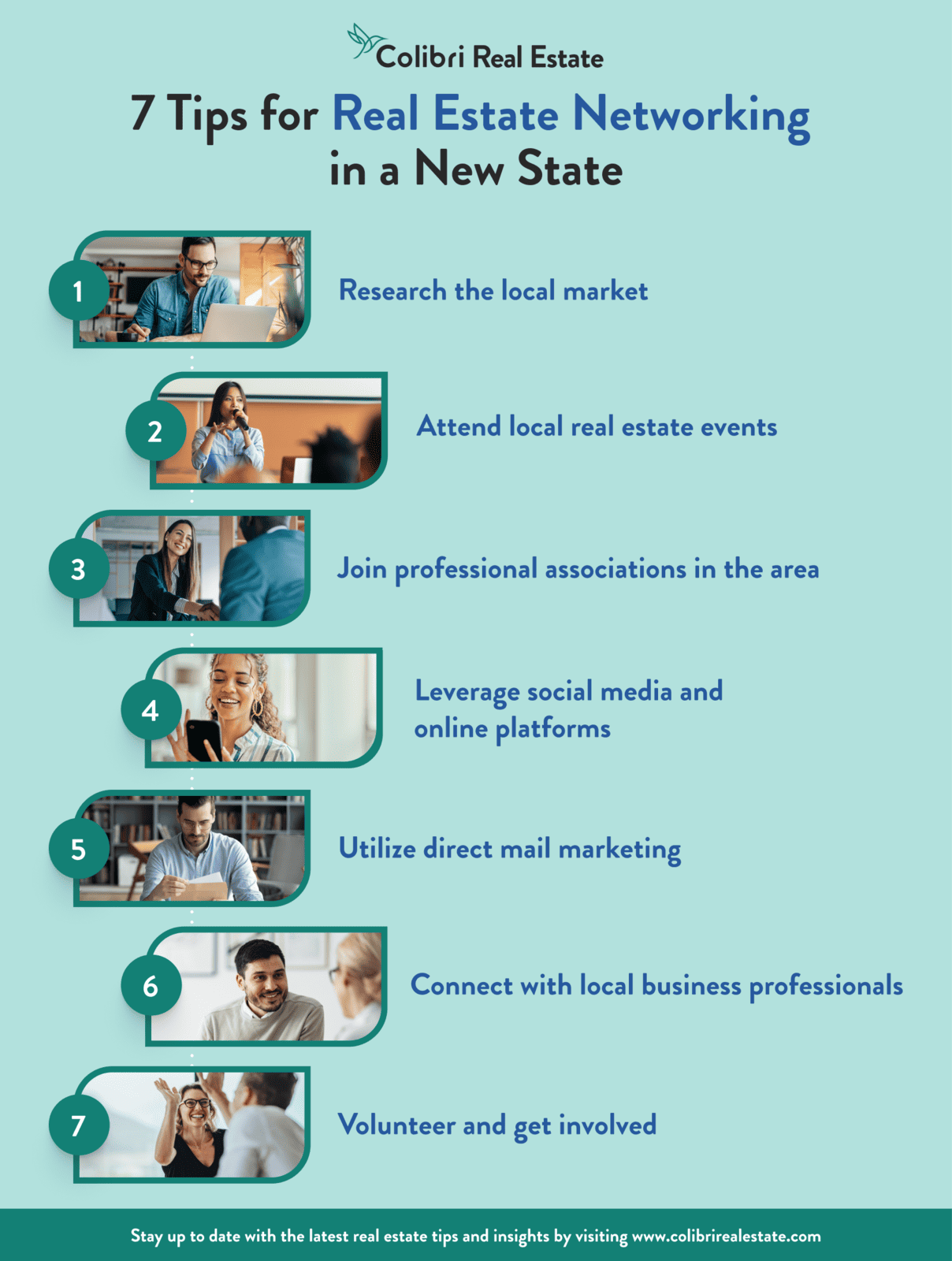
Joining Local Business Groups and Associations
Engaging with local business groups and associations offers real estate agents valuable networking opportunities. These organizations frequently host events that attract potential clients and industry stakeholders. Joining chambers of commerce, real estate associations, or community development groups can lead to introductions with a diverse audience.
- Chambers of Commerce: Act as a hub for local businesses, providing networking events and resources.
- Real Estate Associations: Offer education, advocacy, and tailored networking opportunities for industry professionals.
- Community Development Groups: Concentrate on local initiatives, enabling connections with residents looking for real estate services.
Hosting Open Houses and Community Events
Open houses not only showcase properties — they also function as networking platforms. Organizing community events like workshops or seminars on real estate trends can attract potential clients and foster goodwill (this is often overlooked). These gatherings allow for direct interaction with the community, enhancing visibility and building trust.
Statistics show that agents who host open houses report a 30% increase in client inquiries compared to those who don’t. Additionally, community events can amplify local engagement, leading to referrals and repeat business.
Building Relationships with Other Real Estate Professionals
Collaborating with other real estate professionals, such as agents, brokers, and mortgage lenders, can significantly expand a network. Establishing strong relationships encourages referrals between professionals and creates a solid support system within the industry. Consider these approaches:
- Attend Networking Events: Take part in industry conferences, workshops, and social gatherings to meet peers.
- Cross-Promotion: Partner with other agents to promote each other’s listings or services.
- Mentorship: Seek guidance from seasoned professionals, which can lead to valuable insights and connections.
Utilizing Online Networking Platforms
Digital networking platforms like LinkedIn, Facebook Groups, and real estate forums offer unique chances to connect with potential clients and industry peers. Actively engaging in these spaces allows agents to showcase their expertise, share insights, and build meaningful relationships.
A 2024 survey revealed that 65% of real estate professionals reported generating leads through social media platforms, underscoring the importance of a strong online presence. Consistent engagement and sharing valuable content can bolster credibility and attract clients.
Common misconceptions about online networking suggest it’s less effective than face-to-face interactions. However, virtual connections can certainly lead to real-world opportunities. Agents must prioritize building authentic relationships online — many clients now start their search for real estate services digitally.
To effectively implement these networking strategies, real estate professionals should:
- Identify and join at least two local business groups or associations.
- Host a quarterly open house or community event to engage with potential clients.
- Establish connections with three other real estate professionals for referral opportunities.
- Maintain an active presence on at least two online networking platforms, sharing valuable content regularly.
By integrating these techniques into their marketing strategy, real estate agents can significantly enhance their networking efforts and ultimately discover how to attract more real estate clients.
Building a Personal Brand as a Real Estate Agent
Establishing a personal brand is crucial for real estate agents seeking to draw in and keep clients. A strong brand helps set an agent apart in a competitive market. It also builds trust and credibility with potential clients.

Defining Your Unique Selling Proposition (USP)
Your unique selling proposition (USP) is a clear statement that expresses what makes you stand out from other agents. It summarizes your strengths, expertise, and the specific value you provide to clients. Consider these elements when defining your USP:
- Specialization: Focus on a niche market, such as luxury homes, first-time buyers, or particular neighborhoods.
- Experience: Highlight years of experience, successful transactions, or unique certifications.
- Client-centric approach: Emphasize your commitment to customer service, responsiveness, and personalized experiences.
Creating Consistent Messaging Across Platforms
Consistency in messaging strengthens your personal brand. It makes sure clients receive a unified experience across all touchpoints, whether via social media, your website, or direct marketing materials. Key strategies to consider include:
- Using the same logo, color scheme, and tone of voice across platforms.
- Regularly updating content to reflect your brand values and services.
- Aligning your offline marketing materials, like business cards and brochures, with your digital presence.
Engaging Storytelling to Connect with Clients
Storytelling serves as a powerful tool in real estate marketing. Clients tend to engage more with narratives that resonate with their own experiences. Effective storytelling can include:
- Case studies of past clients, showcasing challenges and successful outcomes.
- Personal anecdotes that reveal your passion for real estate.
- Community involvement stories that demonstrate your connection to the local area.
According to a 2024 survey, 78% of consumers prefer brands that use storytelling in their marketing efforts. This underscores the need for real estate agents to adopt such an approach.
The Importance of Authenticity and Transparency
Authenticity is essential for building trust with clients. Being transparent about your processes, fees, and potential challenges fosters a sense of reliability. Clients today value honesty. They’re more inclined to choose agents who demonstrate:
- Open communication regarding market trends and property values.
- Clear explanations of the buying or selling process.
- A willingness to share both successes and setbacks in your career.
Research indicates that agents prioritizing transparency can boost client retention rates by up to 30% over two years.
Many articles on personal branding overlook the importance of ongoing engagement and adaptability. Real estate is dynamic — agents must continually refine their brand to remain relevant. This includes adjusting to changing market conditions, client preferences, and technological advancements.
To build a robust personal brand, real estate agents should:
- Clearly define their USP and communicate it consistently.
- Use storytelling techniques to create relatable content.
- Maintain authenticity and transparency in all interactions.
- Engage in continuous learning and adaptation to market changes.
By implementing these strategies, agents can effectively enhance their visibility and ultimately learn how to get more real estate clients. A well-defined personal brand attracts new clients and fosters long-term relationships built on trust and satisfaction.
Maximizing Client Retention Through Exceptional Service
Exceptional service is a cornerstone of client retention in real estate. Prioritizing client satisfaction fosters repeat business and generates valuable referrals.

Importance of Communication and Follow-Up
Effective communication is critical for building trust and rapport with clients. Regular updates throughout the buying or selling process keep clients informed and engaged. Follow-up post-transaction is equally essential. A 2024 survey found that 75% of clients appreciate follow-up communication — this results in a higher likelihood of repeat business. Establishing a systematic follow-up schedule (like a call or email at key milestones) can significantly enhance client relationships.
Offering Personalized Experiences
Personalization in service sets a real estate professional apart in a competitive market. Clients value tailored experiences that reflect their unique needs and preferences. This could include:
- Customized property recommendations based on specific buyer criteria.
- Personalized market analysis reports that align with client interests.
- Specialized services, such as staging advice or relocation support.
Statistics reveal that 80% of consumers are more likely to make a purchase when brands offer personalized experiences. Prioritizing client individuality fosters loyalty and encourages referrals.
Utilizing Feedback for Continuous Improvement
Feedback serves as a vital tool for enhancing service quality. Actively seeking client input through surveys or informal check-ins helps agents identify strengths and areas for improvement. According to recent data, real estate professionals who solicit feedback experience a 30% increase in client satisfaction ratings. Implementing changes based on this feedback not only improves service but also shows a commitment to client needs.
Creating Loyalty Programs or Incentives for Referrals
Establishing loyalty programs can significantly boost client retention. Incentives for referrals encourage satisfied clients to spread the word about exceptional service. Consider offering:
- Discounts on future transactions for referrals.
- Gift cards or rewards for successful referrals.
- Exclusive access to market insights or events.
Real estate firms that implement referral programs report a client acquisition increase of up to 50%. These programs enhance loyalty and expand the client base through trusted recommendations.
Many professionals often overlook the nuances of service excellence. While high-quality service is essential, maintaining a balance between professionalism and approachability can be tricky. Agents should avoid being overly formal — this may alienate clients. Instead, fostering a friendly yet knowledgeable demeanor enhances the overall client experience. Additionally, many articles fail to emphasize proactive problem-solving’s impact. Addressing potential issues before they arise can greatly boost client trust and satisfaction.
To implement these strategies effectively, real estate professionals should take the following actions:
- Establish a communication plan that includes regular check-ins and updates.
- Invest time in understanding each client’s unique preferences to tailor services.
- Deploy feedback mechanisms post-transaction and adapt services based on insights.
- Create a referral program that rewards clients for spreading the word.
By focusing on exceptional service, agents can effectively learn how to get more real estate clients through enhanced retention and referrals.
Frequently Asked Questions
What are the best ways to attract real estate clients?
Effective strategies include building a strong online presence, leveraging local SEO, and hosting open houses. Additionally, providing valuable content through blogs or videos can establish authority and attract potential clients.
How can social media help real estate agents find clients?
Social media platforms allow real estate agents to showcase listings, share market insights, and engage with potential clients. Regular interaction can build trust and foster relationships that lead to new business opportunities.
What role does networking play in gaining real estate clients?
Networking is crucial for real estate agents as it helps build relationships with potential clients and industry professionals. Attending local events and joining community groups can enhance visibility and create referral opportunities.
How much should real estate agents spend on marketing?
Real estate agents typically allocate 10-15% of their gross commission income to marketing efforts. The budget may vary based on individual goals and the local market but should focus on effective channels.
How long does it take to build a client base in real estate?
Building a client base in real estate can take anywhere from six months to several years, depending on various factors such as market conditions and individual effort. Consistent marketing and networking are key to accelerating this process.
What are common mistakes real estate agents make when trying to get clients?
Common mistakes include neglecting follow-ups, failing to establish a personal brand, and over-relying on one marketing channel. Diversifying outreach efforts and maintaining client relationships are essential for sustained success.
What are effective lead generation strategies for real estate agents?
Effective lead generation strategies include utilizing online advertising, creating engaging content, and hosting community events. Additionally, implementing a referral program can incentivize past clients to recommend services.
How can real estate agents use testimonials to attract clients?
Real estate agents can leverage testimonials by showcasing them on websites and social media platforms to build credibility. Positive client experiences act as social proof, influencing potential clients’ decisions to engage with the agent.
Final Thoughts on how to get more real estate clients
To effectively attract more real estate clients, agents must embrace a multifaceted approach that combines digital marketing, strategic networking, and a strong personal brand. By integrating these strategies, agents can not only increase visibility but also foster trust and credibility within their target markets.
As a practical next step, real estate agents should audit their current marketing efforts and invest in a targeted social media campaign that highlights their unique value propositions and engages potential clients through informative content and authentic interactions.
Ready to transform your client acquisition process? Connect with a google ads expert today and watch your real estate business flourish!
In a competitive landscape, mastering client acquisition is not just advantageous; it is essential for sustained success in the real estate industry.