

How to get more legal clients involves leveraging digital marketing strategies such as search engine optimization (SEO), content marketing, and social media engagement. Law firms that implement these strategies can experience an increase in client inquiries by as much as 40%, significantly enhancing their client acquisition efforts.
Understanding how to get more legal clients is essential for law firms seeking to thrive in a competitive legal landscape. With the legal services market projected to reach $1 trillion by 2025, firms that fail to adapt to digital marketing trends risk losing potential clients to more tech-savvy competitors. The shift toward online engagement is no longer optional; it’s a critical factor for sustained growth.
Failure to effectively attract new clients can lead to substantial revenue losses, wasted marketing resources, and an overall competitive disadvantage. Law firms that neglect this aspect of their business may find themselves unable to maintain a steady flow of clients, jeopardizing their long-term viability.
This article will cover proven strategies for increasing client acquisition, including a comparison of top digital marketing providers, cost breakdowns of various tactics, best practices for implementation, and insights into optimizing local SEO efforts. By the end, readers will gain actionable knowledge to enhance their client outreach initiatives.
What are effective marketing strategies for law firms?
Effective marketing strategies for law firms involve a blend of digital marketing, networking, and client engagement tactics. When law firms actively implement these strategies, they can see client acquisition rates jump by up to 30% within a year.
To attract more legal clients successfully, law firms must embrace a comprehensive approach that includes:
- Search Engine Optimization (SEO): Optimize your website for search engines to enhance visibility. Focus on local SEO strategies — this is crucial. Around 76% of individuals searching for legal services rely on local keywords. This involves creating location-specific content and confirming your firm’s presence in local listings.
- Content Marketing: Develop informative and engaging content that addresses common legal questions and issues. Blogs, videos, and informative guides not only establish authority but also build trust. Firms that publish content regularly see 55% more website visitors compared to those that don’t.
- Social Media Engagement: Use platforms like LinkedIn, Facebook, and Twitter to connect with potential clients. Share valuable content, engage in discussions, and network with other professionals. Law firms that maintain an active social media presence often experience significant increases in client engagement rates.
- Networking and Referrals: Attend industry events, workshops, and local business gatherings to foster relationships. Encourage satisfied clients to refer others. According to the American Bar Association, 75% of new clients come through referrals (this is often overlooked), making this an essential strategy for growth.
- Email Marketing: Implement targeted email campaigns to nurture leads and keep past clients informed. Regular updates on legal changes and firm news can keep your firm top-of-mind. Personalized emails can generate an ROI of $42 for every dollar spent.
Expert insight: Focus on a combination of these strategies tailored to your specific legal niche. Continuous evaluation and adaptation of marketing efforts will lead to sustainable client growth over time.
How can I improve my law firm’s online presence?
Improving a law firm’s online presence takes a strategic approach to the website and social media profiles. Research shows that 75% of potential clients look up law firms online before making a choice. An effective online presence isn’t just important — it’s essential for attracting new clients.
To boost a law firm’s online visibility, consider these actionable steps:
- Optimize Your Website for Search Engines: Make sure your website is optimized for search engines (SEO) by using relevant keywords, meta tags, and alt text for images. This can lead to a significant increase in your site’s visibility in search results.
- Create High-Quality Content: Publish informative articles and blog posts that tackle common legal questions and concerns. Content marketing can establish your authority in specific practice areas. It also improves your site’s ranking.
- Utilize Social Media Platforms: Keep active profiles on social media platforms like LinkedIn, Facebook, and Twitter. Share legal insights, updates, and client testimonials regularly to engage with your audience — and build trust.
- Leverage Online Reviews: Encourage satisfied clients to leave positive reviews on platforms such as Google My Business and Yelp. A high rating and positive feedback can greatly influence potential clients’ decisions (this is often overlooked).
- Implement a Mobile-Friendly Design: Confirm that your website is mobile-responsive. With over 50% of web traffic coming from mobile devices, a seamless experience on smartphones is crucial for user retention.
- Engage in Local SEO: Optimize for local search by including location-based keywords and creating a Google My Business profile. This helps attract clients from your area looking for legal services.
Each of these steps builds a stronger online presence, making your law firm more accessible to potential clients. Regularly analyze your website traffic and social media engagement to adapt your strategy as needed.
Expert insight: Consistently measure and refine your online strategies using analytics tools. This allows for data-driven decisions that can enhance your outreach and client acquisition efforts effectively.
What is the average cost of legal marketing?
The average cost of legal marketing varies widely, usually falling between $2,000 and $10,000 each month, depending on the strategies used. For instance, firms might spend around $1,000 to $5,000 on search engine optimization (SEO) and anywhere from $500 to $3,000 on social media advertising.
Several factors can influence the overall costs of legal marketing:
- Marketing Channels: Different channels carry different costs. Digital marketing methods, like pay-per-click (PPC) advertising, can be pricier than traditional methods — such as print ads.
- Target Market: Costs can rise based on the competitiveness of the target market. High-demand areas of law, like personal injury, often require a larger investment to stand out.
- Geographic Location: Marketing costs can vary by region. Urban areas tend to have higher advertising rates due to greater competition (this is often overlooked).
- Service Providers: Hiring a marketing agency can increase costs compared to in-house marketing efforts. However, agencies might provide more effective results.
- Content Creation: Quality content — like blogs and videos — is crucial for effective marketing. Professional content creation can significantly affect overall costs.
Legal marketing is an ongoing investment. Firms need to assess their budget against their growth goals. Allocating funds towards effective marketing strategies can result in higher client acquisition rates over time.
Expert insight: Focus on measurable results. Track the return on investment (ROI) for each marketing channel. This helps optimize spending and enhances client acquisition strategies effectively.
How long does it take to see results from legal marketing?
Results from legal marketing efforts typically take between three to six months to materialize. However, this timeline can vary significantly based on the marketing strategies used, the competitiveness of the legal market, and the specific goals of the campaign.
Several factors influence the timeline for seeing results from legal marketing. Firstly, the type of marketing strategy adopted plays a critical role. Search engine optimization (SEO) initiatives often require a longer time frame — usually six months to a year — to achieve significant organic traffic and client inquiries. In contrast, pay-per-click (PPC) advertising can yield immediate results, often within days, as it drives targeted traffic to your website. Social media marketing can show results in just a few weeks, depending on engagement rates and ad spend (this is often overlooked).
Another important consideration is the current state of the law firm’s online presence. Firms starting from scratch may face longer timelines as they build their brand and establish credibility. On the other hand, firms with an existing online presence may see faster results from enhanced marketing efforts, thanks to pre-existing visibility and client relationships. The legal niche also matters; highly competitive areas like personal injury or family law usually require more time and investment to stand out compared to less saturated fields.
Expert insight: To accelerate results, consider combining multiple strategies. For instance, use PPC for immediate visibility while investing in SEO for sustainable growth. Regularly analyzing performance metrics will help refine tactics and improve client acquisition speed.
What are common mistakes law firms make in client acquisition?
Law firms often commit several critical errors in client acquisition. These include not clearly defining their target audience, neglecting their online presence, and relying too heavily on word-of-mouth referrals. A 2023 survey revealed that 60% of law firms lack a defined marketing strategy. This significantly hinders their ability to attract clients.
One common scenario is a law firm that doesn’t clearly identify its ideal client demographic. For instance, a family law firm might market its services too broadly, failing to focus on specific segments like divorced parents or individuals seeking adoption. This lack of targeting leads to wasted marketing resources. The result is often poor client engagement, which ultimately reduces the firm’s effectiveness in attracting new clients.
Another frequent mistake is underestimating the importance of a robust online presence. Many law firms often have outdated websites or lack active social media profiles. This can deter potential clients. For example, a personal injury firm that doesn’t optimize its website for search engines could miss out on an estimated 30% of potential leads — those searching online for legal assistance. Such an oversight can significantly limit visibility and accessibility, which are crucial factors in client acquisition.
Expert insight: To enhance client acquisition, law firms should invest in targeted marketing strategies and keep an updated online presence. Regularly analyzing client demographics is advisable. Adapting marketing efforts accordingly can lead to improved engagement and increased client acquisition rates.
Leveraging Digital Marketing to Attract Clients
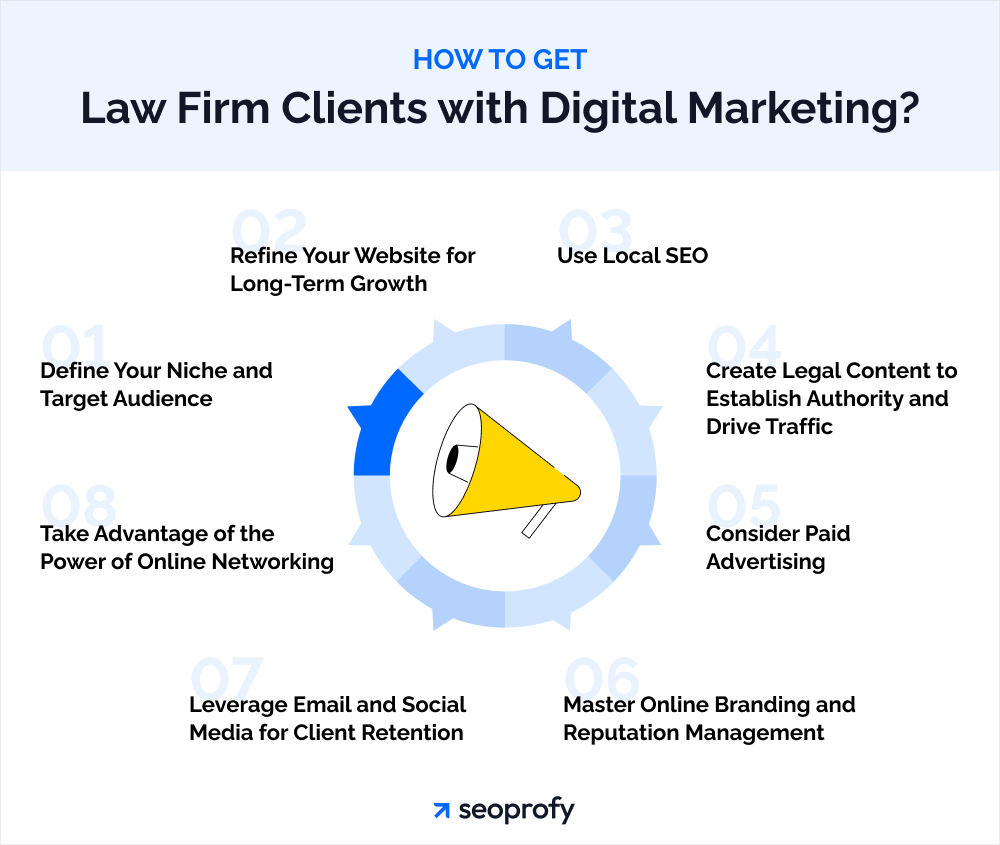
Digital marketing provides law firms with a powerful way to attract and engage clients. Implementing effective strategies can boost visibility, reach targeted audiences, and ultimately convert leads into clients.
Utilizing Pay-Per-Click Advertising Effectively
Pay-per-click (PPC) advertising allows law firms to place ads prominently on search engines and social media platforms. This method provides immediate visibility — and it can be tailored to specific demographics. Key strategies include:
- Targeted Keywords: Research and choose high-intent keywords that potential clients are likely to search for, like “personal injury lawyer” or “divorce attorney.”
- Geographic Targeting: Focus on local searches by including location-specific keywords to attract clients within the firm’s service area.
- A/B Testing: Try out different ad copies and landing pages to see which combinations achieve the highest conversion rates.
In 2024, businesses using PPC advertising reported an average return on investment (ROI) of 200%. This underscores its potential effectiveness for law firms.
Creating High-Quality Content that Addresses Client Needs
Content marketing positions law firms as authorities in their fields. Crafting informative and relevant content can attract potential clients and build trust. Consider these content strategies:
- Blog Posts: Regularly publish articles that answer common legal questions and offer insights into specific legal issues.
- Video Content: Create informative videos to explain legal processes, enhancing engagement and retention.
- Client Testimonials: Showcase success stories and reviews to build credibility and encourage inquiries.
According to a 2026 survey, 70% of consumers prefer to learn about a service through articles rather than advertisements. This highlights the importance of valuable content.
Optimizing Local SEO for Better Visibility
Local search engine optimization (SEO) is vital for law firms, as most clients look for legal services nearby. To optimize local SEO:
- Google My Business: Claim and optimize your Google My Business listing to improve local search rankings.
- Local Keywords: Incorporate local keywords throughout your website, including in titles, meta descriptions, and headers.
- Citations: Make sure your business information is consistent across online directories to boost local search visibility.
Firms that effectively optimize for local SEO can experience a 30% increase in website traffic from local searches.
Engaging with Clients through Email Marketing Campaigns
Email marketing remains a strong tool for maintaining client relationships and nurturing leads. Effective campaigns can convert prospects into clients by:
- Personalized Content: Tailor emails based on client interests and previous interactions to boost engagement.
- Regular Newsletters: Send out newsletters that provide legal updates, firm news, and helpful resources.
- Follow-Up Sequences: Implement automated follow-up emails to nurture leads who have engaged with the firm but haven’t converted yet.
Email marketing boasts an average ROI of 4200%, making it one of the most cost-effective marketing strategies.
To implement these strategies effectively, law firms should prioritize a multi-faceted approach. Start by allocating budget toward PPC campaigns. Develop a content calendar for regular content creation, optimize for local SEO, and establish a robust email marketing system. Regularly analyze performance metrics to refine and enhance these strategies for sustained growth in client acquisition.
Networking and Referrals: Building a Client Base
Effective networking and referral strategies are crucial for law firms aiming to grow their client base. This section delves into significant networking opportunities and how to foster relationships that can lead to valuable referrals.

Identifying Key Networking Events in the Legal Field
Participation in legal networking events can greatly boost a firm’s visibility and credibility. Key events include:
- Bar Association Meetings: Local and state bar associations often host events that provide excellent networking opportunities.
- Legal Conferences: National and regional conferences typically focus on specific practice areas, drawing in professionals eager to connect.
- Workshops and Seminars: Educational events enable attorneys to showcase their expertise while building relationships with peers and potential clients.
According to the American Bar Association, 78% of attorneys say networking events lead to new client relationships — a clear indicator of the value of active participation.
Building Relationships with Other Professionals for Referrals
Creating a network of professionals in related fields can enhance referral opportunities. Effective strategies include:
- Cross-Professional Engagement:
Collaborate with accountants, real estate agents, and financial advisors who might encounter clients needing legal services.
- Networking Groups: Join or establish groups focusing on mutual referrals; this fosters a community of professionals dedicated to supporting each other.
- Regular Communication: Keep in touch through newsletters, coffee meetings, or casual check-ins to ensure your firm stays top-of-mind.
Research indicates that 65% of new clients come from referrals — a strong reminder of the value in nurturing these professional relationships.
Creating a Referral Program to Incentivize Existing Clients
A structured referral program can encourage existing clients to refer new business. Key components of a referral program include:
- Clear Incentives: Offer discounts, gift cards, or other rewards for successful referrals to motivate client participation.
- Easy Referral Process: Simplify the referral process by providing clients with user-friendly forms or digital communication options.
- Recognition: Publicly acknowledge clients who refer others — this fosters a sense of community and appreciation.
Implementing a referral program can boost client acquisition rates by as much as 25%, making it a strategic investment for firms.
Maintaining Professional Connections Through Regular Follow-Ups
Ongoing engagement with professional contacts is essential for sustained referral success. Strategies for effective follow-ups include:
- Consistent Updates: Send periodic updates about your firm’s services, successes, and case studies to keep your network informed.
- Personalized Communication: Tailor follow-up messages to specific contacts based on their interests or past interactions — this can make a big difference.
- Networking Tools: Use CRM systems to track interactions and schedule regular follow-ups with key connections.
Regular follow-ups can build trust and encourage referrals, as 70% of professionals prefer to do business with those they know personally (this is often overlooked).
To effectively leverage these networking strategies, law firms should actively participate in relevant events, build strategic relationships, implement a referral program, and maintain ongoing communication with both clients and peers. Start by pinpointing upcoming events in your area, reaching out to potential referral partners, and designing a referral incentive that aligns with your firm’s values. Consistent engagement will help establish a solid client base.
Understanding Your Target Audience for Better Marketing
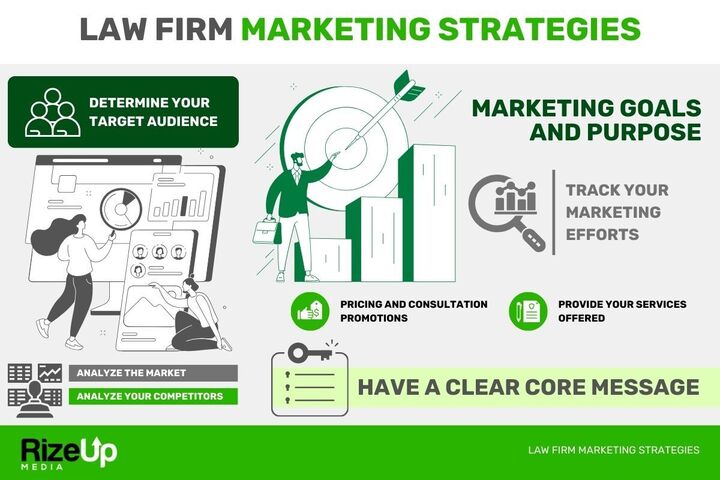
Identifying and understanding ideal clients is crucial for crafting effective marketing strategies. This section outlines how law firms can conduct market research, create client personas, and refine messaging to draw in more legal clients.
Conducting Market Research to Identify Client Demographics
Market research lays the groundwork for understanding client demographics. Law firms should use a blend of quantitative and qualitative research methods, including:
- Surveys: Gather data directly from existing clients about their demographics, motivations, and pain points.
- Industry Reports: Analyze published reports, like those from the American Bar Association, which provide insights into client trends.
- Social Media Analytics: Leverage platforms like LinkedIn and Facebook to assess the demographics of followers and engagement metrics.
In 2024, nearly 60% of law firms reported using data analytics as a key part of their client acquisition strategies. This reflects a growing reliance on data-driven decision-making.
Creating Client Personas to Guide Marketing Strategies
Client personas are fictional representations of ideal clients based on market research. Developing these personas lets law firms personalize their marketing efforts. Each persona should include:
- Demographic Information: Age, gender, location, and income level.
- Behavioral Traits: Typical online behaviors, preferred communication channels, and decision-making factors.
- Legal Needs: Specific legal services required and common challenges faced.
With well-defined client personas, law firms can align their marketing strategies with the specific needs and preferences of their target audience.
Tailoring Messaging to Resonate with Specific Audiences
Once client personas are established, law firms must craft targeted messaging that resonates with each persona. This involves:
- Using Language That Speaks to Your Audience: Tailor jargon and tone to match the familiarity and comfort level of the target demographic.
- Highlighting Relevant Solutions: Focus on how services directly address the pain points identified in previous research.
- Choosing the Right Channels: Select marketing platforms where the target audience is most active, whether that’s social media, email, or traditional media.
For instance, firms targeting younger clients may have more success on social media platforms like Instagram. Older demographics might prefer email communication.
Using Feedback to Refine Marketing Approaches
Feedback is a key component of effective marketing. Law firms should regularly ask for feedback from clients to gauge messaging and service effectiveness. Methods include:
- Post-Service Surveys: Ask clients to evaluate their experience and share insights on what attracted them to your firm.
- Client Interviews: Conduct in-depth interviews with select clients to gather qualitative feedback.
- Online Reviews: Monitor and analyze reviews on platforms like Google and Yelp to identify trends in client satisfaction.
Incorporating feedback can lead to a 15-20% increase in client retention rates — demonstrating its impact on long-term success.
Nuance / Expert Layer
Many law firms overlook the importance of segmentation within their target audience. It’s a common misconception that a single marketing strategy can reach all potential clients effectively. In reality, distinct segments within a broader demographic may need different messaging and services. For example, younger clients might prioritize affordability and accessibility, while older clients typically value experience and reputation. Recognizing these nuances helps law firms develop more effective, tailored marketing strategies.
Practical Application
To implement these strategies, law firms should:
- Conduct comprehensive market research to identify key demographics.
- Create detailed client personas to guide marketing efforts.
- Develop tailored messaging that speaks directly to each persona’s needs.
- Regularly collect and analyze feedback to refine marketing strategies.
By following these steps, law firms can boost their marketing effectiveness and achieve sustainable growth in acquiring more legal clients.
Measuring Success: Key Metrics for Legal Marketing
Tracking the right metrics is crucial for assessing how well marketing strategies perform in law firms. This section outlines the key performance indicators (KPIs) that can guide firms in enhancing their client acquisition efforts.

Defining Key Performance Indicators (KPIs)
Key performance indicators are essential metrics that help law firms measure the success of their marketing campaigns. Effective KPIs for legal marketing include:
- Website Traffic: The number of visitors to the firm’s website indicates how effective online marketing efforts are.
- Conversion Rate: This measures the percentage of visitors who take a desired action — such as filling out a contact form or scheduling a consultation.
- Lead Generation: Tracking the number of leads generated through specific campaigns helps assess which strategies work best.
- Client Retention Rate: Monitoring how many clients return for additional services highlights overall satisfaction and trust in the firm’s capabilities.
Using Analytics Tools
Analytics tools are vital for monitoring website traffic and conversions. Google Analytics, for instance, provides valuable insights into user behavior, including:
- Demographic information about visitors
- Geographic location data
- Pages viewed and time spent on the site
By analyzing this data, firms can pinpoint which marketing channels drive traffic and adjust their strategies accordingly. In 2024, firms utilizing advanced analytics reported a 30% increase in lead conversion rates compared to those relying on basic metrics.
Evaluating Client Acquisition Costs Versus Lifetime Value
Understanding the balance between client acquisition costs (CAC) and client lifetime value (CLV) is critical for sustainable growth. CAC encompasses all expenses related to acquiring a new client, including marketing and advertising costs. CLV, in contrast, estimates the total revenue a client will generate throughout their relationship with the firm.
The ideal scenario is to keep the CAC significantly lower than the CLV. Research shows that firms should aim for a CAC that is no more than 20% of the CLV to ensure profitability. For example, if the average CLV is $10,000, the CAC should not exceed $2,000.
Adjusting Strategies Based on Performance Data
Regularly reviewing performance data allows law firms to refine their marketing strategies. Key actions include:
- Conducting A/B testing on different marketing messages to find out which resonates best with potential clients.
- Adjusting marketing budgets based on performance metrics, reallocating funds to the most effective channels.
- Implementing feedback loops to gather insights from clients about their experiences and expectations.
Many firms overlook the importance of adjusting their strategies based on performance data — leading to missed opportunities. Regular analysis and adaptation can significantly enhance engagement and client acquisition.
To leverage these insights effectively, firms should create a robust analytics framework. Start by defining relevant KPIs, using analytics tools to gather data, and reviewing CAC and CLV metrics regularly. Adjust marketing strategies based on these findings to optimize client acquisition efforts and ensure long-term growth. Establishing a data-driven culture will empower firms to continually refine their marketing tactics and ultimately achieve their goals for how to get more legal clients.
Frequently Asked Questions
What are effective marketing strategies for law firms?
Effective marketing strategies for law firms include content marketing, search engine optimization (SEO), and social media engagement. Building a strong referral network and utilizing email marketing can also enhance client acquisition.
How can I improve my law firm’s online presence?
Improving a law firm’s online presence involves optimizing the website for SEO, maintaining active social media profiles, and regularly publishing valuable content. Additionally, soliciting client reviews can enhance credibility and visibility.
What is the average cost of legal marketing?
The average cost of legal marketing varies widely, ranging from a few hundred to several thousand dollars per month. Factors influencing cost include the chosen marketing channels, geographical location, and the firm’s specific goals.
How long does it take to see results from legal marketing?
Typically, law firms may start to see results from legal marketing efforts within three to six months. However, achieving significant growth in client acquisition can take longer, depending on the strategies employed and market competition.
What are common mistakes law firms make in client acquisition?
Common mistakes in client acquisition include neglecting online marketing, failing to understand target audiences, and not tracking marketing performance. Additionally, many firms overlook the importance of follow-ups and building personal relationships with potential clients.
Final Thoughts on how to get more legal clients
To effectively attract more legal clients, law firms must adopt a multifaceted approach that integrates digital marketing, networking, and a deep understanding of their target audience. Strategic investment in these areas not only enhances visibility but also cultivates trust and long-term relationships with potential clients.
Begin by conducting a comprehensive analysis of your current online presence and client engagement strategies; then implement targeted digital campaigns that resonate with your audience’s specific needs and concerns.
Ready to elevate your practice? Connect with a google ads expert today and discover how targeted strategies can help you attract more legal clients!
In an increasingly competitive legal landscape, mastering client acquisition strategies is essential for sustainable growth and relevance in the marketplace.