
How to get more clients in real estate involves strategic approaches such as enhancing online visibility, utilizing social media platforms, and effective networking. A significant 97% of homebuyers rely on the internet during their home search, underscoring the necessity for real estate professionals to adopt these methods to attract potential clients.
Understanding how to get more clients in real estate is critical for agents and agencies aiming to thrive in a competitive market. As digital platforms become the primary avenue for homebuyers, failure to leverage these tools can lead to missed opportunities and diminished market presence. According to the National Association of Realtors, nearly 90% of buyers begin their property search online, making this knowledge essential for success.
Without grasping effective client acquisition strategies, real estate businesses risk losing revenue, wasting marketing resources, and falling behind competitors who capitalize on digital engagement. The stakes are high, as the ability to connect with potential clients directly impacts profitability and growth.
This article will explore proven strategies for attracting more clients in real estate, including a comparison of effective online marketing techniques, cost breakdowns for various advertising methods, best practices for social media engagement, and insights into local SEO optimization.
What are the best strategies to get more clients in real estate?
Gaining more clients in real estate requires a mix of strategic marketing, networking, and a solid online presence. Reports indicate that agents using multiple channels often see a client base increase of up to 30% annually.
One of the most effective strategies is to use
social media marketing. Platforms like Instagram, Facebook, and LinkedIn enable real estate professionals to showcase listings and connect with potential clients. Posting high-quality images of properties regularly is crucial. Sharing client testimonials and offering market insights can help build a robust online presence. Moreover, targeted ads can touch specific demographics — this boosts the chances of attracting interested buyers and sellers.
- Networking events and local community involvement: Attending local events and joining real estate associations is important. Participation in community service matters too. Building in-person relationships fosters trust and can lead to valuable referrals.
- Email marketing campaigns: Developing a segmented email list is key for sending personalized content to potential clients. Regular newsletters — featuring market updates, new listings, and buyer/seller tips — can keep your name top-of-mind.
- Optimizing online listings: Make sure property listings are detailed, with high-quality photos and virtual tours. Listings should be search engine optimized to enhance visibility. A well-structured website with user-friendly navigation can convert visitors into leads (this is often overlooked).
Expert insight: Prioritize building long-term relationships over merely closing deals. Providing valuable information and support to clients can lead to repeat business and referrals — these are crucial for sustained growth in real estate.
How can social media help real estate agents find clients?
Social media is a powerful tool that can greatly boost a real estate agent’s ability to find clients. Platforms like Instagram and Facebook allow agents to showcase properties, interact with potential clients, and effectively generate leads. Recent studies show that 90% of real estate agents actively use social media to promote their listings and services.
To leverage social media for client acquisition, agents need to focus on crafting engaging content that highlights their expertise and the properties they represent. This includes high-quality images, virtual tours, and informative posts about the local real estate market. Engaging with followers through comments, stories, and live sessions builds a sense of community and trust — crucial for drawing in potential buyers and sellers.
- Optimize Your Profiles: Make sure your social media profiles are complete and professional. Include clear contact information and a compelling bio that showcases your services.
- Create High-Quality Visual Content: Use high-resolution photos and videos to showcase properties. Posts with images receive 94% more views than those without — that’s significant.
- Engage with Your Audience: Respond to comments, answer questions, and interact with followers regularly. Building relationships can often convert casual followers into clients.
- Utilize Targeted Advertising: Use Facebook and Instagram ads to reach specific demographics based on location, interests, and behaviors. This targeted approach can yield a higher return on investment (worth double-checking).
- Share Local Market Insights: Post updates about market trends, neighborhood highlights, and tips for buyers and sellers. This positions you as a knowledgeable resource in your area.
Expert insight: Consistency is key in social media marketing. Establish a regular posting schedule to keep your audience engaged and informed. This can lead to increased inquiries and potential clients over time.
What is the average cost of acquiring clients in real estate?
The average cost of acquiring clients in real estate typically falls between $1,500 and $3,000 per client. However, this figure can vary widely based on marketing strategies, geographic location, and market conditions.
Several factors influence the client acquisition cost in real estate, including:
- Marketing Channels: Costs change depending on whether agents use digital marketing, social media, print advertising, or networking events. Digital marketing often proves more cost-effective — traditional methods may demand a higher investment.
- Geographic Location: Markets with higher competition or a cost of living generally see an uptick in acquisition costs. Urban areas usually require a more substantial marketing budget compared to rural regions (this is often overlooked).
- Brand Reputation: Established agents or brokerages with solid reputations might spend less on marketing due to organic referrals. On the other hand, newer agents often need to invest more heavily to build credibility.
- Target Demographics: Tailoring marketing efforts to specific demographics can impact costs. For instance, high-end luxury markets may necessitate a more considerable investment in bespoke marketing strategies.
Understanding these factors helps real estate professionals allocate their budgets more effectively. Evaluating the return on investment (ROI) for various marketing efforts is essential. Agents should regularly assess which strategies produce the best results — and adjust their budgets based on findings.
Expert insight: Consider implementing a blend of marketing strategies, including client referrals and social media engagement, to optimize acquisition costs. A balanced approach can enhance visibility while keeping expenditures in check.
How long does it take to build a client base in real estate?
Building a client base in real estate usually takes anywhere from six months to three years. This timeframe varies widely due to several factors, including market conditions, networking efforts, and marketing strategies. New agents often find the process takes longer. In contrast, experienced agents with established networks can achieve quicker results.
Several factors influence the timeline for developing a client base. The agent’s commitment to consistent networking and marketing efforts is key. Those who actively engage in community events, use social media platforms, and engage in targeted advertising often see faster outcomes. The competitiveness of the local market also matters — in high-demand areas, agents may attract clients more swiftly due to increased buyer interest.
Another important element is the agent’s experience and reputation. New agents often need to invest extra time in establishing trust and credibility, which can stretch the timeline. On the other hand, seasoned agents with a strong track record can leverage referrals and repeat business to expand their client base more efficiently. Additionally, ongoing professional development — like obtaining new certifications or attending workshops — can boost an agent’s skill set and appeal to potential clients. This often leads to quicker growth.
Expert insight: To expedite client base growth, focus on building relationships, not just transactional connections. Use personalized follow-ups and keep regular communication with potential clients (this is often overlooked) to foster trust and loyalty.
What common mistakes do real estate agents make when trying to get clients?
Real estate agents often encounter several common mistakes that hinder their ability to acquire clients effectively. One major error is failing to establish a clear target market — this can lead to wasted resources and missed opportunities. Recent data shows that agents who define their niche market can boost client acquisition by up to 30%.
One prevalent situation involves an agent who casts a wide net, trying to appeal to all demographics. This broad approach dilutes marketing efforts. As a result, the messaging becomes generic, failing to resonate with potential clients. For instance, an agent might send out mass mailings to various neighborhoods without considering the unique needs of each area. A more effective strategy is to tailor messages to specific groups — like first-time homebuyers or luxury property investors — which increases engagement and interest.
Another frequent mistake is neglecting follow-up communication after initial contacts. Many agents, eager to secure a quick sale, overlook the importance of building relationships (this is often overlooked). For example, an agent might meet a prospective client at an open house but fail to send a personalized message or additional resources afterward. This can lead to lost opportunities. Clients generally appreciate ongoing communication and support. Establishing a systematic follow-up process can significantly enhance client retention and referral rates.
Expert insight: Focus on creating targeted marketing strategies and prioritize relationship-building through consistent follow-up. This dual approach can greatly improve the ability to get more clients in real estate.
How important is networking for real estate agents?
Networking is crucial for real estate agents. It directly affects their ability to acquire new clients and generate leads. Studies indicate that over 70% of real estate transactions come from referrals and personal connections — this underscores the vital role of networking in establishing a successful client base.
Networking involves creating and maintaining professional relationships that can lead to business opportunities. For real estate agents, this means connecting with potential clients, other industry professionals, and local community members. Effective networking takes various forms. This can include attending industry events, engaging in community activities, and using social media platforms.
- Industry Events: Attending conferences, trade shows, or local real estate meetups helps agents meet prospective clients and other professionals in the field.
- Community Involvement: Getting involved in local charities, sports leagues, or civic organizations builds trust and rapport within the community (this is often overlooked).
- Social Media Networking: Using platforms like LinkedIn, Facebook, and Instagram allows agents to connect with a larger audience and showcase their expertise.
Building a strong network needs consistent effort and engagement. Agents must follow up with contacts and share valuable information. Developing relationships can lead to referrals. Additionally, maintaining a positive online presence can increase credibility and visibility in the competitive real estate market.
Expert insight: Real estate agents should focus on building relationships rather than just seeking transactions. A well-nurtured network can yield long-term clients and opportunities for growth in their careers.
What role does branding play in attracting real estate clients?
Branding has a significant impact on client attraction in real estate by building trust and recognition. A 2024 survey revealed that 70% of homebuyers prefer working with agents who possess a strong personal brand.
Branding in real estate can be divided into two primary approaches: personal branding and traditional marketing methods. Personal branding is all about creating a unique identity for the agent, highlighting their values, personality, and expertise. Traditional marketing methods, on the other hand, focus on promotional strategies like advertisements, flyers, and open houses, which often spotlight property listings and agency affiliations. Here are the key differences:
- Personal Connection: Personal branding builds a deeper emotional bond with clients — it emphasizes authenticity and relatability. Traditional marketing often feels impersonal, centering on properties instead of the agent.
- Long-Term Value: A strong personal brand creates lasting client relationships and referral networks. Traditional marketing usually provides short-term results, prioritizing immediate sales and leads.
- Online Presence: Personal branding excels on social media and digital platforms, enabling agents to connect with clients directly. Traditional marketing relies heavily on print media and passive advertising (this is often overlooked), which may not effectively reach the target audience.
Personal branding also helps agents stand out in a competitive market. By sharing success stories, testimonials, and expert insights, agents can establish themselves as thought leaders. This increased visibility boosts their chances of being referred and sought out by potential clients.
Expert insight: The recommended approach is to invest time in building a cohesive online presence that reflects the personal brand. Regularly share valuable content and engage with the audience to enhance trust and visibility in the real estate market.
Leveraging Technology to Attract Clients
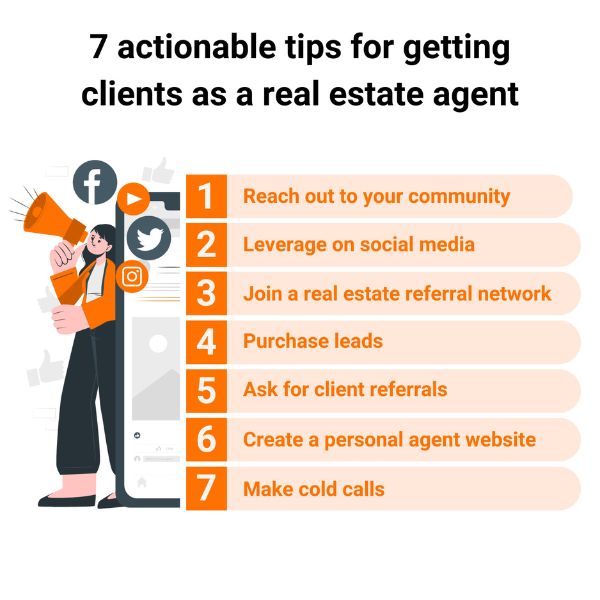
Technology has reshaped client acquisition strategies in real estate. Agents can now reach potential clients more effectively than traditional methods alone. By using advanced tools, agents streamline processes and enhance engagement — ultimately increasing their client base.
Utilizing CRM Systems for Lead Management
Customer Relationship Management (CRM) systems are crucial for managing leads efficiently. These platforms let agents track interactions, segment leads, and automate follow-up tasks. In 2024, approximately 70% of real estate professionals reported that CRM use improved their lead conversion rates. Popular CRM options like Salesforce and HubSpot offer tailored solutions that seamlessly integrate with other marketing tools.
Implementing Automated Marketing Tools
Automated marketing tools help real estate agents maintain consistent communication with prospects. By using platforms such as Mailchimp or Constant Contact, agents can create email campaigns that nurture leads throughout the buying process. Research shows that automated marketing can increase engagement rates by up to 30% — significantly boosting the chances of converting leads into clients.
Using Virtual Tours and Video Marketing
Virtual tours and video marketing are effective strategies for showcasing properties. According to a 2025 survey, 85% of buyers indicated that video content played a role in their purchasing decisions. Tools like Matterport and BombBomb enable agents to create immersive experiences, allowing potential clients to visualize properties without needing to visit in person. This approach not only saves time but also broadens the audience.
Engaging Clients Through Email Marketing Campaigns
Email marketing remains a powerful tool for client engagement. By segmenting their audience and tailoring content, agents deliver personalized messages that resonate with potential clients. A well-executed email campaign can yield an average return on investment (ROI) of 4200% — making this a cost-effective strategy for client acquisition.
Nuance / Expert Layer
Many agents underestimate the importance of integrating various technologies. While CRM systems and automated marketing tools are useful, their effectiveness increases when used together. For instance, an agent who tracks leads with a CRM can craft more tailored email campaigns, enhancing personalization. Additionally, misconceptions exist concerning the cost of these technologies; although initial investments might appear steep, the long-term benefits — such as increased efficiency and client satisfaction — justify the expenditure.
Practical Application
- Select a CRM system that matches your business model and training needs.
- Invest in automated marketing tools to streamline communication efforts.
- Incorporate virtual tours and video content in listings to attract more interest.
- Develop targeted email campaigns based on lead segmentation for maximum impact.
By implementing these strategies, real estate professionals can significantly boost their ability to attract clients and drive growth in their businesses.
Building a Personal Brand in Real Estate
A strong personal brand is crucial for real estate agents who want to stand out in a crowded market. Establishing a distinct identity helps agents draw in more clients and develop long-lasting relationships.

Defining Your Unique Selling Proposition (USP)
Your unique selling proposition (USP) outlines what makes you different from other agents. It’s vital to pinpoint the particular benefits you provide that others may not. This might involve specializing in a niche market, offering outstanding customer service, or implementing innovative marketing strategies. For example, agents focused on eco-friendly homes might attract buyers who care about sustainability. Interestingly, 57% of consumers are willing to pay more for sustainable products (this is often overlooked), revealing a growing market in this area.
Creating a Professional Online Presence
A professional online presence is essential for establishing a personal brand. This encompasses having a well-designed website, active social media profiles, and optimized online listings. Your website needs to highlight your expertise, including client testimonials, case studies, and detailed property listings. Active engagement on platforms like Instagram and LinkedIn can significantly boost visibility and build credibility. In 2024, 89% of homebuyers began their search online. This emphasizes the need for a strong digital presence.
Engaging with Clients Through Storytelling
Storytelling can be a powerful means of connecting with potential clients. Sharing personal stories or successes fosters emotional ties and builds trust. For instance, discussing the journey of a first-time homebuyer can resonate with others facing similar situations. This method not only humanizes your brand but also demonstrates your problem-solving skills. Statistics reveal that stories are 22 times more memorable than mere facts — a compelling reason to use this technique for client engagement.
Maintaining Consistency Across Platforms
Consistency plays a crucial role in reinforcing your personal brand. All communications, whether digital or face-to-face, should mirror your brand’s voice, values, and visuals. Make sure your logo, color scheme, and messaging are aligned across platforms, including your website, social media, and marketing materials. A cohesive brand presence boosts recognition and cultivates trust with clients. Notably, research shows that consistent branding can increase revenue by up to 23% over time.
Even with clear benefits, many agents underestimate the necessity of a nuanced approach to personal branding. Some common misconceptions include viewing branding solely as visual appeal or believing it only pertains to large firms. In truth, personal branding centers on authentic representation and strategic differentiation, no matter the agency’s size. Agents must stay vigilant and adapt their branding as market trends shift, ensuring their message stays relevant and compelling.
To make the most of the insights from this section, agents should take actionable steps such as:
- Clearly articulate your USP and weave it into all marketing materials.
- Invest in a professional website and optimize it for search engines.
- Craft and share engaging stories that highlight your experiences and successes.
- Regularly audit your online presence for consistency in branding and messaging.
Implementing these strategies can effectively enhance agents’ personal brands and improve their chances of attracting more clients in real estate.
Maximizing Networking Opportunities
This section explores effective networking strategies that can markedly expand client reach in the real estate market. Building a strong professional network is key. It’s essential for acquiring new clients and boosting business visibility.
Identifying Key Networking Events and Organizations
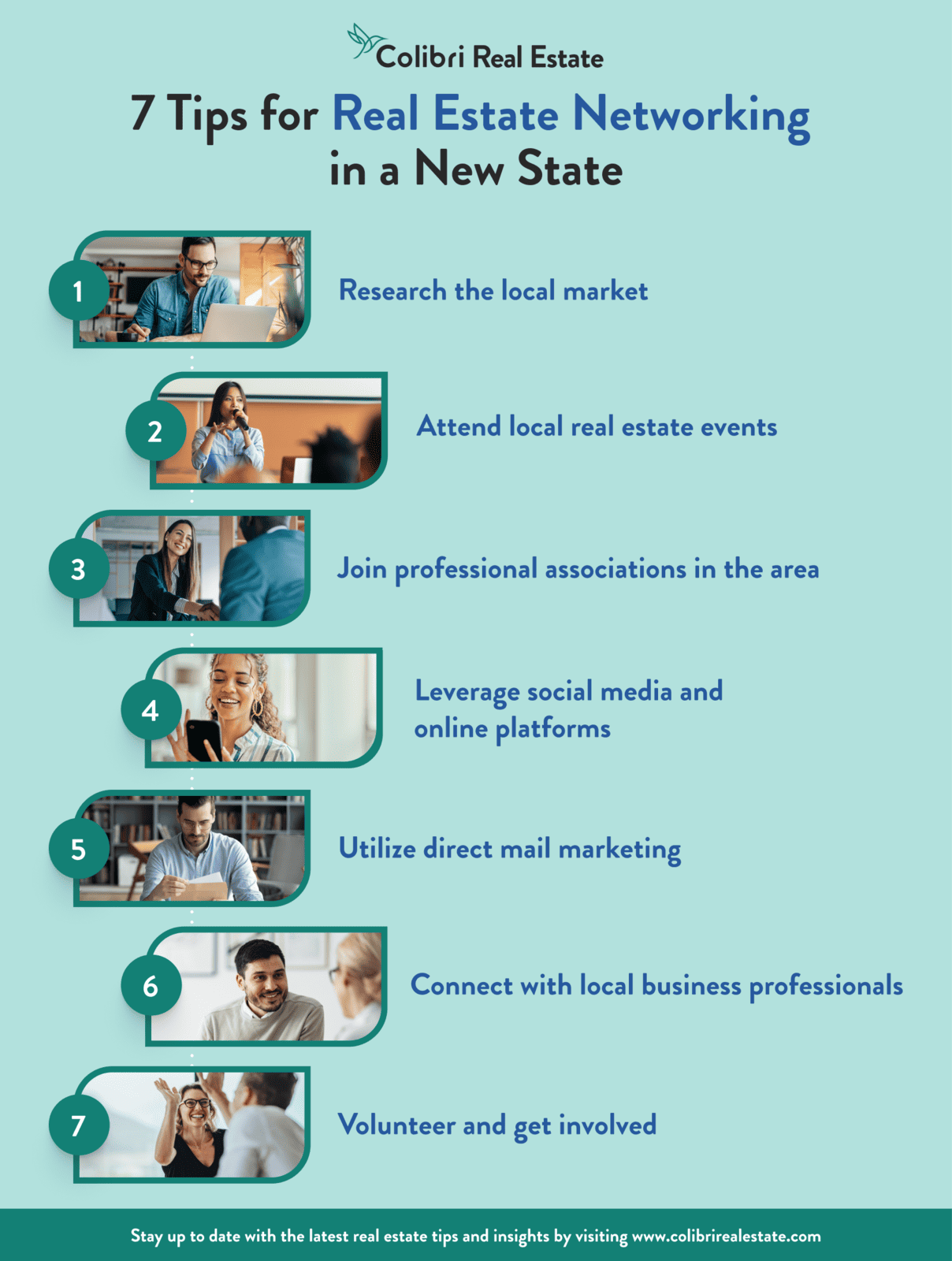
Networking events and organizations act as crucial platforms for real estate professionals to connect with potential clients and industry peers. Key opportunities include:
- Real Estate Conferences: Major industry conferences often attract large audiences, presenting chances for face-to-face interactions.
- Local Chamber of Commerce Meetings: Membership in local chambers can help forge connections with business owners who might need real estate services.
- Professional Associations: Joining organizations such as the National Association of Realtors (NAR) provides access to exclusive networking events and useful resources.
Attending at least three relevant events each quarter can greatly enhance visibility and lead generation efforts.
Building Relationships with Other Professionals
Forming partnerships with professionals in related fields can create a win-win referral system. Consider collaborating with:
- Mortgage Brokers: These professionals can refer clients needing real estate assistance.
- Home Inspectors: A referral relationship here can result in shared clientele during transactions.
- Attorneys: Real estate attorneys frequently have clients looking for agents to buy or sell properties.
Regular communication is vital. Providing value to these relationships can lead to a steady stream of referrals.
Leveraging Referrals from Past Clients
Referrals from satisfied clients play a significant role in acquiring new business. According to the National Association of Realtors, over 70% of buyers found their agent through a referral in 2024. To make the most of this potential:
- Request Testimonials: Encourage happy clients to share testimonials, which can be showcased on websites and social media.
- Implement a Referral Program: Offer incentives for clients who refer new customers. Gift cards or discounts on future services can work well — but only if they’re appealing.
- Follow Up Post-Transaction: Stay in touch with past clients through newsletters or holiday greetings, reminding them of your services (this is often overlooked).
Following Up and Maintaining Connections
Effective networking isn’t just about making initial connections; it’s about nurturing those relationships over time. Strategies for maintaining connections include:
- Regular Check-Ins: Schedule periodic check-ins via email or phone to stay top-of-mind.
- Social Media Engagement: Use platforms like LinkedIn to share industry insights and interact with connections’ posts.
- Host Networking Events: Organize gatherings for past clients and industry contacts. This fosters community and strengthens ties.
Networking demands consistent effort and a planned approach. Many professionals overlook the importance of follow-ups, which can lead to missed opportunities. Establishing a system for maintaining connections can enhance overall effectiveness.
To implement these strategies, real estate professionals should first identify three local networking events to attend in the coming month. Next, connect with at least five professionals in related fields to explore referral opportunities. Finally, set up a monthly follow-up schedule for past clients to nurture ongoing relationships.
Content Marketing for Client Attraction
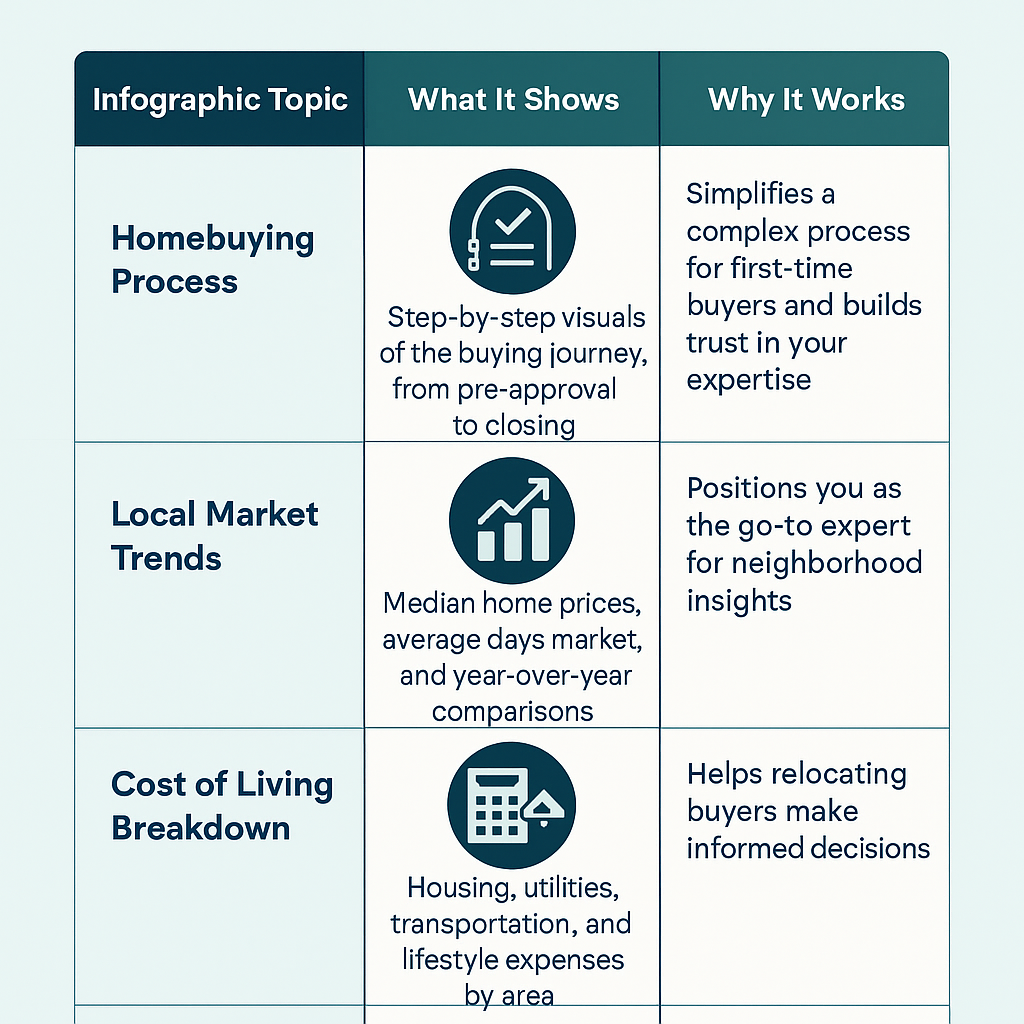
This section explores how effective content marketing positions real estate professionals as authorities in their field, helping attract more clients. By using various content formats, agents can engage potential clients and build trust.
Creating Valuable Blog Content for Homebuyers
Blogging serves as a powerful tool for real estate agents to deliver insights tailored to homebuyers. Addressing common questions and offering market updates helps agents position themselves as knowledgeable resources. Research shows that businesses focusing on blogging are 13 times more likely to see a positive ROI. Topics might include:
- First-time homebuyer tips
- Market trends and forecasts
- How to prepare for a home purchase
Using Video Content to Showcase Listings
Video content has become increasingly influential in the real estate sector. Properties featured in video tours generate 403% more inquiries than those without. High-quality videos can showcase unique features of a listing, allowing potential buyers to see themselves in the space. Consider these formats:
- Virtual property tours
- Neighborhood overviews
- Client testimonials
Developing Informative Guides and E-Books
Creating comprehensive guides and e-books can act as lead magnets, attracting potential clients with valuable information. These resources should address specific aspects of the homebuying process and offer actionable advice. For instance:
- A “Homebuyer’s Checklist” for first-time buyers
- “The Ultimate Guide to Selling Your Home”
- “Understanding the Mortgage Process”
Offering these guides in exchange for contact information can significantly expand a client base.
Engaging with Clients Through Social Media Content
Social media platforms provide real estate agents an avenue to engage with clients directly. Regularly sharing relevant content can boost visibility and foster community connections. Strategies include:
- Sharing market insights and trends
- Posting client success stories
- Hosting live Q&A sessions
A survey shows that 77% of real estate agents use social media to attract clients. This indicates its effectiveness in the industry.
Some common misconceptions about content marketing are that it requires a substantial budget or is only effective for larger firms. In reality, even small-scale agents can create impactful content using low-cost tools and platforms. Focused, quality content can generate significant leads, regardless of the operation’s size.
To apply these strategies, real estate professionals should develop a content calendar that includes blog posts, video schedules, and social media updates. Identify target topics based on client needs and market trends. Allocate specific days for content creation and distribution. Prioritize consistency to build authority and effectively attract more clients in real estate.
Frequently Asked Questions
What are the best strategies to get more clients in real estate?
Effective strategies include leveraging online marketing, hosting open houses, and building a strong referral network. Consistent follow-up with leads and utilizing targeted advertising can also enhance client acquisition efforts.
How can social media help real estate agents find clients?
Social media platforms allow real estate agents to showcase listings, share market insights, and engage with potential clients. By building a personal brand and interacting with followers, agents can attract and retain clients more effectively.
What is the average cost of acquiring clients in real estate?
The average cost of acquiring clients in real estate can range from $1,000 to $3,000 per client, depending on marketing strategies and local market conditions. This includes expenses for advertising, promotions, and lead generation tools.
How long does it take to build a client base in real estate?
Building a client base in real estate typically takes six months to a few years, depending on the agent’s networking efforts and marketing strategies. Consistent outreach and relationship-building are key to accelerating this process.
What common mistakes do real estate agents make when trying to get clients?
Common mistakes include neglecting follow-ups, failing to establish a strong online presence, and not leveraging referrals effectively. Additionally, agents often underestimate the importance of market research and client relationship management.
How important is networking for real estate agents?
Networking is crucial for real estate agents as it helps build relationships and generate referrals. A strong network can lead to increased visibility and access to potential clients in the community.
What role does branding play in attracting real estate clients?
Branding establishes an agent’s identity and differentiates them in a competitive market. A strong brand fosters trust and recognition, making it easier to attract and retain clients.
Final Thoughts on how to get more clients in real estate
Success in real estate hinges on a strategic blend of technology, personal branding, and networking. By effectively leveraging these elements, real estate professionals can not only attract more clients but also build lasting relationships that drive future business.
To capitalize on these insights, real estate agents should create a comprehensive social media strategy that showcases their expertise and engages potential clients, ensuring consistent and meaningful interactions across platforms.
Ready to transform your real estate business? Connect with a google ads expert today and watch your client base grow!
In a competitive market, mastering client acquisition techniques is essential for sustained growth and success in real estate.