
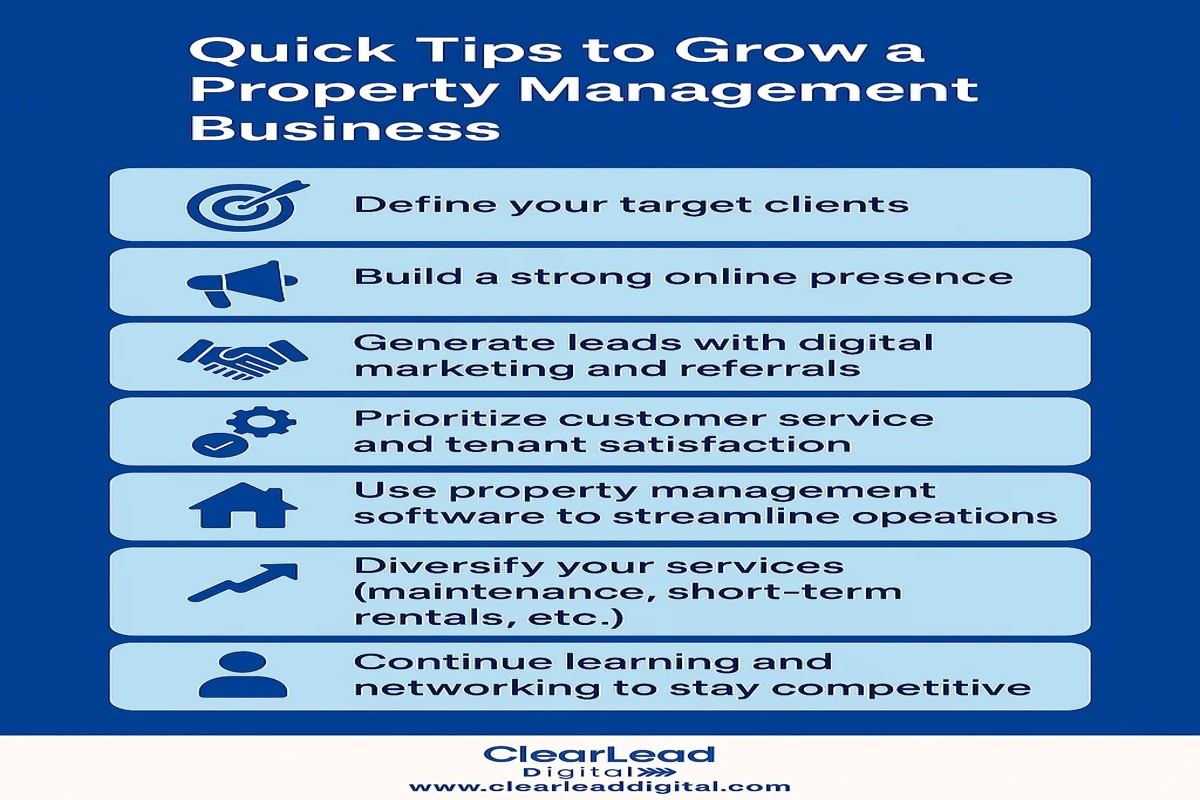
How to get clients for property management involves implementing effective strategies to attract and retain property owners seeking management services. A strong online presence, networking within the real estate community, and leveraging referrals are critical components, as approximately 30% of property management clients originate from referrals, underscoring the significance of client satisfaction.
Understanding how to get clients for property management is essential for property managers and real estate professionals striving for growth in a competitive market. With the property management industry projected to reach $22 billion by 2025, mastering client acquisition strategies can significantly impact business success and sustainability.
Failure to grasp effective client acquisition tactics can result in substantial revenue loss, wasted marketing resources, and a diminished competitive edge. Property management companies that do not prioritize these strategies risk falling behind in an increasingly crowded marketplace.
This article covers proven strategies for acquiring
clients in property management, including an analysis of top service providers, cost breakdowns for various marketing approaches, best practices for client engagement, and insights into optimizing local SEO for enhanced visibility.
What are the best ways to attract property management clients?
To attract property management clients, use effective marketing strategies, build a solid network, and leverage online platforms. A recent survey indicates that property management companies with a strong digital presence often see up to a 50% increase in client inquiries.
Start by developing a thorough online marketing strategy. This includes optimizing your website for search engines (SEO) — so potential clients can easily find your services. Use social media platforms like Facebook and LinkedIn to connect with property owners and showcase success stories. Consider investing in targeted online ads to reach specific demographics. The result can often yield a return on investment of up to 200% if executed properly.
- Network with Local Real Estate Professionals: Establish connections with real estate agents and brokers who can refer clients to your property management services. Attend local real estate events and join industry associations to expand your reach.
- Offer Educational Workshops: Host workshops or webinars focused on property management topics — a great way to position your company as an expert. This approach helps build trust with potential clients.
- Request Client Referrals: Encourage satisfied clients to refer others by implementing a referral program. Offering incentives can often motivate clients to spread the word about your services.
- Utilize Online Reviews: Actively manage your online reputation by encouraging clients to leave positive reviews on platforms like Google My Business and Yelp. High ratings can significantly impact prospective clients’ decisions (this is often overlooked).
Expert insight: Focus on building a strong brand presence both online and offline. Consistency in messaging and professionalism in service delivery will enhance credibility — and attract more clients over time.
How can I use social media to get clients for property management?
Using social media effectively can greatly boost client acquisition for property management services. In fact, approximately 73% of marketers believe social media marketing works, making it a potent tool for reaching potential clients.
To leverage social media for client acquisition, consider implementing these best practices:
- Use targeted advertising: Platforms like Facebook and Instagram provide strong targeting options. Create ads aimed at specific demographics, like property owners or investors in your area. This approach can maximize engagement and drive conversions.
- Share success stories: Highlight achievements through client testimonials, case studies, or before-and-after stories. This builds credibility — and it shows your effectiveness as a property manager. Potential clients are more likely to trust your services.
- Engage with your audience: Actively respond to comments and messages on your social media pages. Hosting Q&A sessions or live chats can foster relationships. This positions you as an industry expert, increasing the chances of attracting new clients.
- Post valuable content: Share informative articles, tips for property owners, and industry insights. This not only showcases your expertise but also keeps your audience engaged. Such content encourages shares and referrals.
- Join local groups: Participate in community groups on platforms like Facebook. Engaging in discussions about property management issues or local real estate trends can establish your authority (this is often overlooked) and expand your network.
Expert insight: Regularly analyze the performance of your social media campaigns using analytics tools. Adjust strategies based on what resonates most with your audience. This way, you can continually refine your approach and enhance client acquisition efforts.
What is the average cost of property management services?
The average cost of property management services typically ranges from 8% to 12% of the monthly rental income. For properties generating $2,000 in rent, this means fees between $160 to $240 each month. Additional fees might apply for specific services like tenant placement or maintenance management.
Several factors influence the cost of property management services. These include the property type, location, and the range of services provided.
- Property Type: Single-family homes often carry lower fees. This contrasts with multi-family units or commercial properties, which have more complex management needs.
- Location: Urban areas tend to have higher living costs. Consequently, management fees in those regions are often elevated compared to rural locations. This reflects market demand and operational costs.
- Service Range: Basic management might include tenant placement and rent collection. On the other hand, comprehensive services could include maintenance, legal assistance, and financial reporting. These variations can impact the overall fee structure.
Moreover, property managers might charge additional fees for services like leasing. This can range from 50% to 100% of one month’s rent, or for maintenance coordination. Understanding these variables is crucial. It can help property owners gauge the total cost of management services and budget accordingly.
Expert insight: When seeking property management, always request a detailed breakdown of fees and services included. This helps ensure transparency and avoid unexpected costs (worth double-checking).
How long does it take to get clients for property management?
Acquiring clients for property management usually takes around three to six months, though this varies based on several factors. Some well-established companies with strong networks may onboard clients within just a few weeks. New entrants, however, often face longer timelines.
Multiple factors influence how quickly clients can be acquired in property management. First, the level of competition in the local market plays a significant role. In areas filled with property management firms, it can be tougher to differentiate services and build brand recognition — this can take time. On the flip side, in less saturated markets, gaining visibility can lead to quicker client acquisition.
Marketing strategies greatly affect the timeline, too. Effective online marketing, such as search engine optimization (SEO) and social media engagement, can attract potential clients much faster. Networking through local real estate associations, attending community events, and leveraging referrals from satisfied clients can also speed things up. Additionally, having a solid online presence, like a professional website and positive reviews, boosts credibility and often shortens the time required to acquire clients.
Expert insight: Investing in targeted marketing campaigns and building relationships with real estate professionals can significantly reduce the time it takes to secure new clients in property management (this is often overlooked).
What are common mistakes to avoid when trying to get property management clients?
Common mistakes in acquiring property management clients include neglecting to define a target audience, failing to showcase expertise, and underestimating the importance of online presence. According to a 2024 survey, 68% of clients prefer property managers who demonstrate specialized knowledge in their market.
One prevalent pitfall is not clearly identifying a target market. A property management firm that attempts to serve both commercial and residential clients risks diluting its marketing efforts. This can lead to failure in resonating with either group. By focusing on a specific niche — like multi-family units in urban areas — firms can tailor their messaging and services. This approach meets the unique needs of that audience, enhancing overall appeal.
Another mistake is lacking a strong online presence. A property management company that relies solely on word-of-mouth referrals is at risk. It can easily lose potential clients who conduct online research. A robust website, active social media profiles, and positive online reviews are critical. For instance, a firm that invests in search engine optimization (SEO) and regularly updates its blog can attract clients searching for property management services. This effectively increases visibility and credibility.
Expert insight: To maximize client acquisition, property management firms should invest in targeted marketing campaigns. Also, maintaining a consistent online presence is crucial — showcasing expertise through case studies and client testimonials is important.
Leveraging Online Marketing for Client Acquisition
This section outlines advanced online marketing techniques that can significantly boost client acquisition for property management firms. Implementing these strategies effectively can lead to measurable improvements in lead generation and client retention.
Utilizing SEO for Property Management Websites
Search Engine Optimization (SEO) is essential for property management websites looking to attract landlords. By optimizing site structure, content, and keywords, property management companies can improve visibility on search engines. Focus on long-tail keywords specific to the property management niche, like “best property management services in [location].” This approach drives targeted traffic; 70% of online users prefer organic search results over paid ads.
Creating Engaging Content that Attracts Landlords
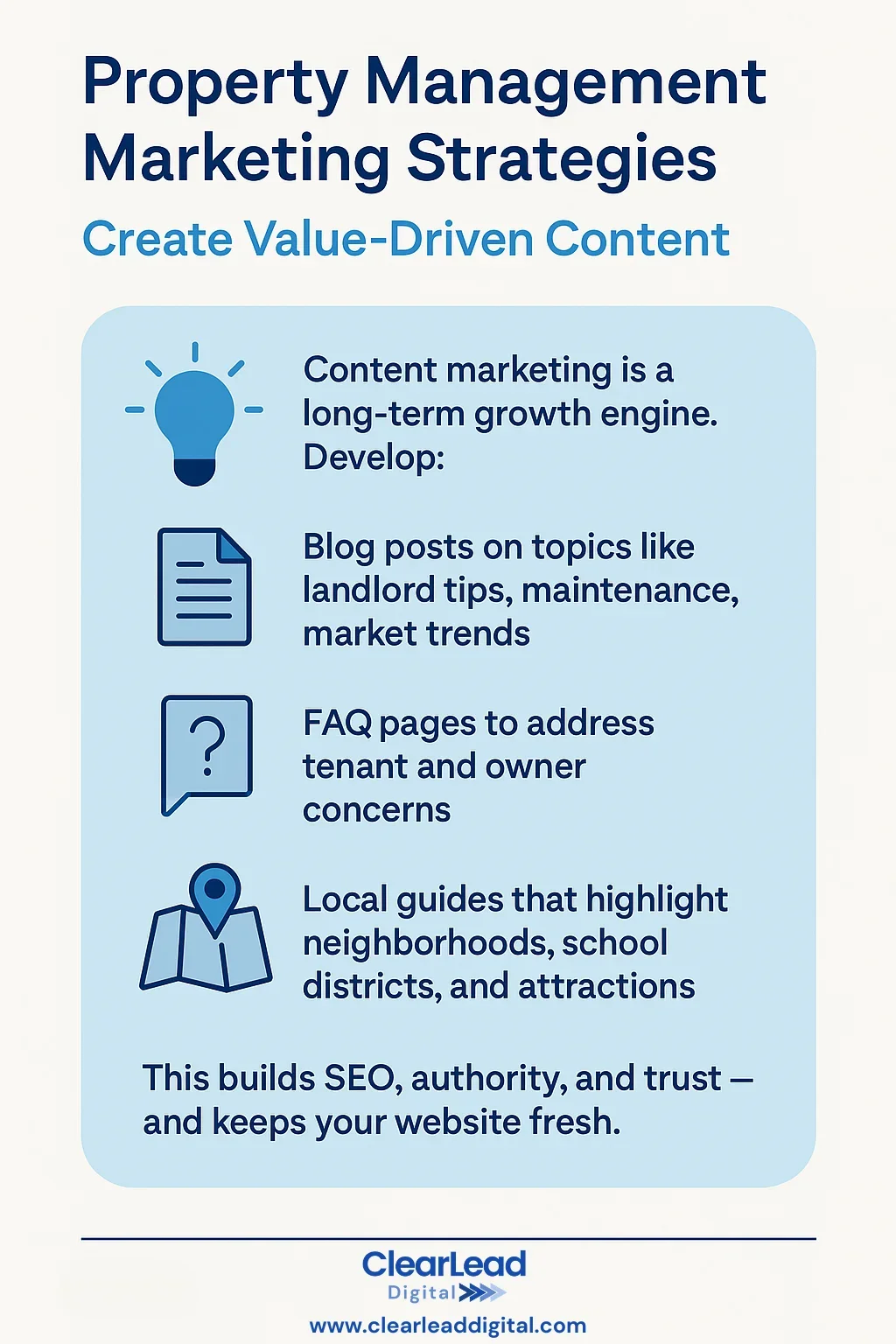
Content marketing is an effective tool for establishing authority and attracting potential clients. Develop engaging and informative content that addresses common landlord concerns — like market trends, regulatory changes, and property maintenance tips. Consider these content formats:
- Blog posts and articles
- Video tutorials and webinars
- Infographics and downloadable guides
A 2024 study found that businesses prioritizing content marketing experience 6 times higher conversion rates than those that don’t. Regularly updating content also signals to search engines that your site remains relevant.
Using Email Marketing Campaigns Effectively
Email marketing continues to be a powerful tool in the property management industry. By creating segmented email lists based on landlord interests and property types, companies can send personalized content and offers. Effective strategies include:
- Sending monthly newsletters with market insights
- Offering exclusive promotions for new clients
- Following up with leads who inquired but haven’t converted
Data shows that segmented campaigns can lead to a 760% increase in revenue compared to non-segmented ones. This targeted approach ensures communications are relevant and timely — which boosts engagement rates.
Implementing Pay-Per-Click Advertising to Generate Leads
Pay-per-click (PPC) advertising provides immediate visibility for property management firms. By targeting specific demographics and geographic areas, businesses can effectively reach potential clients actively seeking property management services. Key strategies include:
- Utilizing Google Ads to target local keywords
- Setting up retargeting campaigns to engage previous website visitors
- Monitoring and adjusting bids to maximize ROI
In 2024, PPC advertising yields an average return of $2 for every $1 spent, making it a cost-effective method for quickly acquiring clients.
Many property management firms often overlook the integration of their online marketing strategies. For instance, while SEO builds long-term organic traffic, PPC offers immediate visibility. Moreover, content marketing enhances both SEO and email marketing efforts by providing valuable resources that engage potential clients. Understanding these interconnections is vital for maximizing overall effectiveness.
To implement these strategies, property management firms should begin with an SEO audit of their website, confirming content is engaging and optimized. Establish an editorial calendar for consistent content creation, and schedule regular email campaigns based on audience segmentation. Finally, allocate part of the marketing budget to PPC, focusing on local keywords and retargeting strategies. By incorporating these actions, property management companies can effectively scale client acquisition efforts.
Building a Referral Network in Real Estate
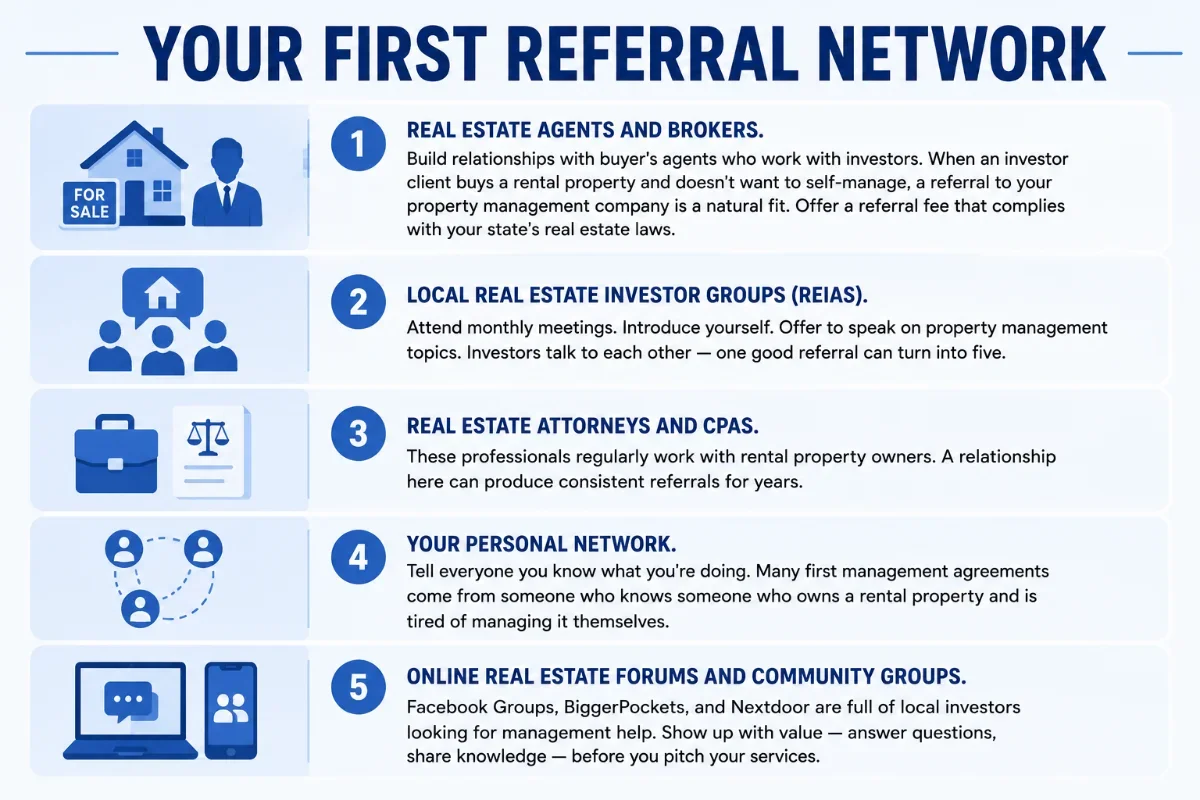
Establishing a strong referral network is crucial for property management professionals looking to expand their client base. Fostering relationships within the real estate community creates a steady flow of potential clients through trusted recommendations.
Identifying and Partnering with Real Estate Agents
Real estate agents play a vital role in the property management ecosystem. They often have access to property owners seeking management services. Building strategic partnerships with local agents enhances visibility and credibility. Consider these steps:
- Attend agent open houses to network and build rapport.
- Offer to co-host informational seminars on property management topics.
- Provide agents with marketing materials that highlight your services and successes.
According to a 2024 survey, 67% of property managers noted that referrals from real estate agents made up a significant portion of their new clients.
Encouraging Satisfied Clients to Refer Others
Satisfied clients often make the best advocates. Cultivating relationships with existing clients not only boosts retention but also encourages referrals. Implement these strategies:
- Regularly check in with clients to gauge satisfaction and address concerns.
- Request testimonials and reviews to build social proof.
- Ask satisfied clients directly for referrals, making it easy for them to recommend your services.
Research shows referred clients are 18% more likely to remain loyal compared to non-referred clients — highlighting the importance of leveraging existing relationships.
Participating in Local Real Estate Events
Engaging in local real estate events can significantly enhance visibility and networking opportunities. Whether through trade shows, association meetings, or community forums, these events offer platforms to connect with potential clients and industry peers. Effective strategies include:
- Sponsoring or hosting events to showcase expertise.
- Participating in panel discussions to share insights and solutions.
- Networking with local businesses to create cross-referral opportunities.
Attending at least four local events per quarter can boost brand recognition and often leads to a 30% rise in client inquiries, according to recent industry reports.
Creating a Referral Incentive Program
A well-structured referral incentive program can motivate clients and real estate professionals to refer new business. Implement the following elements:
- Offer monetary rewards or discounts for successful referrals.
- Provide tiered rewards for multiple referrals to encourage ongoing engagement.
- Share success stories of clients who have benefited from referrals to inspire participation.
According to a 2025 industry study, businesses with referral programs see an average increase of 20% in customer acquisition rates.
Building a referral network demands proactive engagement and strategic relationship management. Property managers need to focus on establishing partnerships with real estate agents, encouraging satisfied clients to spread the word, actively participating in local events, and creating appealing referral incentives. Implementing these strategies can significantly enhance efforts to attract clients for property management.
Understanding Client Needs and Tailoring Services
Attracting clients in property management relies on a deep understanding of their individual needs and expectations. This section looks at strategies for assessing these needs and customizing services effectively.

Conducting Market Research to Understand Client Expectations
Market research forms the backbone of understanding client expectations in property management. This includes analyzing demographic trends, local market conditions, and what competitors are offering. Key methods for this research are:
- Surveys and Questionnaires: Use tools like Google Forms to gather insights from potential clients.
- Focus Groups: Organize discussions with property owners to pinpoint their pain points and expectations.
- Industry Reports: Leverage reports from organizations such as the National Association of Residential Property Managers (NARPM) for useful benchmarking data.
In 2024, a staggering 72% of property owners claimed that personalized service greatly influenced their choice of management company — this highlights the need for tailored approaches.
Offering Customized Property Management Solutions
Customization is crucial in property management. Potential clients want solutions that fit their specific situations, such as property type, location, and investment goals. Strategies to achieve this include:
- Flexible Service Packages: Create tiered service options, allowing clients to pick and choose the services they need.
- Personalized Communication: Assign dedicated managers to each client, fostering stronger relationships and ensuring more tailored service delivery.
- Technology Integration: Use property management software that enables customization of reporting and communication based on client preferences.
Maintaining Open Communication with Clients
Open communication is essential for building trust and ensuring client satisfaction. Establishing regular check-ins and feedback channels helps address concerns swiftly. Best practices include:
- Regular Updates: Provide clients with consistent updates about property performance and market conditions.
- Feedback Mechanisms: Implement tools that make it easy for clients to provide feedback — online portals or mobile apps are excellent options.
- Responsive Support: Make sure your team is available to address client inquiries and concerns whenever needed.
Utilizing Feedback to Improve Services
Feedback acts as a vital resource for refining property management services. Analyzing client feedback can uncover areas for improvement and innovation. Key steps to consider are:
- Conducting Post-Service Surveys: After completing a service, solicit feedback from clients to gauge satisfaction levels and identify areas for enhancement.
- Reviewing Performance Metrics: Regularly analyze performance data, such as tenant retention rates and occupancy levels — this helps identify trends and potential issues.
- Adapting Services: Use insights from feedback to adjust service offerings, aligning them more closely with client needs.
Many property management firms overlook the importance of actively seeking and implementing client feedback. In fact, 65% of clients are more likely to remain with a property management company that shows a commitment to continuous improvement based on their suggestions (this is often overlooked).
Practical Application
To effectively implement these strategies, property management firms should:
- Conduct a comprehensive market analysis to identify target demographics.
- Develop customizable service packages tailored to various client needs.
- Establish a communication plan that includes regular updates and feedback channels.
- Regularly review and adapt services based on client feedback and performance metrics.
By focusing on these elements, firms can significantly enhance their ability to attract and retain clients in the competitive property management landscape.
Using Technology to Enhance Property Management Services
This section examines how technology can greatly improve property management services, helping with client acquisition and retention. By leveraging advanced tools and platforms, property managers can streamline operations, improve client interactions, and make data-driven decisions.

Implementing Property Management Software for Efficiency
Property management software centralizes tasks and automates routine processes. This enhances operational efficiency. Features like online rent collection, maintenance tracking, and tenant screening reduce manual workload and streamline workflows. A report from the National Association of Residential Property Managers (NARPM) indicates that 75% of property management firms using software experienced improved operational efficiency.
Using Virtual Tours and Online Listings to Attract Clients
Virtual tours and high-quality online listings are crucial for attracting potential clients. They offer prospective tenants an immersive experience, allowing them to visualize the property remotely. According to a survey by the National Association of Realtors, listings with virtual tours receive 87% more views than those without. This technology effectively showcases properties — while also catering to the growing demand for digital interactions.
Enhancing Communication Through Digital Platforms
Effective communication plays a vital role in property management. Digital platforms, such as chat applications, client portals, and email automation, can facilitate timely communication between property managers and clients. Implementing these tools allows for quick responses to inquiries and maintenance requests. This fosters stronger relationships. A study by HubSpot found that companies using automated communication tools reported a 30% increase in customer satisfaction.
Adopting Data Analytics for Informed Decision-Making
Data analytics gives property managers insights into market trends, tenant preferences, and operational efficiencies. By analyzing occupancy rates, rental prices, and tenant demographics, managers can make informed decisions that align with client expectations. The adoption of analytics in property management is projected to reach 60% by 2026 – signifying a shift towards data-driven strategies.
Nuances in Technology Adoption
While implementing technology offers numerous benefits, common misconceptions can hinder its effectiveness. One such misconception is that all software solutions are universally applicable. In reality, property management needs can vary significantly based on property type and market. Also, some firms may overlook the importance of training staff on new technologies (this is often overlooked), which can lead to underutilization of available tools. Proper implementation and ongoing training are essential for maximizing technology’s potential in property management.
Practical Application
- Research and select a comprehensive property management software that fits your firm’s specific needs.
- Invest in high-quality virtual tour technology and update online listings regularly to enhance property visibility.
- Use communication platforms to automate responses and improve interaction with clients.
- Incorporate data analytics tools to track performance metrics and inform strategic decisions.
Frequently Asked Questions
What are the best ways to attract property management clients?
Effective strategies include networking within the real estate community, optimizing your website for search engines, and showcasing client testimonials. Additionally, offering valuable resources, such as market insights, can position your services as essential.
How can I use social media to get clients for property management?
Utilize platforms like Facebook, Instagram, and LinkedIn to share informative content, engage with potential clients, and showcase properties you manage. Regularly posting updates and success stories enhances visibility and builds trust with your audience.
What is the average cost of property management services?
The average cost typically ranges from 8% to 12% of the monthly rental income, depending on the services provided and the property type. Additional fees may apply for specific services like tenant placement or maintenance coordination.
How long does it take to get clients for property management?
The timeline to acquire clients can vary, but it generally takes 1 to 3 months to establish a client base. Consistent marketing efforts and networking can expedite the process significantly.
What are common mistakes to avoid when trying to get property management clients?
Common mistakes include neglecting online presence, failing to follow up with leads, and not clearly defining service offerings. Additionally, overlooking the importance of client relationships can hinder long-term success.
Final Thoughts on how to get clients for property management
Successfully attracting clients in property management hinges on a multifaceted approach that combines digital marketing, strategic networking, and a deep understanding of client needs. By employing targeted online strategies and fostering relationships within the real estate community, property managers can establish a strong client base that is both loyal and expansive.
To capitalize on these insights, develop a comprehensive online marketing plan that includes creating valuable content and leveraging social media platforms to engage potential clients directly. This proactive approach can significantly enhance visibility and client acquisition efforts.
Ready to elevate your property management business? Consider consulting a google ads expert to help you attract more clients effectively.
In an industry where credibility and trust are paramount, mastering client acquisition strategies is essential for sustained growth and success in property management.