
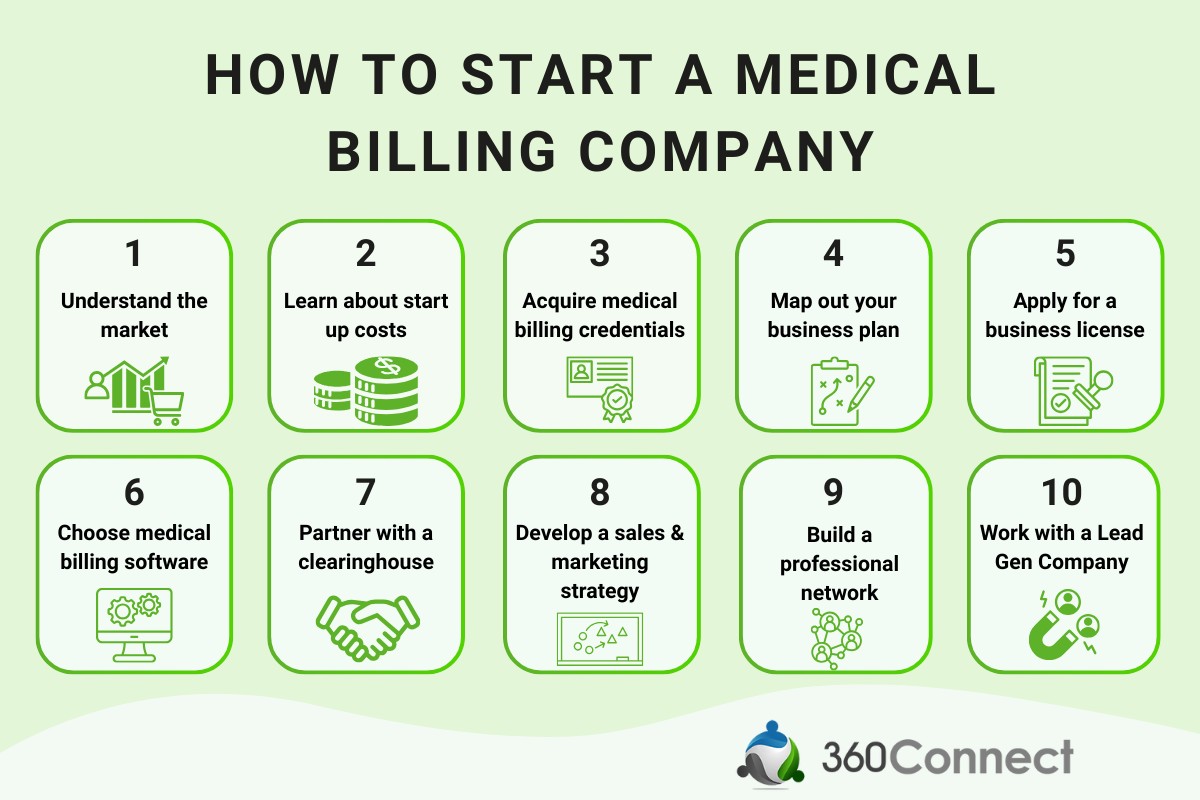
To get clients for your medical billing business, it is essential to establish strong relationships with healthcare providers, utilize effective online marketing strategies, and engage in industry networking. Research indicates that 70% of healthcare providers prefer outsourcing billing to specialists, highlighting the demand for proficient medical billing services.
Understanding how to acquire clients for a medical billing business is crucial for success in this competitive landscape. Healthcare providers increasingly seek reliable billing partners to streamline their operations and maximize revenue. Missing the mark on client acquisition can lead to lost opportunities, decreased market share, and increased operational costs, making it vital for medical billing professionals to master this skill.
Failure to effectively attract clients can result in significant revenue loss, wasted marketing resources, and a competitive disadvantage in a growing industry. With the medical billing market projected to reach $18.5 billion by 2026, not addressing these challenges could jeopardize business viability.
This article will outline proven strategies for acquiring clients, including a comparison of top providers, cost breakdowns, best practices for engagement, and insights into leveraging local SEO to enhance visibility in your target market.
What are the best marketing strategies for medical billing?
Effective marketing strategies for medical billing services include targeted outreach, leveraging an online presence, and establishing partnerships. These tactics can lead to significant client acquisition. Studies show businesses that actively engage in digital marketing often see client growth rates of up to 30% annually.
Marketing for medical billing needs a multifaceted approach. First, networking with healthcare providers is critical. Attend industry conferences, local medical association meetings, and healthcare expos to build relationships with potential clients. Personal connections often lead to referrals and trust — essential in this sector. Make use of tools like LinkedIn to connect with healthcare professionals, and join relevant groups (this is often overlooked) to increase visibility.
- Develop a strong online presence: Create a professional website that clearly outlines services, benefits, and client testimonials. Optimize for search engines (SEO) to attract organic traffic. Invest in targeted online advertising, such as Google Ads or Facebook Ads, to reach specific demographics.
- Content marketing: Establish authority by publishing informative content. Write blog posts, white papers, or case studies that address common billing issues faced by healthcare providers. Share this content across social media platforms and industry forums — engagement is key.
- Email marketing campaigns: Build an email list of healthcare professionals and regularly send newsletters that offer valuable insights on billing practices and updates in healthcare regulations. This keeps your services top-of-mind and fosters ongoing relationships.
Expert insight: Focus on building trust and credibility within the healthcare community. Personalized follow-ups and consistent engagement can greatly enhance client retention and referrals in the medical billing business.
How do I find potential clients for my medical billing business?
Finding potential clients for a medical billing business means identifying healthcare providers that need billing services and reaching out effectively. In 2023, the healthcare billing services market was valued at around $17 billion. That’s a significant opportunity in this sector.
1. Research Local Healthcare Providers: Start by compiling a list of local healthcare facilities. This includes hospitals, clinics, and private practices. Use online directories and industry associations to spot potential clients in your area.
2. Attend Industry Conferences: Participate in healthcare conferences and trade shows. These events attract decision-makers from various healthcare sectors, each looking for efficient billing solutions.
3. Leverage Social Media: Use platforms like LinkedIn to connect with healthcare professionals and organizations. Regularly share relevant content about medical billing trends — this establishes credibility and piques interest.
4. Cold Calling: Prepare a targeted list of potential clients and reach out via phone. A well-crafted pitch that highlights your services’ benefits can start valuable conversations.
5. Offer Free Consultations: Providing a no-obligation consultation attracts potential clients by showcasing your expertise and the value of your services. This approach lets you assess their needs (this is often overlooked) and tailor your offerings accordingly.
6. Utilize Referrals: Encourage satisfied clients to spread the word about your services to other healthcare providers. Establishing a referral program with incentives can significantly grow your client base.
7. Optimize Your Online Presence: Make sure your website is user-friendly and search-engine optimized. Including testimonials and case studies builds trust and showcases your success in the field.
8. Join Professional Associations:
Becoming a member of organizations like the Healthcare Billing and management Association (HBMA) offers networking opportunities and access to resources that can lead to new clients.
Expert insight: Focus on building long-term relationships with clients by delivering exceptional service and maintaining continuous communication. Personalizing your approach can greatly enhance client retention and referral opportunities.
What should I include in my medical billing business proposal?
A compelling medical billing business proposal includes an executive summary, a detailed service description, pricing structure, and case studies or testimonials. Each component is vital in convincing potential clients of your expertise and reliability in the medical billing field.
First, the executive summary gives an overview of your business and the services you offer. It highlights your unique selling proposition. This section should be concise — ideally one page — capturing the essence of your proposal to engage the reader right away. Next, the service description must detail the medical billing services you provide. This includes claims submission, coding, and accounts receivable management. Mention any specific specialties you cater to, such as outpatient or inpatient services (this is often overlooked).
Another critical component is the pricing structure. Be transparent about your fees. Whether they are flat rates, percentage-based, or charge per claim, clients appreciate clarity. They will favor a proposal that lays out potential costs upfront. Finally, including case studies or testimonials from satisfied clients can significantly boost credibility. Real-world examples of how your services improved clients’ billing processes or financial outcomes illustrate your effectiveness. They can also help differentiate you from competitors.
Expert insight: Tailor your proposal to the specific needs of the prospective client. Include relevant data and examples that resonate with their practice’s challenges and goals. Personalization can really increase the likelihood of securing contracts.
How much do medical billing services charge?
Medical billing services usually charge between $5,000 to $15,000 each month. This depends on the volume of claims processed and the complexity of the services involved. Fees on a per-claim basis range from 4% to 10% of the revenue collected. Some services might choose a flat fee per claim instead.
Several factors affect the cost of medical billing services. These include:
- Volume of Claims: Higher claim volumes generally lead to lower per-claim costs. Providers with a lot of billing can negotiate better rates.
- Specialization: Billing for specialized fields — like oncology or neurology — may have higher rates due to complex coding and compliance requirements.
- Geographic Location: Costs vary significantly based on the region. Urban areas often have higher rates than rural locations (this is often overlooked) due to demand and competition.
- Service Scope: Additional services like patient follow-up, denial management, and analytics reporting can raise overall costs. Comprehensive packages often provide better value.
- Billing Software: The choice of billing software can impact costs. Some services include software fees in their pricing, while others might charge separately.
Expert insight: When choosing a medical billing service, consider the cost alongside the potential return on investment. This may come from improved collections and reduced claim denials. A well-priced service can lead to significant revenue increases for your practice.
What are common mistakes to avoid in medical billing?
Common mistakes in medical billing include inaccurate coding, not following up on claims, and failing to educate clients about billing processes. Research shows that up to 30% of denied claims stem from coding errors. This can significantly affect a medical billing business’s revenue and client trust.
One frequent scenario involves a medical billing professional submitting claims with incorrect codes — often due to a lack of familiarity with the latest coding updates. For instance, if a new ICD-10 code is introduced but not integrated into the billing system, claims can be denied. This leads to delayed payments and frustrated clients. Such situations not only impact cash flow but can also damage relationships with healthcare providers who depend on accurate billing for their operations.
Additionally, not following up on unpaid claims can lead to lost revenue. Many billing companies fail to implement a systematic follow-up procedure. As a result, unpaid claims can linger for months or even years. A study found that about 60% of unpaid claims are collectible if pursued within 90 days (this is often overlooked). By neglecting follow-up, billing businesses miss out on potential income. They may struggle to keep clients who expect proactive management of their billing processes.
Expert insight: Establishing a strong internal review process for coding accuracy is crucial. Implementing a claims follow-up protocol is also essential — both practices enhance client satisfaction and retention in the medical billing industry.
How long does it take to get clients for a medical billing business?
Typically, it takes between three to six months to secure clients for a medical billing business. However, this timeline can vary widely based on several factors, including marketing strategies, networking efforts, and the overall demand for billing services in the local area.
One of the primary factors affecting the speed of client acquisition is the effectiveness of marketing efforts. Businesses that invest in targeted advertising, search engine optimization, and social media outreach are likely to see results more quickly. A strong online presence can lead to inquiries and potential clients within just a few months. Additionally, networking within the healthcare community — attending industry conferences, joining professional associations, and building relationships with healthcare providers — can expedite client acquisition, sometimes yielding results in as little as one to two months.
Another crucial element is the competitive landscape. In areas where many established medical billing companies exist, attracting clients can take longer. On the flip side, in regions with fewer providers, a new business might find clients more readily. Furthermore, a business’s reputation and credibility play a significant role. Those with a solid track record or referrals from satisfied clients can often shorten the time frame to securing new accounts. Building trust within the healthcare community is essential (this is often overlooked), as many providers prefer to work with billing companies that have proven experience and reliability.
Expert insight: Focus on building strategic partnerships with local healthcare providers and leveraging online marketing tools to enhance visibility. These approaches can significantly reduce the time it takes to acquire clients for your medical billing business.
What are the benefits of outsourcing medical billing?
Outsourcing medical billing allows healthcare providers to improve efficiency, cut costs, and enhance revenue cycle management. By 2026, projections indicate that the medical billing outsourcing market will hit $20 billion. This reflects its rising popularity among providers.
Outsourcing medical billing can significantly streamline healthcare operations. By handing over billing tasks to specialized firms, practices can concentrate on patient care instead of administrative work. This shift boosts productivity and reduces the risk of billing errors — a common cause of revenue loss. Plus, outsourced billing companies often use advanced technology and expertise, leading to quicker claim processing and better collection rates.
- Cost Efficiency: Outsourcing can cut overhead costs tied to hiring, training, and managing an in-house billing team. Providers can save up to 30% on billing expenses.
- Access to Expertise: Medical billing companies employ professionals who understand the complexities of billing regulations, coding updates, and payer requirements (this is often overlooked), ensuring compliance and optimal reimbursement.
- Scalability: Outsourced services can adapt easily to changes in practice volume. This lets providers scale their billing efforts without needing substantial infrastructure investment.
Expert insight: To attract clients, medical billing businesses should showcase their ability to improve a provider’s cash flow and lessen administrative burdens. They must position themselves as essential partners in practice management.
Building a Strong Online Presence
Establishing a strong online presence is vital for attracting clients to a medical billing business. This section delves into key digital marketing strategies that can boost visibility and engagement significantly.
Creating a Professional Website
A well-designed website acts as the digital storefront for a medical billing business. It needs to showcase services clearly, covering billing, coding, and compliance. Key elements for an effective website include:
- User-friendly navigation: Make sure visitors can easily find information.
- Service descriptions: Provide detailed explanations of services to clarify offerings.
- Client testimonials: Highlight positive experiences from existing clients — this builds trust.
- Contact information: Include multiple channels for potential clients to reach out.
In 2024, 75% of consumers judge a company’s credibility based on its website design. This emphasizes the need for a professional appearance.
Utilizing SEO for Improved Visibility
Search Engine Optimization (SEO) is crucial for ensuring that the website ranks well in search engine results. Implementing effective SEO strategies can drive organic traffic and increase client inquiries. Key tactics include:
- Keyword optimization: Use relevant keywords like “medical billing services” throughout the website.
- Local SEO: Optimize the website for local searches by incorporating geographical keywords.
- Quality backlinks: Engage in link-building strategies to enhance domain authority.
According to a 2024 report, 70% of clicks go to the first five organic search results. This highlights SEO’s importance in attracting clients.
Engaging on Relevant Social Media Platforms
Social media offers an excellent opportunity to connect with healthcare professionals and organizations. Platforms such as LinkedIn, Facebook, and Twitter can be leveraged to:
- Share industry news: Post updates related to healthcare billing and coding.
- Join relevant groups: Participate in discussions within healthcare-focused communities.
- Run targeted ads: Use paid advertising to reach specific demographics in the healthcare sector.
Active social media engagement can lead to increased brand awareness and client interactions.
Implementing Content Marketing Strategies
Content marketing serves as an educational tool to attract and inform potential clients. Developing a content strategy can establish authority in the medical billing field. Consider these approaches:
- Blogging: Write informative articles on billing processes, compliance, and industry updates.
- Webinars: Host online seminars to educate healthcare providers about billing best practices.
- Case studies: Showcase successful billing implementations to demonstrate expertise.
A recent study found that businesses with a strong content marketing strategy experience 6 times higher conversion rates than those without.
Common misconceptions about online presence include the belief that just having a website is enough. In reality, continuous updates, SEO efforts, and active engagement are necessary to maintain visibility and attract clients. Moreover, many businesses underestimate the importance of a cohesive branding strategy across all digital platforms (this is often overlooked).
To effectively leverage the information presented, consider the following actionable steps:
- Invest in a professional website design that reflects the services offered.
- Conduct keyword research to enhance SEO strategies and improve search visibility.
- Create a content calendar for consistent blog and social media posts.
- Monitor engagement metrics to refine marketing strategies over time.
Implementing these strategies will empower a medical billing business to attract and retain clients effectively.
Networking and Relationship Building
This section explores the vital role networking plays in securing clients for a medical billing business. Strong relationships within the healthcare industry can significantly boost client acquisition efforts.
Attending Industry Conferences and Events
Attending industry conferences and events offers a valuable chance to connect with potential clients and industry peers. These gatherings usually draw healthcare professionals looking for billing services — making them excellent venues for lead generation. A 2024 survey found that 85% of healthcare providers prefer engaging with service providers they meet at such events.
- Identify key events: Research and plan to attend at least three major medical billing or healthcare conferences each year.
- Prepare an elevator pitch: Create a brief introduction that emphasizes your services and unique selling proposition.
- Follow up: After the event, reach out to the contacts made, reinforcing the connection and providing additional information.
Joining Local Business Groups and Associations
Membership in local business groups and healthcare associations helps build connections that can lead to client referrals. Organizations like the American Medical Billing Association (AMBA) or local Chambers of Commerce offer networking platforms where medical billing professionals can meet healthcare providers.
- Attend regular meetings: Actively engage in meetings to establish rapport with members.
- Volunteer for committees: Taking a leadership role enhances visibility and credibility within the group.
- Share knowledge: Offer to present on medical billing topics, which can position you as an expert and resource.
Building Relationships with Healthcare Professionals
Forming strong relationships with healthcare professionals is crucial for a successful medical billing business. Trust and rapport with physicians, office managers, and administrators can lead to direct referrals and long-term contracts. The Medical Billing Market Analysis from 2025 indicates that 70% of new clients come through personal referrals.
- Regular communication: Schedule periodic check-ins with healthcare professionals to maintain relationships.
- Networking through social media: Use platforms like LinkedIn to connect and engage with healthcare providers.
- Educational workshops: Host workshops that inform healthcare professionals about the benefits of efficient billing practices.
Utilizing Referrals from Existing Clients
Referrals from existing clients are among the most effective ways to acquire new business. Satisfied clients can turn into advocates for your services, providing credibility that’s often more persuasive than traditional marketing methods.
- Implement a referral program: Offer incentives for clients who refer new businesses to you.
- Request testimonials: Ask satisfied clients for written testimonials or case studies to share with prospects.
- Follow up on referrals: When a client refers someone, promptly reach out to the potential new client and mention the referrer.
Networking in the medical billing industry isn’t just about making connections; it’s about nurturing genuine relationships that can lead to trust and mutual benefit. Consider these actionable steps to enhance networking efforts:
- Identify and attend relevant conferences and local business meetings.
- Engage with healthcare professionals through social media and in-person networking.
- Establish a referral program to leverage existing client relationships.
These strategies will not only aid in acquiring clients but also help solidify a reputable presence within the medical billing landscape.
Understanding Your Target Market
Identifying and understanding the needs of potential clients is crucial for the growth of a medical billing business. This section dives into strategies for researching demographics, recognizing common billing pain points, and tailoring services effectively.
Researching the Demographics of Potential Clients
Effective client acquisition starts with thorough research into potential healthcare providers’ demographics. Factors such as practice size, specialty, location, and patient volume are significant when determining their billing needs. For instance, a recent survey found that around 70% of small practices struggle with billing efficiency due to limited resources and staff (this is often overlooked). Understanding these demographics allows for targeted marketing efforts and tailored service offerings.
Identifying Common Pain Points in Billing Processes
Healthcare providers encounter various challenges in their billing processes. Common pain points include:
- High claim denial rates, averaging about 5-10% for small practices.
- Complexity of coding regulations, which often leads to errors and delays.
- Insufficient billing follow-up, causing delayed payments and cash flow issues.
By pinpointing these pain points, medical billing businesses can position themselves as effective solutions to these challenges. This enhances their appeal to potential clients.
Tailoring Services to Meet Specific Client Needs
Once demographics and pain points are identified, the next step is to customize services accordingly. This can include offering tailored billing solutions, such as:
- Dedicated account management for personalized service.
- Comprehensive training for in-house staff on best billing practices.
- Advanced technology solutions, including automated billing systems.
By aligning service offerings with specific client needs, medical billing businesses can stand out in a competitive market.
Using Surveys to Gather Feedback from Healthcare Providers
Surveys serve as an effective tool for obtaining insights directly from potential clients. Implementing structured questionnaires can reveal specific needs and preferences, such as:
- Preferred billing methods and technologies.
- Common challenges faced in billing operations.
- Desired levels of communication and reporting.
Using this feedback not only informs service development but also builds relationships with potential clients. This demonstrates a commitment to their needs.
Many articles overlook ongoing market analysis. Trends in the healthcare industry, like the shift towards value-based care, require continuous adaptation of billing practices. Medical billing businesses need to stay updated on regulatory changes and technological advancements to remain relevant and effective in meeting client needs.
To apply this information effectively, medical billing businesses should kick off a research phase focusing on local healthcare providers. Develop targeted surveys to assess their billing challenges, and create tailored service packages to address specific pain points. Regularly revisit client feedback to adapt services, ensuring sustained relevance and client satisfaction in efforts to attract clients for your medical billing business.
Effective Client Retention Strategies
Retaining clients in the medical billing business is crucial for growth and profitability. This section delves into proven strategies that not only boost client satisfaction but also build long-term partnerships.
Providing Exceptional Customer Service and Support
Exceptional customer service sets a medical billing business apart from the competition. Clients expect quick responses to inquiries and proactive support for resolving issues. A study by the National Customer Service Association shows that 70% of customers are willing to pay more for better service. Establishing a dedicated support team trained in billing processes and client relations can greatly enhance client experiences.
Regularly Communicating with Clients About Updates
Consistent communication is essential for maintaining client trust and transparency. Regular updates on billing processes, regulatory changes, and performance metrics can reassure clients that their accounts are being well managed. Consider implementing monthly newsletters or quarterly business reviews to keep clients informed. This proactive approach not only improves client satisfaction but also reduces misunderstandings — which can lead to higher retention rates.
Offering Incentives for Long-Term Contracts
Incentives can effectively encourage clients to sign longer contracts. Offering discounts for annual agreements or bundling services can save clients money while providing stability for your business. For example, a 20% discount on annual contracts can substantially boost client retention and enhance cash flow. Additionally, consider loyalty programs that reward clients for their ongoing partnership — it fosters a sense of value and appreciation.
Soliciting Feedback and Making Improvements Based on Client Input
Soliciting feedback is critical for understanding client needs and expectations. Regular surveys or feedback sessions can reveal areas that need improvement. According to a recent Client Experience Report, companies that actively seek client feedback retain 55% of their clients, compared to just 30% for those that don’t. Making changes based on this feedback shows a commitment to client satisfaction and often leads to stronger relationships.
Addressing Nuances in Client Retention
Retention strategies are not one-size-fits-all. Different clients have unique needs based on their size, specialty, or geographic location. For instance, larger healthcare organizations may prioritize data security and compliance, while smaller practices often value personalized service more. Additionally, misconceptions about automated communication tools can hinder relationship-building. Automation can improve efficiency — but it shouldn’t replace authentic human interaction. Finding the right balance between automation and personalized service is vital for successful client retention.
Practical Application
- Establish a dedicated customer support team focused on billing inquiries.
- Create a communication calendar for regular updates and check-ins with clients.
- Develop attractive incentive packages for clients willing to sign long-term contracts.
- Implement regular feedback mechanisms and act on the insights gathered.
By integrating these strategies, medical billing businesses can effectively enhance client retention, ensuring long-term relationships and stable revenue. Knowing how to attract clients for a medical billing business is just the first step; retaining them is where genuine growth happens.
Frequently Asked Questions
What are the best marketing strategies for medical billing?
Effective marketing strategies for medical billing include leveraging online platforms, networking with healthcare professionals, and utilizing targeted advertising. Building a strong online presence through a professional website and social media can also attract potential clients.
How do I find potential clients for my medical billing business?
Finding potential clients involves networking at healthcare events, joining professional associations, and utilizing online directories. Additionally, cold calling and email outreach to medical practices can help identify potential leads.
What should I include in my medical billing business proposal?
A comprehensive medical billing business proposal should include an overview of services, pricing structure, case studies, and testimonials. Clearly outlining the benefits and ROI for the client is essential to make a strong impression.
How much do medical billing services charge?
Medical billing services typically charge between 4% to 10% of the collected revenue or a flat fee per claim. Pricing can vary based on the complexity of services and the volume of claims processed.
What are common mistakes to avoid in medical billing?
Common mistakes in medical billing include incorrect coding, failing to verify patient insurance, and not following up on claims. These errors can lead to delayed payments and financial loss for the practice.
How long does it take to get clients for a medical billing business?
The time to acquire clients for a medical billing business can vary from a few weeks to several months. Factors influencing this include marketing efforts, networking, and the reputation of the business.
What are the benefits of outsourcing medical billing?
Outsourcing medical billing can lead to increased efficiency, reduced overhead costs, and improved cash flow for healthcare providers. It allows practices to focus on patient care while experts handle the complexities of billing.
Final Thoughts on how to get clients for medical billing business
Success in attracting clients for a medical billing business hinges on a multifaceted approach that combines a robust online presence, strategic networking, and a deep understanding of the target market. The ability to differentiate your services and effectively communicate value is paramount in a competitive landscape.
To take immediate action, develop a tailored marketing proposal that highlights specific pain points faced by potential clients and clearly outlines how your billing services can resolve these challenges, ensuring it is visually appealing and professionally formatted.
Ready to elevate your medical billing business? Consider partnering with a google ads expert to attract more clients and boost your growth!
Establishing a reliable client base not only enhances revenue but also solidifies your reputation in the healthcare industry, making it essential for sustained business growth.