
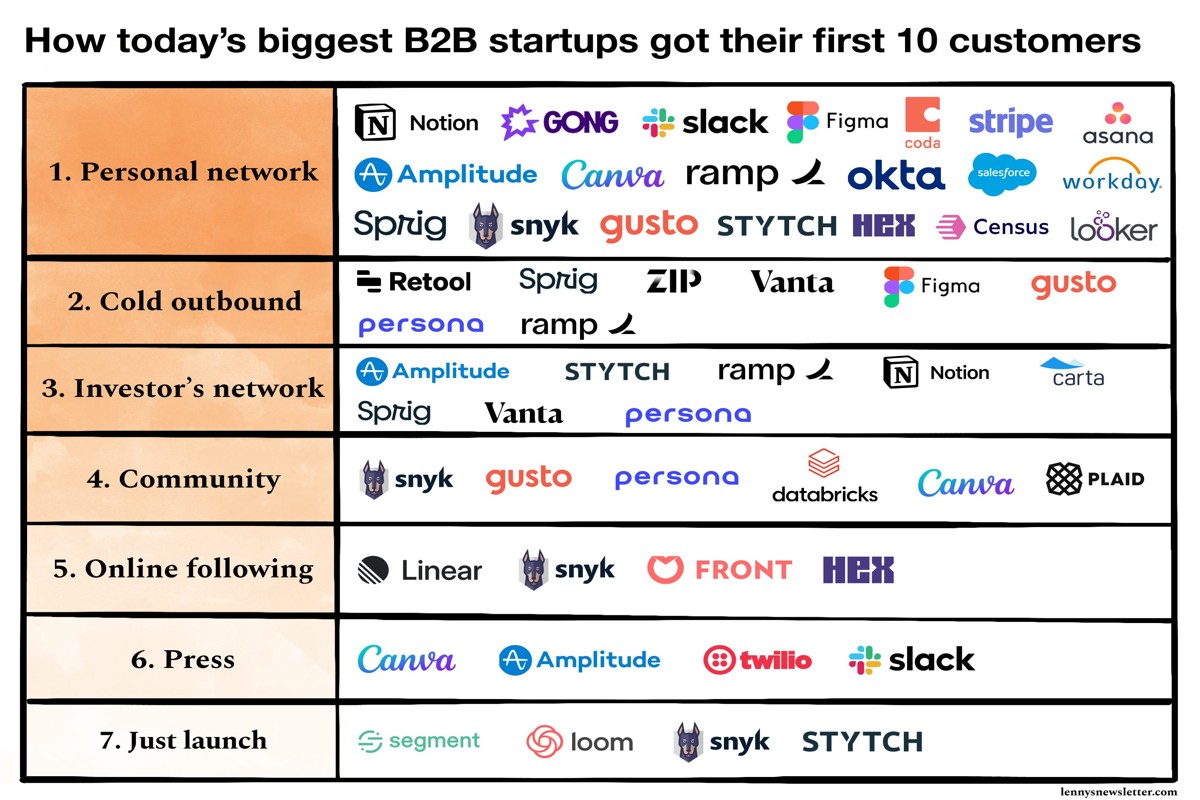
How to get B2B clients involves strategies for attracting and securing business relationships between companies. The primary benefit of effective client acquisition is increased revenue and market presence, with studies indicating that 70% of B2B buyers prefer to conduct online research before engaging with vendors.
Understanding how to get B2B clients is crucial for businesses aiming to thrive in a competitive marketplace. Effective client acquisition not only drives revenue growth but also enhances brand visibility and credibility. With the global B2B e-commerce market projected to reach $25.6 trillion by 2028, companies that fail to adapt to modern client engagement strategies risk being left behind.
Failure to grasp effective B2B client acquisition can lead to significant financial losses, wasted marketing resources, and a diminished competitive edge. Companies that do not implement proven strategies for attracting clients may find themselves struggling to maintain profitability and market relevance.
This article will cover proven strategies for gaining B2B clients, including identifying target markets, leveraging networking opportunities, and utilizing digital marketing techniques. Readers will gain insights into best practices, industry benchmarks, and actionable steps to enhance their client acquisition efforts.
What are the best strategies to get B2B clients?
Effective strategies for acquiring B2B clients include networking, leveraging content marketing, and using referrals. A 2024 study found that 78% of B2B buyers prefer to engage with companies providing valuable content. This highlights the importance of these approaches.
Building a strong network is key in the B2B space. Attend industry conferences, join professional organizations, and participate in local business events. Engaging in these activities fosters personal connections — often leading to opportunities that don’t arise through traditional marketing methods. Also, use platforms like LinkedIn to expand your network and connect with decision-makers in your target industries.
- Content Marketing: Create insightful content such as whitepapers, case studies, and blogs that address your target audience’s pain points. This positions your company as a thought leader and builds trust with potential clients. Make sure to use SEO strategies to ensure your content reaches the right audience.
- Referral Programs: Encourage existing clients to refer new customers by offering incentives. Referral leads tend to have a higher conversion rate — they come with a built-in level of trust. Establish a formal referral program that rewards clients for successful introductions.
- Cold Outreach: Develop a targeted outreach strategy using personalized emails and calls. Research potential clients to tailor your message to their specific needs. This approach can yield high return rates if executed with a clear value proposition (this is often overlooked).
Expert insight: Focus on nurturing relationships rather than just transactional interactions. Long-term partnerships often yield greater rewards in the B2B landscape, leading to repeat business and referrals.
How long does it take to acquire B2B clients?
Acquiring B2B clients usually takes about 3 to 6 months. However, this can vary quite a bit based on several factors. Some businesses might land clients within a month — while others could take over a year, particularly in complex industries.
The length of the sales cycle for B2B clients often depends on various elements, like the industry, average deal size, and the product or service offered. For instance, companies selling high-value solutions such as enterprise software may find their sales cycles stretch longer. This is often due to the need for extensive evaluations and stakeholder approvals. On the other hand, businesses that provide lower-cost services tend to have shorter sales cycles; decision-makers can approve purchases more quickly (this is often overlooked).
Moreover, the effectiveness of lead generation strategies plays a crucial role in how long client acquisition takes. Businesses that use targeted marketing campaigns, build strong relationships through networking, and leverage social media platforms typically see faster results. Conversely, companies relying on generic outreach methods may experience longer timelines. They must first establish credibility and trust with potential clients. Seasonal trends and economic conditions can also impact how quickly clients are acquired — some periods simply yield more opportunities than others.
Expert insight: To speed up the acquisition process, focus on nurturing relationships and providing value through personalized engagement. Building a strong referral network can significantly shorten the sales cycle as well.
What tools can help in getting B2B clients?
Several tools can significantly enhance the process of acquiring B2B clients. These include Customer Relationship Management (CRM) software, email marketing platforms, and lead generation tools. They streamline lead management and improve communication. Automating outreach efforts also increases the chances of securing new clients.
CRM software, like Salesforce or HubSpot, assists businesses in managing customer interactions and data throughout the client lifecycle. These platforms centralize information. This enables sales teams to track leads, opportunities, and client relationships effectively. Email marketing tools, such as Mailchimp or ActiveCampaign, facilitate targeted outreach campaigns. Companies can nurture leads through personalized communication (this is often overlooked). Lead generation tools, including LinkedIn Sales Navigator or ZoomInfo, provide access to extensive databases of potential clients. This makes it easier to identify and qualify leads based on specific criteria.
- CRM Software: Centralizes client data and interactions. It also offers analytics and reporting features. Key difference: Focuses on relationship management.
- Email Marketing Platforms: Automates email campaigns and manages subscriber lists. Key difference: Emphasizes communication and nurturing leads.
- Lead Generation Tools: Provides access to prospect databases and advanced search tools. Key difference: Focuses on identifying potential clients.
Expert insight: Integrating these tools can amplify their effectiveness. For example, using a CRM alongside email marketing software allows for better tracking of engagement metrics. This helps refine outreach strategies based on real-time data — a crucial aspect of success.
How to identify potential B2B clients?
Identifying potential B2B clients requires thorough research and analysis of the target market. A 2024 study reveals that 70% of B2B companies find success by focusing on niche markets and using data analytics.
Start by defining your ideal client profile (ICP). This involves pinpointing key characteristics like industry, company size, location, and purchasing behavior. Use existing customer data to figure out which kinds of businesses reap the most benefits from your products or services. After that, engage in market research through online tools and platforms such as LinkedIn Sales Navigator — it offers insights into company demographics and decision-makers.
- Use Industry Reports: Analyze reports and studies that are relevant to your sector. These documents often reveal emerging trends and key players within the market.
- Leverage Social Media: Platforms like LinkedIn can help you identify businesses matching your target profile. Check for companies that actively engage with content similar to yours.
- Attend Industry Events: Conferences and trade shows are great for networking. Collect contact information and be sure to follow up with potential leads after the event.
- Conduct Surveys: Reach out directly to your existing network or potential clients to gather insights about their needs and challenges (this is often overlooked).
- Analyze Competitors: Research your competitors to see whom they are targeting. This can uncover potential clients who might also have interest in your offerings.
Expert insight: Use CRM tools to track interactions with potential clients. This data can refine your marketing strategies and improve client segmentation over time — it’s a crucial step.
What is the cost of acquiring B2B clients?
The cost of acquiring B2B clients can vary widely. Estimates usually fall between **$20,000 to $100,000** per client, and this depends on industry and sales model. Several factors influence this cost, including the type of service or product offered, market competitiveness, and sales strategies used.
Many factors contribute to the overall cost of client acquisition. These include:
- Sales Team Expenses: Salaries, commissions, and training costs for sales personnel often make up a significant part of the acquisition budget.
- Marketing Costs: Spending on digital marketing, content creation, and lead generation campaigns can add substantially to total expenses.
- Technology and Tools: CRM systems, analytics tools, and marketing automation software are critical for tracking leads and optimizing strategies — expect substantial upfront and ongoing costs.
- Customer Relationship Management: Nurturing relationships and providing customer support also impacts acquisition costs, especially in industries where long-term relationships matter (this is often overlooked).
The length of the sales cycle is also crucial. Industries with longer sales cycles often see higher acquisition costs due to prolonged engagement and resource allocation. Moreover, businesses that depend heavily on networking and referrals may encounter different cost structures than those using aggressive digital marketing strategies.
Expert insight: To manage client acquisition costs effectively, companies should regularly analyze their sales and marketing data. This helps identify the most cost-effective channels and optimize budgets accordingly.
Leveraging Networking Events for Client Acquisition
Networking events serve as vital touchpoints for connecting with potential B2B clients. This section explores how to strategically use these gatherings to enhance client acquisition efforts.
Identifying the Right Events to Attend
Identifying suitable networking events is the first step in leveraging them for client acquisition. Focus on industry-specific conferences, trade shows, and professional meetups that attract your target audience. Use platforms like Eventbrite, Meetup, and LinkedIn Events to discover gatherings relevant to your niche. Prioritize events featuring speakers or panel discussions on topics pertinent to your service offerings — these settings often draw engaged participants seeking solutions.
How to Prepare for Networking Opportunities
Preparation is critical for making a lasting impression at networking events. Consider these actions:
- Research Attendees: Familiarize yourself with key participants or companies attending the event. Understanding their business models and pain points will enable tailored conversations.
- Elevator Pitch: Craft a concise elevator pitch that clearly communicates your value proposition. Aim for a 30-60 second delivery that highlights how your solutions can address specific challenges.
- Materials: Prepare business cards and informational brochures that summarize your services. Make sure these materials are professional and reflect your brand identity.
Strategies for Effective Follow-Up After Events
Following up is essential to transform initial introductions into meaningful relationships. Implement these strategies:
- Timely Communication: Reach out within 48 hours of the event — while the interaction is still fresh in their minds. A brief email or LinkedIn message can reinforce your connection.
- Personalization: Reference specific conversations or insights shared during the event in your follow-up. This personal touch demonstrates genuine interest and helps differentiate you from others (this is often overlooked).
- Value Add: Share relevant resources, such as articles or case studies, that align with their interests or challenges. This positions you as a knowledgeable partner rather than just a vendor.
Building Long-Term Relationships Through Networking
Networking is not merely about immediate gains; it’s about cultivating long-term relationships. Continuous engagement with contacts can lead to referrals and repeat business. Strategies to foster these relationships include:
- Regular Check-Ins: Schedule periodic check-ins with your contacts, whether through email or social media. Keeping the lines of communication open fosters trust and rapport.
- Offer Support: Be willing to assist your connections with their challenges, even if it doesn’t directly benefit you at the moment. Building goodwill can yield significant returns over time.
- Participate in Community Events: Engage in local or online community events where your contacts are active. This helps maintain visibility and reinforces your commitment to the relationship.
Networking events can significantly enhance client acquisition efforts when approached strategically. In 2024, approximately 60% of B2B marketers reported that in-person networking events were their most effective lead generation strategy. This indicates the continued importance of these interactions in cultivating business relationships.
To effectively leverage networking events, identify relevant gatherings, prepare strategically, follow up promptly, and focus on building relationships. Implement these actionable steps to maximize your networking efforts and successfully acquire B2B clients.
Using Digital Marketing to Attract B2B Clients
This section delves into advanced digital marketing strategies specifically designed for B2B client acquisition. It highlights methods that truly engage and convert potential clients.

Creating Targeted Content for Your Audience
Producing content that resonates with specific segments of your audience is crucial for attracting B2B clients. Developing buyer personas is key to understanding the challenges, needs, and preferences of your ideal clients. This allows for content creation that directly addresses their pain points. For instance, a software company might produce case studies showcasing successful implementations to illustrate value.
- Whitepapers that delve into industry trends
- Webinars featuring expert panels on relevant topics
- Blog posts that answer common questions or provide solutions
Using SEO and PPC Advertising Effectively
Search Engine Optimization (SEO) and Pay-Per-Click (PPC) advertising are vital for boosting visibility among B2B clients. Implementing a robust SEO strategy enhances organic traffic by optimizing on-page elements, improving site speed, and ensuring mobile responsiveness. The result is often impressive; companies prioritizing SEO see an average traffic increase of 53% year-over-year.
PPC advertising complements SEO by providing immediate visibility. Targeting specific keywords related to your offering can generate leads quickly. For example, a focused ad campaign for a CRM software can achieve a conversion rate of up to 10% — significantly higher than standard display ads.
Leveraging Social Media for B2B Engagement
Social media platforms, particularly LinkedIn, serve as powerful tools for B2B engagement. Sharing valuable content, participating in industry discussions, and utilizing targeted advertising can enhance brand awareness and lead generation. In fact, businesses actively engaging on LinkedIn often see a 2.5 times higher engagement rate compared to other platforms.
Make use of social media analytics to track engagement metrics and adjust strategies accordingly. Focus on building relationships with key industry influencers who can amplify your brand message (this is often overlooked).
Email Marketing Strategies That Convert
Email marketing remains a cornerstone of B2B client acquisition. Craft personalized email campaigns tailored to the unique needs of your audience segments. Employ segmentation strategies to ensure relevant messaging, which can lead to an average open rate of 20% to 30% for well-targeted campaigns.
A/B testing subject lines and content refines your approach, helping improve click-through rates. Incorporate clear calls to action and provide value in each email, whether through insightful articles, exclusive offers, or invitations to webinars.
Many businesses underestimate the potential of integrating automation tools into their email marketing strategy. Automating follow-ups and nurturing leads through targeted email sequences can greatly boost conversion rates, allowing for consistent engagement without manual effort.
To effectively apply these digital marketing strategies, businesses should first define their target audience and develop detailed buyer personas. Next, create a content calendar that encompasses various formats, including blogs, videos, and social media posts. It’s also essential to invest in SEO and PPC campaigns tailored to your niche, while continuously monitoring performance metrics. Establish a robust email marketing system that emphasizes personalization and automation for optimal engagement and conversion.
Building a Referral Program to Gain B2B Clients
A well-structured referral program can greatly enhance a business’s ability to attract new B2B clients. By leveraging existing relationships, companies can build a robust network of referrals that drives growth — and fosters trust within their industry.

Designing an Appealing Referral Program
Creating an effective referral program starts with an enticing offer that encourages current clients to participate. Here are key elements to consider:
- Incentives: Offer rewards that genuinely hold value for your clients. This could mean discounts on future services, cash bonuses, or exclusive access to premium content.
- Simplicity: Make sure the referral process is straightforward. Clients should easily grasp how to refer others and what steps they need to follow.
- Alignment with Client Needs: Tailor incentives to align with what your clients truly value. For instance, if your clients emphasize education, consider offering free training sessions as rewards (this is often overlooked).
Data shows that referral programs can boost customer acquisition by up to 25% and improve retention rates by 18% (2024-2026). The result is often a clear demonstration of a well-executed referral strategy’s effectiveness.
Communicating the Program to Existing Clients
Effective communication is key to the success of a referral program. Use multiple channels to inform clients about it:
- Email Campaigns: Send targeted emails that outline the program’s details and benefits.
- Website and Social Media: Promote the program on your website and through social media channels to reach a wider audience.
- Direct Conversations: Discuss the program during client meetings. This emphasizes its importance and addresses any questions.
Clearly articulate the program’s value proposition. Clients need to understand not just what they stand to gain, but also how their referrals contribute to the business’s success.
Tracking Referrals and Measuring Success
Implement a solid system for tracking referrals and measuring the program’s effectiveness. Key metrics to monitor include:
- Referral Volume: Track the number of referrals generated within a specific period.
- Conversion Rates: Calculate the percentage of referrals that convert into paying clients.
- Client Lifetime Value: Assess the long-term value of clients acquired through referrals compared to other acquisition methods.
Investing in CRM software can help streamline tracking efforts. Tools like HubSpot or Salesforce can automate the process, providing real-time insights into referral performance.
Adjusting the Program Based on Feedback
Continuous improvement is vital for a successful referral program. Regularly gather feedback from clients to identify areas for enhancement. Consider these approaches:
- Surveys: Conduct surveys to collect client opinions on the program’s appeal and effectiveness.
- Client Interviews: Engage in one-on-one discussions to gain deeper insights into their experiences.
- Performance Reviews: Analyze referral data to determine which aspects of the program are effective and which require adjustment.
Adjusting the program based on feedback not only improves client satisfaction but also increases the likelihood of generating more referrals.
To effectively implement these strategies, businesses should first define clear objectives for their referral program. Establish incentive structures that align with client motivations, communicate the program clearly, and use technology to track and measure success. Regularly seek feedback to refine the program, ensuring it remains dynamic and responsive to client needs. By prioritizing these actions, companies can craft a referral program that not only attracts new clients but also strengthens relationships with existing ones — ultimately showcasing a powerful method for how to get B2B clients.
Common Mistakes to Avoid When Seeking B2B Clients
Securing B2B clients requires a strategic approach. Yet many businesses fall into common traps that hamper their success. Identifying and sidestepping these mistakes can streamline the client acquisition process. It can also enhance overall effectiveness.

Neglecting Market Research and Targeting
Market research is foundational for identifying potential clients. Businesses that neglect thorough research frequently engage the wrong audience. This can lead to wasted resources and missed opportunities. According to a 2024 survey, 65% of B2B firms that adopted targeted marketing strategies reported a 30% increase in client engagement compared to those that didn’t.
Failing to Follow Up with Leads
A significant number of B2B leads go cold because of a lack of follow-up. Studies show that 80% of sales require five follow-up calls after the initial contact — yet only 20% of salespeople reach out more than once. This oversight often results in lost sales and missed revenue opportunities.
Overlooking the Importance of Personal Relationships
In the B2B landscape, personal relationships are crucial for client acquisition. Decision-makers prefer working with companies they trust and have established rapport with. Neglecting to invest time in building these relationships can lead to missed partnerships and reduced client loyalty. A 2025 report found that businesses with strong client relationships experienced a 50% higher retention rate.
Not Measuring the Effectiveness of Strategies
Without measuring the effectiveness of client acquisition strategies, businesses lack insight into what works and what doesn’t. Metrics like conversion rates, cost per lead, and customer lifetime value provide essential data. According to a 2026 industry analysis, companies that track their marketing metrics saw a 25% improvement in client acquisition efficiency.
Common Misconceptions
Many businesses wrongly believe that having a strong product or service guarantees client acquisition. Quality is important, certainly, but the effectiveness of outreach efforts, relationship building, and market understanding are equally crucial. Moreover, some firms underestimate the time needed to nurture leads, thinking immediate results should be expected (this is often overlooked). In reality, B2B relationships take time to develop and require persistence and consistent engagement.
Practical Application
- Conduct comprehensive market research to define target segments effectively.
- Implement a structured follow-up process to nurture leads over time.
- Invest in relationship-building activities, like networking events and personalized communication.
- Establish key performance indicators (KPIs) to measure the success of your strategies regularly.
By addressing these common mistakes, businesses can greatly enhance their chances of acquiring B2B clients successfully. Adopting a strategic and informed approach will lead to more fruitful partnerships and sustained growth.
Frequently Asked Questions
What are the best strategies to get B2B clients?
Effective strategies for acquiring B2B clients include leveraging content marketing, networking at industry events, and utilizing targeted advertising. Building relationships through personalized outreach and referrals also plays a crucial role in client acquisition.
How long does it take to acquire B2B clients?
The time to acquire B2B clients can vary significantly, typically ranging from a few weeks to several months. Factors influencing this timeline include the industry, sales cycle, and the complexity of the products or services offered.
What tools can help in getting B2B clients?
Tools such as CRM software, email marketing platforms, and social media management tools are essential for acquiring B2B clients. Additionally, lead generation and analytics tools can enhance targeting and improve outreach effectiveness.
How to identify potential B2B clients?
Identifying potential B2B clients involves researching target industries, analyzing market trends, and utilizing data-driven tools for lead generation. Networking and attending industry events can also help in discovering viable prospects.
What is the cost of acquiring B2B clients?
The cost of acquiring B2B clients varies widely based on industry and marketing strategies, with estimates ranging from hundreds to thousands of dollars per client. Factors such as advertising spend, sales team salaries, and marketing tools contribute to the overall cost.
Final Thoughts on how to get b2b clients
Success in acquiring B2B clients hinges on a multifaceted approach that integrates effective networking, strategic digital marketing, and a robust referral program. The ability to identify and engage potential clients through tailored strategies not only accelerates the acquisition process but also fosters long-term business relationships.
To advance your efforts, implement a targeted outreach campaign utilizing LinkedIn, focusing on personalized messaging that addresses the specific needs of your ideal client profile. This direct approach can yield significant engagement and open doors to new opportunities.
Ready to elevate your business? Consider reaching out to a google ads expert who can help you attract more B2B clients effectively!
Mastering the art of securing B2B clients is essential for sustainable growth in today’s competitive landscape, making it a priority for any business aiming to thrive.