
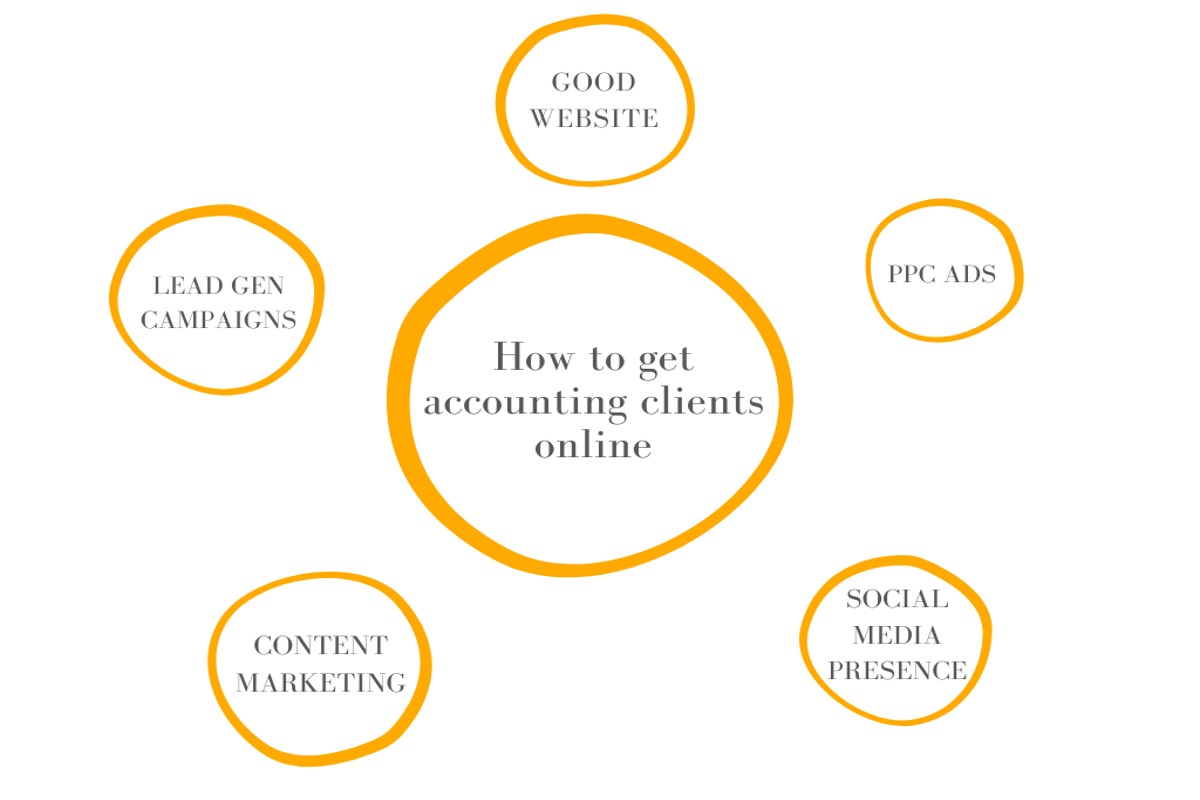
How to get accounting clients online refers to the strategies and methods used by accounting professionals to attract and secure clients through digital platforms. A robust online presence is essential, as approximately 70% of consumers research services online before making a decision, highlighting the significant impact of effective online marketing on client acquisition.
Understanding how to get accounting clients online is crucial for accounting firms aiming to grow their client base in an increasingly digital marketplace. As consumer behavior shifts toward online research, firms that fail to establish a strong online presence risk losing potential clients to competitors. The accounting services market is projected to reach $700 billion globally, underscoring the importance of effective client acquisition strategies.
Failure to grasp effective online client acquisition can result in missed revenue opportunities, wasted marketing resources, and a competitive disadvantage in the marketplace. Without a strategic online approach, accounting firms may struggle to connect with potential clients who are actively seeking services online.
This article covers proven strategies for attracting accounting clients online, including leveraging social media, creating a professional website, and utilizing targeted online advertising. Readers will gain insights into best practices, cost breakdowns, and the importance of local SEO in maximizing their online visibility.
What are the best platforms to find accounting clients online?
Effective platforms for finding accounting clients online include LinkedIn, Upwork, and various social media channels. A 2024 report shows that over 70% of accountants reported acquiring clients through social networks, which highlights their significance in client acquisition.
LinkedIn stands out as a premier platform for professionals looking to connect with potential clients. Accountants should create a comprehensive profile that showcases their skills and experience. Engaging in relevant industry groups is key. Sharing valuable content also demonstrates expertise. Actively participating in discussions can enhance visibility and credibility — leading to more client inquiries.
Upwork is another effective platform, especially for freelance accountants. This site allows professionals to bid on projects that match their skills. Creating a compelling profile with testimonials and a portfolio can attract clients. Setting competitive rates is important, and responding promptly to inquiries can really boost the chances of securing contracts.
Social media platforms like Facebook and Instagram can also be used for client acquisition. By creating business pages and sharing informative content, accountants can engage with a wider audience. Running targeted ads can help reach specific demographics — increasing the likelihood of attracting potential clients (this is often overlooked).
Expert insight: Focus on building a strong online presence by consistently engaging with your audience and showcasing your expertise. This strategy can significantly improve client acquisition efforts across all platforms.
How can I market my accounting services online?
To market accounting services effectively online, combine content marketing, search engine optimization (SEO), and social media advertising. A 2024 survey revealed that 67% of accounting firms found their client base significantly grew due to digital marketing strategies.
Implementing a structured approach can enhance visibility and attract potential clients. Follow these actionable steps:
- Develop a professional website: Your website is the online face of your accounting business. Make sure it’s user-friendly, mobile-responsive, and has clear service descriptions, client testimonials, and contact information.
- Utilize SEO strategies: Optimize your website for search engines by incorporating relevant keywords — think “accounting services” and “tax preparation.” Focus on local SEO to attract clients in your geographical area (this is often overlooked).
- Create valuable content: Publish blog posts, videos, or infographics that tackle common accounting questions or offer tips for financial health. This establishes authority and draws traffic to your site. People appreciate useful information.
- Leverage social media: Use platforms like LinkedIn, Facebook, and Instagram to engage with potential clients. Share informative content, success stories, and updates about your services to build a community around your brand.
- Implement targeted advertising: Use pay-per-click (PPC) advertising and social media ads to reach specific demographics. Tailor your ads to highlight services that meet the needs of your ideal clients — this works well but only when done thoughtfully.
- Network online: Join online forums and accounting groups on platforms such as LinkedIn and Facebook. Participate in discussions, share insights, and offer free advice to establish credibility and connect with potential clients.
Expert insight: Focus on building an email list through your website and social media channels. Email marketing can yield an average return on investment of $42 for every $1 spent, making it a powerful tool for client retention and engagement.
What is the cost of acquiring accounting clients online?
The cost of acquiring accounting clients online typically varies from $500 to $5,000 per client. This depends heavily on the marketing strategies used. Factors such as advertising spend, website development, and ongoing maintenance have a significant impact on these expenses.
Several elements influence the overall cost of acquiring clients online. First, the choice of marketing channels is crucial. For example, pay-per-click (PPC) advertising on platforms like Google Ads can range from $1 to $3 per click. Social media advertising can vary widely too — it all depends on audience targeting and campaign goals. Additionally, search engine optimization (SEO) efforts often require an initial budget of $1,000 to $5,000 for setup and ongoing management (this is often overlooked). These efforts are essential for long-term visibility and client acquisition.
- Advertising Budget: The amount allocated to online ads is a primary factor. Higher budgets usually bring more leads, but keep an eye on conversion rates.
- Website Development: A professional website is critical for establishing credibility. Costs can vary from $2,000 to $10,000, based on functionality, design, and content.
- Content Creation: Quality content marketing is vital for attracting clients. Budgeting $500 to $2,000 per month for content can significantly enhance engagement and lead generation.
Expert insight: It’s important to track metrics like customer acquisition cost (CAC) and lifetime value (LTV). This helps in optimizing marketing spend effectively. Adjust strategies based on data to ensure sustainable client growth.
How long does it take to get accounting clients online?
Typically, acquiring accounting clients online takes anywhere from a few days to several months. It largely hinges on the strategy employed. Paid advertising can yield immediate results — while organic methods, like SEO, often require three to six months or even longer to gain significant traction.
Immediate strategies, such as pay-per-click (PPC) advertising and social media ads, can attract potential clients in just days. These methods provide quick visibility, letting accounting firms generate leads almost instantly. But, the cost can be steep. Continuous investment is crucial to maintain that visibility. Conversely, content marketing and search engine optimization (SEO) usually demand a longer commitment. For example, SEO often takes three to six months to begin producing organic traffic, as it relies on establishing authority and relevance in search rankings.
Several factors can influence the timeline. The competitiveness of the niche, the quality of marketing materials, and the firm’s existing online presence all play a role. A well-established firm with a recognized brand might see quicker results than a newcomer. Also, geographic targeting can impact timelines — local searches can lead to faster results, especially if competition in the area is low.
Expert insight: Implement a multi-faceted approach by combining immediate strategies like PPC with long-term efforts such as SEO and content marketing. This balance ensures not just short-term lead generation — but also sustainable growth over time.
What common mistakes should I avoid when seeking accounting clients online?
Common mistakes can really hold back efforts to attract accounting clients online. Neglecting follow-ups, having a poorly designed website, and not defining your target audience can lead to missed opportunities and wasted resources. Research shows that 44% of salespeople give up after just one follow-up — this underscores the need for persistence in client acquisition.
To effectively attract clients, steer clear of these common pitfalls:
- Neglecting Follow-Ups: Many potential clients need multiple interactions before making a decision. Establish a follow-up schedule and stick to it. Use tools like CRM systems to keep track of interactions and remind you when to reconnect.
- Poorly Designed Website: Your website acts as your digital storefront. Make sure it’s user-friendly, mobile-responsive, and visually appealing. Clear calls to action and easily accessible contact information can encourage inquiries (this is often overlooked).
- Lack of Target Audience Definition: Failing to identify your ideal client can lead to ineffective marketing. Create detailed buyer personas based on demographics, industry, and specific needs to tailor your messaging and services accordingly.
- Ignoring Social Proof: Testimonials and case studies build credibility and trust. Encourage happy clients to leave reviews — showcase your successes prominently on your website and social media profiles.
- Inconsistent Branding: Make sure your branding is consistent across all platforms. This includes your website, social media profiles, and any advertising materials. Cohesive branding enhances recognition and fosters trust with potential clients.
Expert insight: Regularly evaluate your online strategies and adjust your approach based on client feedback and analytics. Continuous improvement is crucial in the competitive landscape of accounting services.
Can I get accounting clients through social media?
Yes, accounting clients can be acquired through social media. In fact, a survey indicated that over 60% of small businesses use social media to find service providers, including accountants.
For instance, take the case of a CPA who concentrated on establishing a presence on LinkedIn. By sharing valuable content — like tax tips, industry news, and case studies — this professional attracted a following of small business owners looking for financial guidance. Regular engagement through comments and discussions helped build trust and authority. In just six months, this CPA reported gaining five new clients directly from LinkedIn interactions.
Similarly, another accountant used Instagram to highlight client success stories and financial advice through engaging visuals and short videos. This method included using relevant hashtags and getting involved in financial discussions, which significantly expanded their reach. Notably, this approach didn’t just boost visibility; it also fostered a community of potential clients who sought their expertise. After a year, they noted a remarkable 40% increase in client inquiries attributed to their social media efforts.
Expert insight: To effectively gain accounting clients through social media, focus on providing educational content that addresses common client pain points. Make sure to engage consistently; authentic interactions are key to building lasting relationships that convert to clients.
How important is a website for attracting accounting clients?
A professional website is critical for attracting accounting clients. It establishes credibility and serves as a primary marketing tool. According to a 2024 survey, 75% of consumers judge a company’s credibility based on its website design and content.
A well-designed website operates like a digital storefront, showcasing services, expertise, and client testimonials. It offers potential clients easy access to information about accounting services and the firm’s qualifications. Key components that contribute to its effectiveness include:
- Professional Design: A clean, modern layout instills trust — it reflects the quality of services provided.
- Clear Messaging: Clearly articulating services and value propositions helps clients understand what to expect (this is often overlooked).
- SEO Optimization: By using relevant keywords, the website can rank higher in search engine results. This can lead to more potential clients finding the firm.
Moreover, a website can enhance client engagement through informative blogs, FAQs, and resources that position the accounting firm as a thought leader in the industry. Integrating features such as online appointment scheduling and secure client portals can also improve client experience and retention.
Expert insight: A website should not just present information; it must create a seamless user experience. Regularly updating content and optimizing for mobile devices can significantly boost client inquiries and interactions.
Effective Online Marketing Strategies for Accountants
This section outlines proven online marketing strategies that accountants can use to attract and retain clients. Each strategy aims to boost visibility, engagement, and authority in a competitive digital landscape.

Utilizing SEO to Improve Online Visibility
Search Engine Optimization (SEO) is a key strategy for accountants looking to enhance their online presence. By optimizing website content for relevant keywords—like “tax preparation,” “bookkeeping services,” or “financial consulting”—accountants can boost their search engine rankings. Research shows that 70% of online users click on organic search results, highlighting the significance of SEO.
- Conduct keyword research to discover terms potential clients use.
- Optimize website titles, meta descriptions, and headers with these keywords.
- Create locally focused content to attract clients in specific geographical areas.
Leveraging Social Media Platforms for Engagement
Social media platforms offer accountants a way to engage with potential clients and build a community. Platforms like LinkedIn, Facebook, and Twitter enable direct interaction and content sharing. About 54% of social media users utilize these channels to research services and products—making them a crucial marketing tool.
- Share informative posts that address common accounting questions.
- Use video content for tutorials or Q&A sessions to showcase expertise.
- Engage in discussions within relevant groups or forums to position oneself as an industry expert.
Implementing Email Marketing Campaigns
Email marketing remains a powerful tool for accountants to nurture leads and maintain client relationships. A well-structured email campaign can yield an average return on investment of $42 for every dollar spent. Thus, it’s essential for accountants to build and segment their email lists effectively.
- Create targeted email campaigns for different client segments.
- Include valuable content—like tax tips or financial planning advice—to establish authority.
- Use analytics to track engagement rates and adjust strategies as needed.
Creating Valuable Content to Establish Authority
Valuable content—including blog posts, whitepapers, and webinars—can greatly enhance an accountant’s authority in the field. By tackling relevant topics and providing actionable insights, accountants can build trust with their audience. Statistics show that 70% of consumers prefer to learn about a company through articles rather than advertisements.
- Develop a content calendar to ensure regular posting on your blog.
- Focus on topics that deal with common client pain points.
- Use data and case studies to support claims and enhance credibility.
Many accountants overlook the importance of integrating SEO with content marketing. This is often overlooked. While both strategies work well independently, combining them amplifies results. For example, optimizing blog posts with keywords can drive organic traffic and establish the accountant as an authority in their niche.
To effectively implement these strategies, accountants should first conduct an audit of their current online presence. Identify gaps in SEO, assess social media engagement levels, and evaluate email marketing performance. Prioritize creating a content calendar that aligns with identified client needs and business goals. Regularly update strategies based on analytics to ensure continued effectiveness in attracting accounting clients online.
Building a Professional Online Presence
Creating a strong online presence is crucial for accountants aiming to attract and retain clients. This section covers how to design an effective website, optimize social media profiles, display client testimonials, and maintain a consistent brand image.

Designing an Effective Website That Converts Visitors
An accountant’s website acts as the digital storefront. It ought to be visually appealing, easy to navigate, and optimized for conversions. Key components of an effective website include:
- Clear Call-to-Action (CTA): Every page should guide visitors toward necessary actions, like scheduling a consultation or signing up for a newsletter.
- Mobile Responsiveness: With over 54% of web traffic coming from mobile devices in 2024, a mobile-friendly website is essential for user engagement.
- SEO Optimization: Incorporate relevant keywords related to accounting services to improve search engine visibility. Aim for a page load time under 3 seconds to reduce bounce rates (this is often overlooked).
Optimizing Social Media Profiles for Professionalism
Social media platforms are vital for establishing credibility and connecting with potential clients. Professionalism can be boosted by:
- Consistent Branding: Use the same logo, color scheme, and bio across all platforms to create a cohesive brand image.
- Engaging Content: Share industry insights, tax tips, and accounting news to position yourself as a thought leader while engaging your audience — this helps build trust.
- Regular Updates: Maintain an active presence by posting consistently, responding to comments, and participating in relevant discussions.
Showcasing Client Testimonials and Case Studies
Client testimonials and case studies help build trust and demonstrate expertise. Implement the following strategies:
- Testimonials: Feature quotes and feedback from satisfied clients prominently on your website and social media. Video testimonials can be particularly impactful.
- Case Studies: Present detailed accounts of how you helped clients overcome challenges, including specific outcomes and data to illustrate your effectiveness.
- Review Platforms: Encourage clients to leave reviews on platforms like Google My Business and Yelp, which can enhance your online reputation.
Maintaining a Consistent Brand Image Across Platforms
Brand consistency reinforces recognition and trustworthiness. Make sure all digital touchpoints reflect a unified brand identity by:
- Visual Elements: Use the same fonts, colors, and imagery style across your website, social media, and marketing materials.
- Messaging: Maintain a consistent tone and voice that aligns with your brand values — whether through posts, emails, or client interactions.
- Content Strategy: Develop a content calendar that aligns with your overall marketing strategy, ensuring messaging is consistent and timely.
Many accountants overlook the nuances of branding, thinking a simple logo suffices. A comprehensive brand strategy, covering visual identity, messaging, and client engagement, is crucial. Misconceptions often arise about needing a “professional” image; authenticity can resonate more with clients than a generic corporate façade. Tailoring the approach to reflect personal values while staying professional can set one apart in a crowded market.
To effectively leverage this information, accountants should take the following actionable steps:
- Redesign your website focusing on user experience and conversion optimization.
- Audit your social media profiles to ensure consistency in branding and professionalism.
- Gather and prominently display client testimonials and case studies on your website and social media.
- Establish a content calendar for regular posting and engagement across platforms.
Networking and Building Relationships Online
Effective online networking is crucial for accountants aiming to grow their client base. By using various digital platforms, professionals can develop relationships that lead to new opportunities and referrals.

Participating in Online Forums and Groups
Engaging in online forums and groups relevant to accounting can yield substantial benefits. Platforms like Reddit, Quora, and specialized accounting forums provide chances to share expertise, answer questions, and establish credibility. Participation in discussions not only allows accountants to showcase their knowledge — it also creates a direct channel to potential clients.
- Join forums where your target clients are active.
- Contribute valuable insights without overtly selling services.
- Monitor trends and common issues (this is often overlooked) to tailor your services accordingly.
Utilizing LinkedIn for Professional Networking
LinkedIn is a key tool for accountants looking to expand their professional connections. With over 900 million users as of 2024, it offers access to a vast audience. Accountants should optimize their profiles, highlighting specialties, certifications, and client testimonials.
- Regularly share industry-related content to engage with your network.
- Participate in LinkedIn Groups focused on accounting and finance.
- Connect with potential clients and industry influencers — this can significantly broaden your reach.
Engaging in Webinars and Online Events
Webinars and online events offer accountants a chance to demonstrate expertise while engaging with potential clients. Hosting or participating in these events enables professionals to address specific topics that resonate with their audience.
Statistics reveal that 73% of marketers believe webinars are the best way to generate high-quality leads. Accountants can leverage this by:
- Selecting topics that address common pain points for businesses.
- Promoting events through social media and email newsletters.
- Following up with attendees post-event to nurture relationships (worth double-checking).
Building Partnerships with Complementary Service Providers
Forming strategic partnerships with other service providers can boost visibility and credibility. For instance, collaborating with financial advisors, legal firms, or business consultants creates a referral network that benefits all parties involved.
Benefits of such partnerships include:
- Shared marketing efforts that reduce costs.
- Access to a broader client base.
- Enhanced service offerings that can attract more clients.
Nuance / Expert Layer
A common misconception is that online networking is merely about self-promotion. In reality, effective networking involves a genuine exchange of value. Many accountants overlook the importance of nurturing relationships over time. It’s crucial to understand that trust and rapport are built through consistent engagement — not sporadic outreach. Additionally, the shift towards digital communication means personal branding and online presence are more significant than ever in establishing credibility.
Practical Application
To apply these strategies effectively, accountants should focus on these actionable steps:
1. Identify and join at least three relevant online forums or groups.
2. Optimize your LinkedIn profile and connect with five potential clients or partners weekly.
3. Schedule and promote a webinar on a topic of interest within the next quarter.
4. Reach out to two complementary service providers to discuss potential partnership opportunities.
By actively engaging in these practices, accountants can boost their visibility and attract new clients online.
Measuring and Optimizing Your Client Acquisition Efforts
Tracking and optimizing client acquisition efforts is critical for accountants looking to grow their online presence. Leveraging analytics and gathering client feedback allows accounting professionals to fine-tune their strategies. This helps attract and retain clients more effectively.
.png?width=1000&height=1313&name=12-steps-to-differentiating-your-accounting-firm%20(1).png)
Setting Up Analytics to Track Website Performance
Implementing strong analytics tools is essential for understanding website performance. Tools like Google Analytics deliver insights into user behavior, traffic sources, and conversion rates. Key metrics to monitor include:
- Traffic Volume: The number of visitors to the website over a specific period.
- Conversion Rate: The percentage of visitors who complete a desired action, such as filling out a contact form.
- Bounce Rate: The percentage of visitors who exit the site after viewing just one page.
In 2024, companies effectively leveraging analytics are experiencing a 15-20% increase in conversion rates — a clear indicator of the power of data-driven decision-making.
Monitoring Social Media Engagement Metrics
Social media platforms play a crucial role in client acquisition. Engagement metrics—think likes, shares, comments, and click-through rates—offer insights into audience interest and content effectiveness. Key metrics to watch include:
- Engagement Rate: The ratio of interactions (likes, comments, shares) to total followers.
- Reach: The total number of unique users who view your content.
- Referral Traffic: The amount of traffic driven to your website from social media platforms.
In 2025, social media platforms are expected to make up over 30% of client acquisition efforts for accounting firms. This makes tracking engagement metrics a top priority for marketers.
Adjusting Marketing Strategies Based on Data Insights
Data insights should shape marketing strategy adjustments. Regularly reviewing analytics and engagement metrics helps accountants pinpoint successful tactics — and areas needing improvement. Consider these steps:
- Analyze high-performing content to replicate success.
- Adjust advertising spend based on conversion data.
- Test different calls to action (CTAs) and landing page designs to enhance user experience.
Accountants who actively modify their strategies according to data can see up to a 25% improvement in client acquisition efficiency.
Conducting Client Feedback Surveys to Improve Services
Gathering client feedback proves invaluable for enhancing services. Surveys can reveal client needs and preferences, guiding necessary adjustments. Common methods of surveying include:
- Online questionnaires sent after service completion.
- Follow-up calls discussing service satisfaction.
- Incentivized feedback initiatives to boost participation.
Recent studies indicate that firms seeking regular client feedback experience a 20% increase in client retention — a clear need for this practice.
Accountants can use these insights to sharpen their approach to acquiring clients online. Specifically, they should:
- Regularly analyze website and social media performance data.
- Experiment with new marketing tactics driven by data findings.
- Implement client feedback mechanisms to align services with client expectations.
By adopting these actionable strategies, accounting professionals can greatly enhance their online client acquisition efforts. This approach ensures sustainable growth and improved client satisfaction.
Frequently Asked Questions
What are the best platforms to find accounting clients online?
Popular platforms for finding accounting clients include LinkedIn, Upwork, and Fiverr. These platforms connect professionals with businesses seeking accounting services.
How can I market my accounting services online?
Effective online marketing strategies for accounting services include content marketing, social media advertising, and search engine optimization (SEO). Utilizing these methods can enhance visibility and attract potential clients.
What is the cost of acquiring accounting clients online?
The cost of acquiring accounting clients online can vary widely based on marketing strategies and platforms used. On average, businesses can expect to spend between $100 to $500 per client acquisition, depending on competition and targeting.
How long does it take to get accounting clients online?
The timeline for acquiring accounting clients online typically ranges from a few weeks to several months. This duration depends on the effectiveness of marketing efforts and the demand for services in the market.
What common mistakes should I avoid when seeking accounting clients online?
Common mistakes include neglecting to define a target audience, failing to optimize online profiles, and not following up with leads. Avoiding these pitfalls can improve client acquisition success.
Can I get accounting clients through social media?
Yes, social media platforms can be effective for acquiring accounting clients. Engaging content and targeted advertising can help reach potential clients and build professional relationships.
How important is a website for attracting accounting clients?
A professional website is crucial for attracting accounting clients as it serves as a digital storefront. It showcases services, builds credibility, and provides essential information to potential clients.
Final Thoughts on how to get accounting clients online
To effectively acquire accounting clients online, a strategic blend of establishing a professional online presence, leveraging targeted marketing techniques, and fostering genuine networking relationships is essential. The digital landscape offers unprecedented opportunities, but success hinges on a proactive and consistent approach tailored to your target audience.
Implement a comprehensive digital marketing strategy that includes optimizing your website for SEO and engaging with potential clients on platforms like LinkedIn and industry-specific forums to elevate your visibility and credibility.
Ready to boost your client base? Connect with a google ads expert today and see how effective online marketing can transform your accounting practice!
Mastering the art of online client acquisition is not just beneficial; it is crucial for sustaining growth in an increasingly competitive marketplace.