
Real estate agents get clients through networking, referrals, and effective marketing strategies, including social media and local advertising. Approximately 70% of agents report that referrals are their primary source of new clients, highlighting the importance of building strong relationships in the industry.
Understanding how real estate agents acquire clients is essential for both new and seasoned professionals in the industry. With a highly competitive market, effective client acquisition strategies can significantly impact an agent’s success and overall business growth. According to the National Association of Realtors, 87% of home buyers and sellers work with an agent, emphasizing the need for agents to master these strategies.
Failure to grasp effective client acquisition methods can lead to missed revenue opportunities and wasted marketing resources, putting agents at a competitive disadvantage. Without a solid plan, they risk losing potential clients to more adept competitors who effectively leverage referrals and marketing channels.
This article will explore proven strategies for acquiring clients in real estate, including the comparison of top marketing methods, best practices for networking and referrals, and insights into optimizing local SEO for greater visibility.
What are the best ways for real estate agents to find clients?
Real estate agents can find clients effectively through networking, online marketing, and leveraging social media. A recent study shows that over 70% of buyers work with the first agent they meet. This highlights the importance of proactive outreach.
One of the most effective strategies for real estate agents is
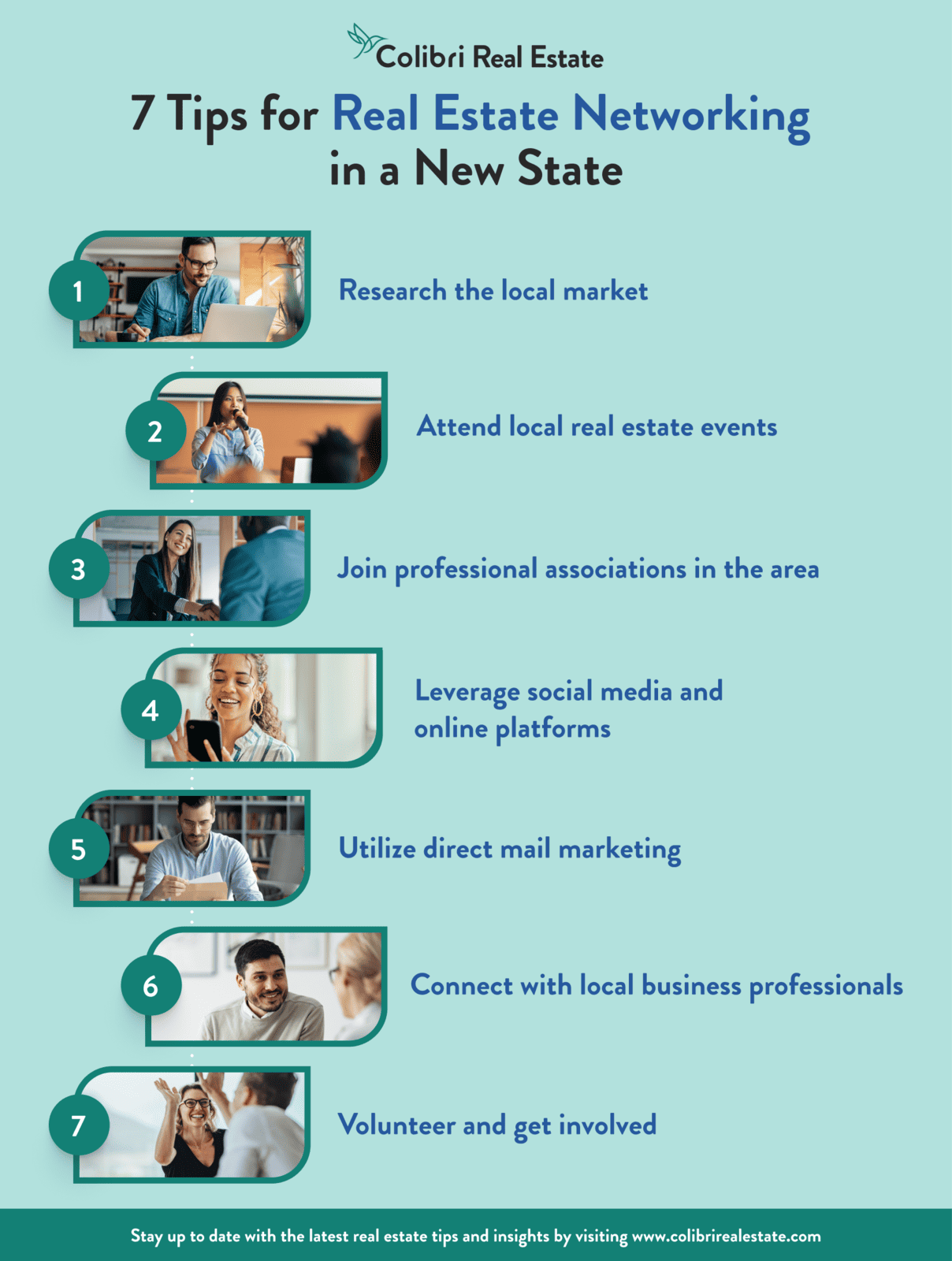
networking. Building relationships within the community can lead to referrals and direct client interactions. Attend local events, join professional organizations, and collaborate with related professionals such as mortgage brokers and home inspectors. These connections often yield valuable leads — and they enhance credibility.
Online marketing is another crucial avenue. Developing a professional website, using search engine optimization (SEO), and creating valuable content can attract potential clients. Agents should consider investing in pay-per-click advertising and listing properties on popular real estate platforms to boost visibility. As of 2024, about 90% of home buyers start their search online (this is often overlooked). A strong digital presence is essential.
Lastly, leveraging social media allows agents to engage with a broader audience. Platforms like Facebook, Instagram, and LinkedIn enable agents to share listings, market insights, and client testimonials. Regularly posting engaging content helps build a personal brand and fosters trust with potential clients. Paid social media advertising can also target specific demographics, enhancing outreach efforts.
Expert insight: Combining these methods creates a multifaceted approach that maximizes client acquisition opportunities. Consistency and genuine engagement across all channels will lead to long-term relationships and sustained success in real estate.
How do real estate agents use social media to get clients?
Real estate agents use social media platforms like Facebook, Instagram, and LinkedIn to attract clients by showcasing listings, engaging their audience, and building personal brands. In 2024, around 90% of real estate agents reported using social media as a primary marketing tool.
On Facebook, agents often create business pages where they post high-quality images and virtual tours of properties. For instance, an agent might share a live video walkthrough of a new listing. They can engage viewers by answering questions in real-time. This interactive method not only highlights the property but also lets potential clients connect with the agent personally — fostering trust and rapport. Moreover, Facebook ads can target specific demographics, which ensures the listings reach the right audience.
Instagram is a visual platform where agents can share striking images of homes, highlight neighborhoods, and post client testimonials. A smart tactic is to use Instagram Stories for behind-the-scenes content, like staging a home or attending local events. These glimpses can humanize the agent, making them more relatable to potential clients (this is often overlooked). Additionally, using relevant hashtags and engaging followers through comments and direct messages can broaden an agent’s reach and visibility within their local market.
Expert insight: To maximize effectiveness, agents should regularly analyze their social media performance metrics — like engagement rates and audience demographics — to refine strategies and better connect with potential clients.
What role do referrals play in a real estate agent’s business?
Referrals are a vital part of a real estate agent’s client acquisition strategy, often making up as much as 40% of their business. These referrals usually come from satisfied clients, friends, or family members who recommend the agent to potential buyers or sellers.
Referrals operate on the principle of trust and personal endorsement. When someone receives a recommendation from a trusted source, they’re more likely to engage with that agent. This holds particular importance in real estate — the stakes are high, and clients look for reliability and expertise. Agents often cultivate these referrals by providing excellent service, maintaining ongoing communication, and building relationships with past clients.
- Client Satisfaction: Delivering outstanding service creates positive experiences. This encourages clients to refer the agent to others.
- Networking: Agents establish networks with other professionals, such as mortgage brokers and attorneys, who can also provide referrals.
- Follow-Up: Regular follow-up with past clients keeps the agent top-of-mind for future referrals and recommendations.
Additionally, some real estate agents use referral programs that offer incentives for clients who bring in new business. These structured approaches can boost the likelihood of receiving referrals, as they motivate clients to actively recommend the agent to their network. (This is often overlooked.)
Expert insight: Prioritizing client relationships and maintaining consistent communication can significantly increase referral rates. It’s essential for agents to develop a personalized follow-up strategy.
How much does it cost for real estate agents to market themselves?
Real estate agents usually spend between $1,000 and $10,000 each year on self-marketing. This varies based on their strategies and the market they operate in. Factors like location, target audience, and the marketing methods employed can heavily impact these costs.
Several factors influence the overall marketing budget for real estate agents:
- Marketing Channels: Costs shift depending on the channels chosen. Digital marketing — including social media ads and search engine optimization (SEO) — can range from a few hundred to several thousand dollars. Traditional methods, such as print advertising and direct mail, can rack up significant expenses as well.
- Branding and Design: Spending on professional branding and design services, like logo creation and website development, often costs between $500 and $5,000 or more. High-quality visuals are crucial for attracting clients (this is often overlooked).
- Networking and Events: Taking part in industry events, community gatherings, and networking functions usually comes with registration fees and travel costs. These expenses can add up quickly, especially with frequent participation.
Moreover, agents need to factor in ongoing costs for maintaining their marketing efforts. Continuous investment in technology, including customer relationship management (CRM) systems and email marketing tools, can further inflate the overall budget. Agents should regularly assess their marketing strategies and tweak their spending to ensure optimal return on investment.
Expert insight: Real estate agents should set aside a percentage of their commission income — generally about 10-15% — for their marketing budget. This helps ensure ongoing visibility and client engagement in a competitive market.
How long does it take for real estate agents to get clients?
Real estate agents usually take around three to six months to land their first clients. This timeline can shift quite a bit based on factors like market conditions, networking efforts, and personal marketing strategies.
Several factors affect how quickly an agent can grow a client base. First off, the local real estate market is critical. In a competitive environment with high demand, agents may find clients much faster than in a slower market. Also, agents who tap into their existing networks—friends, family, and professional contacts—tend to see results more quickly. Building relationships and earning trust can really speed things up.
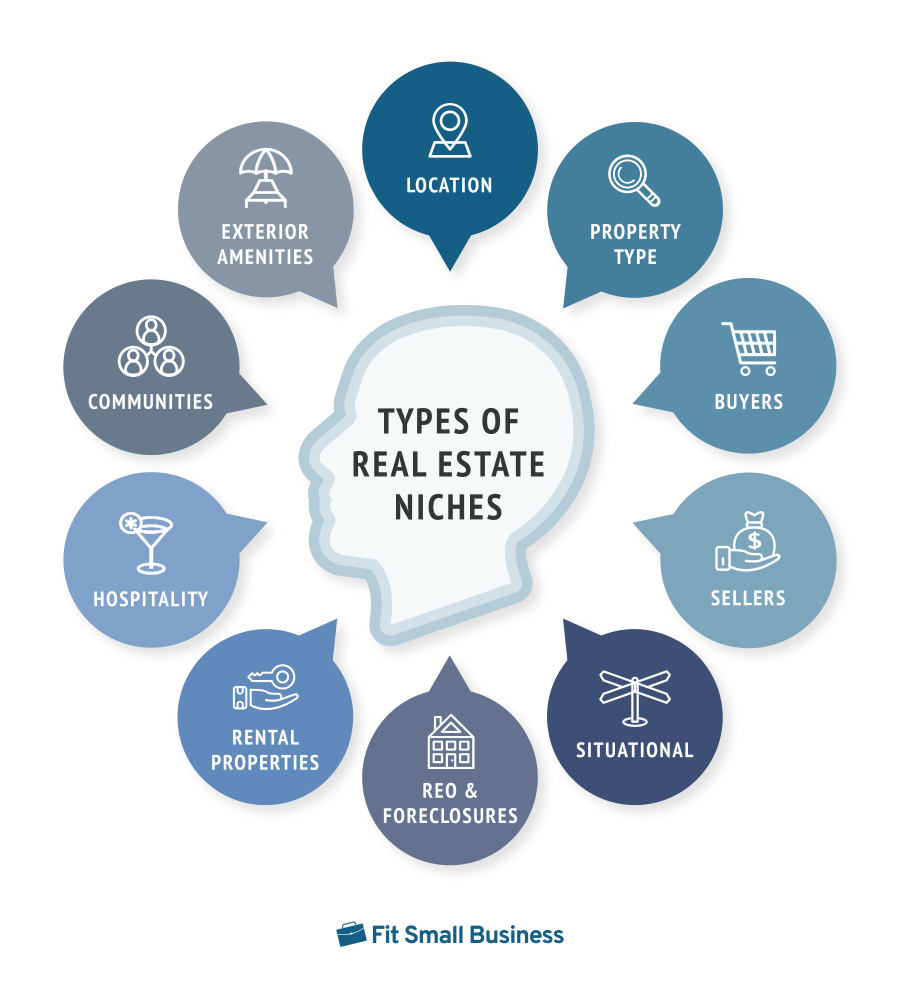
Marketing strategies have a big impact, too. Agents who invest in targeted advertising, maintain a strong social media presence, and get involved in the community often attract clients sooner. For instance, hosting open houses or joining local events can boost visibility and connect agents with potential buyers or sellers. Moreover, agents specializing in a niche market might find clients faster, as they can market themselves as experts in that area.
Expert insight: New agents should prioritize building a solid online presence and actively participate in local community events to speed up client acquisition. Networking is crucial—each connection can lead to referrals and new opportunities (this is often overlooked).
What are common mistakes real estate agents make when seeking clients?
Real estate agents often make several critical mistakes that hinder their client acquisition efforts. These missteps can lead to lost opportunities and reduced market visibility. For example, a survey by the National Association of Realtors found that 45% of agents reported struggling to generate leads effectively. This highlights the need to avoid common pitfalls.
One major mistake is neglecting the importance of a strong online presence. In today’s digital world, potential clients frequently turn to online platforms to find real estate services. Agents who don’t invest in a user-friendly website or active social media profiles miss out on engaging a broader audience. Additionally, failing to optimize for local search can limit visibility in their target market — this is often overlooked.
- Inconsistent branding: Agents must maintain a cohesive brand image across all marketing channels. Disparate messaging can confuse potential clients and diminish credibility.
- Overlooking follow-ups: Many agents fail to follow up with leads promptly. A timely response can greatly increase the likelihood of converting inquiries into clients.
- Ignoring networking opportunities: Agents often underestimate the power of networking. Building relationships with other professionals in related fields, such as mortgage brokers or home inspectors, can provide valuable referrals.
- Underutilizing client testimonials: Failing to showcase positive client experiences can deter potential clients. Testimonials build trust and serve as social proof of an agent’s capabilities.
Expert insight: Focus on building a robust referral network by nurturing relationships with past clients and industry connections. This approach not only generates leads but also fosters long-term client loyalty — a strategy worth double-checking.
Can new real estate agents get clients quickly?
Yes, new real estate agents can indeed acquire clients quickly with the right strategies. Many agents report getting their first clients within three months of starting out. Success hinges on proactive marketing, networking, and effectively leveraging technology.
To speed up client acquisition, new agents should concentrate on specific, actionable strategies. Implementing these best practices can significantly enhance visibility and credibility in the cutthroat real estate market:
- Leverage Social Media: Build a strong presence on platforms like Instagram, Facebook, and LinkedIn. Share valuable content, showcase listings, and engage with your audience — it helps build relationships fast.
- Network Actively: Attend local events, join community groups, and connect with potential clients and industry peers. Building relationships in person can lead to referrals and opportunities (this is often overlooked).
- Utilize Online Listings: Register on real estate websites and platforms such as Zillow and Realtor.com. Make sure your profile is complete and highlights what sets you apart.
- Offer Free Workshops or Webinars: Conduct educational sessions on topics like home buying or market trends. This positions you as an expert and attracts potential clients seeking guidance — a smart move.
- Engage with Your Sphere of Influence: Reach out to friends, family, and acquaintances. Inform them about your real estate services. Personal recommendations can lead to quick client acquisition.
Expert insight: Focus on building trust and providing value in every interaction. A strong reputation and a commitment to client needs can lead to rapid referrals and long-term success in the industry.
Networking: Building Relationships in Real Estate
This section explores the vital role of networking in real estate and how it can generate client referrals and foster strategic partnerships. Effective networking can elevate an agent’s visibility. It also enhances credibility in the market.
Importance of Local Networking Events
Local networking events are critical for real estate agents to connect with potential clients and industry peers. These gatherings—like community meet-ups, trade shows, and real estate expos—give agents a chance to showcase their expertise. A survey from 2024 found that 70% of real estate professionals gained new clients through local networking events (this is often overlooked), emphasizing their effectiveness.
Building Relationships with Other Industry Professionals
Establishing ties with other professionals in the real estate sector is key for long-term success. Connections can include mortgage brokers, appraisers, contractors, and property managers. Collaborating with these professionals can lead to cross-referrals, where agents recommend each other’s services. For instance, a mortgage broker might refer homebuyers to an agent, while the agent might suggest the broker for financing options.
Leveraging Past Clients for Referrals
Past clients are one of the most significant sources of referrals for real estate agents. Satisfied clients often share their positive experiences with friends and family, effectively becoming ambassadors for the agent’s brand. A study from 2025 showed that 65% of real estate agents credited a sizable portion of their business to referrals from previous clients. Keeping in touch through follow-ups and expressions of gratitude can boost this referral potential.
Strategies for Effective Follow-Up
Effective follow-up strategies are essential for turning initial connections into lasting relationships. Consider these methods:
- Send personalized thank-you notes after meeting new contacts.
- Schedule regular check-ins with past clients—quarterly updates or newsletters work well.
- Use social media to share relevant content and engage with connections.
These strategies ensure agents remain top-of-mind. They also encourage ongoing communication, which can lead to potential referrals.
Nuance / Expert Layer
Many articles fail to emphasize the importance of authenticity in networking. Agents must focus on genuine relationships rather than just transactional interactions. Building trust and rapport takes time and effort—but the long-term rewards can be significant. Moreover, not every networking event will yield immediate results. Some relationships take months or even years to develop. Understanding this dynamic helps agents maintain patience and persistence in their networking efforts.
Practical Application
To maximize networking efforts, agents should aim to participate in at least two local events each month. Establishing a follow-up schedule with new contacts is also crucial. Implement a system to track referrals from past clients, and prioritize those relationships through consistent engagement. By strategically leveraging networking opportunities, agents can effectively expand their client base and boost their professional reputation.
Effective Marketing Strategies for Real Estate Agents
This section explores advanced marketing techniques that help real estate agents draw in clients beyond traditional methods. Implementing these strategies can significantly boost visibility. Engagement with potential clients often improves too.
Utilizing Social Media Platforms Effectively
Social media platforms have changed how real estate agents connect with clients. Agents should prioritize platforms like Facebook, Instagram, and LinkedIn to showcase properties and share industry insights. Engaging content — like virtual tours or live Q&A sessions — can boost interaction.
– **Facebook**: Create targeted ads that reach specific demographics, based on location and interests.
– **Instagram**: Use visually appealing posts and stories to highlight properties and client testimonials.
– **LinkedIn**: Share professional achievements and industry-related articles to build credibility.
Statistics reveal that 73% of real estate agents leverage social media as part of their marketing strategy. This underscores its critical role in client acquisition.
Creating Valuable Content for Potential Clients
Content marketing stands as a powerful tool for establishing authority and building trust. Real estate agents can produce valuable resources that address common client concerns — like market trends, buying tips, and local area guides.
Consider these content types:
1. **Blog Posts**: Write informative articles about local market conditions or home improvement tips.
2. **Videos**: Produce short clips that clarify the buying process or offer neighborhood overviews.
3. **Infographics**: Use visual data representations to simplify complex information about market statistics (this is often overlooked).
By providing valuable content, agents position themselves as trusted advisors. This can lead to increased client inquiries.
Email Marketing Best Practices
Email marketing remains a cost-effective strategy for maintaining client relationships. It also nurtures potential leads. Agents should focus on building a segmented email list to tailor their messaging effectively. Best practices include:
– **Personalization**: Use recipients’ names and customize content based on their interests or previous interactions.
– **Regular Newsletters**: Send monthly updates featuring new listings, market insights, and relevant articles.
– **Call-to-Action (CTA)**: Encourage readers to engage by including clear CTAs — like scheduling a consultation.
According to a 2024 study, personalized emails can achieve transaction rates up to **6 times higher** than non-personalized ones. This demonstrates the effectiveness of the approach.
Using Online Ads to Target Specific Demographics
Online advertising allows agents to target specific demographics with precision. Platforms like Google Ads and Facebook Ads provide robust targeting options based on age, location, and interests.
Key strategies include:
– **Retargeting Ads**: Re-engage users who have previously visited your website with tailored ads.
– **Local SEO**: Optimize online ads for local searches to attract clients in specific geographic areas (worth double-checking).
– **Lead Generation Ads**: Use forms within ads to capture potential client information directly.
Reports from 2025 show that real estate professionals who invest in targeted online advertising see a **30% increase** in lead generation compared to those who don’t.
Real estate agents aiming to enhance their client acquisition efforts should implement these strategies. Begin by establishing a strong social media presence, creating engaging content, leveraging email marketing, and investing in targeted online advertising. Each approach can effectively attract and retain clients — ultimately driving business growth.
The Power of Online Presence: Websites and SEO
A strong online presence is essential for real estate agents aiming to attract clients. This section delves into the vital role of professional websites, solid SEO strategies, the significance of online reviews, and the use of virtual tours in boosting visibility and engagement.
Importance of a Professional Website
A professional website acts as the digital storefront for real estate agents. It communicates credibility and professionalism to potential clients. A well-crafted site should be user-friendly, mobile-responsive, and visually appealing. Easy navigation to listings and contact information is crucial. According to a 2024 survey, an impressive 92% of homebuyers turn to the internet during their search — making a polished website critical for attracting leads.
SEO Strategies for Real Estate Websites
Optimizing a real estate website for search engines is vital for visibility. Key strategies include:
- Keyword Research: Identify relevant keywords like “homes for sale in [location]” and incorporate them naturally into website content.
- On-Page SEO: Optimize title tags, meta descriptions, and headings. Use structured data to help search engines understand listings better.
- Local SEO: Focus on local listings and Google My Business optimization to attract clients searching for properties in specific areas.
Effective SEO can significantly boost organic traffic. For example, real estate websites employing solid SEO practices can experience up to a 50% increase in visitor engagement over six months.
Utilizing Online Reviews and Testimonials
Online reviews and testimonials are powerful tools for establishing trust. Positive feedback from past clients can influence potential buyers and sellers. Approximately 84% of people trust online reviews as much as personal recommendations (this is often overlooked). Agents should actively seek reviews on platforms like Google, Zillow, and social media. Showcasing these testimonials on the website can enhance credibility and attract more inquiries.
Integrating Virtual Tours and Listings
Virtual tours and high-quality listings offer an engaging experience for potential clients. This technology allows viewers to explore properties remotely, which increases engagement. Homes that feature virtual tours receive 87% more views than those without. Incorporating 3D walkthroughs and video content can greatly enhance a website’s appeal — ultimately making it a more effective tool for attracting clients.
Real estate agents often underestimate the need for a comprehensive online strategy. A common misconception is that merely having a website is enough. However, without SEO, engaging content, and multimedia elements, a website may fail to drive traffic or generate leads. Agents must integrate all components—design, SEO, reviews, and technology—to form a cohesive online presence that effectively captures and retains client interest.
To take advantage of these insights, real estate agents should:
- Invest in a professional website with a clean design and easy navigation.
- Implement targeted SEO strategies to improve search engine rankings.
- Encourage satisfied clients to leave reviews and display these prominently on their websites.
- Incorporate virtual tours and high-quality visuals to enhance property listings.
By concentrating on these areas, agents can significantly improve their online presence and increase their ability to attract clients.
Understanding Client Needs: The Key to Retention
Effective client retention relies on a solid grasp of client needs. Actively listening to clients — and tailoring services to those needs — helps real estate agents build loyalty and secure repeat business.

Conducting Client Interviews to Gather Insights
Client interviews are a crucial tool for gathering insights into expectations, preferences, and pain points. By asking open-ended questions, agents can reveal specific needs that might not come to light right away. A survey from 2025 showed that 78% of home buyers believed their agent didn’t fully grasp their priorities. This gap is a significant opportunity for agents to enhance their services.
Tailoring Services Based on Client Feedback
Using feedback from client interactions allows agents to customize their approach. Making changes according to direct feedback can greatly improve the overall experience. Agents could tweak communication styles, deliver targeted market information, or adjust their negotiation strategies. A personalized service not only addresses immediate needs but also strengthens long-term relationships.
Building Trust Through Transparency
Transparency is essential for building trust in the real estate industry. Agents who share market data, potential risks, and strategies openly create a sense of security for clients. A 2024 report found that 85% of clients appreciate agents who are upfront about the buying or selling process, including any challenges. This trust often encourages clients to return for future services or refer friends and family.
The Role of Customer Service in Client Retention
Exceptional customer service plays a critical role in client retention rates. Real estate agents must prioritize responsiveness, availability, and follow-up communication. According to research conducted in 2025, agents who respond to inquiries within the first hour are 60% more likely to secure repeat business. Establishing a system for consistent communication helps clients feel valued and understood throughout their real estate journey.
Customer service doesn’t stop at the transaction. Follow-up actions — like sending personalized notes or checking in after a sale — can further strengthen a positive relationship. Agents who dedicate time to nurturing these connections often discover that satisfied clients become their most vocal advocates.
While acquiring new clients is important, successful agents understand that retention is equally critical — if not more so. Clients who enjoy a positive experience are far more likely to return and recommend services to others. Thus, listening, adapting, and providing outstanding customer service should be a priority for any agent.
Practical Application
- Conduct regular client interviews to gather feedback on services.
- Implement changes based on the feedback received to tailor services.
- Maintain transparency by sharing relevant market data and strategies.
- Develop a system for prompt responses to client inquiries.
- Engage in follow-up communication post-transaction to reinforce relationships.
By applying these strategies, real estate agents can effectively meet client needs, leading to higher retention rates and increased referrals. Understanding and addressing client expectations isn’t just an advantage; it’s a necessity in a competitive market.
Frequently Asked Questions
What are the best ways for real estate agents to find clients?
Real estate agents can find clients through networking, hosting open houses, and utilizing online platforms. Additionally, building a strong online presence and leveraging local community events can attract potential buyers and sellers.
How do real estate agents use social media to get clients?
Real estate agents use social media to showcase listings, share market insights, and engage with their audience. Platforms like Instagram and Facebook allow agents to build relationships and reach a broader audience effectively.
What role do referrals play in a real estate agent’s business?
Referrals are crucial for real estate agents as they often lead to high-quality leads. Satisfied clients who recommend an agent to friends and family can significantly enhance an agent’s credibility and client base.
How much does it cost for real estate agents to market themselves?
The cost of marketing for real estate agents can vary widely, ranging from a few hundred to several thousand dollars annually. Expenses may include website development, advertising, and promotional materials.
How long does it take for real estate agents to get clients?
The timeline for real estate agents to acquire clients can vary, but it typically ranges from a few weeks to several months. Factors such as market conditions, networking efforts, and marketing strategies influence this duration.
What are common mistakes real estate agents make when seeking clients?
Common mistakes include failing to follow up with leads, neglecting online presence, and not leveraging their network effectively. Additionally, agents may overlook the importance of building relationships rather than solely focusing on sales.
Can new real estate agents get clients quickly?
New real estate agents can secure clients relatively quickly if they leverage their networks and engage in effective marketing strategies. However, building a solid reputation and client base typically takes time and consistent effort.
Final Thoughts on how do real estate agents get clients
Real estate agents who effectively leverage networking, marketing strategies, and online presence can significantly enhance their client acquisition efforts. The integration of referrals, social media, and a robust online platform creates a multifaceted approach that is essential for long-term success in a competitive market.
To capitalize on these strategies, real estate agents should invest in building a professional website optimized for search engines, ensuring they appear prominently in local search results and attract potential clients actively seeking their services.
To elevate your client acquisition game, consider working with a google ads expert who understands the unique needs of real estate professionals like you.
Understanding and mastering these client acquisition tactics is not merely beneficial; it is imperative for thriving in the ever-evolving landscape of real estate.