
Choosing a dental Google Ads agency involves evaluating their experience in the dental sector, reviewing client testimonials, and analyzing their campaign strategies. A proficient agency can enhance your patient leads by as much as 30%, making it essential for dental practices to select the right partner for effective online advertising.
Understanding how to choose a dental Google Ads agency is crucial for dental practices aiming to grow their patient base. The digital advertising landscape is highly competitive, and selecting the right agency can significantly impact a practice’s visibility and patient acquisition strategies. According to recent industry reports, businesses that utilize targeted Google Ads can see a return on investment as high as 200%.
Failure to grasp the nuances of selecting an effective dental google ads agency can lead to wasted marketing budgets, missed patient opportunities, and an overall competitive disadvantage in a crowded marketplace. Poorly managed campaigns can result in minimal leads and decreased revenues for dental practices.
This article will guide you through the essential steps to select the right dental Google Ads agency, including a comparison of leading providers, a breakdown of costs, best practices for campaign management, and insights on integrating local SEO strategies for maximum impact.
What should I look for in a dental Google Ads agency?
When selecting a dental Google Ads agency, it’s essential to prioritize their experience in dental marketing, along with proven success with past clients and adherence to Google Ads best practices. Agencies with a strong track record can significantly boost your return on investment (ROI) and patient acquisition rates.
Start by evaluating the agency’s experience specifically in the dental industry. A specialized agency understands the nuances of dental marketing—this includes patient demographics, seasonal trends, and effective messaging. Look for agencies that can demonstrate a history of successful campaigns tailored to dental practices. This might include case studies or testimonials from previous clients, ideally showcasing measurable results like increased patient inquiries or improved conversion rates.
- Client Success Stories: Request case studies that highlight how the agency has helped dental practices grow. Focus on key metrics like patient acquisition costs, ROI, and growth in appointment bookings.
- Google Ads Expertise: Make sure the agency is well-versed in Google Ads best practices. They should implement strategies such as keyword optimization, ad copy testing, and audience targeting to maximize ad performance.
- Transparent Reporting: Choose an agency that provides clear, regular reports on campaign performance. Transparency in metrics and analytics is vital for a better assessment and adjustments to strategies as needed.
- Customized Strategies: Look for agencies that offer tailored marketing strategies instead of one-size-fits-all solutions. Every dental practice has unique needs and target demographics (this is often overlooked).
Expert insight: A dental Google Ads agency prioritizing ongoing education and adaptation to algorithm changes can offer a competitive edge in your marketing efforts. Confirm they stay updated with Google Ads trends and changes to maintain optimal campaign performance.
How much does a dental Google Ads agency cost?
The cost of hiring a dental Google Ads agency usually falls between $500 to $5,000 per month, influenced by several factors. This variation reflects the complexity of services offered and the unique needs of each dental practice.
Several elements affect the overall cost of dental Google Ads management. These include:
- Service Scope: Agencies provide different service levels. This can range from basic campaign setup to extensive management, which includes ad creation, keyword research, and performance analysis.
- Geographic Targeting: Costs can increase based on the targeted geographic area. Larger markets often need a higher budget to compete effectively.
- Ad Spend: The budget set aside for ad spend significantly impacts total costs. Agencies generally charge a percentage of this spend as their fee.
- Experience Level: Agencies with more experience and proven results often charge higher fees — their expertise comes at a price.
Additionally, the specific goals of the dental practice play a role in determining costs. For example, a practice aiming to ramp up patient acquisition through aggressive advertising might require a larger budget than one concentrating on brand awareness. Understanding the balance between investment and expected return is crucial (this is often overlooked).
Expert insight: When choosing a dental Google Ads agency, consider both the cost and the agency’s ability to deliver measurable results. Look for case studies or testimonials that highlight their success in enhancing patient acquisition and return on investment.
How can a dental Google Ads agency improve my practice’s visibility?
A dental Google Ads agency can significantly boost a practice’s visibility by creating targeted ad campaigns that reach potential patients actively searching for dental services. These agencies leverage data-driven strategies to enhance your practice’s online presence. The result is often more patient inquiries and appointments.
1. Targeted Advertising: Dental Google Ads agencies use keyword research to pinpoint specific terms potential patients search for. By tailoring ads around these keywords, they make sure your practice stands out in search results. For instance, ads can effectively target local searches — capturing patients right in your geographic area.
2. Ad Customization: These agencies craft customized ads that showcase your practice’s unique offerings, like special promotions or distinctive services. This kind of customization not only boosts click-through rates but also increases the chances of attracting patients who fit your services well (this is often overlooked).
3. Performance Tracking: A reputable agency keeps a close eye on ad performance through advanced analytics. This allows for real-time campaign adjustments, ensuring that ads stay relevant and effective. According to recent studies, businesses using data analytics in their advertising often see an average increase in ROI of 30% within the first year.
4. Local SEO Integration: Combining local SEO strategies with Google Ads can further amplify visibility. Agencies can optimize your Google My Business profile, making sure your practice appears in local search results and on Google Maps. This is essential for attracting nearby patients.
Expert insight: When choosing a dental Google Ads agency, prioritize those with solid experience in the dental sector. Look for case studies that showcase successful campaigns and ROI metrics that specifically relate to dental practices — it’s worth double-checking.
What are common mistakes to avoid when choosing a dental Google Ads agency?
Common mistakes include selecting agencies that lack transparency, fail to provide clear performance metrics, or don’t have experience in the dental industry. A 2024 survey found that 62% of dental practices report dissatisfaction with their Google Ads results — mainly due to poor agency communication.
When choosing a dental Google Ads agency, focusing on transparency and clear communication is key. Avoid agencies that don’t openly share their strategies or results. Transparency builds trust and makes sure the agency is accountable for its performance. Agencies should also provide regular reports that clearly outline key performance indicators (KPIs). These can include click-through rates, conversion rates, and return on ad spend. Without these metrics, assessing the effectiveness of the advertising efforts becomes difficult — and this is often overlooked.
- Verify industry experience: Look for agencies with a solid track record in the dental niche. Familiarity with dental terminology and market trends can significantly enhance campaign effectiveness.
- Request case studies: Ask for examples of previous work, especially campaigns that delivered measurable results. This provides insight into the agency’s approach and success rates.
- Evaluate communication practices: Make sure the agency keeps open lines of communication. A responsive agency will keep clients informed about campaign progress and proactively address issues.
- Assess pricing structures: Be cautious of agencies that offer services too cheaply. Quality Google Ads management usually requires a reasonable investment, so confirm transparency in pricing and what services are included.
Expert insight: Choose an agency that understands Google Ads and the unique challenges and opportunities within the dental industry. This specialized knowledge can lead to more effective campaigns and greater patient acquisition.
How long does it take to see results from a dental Google Ads campaign?
Typically, measurable results appear within 3 to 6 months after launching a campaign. This timeframe allows for data collection and necessary optimizations to maximize effectiveness.
Several factors can impact how quickly results materialize. The campaign’s complexity is a significant consideration — campaigns aimed at broad keywords might take longer to show results compared to those that focus on niche markets. Also, the initial setup is vital. Keyword selection, ad copy, and landing page optimization all play a part in the timeline. A well-structured campaign, bolstered by thorough keyword research and tailor-made advertising materials, is likely to produce faster results.
Additionally, the competitiveness of the dental market in your area matters greatly. In high-competition regions, achieving a noticeable return on investment can take longer. In contrast, practices in less competitive areas may see results sooner — often much sooner. Budget allocation is another element affecting timing; a higher budget can lead to quicker visibility and engagement through increased ad impressions and clicks.
Expert insight: To speed up results, consider conducting A/B testing on ad variations early in the campaign. This method can yield valuable insights into what resonates with potential patients (this is often overlooked), enabling rapid optimization of your ads.
Understanding the Dental Marketing Landscape
This section delves into current trends in dental marketing, highlighting the need for online visibility and the integral role of Google Ads within a well-rounded marketing strategy.
Current Dental Marketing Trends
The dental industry is undergoing a major shift toward digital marketing. In 2024, around 75% of dental practices reported putting more money into online marketing as opposed to traditional methods. Key trends include the increasing use of social media marketing, content marketing, and search engine optimization (SEO) to boost visibility. Practices are putting more emphasis on patient engagement through personalized content and online reviews — these factors are crucial in shaping potential patients’ decisions.
Importance of Online Visibility for Dental Practices
Online visibility is essential for dental practices looking to attract new patients. Most individuals seeking dental services start their search online. In fact, a recent study revealed that 92% of consumers read online reviews before choosing a dental provider. This highlights the importance for practices to maintain a strong online presence and actively manage their reputation. Achieving high rankings in search engine results can greatly enhance patient inquiries and, in turn, drive practice growth.
How Google Ads Complements Other Marketing Efforts
Google Ads is an efficient tool for boosting online visibility and driving immediate traffic. It works well — but only when targeting potential patients who are actively searching for dental services. Here are several ways Google Ads can mesh with broader marketing strategies:
- Targeted Advertising: Google Ads enables practices to reach specific demographics and geographic locations, simplifying the process of connecting with potential patients.
- Real-Time Adjustments: Campaigns can be tweaked based on performance metrics, allowing for responsive marketing strategies (this is often overlooked).
- Measurable Results: Google Ads supplies detailed analytics, which lets practices evaluate the effectiveness of their campaigns and assess ROI.
Case Studies of Successful Dental Practices Using Google Ads
Numerous dental practices have effectively utilized Google Ads to boost their patient acquisition initiatives. For instance, a dental clinic in Los Angeles launched targeted Google Ads campaigns focused on cosmetic dentistry. Within six months, they reported a 40% increase in new patient appointments—largely credited to their ads ranking at the top of search results for relevant keywords. Similarly, a dental practice in New York promoted a limited-time offer through Google Ads, resulting in a 30% increase in patient inquiries during the promotion period.
Nuances in Dental Marketing and Google Ads
While Google Ads is a potent tool, misconceptions about its effectiveness remain. Some dental practices wrongly believe that merely increasing the budget guarantees better results. The reality is that the quality of the ad content, keyword selection, and landing page optimization are just as important. Moreover, practices should be mindful of the competitive landscape; in saturated markets, strategic keyword bidding and ad placement become critical for visibility. Not every campaign produces immediate results, so patience and ongoing optimization are essential.
Practical Application
To make the most of the insights from this section, dental practices should take the following steps:
1. Evaluate their current online presence and pinpoint gaps in visibility.
2. Create a comprehensive marketing strategy that incorporates Google Ads, SEO, and social media efforts.
3. Partner with a dental Google Ads agency that understands the nuances of dental marketing and can provide tailored campaign strategies.
4. Regularly assess campaign performance and refine tactics based on measurable results to maximize ROI.
Evaluating Agency Performance Metrics
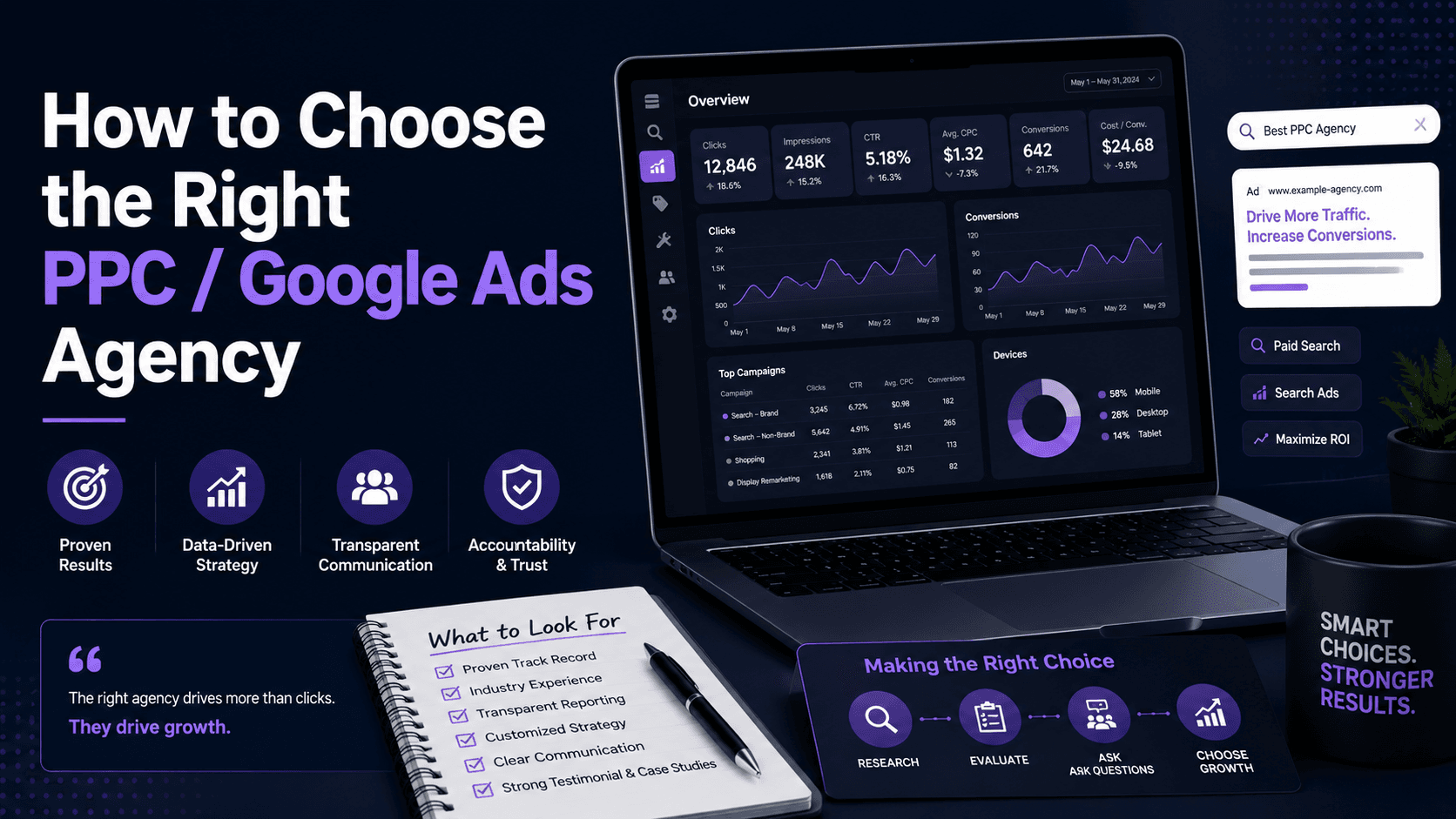
Assessing the performance metrics of a dental Google Ads agency is critical. It’s about ensuring your marketing investment yields positive returns. Key performance indicators (KPIs) offer insights into campaign effectiveness, enabling data-driven decision-making.
Key Performance Indicators to Monitor
- Click-Through Rate (CTR): This metric shows the percentage of users who click on your ad after viewing it. A higher CTR indicates your ad is relevant and engaging. The average CTR for the dental industry is roughly 3.65% as of 2024.
- Cost Per Click (CPC): CPC measures how much is spent for each click on your ad. Understanding this cost aids in budgeting and evaluating spending efficiency. Typically, the average CPC for dental services ranges from $2 to $10, depending on competition.
- Conversion Rate: This percentage tracks users completing a desired action after clicking your ad, like scheduling an appointment. The average conversion rate in the dental sector is around 5.3% as of 2025. This underscores the need for effective landing pages and follow-up strategies.
Setting Realistic Goals for Your Campaigns
Establishing achievable objectives is crucial when collaborating with a dental Google Ads agency. Goals should be Specific, Measurable, Achievable, Relevant, and Time-bound (SMART). For example, a goal might be to boost appointments by 20% over the next quarter. Aligning your goals with industry benchmarks can pave a clearer path to success.
Interpreting Data Reports
Data reports from your agency must be both comprehensive and easy to understand. Key elements to focus on include:
- Ad performance metrics (CTR, CPC, conversion rates)
- Traffic sources and user behavior on your site
- Comparison against previous periods to gauge growth or decline
Regularly reviewing these reports allows for timely adjustments to your campaigns. This ensures alignment with your goals.
The Role of A/B Testing
A/B testing, or split testing, plays a vital role in optimizing Google Ads campaigns. This process involves creating two or more variations of an ad to determine which performs better. Key elements to test include:
- Ad copy and headlines
- Call-to-action buttons
- Landing page designs
Implementing A/B testing can lead to a 20-30% increase in conversion rates. This is because it helps identify the most effective strategies for your target audience.
Many agencies overlook the context when analyzing performance metrics. It’s crucial to consider factors like seasonality, regional dental trends, and changes in consumer behavior. For instance, a spike in appointments may happen during back-to-school seasons — this should be factored into performance evaluations. A nuanced understanding of these variables often distinguishes proficient agencies from their peers.
To effectively leverage this information, engage your agency in discussions surrounding these KPIs. Request performance reports regularly and seek clarifications on any unclear metrics. Establish a schedule for A/B testing and adjust budgets based on insights from performance data. These actions will significantly enhance the ability to measure the success of dental Google Ads campaigns effectively.
Building a Collaborative Relationship with Your Agency
Establishing a productive partnership with your dental Google Ads agency is crucial for maximizing campaign effectiveness. This section outlines key strategies for fostering collaboration, ensuring clear communication, and aligning goals for the best results.

Clear Communication and Setting Expectations
Maintaining open lines of communication is fundamental for a successful relationship with your agency. Clearly define expectations regarding campaign objectives, budget constraints, and desired outcomes right from the start. Regularly share updates about your practice’s services, promotions, and any changes in your business strategy — this information directly influences your advertising approach.
Key aspects to cover in your initial discussions include:
- Campaign Objectives: Clearly define specific goals, such as increasing patient inquiries or enhancing brand awareness.
- Budget Parameters: Establish a realistic budget that aligns with your overall marketing strategy.
- Performance Metrics: Agree on key performance indicators (KPIs) to measure campaign success, including click-through rates and conversion rates.
Providing Effective Feedback
Constructive feedback is essential for refining advertising strategies. Schedule regular feedback sessions to discuss campaign performance and share insights based on your practice’s experience. Effective feedback should be specific and actionable, focusing on what’s working well and what needs improvement. For instance, if a particular ad format is underperforming, suggest testing alternative creatives or targeting options (this is often overlooked).
Use the following approach for feedback:
- Identify specific metrics that need attention.
- Provide examples of successful campaigns or ads from other sectors.
- Encourage the agency to propose new strategies or adjustments based on your feedback.
Aligning Goals with Agency Efforts
To achieve the best results, aligning your practice’s goals with the agency’s efforts is crucial. Discuss your long-term vision for the practice and how digital advertising plays into that strategy. A well-aligned agency will adjust its approach to help you achieve immediate and future objectives.
Consider these strategies for alignment:
- Share your practice’s mission and values, ensuring the agency understands your brand identity.
- Involve the agency in your marketing planning sessions for comprehensive campaign integration.
- Regularly revisit and adjust goals based on market trends and campaign performance data.
Regular Check-ins and Performance Reviews
Establish a routine for performance reviews and check-ins. Monthly or quarterly meetings can help assess campaign effectiveness against the agreed-upon KPIs. Discuss areas of success and opportunities for growth — make sure both parties remain aligned on future strategies. According to recent industry data, practices that hold regular performance reviews see an average increase of 20% in campaign effectiveness compared to those that don’t.
Nuance and Expert Insights
Many practices underestimate the importance of relationship dynamics with their Google Ads agency. Misalignments often arise from a lack of transparent communication about expectations and results. It’s not uncommon for practices to overlook the ongoing need for education about digital marketing trends. Agencies that take the time to educate clients about evolving strategies usually foster stronger partnerships and achieve better outcomes.
Practical Application
To build a collaborative relationship with your dental Google Ads agency, follow these steps:
- Schedule an initial meeting to outline campaign goals and expectations.
- Establish a feedback loop where both parties can share insights regularly.
- Set quarterly performance review dates to assess progress against KPIs.
- Engage in continuous communication about any changes in your practice that could influence advertising strategies.
By implementing these strategies, your partnership with the agency will become a powerful driver of your practice’s growth.
Future Trends in Dental Advertising
This section looks at emerging trends in digital advertising that will significantly influence the future of dental practices, especially through Google Ads. Understanding these trends is crucial for dental professionals who want to improve their marketing strategies and boost patient engagement.

The Rise of AI and Automation in Ad Campaigns
Artificial intelligence (AI) and automation are transforming how dental practices handle their advertising campaigns. By 2025, projections show that over 70% of digital advertising will use AI-driven tools for campaign optimization. These technologies allow for real-time adjustments based on performance data — enabling more efficient budget allocation and targeting precision.
Increased Focus on Local SEO and Its Synergy with Google Ads
Local search engine optimization (SEO) is becoming more critical for dental practices. As of 2024, research suggests that 46% of all Google searches are local. This trend highlights the necessity for dental practices to mesh local SEO strategies with their Google Ads campaigns. Using location-based keywords effectively can enhance visibility, driving more foot traffic and inquiries from nearby patients (this is often overlooked).
The Shift Towards Video Marketing and Interactive Ads
Video marketing is gaining traction in the dental advertising landscape. By 2026, it’s estimated that video content will make up 82% of all consumer internet traffic. Additionally, interactive ads — such as quizzes and polls — are increasingly popular, fostering greater engagement and offering valuable insights into patient preferences. Dental practices can use these formats to craft compelling narratives about their services, ultimately boosting patient trust and interest.
Predictions for Patient Behavior and Preferences in the Digital Landscape
Patient behaviors are changing with technological advancements. Surveys reveal that 80% of potential patients research online before choosing a dental provider. This trend means dental practices must stay active online and adapt to the preferences of tech-savvy consumers who value convenience and accessibility. Mobile optimization and user-friendly websites are essential in meeting these expectations.
Moreover, a growing number of patients are expected to favor booking appointments through digital channels. By 2025, it’s projected that over 50% of appointments will be scheduled online, underscoring the need for integrating online booking systems into dental practices’ marketing strategies.
Despite the clear benefits of these trends, misconceptions remain. Many dental professionals underestimate the power of local SEO and video marketing, often clinging to traditional advertising methods. However, practices that adopt these digital strategies are likely to gain a competitive edge in attracting and retaining patients.
To effectively use this information, dental practices should:
- Invest in AI tools for automated ad management to boost campaign performance.
- Implement local SEO strategies alongside Google Ads to capture nearby searches.
- Incorporate video content and interactive ads into their marketing efforts — this can significantly increase engagement.
- Make sure their websites are optimized for mobile use and equipped with online booking functionalities.
Frequently Asked Questions
What should I look for in a dental Google Ads agency?
When selecting a dental Google Ads agency, prioritize their experience in the dental industry, proven track record of successful campaigns, and transparent communication. Look for agencies that provide case studies and testimonials from dental practices.
How much does a dental Google Ads agency cost?
The cost of hiring a dental Google Ads agency can vary widely, typically ranging from $500 to $5,000 per month, depending on the services offered and the complexity of the campaigns. It’s essential to evaluate the return on investment rather than just the upfront cost.
How can a dental Google Ads agency improve my practice’s visibility?
A dental Google Ads agency can enhance your practice’s visibility by creating targeted ad campaigns that reach potential patients searching for dental services. They utilize keyword research, ad optimization, and performance tracking to ensure maximum exposure and engagement.
What are common mistakes to avoid when choosing a dental Google Ads agency?
Common mistakes include not reviewing the agency’s experience in the dental sector, ignoring client testimonials, and failing to clarify pricing structures. Additionally, avoid agencies that promise unrealistic results or lack transparency in their strategies.
How long does it take to see results from a dental Google Ads campaign?
Typically, it takes about 1 to 3 months to see significant results from a dental Google Ads campaign, as initial data collection and optimization are crucial. However, ongoing adjustments and monitoring are necessary for sustained success.
Final Thoughts on how to choose a dental google ads agency
Selecting the right dental Google Ads agency is crucial for maximizing online visibility and driving patient engagement. Focus on agencies that demonstrate a deep understanding of the dental marketing landscape, provide transparent performance metrics, and prioritize a collaborative approach to strategy development.
Take immediate action by scheduling consultations with at least three agencies, asking targeted questions about their experience and results in the dental sector, ensuring you make an informed choice that aligns with your practice’s unique goals.
Ready to take your dental practice to the next level? Connect with a google ads expert today and watch your patient base grow!
Investing in an expert dental Google Ads agency can significantly elevate your practice’s presence in a competitive market, ultimately leading to sustained growth and success.