
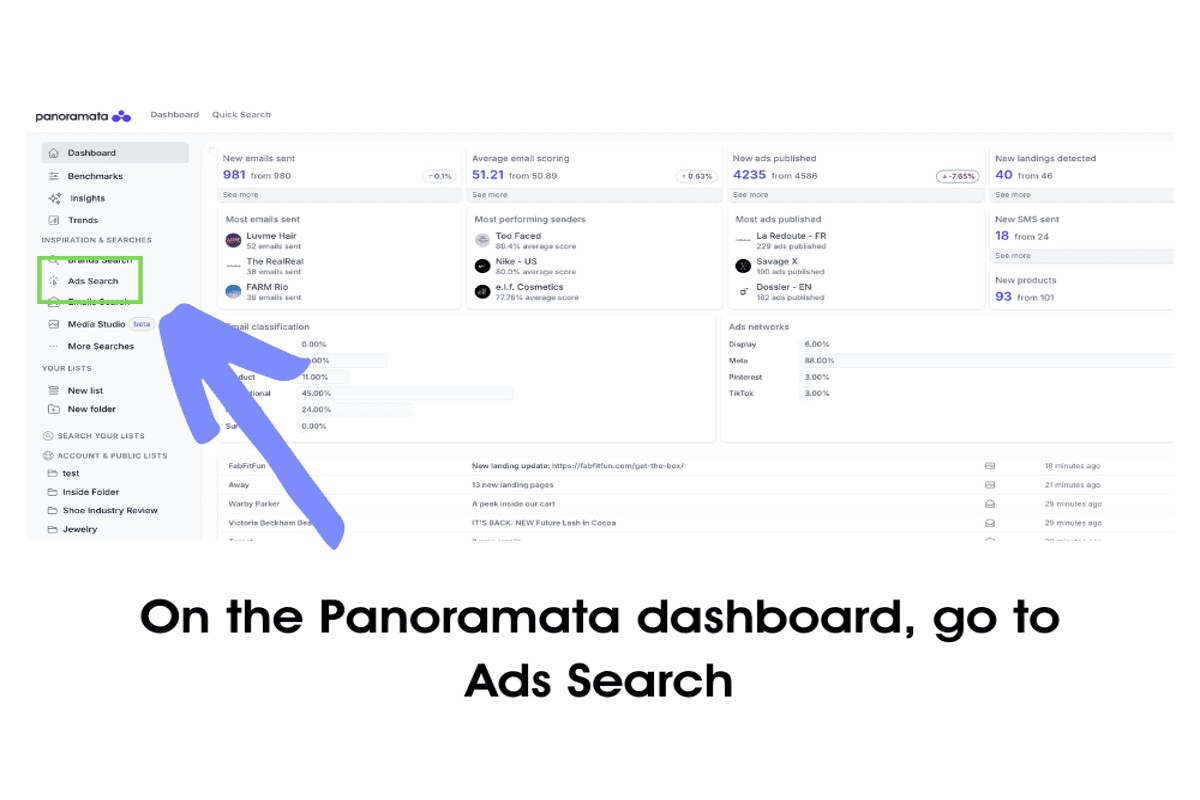
To check Google Ads competitors of other countries, utilize tools such as SEMrush or SpyFu to analyze their advertising strategies and keywords. This approach not only helps identify successful tactics but also reveals market trends, providing businesses with a competitive edge in diverse international landscapes.
Understanding how to check Google Ads competitors of other countries is crucial for businesses aiming to expand their reach and optimize their advertising strategies. With global digital ad spending projected to exceed $500 billion in 2023, marketers need to grasp international market dynamics to stay competitive. Failing to do so can result in ineffective campaigns and missed growth opportunities.
Businesses that overlook the importance of analyzing international competitors risk incurring significant costs in wasted ad spend and lost revenue. Without a comprehensive view of global competitors, companies may fall behind in innovation and market presence.
This article will guide readers through the process of comparing top tools for competitor analysis, breaking down costs, outlining best practices, and examining the local SEO angle to enhance global advertising efforts.
What tools can I use to check google ads competitors in other countries?
Multiple tools exist for analyzing Google Ads competitors in various countries, offering a look into their advertising methods. Popular choices include SEMrush, SpyFu, Ahrefs, and SimilarWeb. These resources let users examine ad copy, keywords, and budget estimates for their international rivals.
1. SEMrush: This comprehensive marketing tool provides a solid advertising research feature. Users can pinpoint competitors’ ad strategies — including keywords and ad placements across different countries.
2. SpyFu: SpyFu specializes in competitive analysis. It allows users to access historical performance data of competitors’ ads. This tool offers insights into the keywords competitors target in various nations.
3. Ahrefs: While primarily known for SEO, Ahrefs also supports PPC campaign analysis. Users can delve into paid keywords and the ad copy of their competitors in different international markets.
4. SimilarWeb: This tool provides traffic and engagement metrics, along with insights into digital advertising strategies. Users can evaluate competitors’ ad spend and performance across diverse regions.
5. iSpionage: iSpionage focuses on PPC intelligence. It enables users to track competitors’ Google Ads campaigns worldwide. This tool offers data on ad copy, keywords, and landing pages used in various locales.
Using these tools, marketers can identify their competitors and develop strategies to enhance their ad campaigns in international markets. Understanding the nuances in advertising strategies across different countries is crucial for effective global marketing.
Expert insight: Regularly keeping an eye on competitors’ ads can yield valuable insights into market trends. This allows businesses to adjust their strategies accordingly and maintain a competitive edge in various regions.
How do I analyze Google Ads competitors from different countries?
Analyzing Google Ads competitors from various countries requires a mix of tools and strategies. This includes looking into keyword tactics, ad copy, and overall campaign performance. Tools like SEMrush or Ahrefs can offer valuable insights into competitors’ keywords and ad placements.
To get started, follow these steps:
- Use Google Ads Preview Tool: This tool lets users view ads as they would appear in different countries — without clicking on them. It’s useful for grasping localized ad strategies.
- Conduct Keyword Research: Use keyword research tools like SEMrush or Google Keyword Planner to pinpoint keywords that competitors in other countries are bidding on. This can reveal important market trends and consumer interests.
- Analyze Ad Copy: Look closely at the ad copy competitors use. Pay attention to common phrases, calls to action, and unique selling propositions that resonate with local audiences (this is often overlooked).
- Review Competitor Landing Pages: Visit the landing pages linked to ads. Assess how they tailor their messaging and offers for different markets. Each page can vary significantly.
- Utilize Competitor Analysis Tools: Tools like SpyFu or SimilarWeb can shed light on competitors’ ad spend, keyword strategies, and traffic sources — giving a broader view of their advertising effectiveness.
- Monitor Social Media Ads: Don’t forget to check social media platforms for ads from competitors. Many businesses run cross-channel campaigns, and insights from social media can complement Google Ads analysis.
Each of these steps builds toward a comprehensive understanding of how competitors operate in diverse markets. Factors such as cultural differences, local regulations, and market saturation can significantly impact advertising strategies.
Expert insight: Regularly updating the competitor analysis strategy is essential — advertising landscapes can shift quickly. Consider setting up alerts for major competitors to stay updated on their latest campaigns and strategies.
What are the benefits of checking Google Ads competitors internationally?
Checking Google Ads competitors internationally gives valuable insights that can enhance global marketing strategies. This process reveals market trends, consumer behavior, and competitive pricing across various regions. Understanding these factors can boost campaign effectiveness and improve ROI.
Analyzing competitors in different countries allows businesses to spot successful advertising strategies that truly resonate with local audiences. This can lead to discovering new keywords, ad formats, or promotional tactics that have shown success in other markets. For instance, a recent study found that companies using international insights experienced a 25% increase in ad engagement rates compared to those focused solely on domestic competitors.
- Market Trends: Competitors often adopt innovative approaches that match local consumer preferences. Recognizing these trends can effectively inform product development and marketing strategies.
- Pricing Strategies: Understanding how competitors price their offerings in various markets can help formulate competitive pricing strategies that draw in customers.
- Ad Performance Metrics: Accessing performance data from international competitors can highlight successful ad placements and formats, guiding optimization efforts.
Moreover, international competitor analysis can uncover gaps in the market that your business can exploit. By recognizing what competitors are missing or failing to address — this is often overlooked — companies can adapt their strategies to fill those voids and gain a competitive edge. This global perspective also enhances brand positioning, as audiences increasingly seek authenticity and relevance from brands operating in multiple regions.
Expert insight: To maximize the benefits of international competitor analysis, use tools that provide comprehensive data across different markets. SEMrush or Ahrefs can help gain actionable insights that shape your global advertising campaigns.
Can I see Google Ads of competitors in other countries for free?
Yes, you can view Google Ads of competitors in other countries for free with various online tools and methods. While these options might not provide exhaustive data, they can still offer valuable insights into competitors’ advertising strategies.
There are several free tools and resources available to help analyze competitors’ Google Ads across different countries. The primary method is using Google’s own resources, like the Google Ads Transparency Center, which lets users see ads run by various brands worldwide. Additionally, platforms such as SEMrush and SpyFu offer limited free trials or features that allow checking ad placements and keywords competitors use. However, the depth of information available in these free versions is often restricted compared to paid subscriptions.
- Geographic Targeting: The availability of ads can vary by country due to regional targeting settings. Some ads might not be displayed in specific regions.
- Language Differences: Ads can be tailored to local languages — which affects visibility if searching from a different language perspective (this is often overlooked).
- Ad Spend and Competition: The amount competitors spend on ads can significantly influence their visibility. High-spending competitors tend to show up more frequently in search results.
Moreover, using a VPN to simulate browsing from another country can provide a clearer view of local competitors’ ads. This method allows users to see ads specifically targeted to certain regions. However, this approach requires caution, as it might violate certain terms of service depending on the tool used.
Expert insight: For more comprehensive insights, consider combining free tools with manual searches or using a limited paid subscription for a short duration. This hybrid approach can maximize the information obtained about competitors’ advertising strategies without incurring significant costs.
How often should I check my competitors’ Google Ads?
Competitors’ Google Ads should be checked at least once a month to stay informed about market dynamics and shifts in advertising strategies. For more competitive industries or rapidly changing markets, weekly checks may be necessary to capture real-time trends and changes.
The frequency of checking competitors’ Google Ads can be influenced by several factors — like industry volatility, seasonality, and specific marketing campaigns. In industries with high competition, such as e-commerce or technology, monitoring weekly allows for a swift response to competitor tactics. In contrast, in more stable markets, a monthly review may suffice.
Additionally, the timing of competitor analysis should align with your marketing calendar. If you’re planning a new product launch or a promotional campaign, more frequent checks can help identify relevant trends and strategies your competitors are employing. This proactive approach can inform your own ad placements and messaging — potentially leading to a more effective campaign.
Expert insight: Use tools like SEMrush or SpyFu for automated alerts on competitor ads (this is often overlooked), ensuring you receive timely updates without constant manual checks. This can streamline your analysis process and help maintain a competitive edge.
What are common mistakes when analyzing Google Ads competitors in other countries?
Common mistakes when analyzing Google Ads competitors in other countries include failing to account for local market nuances, relying solely on translation tools, and overlooking cultural differences that affect ad performance. These errors can lead to misguided strategies — and missed opportunities. For example, 60% of marketers report that cultural misalignment often negatively impacts advertising effectiveness.
When researching international competitors, it’s crucial to grasp that market dynamics vary significantly across regions. A common pitfall is neglecting local consumer behavior and preferences. Different countries have unique buying habits, seasonal trends, and economic factors. These greatly influence how ads are received. An ad that resonates in one country may flounder in another due to cultural sensitivities or varying levels of competition.
- Relying solely on automated translation tools: Automated translations can miss the nuances of language, idioms, or local slang. Engaging native speakers or professional translation services is a better way to ensure a more accurate representation of messaging.
- Ignoring local regulations: Each country has its own advertising laws and guidelines. Familiarizing yourself with these regulations can help prevent costly mistakes, including ad disapproval or legal repercussions (this is often overlooked).
- Overgeneralizing from domestic competitors: Insights gained from analyzing competitors in one country may not apply universally. Conducting thorough research specific to each target market ensures a tailored approach — this is vital.
- Neglecting to analyze local search trends: Using tools like Google Trends can help identify what potential customers are searching for in different countries. This data can inform keyword selection and shape content strategy.
Expert insight: To maximize the effectiveness of international Google Ads campaigns, invest time in understanding the cultural context and consumer behavior of each target market. This approach not only enhances ad relevance but also significantly improves overall campaign performance.
Can I find out the budget of my competitors’ Google Ads?
While exact figures for competitors’ Google Ads budgets aren’t accessible, estimating their spending is possible based on ad visibility and placements. For example, if a competitor regularly shows up in the top three positions for a competitive keyword, they’re likely spending several thousand dollars a month on that keyword’s ads.
To gauge a competitor’s budget, begin by identifying the keywords they’re bidding on. Tools like SEMrush or SpyFu can offer insights into their keyword strategy and ad placements. For instance, if a competitor ranks for 20 keywords, with an estimated cost-per-click (CPC) of $5, and they get around 500 clicks a month — their potential monthly budget could be about $5,000. Adjustments to this estimation may be necessary based on ad position and the frequency of the displayed ads.
Another way to assess budget is by analyzing ad visibility over time. If a competitor’s ads consistently run and appear for long periods, it signals a significant investment. Seasonal trends can also influence budgets — retailers, for example, often increase spending during busy shopping seasons. Monitoring these trends can provide valuable insights into their advertising strategies and financial commitments (this is often overlooked).
Expert insight: Use competitive analysis tools to track changes in ad visibility and keyword rankings over time. These fluctuations can reveal shifts in budget allocation and marketing strategies.
Understanding International Market Dynamics
This section explores the cultural, regulatory, and competitive factors shaping advertising strategies in different countries. Recognizing these complexities is crucial for assessing how to check Google Ads competitors in various regions.
Cultural Differences and Their Impact on Ad Messaging
Cultural nuances shape consumer behavior and preferences significantly. Advertisements that resonate in one country might flop in another — often due to varying values, humor, and social norms. For example, a campaign that uses sarcasm might thrive in the United States but could come off as offensive in cultures that value directness. A 2024 Nielsen study revealed that 72% of consumers are more likely to engage with ads that reflect their cultural context. Therefore, grasping local cultural dynamics is essential for crafting effective messaging.
Regulatory Considerations in Various Countries
Advertising regulations differ widely across borders, affecting what can be communicated and how. For instance, Germany has stringent advertising laws that prohibit misleading claims, while other nations may have fewer restrictions. Additionally, the General Data Protection Regulation (GDPR) in the EU has a significant impact on how marketers can collect and use consumer data. Compliance with local regulations not only shields brands from legal issues but also fosters consumer trust. In fact, a 2025 survey indicated that 64% of respondents in the EU favor brands that show transparency in their advertising practices.
Market Maturity and Competition Levels
The maturity of a market plays a crucial role in shaping competition. Emerging markets, like India and Brazil, often demonstrate rapid growth in digital advertising, with an expected increase of 15% annually until 2026. Conversely, mature markets such as the United States and the United Kingdom may only see growth rates around 5% annually. Understanding these dynamics helps businesses gauge competition intensity — and adapt strategies as needed. For instance, entering a saturated market often requires more innovative approaches to stand out.
Ad Platform Popularity Variations by Region
- Google Ads: Dominant in North America and Europe, holding roughly 80% of market share.
- Baidu: The top platform in China, with over 70% of the search engine market.
- Yandex: Mainly used in Russia, capturing about 50% of the market.
These platform preferences call for tailored strategies when analyzing competitors in different regions. Brands should use local platforms when applicable to maximize reach and effectiveness.
Many marketers mistakenly believe that a one-size-fits-all advertising approach will work across countries. This misconception can lead to ineffective campaigns and wasted budgets. A nuanced understanding of local dynamics, including consumer sentiment and competitive landscapes, is essential. For example, while a high-cost per click (CPC) in a mature market may seem daunting, it can still yield greater returns on investment due to the consumer buying power.
To effectively leverage this information, businesses should conduct comprehensive market research, focusing on local cultural nuances, regulatory frameworks, and competitive landscapes. Use tools like SEMrush or SimilarWeb to analyze competitors’ online strategies in target countries. Additionally, collaborating with local marketing experts can provide valuable insights into regional preferences and behaviors (this is often overlooked). Such a multifaceted approach will enhance the effectiveness of advertising strategies and improve overall market penetration.
Step-by-Step guide to Using Competitor Analysis Tools
This section outlines a practical approach to using competitor analysis tools, like SEMrush and SpyFu, to gain insights into the Google Ads strategies that competitors employ in various countries. Understanding these tactics can significantly enhance advertising effectiveness and inform marketing strategies.

Setting Up Accounts on Tools Like SEMrush and SpyFu
To start analyzing competitors, create accounts on SEMrush and SpyFu. Follow these steps:
- Visit the websites: Go to the SEMrush and SpyFu homepages.
- Create an account: Click the sign-up button and fill out the required information. Both platforms offer trial periods, letting you explore features without any initial costs.
- Select a subscription plan: After the trial, pick a plan that fits your needs. SEMrush has plans ranging from $119.95/month to $449.95/month, while SpyFu’s plans start at $39/month.
Conducting Keyword Research to Identify Competitor Strategies
Keyword research is crucial for revealing competitor strategies. Use these methods:
- Access the Keyword Overview tool: Enter competitors’ domains into the keyword research tool.
- Analyze keyword rankings: Focus on keywords where competitors rank highly in the selected country. Look for search volume, difficulty, and CPC data.
- Identify related keywords: Use the suggestions feature to uncover additional keywords that competitors target — these can inform your own keyword strategy.
Analyzing Ad Copy and Landing Pages for Effectiveness
Reviewing ad copy and landing pages allows for assessing competitors’ messaging and user engagement:
- Examine ad copy: Analyze the language, tone, and calls-to-action in competitors’ ads. Identify patterns that resonate with their target audience.
- Evaluate landing pages: Visit competitors’ landing pages. Assess design, content quality, and user experience. Take note of elements that drive conversions.
- Utilize ad history features: Both SEMrush and SpyFu provide ad history. Use this to track changes in ad copy over time — such shifts can signal strategy changes.
Tracking Competitor Performance Over Time
Monitoring competitor performance is vital for ongoing strategy refinement. Implement these practices:
- Set up alerts: Use SEMrush or SpyFu to create alerts for significant changes in competitors’ ad strategies or keyword rankings.
- Regularly check traffic estimates: Both tools offer estimates of traffic generated from paid ads. Track these figures monthly to spot trends.
- Benchmark against your performance: Compare competitors’ performance metrics with your own — this helps identify areas needing improvement.
Analyzing competitors’ Google Ads strategies, especially in diverse countries, often overlooks the nuances of local markets. For example, while a keyword might perform well in one country, it could be ineffective in another due to cultural differences or varying consumer behavior. Additionally, many marketers tend to overlook the impact of seasonality on ad performance, which can skew data if not accounted for.
To maximize insights from these tools, regularly update keyword lists based on competitor activity and adjust ad strategies accordingly. Schedule monthly reviews to assess competitor performance. Make adjustments to campaigns based on findings. Identify high-performing ads and emulate successful elements — just be sure to tailor them to your unique brand voice and objectives.
Case Studies: Successful International Ad Campaigns
This section explores real-world examples of effective international advertising strategies, showcasing both successes and failures. Analyzing these case studies offers marketers valuable insights into the complexities of competing in diverse markets.
Successful Campaign: Coca-Cola’s ‘Taste the Feeling’
Coca-Cola’s ‘Taste the Feeling’ campaign illustrates an effective international advertising strategy. Launched in 2016, it aimed to unify the brand’s messaging worldwide while allowing for local adaptations. The result was a remarkable 30% increase in brand engagement across various markets within its first year. Key components included emotional storytelling and relatable visuals — both of which resonated with audiences in different cultural contexts.
Lessons from Failed Campaigns: Gap’s ‘Dress Normal’
Conversely, Gap’s ‘Dress Normal’ campaign, which debuted in 2015, struggled in international markets, particularly in Asia. A cultural misalignment occurred, especially in China, where consumers preferred more aspirational and luxurious branding. This led to a decline in sales by 10% in the region. The campaign’s failure underscored the importance of grasping local consumer preferences and societal norms (this is often overlooked).
Comparative Strategies Across Countries
Successful international campaigns frequently adapt their strategies based on regional characteristics. For example:
- In the United States, brands highlight individualism and personal expression.
- In Japan, advertising typically concentrates on collectivism and community values.
- In European markets, there’s a strong emphasis on sustainability and ethical practices.
This comparative approach can greatly influence ad performance and consumer reception.
Impact of Local Trends on Ad Performance
Local trends significantly shape ad performance. For example, the growing eco-consciousness in Europe has prompted brands to integrate sustainability into their campaigns. A 2024 survey revealed that 65% of consumers in Europe prefer brands that promote environmental responsibility. As a result, companies like Unilever have adjusted their messaging to emphasize sustainable practices, leading to a notable increase in market share.
Moreover, social media trends can also impact ad reception. Campaigns leveraging popular platforms or influencers in specific regions often achieve better engagement. For instance, a beauty brand that collaborated with TikTok influencers in Southeast Asia saw a 40% increase in brand visibility within three months of launch.
A common misconception about international advertising is that a single campaign can work universally. Successful brands know that localization is essential — adjusting not just the language but also the visuals, messaging, and cultural references to meet local expectations.
Practical Application
Marketers must analyze successful international campaigns and learn from failures to refine their strategies. Key actions include:
- Conduct thorough market research to identify local consumer behavior and preferences.
- Use A/B testing to refine messaging and visuals for different regions.
- Monitor local trends and cultural shifts to adapt campaigns in real-time.
By applying these insights, marketers can better check Google Ads competitors from other countries and boost their own international advertising effectiveness.
Future Trends in International Google Ads Strategies
This section dives into emerging trends and technologies poised to reshape Google Ads strategies across international markets. Understanding these trends is crucial for advertisers who want to maintain a competitive edge globally.
The Rise of AI in Ad Targeting and Personalization
Artificial Intelligence (AI) is transforming ad targeting and personalization — allowing advertisers to create more relevant and engaging ads. AI algorithms analyze vast datasets to predict consumer behavior, segment audiences, and optimize ad delivery in real time. By 2026, AI-driven advertising is expected to make up over 50% of global ad spend. This reflects a significant shift towards data-driven decision-making.
Increasing Importance of Video and Mobile Ads Globally
Video and mobile ads are becoming the dominant formats in international advertising. With the rise of platforms like YouTube and TikTok, advertisers are increasingly pouring resources into video content to grab audience attention. In 2024, video ads are projected to account for 80% of all online traffic. This emphasizes the need for brands to tweak their strategies accordingly. Additionally, mobile devices now represent over 50% of global web traffic, making mobile-optimized ads essential (this is often overlooked).
Shifts in Consumer Behavior Post-Pandemic
The COVID-19 pandemic has fundamentally changed consumer behavior, leading to a greater emphasis on e-commerce and digital interactions. Recent studies reveal that 80% of consumers have shifted their purchasing habits online. Advertisers need to adjust their Google Ads strategies to reflect these changes — focusing on convenience, safety, and digital engagement to meet evolving consumer expectations.
Emerging Markets and Their Advertising Potential
Emerging markets offer significant advertising opportunities as internet penetration rises. Regions like Southeast Asia and Africa are experiencing rapid growth in online engagement. By 2026, the number of internet users is expected to reach 5 billion. Advertisers should develop localized strategies that resonate with the cultural nuances and preferences in these regions. Leveraging Google Ads can help tap into this expanding consumer base.
While these trends provide valuable insights, common misconceptions continue to exist. Many advertisers underestimate the importance of cultural relevance in international campaigns. A strategy that succeeds in one country may not work in another — different cultural contexts matter. Expertise in local market dynamics is crucial to avoid missteps and ensure effective engagement.
To capitalize on these trends, advertisers should consider the following actionable steps:
- Invest in AI tools for data analysis and audience segmentation to enhance ad targeting.
- Develop a video content strategy that aligns with target demographics’ preferences.
- Conduct market research to grasp shifts in consumer behavior and adjust messaging accordingly.
- Explore advertising opportunities in emerging markets by creating localized campaigns.
These strategies can help advertisers stay competitive and engage effectively with audiences on a global scale — laying a strong foundation for future Google Ads initiatives.
Frequently Asked Questions
What tools can I use to check Google Ads competitors in other countries?
Tools such as SEMrush, Ahrefs, and SpyFu allow users to analyze Google Ads competitors across various countries. These platforms provide insights into ad strategies, keywords, and performance metrics.
How do I analyze Google Ads competitors from different countries?
To analyze Google Ads competitors internationally, use keyword research tools to identify targeted phrases and review ad copies across regions. Additionally, leverage competitive analysis tools to track ad spend and performance metrics.
What are the benefits of checking Google Ads competitors internationally?
Examining international Google Ads competitors can reveal new market opportunities and innovative advertising strategies. It also helps businesses understand regional consumer behavior and competition dynamics.
Can I see Google Ads of competitors in other countries for free?
Some tools offer limited free access to view Google Ads of competitors in other countries, but comprehensive insights usually require a subscription. Utilizing free trials can also provide temporary access to valuable data.
How often should I check my competitors’ Google Ads?
Regularly monitoring competitors’ Google Ads, ideally on a monthly basis, helps stay updated on their strategies and market trends. Frequent checks allow for timely adjustments to your own advertising tactics.
What are common mistakes when analyzing Google Ads competitors in other countries?
Common mistakes include overlooking cultural differences in ad messaging and failing to account for local regulations. Additionally, relying solely on one tool without cross-referencing data can lead to inaccurate conclusions.
Can I find out the budget of my competitors’ Google Ads?
While exact budgets are not publicly available, tools like SEMrush can provide estimated ad spend based on keyword data and ad placements. These estimates can help gauge the competitive landscape in your industry.
Final Thoughts on how to check google ads competitors of other countries
Understanding how to check Google Ads competitors from other countries is crucial for businesses aiming to expand their reach and enhance their competitive edge. By leveraging advanced tools and methodologies for international market analysis, companies can uncover valuable insights that drive strategic decision-making and optimize advertising efforts.
To implement these insights effectively, start by selecting a robust competitor analysis tool, such as SEMrush or SpyFu, and conduct a thorough audit of your competitors’ international campaigns. Focus on identifying their strengths and weaknesses to inform your own advertising strategy.
For tailored insights on navigating international markets, consider consulting a google ads expert who can help you analyze your competitors effectively.
Mastering the art of international competitor analysis not only broadens market understanding but also positions brands to seize opportunities in an increasingly interconnected global marketplace.