
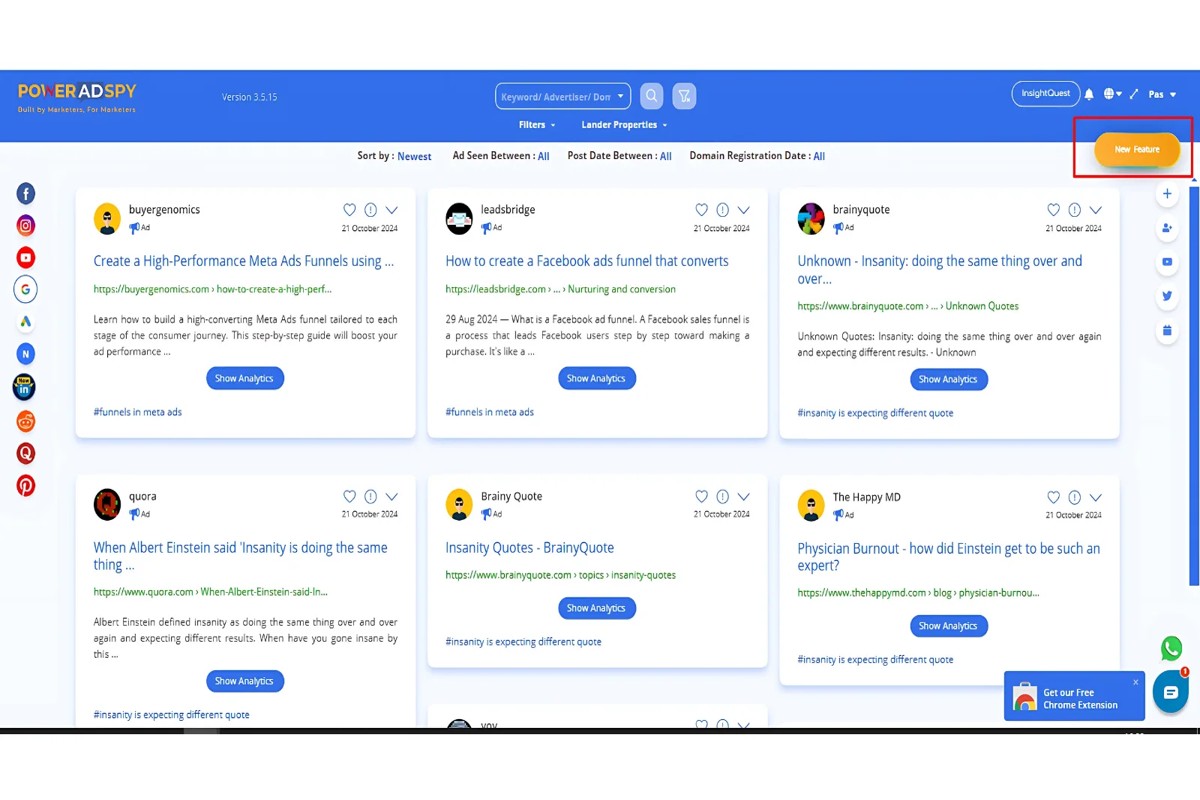
To check where my competitors are using Google Ads means utilizing specific tools to analyze their advertising strategies, including ad placements and targeted keywords. This process enables businesses to identify effective tactics and optimize their own campaigns for better performance. Studies show that 70% of marketers find competitive analysis crucial for improving their advertising effectiveness.
Understanding how to check where my competitors are using Google Ads is essential for businesses aiming to enhance their digital marketing strategies. With Google Ads accounting for over 90% of search engine ad revenues, knowing your competitors’ tactics can lead to better targeting and increased ROI. Failure to grasp these insights can result in missed opportunities and ineffective ad spending.
Businesses that overlook competitive analysis risk substantial losses in revenue, wasted advertising budgets, and a significant competitive disadvantage in the marketplace. Without effective insights into competitors’ strategies, companies may struggle to capture market share and optimize their marketing efforts.
This article will cover practical methods for analyzing competitors’ google ads, including a comparison of leading tools, cost implications, best practices for ad campaigns, and insights into leveraging local SEO strategies for maximum impact.
What tools can I use to see my competitors’ Google Ads?
Several tools can help analyze competitors’ Google Ads, including SEMrush, SpyFu, and Adbeat. These platforms offer valuable insights into competitors’ ad strategies, keywords, and spending. This allows businesses to refine their own advertising efforts.
SEMrush is a comprehensive tool that provides a detailed analysis of competitors’ paid search campaigns. By entering a competitor’s domain, users can view their ad copies, target keywords, and estimated monthly ad spend. For instance, if a business wants to analyze a competitor in the home improvement sector, SEMrush might reveal that the competitor spends about $15,000 monthly on Google Ads — highlighting key terms they are targeting.
SpyFu, another effective option, specializes in uncovering the keywords that competitors have purchased over the years. This tool not only shows current keywords but also includes historical data. This gives a broader perspective on the competitor’s advertising strategies. For example, a digital marketing agency could use SpyFu to discover that a rival has consistently bid on specific seasonal keywords — this indicates strategic planning around peak times of the year.
Adbeat focuses on providing insights specifically into display ads. It lets users see where competitors are advertising across the web, including ad placements and creative variations. If a company is curious about where its competitors are running display ads, Adbeat can provide a comprehensive list of websites and ad formats being used. This is essential for understanding market positioning.
Expert insight: When using these tools, focus on identifying not just where competitors are advertising but also the messaging and offers they present. Make sure to analyze this data (this is often overlooked). This can inform your own ad strategies and help distinguish your brand in a crowded marketplace.
How can I analyze my competitors’ Google Ads performance?
To analyze competitors’ Google Ads performance, use a variety of tools and metrics that provide valuable insights into their advertising strategies. Key metrics, such as ad visibility, click-through rates (CTR), and estimated spending can reveal just how effective their campaigns are.
Start by using platforms like SEMrush or SpyFu for competitive analysis. These tools give data on competitors’ ad placements, keywords, and estimated budgets. By entering a competitor’s domain, you can access detailed reports that highlight their top-performing ads and keywords.
- Keyword Research: Identify the keywords your competitors are bidding on. Tools like Google Ads Keyword Planner and Ahrefs can help locate high-value keywords that drive traffic to their ads.
- Ad Copy Analysis: Examine the text and visuals of your competitors’ ads. Look for patterns in their messaging and offers — some will resonate more with their audience.
- Landing Page Evaluation: Visit the landing pages of your competitors’ ads. Assess their design, content, and conversion strategies. This helps understand how they engage users after the ad click.
- Ad Position Tracking: Use tools like AdBeat or Moat to track the positioning of your competitors’ ads over time. This can indicate their spending and effectiveness in grabbing audience attention.
- Performance Metrics: Analyze key performance indicators, such as CTR and estimated monthly ad spend. The result often highlights successful campaign elements and areas where they may be struggling (this is frequently overlooked).
Expert insight: Regularly benchmarking against competitors can reveal shifts in market trends and highlight opportunities for your ad campaigns. This allows for more strategic adjustments and enhancements.
What keywords are my competitors targeting in Google Ads?
To find out which keywords your competitors target in Google Ads, make use of tools like SEMrush, Ahrefs, or SpyFu. These platforms offer insights into the keywords competitors are bidding on, along with estimated costs and ad placements. Reports show that up to 60% of marketers rely on examining competitor keywords to fine-tune their own ad strategies.
Identifying competitor keywords requires a few different strategies — each can yield valuable insights. First, use keyword research tools to dig into competitors’ ad campaigns. Platforms like SEMrush and Ahrefs let users enter a competitor’s domain to see their top-performing keywords, along with search volume and cost-per-click (CPC) data. This info can help guide your keyword choices.
- Perform a competitive analysis using the “Paid Search” feature in tools like SpyFu. This reveals not just the keywords competitors are targeting, but also their ad copy and landing pages.
- Use Google’s Keyword Planner. By entering competitor domains, you can discover keyword ideas that might not be immediately obvious in their ad campaigns (this is often overlooked).
- Monitor competitors’ ad placements via Google Ads Transparency. This lets you see which ads are running and their respective keywords, providing insight into their targeted audience.
- Set up alerts for competitors using tools like SimilarWeb to track changes in their keyword strategy over time. This helps you adapt your approach as they shift.
Expert insight: Regularly review and update your keyword strategy based on competitor analysis. Market dynamics and keyword performance can shift rapidly — staying informed ensures your campaigns remain competitive and relevant.
How often should I check my competitors’ Google Ads?
Competitors’ Google Ads should be checked at least once a month for most businesses. But during peak seasons or after significant market changes, weekly reviews are advisable to stay up to date.
The frequency of checking competitors’ Google Ads can depend on several factors, such as industry dynamics, advertising budgets, and the competitive landscape. In fast-moving sectors like e-commerce or technology, competition can shift quickly — necessitating more frequent analysis. A weekly review lets companies adapt strategies promptly and seize emerging trends.
In more stable markets, monthly checks may suffice. This timeline allows for a broad view of competitors’ strategies without overwhelming the analysis process. Also, businesses should watch for changes in their own advertising performance; significant fluctuations often require more frequent competitor checks. Recognizing when competitors adjust their budgets or shift focus can provide valuable insights for optimizing campaigns (this is often overlooked).
Expert insight: Use tools like SEMrush or SpyFu to automate competitor monitoring. This ensures timely alerts on changes in ad spend and messaging. Such proactive measures can enhance decision-making and improve return on investment (ROI).
What are the benefits of monitoring competitors’ Google Ads?
Monitoring competitors’ Google Ads offers valuable insights that can significantly enhance advertising strategies and boost campaign performance. Analyzing ad placements, messaging, and targeting reveals market trends and helps optimize advertising efforts. Research shows that companies tracking competitors’ ads are 30% more likely to improve their ROI on ad spending.
One key benefit of this practice is uncovering effective keywords and compelling ad copy. By examining which keywords competitors are bidding on, businesses can tighten their own keyword strategies, ensuring they target high-value search terms. Additionally, analyzing ad copy often uncovers successful messaging tactics that resonate with the target audience — allowing businesses to tweak their messaging for better engagement.
Another advantage lies in understanding competitors’ targeting strategies. Observing the demographics and locations they focus on can help businesses identify untapped markets or refine their own targeting criteria. This competitive intelligence aids in making informed decisions about budget allocation and campaign adjustments — ultimately leading to more effective advertising strategies. Plus, staying updated on competitors’ promotions and seasonal campaigns is crucial (this is often overlooked). It can help in planning marketing efforts that capitalize on emerging market opportunities.
Expert insight: Regularly using tools like Google Ads’ Auction Insights and third-party platforms can streamline monitoring competitors. This makes it easier to adapt strategies in real time.
Step-by-Step Guide to Analyzing Competitor Google Ads
This section offers a thorough methodology for assessing how competitors use Google Ads. By applying these strategies, businesses can refine their advertising efforts and possibly gain a competitive edge.

1. Identify Key Competitors in Your Niche
Start by determining your main competitors. This means researching businesses that offer similar products or services and target the same customer base. Use tools like SEMrush or Ahrefs to identify competitors based on shared keywords and market positioning. Make a list of at least five to ten competitors for a comprehensive analysis.
2. Use Ad Analysis Tools to Gather Data
Use ad analysis platforms, such as SpyFu, iSpionage, or Adbeat, to collect data on your competitors’ Google Ads campaigns. These tools can shed light on ad spend, keyword usage, and traffic estimates. For example, in 2024, the average cost-per-click (CPC) across various industries is projected to hit $2.50, reflecting the competitive landscape for online advertising.
3. Evaluate Ad Copy, Keywords, and Landing Pages
Analyze the ad copy used by competitors to pinpoint messaging strategies. Focus on aspects like headlines, calls to action, and unique selling propositions. Then, examine the keywords they’re targeting, which tools like the Google Ads Keyword Planner can reveal. Assess the linked landing pages for user experience, design, and conversion optimization. It’s important to look for patterns in how they present their offerings and engage potential customers.
- Ad Copy: Identify emotional triggers or persuasive language.
- Keywords: Note high-performing keywords and long-tail variations.
- Landing Pages: Evaluate layout, content, and call-to-action effectiveness.
4. Monitor Changes Over Time for Trend Analysis
Set up a routine for monitoring competitor ads over time. Tracking changes in ad copy, keywords, and landing page strategies enables businesses to identify trends and shifts in market dynamics. Consider setting alerts or regular reports using your ad analysis tools to stay updated on significant changes. This ongoing analysis can reveal emerging opportunities or threats in your niche.
Nuance / Expert Layer
Many businesses overlook the importance of analyzing ad frequency and placement. While ad copy and keywords matter, understanding the context in which ads appear offers deeper insights. For instance, a competitor may focus on remarketing ads targeting previous visitors. This strategy often leads to higher conversion rates but requires a solid tracking mechanism. Plus, it’s easy to underestimate the impact of seasonal trends, which can greatly influence ad performance and competitor tactics.
Practical Application
To use this analysis effectively, create an actionable plan based on your findings. Start by incorporating successful ad elements noted from competitors into your campaigns. Regularly review and adjust your ad strategies based on continuous competitor analysis. Additionally, consider A/B testing different ad copies and landing pages inspired by competitor insights to optimize your performance.
Understanding Google Ads Metrics for Competitive Analysis
This section explores key Google Ads metrics that are crucial for analyzing competitors’ advertising strategies. By concentrating on these metrics, businesses can uncover valuable insights into their competitors’ performance. This, in turn, helps optimize ad campaigns.
Click-Through Rate (CTR) and Its Significance
Click-through rate (CTR) is a vital metric that measures the ratio of users who click on an ad compared to the number of times the ad is displayed. A higher CTR shows that the ad is effectively engaging its audience — which is essential. For instance, in 2024, the average CTR across all industries was about 3.17%. Understanding a competitor’s CTR can shed light on their ad relevance and audience targeting.
Cost Per Click (CPC) and Budget Considerations
Cost per click (CPC) indicates how much an advertiser pays for each click on their ad. This metric is crucial for assessing how much competitors are spending on their advertising efforts. For example, in competitive sectors like finance and legal services, the average CPC can exceed $5.00; however, less competitive industries might see CPCs fall below $1.00. Evaluating CPC is vital for budgeting and determining whether competing for similar keywords is feasible (worth double-checking).
Conversion Rates and Measuring Success
Conversion rates reflect the percentage of users who take a desired action after clicking on an ad, such as making a purchase or signing up for a newsletter. High conversion rates imply that the ad and landing page are good at persuading users. In 2025, the average conversion rate across industries was roughly 4.5%. Analyzing competitors’ conversion rates can highlight their success in driving valuable customer actions.
Ad Positioning and Visibility in Search Results
Ad positioning refers to the location of an ad on the search results page. Ads in higher positions tend to receive more visibility and higher CTRs. Google Ads usually shows up to four ads at the top of the search results, with the first position capturing a large share of clicks. In 2026, ads in the top position accounted for around 30% of total clicks. Keeping an eye on competitors’ ad positions can shape strategies for enhancing visibility and ad placement.
Nuance / Expert Layer
While focusing on these metrics is important, common misconceptions can lead to misinterpretation. For example, a high CTR doesn’t always mean high conversion rates — an ad can attract clicks without actually converting leads. Moreover, factors such as seasonal trends and shifts in consumer behavior can significantly impact metrics. An expert analysis should factor in these contextual elements to avoid skewed views on competitors’ performance.
Practical Application
- Use tools like SEMrush or SpyFu to gather data on competitors’ CTR, CPC, and ad positions.
- Examine your competitors’ landing pages to grasp their conversion strategies and find areas for improvement.
- Regularly track industry benchmarks for CTR, CPC, and conversion rates to adjust ad strategies as needed.
Common Mistakes When Analyzing Competitor Google Ads
This section highlights critical pitfalls that marketers often run into when analyzing competitor Google Ads. Recognizing these mistakes is crucial for conducting thorough and effective competitor analysis.
Relying on Outdated Data and Analysis
Using data that’s no longer relevant can lead to misguided strategies. Google Ads operates in a dynamic environment. Costs, keywords, and competitor behaviors fluctuate frequently. For instance, a study revealed that 58% of marketers rely on data older than six months — resulting in ineffective campaigns. Regularly updating your data makes sure you’re making decisions based on the most current market trends.
Ignoring the Context of Competitors’ Strategies
Every competitor has unique objectives, target audiences, and budget constraints that shape their advertising strategies. Simply replicating their tactics without understanding their context can lead to poor performance. For example, a competitor may invest heavily in a specific keyword due to seasonality or a product launch. This may not apply to your business at all. Analyzing competitors’ ads without context can create misaligned strategies.
Failing to Adapt Insights to Your Own Campaigns
Insights gained from competitor analysis shouldn’t be adopted blindly. They must be tailored to fit your brand’s voice, objectives, and audience. A survey indicated that 62% of marketers who fail to customize insights see a drop in campaign effectiveness. Adapting strategies requires a nuanced understanding of your unique value proposition and customer needs (this is often overlooked).
Overlooking the Importance of Continuous Monitoring
Competitor analysis shouldn’t be a one-time activity. Continuous monitoring allows identification of shifts in competitor strategies, emerging trends, and changing customer preferences. A report found that businesses engaging in ongoing competitive analysis are 33% more likely to outperform their competitors. Regular check-ins on competitor ads can reveal new opportunities for your own campaigns.
Nuance and Expert Insights
Many marketers mistakenly believe that competitor analysis is solely about identifying successful ads. However, understanding the entire marketing ecosystem is vital. For instance, a competitor may focus on brand awareness through high-impression ads while you target conversion-focused campaigns. Recognizing these distinctions can lead to more effective strategies that capitalize on your strengths — rather than just mimicking competitors. Additionally, the competitive landscape can change rapidly; tools like Google Ads Keyword Planner and SEMrush provide real-time insights that can inform adjustments to your strategy.
Practical Application
- Regularly refresh your data sources to ensure insights are current.
- Contextualize competitor strategies by analyzing their market positioning and goals.
- Customize insights to align with your brand’s unique offerings and target audience.
- Establish a routine for ongoing monitoring of competitor ads to stay ahead in the market.
Frequently Asked Questions
What tools can I use to see my competitors’ Google Ads?
Tools like SEMrush, SpyFu, and Ahrefs allow you to view competitors’ Google Ads campaigns. These platforms provide insights into ad copy, spending, and keywords used.
How can I analyze my competitors’ Google Ads performance?
Use tools such as Google Ads Auction Insights and third-party platforms to assess competitors’ ad positions and click-through rates. Analyzing these metrics helps identify strengths and weaknesses in their strategies.
What keywords are my competitors targeting in Google Ads?
Keyword research tools like SEMrush and SpyFu can reveal the keywords your competitors are bidding on in Google Ads. This information helps refine your own keyword strategy for better targeting.
How often should I check my competitors’ Google Ads?
Regularly monitoring competitors’ Google Ads every few weeks or monthly is advisable. This frequency allows you to stay updated on their strategies and market changes.
What are the benefits of monitoring competitors’ Google Ads?
Monitoring competitors’ Google Ads provides insights into market trends and effective strategies. This information can inform your own campaigns and help improve your advertising performance.
Final Thoughts on how to check where my competitors are using google ads
Understanding your competitors’ Google Ads strategies is crucial for refining your own marketing approach and gaining a competitive edge. By leveraging advanced tools and metrics, businesses can uncover valuable insights into keyword targeting, ad performance, and market positioning, enabling data-driven decisions that enhance overall advertising efficacy.
Begin by utilizing a comprehensive competitive analysis tool to monitor your competitors’ ad placements and performance metrics regularly. This proactive approach will allow you to adapt your strategies in real-time, ensuring you remain ahead in the competitive landscape.
To gain an edge over your rivals, consider consulting a google ads expert who can help you analyze their strategies effectively.
Mastering this process not only amplifies your advertising success but also solidifies your brand’s position in an ever-evolving digital marketplace.