
New realtors get clients primarily through effective networking, leveraging social media, and utilizing real estate platforms. Approximately 80% of new agents find their first clients through personal connections, highlighting the importance of building a robust professional network early in their careers.
Understanding how new realtors get clients is crucial for success in the competitive real estate market. With the industry continuously evolving, new agents must adopt effective strategies to establish a client base. Failure to grasp these methods can lead to missed opportunities, as nearly 90% of real estate transactions are driven by personal referrals and connections.
Without a clear grasp of effective client acquisition strategies, new realtors risk significant revenue losses, wasted marketing resources, and a disadvantage against more established competitors. Understanding the landscape is vital for sustainable success in real estate.
This article will explore proven strategies for client acquisition, including networking techniques, social media optimization, and the use of real estate platforms. Readers will gain insights into best practices and actionable tips to effectively grow their client base.
What are the best ways for new realtors to find clients?
New realtors can effectively find clients through strategic networking, online marketing, and establishing a referral system. A 2024 National Association of Realtors report indicates that about 74% of real estate clients come from personal referrals — highlighting the critical nature of relationship-building in this industry.
1. Networking Events: Attend local networking events, real estate seminars, and community gatherings. Engaging face-to-face with potential clients and industry professionals can foster relationships that lead to referrals and partnerships. These connections matter.
2. Online Presence: Establish a strong online presence through social media platforms and a professional website. Use platforms like Instagram, Facebook, and LinkedIn to showcase listings, share market insights, and connect with potential clients. This is vital for visibility.
3. Leverage Social Media: Create targeted advertisements on social media to reach specific demographics. Paid ads can increase visibility and attract leads interested in buying or selling properties. Results can vary significantly.
4. Join Local Organizations: Become a member of local business organizations or real estate associations. Participation in these groups can provide networking opportunities and access to resources that can help generate leads. This often yields unexpected advantages.
5. Referrals: Develop a referral program with past clients, friends, and family. Encourage satisfied clients to refer others by offering incentives or simply staying in touch to maintain relationships. It’s essential to nurture these connections.
6. Open Houses: Host open houses to meet potential buyers directly. This not only showcases properties but also allows realtors to engage with attendees and gather contact information for follow-ups. Personal interaction goes a long way.
7. Cold Calling: While often overlooked, cold calling can yield results. Research and reach out to homeowners in target neighborhoods to offer assistance or market knowledge. Though challenging, it can pay off.
Expert insight: Focus on building a personal brand that resonates with the target audience. Authenticity and consistency in messaging can significantly enhance client trust and engagement — a key factor for success.
How long does it take for new realtors to get clients?
New realtors typically take between three to six months to secure their first clients. That said, this timeline can vary significantly. Factors like market conditions, networking efforts, and personal marketing strategies all play a role.
Several key factors influence how long it takes for new realtors to acquire clients. First, the state of the local real estate market is crucial. In a competitive or hot market, clients might be easier to find. Conversely, in a slower market, establishing a client base can take longer. Additionally, the realtor’s prior experience — even if not in real estate — can affect their ability to network effectively and connect with potential clients quickly.
Networking is another critical element. New realtors who actively participate in their community, attend events, or join local real estate organizations can speed up the client acquisition process. Using social media and online marketing strategically can also boost visibility and attract clients more quickly. Furthermore, developing a personal brand and establishing a professional online presence can greatly influence how fast new realtors earn trust and attract clients.
Expert insight: To expedite client acquisition, new realtors should prioritize building relationships through consistent networking. Leveraging technology to reach potential clients effectively is also key. Engaging in targeted marketing strategies can lead to quicker results.
What marketing strategies work best for new realtors?
New realtors can attract clients effectively by using targeted marketing strategies that are tailored to their local market. Proven methods include social media engagement, local networking, and online listings and platforms. Recent data shows that over 90% of homebuyers use online resources during their search — this highlights the necessity of a strong digital presence.
To build a successful client base, new realtors should focus on the following marketing strategies:
- Social Media Marketing: Establish a presence on platforms like Facebook, Instagram, and LinkedIn. Regularly post engaging content, such as property listings, market updates, and community events. Aim to post at least three times a week to keep visibility high — consistency matters.
- Networking Events: Attend local community events, real estate seminars, and industry meetups. Building relationships with other professionals can lead to referrals (this is often overlooked). Set a goal to connect with at least five new contacts at each event.
- Email Campaigns: Develop a targeted email marketing strategy. Create a monthly newsletter that includes market insights, property showcases, and practical tips for buyers and sellers. Aim for a consistent open rate of 20% or higher to gauge engagement — this is key.
- Online Listings and Virtual Tours: Use platforms like Zillow, Realtor.com, and your own website to list properties. Incorporate virtual tours and high-quality images to draw in potential buyers. Listings with virtual tours receive 87% more inquiries — a significant boost.
- Local SEO Optimization: Optimize your online presence for local search. Claim your Google My Business listing, gather client reviews, and weave local keywords throughout your website. This will enhance visibility in local searches, attracting clients specifically in your area.
Expert insight: New realtors should prioritize building their personal brand through authentic storytelling. Share personal experiences and local knowledge to create deeper connections with potential clients. This approach fosters trust — which is essential for long-term client relationships.
Do new realtors need a website to get clients?
Yes, new realtors need a website to attract clients effectively and build credibility. A professional website acts as a central hub, showcasing listings, sharing testimonials, and offering valuable information to potential clients. Recent studies show that 75% of consumers judge a company’s credibility based on its website design — so it matters.
A website boosts a realtor’s visibility and accessibility. It lets new realtors present their services, market listings, and engage with clients around the clock. Additionally, a well-optimized website can enhance search engine rankings, making it easier for potential clients to find a realtor online. This is especially significant since over 90% of home buyers start their search online (this is often overlooked).
- Professional Branding: A website helps establish a personal brand and conveys professionalism.
- Lead Generation: Features like contact forms and newsletter sign-ups can capture potential client information.
- Portfolio of Services: A website allows realtors to showcase their expertise through blog posts, market analyses, and success stories.
While social media platforms can provide exposure, a website is the foundation of an online presence. It offers a level of control that social media simply can’t match — realtors can curate their content and interactions. Moreover, having a dedicated site can enhance trust and encourage client inquiries, crucial for new realtors looking to grow their client base.
Expert insight: Investing in a user-friendly, informative website can significantly boost a new realtor’s efforts to acquire clients. This investment sets the stage for long-term success in the competitive real estate market.
How important is networking for new realtors?
Networking is crucial for new realtors. Around 70% of real estate agents find clients through referrals and personal connections. This statistic highlights the importance of building relationships for a successful real estate career.
One effective networking strategy is joining local community organizations or clubs. For instance, a new realtor might get involved with a local Chamber of Commerce. By attending monthly meetings and community events, the realtor can meet business owners, potential clients, and other professionals who can provide referrals. This consistent presence builds trust and recognition within the community — leading to more client inquiries and business opportunities.
Another impactful approach involves leveraging social media platforms. A new realtor can create a professional profile on platforms like LinkedIn or Facebook, sharing valuable content about real estate trends, market updates, and home-buying tips. Engaging with local groups online is key (this is often overlooked). By joining discussions on local Facebook groups about housing or real estate, the realtor can position themselves as a knowledgeable resource. This can lead to direct inquiries for their services.
Expert insight: New realtors should focus on building relationships both online and offline. A balanced approach enhances visibility and fosters trust, increasing the chances of gaining new clients through referrals and personal connections.
What role does social media play in attracting clients for new realtors?
Social media serves as a crucial tool for new realtors to attract clients. About 73% of real estate professionals use platforms like Facebook, Instagram, and LinkedIn to generate leads. Each of these platforms presents unique advantages that can significantly boost visibility and engagement with potential clients.
The effectiveness of social media marketing in real estate varies by platform. Each caters to different demographics and marketing strategies. Below is a comparison of three major platforms commonly utilized by realtors:
- Facebook: With over 2.9 billion monthly active users, Facebook offers realtors the ability to create business pages, run targeted ads, and engage with local communities through groups and events. It’s particularly effective for building relationships and sharing listings.
- Instagram: Instagram emphasizes visual content, which makes it perfect for showcasing properties with high-quality images and videos. With features like Stories and Reels, realtors can craft dynamic content that highlights properties as well as personal brands, attracting a younger demographic.
- LinkedIn: LinkedIn is a professional networking platform focused on fostering business relationships. For realtors, it’s useful for connecting with other professionals, sharing market insights, and establishing credibility in the industry. It’s less about direct sales — and more about long-term networking.
These platforms differ greatly in user engagement and content strategy. Facebook is versatile and community-oriented, making it suitable for both advertising and relationship-building. Instagram excels in visual storytelling, while LinkedIn emphasizes professional networking and industry authority. Choosing the right platform often depends on target demographics and marketing goals (this is often overlooked).
Expert insight: New realtors should leverage a multi-platform approach. Tailoring content to fit each platform’s strengths can maximize client attraction and engagement.
Can new realtors use paid advertising to get clients?
Yes, new realtors can effectively use paid advertising to acquire clients. The cost can vary widely—ranging from a few hundred to several thousand dollars monthly—based on the chosen platforms and strategies.
Costs associated with paid advertising depend on various factors that influence both budget and return on investment (ROI). Key factors include:
- Platform Choice: Different platforms, like Google Ads, Facebook, or Instagram, have differing costs. For example, Facebook ads can start at just $5 per day, while Google Ads may demand a higher initial budget due to competitive bidding.
- Target Audience: How specific the target demographic is can impact costs. Narrowing down to a certain location or audience segment might increase expenses—but it can also boost effectiveness.
- Ad Quality: High-quality, engaging ads usually perform better—resulting in lower costs per click (CPC) and higher conversion rates. Investing in professional design and compelling copy can significantly enhance ad performance.
- Campaign Duration: The length of the advertising campaign directly influences total costs. Short, intensive campaigns often require a bigger budget compared to longer, more sustained efforts.
New realtors should track their advertising performance to assess ROI. Tools provided by advertising platforms are invaluable for analyzing engagement and conversions. Adjusting strategies based on performance data can lead to more cost-effective client acquisition over time.
Expert insight: New realtors should consider setting aside a portion of their marketing budget specifically for experimenting with various ad formats and platforms. This experimentation can yield valuable insights into what resonates best with their target audience—ultimately leading to more effective client acquisition strategies.
What are common mistakes new realtors make when trying to get clients?
New realtors often struggle with client acquisition due to a few common missteps. Approximately 67% of new agents find it hard to build a client base in their first year. This is often because of ineffective marketing and networking practices. Understanding these pitfalls can significantly enhance chances of success.
One frequent mistake is not establishing a solid personal brand. Many new realtors underestimate how crucial it is to stand out in a competitive market. A strong personal brand builds trust — it also helps potential clients remember and refer the realtor. To avoid this pitfall, new agents should develop a clear and consistent message that truly reflects their values and expertise.
- Neglecting networking opportunities: Many new realtors focus solely on online marketing. They overlook the power of face-to-face interactions. Attending local events, joining community organizations, and leveraging social media can help build relationships that lead to referrals.
- Ignoring follow-up: Failing to follow up after initial meetings or open houses is a critical error. Consistent communication keeps new realtors fresh in potential clients’ minds. Setting reminders and using CRM tools can simplify this process (this is often overlooked).
- Overpromising and underdelivering: Eager to impress clients, new agents might promise unrealistic outcomes. This can lead to disappointment and damage their reputation. Realistic expectations should be set from the start — ensuring clients understand the process and timelines involved.
Expert insight: New realtors should invest time in understanding their local market and client needs. Tailored strategies, rather than a one-size-fits-all approach, will often yield better results in client acquisition.
Building a Strong Personal Brand as a New Realtor
Establishing a strong personal brand is crucial for new realtors aiming to draw in clients. A well-defined brand not only sets realtors apart in a crowded market; it also builds trust and recognition among potential clients.
Understanding the Importance of a Unique Value Proposition
A unique value proposition (UVP) defines what distinguishes a realtor from competitors. This could include specialized knowledge of local markets, exceptional negotiation skills, or a commitment to sustainability in real estate. According to a 2024 survey by the National Association of Realtors, agents with a clear UVP are 67% more likely to attract clients than those without a defined brand — a significant difference.
Creating a Professional Online Presence
An effective online presence is crucial for new realtors. This consists of creating a visually appealing website, keeping active social media profiles, and using platforms like LinkedIn. Key components of a professional online presence include:
- Website: A user-friendly site should showcase listings, client testimonials, and a blog to highlight expertise.
- Social Media: Regularly posting engaging content on platforms like Instagram and Facebook can boost visibility and connect with potential clients.
- SEO Optimization: Implementing search engine optimization strategies can improve website visibility, attracting organic traffic.
Leveraging Testimonials and Success Stories
Testimonials and success stories serve as powerful tools for building credibility. Displaying positive feedback from satisfied clients can greatly influence potential buyers or sellers. Research by BrightLocal shows that 85% of consumers trust online reviews as much as personal recommendations. New realtors should actively seek and showcase testimonials on their websites and social media platforms (this is often overlooked).
Utilizing Personal Branding in Networking Events
Networking events present prime opportunities for new realtors to build their brands. Effective strategies include:
- Elevator Pitch: Craft a concise and compelling elevator pitch that summarizes your UVP.
- Networking Materials: Prepare business cards and promotional materials that reflect your personal brand.
- Follow-Up: After events, promptly follow up with contacts to reinforce connections and showcase professionalism.
New realtors often miss the importance of personal branding, focusing primarily on traditional marketing methods. Yet, a strong personal brand not only attracts clients but also nurtures long-term relationships. Experts argue that the most successful realtors are those who maintain consistency across all branding channels, ensuring their message resonates with target audiences.
To apply these insights effectively, new realtors should take these actionable steps:
- Define and articulate your unique value proposition.
- Invest in a professional website and optimize it for search engines.
- Collect and showcase client testimonials actively.
- Engage meaningfully at networking events and follow up with new contacts.
By implementing these strategies, new realtors can effectively position themselves in the market and answer the question: how do new realtors get clients?
Leveraging Technology and Tools for Client Acquisition
New realtors can greatly improve their client acquisition efforts by using technology and various tools tailored for the real estate industry. This section examines how effective use of these resources can streamline processes and expand reach.

Using CRM Software for Managing Leads
Customer Relationship Management (CRM) software is crucial for new realtors who want to manage leads efficiently. A well-implemented CRM system allows realtors to track interactions, segment leads, and automate follow-ups. According to a 2024 survey, 70% of top-performing real estate agents utilize a CRM, which can lead to a 25% increase in lead conversion rates. Popular options include Salesforce, HubSpot, and specialized platforms like Real Geeks.
Exploring Real Estate Platforms and Apps
Real estate platforms and mobile applications have a vital role in client acquisition. Websites like Zillow, Realtor.com, and Redfin provide exposure to a vast audience. New realtors should create profiles on these platforms to showcase listings and connect with potential buyers. Additionally, apps like Homesnap deliver real-time data and facilitate direct communication between agents and clients — this enhances engagement significantly.
Implementing Email Marketing Strategies
Email marketing remains a powerful tool for nurturing relationships with potential clients. New realtors should build a targeted email list and establish a consistent newsletter that includes market updates, property listings, and personalized property recommendations. Recent data shows email marketing boasts an average ROI of 42:1, making it a cost-effective strategy for lead generation. Using platforms like Mailchimp or Constant Contact can streamline the process of designing and sending campaigns.
Utilizing Virtual Tours and Online Open Houses
The demand for virtual tours and online open houses has surged, driven by consumer preference for convenience and safety. New realtors can create immersive 3D tours using tools like Matterport or virtual tour software, allowing potential buyers to explore properties remotely. A 2025 study found that listings with virtual tours receive 87% more views compared to those without — this underscores the importance of this technology in attracting clients.
Many new realtors mistakenly think that technology alone will drive client acquisition. However, it’s crucial to combine tech tools with personalized service. Clients look for authentic interactions. While technology can facilitate connections, it shouldn’t replace the human element. Moreover, transitioning to technology can be intimidating — thus, proper training and integration into daily workflows are essential for maximizing effectiveness.
To effectively leverage technology for client acquisition, new realtors should take the following actionable steps:
- Choose and implement a CRM system tailored to your needs.
- Create profiles on popular real estate platforms and actively engage with users.
- Develop an email marketing campaign, focusing on valuable content for your audience.
- Invest in tools for virtual tours to showcase properties effectively.
By strategically applying these technologies and tools, new realtors can enhance their client acquisition processes and establish a strong market presence.
Networking Strategies for New Realtors
This section explores practical networking strategies that help new realtors forge meaningful connections and acquire clients. By applying these techniques, realtors can establish a strong professional network that propels their success.
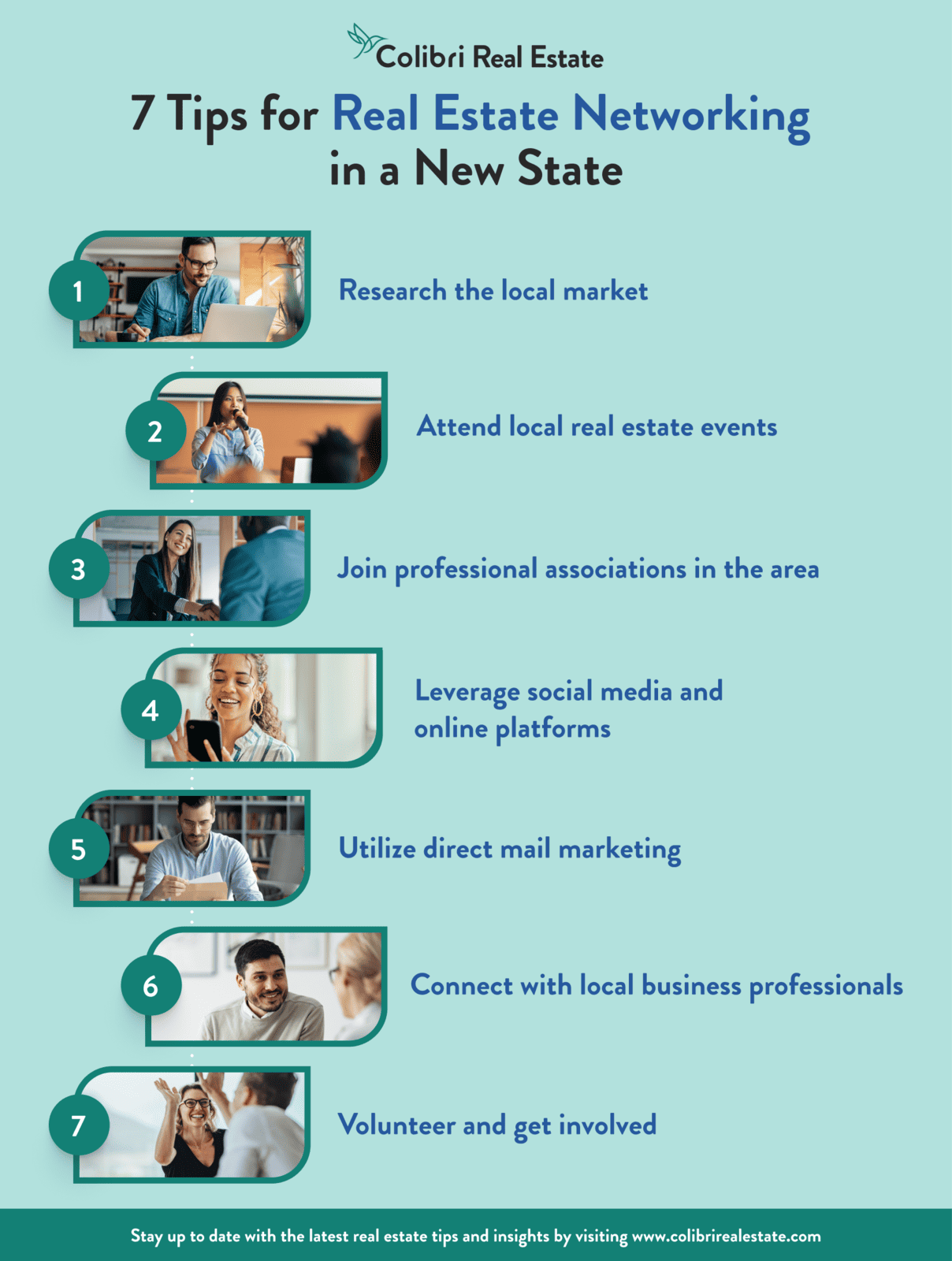
Identifying Key Networking Opportunities
Finding and attending the right networking events is essential for new realtors. Key opportunities to consider include:
- Real Estate Conferences: National and regional conferences provide access to industry leaders and potential clients.
- Local Chamber of Commerce Events: These gatherings enable realtors to connect with local business owners and community leaders.
- Community Workshops: Hosting or participating in workshops about buying or selling homes can position realtors as trusted resources.
New realtors should actively pursue events that resonate with their target market. It’s important to focus on gatherings that draw in potential buyers and sellers.
Building Relationships with Other Professionals
Working with other professionals can significantly broaden a realtor’s client base. Establishing relationships with:
- Mortgage Brokers: They usually refer clients looking for financing.
- Home Inspectors: These professionals often generate leads for homeowners ready to sell.
- Contractors and Interior Designers: They can point clients toward realtors before they undertake renovations.
These connections create a mutually beneficial ecosystem where referrals flow in both directions, expanding the realtor’s outreach.
Effective Follow-Up Strategies After Networking Events
Following up after networking events is vital for sustaining connections. Employ these strategies:
- Personalized Emails: Send tailored messages that reference specific conversations — this leaves a lasting impression.
- Social Media Engagement: Connect on platforms like LinkedIn and engage with their content to keep the relationship alive.
- Schedule Follow-Up Meetings: Suggest coffee or lunch meetings; these can deepen connections and open doors for collaboration.
Statistics show that personalized follow-ups can boost response rates by as much as 50% — reinforcing the importance of tailored communication.
Utilizing Community Involvement to Expand Networks
Active involvement in community events enhances visibility and builds trust. New realtors can:
- Volunteer for Local Causes: Engaging in community service demonstrates commitment and fosters rapport.
- Sponsor Local Events: Sponsoring sports teams or community festivals can significantly increase brand exposure.
- Join Local Clubs or Organizations: Membership in clubs can lead to introductions to potential clients.
Engaging in community initiatives not only enhances a realtor’s reputation but also positions them as a local authority (worth double-checking).
While these networking strategies lay the groundwork, many new realtors underestimate the power of authentic relationships. Networking isn’t just transactional; it requires a genuine interest in and investment in others’ success. A common misconception is that networking ends after a single event. In truth, ongoing engagement and nurturing relationships lead to more substantial opportunities and referrals.
To implement these strategies effectively, realtors should create a networking calendar, marking key events and setting follow-up reminders. A system for tracking professional connections can help maintain relationships over time. Regular engagement, whether through emails, social media interactions, or community involvement, will ensure new realtors expand their networks and convert these connections into clients. The focus should be on building trust and providing value to forge long-lasting professional relationships.
Understanding the Real Estate Market for Client Engagement
Market knowledge is crucial for success among new realtors. Mastering local trends and buyer psychology helps build trust and positions agents as credible experts.

Researching Local Market Trends and Demographics
Thorough research of local market trends is vital for new realtors. Understanding factors like average home prices, inventory levels, and neighborhood dynamics informs strategic decision-making. In 2024, the U.S. real estate market is projected to reach a value of approximately $5 trillion — fluctuations across various regions are significant. Realtors should focus on specific demographics in their target area, including age, income levels, and family structures, to tailor their services effectively (this is often overlooked).
Understanding Buyer and Seller Psychology
Recognizing buyer and seller motivations enhances the ability to connect with clients. Buyers often show emotional responses shaped by personal circumstances — think job relocations or family growth. Sellers, conversely, may be driven by market conditions or financial needs. By grasping these psychological factors, realtors can offer personalized advice that resonates with clients, fostering a deeper relationship.
Communicating Market Insights Effectively to Clients
Effectively communicating market insights is essential for instilling confidence in clients. New realtors should use data visualization tools and clear language to explain complex market trends. Regular updates through newsletters, social media, or direct consultations keep clients informed. For example, sharing that homes in a particular neighborhood have appreciated by 5% over the past year emphasizes a realtor’s expertise and commitment to client success.
Positioning Oneself as a Market Expert
Establishing oneself as a market expert requires a proactive approach to reputation building. New realtors can attend local community events, participate in real estate seminars, and engage with local businesses to boost visibility. Additionally, obtaining certifications in niche markets, such as luxury properties or first-time homebuyers, can enhance credibility. Active participation in online forums and social media discussions further positions agents as knowledgeable resources.
Nuance / Expert Layer
A common misconception is that merely having access to market data guarantees success. However, the interpretation and contextualization of this data truly distinguish successful realtors. For instance, understanding the implications of a rising interest rate environment is crucial for advising clients on the best timing for buying or selling. Furthermore, new realtors must avoid over-relying on generic market statistics — tailoring insights to specific client needs often leads to greater engagement and trust (worth double-checking).
Practical Application
- Conduct a detailed analysis of your local market trends monthly.
- Engage in regular client communication through personalized updates.
- Attend local networking events to build relationships and visibility.
- Use data visualization tools to present market insights compellingly.
- Obtain relevant certifications to enhance your expertise in niche areas.
By implementing these strategies, new realtors can effectively position themselves as trusted experts. This enhances their ability to attract and retain clients in a competitive market.
Frequently Asked Questions
What are the best ways for new realtors to find clients?
New realtors can find clients through referrals, networking events, and local community involvement. Building relationships with clients and other professionals in the industry is crucial for generating leads.
How long does it take for new realtors to get clients?
The timeline for new realtors to secure clients can vary, typically ranging from a few weeks to several months. Factors such as market conditions and networking efforts significantly influence this timeframe.
What marketing strategies work best for new realtors?
Effective marketing strategies for new realtors include leveraging social media, hosting open houses, and utilizing email marketing. These approaches help increase visibility and attract potential clients.
Do new realtors need a website to get clients?
While not mandatory, having a professional website can enhance credibility and showcase listings. A website serves as a valuable tool for attracting and converting potential clients.
How important is networking for new realtors?
Networking is essential for new realtors as it helps build relationships and establish a presence in the community. Strong connections can lead to referrals and increased client opportunities.
What role does social media play in attracting clients for new realtors?
Social media is a powerful platform for new realtors to showcase properties and engage with potential clients. It allows for direct communication and fosters relationships, enhancing client attraction.
Can new realtors use paid advertising to get clients?
Yes, new realtors can effectively use paid advertising to reach targeted audiences and generate leads. Platforms like Google Ads and Facebook Ads can be particularly beneficial for increasing visibility.
What are common mistakes new realtors make when trying to get clients?
Common mistakes include neglecting to follow up with leads, failing to build a personal brand, and underestimating the importance of market research. These errors can hinder client acquisition efforts.
Final Thoughts on how do new realtors get clients
Success in client acquisition for new realtors hinges on a multifaceted approach that integrates personal branding, strategic networking, and effective use of technology. By actively engaging with their community and leveraging digital platforms, new realtors can establish credibility and attract potential clients, ultimately shortening the time it takes to build a robust client base.
New realtors should prioritize creating a professional website that showcases their personal brand, listings, and client testimonials, as this serves as a critical touchpoint for potential clients in today’s digital landscape.
Ready to boost your real estate business? Consult a google ads expert today and watch your client list grow!
Mastering client acquisition is essential for long-term success in real estate, as it lays the foundation for a thriving career and sustainable growth in an increasingly competitive market.