
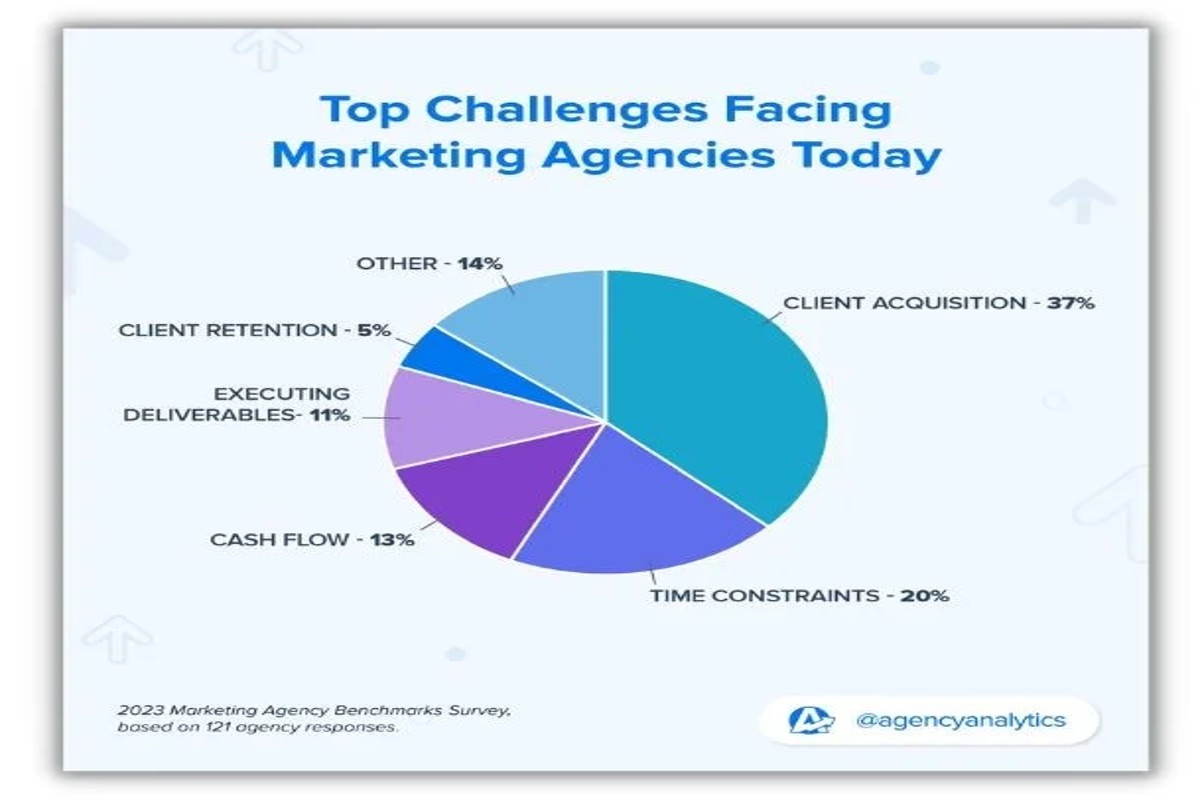
Marketing agencies get clients through a combination of networking, referrals, and digital marketing strategies. By building strong relationships and showcasing their expertise, agencies can attract potential clients effectively. In fact, 75% of marketing agencies report that referrals are their top source of new business.
Understanding how marketing agencies get clients is crucial for both agency owners and businesses seeking to engage their services. As the global digital marketing industry is projected to reach $640 billion by 2027, agencies must employ effective client acquisition strategies to remain competitive. Failing to grasp these methods can lead to missed opportunities and stagnant growth.
Without a solid understanding of client acquisition strategies, businesses risk losing revenue, wasting resources on ineffective marketing efforts, and falling behind competitors who effectively leverage these tactics. The stakes are high, as the right approach can significantly impact an agency’s bottom line.
This article will explore proven strategies that marketing agencies use to attract clients, including a comparison of top providers, cost breakdowns, best practices, and insights into local SEO. Readers will gain a comprehensive understanding of the methodologies that drive client engagement and retention.
What are the best ways for marketing agencies to attract clients?
Marketing agencies can attract clients through a mix of networking, effective digital strategies, and leveraging client testimonials. These approaches have shown to be quite effective; agencies often see client acquisition increases of up to 30% when done right.
Networking is still a key strategy for client attraction. Building relationships within industry circles often leads to referrals and partnerships. Attend industry events, join local business meetups, and engage in professional organizations to boost visibility and credibility. Meeting potential clients in person fosters trust and often paves the way for future collaborations.
- Use Digital Marketing: This involves investing in a strong online presence through SEO, content marketing, and social media. A well-optimized website can increase organic traffic by over 50% — attracting significantly more leads.
- Leverage Client Testimonials: Showcasing success stories and client feedback on your website and social media is vital. About 72% of consumers trust online reviews as much as personal recommendations, which makes testimonials a powerful credibility-building tool (this is often overlooked).
- Offer Free Workshops or Webinars: Providing valuable content through workshops or webinars can place your agency as an industry expert. This not only draws in potential clients but also enables direct interaction and relationship-building.
- Implement Targeted Email Marketing: Use segmented email campaigns to connect with potential clients through personalized messaging. Recent studies show that targeted emails have an open rate of 18.8% — significantly higher than generic campaigns.
Expert insight: Consistent follow-up with leads is crucial. Make sure to implement a structured follow-up system to nurture relationships and turn initial inquiries into long-term clients.
How do marketing agencies use social media to get clients?
Marketing agencies use social media to attract clients by creating a strong online presence, sharing valuable content, and engaging with potential customers. In 2024, about 73% of marketers believe social media has been effective for generating leads and converting prospects into clients.
- Establish a Strong Brand Presence: Agencies create profiles on major platforms like LinkedIn, Facebook, and Instagram to showcase their brand identity. A consistent and professional appearance builds trust and recognition among potential clients. This is crucial — it creates lasting impressions.
- Content Sharing: Sharing relevant, high-quality content is essential. Agencies post case studies, industry insights, and tips that demonstrate their expertise. This increases the chances that potential clients will seek their services, which is the goal.
- Engagement with Followers: Actively engaging with followers through comments, messages, and polls fosters a sense of community. This interaction improves relationships and boosts visibility in social media algorithms — something that can’t be ignored.
- Utilizing Paid Advertising: Many agencies invest in targeted social media ads to reach specific demographics. For instance, Facebook Ads allow agencies to target users based on interests, behaviors, and location, which enhances lead generation. This strategy is often effective.
- Collaboration with Influencers: Partnering with industry influencers can amplify reach. Influencers promote the agency’s services to their followers, providing access to a wider audience and enhancing credibility. This can make a significant difference.
- Analyzing Performance Metrics: Agencies monitor metrics like engagement rates, click-through rates, and conversion rates to gauge the effectiveness of their social media strategies. This data informs future campaigns and optimizes client acquisition efforts — so continuous improvement is key.
Expert insight: Agencies should focus on building relationships rather than just promoting services. Authentic interactions and personalized content can greatly enhance client attraction and retention. This approach is worth considering.
What role do referrals play in getting clients for marketing agencies?
Referrals are recommendations from satisfied clients or partners that encourage potential clients to connect with a marketing agency. Research shows that around 83% of consumers trust recommendations from friends and family. This makes referrals a strong asset in client acquisition.
Referrals boost the credibility of marketing agencies significantly — they provide social proof of the agency’s effectiveness. A glowing referral can lower the perceived risk for potential clients, making decision-making easier. Agencies that actively promote and manage referrals tend to see a higher conversion rate. These leads often require less sales effort and have a better chance of closing.
- Client referrals: These happen when existing clients share their positive experiences with others. This often leads to direct inquiries from potential clients.
- Partner referrals: Collaborations with complementary businesses can result in mutual referrals, expanding both reach and credibility.
- Online reviews: Positive testimonials on platforms like Google and Yelp can serve as referrals, impacting potential clients’ perceptions and choices.
Marketing agencies can take advantage of referrals by creating structured referral programs, offering incentives for clients who refer new business. Also, maintaining strong relationships with current clients increases the chances they’ll recommend the agency to others. Regular follow-ups and personalized communication can enhance these relationships (this is often overlooked), thereby boosting the likelihood of referrals.
Expert insight: Agencies should track referral sources to pinpoint the most effective strategies. This allows for the optimization of referral programs. A data-driven approach can lead to more targeted marketing efforts — and improved client acquisition rates.
How long does it typically take for a marketing agency to acquire clients?
On average, marketing agencies take about 3 to 6 months to acquire clients. However, this time can vary widely based on the agency’s strategies, target market, and current economic conditions.
The time needed to secure clients largely hinges on the marketing strategies used. Agencies that tap into digital marketing tactics, like search engine optimization (SEO) and social media advertising, often see quicker results — sometimes within just 1 to 3 months. In contrast, those relying on traditional methods, such as networking or cold calling, usually face longer acquisition times, stretching from 6 months to over a year. Key factors include the agency’s established reputation, the specificity of their niche, and the market’s competitiveness (this is often overlooked).
Market conditions have a significant impact on client acquisition timelines. In a booming economy, businesses tend to invest more in marketing services, leading to faster client acquisition for agencies. On the flip side, during economic downturns, potential clients often become more cautious with their budgets, which can extend the timeline for closing deals. Additionally, an agency’s ability to showcase successful case studies and client testimonials can help build trust more rapidly, resulting in quicker conversions.
Expert insight: Agencies should prioritize building a strong online presence and forging relationships within their target industries to shorten client acquisition times. Regularly updating portfolio pieces is essential. Demonstrating measurable results can significantly enhance credibility, attracting clients more swiftly.
What mistakes should marketing agencies avoid when seeking clients?
Marketing agencies must steer clear of common pitfalls like lack of specialization, poor communication, and ineffective marketing strategies. Research shows that agencies defining their niche can boost client acquisition rates by as much as 30% within a year.
A frequent mistake happens when agencies try to cater to everyone, which leads to a lack of clear specialization. An agency jumbled with services — from SEO to social media management — might struggle to attract clients who want true expertise in a specific area. A more effective strategy? Focus solely on social media marketing for small businesses. Establishing a reputation as a go-to expert can help. This kind of specialization often leads to targeted marketing efforts and improved conversion rates.
Another common error is poor communication throughout the client acquisition process. Agencies often overlook transparency regarding their services, pricing, and timelines (this is often overlooked). For instance, if a prospective client reaches out for a consultation but receives vague answers or slow follow-ups, trust can erode quickly. Clear and prompt communication is crucial. It builds relationships and ensures potential clients feel valued and informed.
Expert insight: Tailoring marketing messages to specific target audiences and keeping open lines of communication can greatly enhance client acquisition efforts. This fosters trust and supports long-term relationships. Focus on delivering real value and expertise in a specific niche to stand out from competitors.
Networking: Building Relationships that Lead to Clients
This section examines the vital role of networking in acquiring clients for marketing agencies. Personal connections and strategic interactions are crucial in the client acquisition process, making them indispensable.
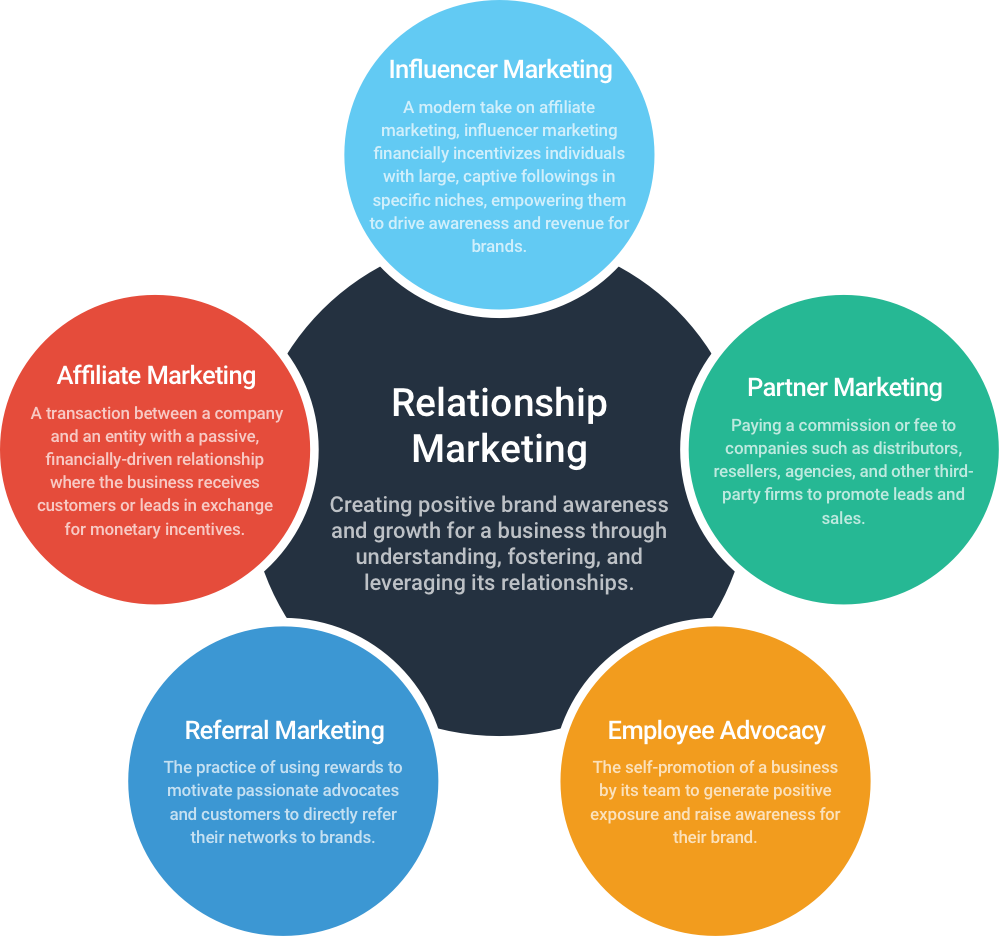
The Value of Face-to-Face Interactions
Face-to-face interactions play a key role in building trust and rapport. Both are essential for establishing long-term client relationships. A study by the Harvard Business Review indicates that 85% of jobs are filled through networking. This statistic underscores the importance of personal connections — they can lead to significant opportunities and make direct interactions invaluable in the marketing industry.
Leveraging Industry Events and Conferences
Industry events and conferences serve as prime venues for networking. These gatherings provide marketing agencies the chance to meet potential clients, industry leaders, and other professionals who can refer clients. Attending events like Content Marketing World or the Social Media Marketing World Conference allows agencies to showcase their expertise, share insights, and firmly establish their presence in the field.
- Identify relevant conferences in your niche.
- Prepare engaging materials, such as business cards and portfolios.
- Follow up with new contacts post-event to maintain the connection.
Building a Referral Network
A strong referral network can greatly enhance client acquisition efforts. Marketing agencies should focus on nurturing relationships with complementary businesses, like web developers or graphic designers, who can provide referrals. According to the ReferralCandy report, referred customers have a 16% higher lifetime value, reinforcing the impact of referrals on sustainable growth.
- Establish partnerships with related service providers.
- Offer incentives for referrals to encourage participation.
- Maintain regular communication with referral partners.
Utilizing LinkedIn for Professional Connections
LinkedIn has surfaced as a powerful tool for networking in the marketing sector. With over 900 million members, it offers an extensive platform for agencies to connect with potential clients and industry peers. Actively engaging in discussions, sharing valuable content, and leveraging LinkedIn Groups can help agencies build a solid professional presence.
- Optimize your LinkedIn profile with relevant keywords.
- Engage with content from potential clients to increase visibility.
- Use LinkedIn’s advanced search features to identify prospects.
Nuance / Expert Layer
Many marketing agencies underestimate the importance of maintaining relationships after an initial contact. It’s a common misconception that networking ends once a business card is exchanged. In reality, continuous engagement is critical. Regular follow-ups, sharing industry insights, or simply checking in can transform a superficial connection into a lasting partnership. Agencies should implement a structured relationship management system to track interactions and schedule follow-ups — this ensures they remain top-of-mind for potential clients.
Practical Application
To effectively leverage networking for client acquisition, marketing agencies should:
- Attend at least three industry events per year to connect with potential clients.
- Develop a structured referral program to incentivize partners.
- Engage actively on LinkedIn by sharing insights and connecting with industry professionals.
- Create a follow-up schedule to maintain relationships with new contacts.
Digital Marketing Strategies for Client Acquisition
This section dives into how digital marketing techniques can effectively draw clients to marketing agencies. By using SEO, content marketing, PPC advertising, and email marketing, agencies boost their visibility and build credibility in a competitive marketplace.

Search Engine Optimization (SEO) for Visibility
Search engine optimization (SEO) serves as a key foundation for increasing a marketing agency’s online visibility. Optimizing a website for relevant keywords allows agencies to climb higher in search engine results pages (SERPs). For example, targeting phrases like “digital marketing services” can lead to organic traffic growth. In 2024, 70% of marketers noted that SEO significantly boosted their client acquisition efforts.
- Conduct keyword research to identify high-impact terms.
- Optimize on-page elements, including meta tags and headers.
- Focus on building quality backlinks to enhance domain authority.
Content Marketing to Showcase Expertise
Content marketing is vital for positioning agencies as industry experts. By generating valuable, informative content, agencies can attract potential clients looking for solutions to their challenges. This approach builds trust and fosters engagement. According to a 2025 report, 60% of consumers prefer brands that offer educational content (this is often overlooked).
- Develop blog posts addressing common industry pain points.
- Create case studies that demonstrate successful client outcomes.
- Use video content to effectively explain complex services.
Pay-Per-Click Advertising for Immediate Reach
Pay-per-click (PPC) advertising gives immediate visibility and drives traffic to marketing agency websites. By investing in platforms like Google Ads or social media ads, agencies can target specific demographics and regions. In 2026, the average ROI for PPC campaigns was reported at 200% — underscoring the effectiveness of this strategy.
- Define target audiences and set clear campaign goals.
- Create compelling ad copy and design to capture attention.
- Monitor and adjust campaigns based on performance metrics.
Email Marketing for Nurturing Leads
Email marketing remains a potent tool for nurturing leads and converting prospects into clients. By building a targeted email list, agencies can send personalized communications that resonate with potential clients. A recent survey indicated that email marketing has an average ROI of 4200%, making it a crucial part of client acquisition strategies.
- Segment email lists based on interests and engagement levels.
- Create drip campaigns to educate leads over time.
- Include strong calls to action to encourage conversions.
While the strategies outlined above lay a solid foundation for client acquisition, agencies must understand that digital marketing is not one-size-fits-all. Common misconceptions suggest that SEO alone will suffice for visibility or that PPC guarantees instant success — this is misleading. An integrated approach that combines multiple channels will yield the best results. Agencies should also be ready to adjust their strategies based on industry trends and client feedback.
To implement these strategies effectively, marketing agencies should first perform a thorough analysis of their current digital presence. Then, they should prioritize SEO efforts by optimizing their website and content. Simultaneously, developing a content marketing plan that showcases expertise and engages potential clients is essential. Finally, agencies must allocate a budget for PPC advertising and establish an email marketing strategy to nurture leads continuously. This comprehensive approach will boost their ability to attract and retain clients effectively.
The Power of Client Testimonials and Case Studies
Showcasing past successes through client testimonials and detailed case studies is a strong strategy for marketing agencies looking to attract new clients. These elements boost credibility and demonstrate proven results that resonate with potential customers.

The Psychology Behind Testimonials
Client testimonials tap into psychological principles that influence decision-making. They evoke trust and credibility by showcasing real experiences from satisfied customers. According to a 2024 study by BrightLocal, 88% of consumers trust online reviews as much as personal recommendations. This statistic underscores the importance of social proof — where positive feedback from previous clients significantly affects potential clients’ perceptions and choices.
Creating Compelling Case Studies
Case studies serve as in-depth narratives that detail the challenges a client faced, the strategies the agency employed, and the results achieved. A well-structured case study typically includes:
- Client Background: Briefly introduce the client and their industry.
- Challenges: Clearly outline the issues the client faced before engaging the agency.
- Solutions: Describe the strategies and tactics implemented to address these challenges.
- Results: Present measurable outcomes — ideally with specific figures (e.g., “increased website traffic by 150% within three months”).
For instance, a marketing agency that helped a retail client boost sales by 40% through targeted social media campaigns can craft a compelling narrative around this success. This provides potential clients with a clear example of effective strategies.
Using Social Proof in Marketing Materials
Incorporating social proof into marketing materials enhances credibility and engages potential clients. This can include:
- Displaying client logos prominently on the agency’s website.
- Creating a dedicated testimonials page that features quotes and endorsements.
- Using video testimonials to add a personal touch and more authenticity.
Research indicates that 79% of consumers say user-generated content highly impacts their purchasing decisions. Thus, strategically placing testimonials and case studies across various platforms can lead to significantly increased conversion rates.
Best Practices for Collecting and Displaying Testimonials
Effective collection and presentation of testimonials require a structured approach. Follow these best practices:
- Request Feedback: After project completion, actively seek testimonials from clients through surveys or direct requests.
- Be Specific: Encourage clients to provide specific details about their experiences and results.
- Showcase Diversity: Feature testimonials from various clients across different industries to appeal to a broader audience.
Additionally, displaying testimonials in context—such as alongside relevant case studies—can enhance their impact and relevance.
While many marketing agencies effectively utilize testimonials and case studies, they often overlook the importance of ongoing updates. Regularly refreshing these materials with new data, results, and client stories ensures that content remains relevant. This also showcases the agency’s continuous growth and adaptability.
To implement these strategies effectively, marketing agencies should first identify key clients willing to provide testimonials. Next, develop a template for case studies that captures essential information and results. Finally, create a multi-channel approach to display these testimonials, ensuring they’re visible on the agency’s website, social media, and marketing collateral. By following these actionable steps, agencies can significantly enhance their appeal and answer the question of how marketing agencies get clients with compelling evidence.
Understanding Your Target Market: Tailoring Your Approach
Identifying and understanding your target market is essential for marketing agencies aiming to attract clients effectively. This section explores the key mechanisms for defining an ideal client and customizing outreach strategies to boost engagement and conversion rates.

Defining Your Target Audience
The first step in reaching potential clients is clearly defining your target audience. This involves segmenting the market using various criteria, like demographics, industry, and purchasing behavior. According to a 2024 report, 66% of successful marketing agencies attribute their client acquisition success to a well-defined target audience. Narrowing down the focus can lead to better allocation of resources and the development of tailored marketing campaigns that resonate with specific groups.
Creating Buyer Personas
Buyer personas are semi-fictional representations of ideal clients, grounded in research and real data. Creating detailed buyer personas helps agencies grasp clients’ motivations, challenges, and decision-making processes. Key components of a buyer persona include:
- Demographics: Age, gender, location, and income level.
- Behavioral Traits: Online habits, preferred communication channels, and content consumption patterns.
- Goals and Challenges: What are their primary objectives? What obstacles do they face?
Agencies with well-defined buyer personas are 2.5 times more likely to nurture leads effectively and convert them into clients.
Customizing Marketing Messages
Once the target audience and buyer personas are established, the next step is customizing marketing messages. Tailored messaging speaks directly to the unique needs and pain points of each segment. This can be achieved through:
- Personalization: Using names, preferences, and past interactions can create a more engaging experience.
- Segmented Campaigns: Developing specific campaigns tailored to different personas — such as industry-specific content — works well.
- Value Proposition Clarity: Clearly articulating how services solve specific problems for each persona is crucial.
Effective customization can increase conversion rates by as much as 30%. This underscores the need for a strategic approach.
Using Analytics to Refine Strategies
Continuous improvement relies heavily on analytics. Agencies should use data analytics tools to monitor campaign performance and client engagement metrics. Key performance indicators (KPIs) like click-through rates, engagement rates, and conversion rates provide insights about effective strategies and areas needing adjustment. Regularly analyzing this data allows for real-time refinements in outreach efforts. In fact, agencies that leverage analytics are five times more likely to achieve marketing goals.
Beyond basic analytics, agencies should also consider A/B testing different messages and campaigns. This identifies which resonate best with target audiences. This iterative process fosters a culture of data-driven decision-making.
Many articles overlook the importance of adapting to market trends (this is often overlooked). The effectiveness of buyer personas and customized messaging can decrease over time as industries evolve. Regularly revisiting and updating buyer personas is essential to ensure they stay relevant, accounting for changes in client behavior, market conditions, and technological advancements.
To apply this knowledge, agencies should take the following actionable steps:
- Conduct thorough market research to define your target audience.
- Create detailed buyer personas that reflect ideal clients.
- Develop and implement tailored marketing messages based on these personas.
- Use analytics to monitor performance and refine strategies continuously.
By systematically applying these strategies, agencies can enhance their client acquisition efforts and effectively tackle the question of how marketing agencies get clients.
Frequently Asked Questions
What are the best ways for marketing agencies to attract clients?
Marketing agencies can attract clients through targeted networking, creating valuable content, and leveraging online advertising. Building a strong portfolio and establishing a unique value proposition also play crucial roles.
How do marketing agencies use social media to get clients?
Marketing agencies utilize social media to showcase their expertise, engage with potential clients, and share success stories. Effective use of platforms like LinkedIn, Facebook, and Instagram can enhance visibility and credibility.
What role do referrals play in getting clients for marketing agencies?
Referrals are critical for marketing agencies, as they often lead to high-quality leads and trust-based relationships. Satisfied clients can provide endorsements that significantly enhance an agency’s reputation and client acquisition efforts.
How long does it typically take for a marketing agency to acquire clients?
The time it takes for a marketing agency to acquire clients can vary widely, typically ranging from a few weeks to several months. Factors such as the agency’s niche, marketing strategy, and existing network influence this timeline.
What mistakes should marketing agencies avoid when seeking clients?
Marketing agencies should avoid unclear messaging, neglecting follow-ups, and failing to understand their target audience. Additionally, overpromising results can damage credibility and client relationships.
Final Thoughts on how do marketing agencies get clients
Attracting clients in the competitive landscape of marketing agencies hinges on a strategic blend of relationship-building, digital presence, and leveraging social proof. The most successful agencies employ targeted networking, effective digital marketing tactics, and compelling client testimonials to create a robust client acquisition framework that adapts to evolving market demands.
To enhance client acquisition efforts, marketing agencies should implement a structured referral program that incentivizes existing clients to refer new business, thereby capitalizing on the trust inherent in personal recommendations.
Ready to boost your client base? Consider consulting a google ads expert to implement proven strategies that will drive results for your marketing agency.
Grasping the nuances of client acquisition is essential for marketing agencies seeking sustainable growth and long-term success in an ever-changing industry.