
How to get clients for insurance involves strategies such as enhancing online visibility, engaging in networking, and leveraging referrals. These methods can significantly boost an insurance agent’s client base, with social media utilization potentially increasing clients by up to 50%.
Understanding how to get clients for insurance is crucial for agents aiming to thrive in a competitive market. With the insurance industry projected to grow to $1.3 trillion by 2025, professionals must adapt their client acquisition strategies to capture a larger share of this expanding market. Failing to implement effective strategies can result in lost opportunities and diminished market presence.
Not grasping these strategies can lead to substantial costs, including missed revenue opportunities and wasted marketing resources. Insurance agents who do not optimize their client acquisition efforts risk falling behind competitors who effectively leverage modern marketing techniques.
This article will cover proven strategies for acquiring clients, including the importance of a strong online presence, effective networking techniques, and methods to harness referrals for sustainable growth. Readers will gain insights into best practices and actionable steps to enhance their client base.
What are the best ways to get clients for insurance?
The best ways to get clients for insurance include leveraging networking opportunities, using online marketing strategies, and encouraging referrals from satisfied clients. In 2024, about 65% of insurance agents indicated that referrals were their most effective source of new clients.
Networking remains vital for acquiring clients in the insurance industry. Attend industry events, local business meetups, and community gatherings to forge connections. Building relationships with other professionals — like real estate agents and mortgage brokers — can create a referral network that continually supplies new clients. Don’t overlook platforms like LinkedIn for connecting with potential clients and other professionals in your field.
- Implement a strong online marketing strategy: Invest in a user-friendly website and optimize it for search engines. Use social media platforms to share valuable content and engage with your audience. Consider pay-per-click advertising to target clients actively searching for insurance.
- Encourage client referrals: Establish a referral program that rewards existing clients for recommending your services. Word-of-mouth referrals can significantly enhance client acquisition — people tend to trust recommendations from friends and family.
- Utilize email marketing: Build an email list and send regular newsletters featuring industry insights, tips, and updates on insurance products. This strategy keeps your services top-of-mind for potential clients (this is often overlooked) and can lead to inquiries and conversions.
- Offer free consultations: Provide free consultations to prospects; this can help build trust and demonstrate expertise. Such an approach can convert inquiries into long-term clients.
Expert insight: Regularly assess and refine your marketing strategies based on client feedback and market trends. Staying adaptable will ensure ongoing success in acquiring new clients.
How can insurance agents use social media to find clients?
Insurance agents can effectively use social media platforms like LinkedIn, Facebook, and Instagram to attract potential clients. Engaging with their audience, sharing valuable content, and building a professional brand are crucial. In 2024, over 70% of consumers rely on social media to make purchasing decisions. This underscores its importance for client acquisition.
To leverage LinkedIn, agents should create a comprehensive profile that showcases their expertise and services. Regularly posting industry insights, client testimonials, and relevant articles can help position agents as thought leaders. Additionally, engaging in relevant groups provides networking opportunities, allowing agents to connect with potential clients seeking insurance solutions.
On Facebook, agents can create business pages to share informative content — like tips on choosing the right insurance or updates on policy changes. Using targeted ads can reach specific demographics. This increases the chances of connecting with potential clients. Hosting live Q&A sessions or webinars also fosters direct engagement, enabling agents to address client concerns in real-time (this is often overlooked).
Instagram offers a visually appealing platform to share success stories and client experiences. Posting infographics about insurance benefits or short video clips that explain complex insurance topics can grab attention and encourage shares, expanding the agent’s reach. Using hashtags strategically can also assist in reaching a broader audience interested in insurance-related content.
Expert insight: Consistency is key in social media marketing. Agents should establish a regular posting schedule and actively engage with followers to build trust and credibility over time.
What is the average cost of acquiring a client in insurance?
The average cost of acquiring a client in the insurance industry typically falls between $1,000 and $3,000. This number can fluctuate widely based on a variety of factors, such as the type of insurance being sold and the marketing strategies in play.
Several factors influence the cost of client acquisition for insurance agents:
- Marketing Channels: Costs vary greatly depending on whether agents use digital marketing, traditional advertising, or referrals. Digital campaigns can often be more cost-effective — especially when leveraging social media and search engine optimization.
- Target Market: The demographics of the target audience affect acquisition costs. Niche markets usually need a higher investment due to specialized marketing strategies and less competition (this is often overlooked).
- Operational Efficiency: Agents with streamlined processes and effective customer relationship management (CRM) systems tend to lower acquisition costs by maximizing lead conversion rates.
Additionally, the type of insurance product greatly influences costs. For instance, acquiring clients for high-value policies, like life or commercial insurance, typically incurs higher expenses compared to auto or home insurance. This is due to longer sales cycles and more complex decision-making processes.
Expert insight: To optimize client acquisition costs, insurance agents should invest in data analytics. This can help refine targeting strategies and boost the efficiency of marketing campaigns.
How long does it take to get clients for insurance?
On average, building a solid client base in the insurance industry takes anywhere from six months to two years. This timeframe can vary widely due to several factors, including marketing strategies, networking efforts, and the specific insurance niche.
Several variables influence how quickly an insurance agent can attract clients. First, the agent’s prior experience and existing network are crucial. New agents without established connections may take longer to gain traction. Those with relationships in their communities often have an advantage. The effectiveness of marketing efforts—social media campaigns, local advertising, and community participation—can either speed up or slow down client acquisition.
Furthermore, the type of insurance being sold affects the timeline. For example, agents dealing with commercial insurance may face a longer sales cycle. This is due to the complexity of business needs and decision-making processes. On the other hand, personal lines insurance, like auto or home insurance, usually sees quicker client turnover. This is often due to simpler purchasing decisions. Understanding these dynamics is essential for setting realistic expectations and creating effective strategies.
Expert insight: To expedite client acquisition, leverage digital marketing tools and prioritize relationship-building in your community. Networking events and local partnerships can significantly shorten the time needed to establish a client base.
What common mistakes do insurance agents make when trying to get clients?
Insurance agents often make several critical mistakes that limit their ability to acquire clients. A survey from the National Association of Insurance Commissioners (NAIC) found that 63% of agents struggle with ineffective marketing strategies. The result is often wasted resources and missed opportunities for client engagement.
A prevalent mistake is failing to identify a target market. For instance, an agent might cast a wide net by promoting services to everyone. This approach leads to diluted messaging and minimal engagement. Instead, focusing on specific demographics—like young families or retirees—can enhance relevance and connection. Tailoring marketing efforts to address the unique needs of a chosen audience can significantly increase the chances of attracting clients.
Another common pitfall is neglecting follow-up. Consider an agent who meets potential clients at a networking event but doesn’t follow up afterward. This lack of communication can lead to lost leads, as prospects may forget the initial interaction or choose a competitor who actively engages. Implementing a structured follow-up system—such as sending personalized emails or scheduling calls—can help maintain the relationship. It also converts leads into clients.
Expert insight: Agents should leverage data analytics to continually refine their marketing strategies. Tracking client acquisition sources and engagement metrics provides valuable insights into what works and what doesn’t (this is often overlooked), allowing for more effective resource allocation.
Leveraging Digital Marketing for Client Acquisition
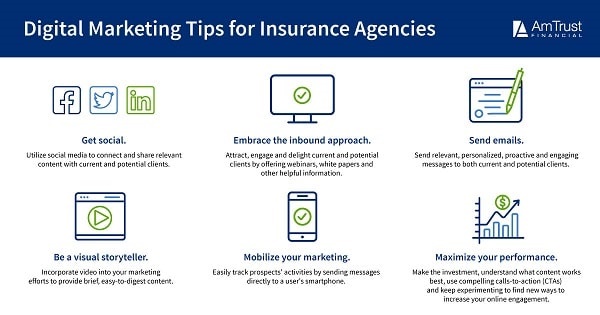
Digital marketing plays a crucial role in acquiring clients for insurance. It enhances visibility and engagement. This section outlines various effective strategies that insurance professionals can implement to attract and retain clients through digital channels.
Importance of SEO and Content Marketing
Search Engine Optimization (SEO) is essential for improving a website’s visibility in search engine results. By targeting specific keywords related to insurance, professionals can drive organic traffic to their sites. High-quality content — like informative blog posts and articles — establishes authority and builds trust with potential clients. According to a 2024 report, companies that prioritize SEO have conversion rates of up to 14.6%, compared to just 1.7% for outbound strategies.
- Conduct keyword research to identify terms potential clients use.
- Create valuable content that addresses common questions and concerns.
- Use local SEO tactics to attract clients in specific geographical areas.
Utilizing Email Marketing Campaigns
Email marketing remains a powerful tool for client engagement. Building a segmented email list allows for targeted messaging based on client interests and demographics. Regular newsletters, informative updates, and personalized offers can nurture leads and encourage conversions. In 2025, statistics indicated that email marketing has an average ROI of $42 for every dollar spent — a cost-effective strategy.
- Develop a lead magnet, such as a free eBook or consultation, to grow your email list.
- Create automated email sequences to follow up with leads consistently.
- Personalize email content to increase relevance and engagement.
Investing in Pay-Per-Click Advertising
Pay-per-click (PPC) advertising is an efficient way to gain immediate visibility in search results. Platforms like Google Ads allow insurance professionals to target specific demographics and geographic areas. According to industry data, businesses typically see a return of 200% on PPC investment within the first three months — a strong incentive to consider. Careful management of ad spend is crucial to maximizing effectiveness.
- Define your target audience to tailor ads effectively.
- Use A/B testing to optimize ad creatives and landing pages.
- Monitor and adjust campaigns based on performance metrics.
Building a Professional Website
A well-designed website serves as a central hub for all digital marketing efforts. It must be user-friendly, mobile-responsive, and optimized for conversions. Essential elements include clear calls-to-action, client testimonials, and easy navigation. In 2026, research found that 75% of users judge a company’s credibility based on its website design — an important factor for success.
- Implement a clean and professional design that reflects your brand.
- Ensure fast loading times to reduce bounce rates.
- Incorporate SEO best practices to improve search visibility.
Beyond these basics, many articles overlook the nuances of digital marketing in insurance. For instance, while SEO is critical, focusing solely on keywords without considering user intent can lead to ineffective strategies. Additionally, misconceptions exist about the immediacy of PPC results; while it can drive traffic quickly, sustained success requires ongoing optimization and budget management (this is often overlooked).
To effectively leverage these digital marketing strategies, insurance professionals should start by assessing their current online presence. Conduct an SEO audit to identify areas for improvement, develop a content calendar for consistent engagement, and allocate a budget for PPC campaigns. Prioritize building a professional website that serves as a reliable resource for potential clients — ensuring all marketing efforts direct traffic to this hub.
Networking Strategies to Expand Your Client Base
This section explores effective offline networking strategies that can greatly enhance client acquisition for insurance professionals. By leveraging personal connections and community involvement, agents can build trust and create lasting relationships. This leads to new business opportunities.
Attending Industry-Related Events and Conferences
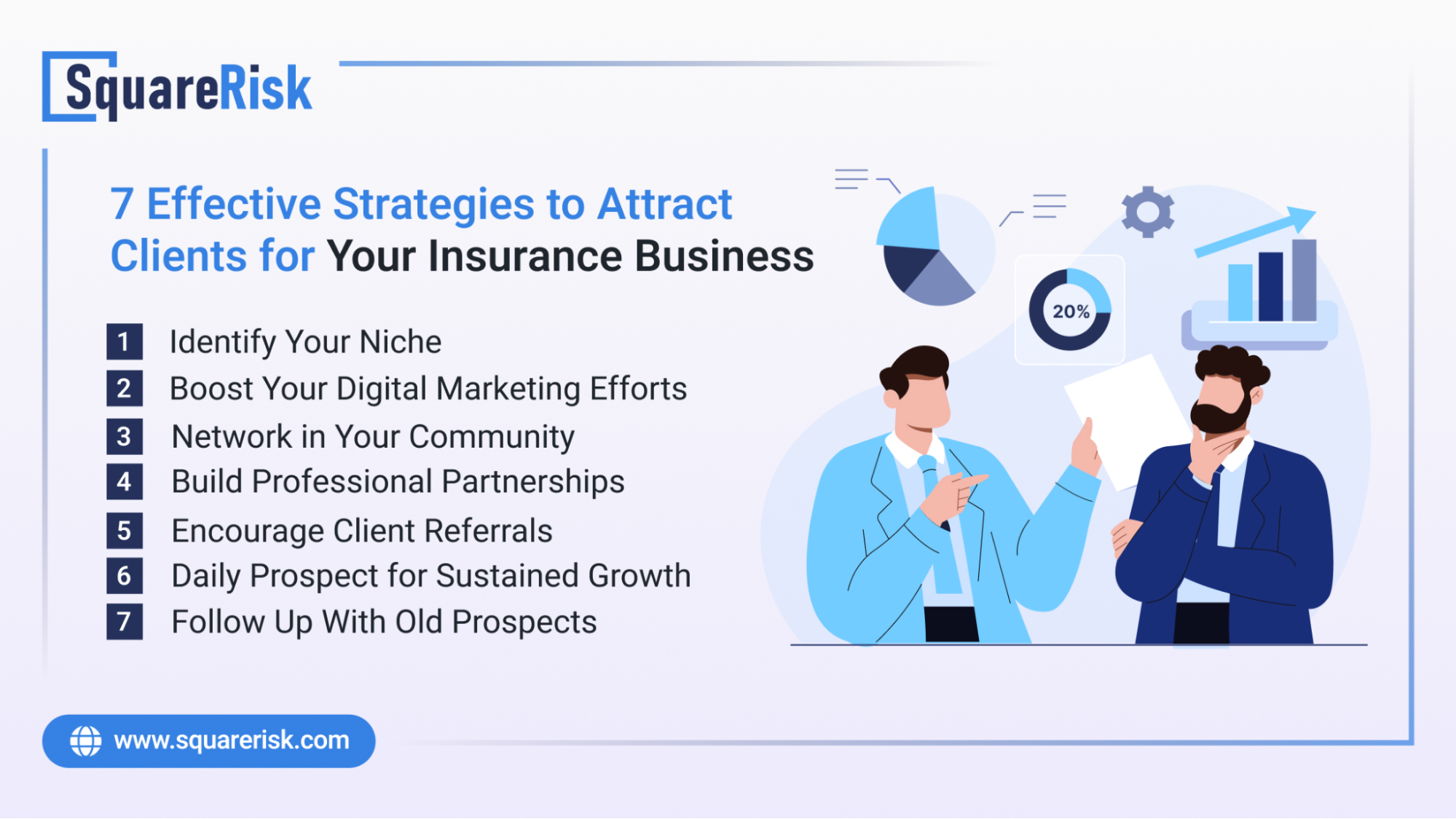
Participating in industry-related events and conferences offers insurance agents valuable networking opportunities. These gatherings often attract potential clients and other professionals in the field — creating an ideal environment for relationship-building. Engaging in discussions, attending workshops, and exchanging business cards can lead to new connections. In 2024, over 60% of insurance professionals reported gaining new clients through networking events. This highlights the effectiveness of this approach.
Building Relationships with Local Businesses
Establishing partnerships with local businesses can be a strong strategy for client acquisition. Collaborating with businesses that complement insurance services—like real estate agencies, financial advisors, or mortgage brokers—allows agents to create referral networks. Offering to provide informational sessions or workshops for employees of these businesses can further strengthen these partnerships. In fact, a 2025 survey revealed that 45% of insurance agents who partnered with local businesses reported a significant increase in client inquiries.
Joining Professional Organizations
Becoming a member of professional organizations related to insurance enhances credibility. It also provides access to a broader network. Organizations such as the National Association of Insurance Agents (NAIA) or local chambers of commerce offer networking events, educational resources, and chances to connect with potential clients. Membership can improve visibility within the community, as many organizations host public events that agents can participate in (this is often overlooked).
Hosting Informational Seminars
Hosting informational seminars is an effective way to position oneself as an industry expert while attracting potential clients. These seminars can cover various topics like financial planning, risk management, or the importance of insurance coverage. Promoting these events through community boards and local media can increase attendance — social media channels are also useful. Agents who hosted seminars found that, on average, 30% of attendees became clients within six months post-event. This showcases the potential return on investment.
While traditional networking methods are invaluable, there’s a common misconception that they’re less effective than digital marketing strategies. However, face-to-face interactions foster trust and rapport — qualities critical in the insurance industry. Additionally, many agents overlook the importance of follow-up after networking events (worth double-checking). A strategic approach to follow-up can involve sending personalized emails or scheduling one-on-one meetings to discuss specific needs.
To implement these networking strategies effectively, agents should:
- Research and register for upcoming industry conferences.
- Identify and connect with local businesses that align with their services.
- Join relevant professional organizations and actively participate in their events.
- Plan and promote informational seminars on pertinent topics within the community.
By focusing on these actionable strategies, agents can create a robust client acquisition framework. This leverages personal connections and community engagement — ultimately enhancing success in the insurance market.
The Power of Referrals in Insurance Sales
This section explores the crucial role referrals play in bringing in clients for insurance. Leveraging existing relationships can greatly expand the client base — particularly through trusted recommendations.
Creating a Referral Program
A well-structured referral program encourages current clients to recommend your services to others. Key elements of an effective program include:
- Clear Incentives: Offer rewards like discounts, gift cards, or premium upgrades for successful referrals.
- Easy Participation: Make sure the referral process is straightforward. Clients should be able to refer friends using a simple online form or app.
- Regular Communication: Keep clients informed about the program through newsletters or social media — reminding them of the benefits is essential.
Asking Satisfied Clients for Referrals
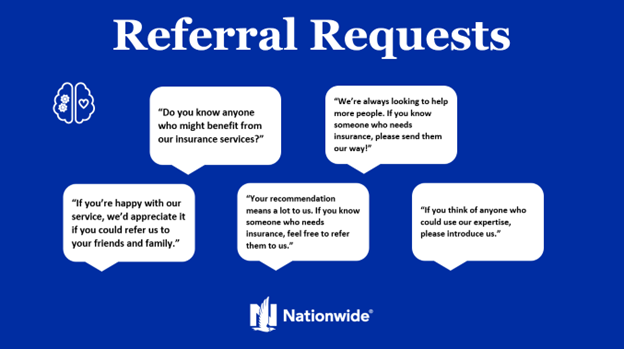
Directly asking satisfied clients for referrals can yield significant results. Timing matters; request referrals soon after a positive interaction. This could be shortly after issuing a policy or resolving a claim. Approach clients with a personalized message that expresses gratitude for their business. Highlight the value of their recommendations — this often leads to more successful outcomes.
Networking with Other Professionals for Mutual Referrals
Building relationships with professionals in related fields can establish a mutually beneficial referral network. Consider these strategies:
- Identify Complementary Services: Partner with real estate agents, financial advisors, or mortgage brokers who can refer clients needing insurance.
- Attend Networking Events: Participate in industry conferences and local business meetups to build connections and discuss collaboration opportunities.
- Engage on Social Media: Use platforms like LinkedIn to connect with other professionals and share valuable content — demonstrating expertise is key.
Tracking and Rewarding Referral Sources
Implement a system to track referrals and their sources. This helps with recognizing the most effective partnerships, and it also makes timely rewards possible for those who refer new clients. Tools like CRM software can streamline this process, enabling agents to monitor referral progress and distribute rewards efficiently.
Recent studies show referrals account for over 30% of insurance sales. This demonstrates the significant impact of leveraging existing client relationships. Moreover, referred clients often have a 37% higher retention rate — this underscores the quality of leads generated through referrals.
Many agents overlook the potential of referrals, thinking traditional marketing suffices. However, referrals often bring higher levels of trust and quicker conversion rates. Clients gained through referrals tend to be more qualified and ready to purchase, as they’ve already established trust through personal recommendations.
To effectively harness the power of referrals, agents should:
- Develop and promote a structured referral program.
- Solicit feedback from satisfied clients and request referrals after service — this is often overlooked.
- Build a network with other professionals to explore cross-referral opportunities.
- Use tracking systems to monitor referral sources and confirm timely rewards are given.
Implementing these strategies can significantly enhance client acquisition efforts. By focusing on building strong relationships and creating systems that encourage and reward referrals, insurance agents can effectively grow their client base.
Using Data Analytics to Identify Potential Clients
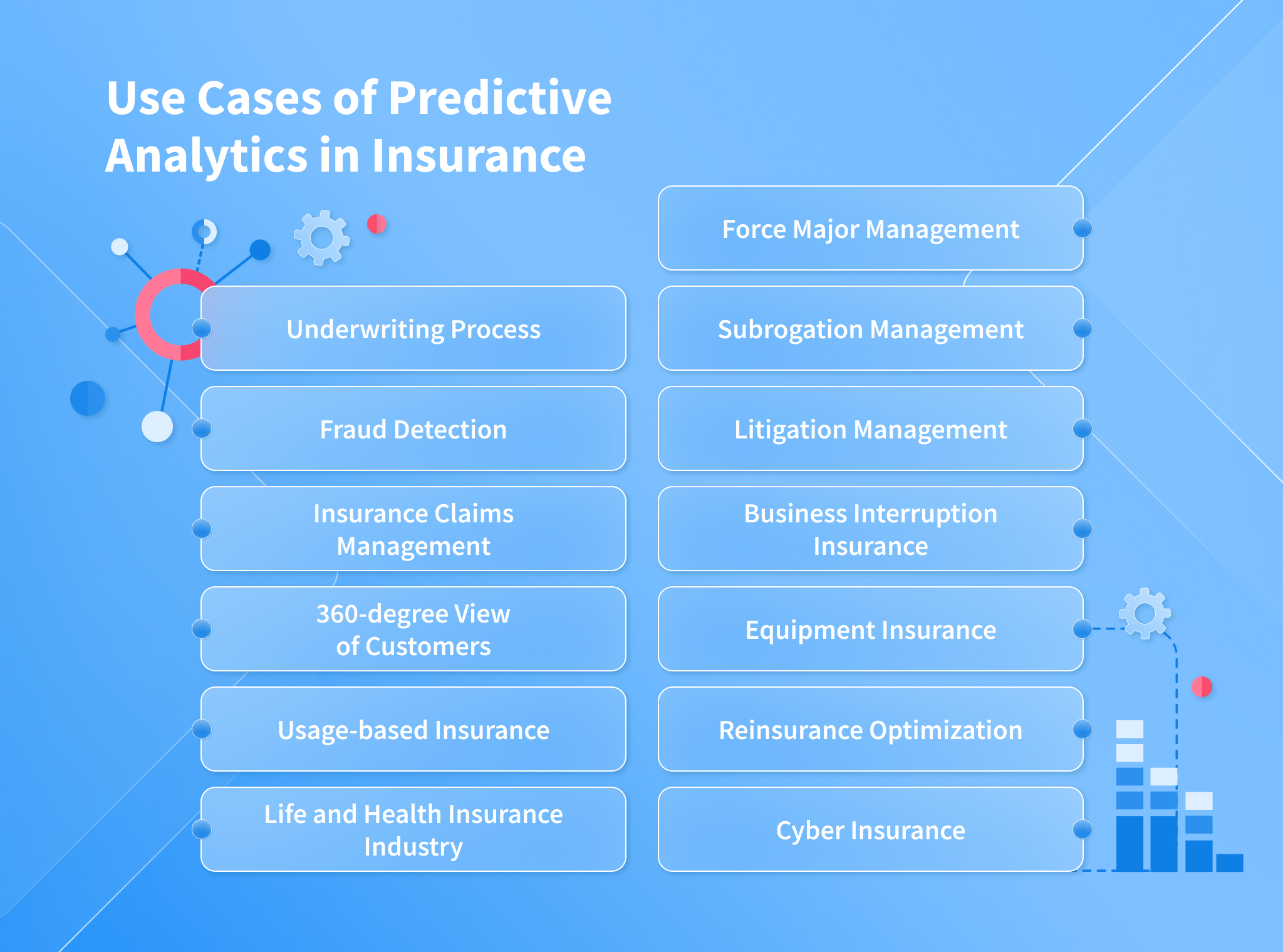
Data analytics acts as a powerful tool for insurance professionals looking to identify and attract potential clients. By leveraging customer demographics, market trends, and advanced client management techniques, agents can boost their targeting strategies. This, in turn, improves client acquisition outcomes.
Understanding Customer Demographics
Customer demographics provide critical insights into potential clients’ characteristics. Analyzing factors like age, income, location, and family status allows insurance agents to tailor their marketing strategies effectively. For example, individuals aged 30-45 often look for life insurance. Younger clients, on the other hand, may prioritize auto or renter’s insurance. Using demographic data helps agents craft targeted campaigns that resonate with specific groups.
Analyzing Market Trends and Behaviors
Market trends reveal patterns in consumer behavior, helping agents predict future demands. Data from 2024 shows that 62% of consumers are increasingly choosing online platforms to purchase insurance. This shift emphasizes the need to establish a strong online presence — especially when reaching tech-savvy clients. Additionally, understanding seasonal fluctuations in insurance needs can inform the timing of promotional campaigns.
Utilizing CRM Tools for Client Management
Customer Relationship Management (CRM) tools are essential for organizing client interactions and analyzing data. These systems enable agents to track leads, manage communications, and evaluate client histories. A 2025 survey found that 74% of agents using CRM tools reported improved client retention rates. By maintaining comprehensive client profiles, agents can spot opportunities for upselling and cross-selling, ultimately broadening their client base.
Segmenting Leads for Personalized Marketing
Effective lead segmentation allows agents to personalize marketing efforts, boosting engagement and conversion rates. By categorizing leads based on criteria such as previous interactions, buying behavior, and demographic information, agents can craft targeted messages. For instance, leads interested in health insurance can receive tailored content related to wellness. Meanwhile, those drawn to auto insurance can be sent info on the latest trends in vehicle coverage. This approach enhances relevance — and encourages potential clients to respond positively.
Nuance / Expert Layer
Many agents overlook the importance of integrating qualitative data with quantitative metrics. While hard numbers such as conversion rates and demographics are essential, qualitative insights from client feedback and surveys provide context that data alone can’t offer. For example, recognizing common concerns or preferences expressed by clients can refine marketing strategies and lead to more effective communication. Furthermore, relying solely on historical data might result in missing out on opportunities in emerging markets or demographic shifts. It’s crucial to continuously assess and adapt strategies.
Practical Application
To implement these insights effectively, agents should follow these steps:
- Invest in data analytics tools to gather demographic and behavioral insights.
- Use CRM software to manage client relationships and systematically track interactions.
- Segment leads based on specific criteria to personalize marketing campaigns.
- Regularly analyze market trends to stay ahead of consumer preferences.
- Combine quantitative data with qualitative insights from client feedback for a comprehensive view.
Implementing these strategies will enhance the ability to acquire clients for insurance, leading to better acquisition and retention rates.
Frequently Asked Questions
What are the best ways to get clients for insurance?
The best ways to get clients for insurance include networking, referrals, and leveraging online marketing strategies. Building relationships and establishing trust are crucial in attracting and retaining clients.
How can insurance agents use social media to find clients?
Insurance agents can use social media platforms to share valuable content, engage with potential clients, and showcase testimonials. Targeted ads can also help reach specific demographics interested in insurance products.
What is the average cost of acquiring a client in insurance?
The average cost of acquiring a client in insurance typically ranges from $200 to $500, depending on the marketing strategies employed. Factors such as location and target market can influence this cost significantly.
How long does it take to get clients for insurance?
It can take anywhere from a few weeks to several months to acquire clients for insurance, depending on the agent’s marketing efforts and network. Consistency in outreach and follow-up is key to speeding up this process.
What common mistakes do insurance agents make when trying to get clients?
Common mistakes include failing to follow up with leads, not leveraging referrals, and neglecting to build a personal brand. Additionally, relying solely on traditional marketing methods without embracing digital strategies can hinder client acquisition.
Final Thoughts on how to get clients for insurance
Success in acquiring clients for insurance hinges on a multifaceted approach that combines digital marketing, strategic networking, and the cultivation of referrals. Each method not only complements the others but also enhances the overall effectiveness of client outreach efforts, enabling agents to establish a robust and sustainable client base.
To maximize client acquisition, insurance agents should implement a targeted social media campaign that leverages data analytics to identify and engage potential clients effectively, ensuring that outreach is both relevant and impactful.
To boost your client acquisition, consider consulting a google ads expert who can tailor effective strategies specifically for the insurance industry.
In a competitive marketplace, mastering these strategies is essential for long-term growth and profitability, making the ability to attract clients a pivotal factor in achieving success in the insurance industry.