
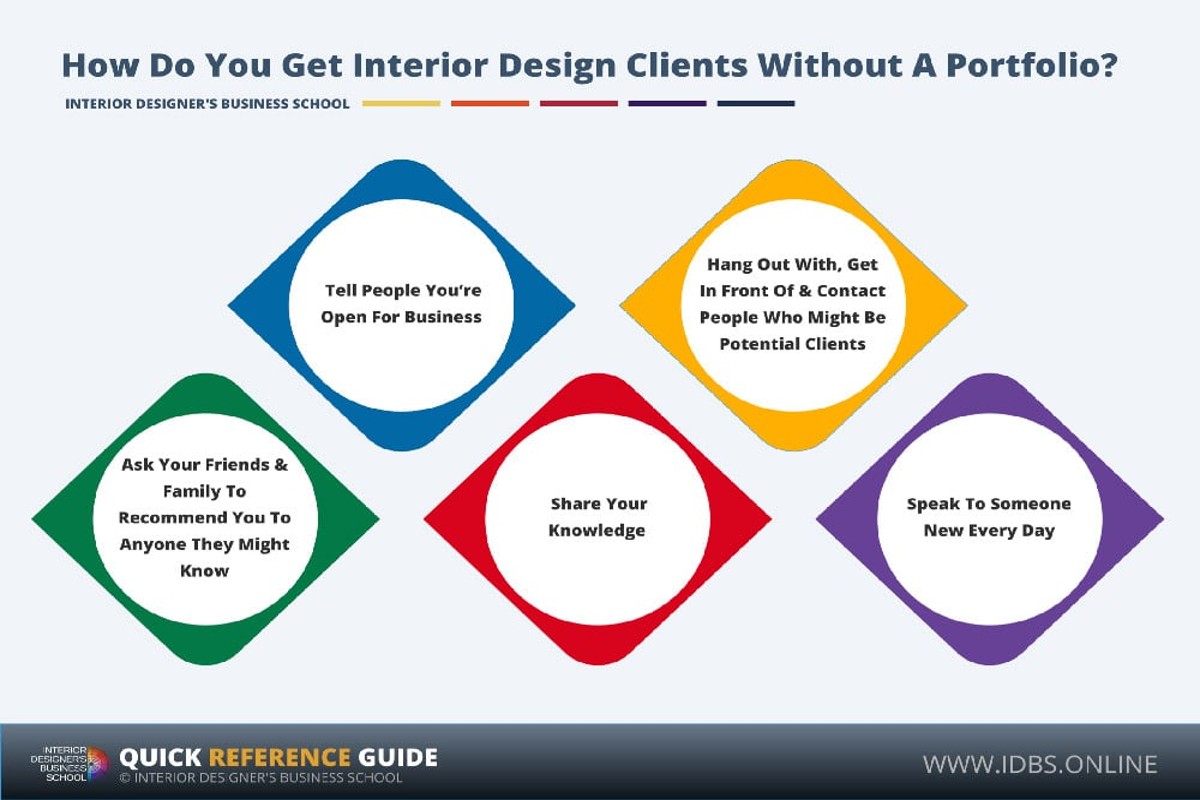
How to get clients for interior design involves strategies that focus on creating a compelling portfolio, utilizing social media platforms effectively, and engaging in community networking. A strong client base is crucial for sustaining a successful interior design business, with 70% of designers indicating that referrals serve as their primary source of new clients.
Understanding how to attract clients for interior design is essential for professionals aiming to thrive in a competitive market. With the global interior design services market projected to reach $255 billion by 2025, mastering client acquisition strategies can significantly influence a designer’s success. Failing to effectively attract clients may hinder growth opportunities and limit revenue potential.
Neglecting to grasp effective client acquisition can lead to substantial losses in revenue, wasted marketing resources, and a diminished competitive edge in the interior design field. Businesses that do not prioritize these strategies risk falling behind their peers, who may capitalize on better client relationships and referrals.
This article will explore proven strategies for gaining clients in interior design, including building a standout portfolio, optimizing social media presence, and leveraging networking opportunities within local communities. Readers will gain actionable insights to enhance their client acquisition efforts and drive business growth.
What are the best ways to get clients for interior design?
Effective marketing strategies and networking opportunities are among the best ways to get clients for interior design. Using social media, building an online portfolio, and attending industry events can really enhance visibility. According to recent data, 73% of interior designers report that referrals and repeat clients are their primary sources of business.
Start by establishing a strong online presence. Create a professional website that showcases your portfolio, client testimonials, and services offered. Use social media platforms like Instagram and Pinterest — they’re visually driven and popular among design enthusiasts. Regularly post engaging content, including project updates, design tips, and behind-the-scenes insights to build a following and attract potential clients (this is often overlooked).
Networking is just as crucial. Attend local home and design events, trade shows, and workshops to connect with potential clients and professionals in the industry. Join associations such as the American Society of Interior Designers (ASID) or the International Interior Design Association (IIDA), which can provide valuable resources and networking opportunities. Additionally, collaborating with real estate agents and builders can lead to referrals. They often have clients seeking interior design services.
Expert insight: Building strong relationships with clients and industry professionals is essential. Follow up with past clients — maintain communication to encourage referrals and repeat business.
How can social media help interior designers find clients?
Social media platforms like Instagram and Pinterest are vital for interior designers wanting to showcase their work and attract potential clients. In fact, 73% of millennials find their purchasing decisions influenced by social media. This underscores its significant role in shaping consumer behavior.
For instance, an interior designer might create a visually striking Instagram profile that highlights a portfolio of completed projects. Using high-quality images and engaging captions can draw in followers who resonate with their style. By adding relevant hashtags—like #InteriorDesign or #HomeDecor—these posts can reach a broader audience, which often leads to inquiries from potential clients. Instagram Stories and Reels provide additional avenues to share behind-the-scenes content, engaging followers further and offering a glimpse into the designer’s personality and process.
Pinterest is another powerful platform for both inspiration and discovery. Designers can create boards categorizing their work, such as “Modern Living Rooms” or “Cozy Bedrooms.” This allows users to pin their favorite images easily. Given that Pinterest users typically search for ideas for home projects, a strong presence can result in direct inquiries or referrals. For example, when a user pins a designer’s work, it can drive traffic back to the designer’s website or social media, boosting visibility and increasing the chances of attracting new clients.
Expert insight: Consistency in posting and engaging with audiences on social media is crucial. Regularly updating profiles and responding to comments can greatly enhance visibility. It also fosters relationships with potential clients—something that’s often overlooked.
What is the average cost of hiring an interior designer?
The average cost of hiring an interior designer usually falls between $50 to $250 per hour. This depends on the designer’s experience and the project’s complexity. For full-service design projects, total costs can range from $5,000 to $50,000 or more — this hinges on the size and scope of the work involved.
Several factors influence the pricing structure of interior design services. Firstly, the designer’s experience and reputation significantly impact fees. Established designers with a solid portfolio often charge more than newer professionals. Secondly, project complexity plays a role; larger projects that need extensive planning typically incur higher costs. Additionally, location matters; designers in urban areas or regions with a higher cost of living usually have elevated rates (this is often overlooked).
- Experience and Reputation: More experienced designers command higher fees.
- Project Scope: Larger or more complex projects require more time and resources — increasing costs.
- Location: Designers based in metropolitan areas generally charge more due to the higher cost of living.
- Services Offered: Additional services like project management, sourcing materials, or custom furnishings can add to the overall cost.
Expert insight: Clients should discuss budget expectations upfront. Clarifying the pricing model — whether hourly, flat fee, or a percentage of the overall project cost — is crucial. This helps avoid surprises during the design process.
How long does it take to get clients as a new interior designer?
Typically, new interior designers can expect to attract clients within 6 to 12 months after starting their business. Factors like networking, marketing efforts, and local demand can significantly impact this timeline.
Several factors influence how long it takes to build a client base in the interior design industry. The effectiveness of marketing strategies is crucial. Designers who actively engage in social media marketing and create a professional website often see quicker results. Participating in local events also helps. For instance, those who use platforms like Instagram and Pinterest to showcase their work tend to attract potential clients more rapidly than those relying solely on traditional advertising.
Networking is an essential component as well. Building relationships with contractors, real estate agents, and other industry professionals often leads to referrals — which can significantly shorten the time to acquire clients. Designers attending industry events, joining local business organizations, or participating in community projects usually expand their reach and build a reputation faster. Regional market demand varies too; areas with a higher concentration of homeowners or a booming real estate market often present opportunities for quicker client acquisition.
Expert insight: Focus on building a diverse portfolio and cultivating a strong online presence early in your career. Engaging with potential clients through targeted social media campaigns can speed up your client acquisition process — often leading to projects within months of starting your practice. (This is often overlooked.)
What are common mistakes to avoid when trying to get clients?
Common mistakes in client acquisition include neglecting marketing strategies, failing to establish a strong online presence, and underpricing services. According to a 2023 survey, 60% of interior designers say ineffective marketing is a significant barrier to attracting clients.
To avoid pitfalls when seeking clients, consider these best practices:
- Neglecting a Professional Website: A well-designed, user-friendly website is essential. It serves as your portfolio and first impression. Make sure it highlights your best work, includes client testimonials, and features clear contact information.
- Ignoring Social Media: Platforms like Instagram and Pinterest are crucial for showcasing design projects. Regularly post high-quality images of your work. Engage with followers to build a community and attract potential clients.
- Underpricing Services: Setting prices too low can undervalue your work — and deter serious clients. Research industry standards to establish competitive yet fair pricing. It should reflect your expertise and the quality of your services.
- Lack of Networking: Building relationships with other professionals in related fields, such as real estate agents and contractors, can lead to referrals. Attend industry events and engage in local business groups to expand your network (this is often overlooked).
- Forgetting Follow-Ups: After initial consultations or meetings, follow up with potential clients. A simple thank-you email or a check-in can reinforce your interest — and keep you top-of-mind.
Expert insight: Prioritize building a unique brand identity to differentiate yourself in a crowded market. Consistency in your messaging and visual presentation can significantly enhance client trust and recognition.
Building a Strong Portfolio: Essential for Client Attraction
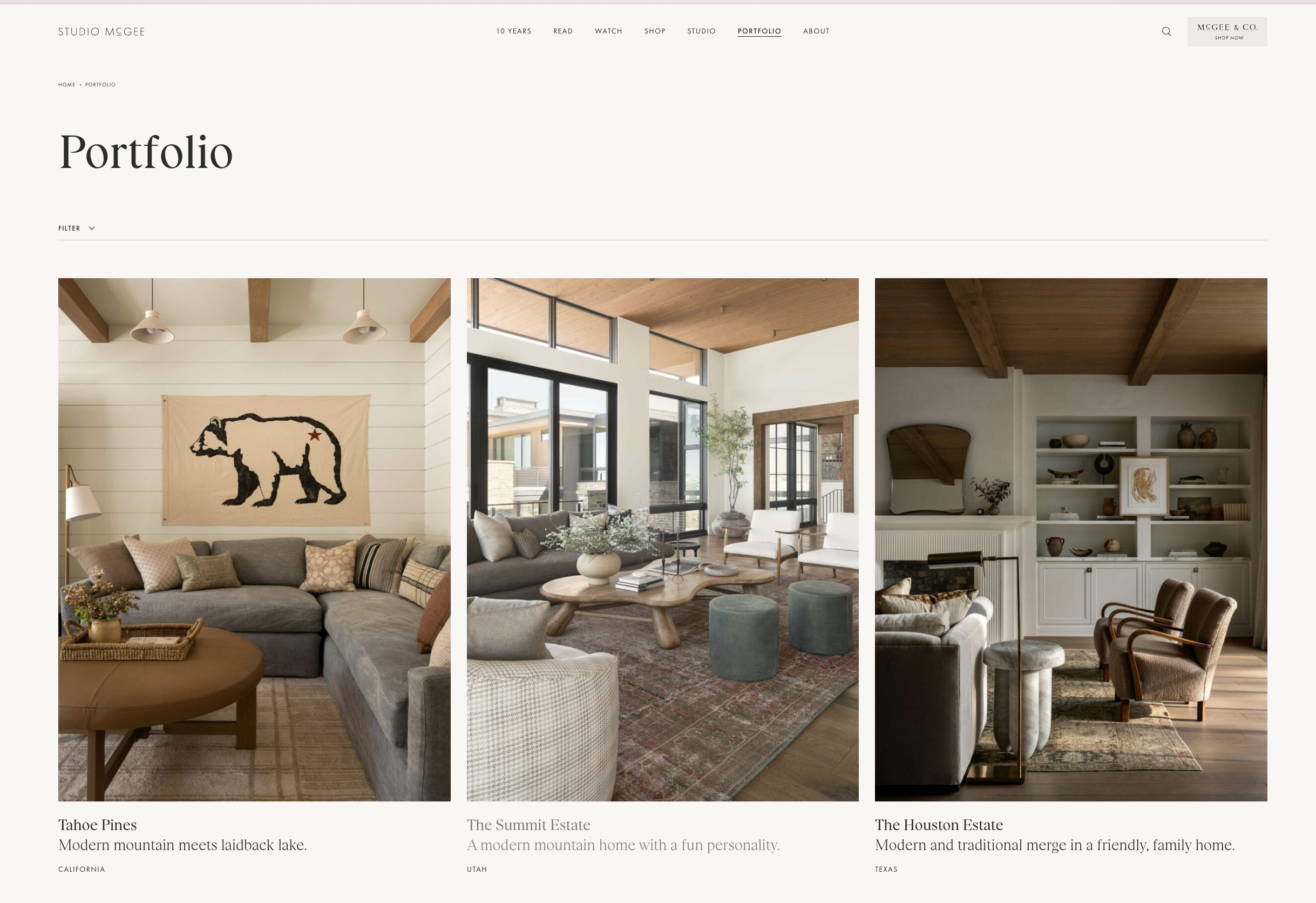
A compelling portfolio is a vital tool for attracting clients in interior design. It acts as a visual resume, showcasing expertise, creativity, and versatility. This makes it crucial for establishing credibility in a competitive design market.
Select Diverse Projects
Showcasing a variety of project types demonstrates versatility and adaptability. Include residential, commercial, and specialized projects to reach a broader audience. Highlight different styles — modern, traditional, and eclectic — to appeal to clients with diverse tastes. This diversity highlights your skill set and positions you as a well-rounded designer capable of meeting various client needs.
High-Quality Images and Detailed Descriptions
Visual appeal ranks high in an interior design portfolio. Use high-resolution images that truly capture the essence of each project. Include detailed descriptions explaining the design concept, materials used, and any challenges overcome during the project (this is often overlooked). This context enriches the viewer’s understanding and appreciation of your work. A 2024 survey found that 78% of potential clients prioritize visual content when selecting a designer.
Client Testimonials
Incorporating client testimonials enhances credibility significantly. Positive feedback not only validates skills but also builds trust with prospective clients. Aim for testimonials that emphasize your communication, professionalism, and ability to meet deadlines. Display these prominently within your portfolio — or as a dedicated section — to reinforce your reputation.
Regular Updates to Reflect Current Trends
Interior design is an ever-evolving field with trends shifting frequently. Regularly updating your portfolio showcases recent projects and emerging styles. This practice keeps your work relevant and signals to potential clients that you stay informed about industry developments. A study from 2025 indicated that designers who update their portfolios at least twice a year see an impressive 30% increase in client inquiries.
Nuance and Expert Insights
Many designers underestimate the power of storytelling in their portfolios. While showcasing beautiful images is essential, weaving a narrative around each project creates an emotional connection. Discuss the client’s needs, the design process, and how the final outcome enhanced their space. This approach sets your portfolio apart from others that may present similar work without context. Additionally, don’t fall for the misconception that a portfolio should only contain completed projects; including conceptual designs can also attract clients looking for innovative ideas.
Practical Application
To maximize your portfolio’s effectiveness, follow these steps:
- Compile a diverse selection of your best projects.
- Invest in professional photography to guarantee high-quality images.
- Write compelling descriptions that clearly highlight your design process and solutions.
- Collect and feature client testimonials strategically throughout your portfolio.
- Review and update your portfolio at least biannually to remain current with trends.
By applying these strategies, attracting clients effectively will become more achievable, ultimately supporting growth in your interior design business.
Leveraging Networking and Partnerships for Growth
Networking and forming strategic partnerships are crucial for interior designers looking to expand their client base. This section explores actionable strategies to connect with potential clients and industry professionals — ultimately driving business growth.
Attend Industry Events and Trade Shows
Participating in industry events and trade shows allows designers to engage directly with potential clients and fellow professionals. These gatherings facilitate face-to-face interactions, which can be much more impactful than online communications. A survey conducted in 2024 revealed that 72% of attendees at trade shows found new clients through networking — highlighting the effectiveness of in-person connections.
Collaborate with Realtors, Builders, and Other Professionals
Establishing partnerships with realtors, builders, and contractors can greatly enhance client acquisition efforts. These professionals often deal with clients needing interior design services, leading to a mutually beneficial relationship. A study from 2025 showed that 65% of interior designers reported increased business through collaborations with real estate agents (this is often overlooked), demonstrating the potential for referrals.
Join Local Business Groups and Online Forums
Engaging with local business groups and online forums helps expand networks and boost visibility. Local chambers of commerce, industry associations, and platforms like Houzz or LinkedIn offer ways for designers to connect with potential clients and peers. Actively participating in discussions can build authority and foster relationships that lead to new projects.
Utilize Referral Programs to Incentivize Partnerships
Implementing referral programs can motivate existing clients and industry partners to recommend services. By offering incentives like discounts or bonuses for referrals, designers can encourage word-of-mouth marketing. Research indicates that businesses with active referral programs see a 30% higher conversion rate compared to those without — an impressive advantage.
Nuance / Expert Layer
Many interior designers underestimate the power of cross-industry partnerships. While collaborations with realtors and builders are common, partnerships with professionals in adjacent fields — such as landscape architects or furniture retailers — can also yield substantial benefits. These relationships may provide access to a broader client base and open doors to collaborative projects that enhance visibility and credibility.
Practical Application
To effectively leverage networking and partnerships for growth, consider the following actionable steps:
- Identify key industry events in your region and commit to attending at least three this year.
- Reach out to local realtors and builders to discuss potential collaboration opportunities.
- Join at least one local business group and one online forum relevant to your niche.
- Create a referral program that incentivizes existing clients and partners, promoting word-of-mouth marketing.
Implementing these strategies can help interior designers enhance their visibility, expand their networks, and effectively learn how to get clients for interior design.
Effective Marketing Strategies for Interior Designers
Attracting clients in the competitive interior design arena calls for innovative marketing strategies that go beyond traditional methods. This section explores effective approaches to boost visibility and engagement. The ultimate goal? Driving client acquisition.

Use SEO and Content Marketing
Search Engine Optimization (SEO) is crucial for enhancing online visibility. By optimizing your website with relevant keywords — like “modern home decor” or “space planning” — you can improve your site’s ranking on search engines. Notably, a recent survey found that 68% of online experiences start with a search engine, making SEO vital for attracting potential clients.
Content marketing complements SEO by supplying valuable information that helps position you as an expert (this is often overlooked). Regularly publishing blog posts, case studies, or design guides engages your audience and encourages site visits. For example, a blog series on trending design styles can attract readers who might become clients.
Engage with Audiences on Social Media Platforms
Social media platforms play a pivotal role for interior designers. They showcase work and connect with potential clients effectively. Visual platforms like Instagram and Pinterest allow designers to display portfolios and share design inspirations. Engaging with followers through stories, polls, and live Q&A sessions cultivates community and trust.
- Instagram: Share high-quality images of projects and behind-the-scenes processes.
- Pinterest: Create boards that reflect diverse design styles and themes.
- Facebook: Join local community groups to share insights and promote services.
Implement Targeted Advertising Campaigns
Targeted advertising campaigns are essential for reaching specific demographics interested in interior design. Platforms like Google Ads and Facebook Ads let designers create ads tailored to users based on their interests, behaviors, and location. For instance, a designer focused on eco-friendly interiors can target ads towards users searching for sustainable living solutions.
Recent data illustrates that businesses using targeted advertising see a conversion rate increase of 30%. Investing in these ads ensures marketing budgets are used effectively, reaching those most likely to convert into clients.
Create Informative Blogs or Videos
Producing informative content, such as blogs or videos, showcases expertise while providing value to potential clients. Tutorials on design techniques, video walkthroughs of completed projects, or discussions on emerging trends enhance credibility. Engaging video content works well — particularly since studies reveal video marketing can increase user engagement by 80%.
Developing a content calendar helps streamline this process, ensuring consistent output and topic diversity. Aim for a mix of project showcases, educational content, and personal insights to sustain audience interest.
Many articles fail to highlight the importance of integrating offline strategies with online methods. Networking at local events, workshops, or trade shows can significantly boost visibility. Building in-person relationships fosters trust and can lead to referrals, complementing digital marketing efforts.
To effectively implement these strategies, interior designers should:
- Conduct keyword research to optimize website content.
- Set up profiles on major social media platforms and engage regularly.
- Design targeted ad campaigns with clear objectives.
- Develop a content calendar to maintain consistent posting schedules.
By leveraging these marketing strategies, interior designers can boost their visibility and attract a steady flow of clients, ultimately fostering business growth.
Client Retention: Turning One-Time Projects into Long-Term Relationships
Retaining clients is crucial for interior designers aiming for sustainable growth. Building lasting relationships not only boosts repeat business — it also enhances referrals. This makes client retention a vital part of acquiring clients for interior design.

Maintain Regular Communication
Consistent communication with past clients fosters a sense of connection. Regular updates through email newsletters, personalized messages, or social media engagement keep your services fresh in their minds. Research shows that businesses maintaining ongoing communication with clients can see retention rates increase by up to 30% (this is often overlooked).
Offer Loyalty Discounts and Referral Bonuses
Incentivizing repeat business with loyalty discounts and referral bonuses encourages clients to keep coming back. Think about setting up a tiered loyalty program where clients earn greater discounts based on project volume. For example:
- 5% discount for the second project
- 10% discount for the third project
- 15% discount for referrals that lead to new clients
Such initiatives reward loyal clients and motivate them to share your services with friends and family — thus expanding your client base.
Solicit Feedback to Improve Services
Encouraging feedback from past clients is essential for continuous improvement. Use post-project surveys to gather insights on their experience, satisfaction levels, and areas for enhancement. A study by the American Society of Interior Designers revealed that 85% of clients appreciate it when designers ask for their opinions, leading to greater satisfaction and loyalty.
Provide Ongoing Support and Design Updates
Offering ongoing support can significantly improve client retention. Consider a follow-up system that provides clients with seasonal design tips or exclusive invites to workshops. Also, stay engaged by periodically suggesting design updates that align with current trends or seasonal changes — reinforcing your role as a trusted advisor.
Nuance and Expert Insights
Many designers underestimate the value of client retention strategies, focusing only on acquiring new clients. However, acquiring a new client can cost five times more than keeping an existing one. Moreover, repeat customers often spend 67% more than new ones. This emphasizes the importance of balancing acquisition efforts with strong retention strategies. Misunderstandings about client retention frequently arise from lacking actionable follow-up processes. A structured approach — rather than sporadic outreach — is crucial for building long-term relationships.
Practical Application
To implement these strategies effectively:
- Create a schedule for regular communication with past clients.
- Design a loyalty program that clearly outlines discounts and referral benefits.
- Develop a feedback mechanism to gather client insights systematically.
- Establish a follow-up routine to provide ongoing support and design updates.
By focusing on these actionable steps, interior designers can boost client retention. This turns one-time projects into long-term partnerships and ultimately promotes sustainable business growth.
Frequently Asked Questions
What are the best ways to get clients for interior design?
Networking, building a strong online presence, and leveraging referrals are effective strategies for acquiring clients in interior design. Additionally, showcasing a portfolio can attract potential clients seeking design services.
How can social media help interior designers find clients?
Social media platforms allow interior designers to showcase their work, engage with potential clients, and build a personal brand. Regularly posting design projects and interacting with followers can enhance visibility and attract new clients.
What is the average cost of hiring an interior designer?
The average cost of hiring an interior designer typically ranges from $50 to $200 per hour, depending on experience and location. Some designers may also charge a flat fee or a percentage of the project’s total cost.
How long does it take to get clients as a new interior designer?
New interior designers may take several months to secure their first clients, as building a reputation and network is crucial. Consistent marketing efforts and showcasing a portfolio can expedite this process.
What are common mistakes to avoid when trying to get clients?
Common mistakes include neglecting to establish a strong online presence and failing to network within the industry. Additionally, not clearly communicating services and pricing can hinder client acquisition.
Final Thoughts on how to get clients for interior design
To successfully attract clients in the competitive interior design market, a multifaceted approach is essential. Building a compelling portfolio, leveraging strategic networking, and employing targeted marketing tactics are critical components that can differentiate a designer in the eyes of potential clients.
Begin by refining your portfolio to highlight your unique style and successful projects, and then actively seek out collaborations with real estate agents and home builders to expand your network and visibility.
Ready to elevate your interior design business? Connect with a google ads expert today and discover effective strategies to attract more clients!
Mastering client acquisition in interior design is not just beneficial; it is crucial for sustaining a thriving business in this dynamic industry.