

How to get clients as a virtual assistant involves defining a specific niche and establishing a robust online presence to attract potential clients. By utilizing platforms such as Upwork and Fiverr, virtual assistants can connect with businesses seeking their services. Research indicates that over 50% of freelancers find clients through online job platforms, making this approach critical for success.
Understanding how to get clients as a virtual assistant is essential in a rapidly growing industry where demand for remote support services continues to rise. With a projected market size of $25 billion by 2025, virtual assistants must effectively position themselves to capture opportunities and thrive in a competitive landscape.
Failure to grasp effective client acquisition strategies can result in missed revenue opportunities, wasted time on ineffective marketing, and a significant competitive disadvantage. Without a clear plan, many virtual assistants struggle to secure steady work and income.
This article will provide proven strategies for acquiring clients, including niche identification, leveraging online platforms, and networking techniques. Readers will gain insights into best practices and actionable steps to enhance their client outreach efforts.
What skills do I need to get clients as a virtual assistant?
A successful virtual assistant (VA) needs a mix of technical, organizational, and interpersonal skills to attract and keep clients. Essential skills include proficiency in office software, strong communication abilities, and effective time management. Notably, 70% of clients prioritize VAs with specialized skills tailored to their needs.
Technical skills are foundational for virtual assistants. Proficiency in tools like Microsoft Office, Google Workspace, and project management software (e.g., Trello, Asana) is crucial. Additionally, familiarity with social media platforms and basic graphic design software can enhance service offerings — this makes a VA more appealing to potential clients.
Organizational skills play a critical role in managing multiple tasks efficiently. VAs must excel in scheduling, task prioritization, and maintaining accurate records. Clients often seek VAs who can streamline their operations. They need someone who can ensure deadlines are met without constant oversight.
Interpersonal skills, such as effective communication and customer service, are vital for fostering strong client relationships. A VA must be responsive, adaptable, and able to understand — and even anticipate — client needs. These skills are key to building trust and ensuring smooth collaboration.
Expert insight: Tailoring your skill set to specific industries, such as real estate or digital marketing, can significantly boost your marketability as a virtual assistant. Consider pursuing certifications or targeted training to further differentiate yourself in a competitive landscape (this is often overlooked).
How can I market myself as a virtual assistant?
Marketing as a virtual assistant means using multiple channels to effectively reach potential clients. A mix of social media, networking, and a polished online presence can really boost visibility and draw in clients.
Here are several strategies to effectively market as a virtual assistant:
- Define Your Niche: Specializing in a specific area, like social media management or bookkeeping, helps set you apart from competitors. This can attract targeted clients.
- Create an Online Portfolio: Develop a professional website that showcases your services, testimonials, and case studies. This acts as a central hub for potential clients to figure out your capabilities.
- Utilize Social Media: Platforms such as LinkedIn, Facebook, and Instagram can be powerful tools for building a professional network. Regularly sharing relevant content and engaging with potential clients is essential.
- Join Freelance Platforms: Websites like Upwork, Fiverr, and Freelancer provide access to a wide client base. Create a compelling profile that highlights your skills and experience to draw in inquiries.
- Network Actively: Attend virtual and in-person networking events, webinars, and workshops. Building relationships often leads to referrals and direct client opportunities.
- Offer Free Initial Consultations: Providing a complimentary consultation can entice potential clients to consider your services. It allows for a personal connection and showcases your expertise.
- Leverage Email Marketing: Build a mailing list and send regular newsletters filled with helpful tips, updates, and services. This keeps your name in front of potential clients — and it helps build rapport.
These strategies create a thorough approach to marketing as a virtual assistant. Each method can be tailored to individual strengths and market demands, ensuring a personal touch that resonates with potential clients.
Expert insight: Consistency in branding and messaging across all platforms enhances recognition and trust — which are critical for attracting and retaining clients.
What platforms can I use to find clients as a virtual assistant?
Virtual assistants can find clients on a variety of platforms, including Upwork, Fiverr, and LinkedIn. Each one has unique advantages, tailored to different client needs and preferences. For example, Upwork has over 12 million registered freelancers. This boosts visibility for virtual assistants looking for diverse job opportunities.
Upwork is a favored option due to its extensive job listing features and broad categories. A virtual assistant can create a profile that highlights their skills and experience. Then, they can bid on projects that fit their expertise. This competitive environment — which allows clients to review ratings and past work — can lead to higher rates. On the flip side, Fiverr allows virtual assistants to set up specific service offerings, or “gigs,” attracting clients seeking particular tasks. This could be social media management or data entry, for instance. The platform emphasizes fixed pricing, making it easier for clients to grasp costs upfront.
LinkedIn operates as a professional networking site. Virtual assistants can connect directly with potential clients here. By optimizing profiles with relevant keywords and participating in industry-related groups, they can build credibility and attract leads organically. Sharing valuable content regularly can boost visibility, positioning them as thought leaders in their niche. This multifaceted approach across different platforms increases the likelihood of securing clients and establishing a solid client base.
Expert insight: Diversifying presence across multiple platforms not only boosts visibility but also allows virtual assistants to tailor their offerings to various client needs — maximizing potential earnings. Regularly updating profiles and showcasing new skills can further enhance attractiveness to prospective clients.
How much should I charge as a virtual assistant?
The average charge for a virtual assistant ranges from $25 to $75 per hour, depending on experience and the complexity of the services offered. Entry-level virtual assistants may start at about $25 per hour. Those with specialized skills or extensive experience can command rates exceeding $75 per hour.
Several factors influence the pricing structure for virtual assistants. These include:
- Experience Level: Beginners typically charge lower rates. In contrast, seasoned professionals with a proven track record can justify higher fees.
- Service Specialization: Offering niche skills, such as social media management or graphic design, allows virtual assistants to charge premium rates (this is often overlooked).
- Client Demographics: Rates can vary based on the client’s industry, size, and budget. Corporate clients may have more flexibility in pricing compared to small businesses or startups — this is crucial to consider.
- Geographical Location: The cost of living in different regions affects pricing. Virtual assistants in high-cost areas tend to charge more, aligning with local market rates.
Additionally, virtual assistants can choose between hourly rates or project-based pricing. Hourly rates are straightforward. However, project-based pricing can often provide more value for extensive tasks, like managing a long-term client project or campaign.
Expert insight: Conducting market research to understand local and industry-specific rates is essential. Setting competitive rates can help attract clients while ensuring fair compensation for the services provided.
How long does it take to get clients as a virtual assistant?
New virtual assistants often land their first clients within 1 to 3 months. However, this can vary significantly. Factors like networking efforts, service offerings, and market demand all play a role.
Several elements shape how quickly a virtual assistant can draw in clients. First, the level of marketing effort is critical. Those who actively engage on online platforms — like social media, job boards, and professional networks — usually find clients faster. Customizing outreach efforts to target specific niches can also lead to quicker results. For instance, a virtual assistant specializing in social media management might connect with clients in that sector sooner than a generalist.
Another key consideration is the clarity of services offered. Virtual assistants who clearly define their skills tend to attract clients more effectively. Potential clients are likely to reach out when they can quickly see how a virtual assistant’s offerings fit their needs. Lastly, market demand can greatly influence the timeline. In a booming industry, virtual assistants often find clients more easily compared to saturated markets (this is often overlooked).
Expert insight: Building a robust online presence through a professional website and active social media engagement can greatly reduce the time needed to secure clients. Consistent networking and demonstrating expertise in specific areas will enhance visibility — and this attracts potential clients.
What are the best practices for virtual assistants to retain clients?
To retain clients, virtual assistants must prioritize effective communication, deliver consistent quality work, and foster strong relationships. Research shows that maintaining existing clients is far more cost-effective than acquiring new ones. In fact, retention strategies can improve profitability by up to 25%.
Effective communication is foundational for client retention. Regular updates, prompt responses to inquiries, and clarity in expectations help build trust. Use tools like project management software and communication platforms to streamline interactions. Schedule periodic check-ins to discuss progress and address any concerns — this ensures clients feel valued and informed.
- Deliver high-quality work consistently: Meeting or exceeding client expectations is crucial. Establish clear standards and timelines for deliverables. Use feedback to refine your services continually. This helps adapt to the evolving needs of your clients.
- Personalize your service: Tailor your approach to each client’s unique needs. Understand their business goals and challenges. Proactively suggest solutions. This personalized touch can set you apart from competitors and show your commitment to their success.
- Be proactive in problem-solving: Anticipate potential issues before they arise and offer solutions. This proactive stance not only prevents disruptions but also reinforces your role as a reliable partner — clients value virtual assistants who take initiative and think ahead.
- Establish boundaries and manage expectations: Clearly outline your availability, response times, and service limits. This prevents misunderstandings. Clients need to know what to expect from your collaboration. Consistent boundaries help maintain a professional relationship while fostering respect.
Expert insight: Regularly seek feedback from clients to identify areas for improvement. Implementing their suggestions not only enhances service quality but also strengthens client loyalty and satisfaction (this is often overlooked).
How do I create a portfolio as a virtual assistant?
A virtual assistant’s portfolio should feature work samples, a list of services offered, and testimonials from former clients. It’s ideal to showcase three to five projects that effectively highlight your skills — providing clear evidence of your capabilities.
To create an effective portfolio, follow these steps:
- Identify Your Niche: Focus on a specific area, like administrative support, social media management, or content creation. This approach helps tailor your portfolio to attract the right clients.
- Gather Work Samples: Collect examples of your previous work, such as documents, presentations, or completed projects. If you don’t have direct experience, consider creating mock projects — these can effectively demonstrate your skills.
- Highlight Your Services: Clearly list the services you offer, including email management, scheduling, or bookkeeping. Keep this section concise and easy to read (this is often overlooked).
- Include Client Testimonials: Request feedback from past clients and incorporate their testimonials into your portfolio. Positive reviews build credibility and trust — and they matter more than you might think.
- Design for Visual Appeal: Use a clean, professional layout that reflects your personal brand. A visually appealing portfolio can make a strong first impression.
- Keep It Updated: Regularly update your portfolio with new projects and testimonials to reflect your current skills and experience. Aim to review and refresh it every six months — consistency is key.
A well-structured portfolio not only demonstrates your skill set but also highlights your professionalism. Many clients want to see tangible evidence of your work, making a portfolio an essential tool for attracting new business.
Expert insight: Consider creating an online portfolio using platforms like Wix or WordPress. This increases accessibility for potential clients and significantly enhances your professional presence.
Building a Strong Online Presence
Establishing a professional online presence is essential for virtual assistants aiming to attract clients. This section explores effective strategies for creating a robust digital footprint that not only enhances visibility but also builds credibility.

Creating a Professional Website
A well-designed website functions as a virtual business card, showcasing skills, services, and testimonials. Key elements of a professional website include:
- Clear Branding: Use a cohesive color scheme, logo, and typography that reflect personal style and professionalism.
- Service Descriptions: Clearly outline services offered, including specific skills and niches. This enhances clarity for potential clients.
- Contact Information: Provide multiple ways for clients to reach you, such as email, contact forms, and social media links.
Statistics reveal that 75% of consumers judge a company’s credibility based on its website design. Therefore, investing in a high-quality site can significantly impact client acquisition.
Utilizing Social Media Platforms Effectively
Social media acts as a powerful tool for connecting with potential clients and showcasing expertise. Focus on the following platforms:
- LinkedIn: Ideal for professional networking; share articles, engage in discussions, and connect with industry leaders.
- Facebook: Join relevant groups to identify client needs and offer solutions while building relationships.
- Instagram: Use visually appealing content to showcase projects, behind-the-scenes work, or client testimonials.
In 2024, 70% of businesses reported gaining clients through social media engagement, underscoring its importance in client acquisition strategies.
Engaging in Online Communities and Forums
Participating in online communities allows virtual assistants to demonstrate expertise and build relationships. Consider these options:
- Industry-Specific Forums: Engage in discussions, answer questions, and provide value to establish credibility.
- Facebook Groups: Join groups focused on your niche, offering advice and insights to potential clients.
- Reddit: Participate in subreddits related to your services, sharing knowledge and attracting inquiries.
Active participation in these communities can lead to a 50% increase in client inquiries — as trust and visibility grow.
Optimizing Profiles on Freelance Platforms
Freelance platforms are crucial for virtual assistants seeking clients. Key optimization strategies include:
- Complete Profile: Fill out every section of your profile, including a professional photo, detailed service descriptions, and relevant skills.
- Client Reviews: Encourage satisfied clients to leave reviews. Profiles with positive feedback see up to 80% more job invitations.
- Showcase Work Samples: Include a portfolio of previous work to demonstrate capabilities and attract potential clients.
Nuance / Expert Layer
Many virtual assistants overlook the importance of search engine optimization (SEO) in their online presence. A well-optimized website can attract organic traffic, leading to higher client inquiries. Incorporating relevant keywords, creating quality content, and ensuring mobile-friendliness are essential for enhancing search visibility. Furthermore, understanding the nuances of each platform’s algorithm is crucial — it can lead to more effective engagement strategies.
Practical Application
To build a strong online presence, take the following actionable steps:
- Develop a professional website with clear service offerings and contact information.
- Engage consistently on social media, sharing valuable insights and connecting with potential clients.
- Participate actively in relevant online communities to establish expertise and build relationships.
- Optimize profiles on freelance platforms, ensuring all sections are complete and showcasing client testimonials.
Implementing these strategies can significantly enhance visibility and credibility, effectively aiding in acquiring clients as a virtual assistant.
Networking Strategies for Virtual Assistants
Effective networking is crucial for virtual assistants looking to build a client base. This section explores key strategies to connect with potential clients through various professional channels.
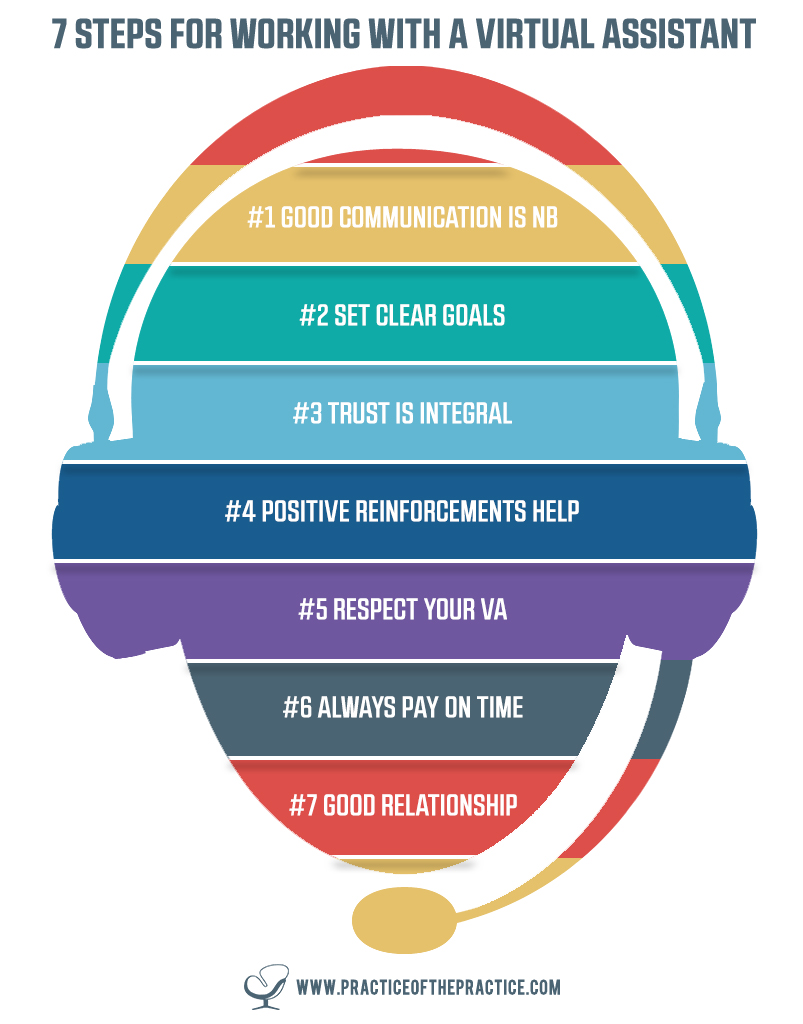
Leveraging LinkedIn for Professional Connections
LinkedIn serves as a powerful platform for virtual assistants to establish professional relationships. Optimizing the profile with relevant keywords, skills, and accomplishments can increase visibility to potential clients. Engaging with industry-related content and participating in discussions enhances credibility — which is vital in this competitive field.
- Join groups relevant to your niche.
- Share insights and articles to showcase expertise.
- Connect with decision-makers and engage in meaningful conversations.
A 2024 survey found that 70% of businesses use LinkedIn for client acquisition. This highlights LinkedIn’s effectiveness in professional networking.
Attending Virtual Networking Events and Webinars
Virtual networking events and webinars provide an opportunity to meet potential clients and industry peers. These events often feature expert speakers and interactive sessions, allowing for direct engagement. Preparing an elevator pitch and actively participating in discussions can leave a lasting impression — and that’s key.
Using platforms like Eventbrite and Meetup can help identify relevant events. Networking during these sessions often leads to new client opportunities and collaborations.
Collaborating with Other Freelancers
Collaborating with other freelancers can significantly expand reach and client base. By forming alliances with complementary service providers, virtual assistants can offer comprehensive packages to clients, which increases value. For instance, a virtual assistant might partner with a graphic designer or a social media manager to deliver a more robust service offering.
- Identify freelancers in related fields.
- Develop joint marketing strategies.
- Share referrals to benefit all parties involved.
Joining Local Business Groups or Associations
Local business groups and associations provide a chance for virtual assistants to network face-to-face, even in a remote working environment. These organizations often host events, workshops, and meetups — all great platforms for direct interaction with local businesses.
Being an active member enhances visibility and credibility within the community. This makes it easier to secure clients. Additionally, many local groups now have online components, allowing for broader participation (worth double-checking).
Many assume that online networking suffices; however, face-to-face interactions can foster deeper connections. Local groups often provide mentorship and collaboration opportunities that aren’t as readily available in virtual spaces. Understanding both online and offline networking dynamics is essential for a well-rounded strategy.
To effectively implement these networking strategies, virtual assistants should:
- Create a polished LinkedIn profile and engage consistently.
- Attend at least one virtual networking event per month.
- Identify potential collaborators and reach out to discuss partnership opportunities.
- Join at least one local business group or association and participate actively.
By applying these techniques, virtual assistants can significantly enhance their chances of acquiring new clients and growing their businesses effectively.
Understanding Your Niche and Target Audience
Identifying a niche and understanding the target audience are essential steps for virtual assistants aiming to attract clients. This section delves into how to define a unique value proposition, assess market demand, tailor services to client needs, and create effective client personas.

Defining Your Unique Value Proposition
Every virtual assistant needs to communicate a unique value proposition (UVP) that sets their services apart from competitors. A UVP should clearly express the benefits clients gain from working with you. This involves evaluating your skills, experiences, and the specific problems you’re capable of solving. For instance, a virtual assistant focused on social media management might showcase their ability to boost engagement rates by over 50% for past clients.
Researching Market Demand for Specific Services
Grasping market demand is vital for positioning services effectively. Conduct thorough research on trending services in the virtual assistant industry, like administrative support, social media management, or email marketing. A 2024 survey indicated that about 62% of businesses plan to enhance their reliance on virtual assistants, especially for administrative and customer support roles. Use platforms like Google Trends, Upwork, and LinkedIn to determine which skills are in highest demand.
Tailoring Services to Meet Client Needs
Once demand has been identified, adjust your services to meet client expectations. This might involve adapting your current offerings or even acquiring new skills. For example, if data entry is highly sought after, now’s the time to boost your proficiency with relevant software tools. Flexibility and responsiveness to client feedback can greatly improve service delivery — this can often lead to repeat business.
Creating Client Personas for Targeted Marketing
Developing detailed client personas helps virtual assistants gain a deeper understanding of their ideal clients. A client persona includes demographic information, business size, pain points, and preferred communication channels. Here’s a straightforward structure to create effective client personas:
- Name: Assign your persona a name for easy reference.
- Demographics: Age, gender, location, and job title.
- Goals: What does this persona aim to achieve?
- Challenges: What hurdles do they encounter that you can assist with?
- Preferred Services: Which specific services are they likely to need?
Nuance / Expert Layer
Many virtual assistants overlook the significance of niche selection, thinking that offering a broad array of services maximizes client acquisition potential. However, this approach can dilute brand identity and make marketing efforts less effective. Specializing in a particular area not only enhances expertise but also allows for targeted outreach — leading to more meaningful client connections. For example, a virtual assistant dedicated solely to e-commerce support can establish a reputation that draws in businesses in that niche, rather than competing with generalists.
Practical Application
Virtual assistants should take actionable steps based on the insights provided:
- Conduct a personal skills inventory to clarify your UVP.
- Use online resources to investigate current market demands.
- Modify your service offerings based on feedback and market analysis.
- Create at least three detailed client personas to direct marketing efforts.
By implementing these strategies, virtual assistants can position themselves effectively in the market, making it easier to attract clients and grow their businesses.
Common Mistakes to Avoid as a New Virtual Assistant
New virtual assistants often run into several pitfalls that can impede their success. Recognizing and avoiding these common mistakes is essential for building a sustainable client base — and a thriving business.
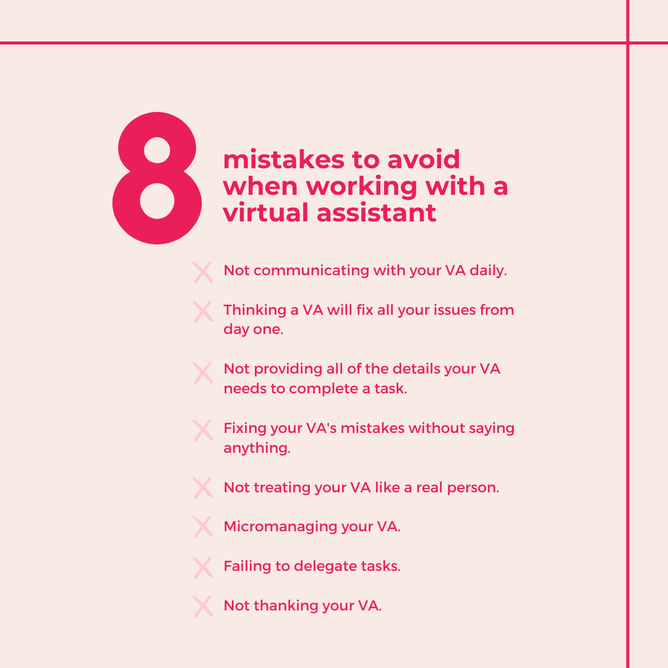
Underpricing Services and Undervaluing Skills
A common mistake among new virtual assistants is underpricing their services. This often comes from a lack of confidence in their skills or a desire to attract clients quickly. But undervaluing one’s expertise can lead to burnout and resentment — and that’s not sustainable. According to a 2024 survey, 65% of virtual assistants found they initially set their rates too low, which resulted in high client turnover and dissatisfaction (this is often overlooked).
Neglecting Contracts and Agreements
Many new virtual assistants miss the importance of formal contracts. A written agreement protects both the assistant and the client by clarifying the scope of work, payment terms, and deadlines. Without a contract, misunderstandings can arise. This can lead to disputes and potential revenue loss. Establishing a standard contract template can streamline this process and safeguard professional relationships.
Failing to Communicate Effectively with Clients
Effective communication is crucial for any virtual assistant-client relationship. Failing to communicate clearly can result in missed deadlines and unfulfilled expectations — which can frustrate clients. Regular updates, prompt responses to inquiries, and active listening can significantly enhance communication. A study indicated that 70% of clients preferred assistants who maintained consistent communication throughout a project.
Not Seeking Feedback for Improvement
Feedback is a vital component for professional growth. New virtual assistants often hesitate to ask for constructive criticism, missing valuable opportunities for improvement. Actively seeking feedback from clients allows assistants to refine their skills and better meet client needs. Implementing periodic feedback sessions can foster a culture of collaboration and continuous improvement.
Expert Insights: Misconceptions and Nuances
Common misconceptions surrounding pricing and contracts often lead new virtual assistants astray. Many believe that low prices will attract more clients, but this can devalue their services and create a vicious cycle of low-income jobs. Additionally, some assistants think verbal agreements are sufficient; however, this creates ambiguity. Establishing clear, written agreements is indispensable for long-term success. Understanding the market average for virtual assistant services — which ranges from $25 to $75 per hour depending on expertise — can aid in setting appropriate rates.
Practical Application
- Conduct market research to determine competitive pricing for your services.
- Create a standard contract template that outlines your services, payment terms, and communication expectations.
- Establish a regular communication schedule with clients to ensure transparency and alignment.
- Implement a feedback mechanism to solicit client opinions on your performance and areas for improvement.
Frequently Asked Questions
What skills do I need to get clients as a virtual assistant?
Essential skills for a virtual assistant include strong organizational abilities, excellent communication, and proficiency in various software tools. Familiarity with social media management, data entry, and customer service can also enhance your appeal to potential clients.
How can I market myself as a virtual assistant?
Marketing as a virtual assistant involves creating a professional website, leveraging social media, and networking within relevant online communities. Utilizing content marketing, such as blogging or webinars, can also showcase expertise and attract clients.
What platforms can I use to find clients as a virtual assistant?
Popular platforms for finding clients include Upwork, Fiverr, and Freelancer, which connect freelancers with businesses. Additionally, social media platforms like LinkedIn can help in networking and showcasing skills to potential clients.
How much should I charge as a virtual assistant?
Virtual assistant rates typically range from $15 to $75 per hour, depending on experience and service offerings. It’s important to research industry standards and consider your skill level when setting your rates.
How long does it take to get clients as a virtual assistant?
The time to secure clients as a virtual assistant can vary widely, often taking a few weeks to several months. Building a strong online presence and actively marketing services can expedite the client acquisition process.
What are the best practices for virtual assistants to retain clients?
To retain clients, virtual assistants should maintain clear communication, consistently meet deadlines, and deliver quality work. Regularly soliciting feedback and adapting to clients’ evolving needs can also strengthen long-term relationships.
How do I create a portfolio as a virtual assistant?
Creating a portfolio involves showcasing your skills, previous work, and testimonials from clients. Include case studies or examples of tasks completed to demonstrate your expertise and the value you provide to potential clients.
Final Thoughts on how to get clients as a virtual assistant
Success as a virtual assistant hinges on a strategic blend of skill development, effective marketing, and a deep understanding of your target audience. By establishing a robust online presence and leveraging networking opportunities, virtual assistants can position themselves as indispensable resources in their chosen niches.
To immediately enhance your client acquisition efforts, focus on refining your profile on a specific platform—such as LinkedIn or Upwork—tailoring it to showcase your unique skills and the value you provide to potential clients.
Discover how becoming a google ads expert can help you attract more clients and grow your virtual assistant business effectively.
Mastering the art of client acquisition is not just beneficial; it’s essential for sustaining a thriving virtual assistant business in a competitive landscape.