
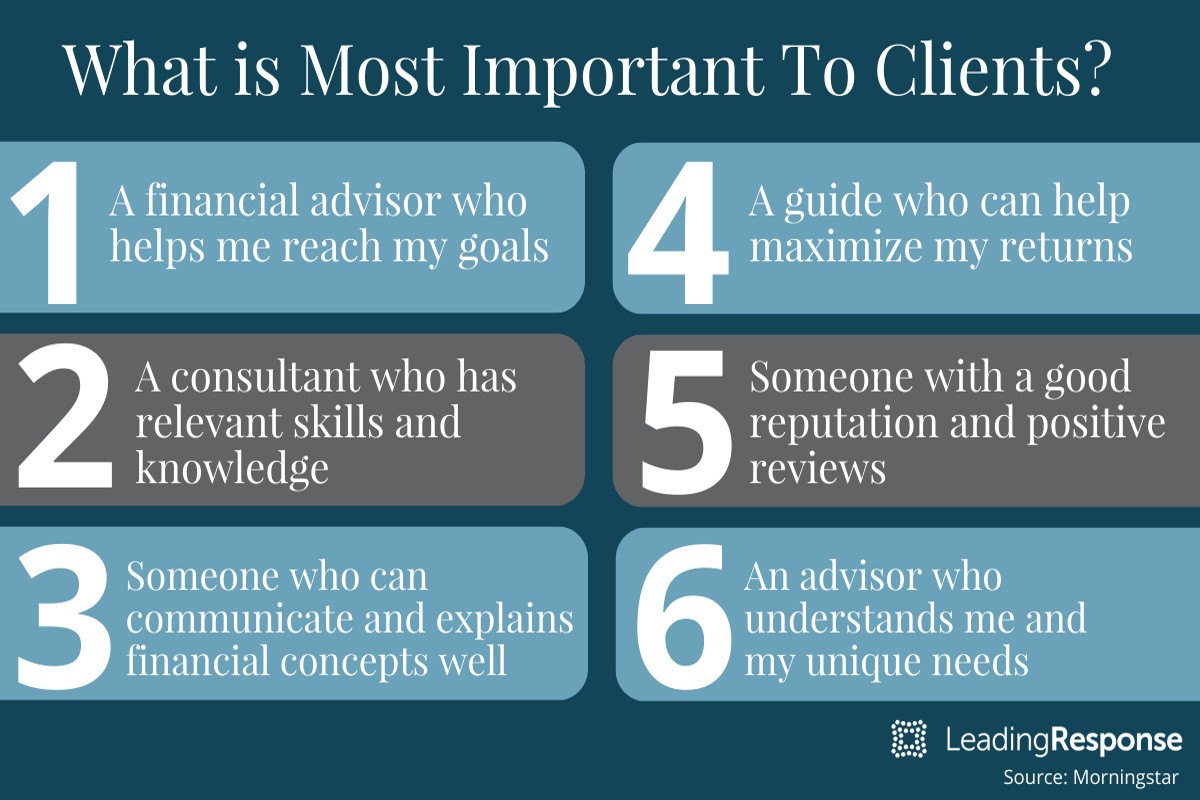
How to get clients as a financial advisor involves implementing strategies that enhance visibility and credibility in the market. A strong personal brand, effective referral systems, and targeted digital marketing are crucial, as approximately 80% of financial advisors cite referrals as their primary source of new clients.
Understanding how to attract clients is essential for financial advisors aiming to grow their practice and ensure long-term success. With the financial advisory market in the U.S. valued at over $1 trillion, mastering client acquisition strategies can significantly impact an advisor’s ability to thrive in a competitive landscape.
Failure to effectively attract clients can result in substantial missed revenue opportunities and wasted marketing resources, ultimately placing advisors at a competitive disadvantage in a saturated market.
This article will explore proven strategies for acquiring clients, including best practices for building a personal brand, leveraging referrals, and utilizing digital marketing techniques that can enhance client outreach and engagement.
What are effective ways to attract clients as a financial advisor?
Effective strategies for attracting clients as a financial advisor include leveraging digital marketing, building a referral network, and offering educational workshops. Research shows that over 70% of financial advisors acquire clients through referrals. This highlights the critical role of relationship-building.
1. Use Digital Marketing: Establish a strong online presence through a professional website and active social media profiles. Targeted online advertising can help reach potential clients — particularly based on demographics and interests.
2. Develop a Referral Network: Cultivate relationships with other professionals like accountants and attorneys who can refer clients needing financial advice. Regular networking events can enhance these connections and build trust.
3. Host Educational Workshops: Organize seminars or webinars on relevant financial topics. This not only showcases expertise but also provides value to attendees. Such an approach attracts potential clients and positions the advisor as a knowledgeable resource.
4. Engage in Community Involvement: Participate in local events or charities. This can enhance visibility and create personal connections with potential clients. Community engagement often builds credibility and trust.
5. Leverage Content Marketing: Create informative content like blogs, newsletters, or videos that address common financial concerns. Sharing valuable information can attract potential clients seeking guidance (this is often overlooked).
Expert insight: Consistently follow up with leads and previous clients. Implementing a systematic approach to client communication can significantly boost retention and referral opportunities. This enhances overall client acquisition efforts.
How can I use social media to get clients as a financial advisor?
Social media serves as a powerful tool for financial advisors aiming to attract new clients. By showcasing expertise and fostering relationships, it becomes a key asset. Platforms like LinkedIn, Facebook, and Instagram offer numerous chances to engage with potential clients and share valuable financial insights. Notably, over 70% of consumers prefer connecting with businesses through social media.
To effectively leverage social media, consider these steps:
- Identify Your Target Audience: Understand who your ideal clients are. Tailor your content to fit their interests and needs.
- Choose the Right Platforms: Focus on platforms where your target audience is most active. LinkedIn is ideal for professional networking — while Instagram can visually showcase your brand.
- Create Valuable Content: Share educational posts, videos, and infographics addressing common financial concerns. Regular updates on market trends or financial strategies are essential.
- Engage with Your Audience: Respond to comments and messages promptly. Hosting Q&A sessions or live webinars can foster interaction and build trust (this is often overlooked).
- Utilize Paid Advertising: Consider targeted ads on social media platforms to reach a broader audience. This can help generate leads and increase visibility.
Establishing a consistent posting schedule can significantly enhance your social media presence. Use analytics tools to track engagement and adjust your strategy as needed. Always prioritize authenticity and transparency in communications.
Expert insight: Integrate client testimonials and case studies into your social media strategy. Real-life examples demonstrate effectiveness and build credibility with potential clients — an important factor in trust-building.
What are the best marketing strategies for financial advisors?
Effective marketing strategies for financial advisors revolve around building trust and establishing a strong online presence. In fact, a 2024 survey reveals that 85% of potential clients research financial advisors online before reaching out. Implementing a blend of targeted digital marketing and personal outreach can significantly boost client acquisition efforts.
Financial advisors can use various marketing strategies to effectively reach their target audience. Here are some best practices:
- Content Marketing: Create informative and valuable content, such as blogs, ebooks, and webinars. Focus on topics relevant to your target audience — think retirement planning or investment strategies. This not only positions you as an authority in your field but also helps attract potential clients.
- Search Engine Optimization (SEO): Optimize your website for search engines to increase visibility. Make sure to use relevant keywords related to financial advising and confirm that your site is user-friendly. A well-optimized website can drive organic traffic. This makes it easier for potential clients to discover your services.
- Social Media Engagement: Leverage platforms like LinkedIn, Facebook, and Instagram to connect with potential clients. Share insights, updates, and success stories — it builds a community. Regular interaction can enhance brand loyalty and client trust.
- Networking and Referrals: Attend industry events and local business gatherings to build relationships. Establish a referral program that incentivizes clients and colleagues to recommend your services. Personal connections often lead to higher conversion rates (this is often overlooked).
- Email Marketing: Develop a targeted email list and send regular newsletters with valuable insights and updates. Email marketing keeps your audience informed and engaged, nurturing leads until they’re ready to seek your services.
Expert insight: Focus on building a robust online reputation through client testimonials and reviews. Positive feedback can greatly influence potential clients’ decisions — making it a critical aspect of marketing for financial advisors.
How much should a financial advisor spend on marketing?
A financial advisor typically allocates between 7% to 10% of their annual revenue for marketing. For a firm generating $500,000 in revenue, this amounts to a budget of about $35,000 to $50,000 each year. However, specific costs can vary based on several key factors.
Various elements influence the marketing budget for financial advisors. These factors include:
- Target Audience: The demographics and financial sophistication of target clients can drive marketing costs. High-net-worth individuals often need more personalized — and upscale — marketing efforts.
- Marketing Channels: Different channels come with varying costs. Digital marketing, social media, traditional advertising, and client events each have distinct price points and effectiveness levels.
- Firm Size and Structure: Larger firms may have more resources and a broader reach, requiring a bigger budget. Solo advisors, on the other hand, might keep expenditures lower while focusing on niche markets.
Moreover, the stage of business development plays a significant role. Newer advisors might have to invest more initially to establish brand presence. Established firms often shift focus to client retention strategies, which can lower their marketing spend.
Expert insight: Financial advisors should regularly assess the return on investment (ROI) of their marketing strategies. Tracking client acquisition costs is crucial. Adjusting the budget based on performance will ensure a more effective allocation of resources over time.
What are common mistakes financial advisors make when acquiring clients?
Financial advisors often make several mistakes that hinder their ability to acquire clients effectively. One common error is failing to define a specific target market, which leads to diluted marketing efforts. According to a 2023 study, advisors who specialize in a niche market see a 30% higher client acquisition rate than those who don’t.
Another frequent pitfall is inadequate follow-up after initial client interactions. For instance, an advisor might meet a potential client at a networking event, exchange business cards — then neglect to reach out afterward. This lack of follow-up can lead to missed opportunities. Prospects may forget about the advisor or turn to a competitor who actively engages with them. Research shows that 80% of sales require at least five follow-up calls, yet many advisors stop after just one or two attempts (this is often overlooked).
Additionally, advisors typically underestimate the importance of building trust through content marketing and educational resources. For example, an advisor who primarily relies on cold calls may overlook the effectiveness of sharing valuable insights through blogs or webinars. By providing educational content, advisors can establish their expertise and create a rapport with potential clients. This makes it more likely for prospects to seek their services.
Expert insight: Financial advisors should prioritize identifying their niche market. Consistently following up with prospects is crucial for building relationships. Incorporating educational content into their marketing strategy can also significantly enhance client acquisition efforts.
Building a Strong Personal Brand as a Financial Advisor
Establishing a strong personal brand is crucial for financial advisors looking to attract and retain clients. A well-defined brand does more than just set advisors apart in a competitive marketplace — it also builds trust and credibility among potential clients.

Define Your Unique Value Proposition
Your unique value proposition (UVP) explains what distinguishes you from other financial advisors. This could be a specific niche — like retirement planning for educators — or a unique strategy, such as integrating behavioral finance into investment approaches. A compelling UVP should clearly communicate the benefits offered and how they meet the specific needs of your target clientele.
Create a Professional Online Presence
In today’s digital age, a professional online presence isn’t optional. This involves having a well-designed website that showcases services, testimonials, and qualifications. Make sure your website is optimized for search engines to boost visibility. Also, maintain active profiles on social media platforms like LinkedIn. It’s an excellent way to connect with potential clients and industry peers.
Engage in Community and Networking Events
Networking continues to be a vital strategy for client acquisition. Get actively involved in local community events, workshops, and professional conferences. These venues offer the chance to meet potential clients face-to-face — something online interactions can’t always provide. According to a 2023 survey, 65% of financial advisors reported that referrals from networking events significantly helped grow their client base.
Share Valuable Content to Establish Authority
Position yourself as an authority in the financial advisory field by sharing valuable, informative content. This can include blog posts, webinars, or social media updates that address common financial concerns or offer insights into market trends. Consistent content creation increases visibility and highlights your expertise. You’ll become a go-to resource for potential clients.
- Blog posts on relevant financial topics
- Monthly newsletters with market updates
- Free webinars or workshops on financial literacy
Nuanced Insights into Personal Branding
Many advisors tend to underestimate the significance of personal branding, believing that technical skills alone will draw clients. However, the emotional connection and trust generated through a robust personal brand often outweigh technical expertise. Moreover, while some advisors fixate solely on online branding, local community engagement remains crucial. A balanced approach — one that combines both digital and in-person branding strategies — can lead to optimal results.
Practical Application
To effectively leverage personal branding, start by defining your UVP. Create a professional website and optimize it for search engines. Aim to attend at least one networking event each month. Additionally, commit to producing one piece of valuable content per week. Keep an eye on engagement metrics on your website and social media to fine-tune your strategy and ensure you’re effectively attracting clients.
Leveraging Referrals and Networking for Client Growth
Referrals and networking are crucial strategies for financial advisors aiming to grow their client base. By building strong relationships and tapping into existing clientele, advisors can generate a steady stream of new business opportunities.

Develop a Referral Program for Existing Clients
A solid referral program encourages current clients to recommend your services. Implementing a reward system can lead to significantly higher referral rates. For instance, think about offering a discount on future services or a gift card for successful referrals. Research shows businesses with structured referral programs see an average increase of 30% in client acquisition.
Build Relationships with Other Professionals
Networking with professionals in related fields — such as real estate agents, attorneys, and accountants — can facilitate mutual referrals. Establishing these connections takes more than just casual meetings; it requires ongoing engagement. Schedule regular lunches or coffee meet-ups to discuss industry trends and swap insights. Building a network of trusted professionals can create a thriving referral ecosystem that benefits everyone involved.
Utilize Client Testimonials and Case Studies
Client testimonials and case studies act as powerful marketing tools. They provide social proof of your expertise and the value of your services. Develop a system to gather feedback from satisfied clients and prominently feature their success stories on your website and marketing materials. Recent studies indicate that 79% of consumers trust online reviews as much as personal recommendations — a fact that highlights the importance of displaying positive client experiences.
Attend Industry Conferences and Local Events
Participating in industry conferences and local networking events enables financial advisors to connect with potential clients and peers. These gatherings offer a chance to learn about emerging trends and showcase expertise. Prepare an elevator pitch, and don’t forget to bring business cards to foster connections. Engaging in discussions at these events can result in valuable referrals and increased visibility in the community.
Many advisors miss the strategic benefits of attending events beyond their immediate sphere. Engaging in local community events, charity functions, or workshops can expose advisors to potential clients who might not be actively seeking financial advice but could significantly benefit from your services.
Nuance / Expert Layer
While referrals and networking are often highlighted as essential for client acquisition, many advisors overlook the importance of nurturing these relationships over time. Simply asking for referrals isn’t enough; it’s vital to build a reputation for reliability and expertise. Many discussions on this topic fail to emphasize the importance of follow-ups and ongoing communication — these elements can reinforce trust and generate more referrals. Additionally, understanding the unique needs of each referral source can help tailor your approach and improve the chances of receiving referrals.
Practical Application
- Design and implement a referral program that includes clear incentives.
- Schedule monthly meetings with at least two professionals in related fields.
- Regularly collect and showcase client testimonials and success stories.
- Attend a minimum of three industry or local events each quarter.
By adopting these actionable strategies, financial advisors can effectively leverage referrals and networking. These efforts can enhance client acquisition and ultimately drive sustainable growth in their practice.
Using Digital Marketing Strategies Effectively
This section delves into advanced digital marketing strategies that financial advisors can adopt to draw in potential clients online. Leveraging these tactics can boost visibility, nurture leads, and establish authority in the field.
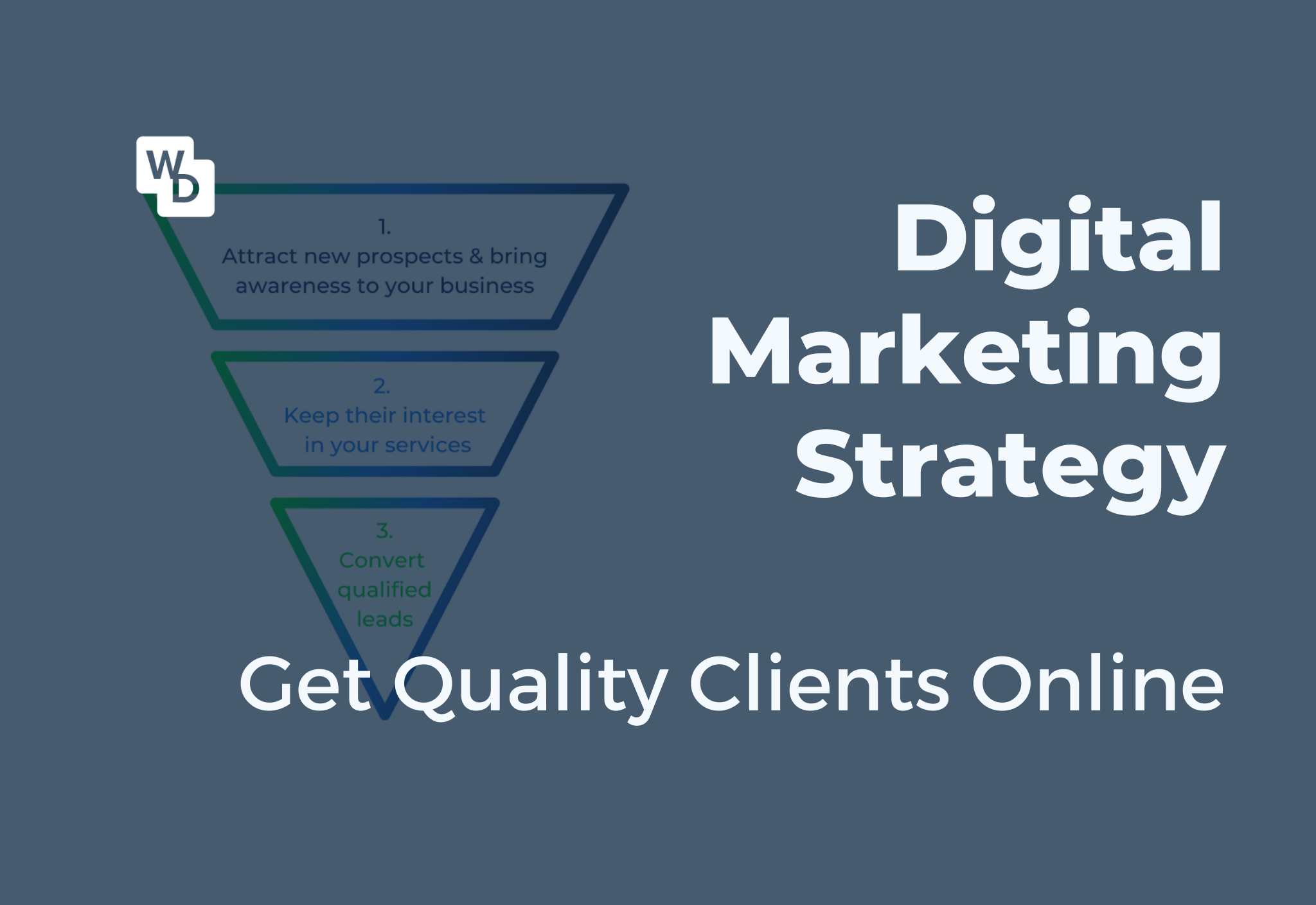
Implement SEO Strategies for Online Visibility
Search engine optimization (SEO) is crucial for enhancing online visibility. Financial advisors should concentrate on optimizing their websites for key phrases like “financial planning,” “investment advisor,” and “retirement planning.” Tools such as Google Keyword Planner help identify high-traffic keywords relevant to the target audience.
- Optimize website content and meta descriptions.
- Make sure the site is mobile-friendly for a better user experience.
- Build quality backlinks — they enhance domain authority.
Recent data shows that businesses prioritizing SEO are 13 times more likely to achieve a positive ROI. This highlights the importance of effective SEO strategies in attracting clients.
Use Email Marketing for Nurturing Leads
Email marketing remains a powerful tool for nurturing leads. Financial advisors can segment email lists based on client interests or demographics to deliver personalized content. Regular newsletters that provide market insights, financial tips, and regulatory updates keep potential clients engaged.
- Use automated email sequences to follow up with leads.
- Incorporate calls-to-action (CTAs) that encourage consultations or downloads.
- Track engagement metrics to refine email strategies.
Research indicates personalized emails often yield six times higher transaction rates compared to generic messages — underscoring the value of tailored communication.
Engage in Content Marketing to Educate Prospects
Content marketing is essential for establishing authority and educating potential clients. Financial advisors should create diverse content types, including blog posts, videos, and infographics, focusing on topics relevant to their audience, like investment strategies or tax planning.
- Host webinars to discuss financial trends and answer questions.
- Develop e-books or guides that provide in-depth financial education.
- Share client success stories to build trust and credibility.
In 2024, 70% of consumers reported preferring to learn about a company through articles rather than ads — making content marketing a highly effective strategy for financial advisors.
Leverage Paid Advertising on Social Media Platforms
Paid advertising on social media platforms like Facebook, LinkedIn, and Instagram can dramatically increase reach and lead generation. Financial advisors should target ads based on demographics, interests, and behaviors to connect effectively with potential clients.
- Create visually appealing ads that highlight services and client testimonials.
- Use retargeting ads to reach users who have previously engaged with your content.
- Monitor ad performance and adjust campaigns based on analytics.
Industry reports show financial services companies investing in social media advertising see an average return on ad spend (ROAS) of 400% — emphasizing the effectiveness of this approach.
While these strategies offer a solid foundation for client acquisition, many advisors overlook the importance of integrating these tactics into a cohesive marketing strategy. Misconceptions often arise about the need for a significant budget for digital marketing. In reality, consistent engagement and quality content can lead to significant results — even with limited resources.
To implement these digital marketing strategies effectively, financial advisors should start with a comprehensive SEO audit of their website. After that, establish a content calendar that combines blog posts, email newsletters, and social media updates. Lastly, allocate part of the marketing budget to paid advertising while carefully monitoring performance to optimize results. These actionable steps will enhance visibility and attract potential clients in a competitive market.
Measuring and Optimizing Client Acquisition Efforts
Effectively measuring and optimizing client acquisition efforts is essential for financial advisors looking to expand their client base. This section dives into strategies and tools crucial for tracking performance, gathering insights, and refining marketing tactics for ongoing success.
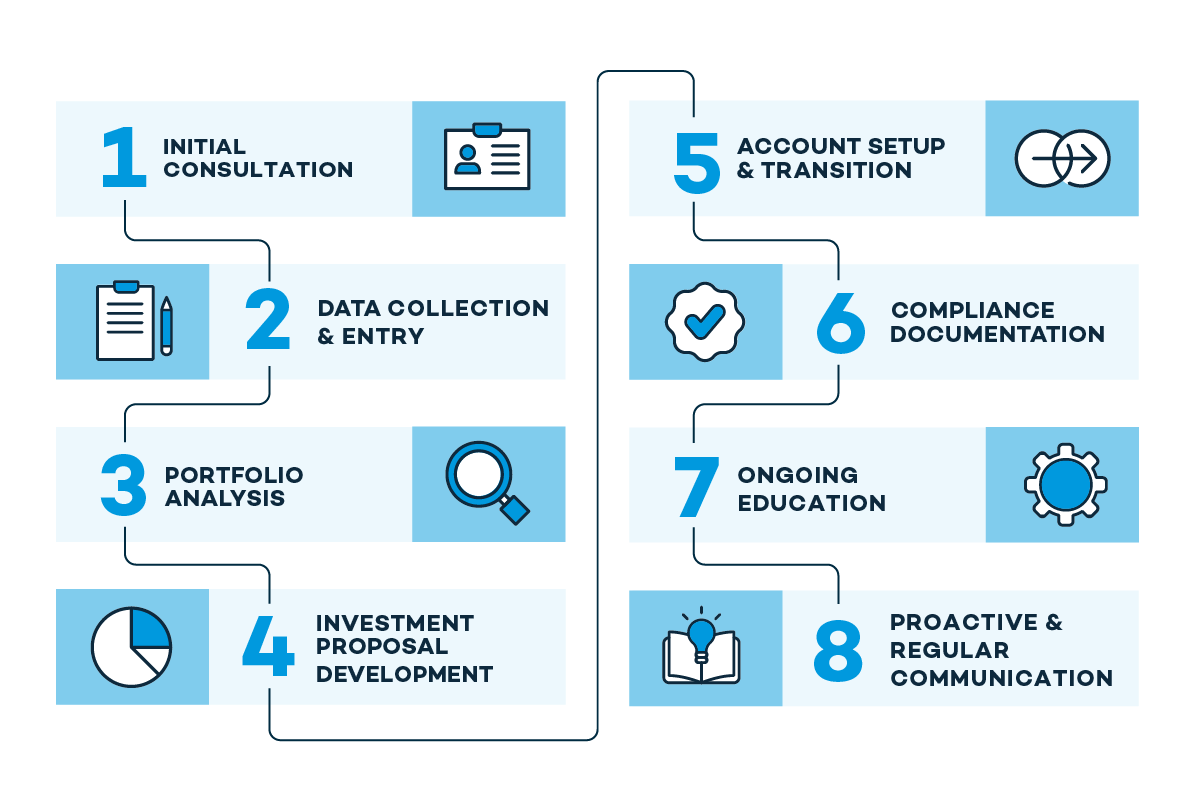
Set Clear Metrics for Success
Establishing specific metrics is key for evaluating client acquisition strategies’ effectiveness. Key performance indicators (KPIs) might include:
- Client conversion rate
- Cost per acquisition (CPA)
- Client retention rate
- Customer lifetime value (CLV)
By defining these metrics, financial advisors can create a baseline for performance. They can also pinpoint areas needing improvement. For instance, if the CPA is above the industry average of $1,200, it’s time to consider adjustments in marketing strategies.
Use Analytics Tools to Track Performance
Employing analytics tools is essential for tracking how well client acquisition campaigns perform. Tools like Google Analytics, HubSpot, and CRM software offer insights into:
- Website traffic and user behavior
- Lead generation sources
- Campaign performance metrics
These insights enable financial advisors to identify which channels yield the highest engagement and conversion rates. This data helps in making informed, data-driven decisions.
Gather Feedback from Clients to Refine Strategies
Client feedback is a valuable resource for refining acquisition strategies. Conducting surveys and interviews can reveal insights about clients’ perceptions and experiences. Key areas to explore include:
- Reasons for choosing your services
- Areas needing improvement
- Client satisfaction levels
According to a 2024 survey, 76% of clients noted that personalized communication greatly influenced their choice to stay with a financial advisor. This underscores the importance of actively seeking and implementing client feedback (this is often overlooked).
Regularly Review and Adjust Marketing Tactics
A continuous evaluation of marketing tactics is necessary to adapt to evolving market conditions. Establish a routine to review performance data at least quarterly. This process should involve:
- Analyzing current marketing channels
- Identifying underperforming strategies
- Testing new approaches based on data insights
A proactive approach to adjusting tactics ensures that financial advisors stay competitive and responsive to client needs.
In the financial advisory landscape, a common misconception is that once a strategy is in place, it requires no further adjustments. In reality, market dynamics and client preferences can change rapidly, demanding a flexible approach. Moreover, many advisors underestimate the importance of defining clear metrics, which can lead to ineffective evaluations of their strategies.
To effectively apply this information, financial advisors should:
- Define and document specific KPIs for their client acquisition efforts.
- Use at least one analytics tool to track performance metrics.
- Implement a feedback mechanism to gather insights from existing clients.
- Schedule regular reviews of marketing strategies and adjust based on data and feedback.
By systematically measuring and optimizing client acquisition efforts, financial advisors can enhance their strategies and successfully grow their client base.
Frequently Asked Questions
What are effective ways to attract clients as a financial advisor?
Building a strong referral network and establishing a niche can effectively attract clients. Additionally, hosting educational workshops or webinars can showcase expertise and draw potential clients in.
How can I use social media to get clients as a financial advisor?
Social media can be leveraged by sharing valuable content, engaging with followers, and showcasing client success stories. Platforms like LinkedIn and Facebook are particularly effective for connecting with potential clients and building professional credibility.
What are the best marketing strategies for financial advisors?
Effective marketing strategies include content marketing, networking, and targeted online advertising. Developing a strong online presence through a professional website and regular updates can also attract more clients.
How much should a financial advisor spend on marketing?
Financial advisors typically allocate 5-10% of their revenue to marketing efforts. This budget should reflect the advisor’s growth goals and the effectiveness of current marketing strategies.
What are common mistakes financial advisors make when acquiring clients?
Common mistakes include failing to define a target market and neglecting follow-up communications. Additionally, many advisors underestimate the importance of building relationships and trust with potential clients.
Final Thoughts on how to get clients as financial advisor
Attracting clients as a financial advisor hinges on a strategic blend of personal branding, networking, and digital marketing. The most successful advisors not only showcase their expertise but also build genuine relationships and leverage technology to reach their target audience effectively.
To take immediate action, develop a comprehensive social media strategy that highlights your unique value proposition and engages potential clients through informative content and personalized interactions.
Ready to elevate your client acquisition game? Connect with a google ads expert who can help you implement these proven strategies today!
Mastering client acquisition strategies is essential for sustainable growth in the financial advisory landscape, as it directly impacts your ability to influence and guide clients toward achieving their financial goals.