
Wealth managers get clients through various methods, primarily networking, referrals, and targeted marketing strategies. Approximately 80% of wealth management clients come from referrals, underscoring the critical importance of developing robust relationships within the industry.
Understanding how wealth managers get clients is essential for financial professionals aiming to build a successful practice. With the wealth management market projected to grow significantly, mastering client acquisition strategies can lead to sustainable business growth and increased revenue. Failing to implement effective strategies may result in lost opportunities and diminished market share.
Not grasping these client acquisition methods can cost wealth management firms substantially in terms of missed revenue and wasted marketing resources, ultimately leading to a competitive disadvantage in a crowded marketplace.
This article will explore proven strategies for acquiring clients, including a comparison of top providers, cost breakdowns, best practices, and the impact of local SEO on client engagement.
What are the most effective ways for wealth managers to acquire clients?
Wealth managers employ several effective strategies to acquire clients, including networking, targeted marketing, and client referrals. A 2024 survey found that over 60% of wealth managers consider referrals the most successful client acquisition method.
Networking serves as a foundational strategy for wealth managers. Attending industry conferences, local business events, and social gatherings provides opportunities to forge relationships with potential clients. Personal connections often lead to trust — this is crucial for engaging prospects in financial services. Moreover, partnering with other professionals like accountants and attorneys can set up a mutually beneficial referral system (this is often overlooked).
Targeted marketing is another significant player in client acquisition. Wealth managers should create a clear value proposition that resonates with their target audience. This involves using digital marketing strategies, such as search engine optimization (SEO), social media campaigns, and content marketing. A strong online presence can attract clients looking for specific financial services. Additionally, hosting educational webinars or workshops can boost authority and pull in prospective clients seeking expert advice.
Referrals continue to be a powerful tool for wealth managers. Satisfied clients usually recommend services to friends and family, which can greatly impact growth. Implementing a structured referral program can encourage existing clients to refer new business, enhancing trust and credibility along the way. Following up on referrals with personalized outreach can effectively convert leads into long-term clients.
Expert insight: Consistently nurturing relationships — both online and offline — is crucial. Regular communication with clients often leads to referrals and sustained engagement, which ultimately enhances client retention and acquisition rates.
How important are referrals in wealth management?
Referrals play a vital role in client acquisition for wealth managers, accounting for about 60% of new clients in the industry. This impressive percentage highlights the trust and credibility that referrals provide. Potential clients often prefer recommendations from their personal networks — a compelling factor in decision-making.
Referrals are especially effective in wealth management due to the unique nature of financial services. Clients often look for professionals who offer personalized advice and have a proven track record. When satisfied clients refer their wealth manager to friends or family, it not only boosts the manager’s reputation but also cuts down on the time and resources spent on marketing. Studies have shown that referred clients tend to be more loyal, often displaying a higher lifetime value compared to those acquired through traditional advertising methods.
- Trust and Credibility: Referrals stem from personal experiences, fostering a trust that’s crucial for financial relationships.
- Cost-Effectiveness: Acquiring clients via referrals usually comes with lower marketing costs, making it a more viable growth strategy.
- Higher Conversion Rates: Referrals frequently lead to greater conversion rates. Referred clients are generally more willing to engage services than those reached through cold outreach.
Moreover, the success of referrals can depend on the wealth manager’s existing relationships and their skill in maintaining client satisfaction. Wealth managers who actively nurture these relationships, through regular communication and exceptional service, stand a better chance of receiving referrals. This creates a positive feedback loop — happy clients keep referring others, thus reinforcing the manager’s client base.
Expert insight: Wealth managers should set up formal referral programs that incentivize current clients to bring in new ones. This structured approach can significantly improve the effectiveness of referrals and lead to more sustainable client acquisition growth.
What marketing strategies do wealth managers use?
Wealth managers use a range of marketing strategies to attract clients, such as digital marketing, networking events, and educational seminars. A study by the Financial Planning Association in 2024 found that 62% of wealth managers reported substantial client acquisition success through targeted online advertising.
One effective strategy involves leveraging social media platforms to engage potential clients. Wealth managers create informative content — like articles, videos, and infographics — that focuses on financial literacy and investment strategies. For instance, a wealth management firm might run a targeted LinkedIn campaign showcasing its expertise in retirement planning. By publishing case studies and client testimonials, they build trust and credibility. This can lead to increased inquiries and client sign-ups.
Networking remains a key component of client acquisition for wealth managers. Attending industry conferences, local business events, and charity functions enables them to connect with potential clients face-to-face. A successful scenario might include a wealth manager hosting a quarterly dinner for clients and their referrals. Not only does this event strengthen existing relationships, but it also provides a platform for attendees to share their positive experiences — effectively turning clients into advocates for the firm.
Expert insight: Diversifying marketing efforts and combining digital outreach with personal networking can significantly enhance client acquisition rates. Wealth managers should continually assess and refine their strategies (this is often overlooked) based on client feedback and market trends.
How long does it take for wealth managers to get clients?
Wealth managers usually take anywhere from six months to two years to acquire clients. This timeline can vary widely based on several factors, including the manager’s networking skills, marketing strategies, and how responsive the target demographic is.
Several factors affect the timeline for client acquisition in wealth management. First, a wealth manager’s experience and reputation are crucial. Established managers with a robust track record often attract clients more quickly — thanks to referrals and the trust built over time. In contrast, newer managers typically need to invest more time in networking and forming relationships before landing their first clients.
Next, the effectiveness of marketing strategies can significantly influence how fast clients are acquired. Wealth managers who use digital marketing, social media, and targeted outreach campaigns might see quicker results. This is not guaranteed, though. Additionally, economic climate and market conditions can impact potential clients’ willingness to engage a wealth manager. In a booming economy, individuals are often more inclined to seek out wealth management services, which can speed up the acquisition process.
Expert insight: To boost client acquisition speed, wealth managers should work on building a strong personal brand and leveraging existing networks. Referrals from satisfied clients remain one of the most effective ways to gain new business (this is often overlooked).
What are common mistakes wealth managers make in client acquisition?
Wealth managers often make critical mistakes in client acquisition that can hinder growth. Failing to define their target market is one common error. Neglecting follow-up communication is another. Additionally, many rely too heavily on referrals — these are prevalent issues. Research shows that 80% of wealth managers lack a clearly defined niche, which can limit their effectiveness in attracting clients.
One major pitfall is not having a well-defined target market. Wealth managers who don’t identify their ideal client often cast too wide a net, leading to ineffective marketing strategies. Without a clear focus, communicating their value proposition can be a struggle, resulting in missed opportunities. Creating detailed client personas helps tailor marketing efforts and boosts engagement — this is often overlooked.
- Neglecting follow-up communication: After initial meetings or introductions, many wealth managers don’t maintain consistent communication. Failing to follow up can lead to missed connections and a perception of disinterest. Establishing a structured follow-up process can significantly enhance client relationships — it’s crucial for conversion rates.
- Over-reliance on referrals: While referrals can be a powerful source of new clients, depending solely on them can be limiting. Wealth managers should diversify their client acquisition strategies by incorporating digital marketing, networking events, and public speaking engagements. This approach broadens outreach and decreases dependency on existing clients.
- Ignoring digital presence: In an increasingly digital world, ignoring online platforms can be detrimental. Wealth managers should invest in a professional website and use social media to engage potential clients. A strong online presence not only enhances credibility but also attracts interest from a wider audience — worth double-checking.
Expert insight: Wealth managers should regularly evaluate their client acquisition strategies to identify and address weaknesses. Implementing data-driven approaches can optimize efforts and lead to sustainable growth — the result is often significant improvement.
Networking: The Cornerstone of Client Acquisition
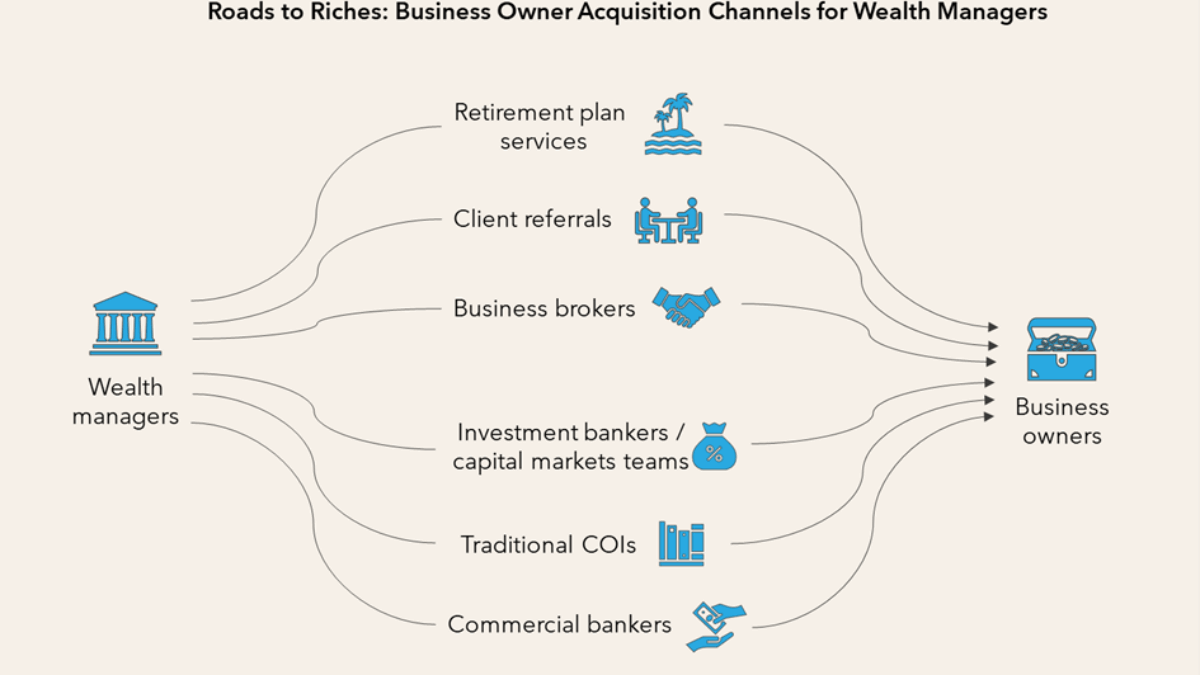
This section explores the essential role of networking in attracting clients for wealth managers. Personal connections and professional networks form the backbone of client acquisition strategies. Strong ties matter.
Building Trust Through Personal Relationships
Establishing trust is key in wealth management. Clients look for advisors who show integrity, reliability, and a real understanding of their financial goals. Personal relationships foster this trust, allowing wealth managers to connect with potential clients on a human level. A 2024 survey revealed that 78% of high-net-worth individuals prefer working with advisors who were referred through personal connections — this underscores the importance of relationship-building in client acquisition.
Leveraging Industry Events and Conferences
Industry events and conferences present prime opportunities for wealth managers to expand their networks. Engaging with peers, thought leaders, and potential clients in these settings can lead to meaningful interactions. Wealth managers should attend or speak at events relevant to their niche; this positions them as experts and opens doors to new client relationships. In 2025, over 60% of wealth managers noted that networking events directly contributed to their client growth.
Utilizing Social Media for Networking
Social media platforms have revolutionized networking dynamics, providing wealth managers with innovative ways to engage clients and prospects. LinkedIn, in particular, allows for targeted outreach, enabling wealth managers to share insights, market trends, and personal achievements. By curating valuable content, they can establish themselves as thought leaders in their field. A 2026 report indicated that 54% of wealth managers successfully acquired clients through social media interactions (this is often overlooked), underscoring its effectiveness in modern networking.
Maintaining Relationships with Existing Clients for Referrals
Existing clients are invaluable assets in a wealth manager’s client acquisition strategy. Regular communication and personalized service can lead to referrals. Satisfied clients are more likely to recommend their advisors to family and friends. Wealth managers should implement systematic follow-ups, like quarterly reviews and check-in calls, to nurture these relationships. Research shows that referrals account for up to 30% of new client acquisitions in the wealth management sector — that’s significant.
Nuance / Expert Layer
A common misconception is that networking is just about expanding one’s client base. In reality, effective networking is multidimensional. It involves fostering relationships that can lead to mutual benefits, including partnerships with other professionals, such as tax advisors or estate planners. Wealth managers often overlook the potential of cross-referrals within their existing networks, which can greatly enhance their client acquisition efforts. Understanding the intricate dynamics of these relationships can set successful wealth managers apart from their peers.
Practical Application
- Attend at least three industry events annually to expand your professional network.
- Use LinkedIn to share insights and engage with potential clients regularly.
- Implement a referral program that incentivizes existing clients to refer new clients.
- Schedule quarterly reviews with current clients to strengthen relationships and encourage referrals.
The Role of Digital Marketing in Wealth Management
This section explores the vital role digital marketing plays in boosting client acquisition for wealth managers. By leveraging online strategies, wealth managers can effectively engage potential clients. This is essential — in today’s digital climate, it’s a must.

Creating a Professional Online Presence
Establishing a professional online presence is foundational for wealth managers. A well-designed website serves as the primary touchpoint for clients. Key elements include an intuitive layout, mobile responsiveness, and informative content. Make sure your online branding reflects expertise and values; this fosters trust among potential clients. In fact, 75% of users judge a company’s credibility based on its website design.
Utilizing Content Marketing to Establish Authority
Content marketing is a powerful tool for wealth managers to demonstrate expertise and build relationships with potential clients. By producing high-quality articles, videos, and infographics that address relevant financial topics, wealth managers can position themselves as thought leaders. Regularly updated blogs and educational resources can attract visitors and keep them engaged. According to a 2024 report, companies that prioritize content marketing see 6 times higher conversion rates than those that don’t.
- Blog posts on market trends and investment strategies
- Webinars and online workshops to educate clients
- Newsletters featuring financial insights and tips
Implementing SEO Strategies to Attract Organic Traffic
Search Engine Optimization (SEO) is essential for increasing visibility in search results. Wealth managers should focus on keyword research, optimizing website content, and improving site speed. Targeting specific phrases, like “wealth management strategies” or “investment advice,” can drive organic traffic. In 2025, over 70% of marketers reported that SEO was their most effective lead generation strategy. Local SEO is also crucial — many clients look for wealth management services in their area.
Using Paid Advertising for Targeted Outreach
Paid advertising allows wealth managers to reach specific demographics efficiently. Platforms like Google Ads and social media channels enable targeted campaigns based on user interests and behaviors. Utilizing pay-per-click (PPC) advertising can yield quick results, driving potential clients to landing pages designed for conversion. A well-structured ad campaign can achieve a return on investment (ROI) of up to 400%, particularly when targeting high-net-worth individuals.
Expert Layer: Misconceptions About Digital Marketing in Wealth Management
A common misconception is that digital marketing is only effective for large firms with substantial budgets. In reality, small and mid-sized wealth management firms can also gain significantly from digital strategies. Tailored approaches — such as niche targeting or local SEO — can yield impressive results in specific markets. Additionally, many wealth managers underestimate the importance of an active social media presence. Engaging clients and prospects through platforms like LinkedIn can enhance visibility and foster personal connections (this is often overlooked).
Practical Application
To capitalize on the insights discussed, wealth managers should take the following actions:
- Conduct a comprehensive audit of their online presence and website performance.
- Develop a content calendar to regularly publish valuable insights and updates.
- Invest in SEO tools to identify and target relevant keywords effectively.
- Launch targeted ad campaigns focusing on specific demographics and interests.
By implementing these strategies, wealth managers can significantly enhance their client acquisition efforts.
Understanding the Client’s Journey: From Awareness to Acquisition
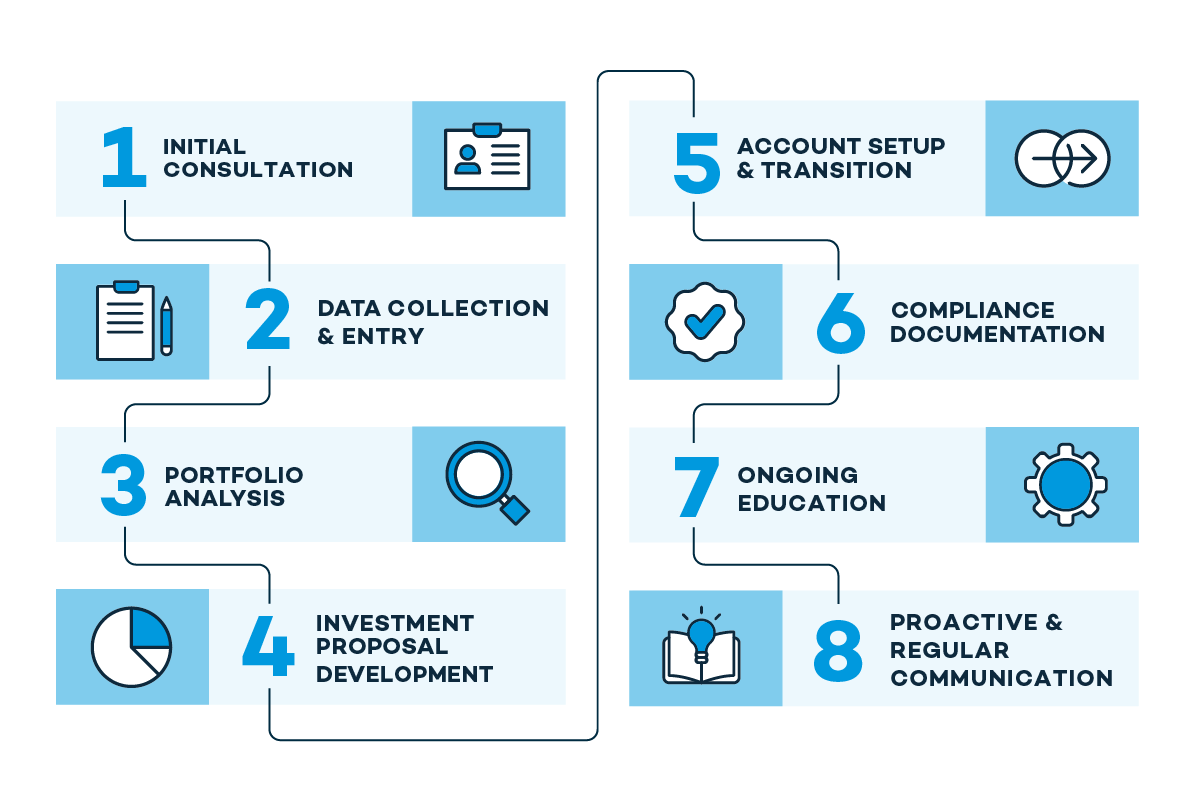
This section examines the stages of the client acquisition process for wealth managers. It outlines effective strategies to guide potential clients, starting from initial awareness and moving toward successful acquisition.
Identifying Potential Clients and Their Needs
To kick off the client acquisition process, wealth managers must identify potential clients through targeted market research. This means analyzing demographics, financial behaviors, and investment goals. Wealth managers can group potential clients into categories based on income levels, age, and investment experience. For example, high-net-worth individuals typically require tailored services — while younger clients may seek more educational resources.
Nurturing Leads Through Informative Content
Once potential clients are identified, the next step involves nurturing leads through valuable and informative content. This can encompass:
- Educational articles and whitepapers that address common financial concerns.
- Webinars and workshops offering insights into investment strategies.
- Social media engagement that shares market trends and financial tips.
According to a 2024 survey, 78% of clients prefer wealth managers who provide educational resources. This highlights the essential role of content in building trust and credibility.
Converting Leads into Clients with Personalized Approaches
To convert leads into clients, wealth managers must use personalized approaches. This can be achieved through:
- Conducting one-on-one consultations to understand individual client goals.
- Offering customized financial plans reflecting the client’s specific needs.
- Using CRM systems to track client interactions and preferences.
Personalization enhances the client experience and boosts conversion rates. A 2025 report indicated that personalized financial services lead to a 50% higher likelihood of client acquisition.
Following Up and Maintaining Relationships Post-Acquisition
After acquiring a client, maintaining a strong relationship is vital for long-term success. Wealth managers should implement regular follow-ups through:
- Quarterly performance reviews to assess investment progress.
- Regular newsletters with updates on market conditions and investment opportunities.
- Client appreciation events that foster community and loyalty.
These practices reinforce client trust and satisfaction, leading to referrals and long-term retention.
While many wealth managers primarily focus on initial client acquisition, they often overlook the importance of post-acquisition relationship management. A common misconception is that the work is finished once a client is onboarded. In reality, continuous engagement and support are critical for sustaining client relationships — as well as encouraging future investments. Moreover, wealth managers should recognize that client needs can evolve (this is often overlooked), requiring an adaptable approach to service delivery.
To effectively implement these strategies, wealth managers should prioritize building a solid client acquisition framework. This needs to encompass lead identification, nurturing, conversion, and relationship management. Specific actions include conducting market research to identify target demographics, developing a content strategy that educates potential clients, and using CRM tools for personalized interactions. By maintaining an ongoing dialogue with clients, wealth managers can enhance satisfaction and drive referrals. It ultimately answers the question of how wealth managers get clients.
Leveraging Technology for Client Acquisition
Wealth managers are increasingly turning to technology to boost their client acquisition efforts. Integrating advanced tools and platforms allows them to streamline processes and improve targeting. The result? A more effective growth of their client base.
Using CRM Systems to Manage Client Relationships
Customer Relationship Management (CRM) systems are crucial for managing client interactions and data. These platforms help wealth managers maintain detailed profiles of both current and prospective clients, track communications, and manage engagement history. According to a 2024 report, firms using CRM systems have seen a 29% increase in client retention rates — along with a 23% boost in new client acquisition.
Employing Data Analytics for Targeted Marketing
Data analytics empowers wealth managers to segment their audience and tailor marketing strategies effectively. By analyzing client demographics, investment behaviors, and preferences, firms can pinpoint high-potential leads and customize their outreach. For instance, wealth managers can use predictive analytics to foresee which clients might seek wealth management services based on life events (this is often overlooked), such as inheritances or business sales.
Integrating Automation Tools for Efficiency
Automation tools significantly enhance operational efficiency by cutting down the time spent on repetitive tasks. Wealth managers can automate appointment scheduling, follow-up emails, and even preliminary client assessments. This not only frees up valuable time for advisors to focus on relationship-building but also ensures a consistent experience for potential clients. A study from 2025 found that firms employing automation experienced a 40% reduction in client onboarding time.
Utilizing Webinars and Online Events for Outreach
Webinars and online events have become effective platforms for reaching potential clients. Wealth managers can showcase their expertise, present market insights, and engage directly with attendees. These events can significantly expand reach — a 2026 survey indicated that 68% of participants in financial webinars reported greater interest in engaging with the presenting firm afterward.
Nuance / Expert Layer
While technology brings numerous advantages, several misconceptions about its implementation still exist. Some wealth managers might think that simply adopting new tools guarantees success. However, without a clear strategy and an understanding of client needs, technology can end up being a hindrance. Additionally, balancing automation with the personal touch that clients value is key. Over-relying on technology can alienate potential clients who want genuine human interaction in their financial journeys.
Practical Application
To effectively leverage technology in client acquisition, wealth managers should take these steps:
- Implement a robust CRM system to track and analyze client interactions.
- Use data analytics tools to identify target demographics and tailor marketing efforts.
- Adopt automation for routine tasks — ensuring a balance between efficiency and personal engagement.
- Host regular webinars and online events to establish authority and connect with potential clients.
By strategically applying these technological solutions, wealth managers can improve their ability to attract and retain clients. Ultimately, this answers the question of how wealth managers get clients more effectively.
Frequently Asked Questions
What are the most effective ways for wealth managers to acquire clients?
Wealth managers often acquire clients through networking, attending industry events, and leveraging personal connections. Building a strong online presence and utilizing social media can also attract potential clients.
How important are referrals in wealth management?
Referrals play a crucial role in wealth management, as they often lead to high-quality client relationships. Satisfied clients are more likely to recommend services to their peers, enhancing trust and credibility.
What marketing strategies do wealth managers use?
Wealth managers typically employ strategies such as content marketing, email campaigns, and targeted advertising to reach potential clients. Additionally, hosting seminars and webinars can establish expertise and attract interest.
How long does it take for wealth managers to get clients?
The timeline for acquiring clients can vary significantly, often ranging from a few weeks to several months. Factors such as the manager’s reputation, networking efforts, and market conditions influence this duration.
What are common mistakes wealth managers make in client acquisition?
Common mistakes include failing to define a target market, neglecting follow-ups, and not leveraging existing client relationships. Additionally, relying too heavily on one acquisition method can limit growth opportunities.
Final Thoughts on how do wealth managers get clients
Wealth managers who effectively leverage networking, digital marketing, and a deep understanding of the client journey can significantly enhance their client acquisition strategies. Referrals remain a crucial element, but the integration of modern marketing techniques has transformed traditional practices into a multifaceted approach that resonates with potential clients.
Wealth managers should implement a targeted digital marketing campaign that includes content tailored to address the specific financial concerns of their ideal clients, thus enhancing visibility and engagement.
Ready to boost your client base? Let a google ads expert help you implement proven strategies that attract more clients to your wealth management services.
Mastering client acquisition is not just about growing a business; it is about building lasting relationships that create value over time in an increasingly competitive market.