

Financial advisors typically acquire clients through a combination of networking, referrals, and targeted marketing strategies. By building trust and demonstrating expertise, advisors can attract and retain clients effectively. According to a 2021 survey, 82% of financial advisors reported that referrals accounted for a significant portion of their client base.
Understanding how a financial advisor gets clients is crucial for professionals in the financial services industry. As competition intensifies, advisors must adopt effective client acquisition strategies to ensure business sustainability and growth. Failure to implement these strategies could lead to missed opportunities in an industry projected to reach a market size of over $1 trillion by 2025.
Not grasping these client acquisition techniques can result in significant costs for financial advisory firms, including lost revenue and wasted marketing resources. In a landscape where client loyalty is paramount, advisors risk falling behind competitors who successfully leverage these strategies.
This article will explore proven methods for financial advisors to attract clients, including a comparison of top referral sources, effective marketing practices, and insights into optimizing local SEO for enhanced visibility.
What are the best ways for financial advisors to attract clients?
Financial advisors can attract clients through various proven strategies — networking, social media, and educational seminars are key. In 2024, around 70% of clients prefer engaging with advisors who offer valuable insights and education. This shows just how effective these approaches can be.
Networking remains a highly effective method for financial advisors to build a client base. Whether it’s attending industry conferences, local business events, or joining professional organizations, connections matter. Establishing ties with professionals like accountants and attorneys often leads to valuable referrals. Building trust and a solid reputation in the community increases the chances of gaining new clients through personal recommendations.
- Leverage Social Media: Establish a strong online presence through platforms like LinkedIn, Facebook, and Instagram. Share informative content — think investment tips or market analysis — to engage potential clients. A well-curated social media strategy can boost visibility and position the advisor as a thought leader.
- Host Educational Seminars: Organizing free seminars or workshops on financial planning topics can attract a broad audience. Providing valuable information builds credibility and encourages attendees to seek personalized advice. Don’t forget to follow up with participants to nurture those relationships and convert attendees into clients.
- Utilize Email Marketing: Build a targeted email list to send regular newsletters featuring financial advice, market trends, and updates. Personalized communication fosters relationships and keeps the advisor top-of-mind for potential clients.
Expert insight:
Combining multiple strategies — like networking and social media engagement — creates a comprehensive approach that maximizes opportunities for client acquisition. Tailoring these strategies to the specific needs of the target demographic can enhance their effectiveness even further (this is often overlooked).
How can financial advisors use social media to gain clients?
Financial advisors can effectively use social media to draw in clients by leveraging platforms like LinkedIn, Facebook, and Instagram for targeted engagement and content sharing. Data shows that 70% of financial advisors report gaining new clients through social media efforts — an important indicator of its role in client acquisition strategies.
To maximize impact, financial advisors should concentrate on building a professional presence on LinkedIn. Here, they can connect with potential clients and industry peers. Regularly sharing insightful articles, market analyses, and personal finance tips helps build credibility. It also attracts an audience. Furthermore, using LinkedIn’s targeted advertising options allows advisors to reach specific demographics, boosting their visibility among potential clients.
Facebook serves as another valuable platform for financial advisors. Creating a business page enables advisors to engage with clients through posts, videos, and live Q&A sessions. Joining relevant groups allows them to participate in discussions, answer questions, and share expertise — all of which enhance their reputation and reach. Additionally, using Facebook Ads can effectively target local audiences and drive traffic to their services.
On Instagram, visual content can be used to explain complex financial concepts in an engaging way. Advisors can share infographics, success stories, and behind-the-scenes glimpses of their work. Instagram Stories and Reels offer real-time engagement opportunities, allowing advisors to showcase their personality and approachability (this is often overlooked), which can be appealing to potential clients.
Expert insight: Consistency in posting and engagement is crucial. Advisors should aim for a content calendar that ensures regular interaction without overwhelming followers. Analyzing engagement metrics will also help refine strategies for better client acquisition outcomes — a necessary step for ongoing success.
What role do referrals play in acquiring clients for financial advisors?
Referrals are a vital tool in acquiring clients for financial advisors, accounting for roughly 60% of new business in the financial services industry. This method taps into existing relationships and trust — making it one of the most effective client acquisition strategies.
Referrals originate from satisfied clients who recommend the advisor’s services to friends, family, or colleagues. This trust-based approach often results in higher conversion rates compared to other marketing methods. According to a 2025 study, referred clients are 4 to 5 times more likely to engage an advisor than those obtained through traditional advertising. This highlights the significance of maintaining strong client relationships and delivering exceptional service.
- Client Satisfaction: Happy clients are more likely to refer others. Providing personalized service and achieving positive financial outcomes increases the chances of receiving referrals — a key driver of new business.
- Networking: Building a broad network of professional relationships can also yield referrals. Collaborating with other professionals, such as accountants or attorneys, can create a mutually beneficial referral system (this is often overlooked).
- Incentives: Some advisors implement referral programs that reward clients for bringing in new business. This approach can further encourage clients to share their positive experiences.
Referrals do more than just bring in clients; they also generate a sense of accountability for advisors. When a client refers someone, they’re effectively vouching for the advisor’s expertise and integrity. Thus, the responsibility to uphold high standards of service becomes crucial.
Expert insight: Financial advisors should actively cultivate a referral culture. Regularly seeking feedback from clients and encouraging them to share their experiences can significantly boost client loyalty and expand their reach. This effort is worth the investment.
How long does it typically take for a financial advisor to gain clients?
On average, it takes a financial advisor anywhere from six months to two years to build a solid client base. Factors like experience, networking efforts, and marketing strategies can significantly influence this timeline.
The initial phase of client acquisition often relies on the advisor’s existing network. Those with established relationships — think family, friends, or previous professional contacts — might land their first clients within a few months. In contrast, newcomers lacking such networks may take longer to gain traction. According to a 2023 industry survey, 35% of new advisors reported securing their first client within six months; however, 45% took over a year. (This can vary greatly.)
Marketing strategies are another critical factor in client acquisition. Advisors who use digital marketing, social media, and targeted advertising can often speed up their client onboarding process. Additionally, those specializing in niche markets or specific demographics typically find it easier to attract clients, as their services can be tailored to meet unique needs. Participation in community events and professional networking can further boost visibility and credibility, reducing the time it takes to establish a client base.
Expert insight: Establishing a clear value proposition is essential. Maintaining consistent follow-ups with prospects can greatly shorten the client acquisition timeline. Advisors who actively engage with potential clients through educational seminars or webinars often experience faster results. This is worth double-checking.
What should financial advisors avoid when trying to get clients?
Financial advisors need to steer clear of several common pitfalls that can seriously hinder their client acquisition efforts. For example, a study from 2024 found that over 60% of potential clients were put off by overly aggressive sales tactics. Understanding these mistakes is crucial; it helps advisors position themselves better to attract and keep clients.
One significant mistake is neglecting to build a personal brand. In an industry where trust is everything, failing to create a recognizable and credible presence can limit outreach. Advisors should actively engage in thought leadership—through blogs, webinars, and speaking engagements—to showcase their expertise. Additionally, many advisors overlook the importance of targeting their ideal client demographic (this is often overlooked). Without a clear understanding of who they want to serve, their efforts can become unfocused and ineffective.
- Overpromising Results: Financial advisors must steer clear of making unrealistic promises about potential returns or outcomes. Transparency about risks and realistic projections builds trust with prospective clients.
- Ignoring Digital Marketing: In today’s digital age, failing to leverage social media and online marketing strategies can severely limit client acquisition. Advisors need to use platforms like LinkedIn and Facebook to reach broader audiences and drive engagement.
- Underestimating Networking: Networking is essential for client acquisition. Advisors should avoid limiting their interactions to existing clients. Instead, actively seeking to expand their professional networks at local events and industry conferences is key.
- Focusing Solely on Sales: A client-centric approach is vital. Advisors should avoid a hard-sell mentality and focus instead on building relationships. Understanding client needs fosters long-term connections — and that’s important.
Expert insight: Successful financial advisors place a high priority on relationship-building rather than just immediate sales. Establishing trust and showing genuine interest in clients’ financial well-being can lead to referrals and sustained growth.
Can financial advisors use content marketing to attract clients?
Yes, financial advisors can effectively use content marketing to attract clients by showcasing their expertise and building trust. A report by the Content Marketing Institute reveals that 70% of consumers prefer learning about services through articles rather than advertisements.
For instance, a financial advisor could create a detailed blog series on retirement planning. Each post could tackle common concerns, like how to calculate retirement savings needs or strategies for tax-efficient withdrawals. By offering actionable insights and data-driven advice, the advisor positions themselves as a knowledgeable resource. This not only helps potential clients grasp complex financial concepts — it builds credibility as well. When readers find the content valuable, they’re more likely to reach out for personalized services.
Additionally, the advisor could use social media platforms to share snippets of their blog posts, infographics, and videos that break down financial topics. Engaging with followers through comments and discussions can enhance visibility and foster a community around financial literacy (this is often overlooked). This multi-channel approach ensures that the advisor reaches a wider audience and captures the attention of those actively seeking financial guidance.
Expert insight: Regularly updating content and optimizing it for search engines can significantly increase organic traffic, making it easier for potential clients to find the advisor’s services online. Confirm that these strategies are in play — they can really make a difference.
Networking Strategies for Financial Advisors
This section delves into essential networking methods financial advisors can use to attract clients. Effective networking is key — it can greatly enhance visibility and credibility, both crucial for engaging clients.

Attending Industry Conferences and Events
Participating in industry conferences and events is a fundamental aspect of networking for financial advisors. These gatherings offer great chances to meet potential clients and build connections with peers. A 2024 survey found that about 65% of financial advisors reported gaining new clients through attending such events. Engage actively in discussions and workshops — make use of social platforms linked to these events to maximize benefits.
Joining Professional Organizations and Associations
Membership in professional organizations, like the Financial Planning Association (FPA) or the National Association of Personal Financial Advisors (NAPFA), provides access to an extensive network of professionals. These associations often offer resources, training, and forums for members to connect. Advisors engaged in these groups have a 30% higher likelihood of receiving referrals from peers, which enhances their client acquisition efforts.
Building Relationships with Other Professionals for Referrals
Developing strategic alliances with other professionals — such as attorneys, accountants, and insurance agents — can create substantial referral opportunities. Financial advisors should nurture these relationships through consistent communication and collaboration on client cases. A strong referral network can lead to a steady stream of potential clients, as 40% of new clients usually come from referrals.
Utilizing Local Community Events to Connect with Potential Clients
Participating in local community events, like charity fundraisers, workshops, or seminars, can boost visibility within the community (this is often overlooked). By sponsoring events or joining local panels, advisors can demonstrate their expertise while building rapport with attendees. This grassroots approach often results in the development of trust — a vital component in financial advising.
Leveraging Social Media and Online Networking
Beyond face-to-face interactions, financial advisors should also use digital platforms for networking. LinkedIn is particularly powerful for professional connections; 80% of advisors report gaining new clients through online networking. Regularly sharing content, engaging in discussions, and participating in relevant groups can significantly expand an advisor’s reach and credibility.
Though many financial advisors primarily focus on traditional networking methods, the digital landscape holds equal importance. Some still believe that online interactions are less effective; however, data suggests that combining in-person and online networking yields the best results. This dual strategy allows advisors to widen their reach and connect with various client demographics.
To effectively implement these networking strategies, financial advisors should:
- Identify and attend at least two industry conferences annually.
- Join and actively participate in three professional organizations.
- Establish at least five referral relationships with other professionals.
- Engage in one local community event per quarter.
- Dedicate time each week to enhancing their online presence on platforms like LinkedIn.
By consistently applying these strategies, financial advisors can build a strong network that aids in client acquisition and fosters long-term professional relationships.
Effective Marketing Techniques for Financial Advisors
This section explores marketing strategies that financial advisors can use to reach and engage a wider audience. Implementing these techniques can significantly boost client acquisition efforts.
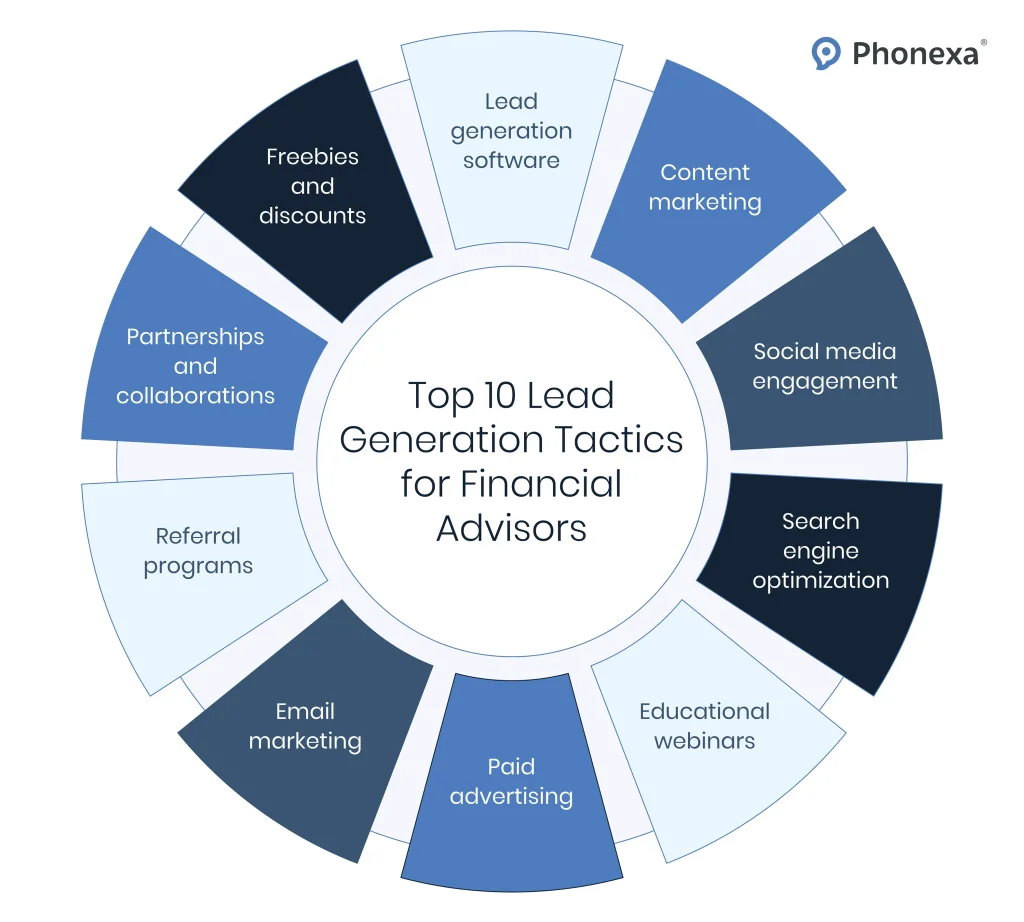
Developing a Strong Online Presence Through a Website
Creating a professional website is the cornerstone of a financial advisor’s online presence. A well-designed site should communicate services clearly, showcase client testimonials, and provide convenient access to contact information. Using search engine optimization (SEO) practices can enhance visibility — driving organic traffic to the site. According to a 2024 report, 70% of clients research financial advisors online before reaching out. This underscores the need for an optimized digital footprint.
Leveraging Social Media Platforms for Engagement
Social media platforms present financial advisors with a unique opportunity to connect with potential clients. By sharing valuable content and engaging with followers, advisors can build trust and credibility. Key platforms include:
- LinkedIn: Ideal for professional networking and sharing industry insights.
- Facebook: Useful for community engagement and targeted advertising.
- Instagram: Effective for visually appealing content and lifestyle branding.
A 2025 study showed that financial advisors who actively use social media experience a 25% increase in client inquiries. That’s a significant difference compared to those who don’t.
Creating Informative Content That Addresses Client Needs
Content marketing is a proven strategy for attracting and retaining clients. By producing informative articles, videos, and webinars, advisors can tackle common financial concerns and showcase their expertise. Topics might cover retirement planning, investment strategies, and tax optimization. This approach not only educates potential clients, but also positions advisors as thought leaders in the industry (this is often overlooked).
Implementing Email Marketing Campaigns to Nurture Leads
Email marketing remains a powerful tool for maintaining client relationships and nurturing leads. Advisors can segment their audience based on interests and demographics, allowing for targeted messaging. Effective campaigns typically include:
- Monthly newsletters with market updates and financial tips.
- Personalized messages for significant life events (e.g., retirement, college planning).
- Exclusive invitations to webinars or events.
Research from 2026 indicates that financial advisors who utilize email marketing achieve an average open rate of 21% and a click-through rate of 3.5%. These rates are significantly higher than many other industries.
Nuance / Expert Layer
Many financial advisors mistakenly believe that traditional marketing methods alone are enough for client acquisition. However, the shift toward digital engagement is clear. While referrals remain a crucial source of clients, statistics reveal that over 60% of new clients now come from digital channels. Advisors must adapt to this trend by blending online and offline strategies — this maximizes outreach and effectiveness.
Practical Application
To successfully implement these strategies, financial advisors should:
- Invest in a professional website with SEO capabilities.
- Choose 2-3 social media platforms to focus on and develop a content calendar.
- Create a content strategy that addresses client pain points, including regular blog posts and videos.
- Set up an email marketing platform to segment audiences and design targeted campaigns.
By following these actionable steps, financial advisors can improve their marketing effectiveness and better address the question, “how does a financial advisor get clients?” more efficiently.
Building Trust and Credibility with Clients
Establishing trust is fundamental for financial advisors looking to attract and retain clients. Trust shapes client decisions and can greatly influence the long-term success of advisory practices.
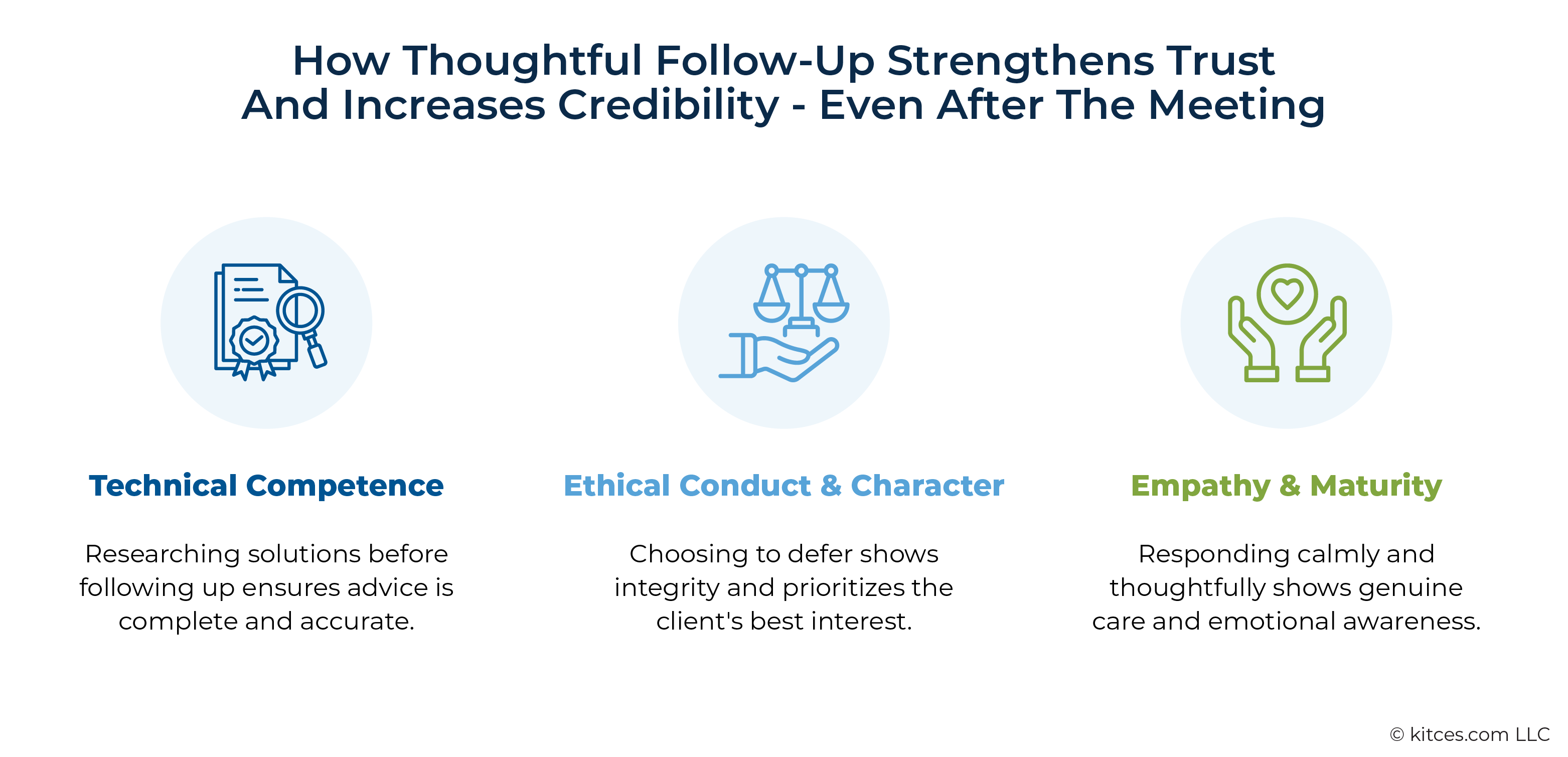
Establishing a Transparent Communication Style
A transparent communication style promotes openness and honesty — both are crucial for building trust. Financial advisors should clearly outline their services, fees, and potential conflicts of interest. A 2024 survey by the Financial Planning Association found that 78% of clients prioritize transparency in advisor communications. Regular updates and proactive outreach can enhance the advisor-client relationship, instilling more confidence in the advisor’s expertise.
Showcasing Testimonials and Case Studies
Testimonials and case studies act as social proof that validates an advisor’s credibility. By sharing client success stories, advisors demonstrate their capabilities and the benefits of their services. A study by WealthManagement.com in 2025 indicated firms showcasing client testimonials saw a 30% increase in client inquiries. Advisors should curate a diverse range of testimonials — this is often overlooked — ensuring they reflect various financial needs and outcomes.
Offering Free Consultations or Initial Assessments
Providing free consultations or initial assessments reduces the barrier for potential clients to engage with financial advisors. This strategy allows clients to gauge an advisor’s expertise and approach without any financial commitment. Statistics from the National Association of Personal Financial Advisors show that 65% of advisors offering free consultations report higher conversion rates of prospects into clients. This initial interaction can be pivotal in establishing rapport and illustrating value.
Continuously Educating Clients about Financial Matters
Ongoing education is critical for building trust. By equipping clients with knowledge about financial concepts, advisors empower them to make informed decisions. This practice not only boosts client confidence but also positions the advisor as a trusted resource. In fact, research from the Financial Literacy and Education Commission reveals that clients receiving regular financial education were 40% more likely to stay with their advisor long-term.
Nuance in Building Trust
While trust is essential, methods to build it can vary significantly among clients. Not all clients respond to the same strategies; some may value testimonials, while others prioritize educational resources. An effective approach tailors communication and trust-building efforts to meet individual client preferences. Furthermore, a common misconception is that trust can be established quickly — in reality, it often requires sustained effort over time and a genuine commitment to client interests.
Practical Application
- Develop a clear communication framework that outlines your services and fees.
- Create a dedicated section on your website for client testimonials and case studies.
- Implement a free consultation strategy and promote it through various channels.
- Establish a regular educational series, such as webinars or newsletters, to engage clients.
By employing these strategies, financial advisors can effectively enhance trust and credibility. This ultimately addresses the question of how a financial advisor gets clients.
Measuring Success: Tracking Client Acquisition Efforts
This section explores the methodologies financial advisors can use to gauge the effectiveness of their client acquisition strategies. Tracking these efforts is crucial for optimizing approaches and achieving sustainable growth.
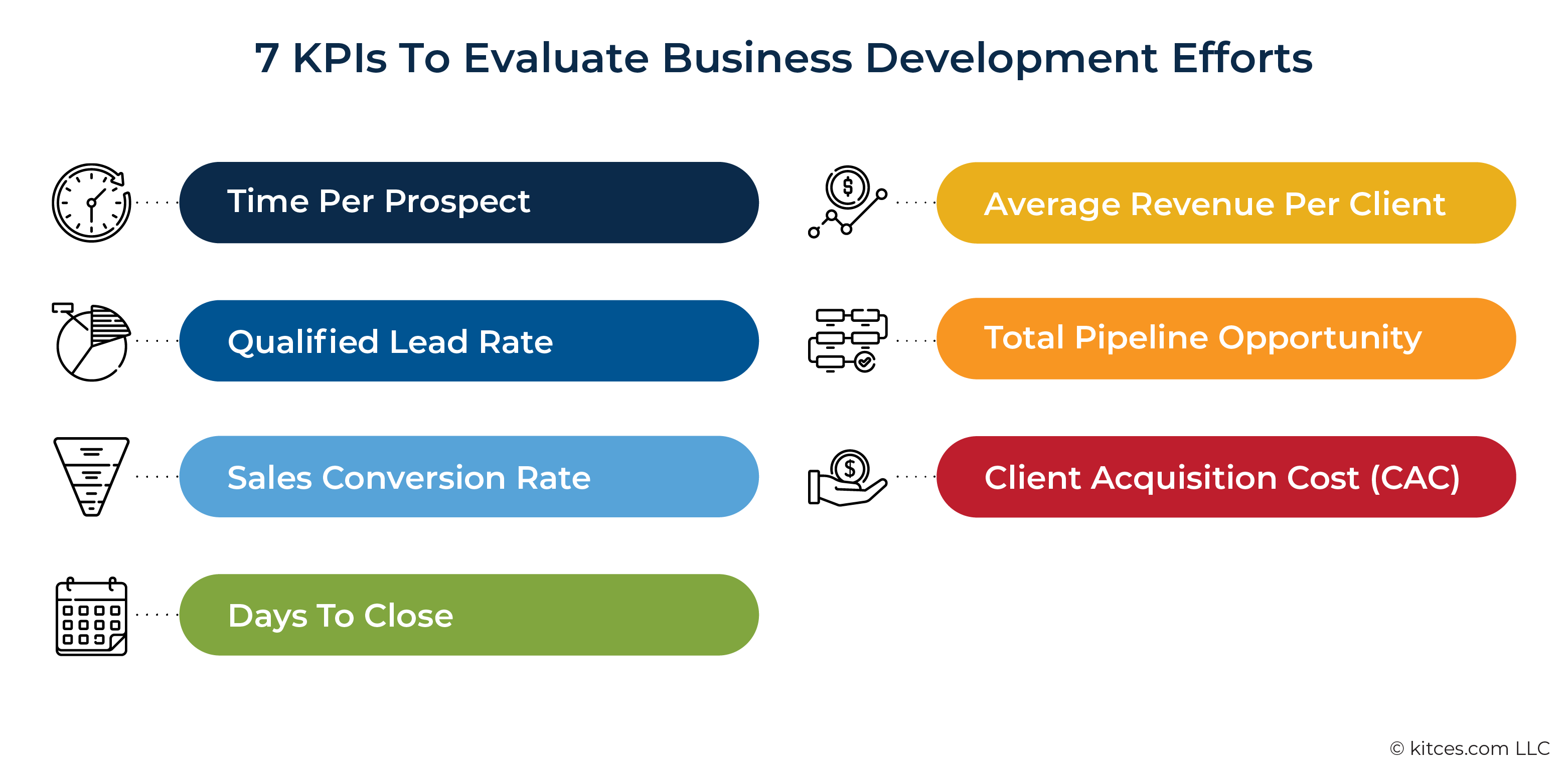
Setting Measurable Goals and KPIs
Establishing clear, measurable goals is key to evaluating client acquisition strategies. Financial advisors should define specific Key Performance Indicators (KPIs) that align with their business objectives. Some common KPIs include:
- Number of new clients acquired monthly
- Client retention rate
- Cost per acquisition (CPA)
- Conversion rate of leads to clients
A survey by the Financial Planning Association revealed that 67% of advisors who set clear KPIs report increased client growth over three years. This illustrates the strong connection between goal-setting and successful client acquisition.
Utilizing CRM Tools for Tracking Leads
Customer Relationship Management (CRM) tools play a vital role in tracking leads throughout the acquisition process. These platforms enable financial advisors to:
- Segment leads based on demographics and engagement levels
- Monitor interactions and follow-ups
- Analyze conversion rates across different lead sources
Using CRM software can improve efficiency and provide valuable insights into which acquisition channels deliver the best results. Adoption of CRM systems among financial advisors is expected to reach 80% by 2025 — a clear sign of their rising significance.
Analyzing Client Feedback for Improvement
Client feedback serves as a crucial resource for refining acquisition strategies. Advisors should regularly seek feedback through surveys or direct communication to understand client experiences and expectations. Analyzing this feedback can uncover:
- Service areas needing improvement
- Client satisfaction levels
- Potential barriers to conversion
Research indicates that companies actively seeking and acting on client feedback can boost their retention rates by up to 14%. This insight can foster adjustments in both service delivery and marketing tactics.
Adjusting Strategies Based on Performance Data
Ongoing assessment of performance data is essential for refining client acquisition strategies. Financial advisors should routinely review their KPIs and analytics to identify trends and areas for enhancement. This process includes:
- Evaluating the effectiveness of different marketing channels
- Identifying high-performing client segments
- Modifying services or outreach efforts based on client feedback
Research from Industry Analytics shows that firms adapting their strategies based on data analysis experience a 25% increase in client acquisition efficiency.
Expert Insight: Addressing Common Misconceptions
A common misconception among financial advisors is that client acquisition is merely a numbers game. While metrics are vital, the quality of engagements and relationships often outweighs quantity. Advisors must prioritize building trust and delivering value — as these factors significantly impact client decisions. Additionally, many advisors overlook the importance of post-acquisition follow-up, which can enhance client satisfaction and generate referrals.
Practical Application
To effectively measure client acquisition efforts, financial advisors should implement the following actionable steps:
- Define specific KPIs relevant to the practice.
- Invest in a robust CRM tool to facilitate lead tracking.
- Solicit and analyze client feedback on a regular basis.
- Review and adjust strategies based on performance data at least quarterly.
By taking these steps, financial advisors can clarify how to improve their client acquisition processes — ultimately boosting business growth and strengthening client relationships.
Frequently Asked Questions
What are the best ways for financial advisors to attract clients?
Financial advisors can attract clients through networking, offering free workshops, and establishing an online presence. Building trust and showcasing expertise are essential in drawing potential clients.
How can financial advisors use social media to gain clients?
Financial advisors can leverage social media platforms to share valuable insights, engage with followers, and promote services. Consistent content that addresses client needs can enhance visibility and attract prospective clients.
What role do referrals play in acquiring clients for financial advisors?
Referrals are a critical source of new clients for financial advisors, as they often come with a built-in level of trust. Satisfied clients are likely to recommend advisors to their networks, leading to organic growth.
How long does it typically take for a financial advisor to gain clients?
The timeline for acquiring clients can vary widely, typically ranging from a few months to several years. Factors such as marketing strategies, networking efforts, and market conditions influence this duration.
What should financial advisors avoid when trying to get clients?
Financial advisors should avoid aggressive sales tactics and making unrealistic promises. Additionally, neglecting to follow compliance regulations can damage credibility and hinder client acquisition.
Can financial advisors use content marketing to attract clients?
Yes, content marketing is an effective strategy for financial advisors to attract clients. By providing informative articles, videos, and resources, advisors can establish authority and engage potential clients.
Final Thoughts on how does a financial advisor get clients
Attracting clients as a financial advisor hinges on a multifaceted approach that combines effective networking, strategic marketing, and the cultivation of trust. By leveraging social media and referrals, advisors can establish a robust client base, but the key lies in consistently delivering value and demonstrating expertise.
Financial advisors should prioritize building a strong online presence, utilizing platforms like LinkedIn to share valuable insights and engage meaningfully with potential clients, thereby enhancing visibility and credibility in the industry.
To effectively grow your client base, consider working with a google ads expert who can help you implement targeted strategies that drive results.
Mastering client acquisition is not just beneficial; it is essential for sustained growth and success in the competitive financial advisory landscape.