
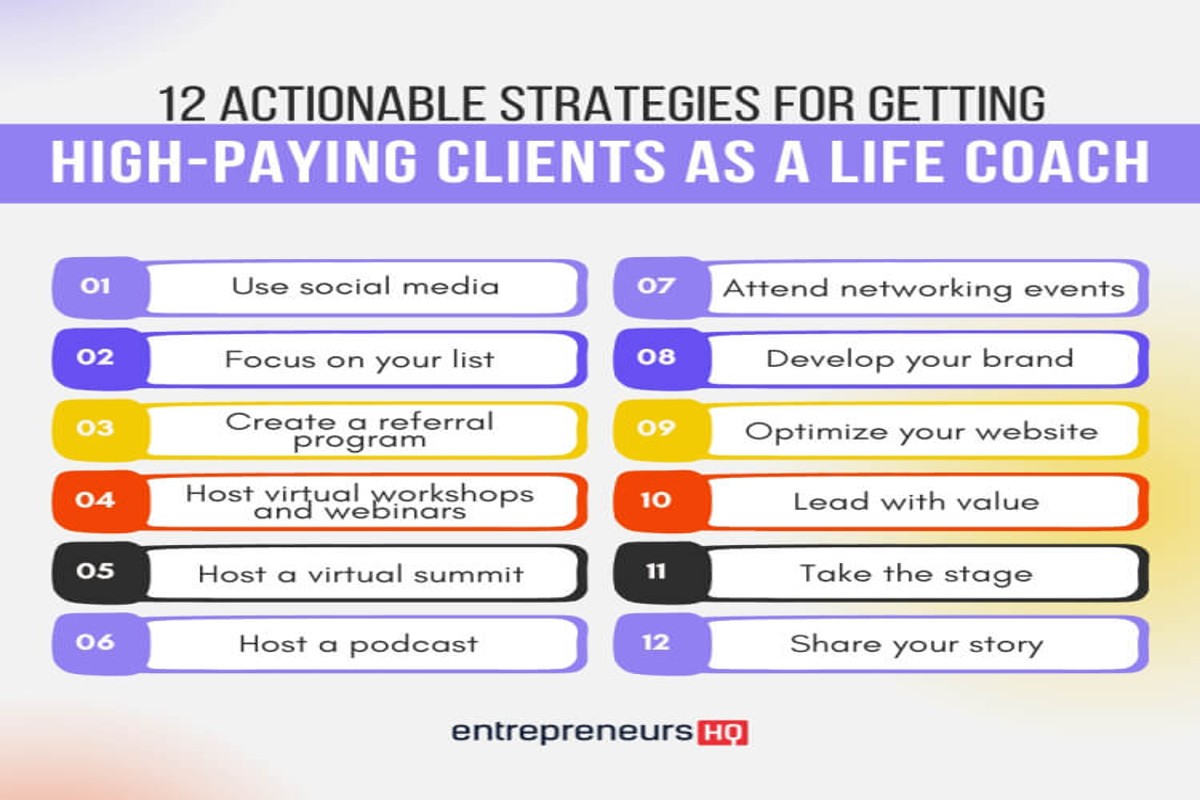
Life coaches get clients through various strategies, including networking, effective marketing, and establishing a strong online presence. A significant 80% of coaches report that referrals are their primary source of clients, highlighting the importance of building a solid reputation and connection within the community.
Understanding how life coaches get clients is crucial for both new and established coaches aiming to grow their practice. The coaching industry is projected to reach $20 billion by 2025, underscoring the potential for income and impact. Failing to grasp effective client acquisition strategies can lead to missed opportunities and stagnation in a competitive market.
Without a clear strategy for attracting clients, life coaches risk wasted marketing resources and diminished revenue potential. This can create a competitive disadvantage, making it challenging to sustain a thriving coaching business.
This article will explore proven strategies for client acquisition, including a comparison of top marketing methods, an analysis of costs, best practices for networking, and insights into optimizing local SEO for greater visibility.
What are the best ways for life coaches to find clients?
Life coaches can effectively find clients by using a mix of marketing strategies, networking, and harnessing social media. About 70% of coaches say referrals are their main source of clients — this underscores the need to build a strong professional network.
To start, establishing a solid online presence is essential. A professional website that clearly outlines services, client testimonials, and coaching philosophies can draw in potential clients. Don’t overlook optimizing the website for search engines (SEO); it can significantly improve visibility. Engaging content, like blogs or videos, showcases expertise and attracts an audience interested in life coaching.
- Use Social Media: Platforms like Instagram, Facebook, and LinkedIn are crucial for reaching potential clients. Regularly sharing valuable content, success stories, and insights helps build a following and establish credibility.
- Network Actively: Attend workshops, seminars, and local events to connect with individuals seeking life coaching. Building relationships with other professionals in related fields can also lead to referrals (this is often overlooked).
- Offer Free Workshops or Webinars: Providing free sessions can attract potential clients and showcase coaching methods. This strategy allows individuals to experience the coaching style before making a financial commitment.
- Join Coaching Associations: Becoming a member of recognized coaching organizations enhances credibility. These associations often provide resources for finding clients and valuable networking opportunities.
- Leverage Online Directories: Listing services on coaching directories can boost visibility. Many individuals seeking coaching actively search these platforms to find qualified professionals.
Expert insight: Focus on building a personal brand that resonates with your target audience. Consistency in messaging across all platforms builds trust and attracts the right clients.
How much do life coaches spend on marketing to get clients?
Life coaches usually spend between **$2,000 and $10,000** each year on marketing to attract clients. This budget often varies widely. Factors like the business model, target market, and chosen marketing strategies play a significant role.
Multiple factors influence marketing costs for life coaches. These include the selected marketing channels, the geographic area served, and the coach’s experience level. Coaches who choose digital marketing strategies — like social media advertising and search engine optimization — typically find costs more manageable. In contrast, those who invest in traditional methods, such as print advertising or public speaking engagements, may face higher expenses.
- Marketing Channels: The choice between online and offline methods can greatly impact costs. Online strategies often carry lower entry costs, but they may need ongoing investment.
- Target Audience: Marketing to a niche audience often requires a more tailored approach — this can increase expenses due to the need for specialized content or targeted ads (worth double-checking).
- Experience Level: Newer coaches might spend more to build credibility. In contrast, established coaches may rely more on referrals and testimonials, which can lower their marketing budget.
Moreover, the return on investment (ROI) from marketing efforts can differ significantly. Coaches should keep track of client acquisition costs and revenue generated from marketing activities to evaluate effectiveness. This kind of analysis helps refine strategies and optimize spending for better results.
Expert insight: Investing in a solid marketing plan — especially one that focuses on high-ROI channels like social media and email marketing — can greatly improve client acquisition while keeping expenses in check.
How long does it take for life coaches to get their first client?
Life coaches usually land their first client within 3 to 6 months of starting their practice. However, this timeline can vary greatly depending on the coach’s marketing techniques and networking efforts.
Several factors influence how long it takes for life coaches to attract clients. First off, the method of client acquisition is crucial. Coaches who use social media platforms and create a strong online presence often see quicker results. For example, those actively engaging in community-building activities or offering free workshops can convert prospects into clients much faster than those relying on word-of-mouth or traditional marketing methods.
The niche of the life coach also affects client acquisition timelines. Coaches specializing in high-demand areas — think career or health coaching — often find clients more easily. On the other hand, those in less popular niches face greater challenges. Furthermore, a coach’s previous experience and existing network can significantly speed up the process. Coaches with established connections in relevant industries typically secure clients more quickly due to referrals and recommendations.
Expert insight: Building a personal brand is vital. Continuously engaging with potential clients through valuable content can really shorten client acquisition time. Emphasizing authenticity and expertise in communication also enhances trust—this leads to quicker client commitments.
What platforms do life coaches use to attract clients?
Life coaches use various platforms to attract clients, like social media, personal websites, and networking events. A 2024 survey found that about 67% of life coaches consider social media their main tool for client acquisition.
Platforms such as Instagram, Facebook, and LinkedIn are vital for life coaches. These are key avenues to showcase expertise and connect with potential clients. For example, a life coach might create posts that offer valuable insights, share success stories, or provide free resources — all of which increase visibility and build credibility. Targeted advertising on these platforms can also help reach specific demographics. This allows coaches to fine-tune their messaging to better resonate with potential clients.
Beyond social media, personal websites are essential for attracting clients. A well-designed website acts as a hub for information on services, testimonials, and a blog with helpful content. For instance, a life coach might optimize their site for search engines by including relevant keywords, which can drive organic traffic. Plus, attending networking events, workshops, or webinars helps coaches meet potential clients face-to-face, fostering a personal connection that can lead to new opportunities.
Expert insight: To maximize client attraction, life coaches should integrate their efforts across platforms. It’s crucial to maintain a consistent brand message and use analytics to refine strategies based on client engagement data.
What is the role of referrals in getting clients for life coaches?
Referrals play a crucial role in client acquisition for life coaches, often accounting for up to 80% of new clients. When a happy client recommends a coach to friends or colleagues, it builds trust and credibility — this leads to new client relationships.
Referrals mainly depend on the quality of service offered. Coaches who consistently deliver value and positive outcomes are far more likely to receive recommendations. Additionally, establishing a structured referral program can motivate clients to share their experiences — further enhancing client acquisition efforts.
- Personal Recommendations: Word-of-mouth referrals from satisfied clients can be powerful. Potential clients usually trust personal endorsements more than anything.
- Networking Events: Engaging in local or online networking events allows coaches to connect with potential clients and other professionals who can refer clients (this is often overlooked).
- Partnerships: Collaborating with other professionals, like therapists or wellness practitioners, can lead to mutual referrals — expanding reach significantly.
Moreover, maintaining strong relationships with existing clients encourages ongoing referrals. Regular follow-ups and check-ins help keep the coach top-of-mind for clients who may know others in need of coaching services. According to a study by the International Coach Federation, coaches who actively seek feedback are more likely to receive referrals. Why? They demonstrate commitment to client satisfaction.
Expert insight: Implementing a referral incentive program can significantly boost client acquisition. Clients are often motivated to share their positive experiences when rewarded for their referrals.
Can life coaches use social media to get clients?
Yes, life coaches can effectively use social media to attract clients. A 2024 survey revealed that 72% of consumers are more likely to engage with a brand they follow on social media. This creates a significant opportunity for coaches to build relationships — and showcase their expertise.
Social media allows life coaches to reach a wider audience and connect with potential clients on a personal level. By leveraging various platforms, coaches can share valuable content and foster a community that encourages trust and loyalty. The result is often consistent engagement and enhanced visibility.
- Identify Your Target Audience: Understand who your ideal clients are. Tailor your content to meet their specific needs and interests. This focused approach will attract followers who are genuinely interested in your services.
- Create Valuable Content: Share tips, motivational quotes, and success stories that resonate with your audience. Educational posts, videos, and live Q&A sessions can effectively position you as an authority in your niche.
- Engage Regularly: Make sure to consistently interact with your followers. Respond to comments, ask questions, and encourage discussions. Regular engagement builds relationships. It also keeps you top-of-mind for potential clients.
- Utilize Paid Advertising: Consider using targeted ads on platforms like Facebook and Instagram to reach a larger audience. Set clear objectives for your ad campaigns (worth double-checking), such as lead generation or brand awareness, to maximize effectiveness.
- Leverage Testimonials and Reviews: Share client testimonials and success stories on your social media profiles. Authentic feedback can boost your credibility and attract new clients by showcasing the positive impact of your coaching.
Expert insight: Focus on building a community rather than just promoting services. A loyal following is more likely to convert into clients when they feel connected and valued.
What are common mistakes life coaches make when trying to get clients?
Life coaches often make several mistakes that hinder their efforts to acquire clients. Common pitfalls include targeting the wrong audience, lacking a clear value proposition, and failing to use effective marketing strategies. According to a 2023 survey, over 60% of life coaches struggle to attract clients due to these missteps.
One significant mistake is targeting a broad audience instead of a well-defined niche. Coaches who try to appeal to everyone often dilute their message — and they struggle to connect with potential clients. A clear niche is crucial. It helps in crafting tailored marketing messages that resonate with specific groups. By identifying a target demographic, coaches can conduct more effective outreach and better understand client needs.
Another common error is not clearly articulating the value of their services. Coaches must communicate the benefits clients will receive rather than simply listing services. This can include sharing success stories, testimonials, or specific outcomes achieved through coaching. A strong value proposition sets a coach apart from competitors and builds confidence in potential clients.
- Neglecting online presence: Coaches often underestimate how important a professional website and active social media profiles are. An engaging online presence helps build credibility — and it can attract more clients.
- Inconsistent marketing efforts: Life coaches may start strong but then fail to maintain consistency in their marketing strategies. Regular content updates, newsletters, and social media engagement are essential for staying relevant (this is often overlooked).
- Overlooking networking opportunities: Many coaches miss out on valuable connections by not participating in local events, workshops, or online forums. Networking can lead to referrals and increased visibility — well worth the time spent.
Expert insight: Establishing a clear niche and maintaining a consistent marketing strategy are vital for client acquisition. Coaches should continuously evaluate their messaging and adapt to the evolving needs of their target audience.
Effective Marketing Strategies for Life Coaches
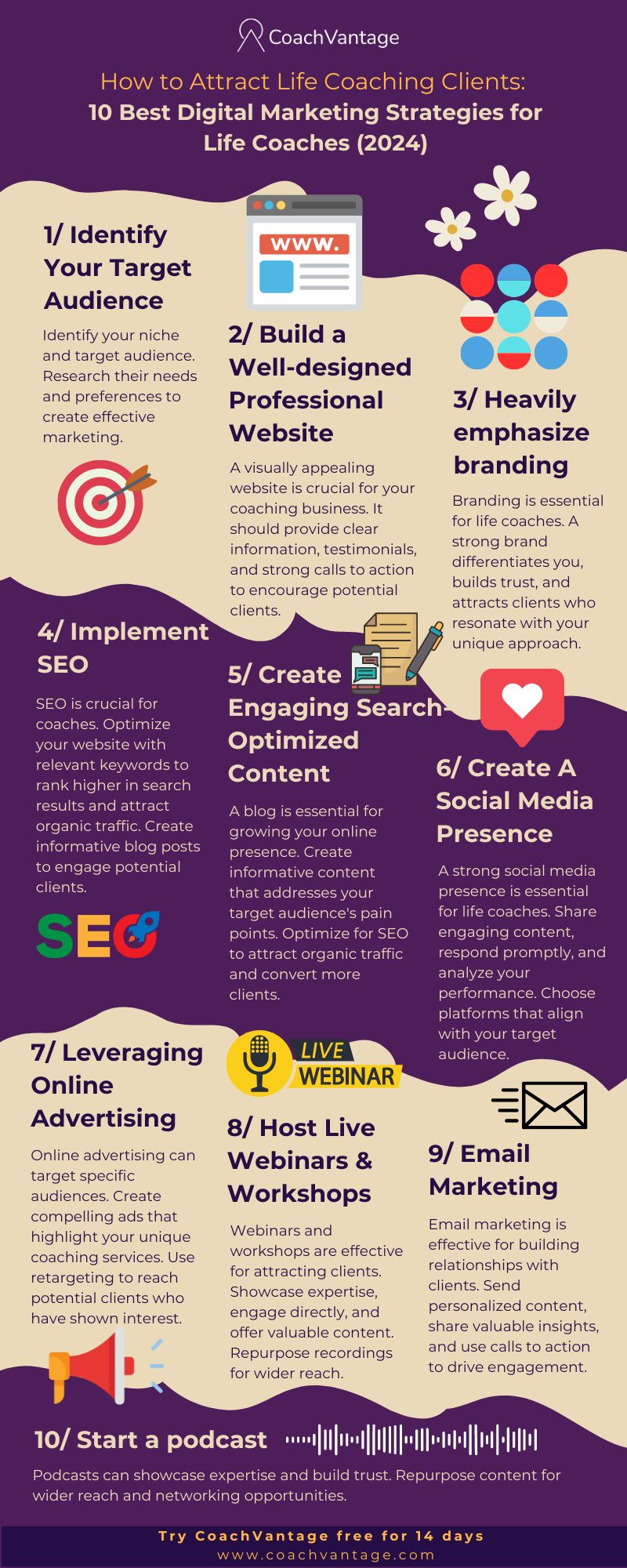
This section explores advanced marketing strategies that life coaches can adopt to attract and retain clients. Leveraging these methods helps coaches build a solid client base and assert their presence in a competitive market.
%20(1).jpg)
Utilizing Content Marketing to Establish Authority
Content marketing is an essential strategy for life coaches keen on showcasing their expertise and connecting with potential clients. By creating high-quality content—like blog posts, articles, and videos—coaches can show their knowledge and deliver value to their audience. This builds trust and positions coaches as thought leaders in their field.
According to a 2024 survey, 72% of consumers prefer to learn about a product or service through articles rather than through ads. This highlights the need to produce relevant and informative content that addresses the specific needs and challenges of potential clients (worth double-checking).
Email Marketing Campaigns to Nurture Leads
Email marketing continues to be one of the most effective tools for nurturing leads. By developing targeted email campaigns, life coaches can keep their audience engaged and informed. This means segmenting the email list based on interests, sending personalized messages, and offering insights that resonate with recipients.
- Create a welcome series for new subscribers to introduce services.
- Share success stories and testimonials to build credibility.
- Offer exclusive content or discounts to encourage conversions.
Statistics show that email marketing can yield an average return on investment (ROI) of $42 for every $1 spent. This makes it a highly effective strategy for client acquisition and retention.
Creating Valuable Resources Like eBooks or Webinars
Offering valuable resources such as eBooks or webinars can greatly enhance a life coach’s marketing efforts. These resources serve two vital purposes: they educate potential clients and collect contact information for future follow-ups. For instance, an eBook detailing strategies for personal growth can draw in leads interested in self-improvement.
Webinars, in particular, provide a platform for real-time interaction. Coaches can showcase their methodologies, answer questions, and present services directly to an engaged audience. A well-executed webinar can lead to conversion rates as high as 20% — impressive for any coach.
Leveraging SEO to Attract Organic Traffic
Search Engine Optimization (SEO) is vital for life coaches looking to boost their online visibility. By optimizing their websites for relevant keywords, coaches can attract organic traffic and reach potential clients actively searching for coaching services. This involves performing keyword research, optimizing content, and ensuring the website is user-friendly.
- Identify target keywords related to coaching services.
- Incorporate these keywords naturally into website content.
- Regularly update the website with fresh content to improve search rankings.
In 2025, it was reported that 68% of online experiences begin with a search engine. This statistic underscores the critical role of SEO in client acquisition for life coaches.
While many life coaches may concentrate solely on social media or word-of-mouth marketing, it’s essential to recognize that a multi-faceted approach yields the best results. Misconceptions often arise around the effectiveness of these strategies; for example, some coaches may underestimate the power of email marketing or content creation. A comprehensive marketing strategy integrating various channels can significantly enhance visibility and client engagement.
To implement these strategies effectively, life coaches should start by developing a content calendar that includes regular blog posts and email newsletters. Creating a lead magnet, such as a free eBook or webinar, can also help capture potential clients’ information. Finally, investing time in learning SEO best practices will boost their online presence and attract more organic traffic. By executing these actionable steps, life coaches can establish a strong client acquisition framework.
Building a Strong Personal Brand
Establishing a robust personal brand is crucial for life coaches who want to attract clients. A well-defined brand not only conveys expertise but also resonates with the target audience. This connection leads to increased engagement and more client acquisitions.

Defining Your Niche and Target Audience
Identifying a specific niche is vital for life coaches. By focusing on a particular area — like career coaching, wellness, or relationship guidance — coaches can tailor their services to meet the unique needs of their ideal clients. Understanding the demographics and psychographics of the target audience enhances marketing strategies. For instance, a coach specializing in stress management may target professionals in high-pressure jobs. This allows for a more directed approach.
Crafting a Compelling Personal Story
A personal narrative can greatly influence potential clients. Sharing a compelling story that highlights personal experiences, struggles, and triumphs creates a connection with the audience. It humanizes the coach while providing insight into their motivations and values. According to a survey by the International Coach Federation, 70% of clients reported being drawn to a coach because of their personal story. This reinforces the importance of authenticity in branding.
Using Testimonials and Case Studies
Social proof plays an essential role in building credibility. Testimonials from satisfied clients, along with detailed case studies showcasing successful outcomes, can persuade potential clients to engage. These endorsements validate the coach’s effectiveness and offer tangible evidence of the results achieved. A study showed that 84% of people trust online reviews just as much as personal recommendations — this highlights the necessity of showcasing positive client experiences.
Maintaining Consistency Across Platforms
Consistency across various marketing platforms boosts brand recognition. Life coaches should confirm that their messaging, visuals, and overall tone remain uniform across social media, websites, and promotional materials. This cohesive approach builds trust and reinforces the brand image. Research indicates that consistent branding can increase revenue by up to 23% — a clear emphasis on its importance in client acquisition.
Nuance and Expert Layer
A common misconception in personal branding is that it solely relies on flashy visuals or social media presence. While these elements matter, the core of a strong brand lies in authenticity and the value proposition. Many coaches overlook the need for a clear message that articulates their unique benefits. A successful personal brand communicates not just who the coach is but also what they offer that sets them apart. This deeper understanding can help differentiate a coach in a crowded market.
Practical Application
- Identify your niche and develop a detailed client persona.
- Craft and refine your personal story, focusing on authenticity and relatability.
- Collect and showcase testimonials and case studies on your website and social media.
- Make sure your branding is consistent across all platforms, including visuals and messaging.
Implementing these strategies can help life coaches enhance their personal brand effectively. This, in turn, improves their ability to attract and retain clients. Understanding how life coaches get clients through branding will establish a solid foundation for long-term success.
Networking and Community Engagement
Networking and community engagement are vital strategies for life coaches looking to acquire clients. Building relationships within professional circles enhances visibility. It also fosters trust and credibility.
Joining Professional Associations and Groups
Membership in professional associations gives life coaches access to valuable resources and industry insights. Organizations like the International Coach Federation (ICF) and the Center for Credentialing & Education (CCE) provide platforms for coaches to connect and collaborate. Being part of these associations can lead to referrals — members often recommend each other to clients.
Participating in Local Events and Workshops
Local events, workshops, and seminars are excellent venues for life coaches to meet potential clients. These gatherings allow coaches to showcase their expertise and share their methodologies. Engaging directly with attendees is key. According to a 2024 survey, 62% of clients find their coaches through local community events (this is often overlooked). This highlights their effectiveness in client acquisition.
Building Relationships with Other Coaches
Collaborating with fellow coaches can lead to mutual referrals and shared resources. By building a network of trusted colleagues, coaches can tap into each other’s client bases. For example, a coach specializing in career development might refer clients to a coach focusing on personal wellness. This creates a holistic support system for clients seeking comprehensive guidance.
Utilizing Online Forums and Communities
Online platforms like Facebook groups, LinkedIn, and specialized coaching forums provide life coaches with ways to connect with potential clients beyond their immediate geographical area. Engaging in discussions and offering advice can position coaches as thought leaders in their niche. Research shows that 48% of life coaches report gaining clients through social media interactions — underscoring the significance of an active online presence.
Common Misconceptions About Networking
Many think that networking is merely about self-promotion. However, effective networking is about building genuine relationships and offering value to others. Coaches should concentrate on contributing to discussions, providing resources, and supporting their peers (worth double-checking), rather than just promoting their services. This approach fosters trust and increases the chances of receiving referrals.
Practical Application
- Identify and join at least two professional coaching associations relevant to your niche.
- Attend at least one local event or workshop per month to expand your network.
- Reach out to fellow coaches for collaboration opportunities and referral partnerships.
- Engage actively in online forums to establish your expertise and connect with potential clients.
Implementing these strategies can significantly boost a life coach’s ability to attract and retain clients. By focusing on authentic engagement and relationship-building, coaches can cultivate a thriving practice.
Measuring Success: Tracking Client Acquisition Efforts
This section examines how life coaches can track and measure their client acquisition strategies effectively. Establishing clear goals and using data are essential. Coaches can optimize marketing efforts for sustained growth — a crucial element in a competitive landscape.

Setting Clear Goals and KPIs
Establishing clear goals and key performance indicators (KPIs) is foundational for measuring client acquisition success. Goals ought to be specific, measurable, achievable, relevant, and time-bound (SMART). Common KPIs for life coaches include:
- Number of new clients acquired per month
- Conversion rates from inquiries to clients
- Client retention rates
In 2023, the average client acquisition cost for life coaches was approximately $500. This highlights the importance of tracking expenses against the number of clients gained (worth double-checking).
Using Analytics Tools to Assess Marketing Efforts
Analytics tools provide valuable insights into the effectiveness of marketing strategies. Platforms such as Google Analytics, social media insights, and email marketing analytics enable coaches to track visitor behavior, engagement rates, and conversion data. Key metrics to monitor include:
- Website traffic sources
- Engagement rates on social media posts
- Email open and click-through rates
By analyzing this data, coaches can identify which channels yield the best results. They can then allocate resources more efficiently.
Adjusting Strategies Based on Performance Data
Data-driven decision-making is crucial for refining client acquisition strategies. Regularly reviewing performance metrics allows life coaches to pivot their approaches when necessary. For example — if social media engagement is low, coaches might consider:
- Adjusting content types (videos, infographics)
- Experimenting with posting times
- Investing in targeted ads
In 2024, data indicated that life coaches who adjusted their strategies based on analytics saw a 30% increase in client inquiries. Adapting is key.
Understanding Client Feedback and Adapting Accordingly
Client feedback is an invaluable resource for continuous improvement. Gathering insights through surveys, testimonials, and direct conversations can reveal areas needing enhancement. Coaches should focus on:
- Identifying common client challenges and addressing them
- Assessing satisfaction levels with services provided
- Encouraging referrals based on positive experiences
Incorporating feedback not only strengthens relationships with existing clients — it also enhances marketing messages to attract new clients.
While many coaches may rely solely on quantitative metrics, qualitative data from client feedback can provide deeper insights into client needs and preferences. This holistic approach ensures that life coaches are not just attracting clients but also retaining them through tailored services.
Practical Application
To leverage this information effectively, life coaches should:
- Define and document specific client acquisition goals and KPIs.
- Implement analytics tools to monitor marketing performance regularly.
- Review and adjust strategies based on data insights every quarter.
- Solicit client feedback consistently and adapt services based on this input.
By following these steps, life coaches can enhance their client acquisition efforts. This ensures sustainable growth and a steady influx of new clients.
Frequently Asked Questions
What are the best ways for life coaches to find clients?
Life coaches can find clients through networking events, workshops, and online platforms. Building a strong online presence and utilizing content marketing can also attract potential clients.
How much do life coaches spend on marketing to get clients?
Life coaches typically spend between 5% to 15% of their revenue on marketing efforts. This can include online ads, website development, and promotional materials.
How long does it take for life coaches to get their first client?
It can take life coaches anywhere from a few weeks to several months to secure their first client. This timeframe often depends on their marketing strategies and networking efforts.
What platforms do life coaches use to attract clients?
Life coaches commonly use platforms like social media, personal websites, and professional networks such as LinkedIn. Online coaching directories also serve as effective tools for client attraction.
What is the role of referrals in getting clients for life coaches?
Referrals play a crucial role in client acquisition for life coaches, as satisfied clients often recommend their services to others. Building a referral network can significantly enhance client trust and credibility.
Can life coaches use social media to get clients?
Yes, social media is an effective tool for life coaches to reach potential clients. By sharing valuable content and engaging with their audience, coaches can build their brand and attract new clients.
What are common mistakes life coaches make when trying to get clients?
Common mistakes include failing to define their target audience and neglecting to build an online presence. Additionally, coaches may overlook the importance of consistent follow-up with leads and referrals.
Final Thoughts on how do life coaches get clients
Success in attracting clients as a life coach hinges on a strategic blend of effective marketing, personal branding, and proactive networking. By leveraging modern platforms and engaging authentically with communities, life coaches can establish a robust client base that reflects their expertise and values.
To capitalize on these insights, life coaches should invest in creating a compelling online presence through targeted social media campaigns that showcase their unique approach and client success stories, thereby drawing in potential clients who resonate with their message.
To successfully attract your ideal clients, consider how to hire google ads expert services that can elevate your coaching business to the next level.
Mastering the art of client acquisition is not just beneficial—it’s essential for thriving in the competitive coaching landscape.