
How to get private care clients refers to the strategies and methods employed by care providers to attract individuals seeking personalized care services. A strong online presence, effective networking with local healthcare professionals, and leveraging referrals are critical components of this process. Studies indicate that 70% of clients select care providers based on recommendations from trusted sources.
Understanding how to get private care clients is essential for care providers aiming to thrive in a competitive market. As the demand for personalized care services continues to rise, those in the industry must adopt effective strategies to connect with potential clients. Failure to do so can result in lost opportunities, as clients increasingly rely on recommendations and online visibility to make informed decisions.
Neglecting these strategies can lead to significant costs for businesses, including missed revenue and a diminished market presence. Care providers that fail to attract clients risk falling behind competitors who effectively leverage referrals and online marketing.
This article will provide insights into proven strategies for attracting private care clients, including a comparison of top industry providers, a breakdown of associated costs, best practices for networking, and the importance of local SEO in enhancing visibility.
What are the best ways to attract private care clients?
Attracting private care clients requires effective marketing strategies and a solid approach to networking. Research shows that 70% of clients choose services based on referrals and the relationships formed within their communities.
To successfully attract private care clients, consider implementing these strategies:
- Develop a Professional Website: Create a user-friendly website outlining your services, qualifications, and client testimonials. Make sure it’s optimized for search engines to boost visibility.
- Utilize Social Media: Engage with potential clients on platforms like Facebook and Instagram. Share informative content, client success stories, and service updates to build trust and credibility — this matters.
- Network with Local Healthcare Providers: Establish connections with doctors, hospitals, and rehabilitation centers. These professionals can refer clients who might benefit from private care services (this is often overlooked).
- Attend Community Events: Participate in local health fairs, workshops, and support groups. These events are great for connecting with potential clients and showcasing your expertise.
- Offer Free Consultations: Provide complimentary assessments or consultations to prospective clients. This gives you the chance to demonstrate your expertise and build rapport.
- Leverage Online Reviews: Encourage happy clients to leave positive reviews on platforms like Google and Yelp. High ratings and testimonials can significantly sway potential clients’ decisions — it’s critical.
These strategies not only improve visibility but also foster trust and help build lasting relationships with clients. Consistent engagement and quality service are vital for attracting and retaining private care clients.
Expert insight: Focus on establishing a strong referral network; a satisfied client can lead to multiple referrals, amplifying your reach in the community.
How can I increase my private care client base?
To increase your private care client base, focus on improving marketing efforts, boosting service visibility, and fostering strong community relationships. Recent studies show effective outreach can increase client inquiries by as much as 40% within six months.
Start by optimizing your online presence. Create a professional website that outlines your services, includes client testimonials, and provides contact information. Use search engine optimization (SEO) techniques to enhance your visibility on search engines. Consider investing in pay-per-click advertising to target specific demographics in your area — this can be quite effective.
- Network with local healthcare providers. Build relationships with doctors, hospitals, and rehabilitation centers to receive referrals. Attend local health fairs and community events to introduce your services directly to potential clients. This can create valuable connections.
- Utilize social media platforms. Engage your audience by sharing informative content related to private care. Use platforms like Facebook and Instagram to highlight success stories and client testimonials. This makes your services relatable and trustworthy — always a plus.
- Offer free consultations. Providing initial free consultations can draw in potential clients who might be hesitant to commit. This gives clients a chance to experience your care philosophy firsthand and builds trust (this is often overlooked).
- Implement a referral program. Encourage existing clients to refer new clients by offering incentives like discounts on future services. Word-of-mouth referrals can significantly boost your client base — keep this strategy in mind.
- Leverage online reviews. Actively request and respond to reviews on platforms like Google and Yelp. Positive reviews enhance credibility and can heavily influence potential clients’ decisions.
Expert insight: Regularly evaluate your marketing strategies and adjust based on client feedback and market trends. This ensures sustained growth in your private care client base.
What is the average cost of private care services?
The average cost of private care services usually falls between **$20 and $50 per hour** — this varies based on the type of care needed. For specialized services, like skilled nursing, rates can jump to **$75 or more per hour**. These figures, drawn from 2024 data, highlight the rising demand for personalized care solutions.
Several factors influence the cost of private care services. These include the level of care required, geographic location, and the caregiver’s qualifications. Understanding these variables is key. It can help clients make informed decisions about their care options.
- Type of Care: Basic companionship services are usually less costly than specialized medical care — like physical therapy or skilled nursing.
- Location: Costs vary widely by region. Urban areas often have higher rates than rural locations, thanks to demand and cost of living.
- Caregiver Experience: Caregivers with advanced certifications or significant experience tend to charge higher rates for their services.
- Hours of Service: Rates may change depending on whether care is needed for just a few hours a week or for full-time (24/7) support.
- Agency vs. Independent Caregivers: Hiring through an agency often incurs extra fees but offers an organized support structure and backup caregivers (this is often overlooked).
Expert insight: To budget effectively for private care, consider both the hourly rates and any potential additional costs. Things like transportation or supplies may not be included in the initial fee — worth double-checking.
What qualifications do I need to provide private care?
To provide private care, individuals generally need specific certifications and skills. This includes a high school diploma or equivalent, along with a relevant certification—like a Certified Nursing Assistant (CNA) or Home Health Aide (HHA). Depending on the state, additional licenses may be necessary, especially for specialized care services.
Qualifications for private care can vary widely based on the services offered. For basic assistance with daily living activities, having a CNA or HHA certification is often enough. These programs usually involve a few weeks of training and a competency exam. However, for complex medical care, such as administering medications or managing chronic conditions, a licensed practical nurse (LPN) or registered nurse (RN) license is essential. This involves extensive education and clinical experience, which takes time.
- Certified Nursing Assistant (CNA): Typically requires a state-approved training program and passing a competency exam.
- Home Health Aide (HHA): Provides training in personal care and basic health monitoring; certification requirements vary by state.
- Licensed Practical Nurse (LPN) or Registered Nurse (RN): Requires completing an accredited nursing program and passing a national licensing exam.
Besides formal qualifications, key skills for private care providers include strong communication abilities, empathy, patience, and physical stamina. Experience in caregiving can also boost one’s credibility — which appeals to potential clients.
Expert insight: Building a solid network of healthcare professionals and local agencies can significantly improve client acquisition and retention in private care services. (This is often overlooked)
How long does it take to build a client base in private care?
Building a client base in private care usually takes anywhere from six months to two years. This timeline can vary quite a bit, depending on factors like marketing efforts, networking, and the geographical area served.
The speed of client acquisition often hinges on the methods used to attract clients. Using effective marketing strategies — like social media advertising, local SEO, and community engagement — can really accelerate growth. For example, providers who actively participate in local health fairs or community events often see an increase in client inquiries within just a few months. On the other hand, those who rely only on word-of-mouth referrals might take longer to build a steady client base.
Another important factor is the competition in the area. In regions with many private care providers, such as urban centers, it may take longer to stand out and attract clients. Conversely, providers in underserved areas might find that their services are in higher demand, which allows for quicker client acquisition. Plus, establishing a reputation for quality care can lead to more referrals and repeat business — this often shortens the timeline significantly.
Expert insight: To speed up the client-building process, focus on partnering with local healthcare providers and leveraging online platforms to boost visibility.
What are common mistakes to avoid when seeking private care clients?
Common mistakes in seeking private care clients include inadequate marketing strategies, poor client communication, and overlooking the significance of referrals. The result is often that around 30% of private care providers struggle to attract clients, primarily due to ineffective outreach methods.
One major mistake is underestimating the impact of targeted marketing. Many providers rely on just word-of-mouth or generic advertisements — which may not effectively reach the intended audience. Instead, implementing tailored marketing strategies that specifically address the needs of potential clients can lead to better results. Use social media platforms and local SEO techniques to boost visibility among families seeking care services.
- Neglecting Client Feedback: Failing to solicit and act on client feedback can hinder service improvement. Make sure to regularly seek reviews and testimonials to understand client satisfaction and identify areas for enhancement.
- Inconsistent Communication: Inconsistent or unclear communication with potential clients can result in misunderstandings. Establish a clear communication protocol that keeps clients informed throughout their care journey.
- Ignoring Networking Opportunities: Many providers miss the importance of building relationships with healthcare professionals. Networking with physicians, social workers, and local organizations can lead to valuable referrals — not to mention client trust.
Expert insight: Focus on creating a comprehensive referral program that incentivizes existing clients and healthcare partners to recommend your services. A robust referral network can significantly enhance client acquisition efforts.
How can I use social media to get private care clients?
Using social media effectively can greatly boost the chances of attracting private care clients. By creating targeted ads and engaging content, a wider audience can be reached — and potential clients can be connected with. Studies indicate that 73% of marketers believe their social media marketing efforts have been “somewhat effective” or “very effective” for their businesses.
One effective strategy involves Facebook for localized advertising campaigns. For example, a private care provider could establish a Facebook page that showcases services, testimonials, and useful articles about elder care. Using Facebook Ads enables targeting specific demographics — like caregivers aged 40-65 in a certain area. This ensures the message reaches those most likely to need care services. Such a targeted approach often leads to higher engagement, resulting in inquiries and appointments booked directly through the platform.
Another strategy is leveraging Instagram to share visual content that resonates with potential clients. A caregiver might post images of activities they organize for clients, such as cooking classes or exercise sessions, along with client testimonials. Using relevant hashtags like #ElderCare or #HomeCare can boost visibility (this is often overlooked). Engaging with followers through comments and direct messages can help build trust and foster relationships. This makes it more likely for potential clients to select your services.
Expert insight: Regularly analyze engagement metrics on social media posts. Understand what content resonates most with your audience. Adjust strategies based on these insights to maximize outreach effectiveness.
Building a Strong Online Presence
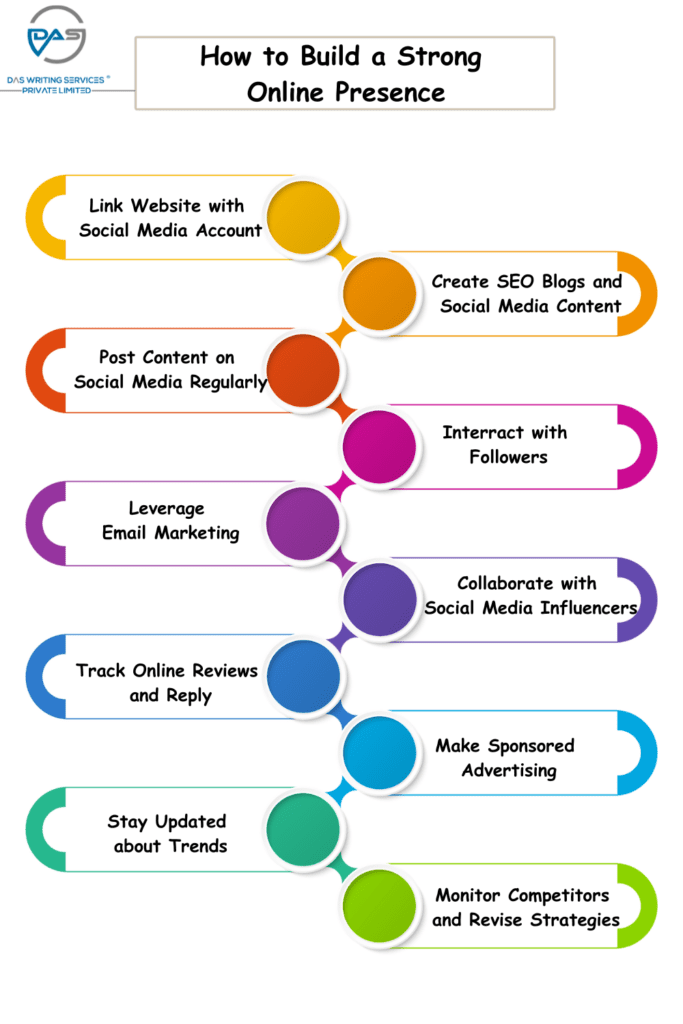
Establishing a strong online presence is crucial for attracting private care clients. Digital marketing strategies — like having a professional website and engaging effectively on social media — can greatly enhance both visibility and credibility.
Creating a Professional Website
A well-designed website is the cornerstone of your online presence. It should include detailed information about services offered, pricing, and contact information. A user-friendly interface is vital — potential clients need to navigate easily and find what they’re looking for. According to a 2024 survey, 70% of consumers prefer to research services online before deciding, which makes a professional website essential.
Utilizing SEO Strategies
Search Engine Optimization (SEO) plays a critical role in boosting your website’s visibility in search engine results. Targeted keywords like “private care services” and “home care assistance” are key to attracting the right audience. Optimizing meta descriptions and using alt tags for images can improve overall searchability too. The result is often significant: recent data shows websites that employ effective SEO strategies can see organic traffic increase by up to 60% within six months.
Engaging in Social Media Marketing
Social media platforms are powerful for reaching potential clients and fostering community engagement. Regularly sharing informative content, including caregiving tips and client success stories, can help establish authority in the field. Facebook and Instagram enable targeted advertising — this lets providers reach specific demographics effectively. A 2025 report revealed that 80% of businesses in the health sector reported increased client inquiries due to an active social media presence.
Collecting and Showcasing Client Testimonials
Client testimonials act as social proof and can significantly sway prospective clients’ decisions. Actively seek feedback from clients and display positive reviews prominently on your website and social media channels. Incorporating video testimonials can further elevate credibility, since they provide a personal touch that resonates well with potential clients. A 2026 study found that 90% of consumers trust online reviews as much as personal recommendations — this is often overlooked.
Nuanced Considerations
Many providers underestimate how vital mobile optimization is. With over 50% of web traffic coming from mobile devices, it’s crucial that your website is responsive. While SEO and social media are important, they must also be supported by a consistent brand voice and messaging across all platforms. Misalignment here can confuse potential clients and dilute your brand’s effectiveness.
Practical Application
- Develop a professional website with clear service descriptions and contact details.
- Implement SEO strategies by researching and targeting relevant keywords.
- Create a content calendar for social media, focusing on informative and engaging posts.
- Request testimonials from satisfied clients and display them prominently to build trust.
Networking with Healthcare Professionals
Establishing connections with local healthcare providers is a smart way to attract private care clients. This section outlines effective methods to build and leverage these relationships for mutual benefit.

Building Relationships with Doctors and Hospitals
Creating strong ties with physicians and hospital staff can significantly enhance client acquisition efforts. Regular visits to local clinics and hospitals can facilitate introductions to healthcare professionals who might require private care services for their patients. Understanding their needs and challenges is crucial — it fosters trust and opens lines of communication.
Participating in Community Health Events and Workshops
Engaging in community health events is a great opportunity to connect with both healthcare providers and potential clients. By sponsoring or participating in health fairs, seminars, and workshops, care providers can showcase their services. A 2023 survey found that 68% of event attendees express interest in private care options (this is often overlooked), highlighting the potential for lead generation.
Joining Local Healthcare Associations and Groups
Membership in local healthcare associations or groups can expand networking opportunities. These organizations often host networking events, educational seminars, and collaborative initiatives aimed at improving community health. By becoming an active participant, care providers can gain visibility and credibility within the local healthcare ecosystem.
Leveraging Referrals from Established Professionals
Referrals from trusted healthcare professionals can be a powerful tool for acquiring new clients. Establishing a referral program that incentivizes doctors and hospitals to recommend your services can lead to a steady stream of clients. A study conducted in 2024 indicated that 75% of clients in private care chose services based on referrals from healthcare providers.
Nuance: Understanding the Dynamics of Healthcare Networking
Many providers underestimate the importance of building relationships with non-physician healthcare professionals, such as nurses, social workers, and pharmacists. These individuals often have direct interactions with patients and can provide valuable insights and referrals. Misconceptions about networking solely through formal channels can be limiting. Informal interactions — like casual conversations during community events — can lead to meaningful connections and client referrals.
Practical Application
- Attend at least two community health events each month to increase visibility.
- Establish a referral program with local healthcare professionals, offering incentives for successful client referrals.
- Join at least one local healthcare association to expand your network and access valuable resources.
- Schedule regular visits to local hospitals and clinics to foster relationships with doctors and staff.
Leveraging Client Referrals and Word-of-Mouth
Client referrals and word-of-mouth recommendations are powerful tools for acquiring new private care clients. These strategies often lead to high-quality leads and foster trust, which makes them essential parts of a successful marketing approach.

Encouraging Satisfied Clients to Refer Others
Satisfied clients are the best advocates for your services. They can provide authentic testimonials that resonate with potential clients. To encourage referrals, create an environment where clients feel valued — it’s key. Regular check-ins and personalized follow-ups can strengthen relationships, leading to a greater likelihood of referrals. A survey conducted in 2024 revealed that 70% of new clients were referred by someone they trusted (this is often overlooked), highlighting the effectiveness of this approach.
Implementing Referral Incentive Programs
Referral incentive programs significantly boost the number of referrals your business receives. These programs reward existing clients for referring new clients. Rewards can include discounts on services, gift cards, or even charitable donations made in the client’s name. A well-structured program can lead to a 25% increase in referrals, according to market research from 2025. Make sure the incentives are appealing enough to motivate clients — but also sustainable for your business model.
Maintaining Strong Communication with Past Clients
Effective communication with past clients is crucial for fostering long-term relationships. Regular newsletters, updates on services, and personalized messages for special occasions can keep your business top-of-mind. A 2026 study showed that 60% of clients return to services they previously used when they feel engaged through ongoing communication. Consider using email marketing platforms to streamline this process and maintain engagement over time.
Using Feedback to Improve Services and Client Satisfaction
Collecting and acting on client feedback is vital for enhancing service quality. Implement feedback mechanisms — like surveys or direct interviews — to gather insights into client experiences. Analyze the data to identify trends and areas for improvement. For instance, a client satisfaction survey in 2025 indicated that 80% of clients appreciated businesses that actively sought their opinions and made adjustments based on feedback. This responsiveness can directly influence referral rates.
Nuance / Expert Layer
Many private care providers underestimate the value of word-of-mouth marketing, mistakenly believing that digital advertising is enough. However, referrals often convert at a higher rate than leads from traditional advertising channels. Understanding the nuances of human relationships in this industry is essential. Trust and personal connections often dictate client choices. It’s crucial to invest time in building rapport with every client, both current and past.
Practical Application
- Develop a structured referral incentive program with clear rewards.
- Schedule regular check-ins with both current and past clients to maintain relationships.
- Implement feedback mechanisms and use the insights to refine services.
- Create engaging content for newsletters to keep clients informed and connected.
By focusing on these strategies, providers can effectively enhance their client acquisition efforts. This will help in successfully navigating how to get private care clients through referrals and word-of-mouth.
Understanding Legal and Regulatory Requirements
This section explores the critical legal and regulatory requirements for private care providers. Compliance with these regulations not only protects your practice, but it also boosts credibility — which can attract more clients.

Necessary Licenses and Certifications
Acquiring the right licenses and certifications is essential for operating a private care service. Requirements can vary significantly by state and the type of care offered. Common licenses include:
- Home Health Agency License: This is required in many states for agencies delivering home health services.
- Personal Care Aide Certification: Often required for caregivers who assist with daily living activities.
- Nursing Licenses: These are necessary for registered nurses and licensed practical nurses providing medical care.
According to the Bureau of Labor Statistics, as of 2024, around 60% of states require additional certifications for specialized services, such as dementia care or hospice care (this is often overlooked).
Patient Privacy Laws and Regulations
Compliance with patient privacy laws, especially the Health Insurance Portability and Accountability Act (HIPAA), is crucial. HIPAA sets standards for safeguarding sensitive patient information. Non-compliance can lead to severe penalties — including fines that can reach up to $50,000 per violation. It’s vital to understand the details of patient consent, data sharing, and breach notifications to maintain client trust.
Importance of Liability Insurance
Liability insurance serves to protect private care providers against lawsuits arising from claims of negligence or malpractice. The recommended approach is to secure at least $1 million in coverage to shield against significant financial loss. According to the National Association of Insurance Commissioners, liability claims can run up legal fees exceeding $20,000, highlighting the necessity for adequate protection.
Staying Updated on Industry Standards and Practices
The healthcare landscape is always changing, making it essential for private care providers to remain informed about industry standards and practices. This includes ongoing education and training to comply with updated guidelines from organizations like the Centers for Medicare & Medicaid Services (CMS) and the Joint Commission. Regularly engaging in workshops and conferences can help build a network that keeps providers current.
Many providers underestimate the importance of adhering to these regulations. Some might believe that scrutiny primarily targets larger organizations. However, smaller private care providers are equally susceptible to audits and investigations. Recognizing the regulatory environment can prevent operational disruptions — and potentially costly financial penalties.
Practical Application
To successfully attract private care clients, confirm compliance with these actionable steps:
- Research and secure the necessary licenses relevant to your state and service type.
- Implement strong privacy policies that comply with HIPAA to protect patient information.
- Invest in comprehensive liability insurance to reduce financial risks.
- Engage in continuous education and training to remain updated on evolving regulations and standards.
By tackling these legal and regulatory necessities, private care providers can bolster operational integrity and foster client trust, effectively attracting private care clients.
Frequently Asked Questions
What are the best ways to attract private care clients?
To attract private care clients, focus on building a strong online presence through a professional website and social media. Networking with healthcare providers and local community organizations can also enhance visibility and referrals.
How can I increase my private care client base?
Increasing your private care client base involves enhancing marketing efforts, such as targeted advertising and community outreach. Additionally, offering exceptional service to existing clients can lead to word-of-mouth referrals.
What is the average cost of private care services?
The average cost of private care services typically ranges from $20 to $50 per hour, depending on the level of care required and location. Factors such as specialization and experience can also influence pricing.
What qualifications do I need to provide private care?
To provide private care, one typically needs relevant certifications, such as a nursing license or home health aide certification, depending on the services offered. Background checks and ongoing training are also essential for compliance and quality assurance.
How long does it take to build a client base in private care?
Building a client base in private care can take anywhere from a few months to several years, depending on market demand and marketing strategies. Consistent networking and quality service are key to accelerating growth.
What are common mistakes to avoid when seeking private care clients?
Common mistakes include neglecting to establish a solid online presence and failing to follow up with leads. Additionally, underestimating the importance of client relationships and referrals can hinder growth.
How can I use social media to get private care clients?
Social media can be leveraged to reach potential private care clients by sharing informative content, client testimonials, and engaging with local community groups. Regularly posting updates and responding to inquiries helps build trust and visibility.
Final Thoughts on how to get private care clients
Attracting private care clients requires a multifaceted approach that emphasizes both online visibility and personal connections. Building a robust online presence and actively engaging with healthcare professionals can significantly enhance client acquisition efforts.
Implement a targeted marketing strategy that includes optimizing your website for local search and creating valuable content that addresses potential clients’ concerns. This will position you as a trusted resource in private care.
Ready to boost your client base? Consider consulting with a google ads expert who can help you implement targeted strategies for private care services.
Establishing a strong client base is not just beneficial—it’s essential for sustaining a successful private care practice in a competitive landscape.