

How to get private pay therapy clients involves strategies aimed at attracting clients who pay for therapy services out of pocket, rather than through insurance. A robust online presence is crucial, as research indicates that 80% of clients prefer therapists with strong digital visibility. Successfully implementing these strategies can significantly enhance a therapist’s client base and revenue.
Understanding how to get private pay therapy clients is essential for therapists looking to establish a sustainable practice. As the demand for mental health services continues to rise, therapists must adapt to the preferences of clients who are increasingly seeking direct payment options. Failing to grasp these strategies can lead to missed opportunities in a competitive market, with private pay therapy expected to grow substantially in the coming years.
Without a clear strategy to attract private pay clients, therapists risk losing revenue, incurring unnecessary marketing costs, and falling behind competitors who effectively leverage these approaches. This could ultimately jeopardize the financial viability of their practice.
This article will cover proven strategies for attracting private pay therapy clients, including optimizing your online presence, effective networking techniques, and the importance of providing valuable resources to potential clients.
What are private pay therapy clients?
Private pay therapy clients are individuals who pay for therapy services out of pocket — not through insurance reimbursement. This approach provides clients with greater control over their treatment options and the therapeutic process.
Unlike clients relying on insurance, private pay clients don’t depend on insurance companies to cover their therapy costs. This can lead to fewer restrictions on the types of services or therapies available. In 2023, around 30% of therapy clients in the United States chose private pay, which indicates a growing trend toward self-funding mental health services.
- Flexibility in Treatment: Private pay clients often have the freedom to select their therapist based on personal preference. This is better than network restrictions imposed by insurance companies.
- Customized Care: Therapists can create tailored treatment plans without the constraints of insurance policies, which might dictate specific treatment modalities (this is often overlooked).
- Confidentiality: Private pay arrangements can enhance confidentiality. There’s no need to submit information to insurance providers, which often requires sharing sensitive details about the client’s mental health.
Private pay clients are frequently driven by a desire for more personalized and immediate care. They often seek services that align with specific therapeutic approaches — for instance, holistic treatments — which are less likely to be covered by insurance. As mental health awareness rises, many individuals are willing to invest in their well-being by choosing private pay therapy.
Expert insight: Building a robust online presence and using social media is crucial. It can effectively attract private pay therapy clients. Highlighting unique services and client testimonials can also boost credibility and appeal.
How can I attract private pay therapy clients?
Attracting private pay therapy clients takes a multifaceted approach. This involves enhancing your online presence, engaging with the community, and leveraging referrals. According to a 2024 report, 70% of clients prefer therapists who actively maintain an online profile. That’s significant.
To start, establish a professional website that outlines your services, specialties, and contact information clearly. Use search engine optimization (SEO) techniques to boost visibility in search results. Make sure your site includes client testimonials and a blog with informative content — this positions you as an expert and builds trust with potential clients.
Next, engage with your local community. Attend workshops, host informational sessions, or collaborate with local businesses to create awareness about your practice. Consider offering free introductory sessions or webinars to attract potential clients. This direct interaction fosters relationships, which can really enhance your reputation in the community.
Finally, build a referral network. Connect with healthcare professionals like doctors and wellness practitioners who can recommend your services to their patients. Create a formal referral program that incentivizes existing clients to refer new clients — word-of-mouth is one of the most effective marketing tools in therapy.
Expert insight: Consistently update your online content and engage with your audience on social media platforms. This builds a loyal client base. Regular interaction can increase your visibility and help establish a strong professional identity (this is often overlooked).
What marketing strategies work best for private pay therapy?
Effective marketing strategies for attracting private pay therapy clients involve creating a robust online presence, using social media marketing, leveraging client referrals, and engaging in community outreach. Research shows that 85% of consumers trust online reviews as much as personal recommendations. This makes reputation management vital.
Building a strong online presence is foundational. This means having a professional website that clearly outlines services, credentials, and client testimonials. Search engine optimization (SEO) techniques should be employed to boost visibility in search results. A well-optimized website can lead to a 50% increase in organic traffic — essential for drawing in potential clients.
- Use Social Media Marketing: Platforms like Facebook, Instagram, and LinkedIn are key for reaching potential clients. Post informative content regularly, share client success stories, and offer mental health tips to engage your audience. Don’t forget to consider targeted ads to connect with specific demographics that fit your practice.
- Leverage Client Referrals: Encourage current clients to refer friends and family. Implementing a referral program that rewards clients for successful referrals can boost client acquisition. Studies indicate that referred clients are 18% more likely to stay with a provider long-term (this is often overlooked).
- Engage in Community Outreach:hosting workshops, webinars, or informational sessions can position a therapist as an expert in the field. Partnering with local businesses or organizations can enhance visibility and credibility within the community — assuring wider recognition.
Expert insight: Focus on building relationships with local healthcare providers and other professionals who can refer clients. Networking within the community not only boosts visibility but also establishes trust and credibility, which are critical for attracting private pay clients.
What are the benefits of private pay therapy?
Private pay therapy offers various advantages for both clients and therapists. These include greater flexibility, enhanced confidentiality, and a more personalized therapeutic experience. A 2024 survey revealed that about 75% of clients reported increased satisfaction with their therapy when paying out-of-pocket — rather than through insurance.
For clients, one major benefit of private pay therapy is the freedom to choose their therapist. This isn’t limited by insurance networks. Clients can find a therapist who specializes in their specific needs, which often leads to more effective treatment. Additionally, private pay clients frequently experience fewer interruptions in their care due to insurance limitations. These can include session caps or pre-authorization requirements. The result is often a smoother, more consistent therapeutic process.
Therapists also enjoy significant advantages from a private pay model. They can set their own fees, which often leads to higher earnings compared to insurance reimbursement rates. This financial independence allows therapists to invest more time in each client — fostering deeper connections and more personalized care. Plus, private pay therapists often have the flexibility to create customized treatment plans. They’re not bound by the constraints imposed by insurance guidelines, enabling a focus on what’s truly best for their clients.
Expert insight: To attract private pay therapy clients, therapists should highlight their unique qualifications and specialties. Emphasizing the benefits of a tailored, uninterrupted therapeutic experience in their marketing materials is also crucial (this is often overlooked).
How much should I charge for private pay therapy?
The typical range for private pay therapy sessions is between $100 and $250 per hour. This largely depends on factors like location, therapist experience, and specialty. In metropolitan areas, rates may even hit $300 per hour; rural settings usually see lower fees.
Several factors affect the pricing of private pay therapy. First, market research is essential. It’s key to understand local rates by reviewing competitor pricing, which helps therapists position themselves effectively. Also, pay attention to your credentials and experience. Therapists with advanced degrees or specialized training tend to charge higher fees due to their expertise. Service offerings matter too — those who provide unique modalities or specialized services, like couples therapy or trauma-informed care, can often justify higher rates.
- Location: Urban areas generally face higher living costs, which influence therapy rates.
- Experience: Established therapists frequently charge more, thanks to their reputation and client base.
- Specialization: Niche areas of therapy can permit increased fees, reflecting unique skills (this is often overlooked).
Lastly, consider operating costs when setting rates. This includes rent, marketing, and administrative expenses. Make sure fees cover these costs while staying competitive — it’s crucial for sustainability.
Expert insight: Regularly review and adjust your pricing based on client feedback and market trends. This helps optimize client acquisition and retention.
How long does it take to build a client base for private pay therapy?
Building a client base for private pay therapy usually takes anywhere from six months to two years. This period can vary quite a bit due to a range of factors, including location, marketing strategies, and networking efforts.
Several elements influence how quickly a client base develops. First, the therapist’s geographic area is key. Urban centers often offer a larger clientele pool — something to keep in mind. Second, the effectiveness of marketing strategies has a direct impact on visibility. Therapists who invest in targeted online marketing, maintain a professional website, and use social media platforms typically attract clients more quickly. Additionally, attending workshops, conferences, and local events can enhance networking opportunities, leading to faster referrals.
Experience and specialization also play a part in how quickly clients are acquired. New therapists may encounter longer timelines as they work to establish credibility and build a reputation. On the other hand, those with established practices or specialized skills in high-demand areas, such as trauma or anxiety treatment, may find clients more readily. Furthermore, a therapist’s ability to create a welcoming and supportive environment can encourage word-of-mouth referrals. This can further accelerate client growth (often overlooked).
Expert insight: Developing a strong online presence is essential for attracting private pay clients. Regularly updating your website with informative content and client testimonials can significantly boost credibility and draw potential clients to your practice.
Building an Effective Online Presence
Establishing a strong online presence is crucial for attracting private pay therapy clients. A well-structured digital footprint increases visibility and builds trust with potential clients.

Creating a Professional Website
A professional website is the cornerstone of your online presence. It must effectively showcase your services, credentials, and therapeutic approach. Key elements of a successful website include:
- Clear Navigation: Make sure visitors can easily find information about your services, rates, and contact details.
- Service Descriptions: Offer detailed descriptions of therapy modalities and specialties to help potential clients find the best fit for their needs.
- Professional Design: Use a clean, modern design that reflects your brand and instills confidence.
Utilizing SEO Strategies
Search Engine Optimization (SEO) is key for improving your website’s visibility. Implement the following strategies:
- Keyword Research: Identify relevant keywords like “private pay therapy” and incorporate them into your content.
- Local SEO: Optimize your website for local searches by including location-specific keywords and creating a Google My Business profile. (This is often overlooked.)
- Content Marketing: Produce high-quality blog posts or articles that address common mental health concerns. This can help drive traffic and build authority.
In 2024, over 70% of consumers reported using search engines to find local services. This underscores the importance of SEO in attracting private pay therapy clients.
Engaging on Social Media Platforms
Social media platforms offer a chance to connect with potential clients and showcase expertise. Focus on platforms where your target audience is most active, such as Facebook, Instagram, or LinkedIn. Strategies for effective engagement include:
- Regular Posting: Share informative content, mental health tips, or insights into your therapeutic approach. Engaging your audience is key.
- Community Engagement: Participate in discussions, respond to comments, and join relevant groups to build relationships.
- Targeted Ads: Consider running targeted ad campaigns to reach specific demographics interested in therapy services.
Collecting and Displaying Client Testimonials
Testimonials are powerful tools for building trust and credibility. Actively seek feedback from clients and display positive testimonials prominently on your website and social media. Consider:
- Anonymity: Offer clients the option to remain anonymous to encourage honest feedback.
- Video Testimonials: Use short video testimonials for a personal touch and to enhance authenticity.
- Regular Updates: Keep testimonials current by periodically asking for new feedback, reflecting ongoing client satisfaction.
Nuance / Expert Layer
Many therapists assume that merely having a basic website is enough to attract clients. However, an effective online presence requires ongoing engagement and adaptation. For instance, knowing how to leverage analytics tools can track website and social media performance. This reveals insights into client behavior, allowing for tailored marketing strategies. Additionally, many therapists overlook the significance of mobile optimization. With over 50% of web traffic coming from mobile devices in 2025, ensuring that your website is mobile-friendly is vital for retaining potential clients.
Practical Application
To effectively implement these strategies, follow these actionable steps:
- Redesign or update your website with a focus on aesthetics and user experience.
- Conduct keyword research and optimize your website content accordingly.
- Engage on social media at least three times a week, sharing valuable content and interacting with followers.
- Request testimonials from clients after successful sessions and display them prominently.
By prioritizing these elements, therapists can greatly enhance their ability to attract private pay therapy clients.
Networking and Referrals: Key to Success
Building a strong network of professional relationships is crucial for attracting private pay therapy clients. Referrals from trusted sources can greatly enhance client acquisition — making networking a vital strategy in this area.

Identifying and Connecting with Local Healthcare Providers
The first step in effective networking is identifying local healthcare providers who can help with referrals. This includes physicians, psychiatrists, social workers, and even practitioners of alternative medicine. Establishing connections with these professionals can create a solid referral pipeline. It’s often beneficial to reach out via email or phone — introducing yourself and your services while highlighting any specialties that align with their practice.
Attending Networking Events and Workshops
Participating in local networking events, workshops, and conferences is a powerful method for meeting other professionals. These interactions allow relationships to develop organically. A recent survey by the National Association of Social Workers revealed that 67% of therapists gained new clients through networking events. Regular attendance at these events can enhance visibility and foster trust within the community.
Creating a Referral Program for Existing Clients
A well-structured referral program motivates existing clients to refer new clients. Consider offering discounts on future sessions or gift cards for each referral that leads to a paid session. This approach not only encourages word-of-mouth marketing but also strengthens the therapeutic relationship — making clients feel valued. A study conducted in 2025 found that referral programs could boost client acquisition rates by as much as 30%.
Collaborating with Community Organizations
Forming partnerships with community organizations, such as schools, nonprofits, and wellness centers, can broaden your reach. These organizations often serve populations that may benefit from therapy but are unaware of available resources. Proposing workshops, seminars, or informational sessions can educate the community about mental health services — which can ultimately lead to more referrals.
Expert Insights on Networking Misconceptions
Many therapists mistakenly think that networking is just about exchanging business cards or attending events occasionally. However, effective networking needs a strategic focus — it’s about building genuine relationships rather than engaging in transactional encounters. Additionally, the potential of digital networking platforms, like LinkedIn, is often underestimated (this is frequently overlooked). These platforms can broaden reach beyond local boundaries and connect with professionals across various fields. Consistent follow-ups with contacts are essential for nurturing these relationships and turning them into referrals.
Practical Application: Steps to Implement Networking Strategies
- Research local healthcare providers and create a contact list.
- Attend at least one networking event per month to build connections.
- Implement a referral program for existing clients, clearly detailing the incentives.
- Reach out to community organizations to explore collaboration opportunities.
By effectively leveraging these networking strategies, therapists can significantly improve their ability to attract private pay therapy clients — driving sustainable growth and community engagement.
Creating Valuable Resources for Clients
Providing free resources is a strategic approach to attract potential clients while establishing authority in the therapy field. Offering valuable content demonstrates expertise and fosters trust among the audience.

Developing Informative Blog Posts and Articles
Creating well-researched blog posts and articles engages potential clients effectively. Topics can vary widely — from common mental health issues to coping strategies and self-care tips. Regularly publishing high-quality content not only improves search engine visibility but also positions the therapist as a knowledgeable resource. According to a 2024 study, 70% of consumers prefer to learn about a company through articles instead of advertisements (this is often overlooked).
Offering Free Workshops or Webinars
Hosting free workshops or webinars creates an interactive platform for potential clients to learn about various therapeutic approaches. These sessions can cover specific topics, such as anxiety management or relationship building, allowing participants to experience the therapist’s style firsthand. A 2025 survey indicated that 65% of attendees of free webinars were more likely to seek therapy services post-event. That’s a significant number.
Creating Downloadable Resources like E-books
Offering downloadable resources, such as e-books or guides, serves as a valuable tool for potential clients. These resources can provide in-depth information on topics relevant to the target audience. For instance, an e-book titled “10 Strategies for Managing Stress” can be quite enticing. In 2026, it was reported that 58% of consumers are more likely to engage with a business providing free downloadable content (worth double-checking).
Utilizing Email Marketing to Share Valuable Content
Email marketing remains a powerful channel for sharing valuable content and building relationships with potential clients. By creating a mailing list, therapists can send regular newsletters featuring blog highlights, upcoming workshops, and exclusive resources. A study from 2025 found that personalized emails can increase engagement rates by up to 30% — making this an essential strategy for attracting private pay therapy clients.
Nuance / Expert Layer
While many practitioners focus solely on content creation, the effectiveness of these resources often hinges on understanding the target audience’s specific needs. Misconceptions abound regarding the passive nature of resource sharing; simply providing content without promoting it can limit reach. For maximum impact, therapists should actively promote their resources through social media platforms, community events, and partnerships with local organizations. Engaging in discussions relevant to the content can further enhance visibility and credibility.
Practical Application
- Identify specific topics that resonate with your target audience and develop a content calendar for blog posts.
- Plan and schedule at least one free workshop or webinar quarterly — promoting it across multiple platforms.
- Create a downloadable resource addressing a common concern among potential clients.
- Build and maintain an email list to regularly share valuable content and updates.
By implementing these strategies, therapists can effectively attract private pay therapy clients while establishing a reputation as trusted professionals in their field.
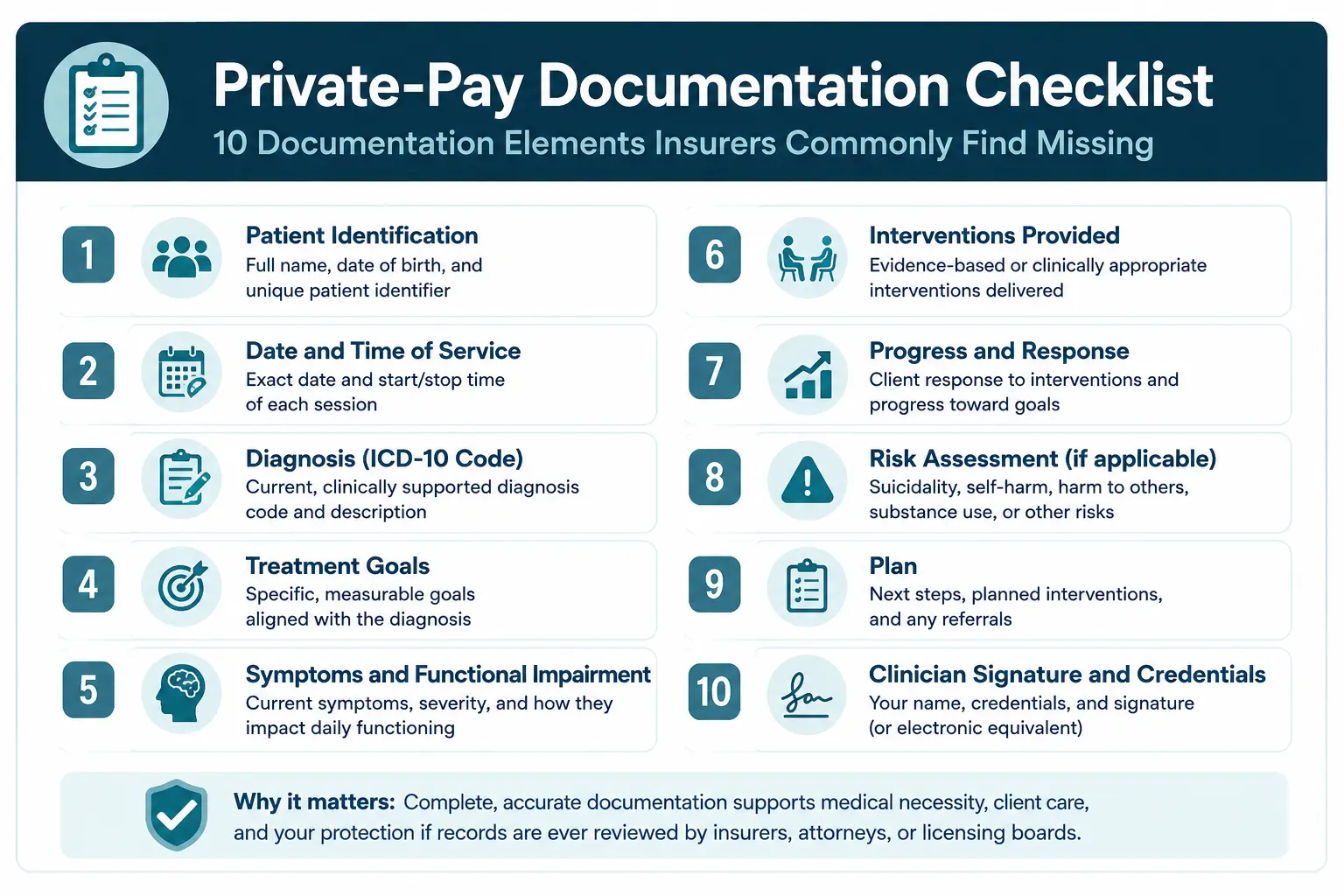
Common Mistakes to Avoid in Private Pay Therapy
This section highlights critical errors that therapists often make when trying to attract private pay clients. It also provides insights on how to avoid these pitfalls for a thriving practice.
Underpricing Services Without Understanding Market Rates
Many therapists underestimate their worth — they set prices too low, often without proper market research. This practice not only devalues their services but also suggests lower quality. Recent surveys indicate that private pay therapy rates in 2024 average between $100 to $250 per session, depending on location and specialization. By underpricing, therapists risk losing potential clients who may view their services as inferior.
Neglecting the Importance of Follow-Ups with Potential Clients
Failing to follow up with potential clients can lead to lost opportunities. Many clients express interest but might hesitate to commit right away. A study revealed that 70% of clients appreciate receiving a follow-up message. In fact, 40% indicated they’d schedule a session if contacted within a week. Implementing a structured follow-up protocol can significantly boost client conversion rates.
Failing to Maintain a Professional Online Presence
A therapist’s online presence acts as a crucial first impression for potential clients. Neglecting this aspect can definitely deter individuals from reaching out. Key components of a professional online presence include an informative website, active social media accounts — and positive online reviews. Research shows that 80% of individuals search for therapists online before making a decision, underscoring the need for a polished digital footprint.
Ignoring Feedback and Not Adapting to Client Needs
Therapists who disregard client feedback might miss valuable insights that could enrich their practice. Regularly soliciting and responding to feedback promotes a more client-centered approach, enhancing satisfaction and retention. A 2023 survey found that practices actively engaging with client feedback experience a 30% higher retention rate compared to those that do not.
Nuance / Expert Layer
A common misconception in attracting private pay clients is that lower prices will automatically spark higher demand. In reality, this can backfire — attracting clients who aren’t aligned with the therapist’s approach or values. Moreover, many therapists overlook that their unique selling propositions (USPs) — like specialized training or niche services — can justify higher pricing. Understanding the balance between competitive pricing and perceived value is key for building a sustainable practice.
Practical Application
To effectively attract private pay therapy clients, consider the following actionable steps:
- Conduct thorough market research to set competitive pricing.
- Implement a follow-up system for potential clients, using email or phone calls.
- Enhance your online presence with a professional website and active engagement on social media platforms.
- Regularly seek and integrate client feedback into your practice to ensure alignment with client needs.
By addressing these common mistakes, therapists can position themselves for greater success in attracting and retaining private pay clients.
Frequently Asked Questions
What are private pay therapy clients?
Private pay therapy clients are individuals who pay for therapy services directly out of pocket, rather than through insurance. This model allows clients more flexibility and therapists greater control over their practice.
How can I attract private pay therapy clients?
Attracting private pay therapy clients involves building a strong online presence, networking within the community, and showcasing your expertise. Offering free workshops or informational sessions can also help draw potential clients.
What marketing strategies work best for private pay therapy?
Effective marketing strategies for private pay therapy include creating a professional website, utilizing social media, and engaging in content marketing through blogs or videos. Referrals from satisfied clients and collaborations with local businesses can also enhance visibility.
What are the benefits of private pay therapy?
Private pay therapy offers clients greater privacy, fewer restrictions, and more personalized care without the constraints of insurance. Therapists can also set their own rates and have more flexibility in their services.
How much should I charge for private pay therapy?
Therapists should consider factors such as location, experience, and market rates when determining fees for private pay therapy. Researching local competitors can provide insight into appropriate pricing structures.
How long does it take to build a client base for private pay therapy?
Building a client base for private pay therapy can take several months to a few years, depending on marketing efforts and community engagement. Consistency in outreach and quality service will accelerate the process.
Final Thoughts on how to get private pay therapy clients
Attracting private pay therapy clients requires a strategic blend of effective online presence, robust networking, and the creation of valuable resources that resonate with potential clients. By positioning oneself as a trusted expert and providing meaningful content, therapists can significantly enhance their appeal to those seeking personalized treatment options.
To take immediate action, develop a high-quality, informative resource—such as an e-book or webinar—focused on a specific issue relevant to your target audience, and promote it through your online channels to capture leads.
Ready to boost your practice? Consider consulting with a google ads expert who can help you attract more private pay therapy clients.
Building a thriving private pay practice is not merely beneficial; it empowers therapists to offer individualized care that can transform lives, free from the constraints of insurance limitations.