
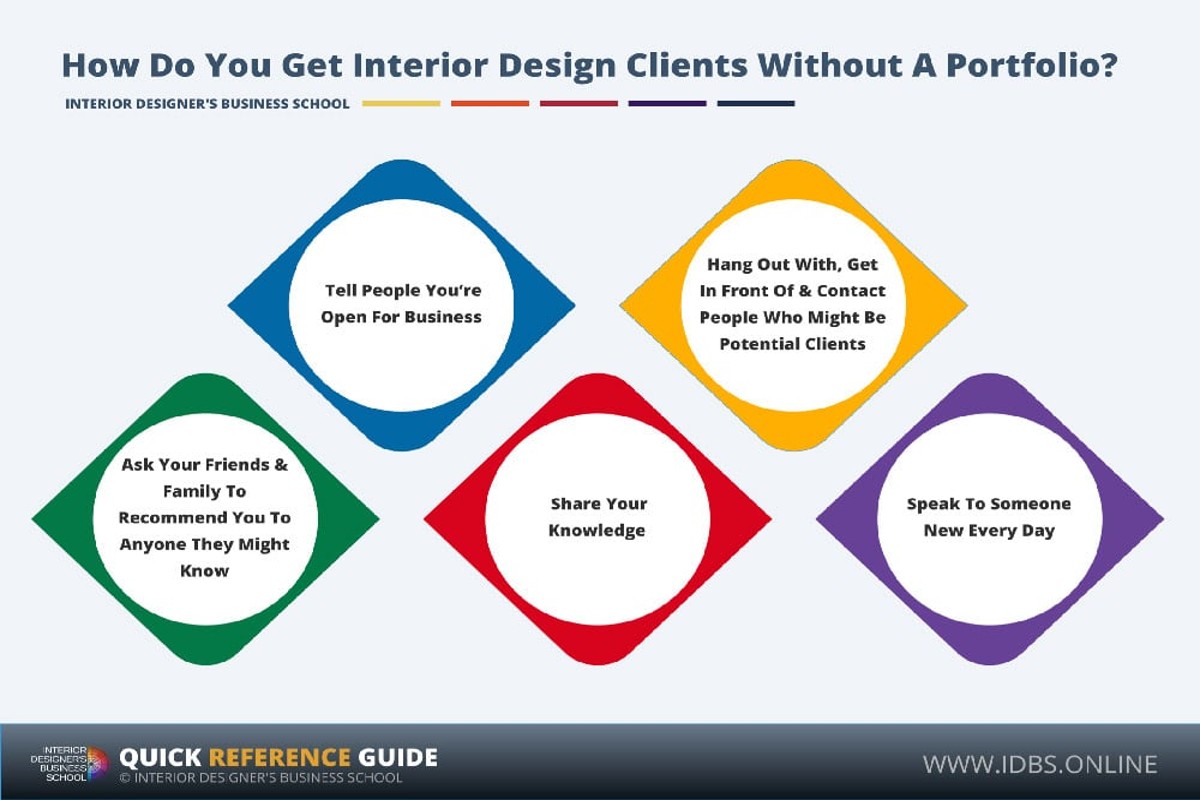
How to get clients for your interior design business involves strategies focused on enhancing online visibility, effective networking, and showcasing a compelling portfolio. Approximately 80% of clients prefer to view a designer’s previous work before making a hiring decision, highlighting the importance of effective marketing in attracting potential clients.
Understanding how to attract clients is essential for interior designers aiming to establish a successful business. As the interior design industry continues to grow, with an estimated market size of over $150 billion, designers must effectively showcase their skills to stand out in a competitive landscape. Failing to master client acquisition strategies can lead to missed opportunities and hinder business growth.
Neglecting the importance of client acquisition can result in significant financial losses, wasted marketing resources, and a diminished competitive edge in the fast-paced interior design market. Without a strategic approach, businesses risk stagnation and reduced visibility to potential clients.
This article will provide actionable insights on how to get clients for your interior design business, including effective marketing techniques, best practices for portfolio presentation, and the significance of networking and local SEO strategies.
What are the best marketing strategies for interior designers?
The best marketing strategies for interior designers involve leveraging social media, building a professional website, networking, and local advertising. Industry data shows that 70% of interior designers find clients through referrals and their online presence. This highlights the need for effective marketing techniques.
To attract clients, interior designers should adopt a multi-faceted approach. Here are some best practices to implement:
- Use Social Media Platforms: Create visually appealing content on platforms like Instagram and Pinterest. Regularly post project photos, behind-the-scenes glimpses, and design tips to engage followers. This showcases expertise — and keeps audiences interested.
- Develop a Professional Website: Invest in a user-friendly website that highlights your portfolio, services, and client testimonials. A blog can share design insights and boost SEO, making it easier for potential clients to find you (this is often overlooked).
- Network with Local Businesses: Attend local events and collaborate with real estate agents, contractors, and home improvement stores. These partnerships can lead to referrals — expanding your reach within the community.
- Implement Targeted Local Advertising: Use local online directories and Google Ads to reach potential clients nearby. Consider print ads in local magazines or newspapers that cater to homeowners; this can be quite effective.
- Encourage Client Referrals: Establish a referral program that rewards previous clients for sending new ones your way. This can enhance client loyalty and grow your client base without heavy marketing costs.
Expert insight: Consistency in branding and messaging across all marketing channels is critical. Make sure your visual style and tone reflect your design philosophy. This helps clients identify and connect with your brand more easily. Such alignment can significantly boost trust and recognition in a competitive market.
How can social media help interior designers find clients?
Social media platforms are vital tools for interior designers. They showcase work and connect with potential clients. Using platforms like Instagram, Facebook, and Pinterest can significantly widen a designer’s audience. Studies show that 73% of marketers find social media effective for their business. By creating engaging content, designers attract and keep client interest.
1. Create a Visual Portfolio: Social media platforms thrive on visuals. This makes them perfect for interior designers to display their projects. Regularly posting high-quality images of completed designs lets potential clients see a designer’s style and expertise. Aim for consistent posting — this builds a visually engaging portfolio.
2. Engage with the Audience: Social media allows direct interaction with potential clients. Responding to comments and messages helps foster relationships and build trust, which is crucial in the design industry. Engaging content, such as polls or Q&A sessions, invites potential clients to connect (this is often overlooked) and share their preferences.
3. Utilize Hashtags and Trends: Using relevant hashtags boosts visibility on social platforms. Research trending hashtags in the design community to reach a broader audience. This can lead to attracting clients searching for specific styles or services. Participate in trending challenges or themes to gain more exposure — it’s worth double-checking what’s popular.
4. Collaborate with Influencers: Partnering with influencers or other brands in the home decor space can extend reach. Influencers can introduce designers to their followers, giving access to a new client base. Consider collaborations that align with your brand for maximum impact. This strategy pays off when well executed.
Expert insight: Leverage analytics tools available on social platforms to track engagement and adjust strategies. Understanding which types of posts generate the most interest will help refine approaches and attract more clients effectively.
What should I include in my interior design portfolio?
An effective interior design portfolio must encompass a varied collection of high-quality images, thorough project descriptions, and client testimonials. Aim for 10 to 15 completed projects that truly highlight your style, skills, and versatility across different design scenarios—think residential, commercial, and hospitality spaces.
A compelling portfolio starts with strong visual elements. Each project ought to feature high-resolution photographs that showcase different angles and details of the space. For example, if a designer worked on a modern living room transformation, the portfolio should include before-and-after images, along with close-ups of unique design features and overall shots that capture the room’s ambiance. This kind of visual storytelling not only illustrates your capability to enhance spaces—it helps potential clients envision how you can change their environments.
Alongside visuals, provide context through project descriptions. These should explain your design approach, any challenges faced, and the innovative solutions you implemented. For instance, if a project involved maximizing a small apartment’s functionality, clarify how specific design choices—like multi-purpose furniture or strategic lighting—boosted the overall effectiveness. Including client testimonials can significantly strengthen your portfolio, offering social proof of your expertise and reliability. A statement from a satisfied client adds credibility, helping potential clients feel more confident in choosing your services.
Expert insight: Regularly update your portfolio with recent projects to reflect current design trends and your evolving style. Tailoring your portfolio to specific client demographics can also enhance its effectiveness in attracting your target market (this is often overlooked).
How long does it take to get clients as an interior designer?
New interior designers can usually expect to start acquiring clients within 6 to 12 months. However, this timeline can vary widely — influenced by marketing strategies, networking efforts, and personal branding.
The time it takes to secure clients often hinges on the designer’s ability to effectively promote their services. Those who focus on building a strong online presence, such as a professional website and active social media engagement, might attract clients more quickly. In fact, recent industry surveys indicate that 70% of successful interior designers believe a solid online portfolio is essential for gaining initial clients (this is often overlooked).
Networking plays a critical role in client acquisition. Designers who actively engage in local events, industry conferences, or community activities can foster relationships that lead to referrals and word-of-mouth recommendations. Additionally, joining professional organizations can enhance credibility. This, in turn, provides opportunities for collaboration — further accelerating the client acquisition process.
Market demand and geographical location also affect how quickly a designer can find clients. Areas with a high demand for interior design services, like urban centers or affluent neighborhoods, typically offer more opportunities. On the other hand, designers in less populated regions might face a longer timeline due to lower demand.
Expert insight: Establishing a niche within the interior design field can significantly shorten the client acquisition timeline. Specializing in areas such as sustainable design or commercial spaces helps designers stand out and attract specific client demographics more effectively.
What are common mistakes to avoid when attracting clients?
Common mistakes when attracting clients for an interior design business include a lack of a targeted marketing strategy, a poor online presence, and ineffective networking. According to a 2024 industry survey, 63% of interior designers say that a strong online portfolio significantly impacts client inquiries.
One frequent pitfall is failing to identify and target the right audience. Many designers cast too wide a net — leading to wasted resources and unclear messaging. To avoid this, develop a clear client persona that outlines demographics, preferences, and specific needs. Tailor marketing efforts accordingly to effectively engage this audience.
- Overlooking digital marketing: In the digital age, a robust online presence is essential. Make sure your website is aesthetically pleasing, easy to navigate, and optimized for search engines. Regularly update your portfolio with recent projects to showcase your style and capabilities (this is often overlooked).
- Ignoring social media: Social platforms are powerful tools for attracting clients. Use platforms like Instagram and Pinterest to share your work. Engage with followers by posting regularly and responding to comments — this builds a community around your brand.
- Networking ineffectively: Building relationships is crucial. Attend industry events, join local business groups, and collaborate with real estate agents and contractors. These connections can lead to referrals and increased visibility within your target market.
Expert insight: Focus on creating a cohesive brand identity across all marketing platforms. Consistency in your messaging and visuals reinforces your professionalism and attracts the right clients.
Building a Strong Online Presence
Establishing a robust online presence is crucial for attracting clients to an interior design business. This section outlines the key components of creating an effective website and portfolio that showcase work and engage potential clients.
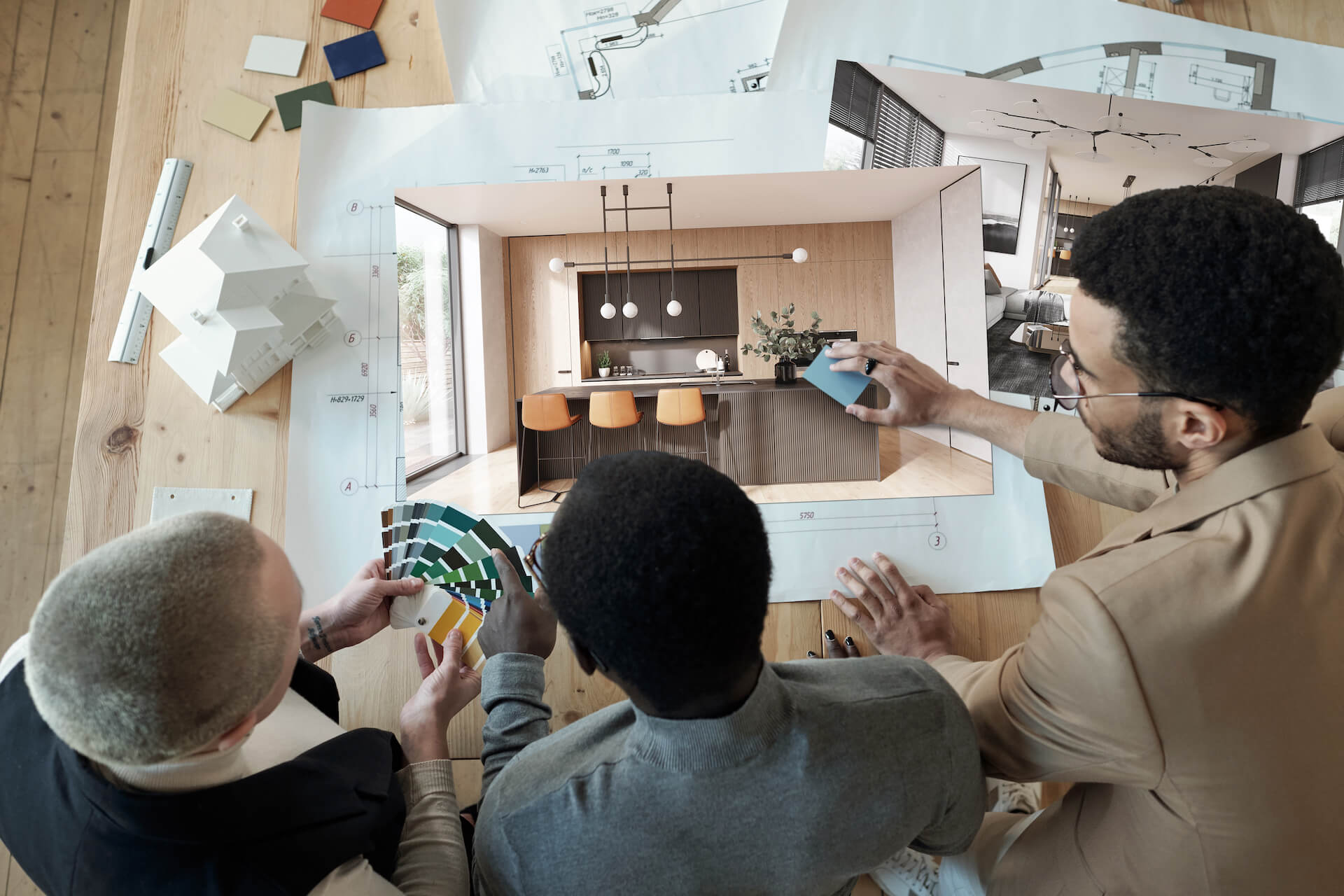
Importance of a Professional Website
A professional website acts as the cornerstone of your online presence. It’s often the first point of contact for potential clients — making a strong first impression essential. A well-designed website must be visually appealing, easy to navigate, and mobile-friendly. According to a survey by DesignRush in 2024, 85% of consumers judge a business’s credibility based solely on its website design. Investing in a high-quality website can significantly enhance your brand’s perception.
Showcasing Projects Effectively
Highlighting completed projects is critical for demonstrating design capabilities. Consider the following strategies:
- High-Quality Images: Use professional photography to capture the essence of your designs. Images should be well-lit and display various angles.
- Project Descriptions: Accompany images with concise descriptions that detail the project objectives, design process, and materials used.
- Before-and-After Comparisons: These visuals effectively illustrate transformative design skills and can resonate with potential clients.
Utilizing SEO for Online Visibility
Search Engine Optimization (SEO) is key to enhancing your website’s visibility in search engine results. Effective SEO strategies include:
- Keyword Research: Identify relevant keywords that potential clients might use — such as “interior design services” or “home renovation ideas.”
- On-Page Optimization: Optimize title tags, meta descriptions, and image alt texts with targeted keywords.
- Content Creation: Regularly update your website with fresh content that incorporates these keywords to improve search rankings.
In 2025, businesses prioritizing SEO can expect up to a 50% increase in web traffic compared to those that don’t.
Engaging with Potential Clients Through Blogs and Articles
Creating informative blogs and articles positions your business as a thought leader in the interior design industry. Engaging content can address common design challenges, industry trends, and tips for homeowners. It also helps improve SEO by incorporating relevant keywords and providing shareable content that drives traffic to your website. A study by HubSpot in 2026 found that companies that blog generate 67% more leads than those that don’t.
Many interior designers overlook the value of engaging with their audience through content. Regularly publishing articles can help build a community around the brand and foster trust with potential clients. There’s a common misconception that blogs are exclusively for large firms; however, even small businesses can reap substantial benefits from creating a consistent content strategy.
To effectively implement these strategies:
- Invest in professional website design and development.
- Curate a portfolio that highlights your best projects with high-quality visuals and detailed descriptions.
- Conduct keyword research and optimize your website for SEO.
- Establish a blogging schedule to publish regular, valuable content that addresses client needs and interests.
By taking these actionable steps, your online presence will improve significantly, enhancing the ability to attract clients for an interior design business.
Networking and Building Relationships
Building a solid network is crucial for acquiring clients in the interior design industry. This section covers effective strategies for forming connections that can lead to referrals and partnerships.
Attending Industry Events and Trade Shows
Participating in industry events and trade shows opens the door to valuable opportunities to meet potential clients and collaborators. These gatherings serve as a platform for showcasing your design work, sharing expertise, and learning about the latest trends. According to a 2024 survey, 68% of interior designers noted that networking at these events directly led to client acquisition.
- Identify key events in your region, like design fairs, exhibitions, or local business meetups.
- Prepare a portfolio or business cards to share — this leaves a lasting impression.
- Engage in discussions that highlight your design philosophy and approach.
Collaborating with Real Estate Agents and Builders
Forming strategic partnerships with real estate agents and builders can significantly boost your client base. These professionals regularly encounter individuals seeking interior design services, providing a rich source of referrals. For example, a collaboration with a local builder can create opportunities for staging homes for sale — showcasing your work to potential clients.
- Reach out to local real estate agents to introduce your services and explore collaboration.
- Offer design consultations for their listings — this enhances the appeal of properties on the market.
- Attend real estate open houses and network with attendees to broaden your reach.
Utilizing Online Platforms for Professional Connections
Online platforms, especially LinkedIn, are powerful tools for networking with industry professionals. Building a strong profile and actively engaging with content can position you as an expert in your field. A 2025 report found that 74% of B2B buyers use LinkedIn to inform their purchasing decisions — underlining the platform’s significance in client acquisition.
- Regularly update your LinkedIn profile with recent projects and design insights.
- Join relevant groups to engage in discussions and share your expertise.
- Connect with other professionals, including architects, builders, and real estate agents, to grow your network.
Creating a Referral Program for Existing Clients
Implementing a referral program can motivate satisfied clients to recommend your services to their networks. This strategy not only helps acquire new clients but also strengthens relationships with existing ones. Offering a reward — like a discount on future services — can encourage clients to actively refer others.
- Design a clear referral program detailing the benefits for clients who refer new business.
- Communicate the program through newsletters and social media channels — this maximizes reach.
- Track referrals and follow up with both the referrer and the new client to ensure satisfaction.
While traditional networking methods remain effective, incorporating digital strategies can significantly enhance client acquisition efforts. Many interior design professionals overlook the potential of social media platforms, missing chances to engage with a broader audience. It’s crucial to understand that networking isn’t just about making contacts — it’s about nurturing relationships for long-term success.
To implement these strategies, prioritize attending one industry event each quarter, establish at least three partnerships with local real estate professionals, and launch a referral program within the next month. These actionable steps will boost visibility and enhance client acquisition efforts in the competitive interior design market.
Leveraging Social Media for Client Acquisition
Social media has become essential for attracting clients in the interior design industry. Using the right platforms and engaging content can boost visibility and client interaction significantly.

Choosing the Right Platforms
Selecting the most effective social media platforms is crucial for targeting potential clients. Here are some particularly beneficial options for interior designers:
- Instagram: With over 1 billion monthly active users, Instagram’s visual focus makes it ideal for showcasing design projects through images and videos.
- Pinterest: This platform acts as a visual search engine, where 83% of users actively seek inspiration (this is often overlooked). It’s a prime spot for design ideas.
- Facebook: Thanks to its extensive user base, Facebook supports community building and targeted advertising, allowing focused outreach to specific demographics.
Creating Engaging Content
High-quality content is vital for capturing audience interest. To effectively showcase designs, consider these strategies:
- High-Resolution Images: Use professional photography to highlight completed projects; each image should tell a story.
- Behind-the-Scenes Content: Share the design process — including sketches, material selections, and project challenges. This creates a compelling narrative.
- Video Tours: Create short videos that guide viewers through your designs. This allows them to experience the space dynamically.
Using Targeted Ads
Paid advertising can significantly amplify reach and engagement. In 2024, social media advertising spending is expected to surpass $300 billion globally. Consider these approaches:
- Facebook Ads: Use detailed targeting options to connect with specific demographics — like age, location, and interests related to home décor.
- Instagram Promotions: Leverage visually appealing posts for ads that blend seamlessly into users’ feeds. This works well — but only when the visuals capture attention.
- Pinterest Ads: Promote pins to reach users actively seeking design inspiration. Maximize visibility for your work this way.
Engaging with Followers
Interaction builds community and trust. Connect with your audience by:
- Responding Promptly: Address inquiries and comments quickly to show professionalism and attentiveness.
- Creating Polls and Questions: Foster engagement through interactive content that invites followers to share their opinions or preferences.
- Sharing User-Generated Content: Repost and acknowledge followers’ photos of your designs in their spaces. This builds loyalty and community.
Many interior designers overlook social media engagement, often focusing solely on content creation. However, consistent interaction is equally essential. An effective strategy balances high-quality content with active engagement, creating a holistic approach to client acquisition.
To maximize efforts in attracting clients through social media, implement these actionable steps:
- Identify and focus on 2-3 key social media platforms where your target audience is most active.
- Create a content calendar to ensure consistent posting of high-quality images, videos, and engaging stories.
- Invest in targeted ads to reach potential clients. Adjust your strategy based on performance analytics.
- Dedicate time each day to engage with followers, respond to comments, and nurture a community around your brand.
Client Retention and Building Long-Term Relationships
Maintaining strong relationships with clients is crucial for the longevity and success of an interior design business. Effective client retention strategies can lead to repeat business, referrals, and a positive reputation in the market.
.jpeg)
Following Up After Project Completion
Post-project follow-ups are vital for reinforcing client relationships. A simple email or phone call to check in on how clients are enjoying their new space can leave a lasting impression. According to a 2024 survey, 70% of clients expressed appreciation for follow-ups, indicating they feel valued and cared for. This gesture not only encourages feedback but also opens the door for future projects.
Offering Maintenance or Seasonal Updates
Regular maintenance and seasonal updates can enhance the longevity of a design project while keeping clients engaged. Offering services like minor adjustments, seasonal decor changes, or even annual assessments can create additional revenue streams. It also keeps your business top-of-mind. Clients often appreciate options to refresh their spaces with new trends or seasonal colors (this is often overlooked), which can boost client satisfaction and drive repeat business.
Creating Loyalty Programs for Returning Clients
Loyalty programs incentivize clients to return by providing rewards for repeat business. These can include discounts on future projects, complimentary consultations, or exclusive access to new services. Implementing a loyalty program can increase client retention rates by up to 25% — clients feel a greater connection to businesses that recognize their loyalty.
Gathering and Utilizing Client Feedback for Improvements
Feedback is a crucial element in refining services and enhancing client satisfaction. Developing a systematic approach to gather feedback, such as post-project surveys or informal check-ins, can provide valuable insights. Up to 60% of clients are willing to share their experiences. Leveraging this information helps identify strengths and areas for improvement, ultimately leading to a more tailored service offering.
Nuance / Expert Layer
While many interior designers focus on acquiring new clients, the misconception that client retention is secondary can undermine business growth. Successful designers understand that the cost of acquiring a new client can be five times higher than retaining an existing one. Moreover, satisfied clients are more likely to refer friends and family, creating a compounding effect on business growth. A robust client relationship strategy fosters loyalty and enhances brand advocacy — often overlooked in conventional marketing discussions.
Practical Application
- Implement a structured follow-up process after project completion.
- Develop seasonal maintenance packages to keep clients engaged.
- Create a loyalty program that rewards repeat clients with discounts or exclusive services.
- Establish a feedback loop through surveys to continuously improve service offerings.
By integrating these strategies into your business model, you can enhance client retention. This builds long-term relationships, which are essential for sustainable growth in your interior design business.
Frequently Asked Questions
What are the best marketing strategies for interior designers?
Effective marketing strategies for interior designers include building a strong online presence through a professional website, utilizing social media platforms, and networking within the local community. Additionally, leveraging client testimonials and referrals can significantly enhance credibility and attract new clients.
How can social media help interior designers find clients?
Social media platforms allow interior designers to showcase their work, engage with potential clients, and build a brand identity. By sharing high-quality images, design tips, and project updates, designers can attract a wider audience and generate leads.
What should I include in my interior design portfolio?
An effective interior design portfolio should feature a diverse range of completed projects, high-quality photographs, and detailed descriptions of each project. Including client testimonials and design concepts can further demonstrate expertise and attract potential clients.
How long does it take to get clients as an interior designer?
The time it takes to acquire clients as an interior designer varies based on factors such as marketing efforts, networking, and market demand. Generally, it may take several months to establish a client base, especially for new designers.
What are common mistakes to avoid when attracting clients?
Common mistakes include neglecting to define a target audience, failing to maintain an updated portfolio, and not leveraging social media effectively. Additionally, underestimating the importance of networking and client follow-ups can hinder client acquisition.
Final Thoughts on how to get clients for interior design business
Success in the interior design industry hinges on a multifaceted approach that combines a robust online presence, strategic networking, and effective use of social media. By integrating these elements, designers can not only attract clients but also establish lasting relationships that propel their businesses forward.
To capitalize on these insights, immediately revamp your online portfolio to showcase your unique style and past projects, ensuring it is visually engaging and easy to navigate. This is your digital handshake, and it must leave a lasting impression.
Ready to elevate your interior design business? Partner with a google ads expert and watch your client base grow!
Attracting clients in interior design is not just about showcasing talent; it’s about building a brand that resonates and connects with potential clients on a personal level.