
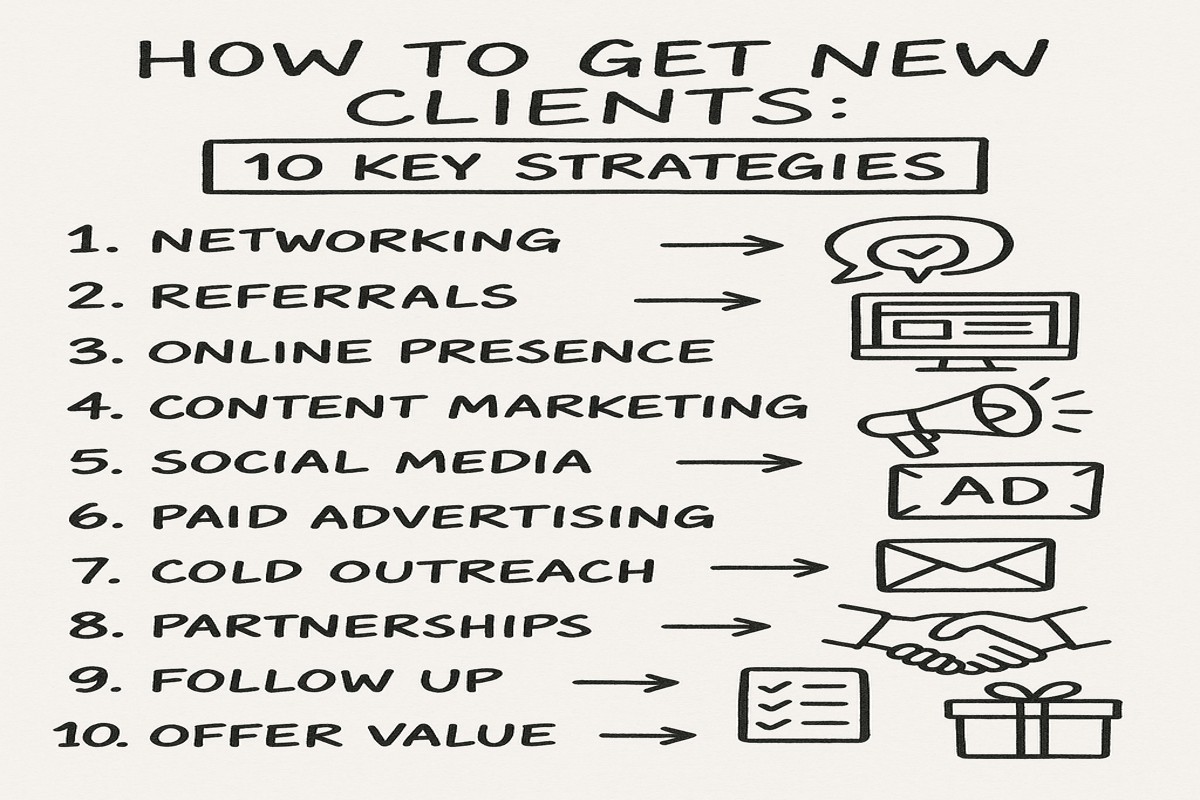
To get new clients for business refers to the strategies and methods employed to attract potential customers and increase sales. A strong online presence, effective networking, and leveraging social media are key components, with 70% of businesses reporting client acquisition through referrals, underscoring the power of word-of-mouth.
Understanding how to get new clients for business is essential for growth and sustainability in today’s competitive market. Entrepreneurs, small business owners, and marketing professionals must grasp these strategies to effectively expand their client base. Failure to implement effective client acquisition methods can lead to stagnation and missed opportunities, with recent studies indicating that 82% of small businesses fail due to cash flow issues, often stemming from inadequate client engagement.
Neglecting to master client acquisition can result in significant financial losses and a weakened market position. Businesses may waste valuable resources on ineffective marketing strategies and miss out on potential revenue, ultimately jeopardizing their long-term viability.
This article will cover proven strategies for attracting new clients, including building an online presence, effective networking techniques, and optimizing social media usage. Readers will also gain insights into referral programs and best practices for enhancing client relationships.
What are the best strategies to get new clients?
Effective strategies for acquiring new clients include leveraging networking opportunities, using social media marketing, and fostering referral programs. A study from 2024 shows that nearly 70% of businesses get clients through referrals — a clear sign of their effectiveness.
Networking remains a cornerstone for client acquisition. Attend industry events, trade shows, and local business gatherings to connect with potential clients and partners. Building relationships in person enhances trust and credibility. This makes prospects much more likely to choose your services. Additionally, consider joining relevant associations or online forums to broaden your reach and visibility (this is often overlooked).
- Social Media Marketing: Develop a strong presence on platforms like LinkedIn, Facebook, and Instagram. Share valuable content, engage with your audience, and run targeted ads to reach potential clients. According to recent data, businesses that actively use social media experience a 50% increase in lead generation.
- Referral Programs: Create incentives for existing clients to refer new customers. This might include discounts, gifts, or exclusive services. A well-structured referral program motivates clients — and leverages their networks to bring in new business.
- Content Marketing: Position your business as an authority in your field by producing high-quality content. Blogs, webinars, and white papers can attract potential clients by addressing their pain points and providing solutions. Companies that prioritize content marketing often see a 30% increase in client engagement.
Expert insight: Focus on building genuine relationships rather than just transactional interactions. The quality of connections often outweighs the quantity — leading to more sustainable client acquisition.
How can I use social media to attract clients?
Using social media effectively can significantly boost client acquisition. Platforms like LinkedIn, Facebook, and Instagram let businesses connect directly with potential clients. In fact, 73% of marketers believe their social media marketing efforts have been “somewhat effective” or “very effective” for their business in 2024.
To leverage social media for attracting clients, consider these actionable steps:
- Define Your Target Audience: Identify the demographics and interests of your ideal clients. Tailoring content to meet their preferences boosts engagement — and pulls in the right audience.
- Create Valuable Content: Share informative and relevant content that addresses your audience’s pain points. This can include blog posts, infographics, or video tutorials that showcase expertise (this is often overlooked).
- Engage Consistently: Regularly interact with your audience through comments, direct messages, and posts. Building relationships fosters trust. It keeps your business top-of-mind for potential clients.
- Utilize Paid Advertising: Invest in targeted ads on platforms like Facebook and Instagram to reach a broader audience. These ads can be customized based on user behavior, location, and interests — maximizing their effectiveness.
- Showcase Client Testimonials: Share success stories and testimonials from satisfied clients. This kind of social proof can significantly influence potential clients’ decisions by demonstrating the value of your services.
Social media is a powerful tool for client attraction, but it requires a strategic approach. Regularly analyzing your engagement metrics helps refine tactics and identify which content resonates most with your audience.
Expert insight: Consistently track your social media analytics to optimize your approach. Adjust strategies based on performance data to ensure sustained engagement and increased client acquisition.
What are common mistakes to avoid when trying to gain clients?
Common mistakes when trying to gain clients include inadequate follow-up, poor targeting of marketing efforts, and neglecting client relationships. Research shows that 80% of sales require five follow-ups after the initial meeting. Yet, many salespeople stop after just one or two attempts.
One of the most critical pitfalls is the lack of follow-up. Many businesses fail to keep in touch with potential clients after the initial outreach — this often results in lost opportunities. A systematic follow-up strategy can significantly boost conversion rates. Use CRM tools to schedule reminders and track interactions. Make sure communication remains consistent.
- Neglecting market research: Without understanding your target audience, marketing efforts can miss the mark. Conduct surveys and analyze demographic data to refine your approach (this is often overlooked).
- Overlooking existing clients: Focusing solely on acquiring new clients can harm relationships with current ones. Regular check-ins and personalized offers can enhance client loyalty — and lead to more referrals.
- Using generic marketing messages: Tailoring messages to specific segments increases engagement. Develop targeted campaigns that address the unique pain points of different customer groups.
Expert insight: Consistent follow-up combined with a deep understanding of client needs creates a strong foundation for client acquisition. Prioritize relationship-building to foster trust and loyalty.
How long does it take to get new clients?
Acquiring new clients usually takes anywhere from a few weeks to several months. This timeframe varies quite a bit, depending on factors like industry, the marketing strategies used, and how consistently outreach efforts are maintained.
Several elements can impact the timeline for gaining new clients. The industry is crucial — for instance, B2B services often have longer lead times. This is due to the complex decision-making processes involved, which can push the client acquisition period to several months. On the other hand, B2C businesses often achieve quicker results. Particularly when they use effective social media marketing or promotions that hit the mark with their target audience.
Moreover, the strategies adopted to attract clients significantly influence timing. Businesses that employ targeted digital marketing campaigns tend to see faster results compared to those that depend only on traditional advertising methods. The quality of the sales pitch matters too; a strong value proposition, along with thorough follow-up, can either speed up or slow down the process. Consistency in marketing efforts — like regular networking, ongoing content creation, and active engagement on social media — can greatly shorten the time it takes to convert prospects into clients.
Expert insight: To shorten the client acquisition timeline, consider implementing a multi-channel approach. This combines both online and offline strategies, ensuring consistent engagement with potential clients throughout their decision-making process (worth double-checking).
What role does networking play in client acquisition?
Networking involves creating and nurturing professional relationships that can yield mutual benefits, especially in client acquisition. About 85% of jobs and business opportunities are filled through networking. This highlights its crucial function in connecting with potential clients.
Networking fosters trust and rapport, both of which are vital for long-term client relationships. By engaging with industry peers, attending events, and participating in community activities, businesses can position themselves effectively in their markets. These interactions create chances to share knowledge, gain referrals, and showcase expertise — all of which can heavily influence client decisions.
- Professional Associations: Joining industry-specific organizations can help meet potential clients and collaborators.
- Networking Events: Attending conferences, seminars, and workshops allows for face-to-face interactions. These are often more impactful than digital communication.
- Social Media Platforms: Using platforms like LinkedIn can extend reach and connect with clients beyond local boundaries.
Effective networking also calls for strategic follow-up and relationship maintenance. Regular communication through emails, newsletters, or social media updates keeps a business top-of-mind for potential clients. Additionally, participating in discussions and providing value can enhance visibility and establish authority in a niche.
Expert insight: Building a diverse network that spans different industries can provide unique insights and lead to unexpected client opportunities. It’s crucial to aim for quality over quantity in connections — focus on relationships that align with business goals.
How important is a website for getting new clients?
A professional website is crucial for attracting new clients. It serves as a major tool for establishing credibility. Recent studies show that about 75% of consumers judge a company’s credibility based on its website. This clearly indicates the significant role a website plays in client acquisition.
Having a website can greatly affect a business’s ability to draw in new clients. A website acts like an online storefront, offering essential information about services, products, and contact details. In contrast, businesses without websites may depend on word-of-mouth or social media, which can limit their reach and professionalism. The key differences include:
- Credibility: A well-designed website boosts trustworthiness, while a lack of online presence can lead to skepticism.
- Accessibility: Websites are available 24/7. This allows potential clients to access information whenever they need it — unlike traditional methods that may require direct interaction.
- Marketing Potential: Websites can be optimized for search engines (SEO), making it easier for new clients to find the business online. Businesses without websites miss out on this valuable opportunity.
Additionally, a professional website can showcase testimonials, case studies, and portfolio pieces, demonstrating expertise and building rapport with potential clients. This is especially crucial in competitive industries where differentiation matters. A website also enables targeted marketing efforts, such as email campaigns and online ads, driving qualified traffic that can convert into clients.
Expert insight: The recommended approach is to invest in professional web design and content optimization. Doing so can greatly enhance online presence and significantly improve chances of attracting new clients and establishing a strong market position.
Are there cost-effective ways to get new clients?
Yes, there are several cost-effective strategies to acquire new clients — including content marketing, social media outreach, and leveraging existing networks. Implementing these strategies can lead to significant client acquisition. Best of all, it often requires less than $500 per month to maintain.
When considering cost-effective methods, several factors can influence overall expenses:
- Platform Choice: Different platforms have varying costs associated with advertising and promotion. For instance, using organic social media channels is typically less expensive than pay-per-click (PPC) advertising.
- Content Quality: Investing in quality content may require more upfront resources. However, it can yield higher engagement and conversion rates. High-quality blogs or videos often attract more clients without ongoing costs.
- Target Audience: Understanding your target audience can reduce wasted resources (this is often overlooked). Tailoring messages to specific demographics can lead to higher conversion rates and lower client acquisition costs.
Content marketing stands out as a particularly effective strategy. By creating valuable and informative content, businesses can attract potential clients organically. This approach can involve writing blogs, producing videos, or developing infographics — all of which can be done at a relatively low cost. According to recent statistics, companies that prioritize content marketing generate three times more leads than those that don’t.
Social media platforms serve as powerful tools for reaching new clients. Using channels like Facebook, LinkedIn, and Instagram allows businesses to engage directly with their audience. With effective targeting, companies can reach potential clients without significant advertising spend. Leveraging existing networks through referrals can lead to high-quality leads at minimal cost since trust is already established.
Expert insight: Focus on building relationships within your existing network. Referrals often convert at higher rates than cold leads, making this strategy both cost-effective and efficient.
Leveraging Online Platforms for Client Acquisition
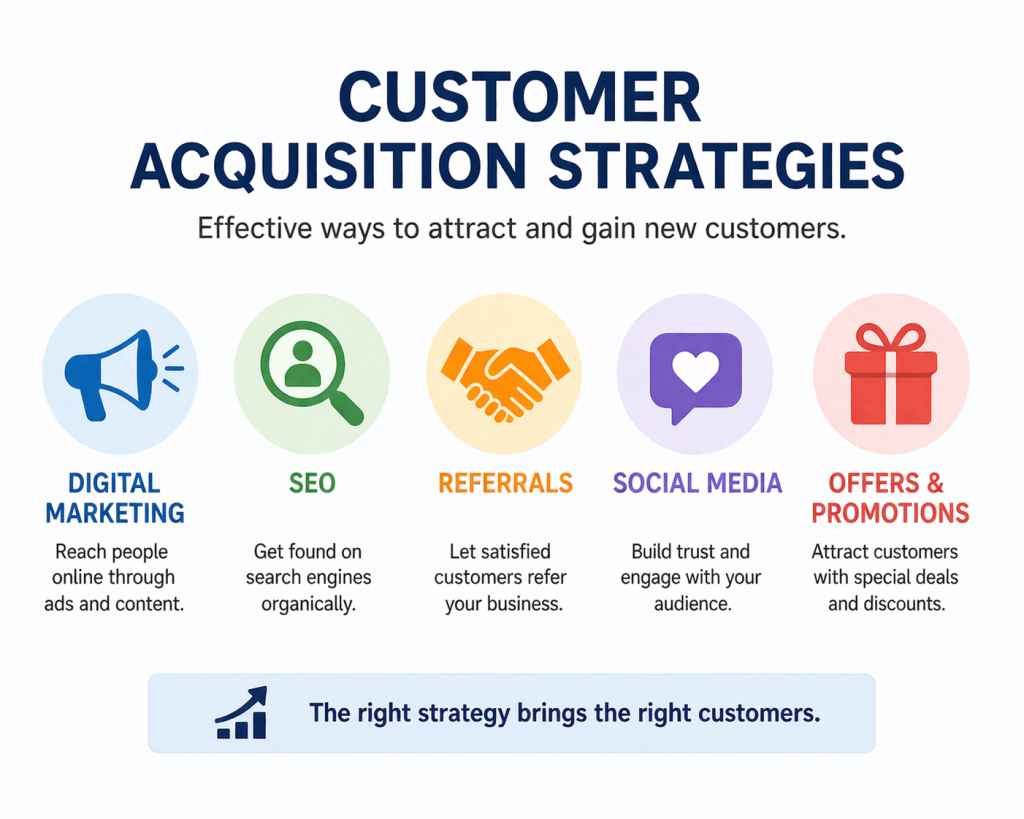
This section looks into how online platforms act as powerful tools for attracting new clients. Key components include website optimization, social media engagement, email marketing, and online advertising.
Importance of a Professional Website
A professional website forms the backbone of any online client acquisition strategy. It serves as a digital storefront, offering potential clients essential information about services, values, and credibility. A 2024 survey revealed that 75% of consumers assess a company’s trustworthiness based on its website design. Important elements include a user-friendly interface, mobile responsiveness, and content that is optimized to highlight offerings. Incorporating client testimonials and case studies can significantly boost trust — and encourage conversions.
Utilizing Social Media for Engagement
Social media platforms play a crucial role in building relationships and engaging with potential clients. Businesses should focus on the platforms where their target audience is most active — LinkedIn works well for B2B, while Instagram is ideal for B2C. Regularly posting relevant content, responding to comments, and taking part in discussions can enhance visibility. Data from 2025 indicates that companies engaging with customers on social media see a 20% increase in customer acquisition compared to those that don’t.
- Content Diversity: Use a mix of videos, infographics, and articles to cater to different audience preferences.
- Paid Promotions: Invest in targeted ads to effectively reach specific demographics.
- Analytics: Use platform analytics to track engagement and refine strategies.
Email Marketing Strategies
Email marketing remains a strong tool for direct communication with potential clients. A well-crafted email campaign can nurture leads and convert them into customers. Effective strategies involve segmenting the email list based on user behavior, personalizing content, and offering value through informative resources or exclusive offers. Recent statistics show that email marketing yields an average ROI of $42 for every dollar spent — making it one of the most cost-effective acquisition channels.
Online Advertising Options
Online advertising offers a robust way to reach new clients quickly. Available options include pay-per-click (PPC) campaigns, display ads, and social media ads. The secret to successful online advertising lies in defining clear objectives and targeting the right audience. For example, Google Ads can generate leads at a cost of around $2 per click — although this varies by industry and keyword competitiveness. Testing various ad formats and measuring their performance is critical for optimizing ad spend.
Nuance / Expert Layer
While many businesses focus solely on generating leads through online platforms, an often-overlooked aspect is the significance of retention strategies. Acquiring new clients is just part of the equation; retaining them through excellent customer service and follow-up can enhance lifetime value. Furthermore, misconceptions exist around the effectiveness of organic versus paid strategies. Organic reach can build authenticity, but paid strategies often produce quicker results, especially in competitive markets.
Practical Application
To effectively leverage online platforms for client acquisition, businesses should:
- Develop a mobile-responsive website that showcases services and client testimonials.
- Engage actively on social media, focusing on platforms aligned with target demographics.
- Implement segmented email campaigns that provide personalized content and value.
- Use online advertising to reach specific audiences and track performance metrics.
The Power of Networking and Referrals
Personal connections are a key element in acquiring new clients. Leveraging networks and nurturing relationships allows businesses to access a wellspring of opportunities that often leads to sustainable growth.
Building a Strong Network
A robust network is a crucial resource for generating leads. Engaging with industry professionals, potential clients, and even competitors can create pathways to new business opportunities. Focus on attending relevant networking events, joining professional associations, and using online platforms like LinkedIn to broaden your reach. A 2024 survey revealed that 70% of professionals found networking directly contributed to their business growth.
Asking for Referrals from Existing Clients
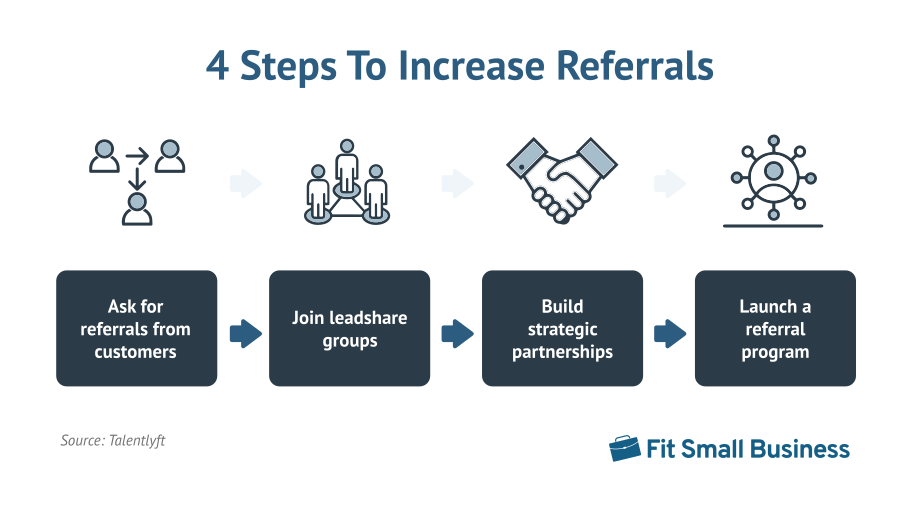
Referrals from satisfied clients can significantly enhance credibility and bring in new customers. Research shows that referred clients are four times more likely to make a purchase. To effectively ask for referrals, consider these strategies:
- Timing: Request referrals after successfully completing a project or delivering exceptional service.
- Incentives: Offer discounts or rewards for clients who refer new business.
- Clarity: Make the process straightforward by providing clear instructions on how they can refer others.
Participating in Industry Events
Industry events—like conferences, trade shows, and seminars—offer invaluable chances to connect with potential clients. Engaging in these events allows businesses to showcase their expertise, learn about industry trends, and network with key stakeholders. A 2025 report found that 65% of attendees at industry events are decision-makers, highlighting the importance of being present in these settings.
Creating Partnerships with Complementary Businesses
Strategic partnerships with businesses that provide complementary services can boost visibility and client acquisition. For example, a graphic design firm might team up with a marketing agency to offer bundled services. This approach not only expands the client base but also fosters a mutually beneficial relationship. Data from 2026 indicates that 54% of businesses engaged in partnerships see a notable increase in client referrals.
Networking and referrals aren’t just beneficial; they’re vital for business growth. Yet, misconceptions often cloud the effectiveness of these strategies. For instance, some business owners think networking is solely about exchanging business cards. In reality, effective networking hinges on building genuine relationships that can lead to long-term partnerships and trust. Furthermore, some may underestimate the importance of asking for referrals, perceiving it as overly forward. In truth, clients frequently appreciate the chance to help—especially when they’ve had a positive experience.
To implement these strategies effectively, businesses should:
- Attend at least two networking events each quarter to expand connections.
- Develop a referral program that incentivizes existing clients to bring in new business.
- Identify and reach out to complementary businesses for potential partnerships.
- Use social media platforms to maintain and nurture professional relationships.
By actively engaging in networking and cultivating referral relationships, businesses can strategically position themselves to attract and retain new clients, establishing a solid foundation for future growth.
Content Marketing as a Tool for Client Attraction
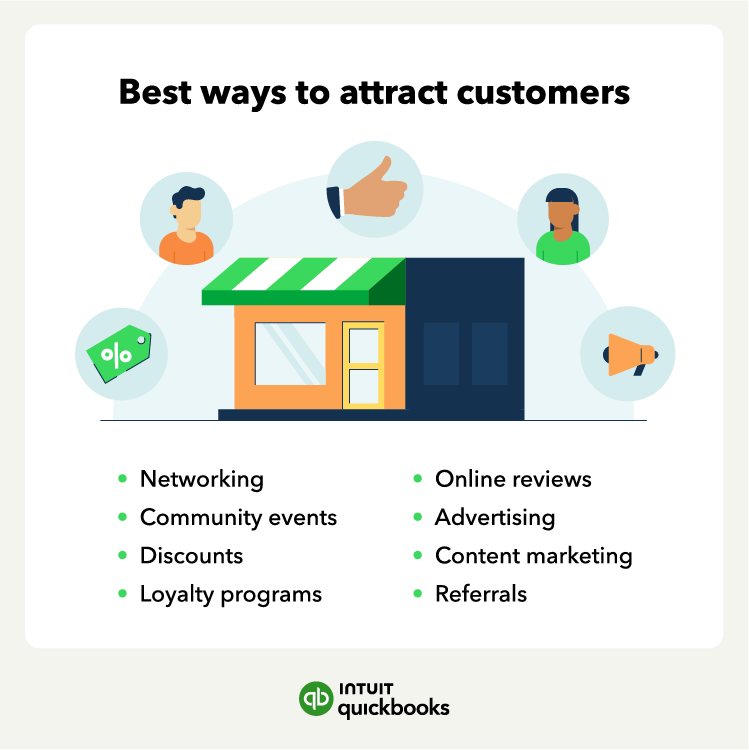
Content marketing is a strong strategy for attracting and keeping clients by providing resources that meet their specific needs. By using different content formats, businesses boost their visibility and credibility. This ultimately drives client engagement — a critical factor for success.
Creating Valuable Content that Addresses Client Needs
Successful content marketing starts with understanding the target audience. Businesses need to pinpoint their clients’ pain points and interests, and then create content that tackles these issues head-on. Formats such as informative articles, how-to guides, and case studies offer both solutions and insights. According to a 2024 report by the Content Marketing Institute, 70% of consumers prefer learning about a company through articles rather than ads (this is often overlooked).
Utilizing Blogs, Videos, and Infographics
Diverse content formats cater to varying preferences among potential clients. Key formats include:
- Blogs: Written content that delivers in-depth information and drives organic traffic.
- Videos: Engaging visual content that can quickly explain complex topics.
- Infographics: Visual representations of data that simplify information and boost shareability.
Incorporating these formats can significantly enhance user engagement and brand awareness. This variety matters.
SEO Best Practices for Visibility
Implementing search engine optimization (SEO) best practices is vital for ensuring content reaches its intended audience. Key strategies include:
- Conducting keyword research to unearth relevant terms that potential clients are searching for.
- Optimizing on-page elements like titles, meta descriptions, and headers for target keywords.
- Building quality backlinks from reputable sources to improve domain authority and search rankings.
According to a 2025 study, websites that effectively utilize SEO often achieve up to 14 times more organic traffic compared to those that do not.
Measuring Content Effectiveness
To refine content marketing efforts, businesses must measure the effectiveness of their content. Key metrics to track include:
- Website traffic: Analyzing traffic sources and behavior on the site.
- Engagement rates: Monitoring likes, shares, comments, and time spent on content.
- Conversion rates: Evaluating how many visitors take desired actions, such as signing up for newsletters or making purchases.
Using tools like Google Analytics provides valuable insights into content performance and audience behavior. Insights matter here.
Many articles overlook consistency in content marketing. Maintaining a steady publishing schedule builds audience trust and keeps the brand top-of-mind. High-quality content should cater to various stages of the customer journey, from awareness to decision-making. Ignoring this can lead to missed opportunities in engaging potential clients.
To effectively implement content marketing, businesses should begin with audience research to pinpoint key topics of interest. Create a content calendar that outlines a mix of formats to ensure consistent delivery. Invest in SEO tools to optimize content, and regularly analyze performance metrics to adjust strategies as needed. This structured approach enhances the ability to attract and retain clients over time.
Measuring Success: Tracking Client Acquisition Efforts
This section explores the methods for evaluating how well client acquisition strategies are working. Establishing measurable metrics and using data analytics can help businesses fine-tune their approaches to attract new clients effectively.

Setting Clear KPIs
Establishing clear Key Performance Indicators (KPIs) is crucial for tracking client acquisition efforts. These KPIs should relate directly to specific business objectives. They can include metrics like:
- Customer Acquisition Cost (CAC)
- Conversion Rate
- Lead-to-Customer Ratio
- Return on Investment (ROI) for marketing campaigns
- Customer Lifetime Value (CLV)
Recent industry analyses show that companies defining KPIs experience a 30% boost in client acquisition efficiency compared to those that don’t.
Using Analytics Tools
Using analytics tools is vital for measuring client acquisition success. Platforms like Google Analytics, HubSpot, and Salesforce offer valuable insights into user behavior and campaign performance. Key functionalities include:
- Tracking website traffic and user engagement
- Monitoring conversion funnel performance
- Analyzing social media engagement and reach
- Evaluating email campaign effectiveness
By analyzing this data systematically, businesses can pinpoint which strategies yield the best results — facilitating informed decision-making.
Adjusting Strategies Based on Data
Adjustments based on data are vital for optimizing client acquisition strategies. Regularly reviewing performance metrics allows businesses to pivot quickly in response to underperforming campaigns. Steps to take include:
- Review KPIs monthly to spot trends and anomalies.
- Test various marketing strategies via A/B testing.
- Refine target audience profiles based on engagement data.
Businesses that adapt their strategies based on analytics can boost their client acquisition rate by up to 25%. This has been evidenced by case studies of firms using agile marketing methodologies.
Understanding Customer Feedback
Customer feedback plays a key role in assessing client acquisition effectiveness. Gathering insights through surveys, reviews, and direct communication can highlight areas needing improvement. Key methods include:
- Conducting post-purchase surveys to gauge satisfaction
- Analyzing Net Promoter Score (NPS) to assess customer loyalty
- Monitoring feedback on social media and review platforms
Companies actively seeking and responding to customer feedback often see a 15% increase in client retention. This directly impacts new client acquisition through referrals and positive word of mouth.
While many businesses concentrate solely on quantitative data, the qualitative aspects of customer feedback can yield deeper insights. A common misconception is that high conversion rates equal effective acquisition strategies. This isn’t always the case. A high conversion rate can obscure underlying issues like poor customer satisfaction or misaligned messaging. Understanding both qualitative and quantitative data nuances is essential for a comprehensive assessment of client acquisition efforts.
To leverage this information effectively, businesses should implement regular KPI reviews, invest in solid analytics tools, and establish feedback loops with clients. Specific actionable steps include:
- Establish a monthly KPI review process.
- Integrate an analytics tool that fits the business model.
- Develop a structured feedback mechanism to capture customer insights.
Applying these strategies can enhance a company’s ability to acquire new clients and refine its overall marketing effectiveness.
Frequently Asked Questions
What are the best strategies to get new clients?
Effective strategies to gain new clients include leveraging referrals, utilizing targeted online advertising, and optimizing your sales funnel. Building strong relationships and offering valuable content can also attract potential customers.
How can I use social media to attract clients?
Social media can be utilized by sharing engaging content, interacting with followers, and running targeted ad campaigns. Consistency and authenticity in your messaging will help build trust and attract new clients.
What are common mistakes to avoid when trying to gain clients?
Common mistakes include neglecting to define a target audience, failing to follow up with leads, and using generic messaging. Additionally, underestimating the importance of building relationships can hinder client acquisition efforts.
How long does it take to get new clients?
The time it takes to acquire new clients varies based on industry, marketing strategies, and relationship-building efforts. Typically, it can range from a few weeks to several months, depending on the approach taken.
What role does networking play in client acquisition?
Networking is crucial for client acquisition as it helps build relationships and trust within your industry. Personal connections can lead to referrals and opportunities that may not be accessible through traditional marketing methods.
How important is a website for getting new clients?
A professional website is essential for establishing credibility and providing information about your services. It serves as a central hub for potential clients to learn about your business and contact you easily.
Are there cost-effective ways to get new clients?
Yes, cost-effective methods include utilizing social media platforms, content marketing, and local networking events. Building partnerships and leveraging word-of-mouth referrals can also minimize costs while expanding your client base.
Final Thoughts on how to get new clients for business
In an increasingly competitive landscape, the ability to attract new clients hinges on a strategic blend of effective networking, targeted online engagement, and compelling content marketing. By avoiding common pitfalls and adopting a proactive approach, businesses can shorten the timeline for client acquisition and foster lasting relationships.
To begin implementing these strategies, conduct a thorough audit of your current online presence and identify specific platforms where your target clients are most active; then, create a tailored outreach plan to engage them effectively.
Ready to elevate your business? Connect with a google ads expert today and unlock proven strategies to attract new clients!
Mastering client acquisition not only drives growth but also solidifies a business’s reputation in the marketplace, making it an indispensable focus for long-term success.