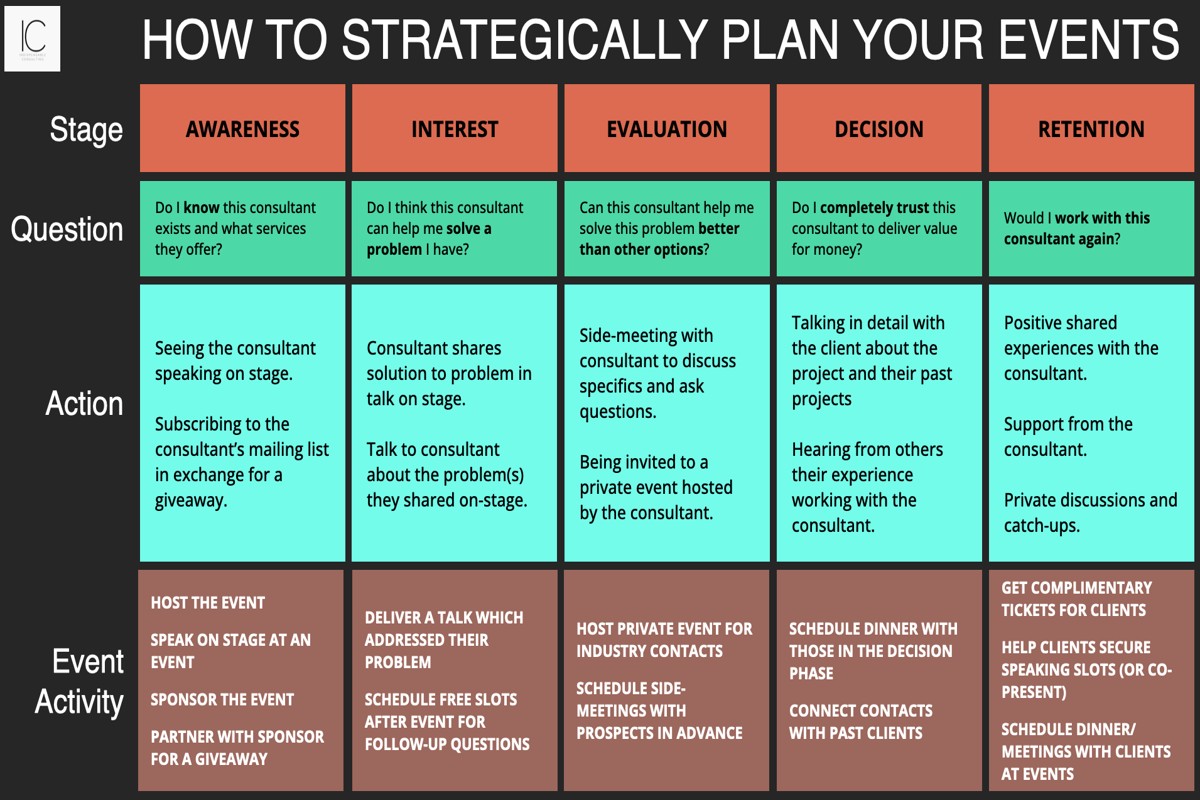
How to get event clients involves implementing targeted strategies to attract and secure clients for event planning services. The primary benefit of mastering these strategies is increased business opportunities, as approximately 70% of event clients prefer referrals from trusted sources, highlighting the importance of building a strong reputation.
Understanding how to get event clients is crucial for event planners, catering services, and related businesses aiming to thrive in a competitive market. With the global events industry valued at over $1 trillion, effective client acquisition strategies can significantly impact growth and sustainability. Failing to grasp these techniques may result in missed opportunities and an inability to capitalize on potential leads.
Without a solid grasp of client acquisition strategies, businesses risk losing revenue, wasting marketing resources, and falling behind competitors who effectively engage their target audience. This gap can lead to a diminished market presence and reduced profitability.
This article will cover proven strategies for acquiring event clients, including building a compelling portfolio, effective networking techniques, and leveraging social media marketing to enhance visibility and attract referrals.
What are the best ways to attract event clients?
Attracting event clients requires a multifaceted approach that blends effective marketing strategies, robust networking, and a strong brand presence. In 2024, 70% of event planners reported that referrals and word-of-mouth were their top sources for new clients.
To attract event clients effectively, consider these best practices:
- Leverage Social Media: Use platforms like Instagram, Facebook, and LinkedIn to highlight your events. Share high-quality images and videos, along with behind-the-scenes content and client testimonials — these help engage potential clients.
- Network Strategically: Attend industry events, trade shows, and local business gatherings. Building relationships with vendors, venues, and fellow planners can lead to referrals. Plus, there are collaborative opportunities waiting.
- Offer Free Workshops or Webinars: Host informative sessions on event planning topics relevant to your target audience. This not only positions you as an expert (worth double-checking) but also allows potential clients to experience your expertise firsthand.
- Create a Professional Website: Make sure your website is visually appealing and user-friendly. Include a portfolio of past events, client testimonials, and clear contact information to facilitate inquiries.
- Utilize Email Marketing: Build an email list of potential clients and send regular newsletters. Provide valuable content, updates on your services, and special promotions to keep your audience engaged. The result is often increased interest.
Each of these strategies not only helps in attracting clients but also boosts your overall brand visibility. The key is to stay consistent and responsive to inquiries — timely communication often influences client decisions.
Expert insight: Focus on building long-term relationships, not just closing immediate sales. A satisfied client can lead to repeat business and referrals. This can significantly expand your client base over time.
How can I find clients for my event planning business?
Finding clients for an event planning business involves using multiple channels, such as social media, networking events, and strategic partnerships. About 70% of event planners say referrals and personal connections are their main sources of clients. Engaging effectively in these channels can significantly boost client acquisition.
1. Use Social Media: Establish a solid presence on platforms like Instagram, Facebook, and LinkedIn. Share high-quality images from past events and include client testimonials. Engaging content can attract potential clients and showcase expertise.
2. Attend Networking Events: Participate in industry-related conferences, trade shows, and local business gatherings. Building relationships in person can lead to referrals and collaborations — which can convert into clients.
3. Form Partnerships: Collaborate with local vendors, such as photographers, florists, and venues. These partnerships can create a referral system that benefits everyone involved, expanding your reach to their client base (worth double-checking).
4. Leverage Online Marketplaces: Register on platforms like Eventbrite, Thumbtack, or WeddingWire. These sites connect event planners with clients actively seeking services. This can increase visibility and potential bookings.
5. Implement Email Marketing: Build an email list of past clients and prospects. Regularly send newsletters with updates, tips, and promotions to keep your services top-of-mind. Consistency is key.
6. Optimize Your Website: Make sure your website is user-friendly and optimized for search engines. Include a portfolio of past events, client testimonials, and a clear call to action to facilitate inquiries.
Expert insight: Focus on building a strong brand identity across all channels. Consistency in messaging and visuals enhances recognition and trust. This makes it easier for potential clients to choose your services over competitors.
What should I include in my event planning portfolio?
An effective event planning portfolio must encompass case studies, client testimonials, and high-quality images that showcase your work. Aim for at least three detailed case studies. These should outline the objectives, challenges, and results of past events, along with quotes from satisfied clients to enhance credibility.
Start with case studies. Choose three to five of your best events. Detail the planning process, execution, and outcomes. For example, if you organized a corporate gala for a tech company, explain how you managed a budget of $50,000, coordinated with vendors, and achieved a 30% increase in attendance compared to the previous year. Include quantitative results — like positive feedback ratings or increased client engagement — to substantiate your claims.
Next, gather testimonials from past clients. A well-placed quote can significantly enhance your portfolio’s impact. For instance, a client might say, “Thanks to [Your Name], our annual conference was a resounding success, with 95% of attendees rating it excellent.” These testimonials provide social proof of your skills and reliability. Also, include high-quality images from your events. These should showcase your attention to detail and creativity. Images ought to reflect various aspects of your work, from decor and setup to guest interactions — illustrating the overall experience you create.
Expert insight: Tailor your portfolio to your target clients. Highlight projects that are relevant to their industry. This ensures your work resonates with their needs and expectations.
How much should I charge for event planning services?
Event planning services usually range from $1,500 to $10,000 per event, depending on various factors. For larger or more complex events, fees can exceed $20,000. Understanding the specifics of service offerings — alongside market demand — is key for setting competitive rates.
Several factors influence how much to charge for event planning services. These include:
- Type of Event: Corporate events, weddings, and private parties each have differing complexities and expectations, which impact pricing.
- Scope of Services: Full-service planning, day-of coordination, and consultation each involve varying levels of commitment and time investment.
- Experience and Reputation: Established planners with a strong portfolio can command higher fees due to their proven track record.
- Location: Pricing may vary significantly based on geographic area and local market rates (this is often overlooked).
- Client Budget: Understanding the client’s budget can help tailor services to meet their needs — while ensuring profitability.
Moreover, pricing models can vary. Some planners charge a flat fee, while others may use a percentage of the total event cost, typically ranging from 10% to 20%. Hourly rates are also common, especially for consulting services, and can range from $50 to $150 per hour based on expertise and market conditions.
Expert insight: Conducting market research to assess local competitors’ pricing provides valuable insights. Consider offering tiered packages that cater to various client needs — while ensuring clear value for each service level.
How long does it take to get clients in event planning?
Typically, it takes anywhere from three to six months to start acquiring clients in event planning. However, some professionals might see results in just a few weeks. Others, though, could take over a year to build a solid client base.
The timeline for gaining clients in event planning hinges on several factors, like market demand, networking efforts, and marketing strategies. A planner in a high-demand area, for instance, may experience quicker client acquisition. Conversely, those in saturated markets, or who lack a strong online presence, may face longer timelines (this is often overlooked).
Additionally, the quality of initial client interactions and referrals plays a crucial role. Establishing a good reputation through word-of-mouth can significantly speed up client acquisition. Developing a professional portfolio is key — and using social media effectively can further boost visibility, leading to faster client engagement. Networking at industry events and forming partnerships with vendors can also shorten the timeline by providing direct access to potential clients.
Expert insight: Focus on building relationships and delivering exceptional service early on. This strategy can lead to referrals and repeat business, which significantly reduces the time needed to grow your client base.
What are common mistakes to avoid when getting event clients?
Common mistakes when acquiring event clients include neglecting follow-ups, using ineffective marketing strategies, and underestimating client needs. Industry research shows that nearly 30% of potential clients are lost due to poor follow-ups. Recognizing these pitfalls can significantly enhance client acquisition efforts.
A major error is failing to follow up with leads after the initial contact. Many event professionals underestimate the importance of persistence. Following up can boost conversion rates by up to 50% — it’s crucial. Establish a structured follow-up schedule that includes emails, phone calls, or even personalized messages to demonstrate genuine interest.
- Neglecting Client Research: Understanding a client’s background, preferences, and specific needs is crucial. Conduct thorough research before pitching services. Tailor proposals that closely align with their vision and objectives (this is often overlooked).
- Poor Marketing Strategies: Relying solely on traditional marketing methods can limit reach. Invest in digital marketing, including social media and content marketing, to attract a broader audience. Use platforms like Instagram and LinkedIn to showcase past events and engage with potential clients.
- Underpricing Services: Many event planners undervalue their offerings, which can lead to lower profit margins. Research industry standards for pricing and confirm that fees reflect the quality and expertise provided. Clients often perceive higher prices as indicative of better service.
- Ignoring Client Feedback: Feedback is a valuable tool for improvement. After each event, solicit feedback from clients to understand their experience and identify areas for enhancement. Act on this feedback to refine services — this builds stronger relationships.
Expert insight: A successful event client acquisition strategy hinges on building relationships through effective communication and responsiveness. Implementing a robust follow-up system and leveraging digital marketing can greatly improve client engagement and retention.
How important is networking for getting event clients?
Networking is crucial for acquiring event clients. It helps build relationships and generate referrals within the industry. About 70% of event professionals indicate that networking plays a significant role in their client acquisition strategies.
Networking involves a variety of activities that create connections among industry peers, potential clients, and vendors. These interactions can happen in formal settings — like industry conferences and trade shows — or through informal gatherings such as community events and social media platforms. Every networking opportunity can lead to valuable contacts. These contacts might result in client referrals or collaborative partnerships (this is often overlooked).
- Industry Events: Attending conferences and trade shows allows event professionals to meet potential clients face-to-face. It’s a chance to showcase their services.
- Social Media: Platforms like LinkedIn provide a space for professionals to connect. They can share insights and position themselves as experts in the event planning field.
- Community Engagement: Participating in local events helps build relationships within the community. This increases visibility and trust among potential clients.
Establishing a strong network is vital — but it takes a strategic approach. Event professionals should aim to build genuine relationships instead of just exchanging business cards. Engaging in conversations, offering assistance, and following up after initial meetings can turn a casual connection into a lasting professional relationship. A solid network can also amplify marketing efforts. Satisfied clients and partners are often more likely to provide referrals.
Expert insight: Focus on quality over quantity in networking. A few strong connections can yield more referrals than a large, superficial network.
Building a Strong Brand Identity
A robust brand identity is critical for attracting event clients. It communicates professionalism and trustworthiness. This section examines essential components for establishing a strong brand that truly resonates with potential clients.

Defining Your Unique Selling Proposition (USP)
Your unique selling proposition (USP) sets you apart from competitors. It highlights what you bring to the table that others don’t — whether that’s a specific style, a niche market, or top-notch service quality. For instance, a wedding planner might focus on their expertise in eco-friendly events, drawing in clients who put a premium on sustainability. Clearly articulating your USP can boost client engagement by as much as 60%, according to recent studies.
Creating a Professional Website and Social Media Presence
A professional website acts as the cornerstone of your brand identity. It needs a clean design and easy navigation, plus detailed information about your services. Include high-quality images from past events; visual appeal plays a critical role in client decision-making. Social media channels like Instagram and Facebook offer a platform to showcase your work and connect with potential clients. In 2024, 54% of event clients reported discovering vendors through social media — a strong online presence is essential.
Consistency in Branding Across All Platforms
Consistency in branding builds familiarity and trust. Make sure your logo, color scheme, typography, and messaging are uniform across all channels, including your website, social media, and promotional materials. This cohesive branding approach not only reinforces your identity but also improves recall, making it easier for potential clients to recognize your services.
Leveraging Testimonials and Case Studies
Testimonials and case studies offer social proof that can heavily influence buying decisions. Collect feedback from past clients and display it prominently on your website and marketing materials. Case studies detailing the planning process and showcasing successful outcomes can further highlight your expertise. According to a survey, 79% of consumers trust online reviews just as much as personal recommendations — this underscores the importance of showcasing positive client experiences.
Nuance / Expert Layer
Many brands overlook the importance of emotional branding. Emotional connections can have a stronger impact than rational arguments in the event planning industry. Clients often choose vendors based on feelings of trust and connection — not just on price or services offered. Incorporating storytelling elements into your brand narrative can create a more profound influence. For example, sharing your journey in the event industry or memorable moments from past events can resonate with potential clients on a personal level, establishing a lasting impression (this is often overlooked).
Practical Application
- Define your USP clearly and include it in all marketing materials.
- Invest in a professional website and maintain active social media profiles.
- Ensure consistent branding across all platforms.
- Gather and display testimonials and case studies prominently.
- Consider emotional branding strategies to connect with clients effectively.
Implementing these strategies will improve your brand identity and boost your chances of attracting clients. Focus on building a brand that reflects your values and expertise. This approach effectively communicates your offerings in the competitive event planning landscape.
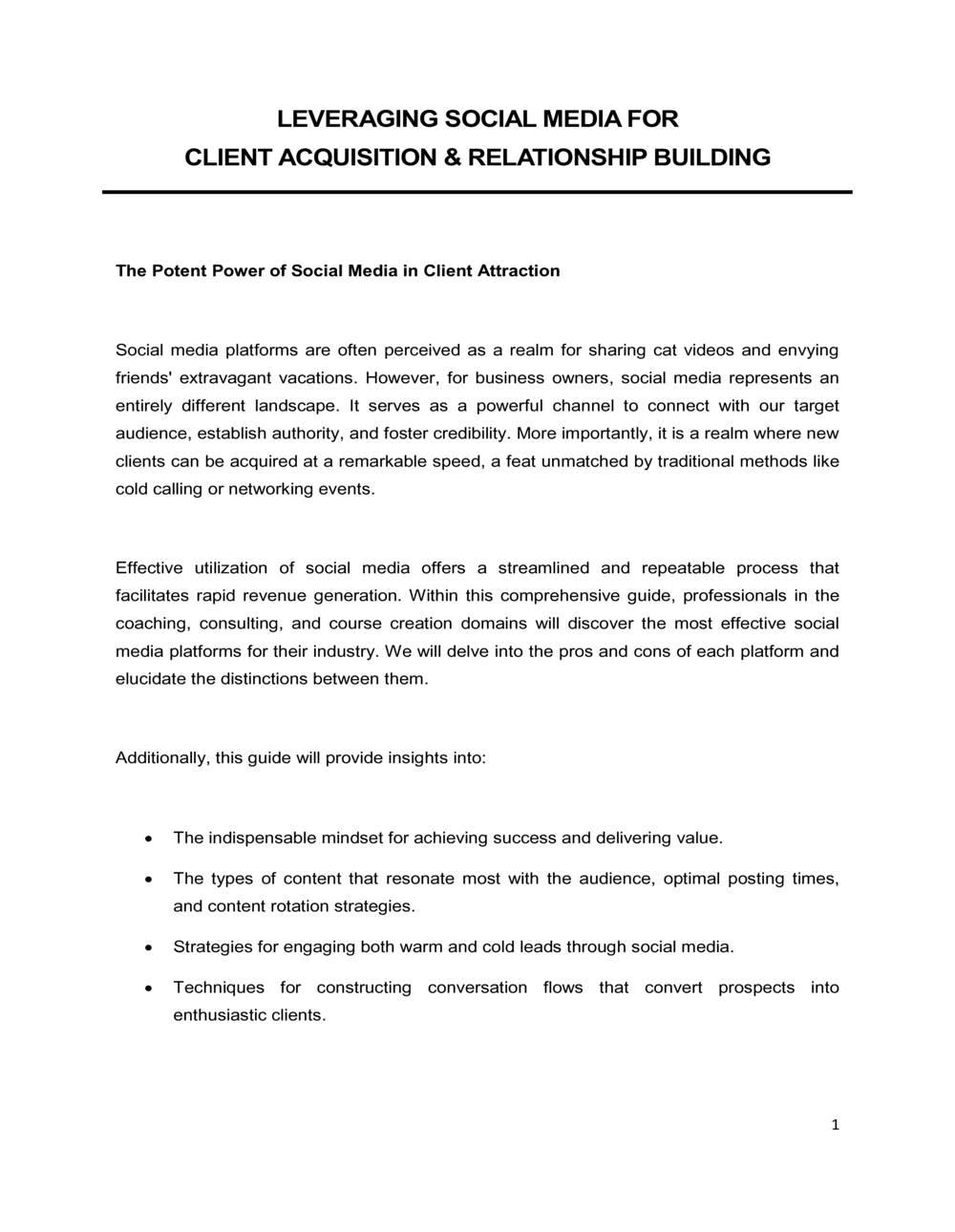
Leveraging Social Media for Client Acquisition
Social media is a vital tool for attracting event clients, enhancing visibility and engagement. This section explores effective strategies to harness social platforms for client acquisition.
Choosing the Right Platforms for Your Target Audience
Identifying the most suitable social media platforms is crucial for effectively reaching potential clients. Different platforms cater to varying demographics and interests — this is often overlooked.
- Instagram: Ideal for visually-driven content. It attracts clients in industries like weddings, fashion, and corporate events.
- Facebook: Offers robust event features. This makes it suitable for community-based events and local networking.
- LinkedIn: Best for corporate events and professional networking, targeting business clients and industry leaders.
With 70% of adults using Facebook and over 1 billion active users on Instagram as of 2024, choosing the right platform can significantly boost outreach.
Creating Engaging Content That Showcases Your Events
Content quality directly influences engagement and client interest. Creating visually appealing and informative content is essential — it should grab attention.
- Event Highlights: Share behind-the-scenes footage, testimonials, and success stories to build credibility.
- Live Streams: Use live video features to showcase events in real time. This lets potential clients feel the atmosphere.
- Interactive Posts: Use polls, quizzes, or Q&A sessions to engage your audience and gather insights about their preferences.
Statistics show that posts with images receive 94% more views than those without, highlighting the importance of visual elements in content strategy.
Utilizing Paid Advertising for Broader Reach
Paid advertising on social media can significantly amplify visibility and client acquisition efforts.
1. **Define Your Audience**: Use demographic and interest-based targeting to reach specific client segments.
2. **Set Clear Objectives**: Determine whether the goal is brand awareness, lead generation, or direct sales.
3. **Monitor Performance**: Analyze ad performance metrics to refine strategies and increase return on investment.
Platforms like Facebook and Instagram report a 20-30% increase in client inquiries with targeted ad campaigns — emphasizing the effectiveness of paid strategies.
Engaging with Followers and Potential Clients
Active engagement fosters relationships that can lead to client acquisition. Responding to comments, messages, and inquiries builds rapport and trust.
– Regularly interact with followers through comments and direct messages.
– Share user-generated content to showcase client satisfaction and foster community.
– Host virtual events or webinars to further engage your audience and showcase expertise.
Engagement rates can increase by up to 60% when brands respond to comments and messages promptly. This illustrates the value of active communication.
Expert Insights
Many businesses overlook the importance of data analytics in social media strategies. Regularly analyzing engagement metrics, audience demographics, and content performance enables event planners to refine their approach effectively. Misconceptions often arise around the assumption that social media is only about posting content. However, genuine engagement and relationship-building are equally crucial for long-term success.
Practical Application
To implement these strategies effectively, consider the following actions:
– Identify your target audience and select the appropriate social media platforms.
– Develop a content calendar that incorporates diverse content types, including visuals and interactive posts.
– Allocate a budget for targeted advertising campaigns and regularly assess their performance.
– Engage consistently with your audience to foster relationships and encourage inquiries.
By following these actionable steps, event planners can enhance their ability to attract clients through social media platforms. Ultimately, this improves business outcomes.
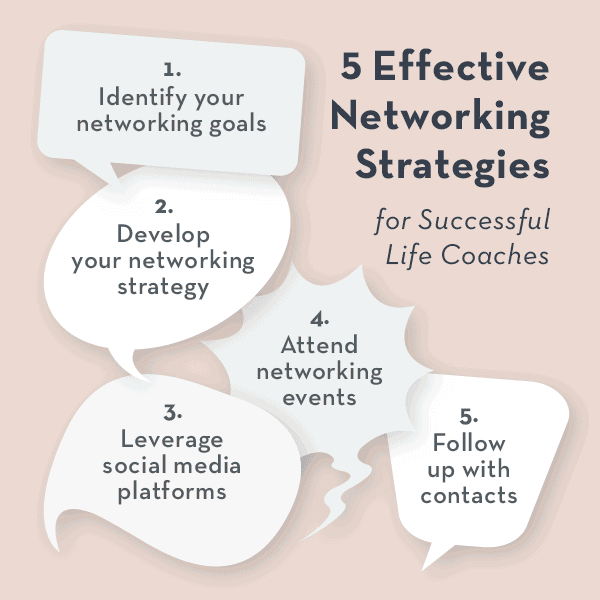
Networking Strategies to Expand Your Client Base
Effective networking is crucial for event planners aiming to grow their client base. This section outlines key strategies that help forge meaningful connections and nurture long-term professional relationships.
Attending Industry Events and Conferences
Participating in industry events and conferences is a potent way to connect with potential clients. These gatherings present opportunities to meet decision-makers, showcase expertise, and stay updated on industry trends. A survey from Eventbrite found that 85% of event professionals view conferences as a valuable source of leads. Engaging with attendees through workshops, panel discussions, and social events increases visibility — and credibility often follows.
Building Relationships with Vendors and Suppliers
Strategic partnerships with vendors and suppliers can greatly enhance service offerings. Building rapport with catering companies, audiovisual suppliers, and venue managers can lead to referrals. An estimated 70% of event planners say that vendor relationships have directly helped secure new clients. Regular communication and collaboration can create mutually beneficial opportunities. Plus, it enriches the overall event experience for clients (this is often overlooked).
Joining Professional Organizations and Groups
Joining professional organizations like the International Live Events Association (ILEA) or Meeting Professionals International (MPI) grants access to a network of industry peers. These organizations frequently host networking events, educational sessions, and forums that foster connections. In 2024, membership in such organizations has been shown to boost client acquisition rates by up to 30% — a clear indication of their effectiveness in the event planning sector.
Following Up and Maintaining Relationships
Networking doesn’t end with the initial meeting. Following up with contacts is crucial for nurturing relationships. Sending personalized thank-you notes, sharing relevant resources, or simply checking in can keep you top-of-mind. Implementing a follow-up strategy, like scheduling regular touchpoints, ensures connections stay alive. A study by HubSpot found that 80% of sales require five follow-ups to close. This highlights the importance of persistence in client engagement.
While these strategies lay a strong foundation, it’s vital to understand that effective networking requires adaptability. Misconceptions often arise regarding the belief that networking is all about quantity over quality. In reality, cultivating a select group of strong relationships can produce far greater results than merely expanding a contact list.
To use these networking strategies effectively, consider the following actionable steps:
- Identify and register for at least two industry events per quarter.
- Schedule regular meetings or lunches with key vendors to discuss collaboration opportunities.
- Join at least one professional organization and actively participate in their events.
- Establish a follow-up schedule to reconnect with your contacts every few months.
Implementing these strategies will not only assist in acquiring event clients but also help cultivate a thriving professional network that can lead to sustained business growth.
Effective Marketing Tactics for Event Planners
This section outlines essential marketing strategies that event planners can leverage to attract and secure clients. Implementing these tactics effectively can really enhance visibility and improve conversion rates.
Email Marketing Campaigns and Newsletters
Email marketing remains a key strategy for reaching potential clients. Regular newsletters keep your brand in the forefront of their minds — they provide valuable insights and updates on upcoming events. Recent studies show email marketing yields an average ROI of $42 for each dollar spent, making it a powerful channel for client acquisition.
- Segment your audience for personalized content.
- Include clear calls-to-action (CTAs) that guide readers toward booking services.
- Use A/B testing to refine subject lines and content for better engagement.
Collaborating with Influencers and Partners
Building relationships with influencers and other businesses in the event planning industry can greatly amplify your reach. Collaborations often lead to co-hosted events, joint social media campaigns, or shared content — all of which introduce your brand to new audiences.
- Identify influencers whose audience aligns with your target market.
- Offer value to partners in exchange for promoting your services.
- Participate in industry events or panels to boost networking opportunities.
Using SEO to Enhance Online Visibility
Search Engine Optimization (SEO) plays a critical role in increasing your online presence. Optimizing your website for relevant keywords related to event planning can significantly improve organic traffic. As of 2024, 70% of consumers prefer discovering brands through content instead of traditional ads — a trend worth noting.
- Conduct keyword research to uncover high-value terms.
- Optimize on-page elements like titles, headings, and meta descriptions.
- Invest in local SEO to target clients in specific geographic areas.
Creating Valuable Content That Attracts Leads
Producing high-quality content builds authority and attracts potential clients. This includes blog posts, infographics, and videos that offer insights into event planning trends, tips, and best practices.
- Focus on topics that address common questions from your target audience.
- Use various formats to appeal to different learning styles.
- Promote your content across social media platforms to maximize reach.
Many articles on attracting event clients overlook the importance of integrating these strategies into a cohesive marketing plan. For example, insights from email campaigns can guide content creation and SEO initiatives. This holistic approach ensures that each tactic reinforces the others — ultimately enhancing overall effectiveness.
To implement these strategies, start by developing a comprehensive marketing calendar. This should include scheduled email campaigns, content publication dates, and timelines for influencer outreach. Prioritize SEO audits to spot areas needing improvement and adjust strategies accordingly. By taking these actionable steps, event planners can effectively increase their client base and visibility in a competitive landscape.
Frequently Asked Questions
What are the best ways to attract event clients?
Utilize social media marketing, create a professional website, and showcase testimonials from past clients. Networking at industry events and collaborating with vendors can also enhance visibility and attract potential clients.
How can I find clients for my event planning business?
Finding clients can be achieved through online marketing, attending trade shows, and leveraging referrals from satisfied customers. Building partnerships with local businesses and utilizing platforms like social media can also help connect with potential clients.
What should I include in my event planning portfolio?
An effective event planning portfolio should showcase high-quality images of past events, detailed descriptions of your role, and client testimonials. Including a variety of event types demonstrates versatility and expertise in the field.
How much should I charge for event planning services?
Event planning fees typically range from 10% to 20% of the total event budget, or you may choose to charge a flat fee based on your experience and services offered. Researching competitors in your area can help determine a competitive pricing strategy.
How long does it take to get clients in event planning?
The time it takes to secure clients in event planning can vary widely, often ranging from a few weeks to several months. Building a strong network and reputation can expedite the process and lead to quicker client acquisition.
What are common mistakes to avoid when getting event clients?
Common mistakes include underestimating costs, lacking clear communication with clients, and failing to showcase past work effectively. Additionally, neglecting follow-ups can lead to missed opportunities for securing clients.
How important is networking for getting event clients?
Networking is crucial for obtaining event clients, as it fosters relationships and builds trust within the industry. Engaging with peers, vendors, and potential clients at events can significantly enhance visibility and lead to referrals.
Final Thoughts on how to get event clients
Attracting and securing event clients hinges on a robust brand identity, strategic networking, and effective use of social media. By integrating these elements, event planners can create a compelling presence that resonates with potential clients and distinguishes themselves in a competitive marketplace.
To implement these strategies, start by refining your online portfolio to showcase not just your past events but also the distinct value you bring to clients, ensuring it is visually appealing and easily accessible across various platforms.
Ready to elevate your event client acquisition? Consult with a google ads expert today and unlock proven strategies for success!
Establishing a solid client base is not merely advantageous; it is essential for sustained success in the event planning industry.