
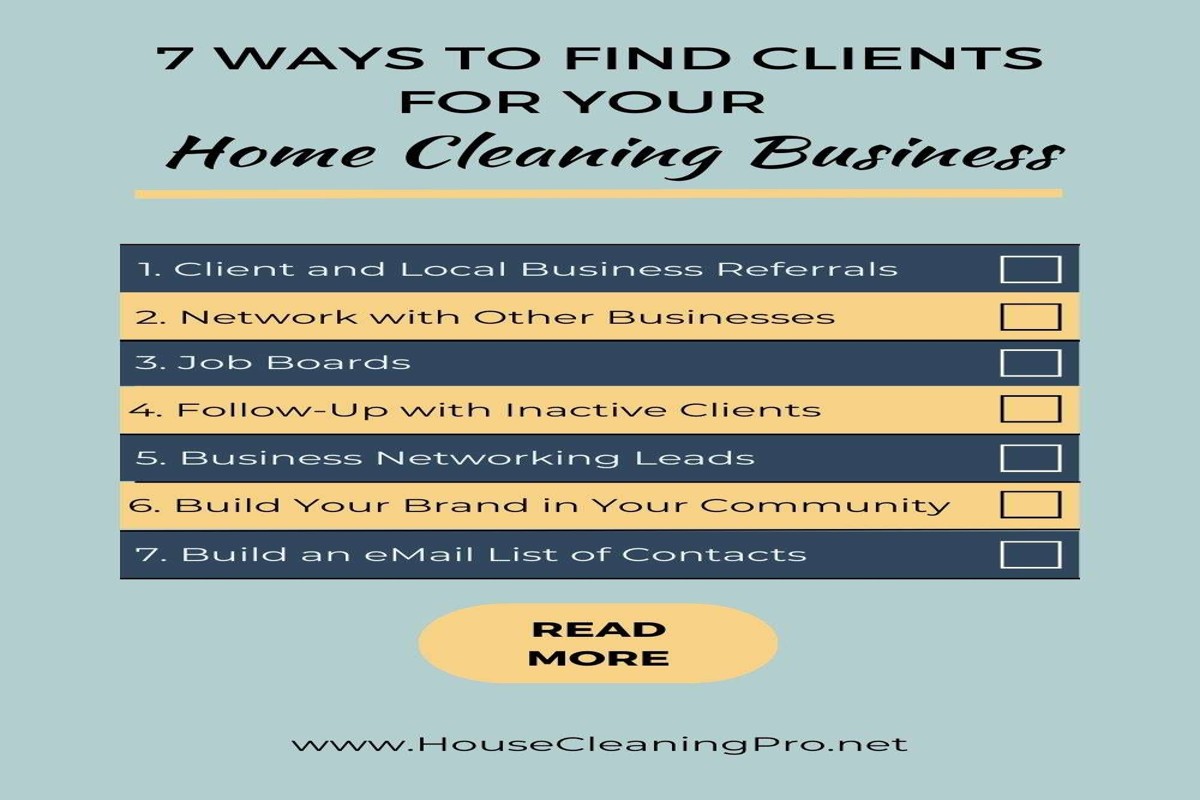
To get clients for your cleaning business, focus on building a strong online presence, utilizing social media, and leveraging word-of-mouth referrals. A solid online reputation can lead to a 30% increase in client inquiries, making it essential for business growth.
Understanding how to attract clients is crucial for cleaning business owners looking to establish a foothold in a competitive market. With the cleaning industry projected to reach $74 billion in revenue by 2025, mastering client acquisition strategies is vital for sustaining growth and profitability. Missing key aspects of client engagement can lead to significant lost opportunities.
Failure to effectively acquire clients can result in diminished revenue, wasted marketing resources, and a weakened competitive position. Businesses that struggle to attract clients may find themselves outpaced by competitors who capitalize on effective marketing strategies.
This article will provide proven strategies for acquiring clients, including insights on optimizing online presence, effective social media use, and maximizing word-of-mouth referrals. Readers will gain practical tips for enhancing their client acquisition efforts and driving business success.
What are the best marketing strategies for a cleaning business?
Effective marketing strategies for a cleaning business include leveraging online presence, using social media, and implementing referral programs. Recent data shows businesses that actively engage with customers on social media can see a 30% increase in client acquisition.
Building a strong online presence is fundamental for attracting clients. This means creating a professional website that showcases services, testimonials, and contact information. Search Engine Optimization (SEO) is critical. It ensures the business ranks high on search engine results, making it easier for potential clients to find cleaning services. Consider local SEO tactics — 46% of searches are for local businesses. This can significantly boost visibility in your area.
- Use social media platforms: Engage with potential clients on platforms like Facebook, Instagram, and LinkedIn. Share before-and-after photos, cleaning tips, and client testimonials to build credibility and draw in followers. Regularly posting content can enhance brand awareness. It encourages more interactions.
- Implement referral programs: Encourage satisfied clients to refer friends and family by offering discounts or free services for successful referrals. This strategy rewards loyal customers — and taps into their networks, expanding your reach organically.
- Invest in local advertising: Use targeted online ads, local newspapers, and community boards to promote special offers. Marketing in local settings can yield a higher return on investment. It focuses on the immediate community that may need cleaning services.
- Network with other local businesses: Form partnerships with real estate agents, property managers, and other service providers. These relationships can lead to referrals and cross-promotional opportunities, enhancing the business’s credibility and client base.
Expert insight: Regularly analyze marketing performance metrics to identify which strategies yield the best results. Adjusting tactics based on data can lead to more effective client acquisition for your cleaning business (this is often overlooked).
How can I use social media to attract cleaning clients?
Using social media effectively can greatly boost client acquisition for a cleaning business. By engaging potential clients on platforms like Facebook, Instagram, and LinkedIn, businesses can display their services, build credibility, and generate leads. Research shows that 54% of social browsers use social media to research products — it’s a key channel for attracting clients.
Start by creating a business profile on relevant social media platforms. Make sure your profile is complete with a professional logo, an engaging bio, and contact information. Regularly post high-quality images and videos of your cleaning services. Showcase before-and-after transformations. Consider using popular hashtags related to cleaning services to enhance visibility. Engaging content, like tips for maintaining cleanliness or the benefits of professional cleaning, can also attract followers and potential clients (this is often overlooked).
- Define Your Target Audience: Identify the demographic and geographic traits of your ideal clients. Tailor your content to meet their specific needs and preferences.
- Utilize Paid Advertising: Platforms such as Facebook and Instagram offer targeted advertising options. Invest in ads to reach potential clients in your area, promoting special offers or services.
- Encourage Client Testimonials: Ask satisfied clients to share their experiences on your social media pages. Positive reviews can enhance your credibility and draw in new customers.
- Engage with Your Audience: Respond to comments and messages promptly. Create polls or ask questions to foster interaction — this builds a sense of community.
- Run Promotions and Giveaways: Organize contests or special offers exclusive to your social media followers. This can generate buzz and encourage sharing, widening your reach.
Expert insight: Regularly analyze engagement metrics on your social media platforms to refine your strategy. Focus on content that gets the most interaction — adjusting your approach can maximize client acquisition.
What is the average cost of cleaning services?
The average cost of cleaning services usually falls between $25 and $60 per hour, influenced by several factors. For a standard residential cleaning of a 1,500-square-foot home, clients can expect to pay around $100 to $200 per visit. Prices can vary widely based on location and specific service requirements.
Many factors affect the cost of cleaning services, shaping how businesses determine their pricing and attract clients. These factors include:
- Type of Cleaning: Regular cleaning, deep cleaning, or specialized services — like carpet or window cleaning — each have different pricing structures.
- Frequency: Regular clients often get discounts for recurring services. In contrast, one-time cleanings usually come with higher rates.
- Location: Urban areas generally have higher costs due to greater demand and living expenses compared to rural settings.
- Size and Condition of the Space: Larger homes or those needing extensive cleaning typically incur higher costs.
- Equipment and Supplies: The use of eco-friendly or specialized cleaning products may influence pricing as well.
Grasping these pricing structures is crucial for cleaning businesses looking to draw in clients. Competitive pricing that reflects service quality and addresses client needs can lead to greater customer satisfaction and retention. Plus, offering transparent pricing — along with clear communication about what services are included — can build trust and motivate potential clients to select your business.
Expert insight: Tailoring service packages to specific client needs, while keeping competitive rates, can greatly enhance client acquisition efforts in the cleaning industry.
How long does it take to get clients for a new cleaning business?
On average, a new cleaning business takes about three to six months to land its first clients. However, this timeframe can vary quite a bit. Factors like marketing efforts, networking, and local demand play key roles in this process.
The speed at which a new cleaning business attracts clients hinges on several elements. First and foremost, the effectiveness of marketing strategies is essential. Businesses that invest in targeted online advertising, social media marketing, and local SEO often see results more quickly. A 2024 survey found that companies using digital marketing techniques secured clients within the first three months. In contrast, those relying solely on traditional methods averaged around six months.
Local competition also significantly impacts client acquisition. In areas where cleaning services are plentiful, new entrants might struggle to stand out. In contrast, if the region has limited options, a new business can gain traction rapidly. Networking within the community is another crucial factor. Engaging with local organizations, attending events, and leveraging word-of-mouth referrals can speed up client acquisition, sometimes resulting in clients within just weeks.
Expert insight: Focus on building a solid online presence — it’s vital. Actively engage with potential clients through social media and local events to shorten the timeline. Tailor services to meet specific community needs (this is often overlooked), as doing so can set your business apart and attract clients more quickly.
What are common mistakes to avoid when starting a cleaning business?
New cleaning business owners often make critical mistakes that can hinder growth and profitability. Common errors include underpricing services, lacking a clear marketing strategy, and neglecting customer feedback. Recent data shows that about 50% of cleaning businesses fail within the first two years due to these missteps.
One prevalent mistake is underpricing services to attract clients. A new cleaning business might charge far less than competitors, thinking this will secure more jobs. However, this strategy can lead to unsustainable operations — the low rates often fail to cover costs, resulting in burnout and financial loss. Instead, conducting market research to set competitive yet profitable pricing is essential.
Another common error involves not having a well-defined marketing strategy. A business owner might rely solely on word-of-mouth referrals, which can severely limit growth potential. For instance, without an online presence, clients looking for services may easily overlook the business (this is often overlooked). Investing in a professional website, using social media, and employing targeted online advertising can effectively reach a broader audience and attract new clients.
Expert insight: Prioritize establishing a strong brand identity and customer loyalty program early on. Loyal clients provide steady revenue and serve as brand ambassadors. This helps mitigate the risks associated with market fluctuations.
Building Your Brand Identity
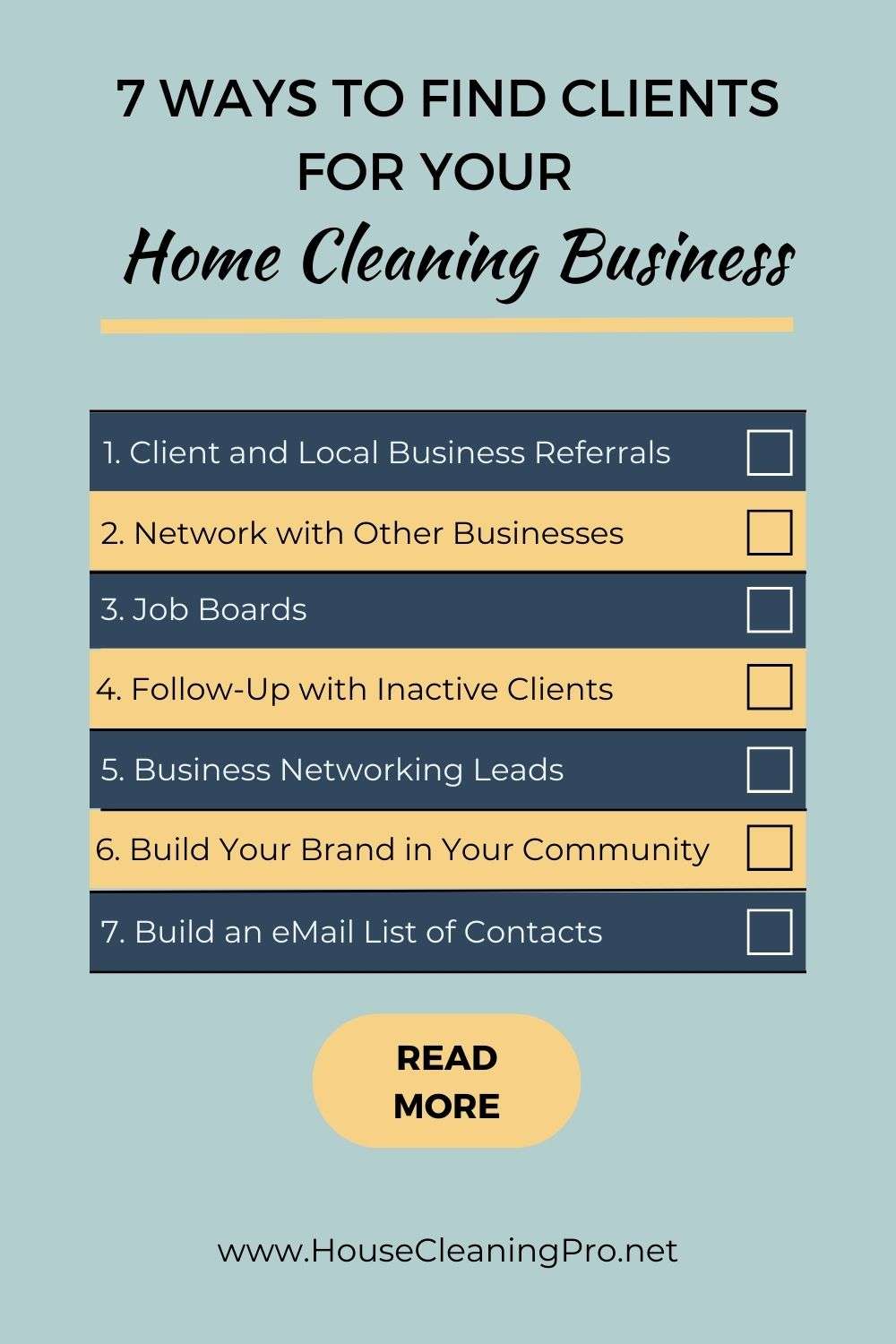
Establishing a strong brand identity is crucial for attracting and retaining clients in the cleaning business. A well-defined brand sets your services apart and builds trust — vital elements for potential customers.
Define Your Unique Selling Proposition (USP)
Your unique selling proposition (USP) is the cornerstone of your brand identity. This statement outlines what makes your cleaning business different from competitors. To define your USP, consider these points:
- Specialization: Do you offer eco-friendly cleaning solutions, or do you specialize in commercial spaces?
- Quality Assurance: What guarantees can you provide to reassure clients about your service quality?
- Customer Experience: How do you ensure a seamless and satisfying client experience? (this is often overlooked)
Studies indicate that businesses with a clear USP can boost customer engagement by up to 70% (2024 data). A compelling USP serves as a foundation for all branding efforts, ensuring consistency and clarity in your messaging.
Create a Professional Logo and Branding Materials
A professional logo and cohesive branding materials enhance your cleaning business’s visibility and memorability. Focus on the following elements:
- Logo Design: Invest in a logo that mirrors your brand’s values and services.
- Color Palette: Choose colors that resonate with your target market and evoke the right emotions.
- Marketing Collateral: Develop business cards, flyers, and uniforms that incorporate your branding.
According to branding experts, consistent branding can lead to a 23% increase in revenue (2025 projection). Make sure all visuals align with your brand identity to create a cohesive image across platforms.
Develop a Consistent Messaging Strategy Across Platforms
Consistency in messaging is vital for building brand recognition. Your communication should reflect your brand voice across all platforms — including your website, social media, and customer interactions. Key components include:
- Tone of Voice: Choose a tone that embodies your brand personality, whether it’s professional, friendly, or casual.
- Content Strategy: Use blog posts, social media updates, and newsletters to reinforce your USP and engage clients.
- Call to Action: Confirm that every piece of content encourages potential clients to take the next step.
Inconsistent messaging can confuse potential clients — and dilute your brand identity. Aim for uniformity in language, style, and values across all touchpoints.
Utilize Customer Feedback to Refine Your Brand
Customer feedback is invaluable for refining your brand identity. Actively seek input through surveys, reviews, and follow-up communications. This feedback can help identify:
- Service Gaps: Are there areas where clients feel your service could improve?
- Brand Perception: How do customers view your brand, and what associations do they make?
- Competitive Edge: What aspects of your service do clients appreciate most? (worth double-checking)
Using feedback not only enhances your services but also solidifies client relationships. A brand that listens and adapts is more likely to foster loyalty and attract new clients.
To effectively build your brand identity, start by crafting your USP. Then, invest in professional branding materials, maintain consistent messaging, and actively seek customer feedback. Implement these strategies to create a memorable brand that attracts clients and stands out in the competitive cleaning business landscape.
Leveraging Networking and Partnerships
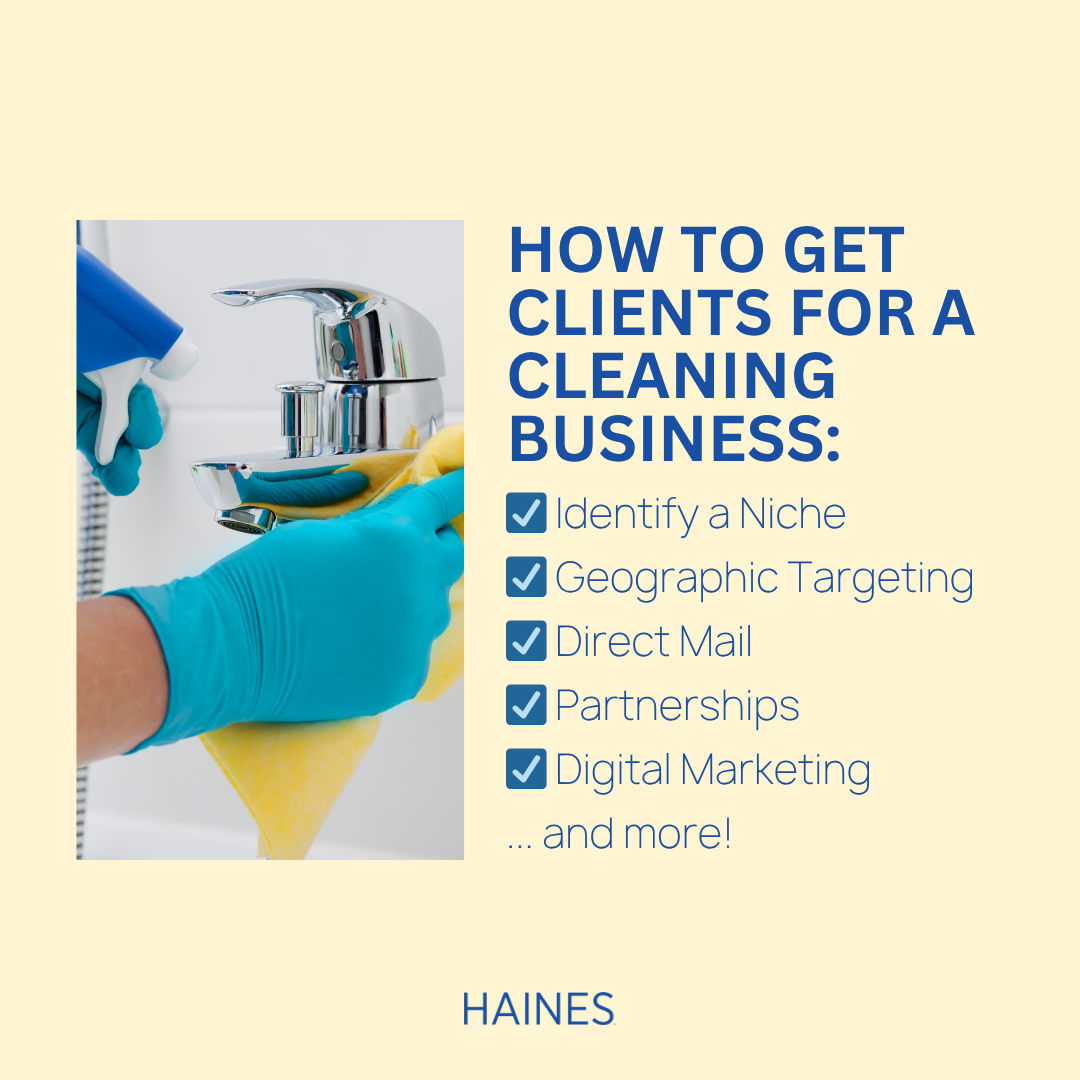
This section highlights the vital role of networking and strategic partnerships in acquiring clients for a cleaning business. These avenues can often be more effective than just relying on online marketing strategies.
Attend Local Business Events and Trade Shows
Participating in local business events and trade shows gives direct access to potential clients and industry peers. These gatherings allow for face-to-face interactions — which helps establish trust and rapport. According to a survey by the Event Marketing Institute, 84% of participants in trade shows reported valuing the chance to meet new clients and partners. Actively engaging in these events boosts visibility and can lead to immediate opportunities.
Form Partnerships with Real Estate Agents and Property Managers
Real estate agents and property managers play a pivotal role in generating referrals for cleaning businesses. Building partnerships with these professionals helps create a steady stream of clients, especially in the residential market. A report from the National Association of Realtors indicates that 61% of homebuyers prefer move-in ready properties — which underscores the demand for cleaning services during transitions. Collaborating with these partners can establish mutually beneficial arrangements, where agents recommend your services to clients preparing to list or settle into new homes.
Join Local Business Associations and Chambers of Commerce
Being a member of local business associations or chambers of commerce boosts credibility and opens up networking opportunities. These organizations often host events, workshops, and seminars that connect business owners with potential clients. In 2023, 75% of small businesses reported that networking through local organizations played a significant role in their client acquisition strategies. Active participation can lead to referrals and collaborations that expand the client base.
Utilize Referral Programs to Incentivize Partners
Implementing a referral program can encourage partners to actively recommend your cleaning business. A structured program offers incentives — like discounts or commissions — for each successful referral. Research indicates that referrals convert at a rate 30% higher than leads from other sources. By creating a clear and appealing referral structure, you motivate real estate agents, property managers, and satisfied clients to promote your services.
Nuance and Expert Layer
Many cleaning business owners underestimate the potential of offline networking compared to online marketing efforts. While digital strategies are critical, the personal touch in networking often yields significant results. Furthermore, some may believe that only larger organizations are viable partners; however, small businesses and independent agents can also provide valuable leads and referrals. Building relationships at all levels enhances market reach and the client acquisition strategy.
Practical Application
- Identify upcoming local business events and schedule attendance.
- Research and reach out to at least three real estate agents or property managers for partnership opportunities.
- Join a local chamber of commerce or business association and participate in their events.
- Create a referral program that includes attractive incentives for partners and clients.
By following these actionable steps, your cleaning business can effectively leverage networking and partnerships to drive client acquisition and support long-term growth.
Effective Online Marketing Techniques
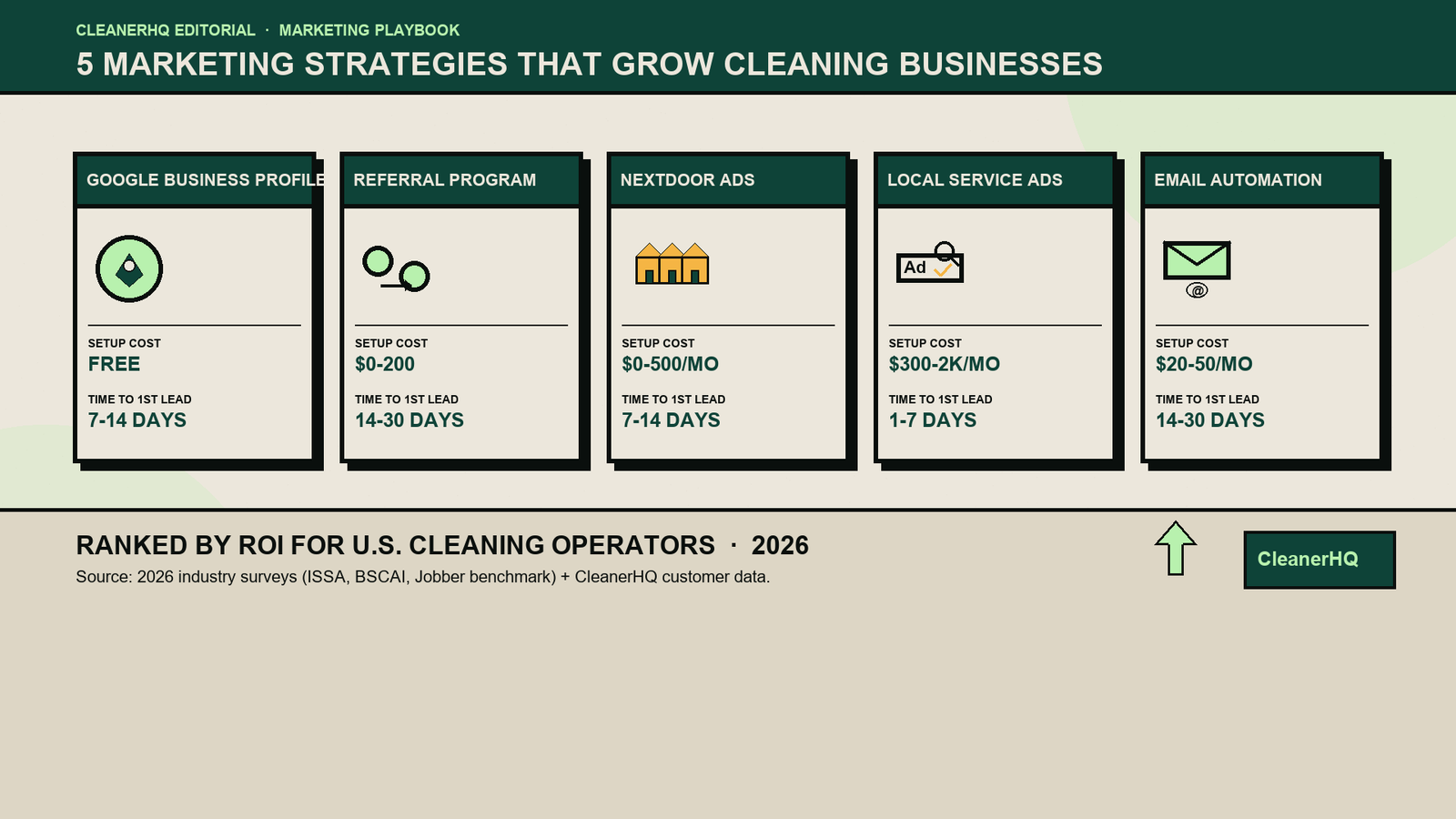
Implementing effective online marketing techniques is crucial for cleaning businesses looking to grow their client base. This section delves into proven strategies that can enhance visibility and engagement in the digital landscape.
Optimize Your Website for Search Engines (SEO)
Search engine optimization (SEO) plays a vital role in attracting organic traffic to your cleaning business website. By optimizing on-page elements — title tags, meta descriptions, and content — businesses can improve their rankings on search engines like Google. Using relevant keywords related to cleaning services can significantly boost visibility. For instance, targeting local phrases such as “cleaning services in [your city]” can lead to a 30% increase in local search traffic, as noted in a 2024 study.
Utilize Google My Business for Local Visibility
Google My Business (GMB) is a free tool that enhances local search visibility. Creating and maintaining an accurate GMB profile allows cleaning businesses to appear in local search results and on Google Maps. Key features to leverage include:
- Updating contact information and business hours
- Encouraging satisfied customers to leave reviews
- Regularly posting updates and special offers
According to 2025 data, businesses with completed GMB profiles receive 70% more clicks than those lacking one.
Implement Targeted Online Advertising Campaigns
Targeted online advertising, such as Google Ads and Facebook Ads, helps cleaning businesses reach specific demographics effectively. Setting clear objectives is essential. Consider the following steps:
- Define your target audience based on location, age, and interests.
- Create compelling ad copy that highlights the unique selling points of your services.
- Monitor and adjust campaigns based on performance metrics to optimize ROI.
In 2026, digital advertising is expected to account for over 60% of total advertising spend — underscoring its role in growth.
Engage with Customers Through Email Marketing
Email marketing remains one of the most effective tools for maintaining client relationships. By building an email list, cleaning businesses can send targeted messages that promote services, share tips, and offer discounts. Essential strategies include:
- Segmenting your email list to tailor messages to different customer groups
- Creating engaging and informative content that adds value
- Including clear calls-to-action (CTAs) to encourage bookings
Statistics show that segmented email campaigns have a 14% higher open rate. This makes them a vital strategy for client engagement.
While these online marketing techniques are effective, many cleaning businesses overlook the need for consistent branding and messaging across all platforms. Maintaining a cohesive brand image helps build trust and recognition — which is crucial in a competitive market. Additionally, businesses often underestimate the value of customer feedback. Actively soliciting and responding to reviews not only boosts online reputation but also offers insights into areas for improvement.
To implement these strategies effectively, cleaning businesses should start by auditing their current online presence. Identify areas for improvement in SEO, confirm that your GMB profile is complete, and develop a targeted advertising plan. Begin building an email list through website sign-ups and social media engagement. By taking these steps, businesses can attract and retain more clients, ultimately enhancing their growth potential.
Measuring Success and Adapting Strategies
This section addresses the vital process of tracking performance in client acquisition for cleaning businesses and adjusting strategies based on insights. Measuring success allows business owners to refine their methods — ultimately attracting and retaining clients effectively.
Set Measurable Goals for Client Acquisition
Establishing clear, measurable goals is crucial for evaluating client acquisition efforts. Goals should be specific, attainable, relevant, and time-bound (SMART). For instance, aim to increase new client sign-ups by 20% within six months. This quantifiable target allows for assessing performance and adjusting strategies as needed.
Use Analytics Tools to Track Marketing Performance
Implementing analytics tools delivers valuable insights into marketing effectiveness. Platforms like Google Analytics and social media insights provide data on website traffic, conversion rates, and audience engagement. Monitoring these metrics helps identify which marketing channels produce the best results — enabling targeted investment.
Collect Customer Feedback to Improve Services
Customer feedback is invaluable for refining service offerings. Surveys and direct communication can reveal areas needing improvement (this is often overlooked). A recent study indicates that 70% of businesses actively seeking customer feedback report higher client retention rates. This data-driven approach fosters loyalty and enhances service quality.
Adjust Marketing Strategies Based on What Works Best
Adapting marketing strategies in response to performance data is essential for sustained growth. Analyze which campaigns generate the most leads, and refine or eliminate underperforming efforts. If, for example, social media ads draw in more clients than email campaigns, reallocating resources to social media can significantly improve client acquisition.
- Regularly review analytics data to identify trends.
- Experiment with different marketing channels to find the most effective ones.
- Continuously seek and act on customer feedback to enhance services.
Nuance / Expert Layer
Many cleaning business owners underestimate the role of data analysis in decision-making. A common misconception is that traditional marketing methods alone can secure client acquisition. However, a hybrid approach — combining digital marketing analytics with customer insights — usually yields better results. For instance, businesses integrating customer relationship management (CRM) systems with marketing tools see an average increase of 30% in lead conversion rates. This underscores the necessity for a comprehensive strategy that leverages both data and customer interactions.
Practical Application
To implement these strategies effectively, start by defining specific client acquisition goals and selecting relevant analytics tools for tracking performance. Regularly gather customer feedback through surveys or direct outreach. Analyze this data monthly to ascertain which marketing strategies are effective, and be ready to pivot based on your findings. Doing this will enhance your approach to securing clients for your cleaning business — ultimately leading to sustained growth and increased client satisfaction.
Frequently Asked Questions
What are the best marketing strategies for a cleaning business?
Effective marketing strategies for a cleaning business include online advertising, local SEO, and referral programs. Utilizing platforms like Google My Business can enhance visibility and attract more clients.
How can I use social media to attract cleaning clients?
Social media can be leveraged by showcasing before-and-after photos of cleaning jobs, sharing client testimonials, and engaging with the local community. Running targeted ads on platforms like Facebook and Instagram can also help reach potential clients.
What is the average cost of cleaning services?
The average cost of cleaning services typically ranges from $25 to $50 per hour, depending on the type of cleaning and location. Factors like the size of the space and specific services requested can also influence pricing.
How long does it take to get clients for a new cleaning business?
It generally takes a few weeks to several months for a new cleaning business to acquire its first clients. Building a strong marketing presence and network can significantly speed up this process.
What are common mistakes to avoid when starting a cleaning business?
Common mistakes include underpricing services, neglecting to create a solid business plan, and failing to market effectively. Additionally, not obtaining the necessary licenses and insurance can lead to significant issues down the line.
Final Thoughts on how to get clients for your cleaning business
Success in the cleaning industry hinges on a multifaceted approach that combines strong branding, strategic networking, and effective online marketing techniques. By prioritizing these elements, businesses can create a compelling value proposition that resonates with potential clients and fosters long-term relationships.
To take immediate action, invest time in refining your brand identity and ensure it is consistently represented across all platforms, from your website to social media profiles. This cohesive branding will enhance recognition and trust among prospective clients.
Ready to take your cleaning business to the next level? Discover how a google ads expert can help you attract more clients today!
Establishing a robust client base is not merely advantageous; it is essential for sustained growth and profitability in the competitive cleaning market.