
How to get clients for a security company involves implementing strategies that enhance visibility and trustworthiness in the marketplace. A robust online presence, effective use of social media, and community networking are essential for attracting potential clients. Research indicates that 70% of consumers trust online reviews, underscoring the importance of managing your company’s reputation.
Understanding how to effectively acquire clients for a security company is crucial in a competitive industry where trust and reliability are paramount. Security service providers must navigate a landscape where 60% of consumers prioritize online research before making purchasing decisions, highlighting the need for a strong digital footprint and community engagement.
Failure to master client acquisition strategies can result in significant revenue loss, wasted marketing resources, and a weakened competitive position in a rapidly evolving security market. Companies that neglect these essential practices risk falling behind their more proactive competitors.
This article will cover proven strategies for client acquisition, including best practices for online presence, social media engagement, reputation management, and local SEO techniques. Readers will gain insights into effective marketing approaches tailored specifically for the security industry.
What are the best marketing strategies for security companies?
Effective marketing strategies for security companies center on trust-building, showcasing expertise, and tapping into local networks. Companies that engage in targeted marketing efforts can boost client acquisition by as much as 30% in the first year.
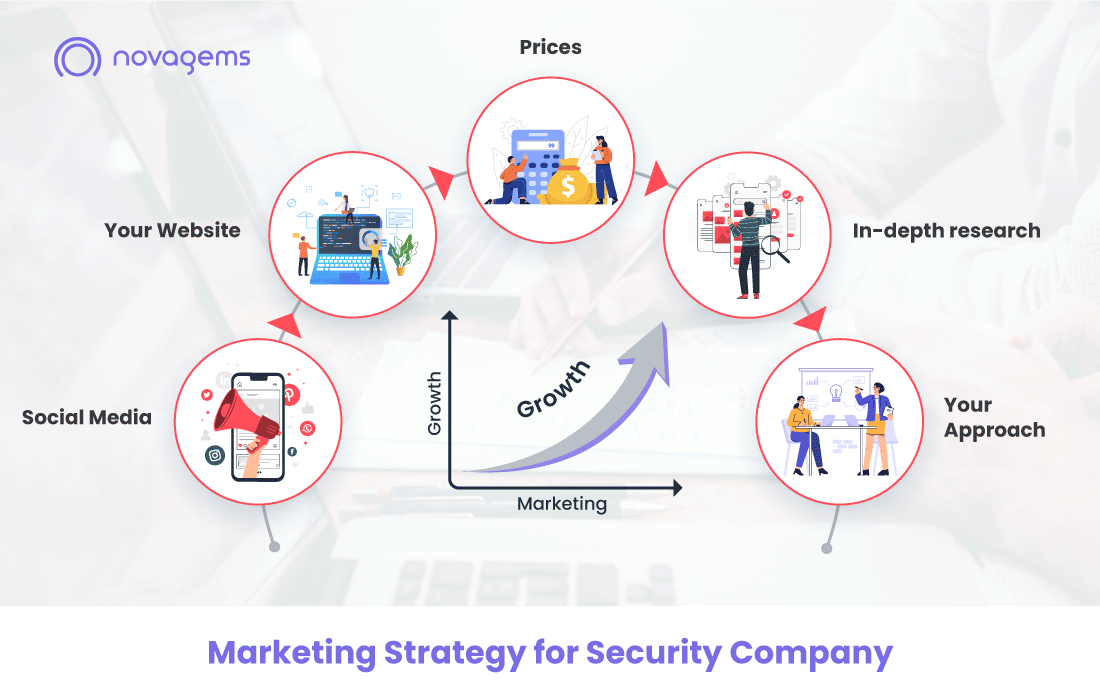
Security companies can improve their visibility and client base through a variety of strategic approaches:
- Content Marketing: Create informative content addressing security concerns and solutions. Blog posts, videos, and infographics — these establish authority and draw in potential clients searching for security-related info.
- Local SEO Optimization: Optimize your website for local searches by using location-based keywords. Make sure to create a Google My Business profile and gather customer reviews (this is often overlooked); these steps can greatly enhance online visibility.
- Networking and Partnerships: Build relationships with local businesses, real estate agents, and community organizations. Attend trade shows and community events to showcase services and develop referral networks — this can lead to valuable connections.
- Targeted Advertising: Use online advertising platforms like Google Ads and social media to zero in on specific demographics. Tailor ads to spotlight services relevant to potential clients, such as residential security or commercial surveillance.
- Client Testimonials and Case Studies: Highlight successful projects and satisfied clients on your website and marketing materials. Positive testimonials can significantly boost credibility and sway potential clients’ decisions.
Expert insight: Focus on nurturing long-term relationships with clients through personalized follow-up and outstanding customer service. Retention is often more cost-effective than bringing in new clients.
How can social media help security companies get clients?
Social media can greatly enhance client acquisition for security companies by broadening their reach and boosting brand visibility. In fact, 77% of consumers are more likely to choose a service provider with an active social media presence.
To effectively use social media, security companies should follow these steps:
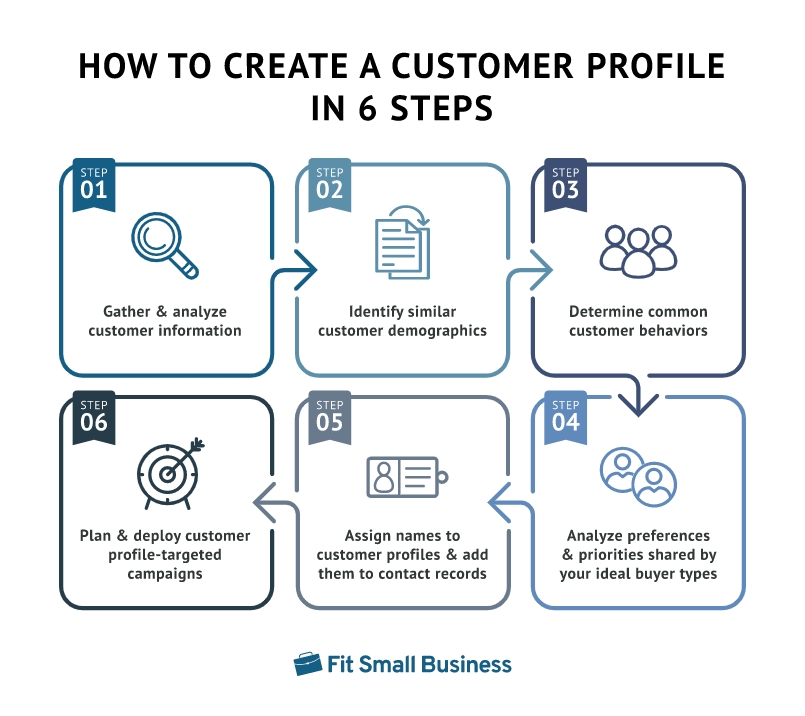
- Identify Target Audience: Understand the demographics and interests of potential clients. Tailoring content to the needs of homeowners, businesses, or events can really boost engagement.
- Choose the Right Platforms: Focus on the platforms where your target audience is most active. For example, LinkedIn works well for B2B connections — but Facebook and Instagram can attract residential clients.
- Create Valuable Content: Develop informative posts, including security tips, case studies, and industry news. High-quality content positions the company as an authority, building trust with potential clients (this is often overlooked).
- Engage with Followers: Respond to comments and messages promptly. Engagement fosters community and enhances client relationships, making prospects feel valued. A quick reply can make a difference.
- Leverage Paid Advertising: Use targeted ads to reach specific demographics. Social media platforms offer advanced targeting options, which can maximize the effectiveness of advertising budgets.
- Showcase Testimonials and Case Studies: Share success stories and client testimonials to build credibility. Positive reviews can significantly influence potential clients’ decisions.
- Monitor Analytics: Regularly track engagement metrics and adjust strategies as needed. Insights from analytics can help refine content and targeting for better results — don’t overlook this step.
Expert insight: Consistency is key. Posting regularly and maintaining a cohesive brand voice across all platforms can reinforce brand recognition and foster client loyalty.
What are common mistakes to avoid in security company marketing?
Security companies often make critical marketing mistakes that can hinder client acquisition. A recent survey found that over 60% of security firms struggle with ineffective marketing strategies, which can lead to lost revenue and missed opportunities for new clients.
One common mistake is not clearly defining the target audience. Many security companies produce broad marketing messages that fail to connect with specific client needs. A targeted approach — one that identifies and addresses the unique concerns of various customer segments — can greatly enhance engagement. Understanding the demographics, pain points, and preferences of the target market allows companies to create tailored messages that resonate much better.
- Neglecting digital presence: In 2024, about 80% of consumers research services online before making decisions. Security companies must establish a solid online presence, including a professional website and active social media profiles — this is essential for attracting potential clients.
- Ignoring customer testimonials: Potential clients often depend on reviews and testimonials to make informed choices. Security companies should actively seek feedback from satisfied customers and prominently display these endorsements on their websites and marketing materials (this is often overlooked).
- Overcomplicating messaging: Marketing messages should be clear and concise. Complicated jargon or overly technical language can alienate potential clients. Instead, focus on straightforward language that highlights the benefits of the services offered. Simplicity matters.
- Failing to follow up: Many security companies do not effectively follow up with leads. Implementing a systematic follow-up process can greatly improve conversion rates. Automated emails or personal outreach can keep the conversation going and nurture potential clients — consistency is key.
Expert insight: Regularly reviewing and adjusting marketing strategies based on performance metrics helps security companies stay competitive and responsive to market changes.
How much should a security company spend on marketing?
A security company should set aside around 5% to 10% of its expected annual revenue for marketing efforts. For instance, if a company forecasts $1 million in revenue, budgeting between $50,000 and $100,000 for marketing makes sense. This range can vary considerably — depending on factors like market conditions and business objectives.
Several factors impact the marketing budget for a security company. These include:
- Target Market: Companies that aim for high-end clients will likely need to invest more in premium branding and advertising.
- Service Offering: Specialized services, like cybersecurity, often require greater spending on digital marketing and education-based campaigns to reach informed clients (this is often overlooked).
- Geographic Reach: Companies operating across various regions or states may face higher marketing costs due to the need for localized campaigns.
- Competition: In highly competitive markets, an increased marketing budget might be essential to stand out and attract clients.
Moreover, the effectiveness of marketing channels is vital when determining budget allocations. Traditional advertising methods, such as print and radio, tend to have higher upfront costs. In contrast, digital marketing provides more flexibility and measurable returns. Companies should review their past marketing performance to see which channels deliver the best return on investment (ROI) and adjust their budgets accordingly.
Expert insight: Regularly reviewing marketing performance metrics is crucial. It can help security companies refine their budgets and concentrate on strategies that yield the highest client acquisition rates.
What role do online reviews play in attracting clients for security companies?
Online reviews greatly affect client acquisition for security companies by enhancing credibility and trustworthiness. Research shows that around 84% of consumers trust online reviews as much as personal recommendations. This highlights their crucial role in the decision-making process.
Online reviews act as a vital form of social proof, showcasing the experiences of past clients. Positive reviews can boost a security company’s reputation, while negative ones might drive potential clients away. Security companies face strong competition — it’s essential to build a robust online presence. A high rating on platforms like Google, Yelp, and industry-specific sites can set a company apart and directly influence its ability to attract clients.
- Trust Building: Positive online reviews create trust with prospective clients. This is especially important in the security industry, where safety and reliability matter most.
- SEO Benefits: High-quality reviews can enhance search engine rankings. This makes it easier for potential clients to discover the company online.
- Feedback Loop: Reviews offer valuable feedback, allowing companies to pinpoint areas needing improvement and adjust their services to fit client needs.
On the flip side, a lack of reviews or negative feedback can severely harm a company’s reputation. Prospective clients typically research security service providers before making decisions, and reviews heavily influence their perceptions. Companies should actively encourage satisfied clients to leave positive feedback — and they must address any negative reviews quickly and professionally.
Expert insight: To maximize the impact of online reviews, security companies should create a strategy that includes asking for reviews after services, monitoring review platforms regularly, and responding to feedback to show commitment to client satisfaction (this is often overlooked).
Building a Strong Online Presence
A robust online presence is essential for security companies aiming to attract and retain clients. This section outlines critical strategies for establishing a professional digital footprint that enhances visibility and credibility in a competitive market.
Creating a Professional Website with SEO Optimization
A well-designed website is the cornerstone of your online presence. It must clearly communicate your services, values, and unique selling propositions. Key elements include:
- User-friendly design: Make sure to provide easy navigation and accessible information.
- Mobile responsiveness: Optimize for mobile devices — over 50% of web traffic comes from smartphones.
- SEO optimization: Use relevant keywords, like “security services” and “home security systems,” to boost search engine rankings. Research shows that 70% of consumers click on organic search results (this is often overlooked).
Utilizing Google My Business for Local Visibility
Google My Business (GMB) is a powerful tool for enhancing local visibility. By creating a GMB profile, security companies can:
- Showcase services, hours, and contact information.
- Encourage customer reviews, which can increase credibility and conversion rates by up to 28%.
- Appear in local search results and on Google Maps, driving traffic to your website.
Incorporating GMB into your marketing strategy can significantly improve local engagement and attract new clients.
Implementing a Content Marketing Strategy to Attract Leads
Content marketing plays a pivotal role in establishing authority and attracting potential clients. A strategic approach includes:
- Blogging: Regularly publish articles on security concerns, trends, and solutions — this can boost organic traffic by 434% over time.
- Video content: Use video demonstrations of security systems or testimonials to enhance engagement.
- Social media utilization: Share valuable content across platforms to reach a broader audience and build community trust.
Updating content regularly can position your company as a thought leader in the security industry.
Engaging with Clients Through Email Marketing Campaigns
Email marketing remains a cost-effective method for nurturing leads and maintaining client relationships. Key strategies include:
- Personalized messaging: Tailor emails based on client segments to increase open rates by 26%.
- Regular newsletters: Keep clients informed about new services, promotions, and industry insights.
- Automated follow-ups: Use automation tools to send timely reminders or satisfaction surveys post-service.
Effective email campaigns can drive repeat business and foster client loyalty.
Nuance / Expert Layer
Many security companies underestimate the importance of local SEO strategies. While a professional website and engaging content are critical, optimizing for local search can significantly enhance visibility among nearby clients. According to recent statistics, 78% of mobile local searches lead to an offline purchase. Focusing on local SEO and GMB can result in higher conversion rates than broader, more generalized marketing efforts.
Practical Application
To implement these strategies effectively, security companies should take the following steps:
- Create a professional website that’s optimized for SEO and mobile devices.
- Set up and optimize a Google My Business profile.
- Develop a content marketing strategy that includes regular blogging and social media engagement.
- Launch email marketing campaigns with personalized content and automated follow-ups.
By executing these tactics, security companies can enhance their online presence, attract new clients, and ultimately grow their business.
Networking and Community Engagement
Building personal connections and engaging with the local community are vital strategies for security companies looking to attract new clients. This section examines effective networking practices and community involvement that can greatly improve visibility and credibility in the marketplace.
Participating in Local Business Events and Trade Shows
Local business events and trade shows offer ideal opportunities for security companies to showcase their services. Engaging with potential clients face-to-face builds trust and credibility — both are essential in the security industry. A 2024 survey revealed that 65% of businesses gained new clients through networking events, highlighting the real benefits of participation.
Building Partnerships with Local Businesses for Referrals
Collaborating with local businesses creates a referral network that can greatly enhance client acquisition. Strategic partnerships enable security companies to access existing customer bases. For instance, a partnership with a local real estate agency often leads to referrals from clients looking for security solutions for their new homes. Establishing mutually beneficial relationships can yield a 30% increase in referral clients within the first year.
Joining Community Organizations to Enhance Visibility
Engaging with community organizations, like local chambers of commerce or neighborhood watch groups, boosts visibility and builds trust. Active participation positions security companies as community-oriented businesses — a quality that resonates well with potential clients. Furthermore, being viewed as a contributor to community safety can lead to organic referrals and foster a positive reputation.
Hosting Free Workshops or Seminars on Security Topics
Offering free workshops or seminars on pertinent security topics is an effective way to demonstrate expertise while providing value to the community. These events can cover themes such as home security tips, cyber safety, or emergency preparedness. Educating the public not only establishes authority but also opens doors for direct engagement with potential clients. In 2025, companies that organized educational events reported a 40% increase in lead generation.
Additionally, promoting these workshops through local media and social platforms can amplify reach and engagement significantly. Consistent interaction with the community through these initiatives strengthens the security company’s reputation as a trusted resource.
Common misconceptions about networking often focus solely on formal events, overlooking the value of informal settings (worth double-checking). Many professionals underestimate the impact of casual interactions in local coffee shops or community gatherings. These simple settings can lead to meaningful conversations that ultimately produce leads.
When considering how to get clients for a security company, it’s crucial to implement a diverse networking strategy that incorporates both formal and informal channels. Engaging in community activities and forming partnerships can establish a robust pipeline of referrals and leads.
To apply these insights effectively, security companies should:
- Identify upcoming local business events and register for participation.
- Reach out to local businesses for potential referral partnerships.
- Join community organizations and actively participate in their activities.
- Plan and promote free workshops on relevant security topics at least quarterly.
By proactively engaging with the community and building personal connections, security companies can bolster their reputation and attract a steady stream of clients.
Leveraging Technology for Client Acquisition
Advanced technology tools are reshaping the client acquisition landscape for security companies. By integrating modern systems, businesses can enhance engagement strategies and streamline operations. This ultimately drives growth.

Using CRM Systems to Manage Leads and Client Relationships
Customer Relationship Management (CRM) systems are crucial for organizing and managing leads effectively. These platforms enable security companies to track interactions with potential clients, automate follow-up processes, and maintain comprehensive client profiles. A 2024 study indicated that businesses utilizing CRM software experience a 29% increase in sales productivity. By centralizing client information, CRM systems facilitate better communication — ensuring sales teams can personalize their outreach efforts.
Implementing Chatbots for Immediate Customer Interaction
Chatbots have become a vital tool for enhancing customer service. These AI-driven applications provide immediate responses to inquiries, ensuring potential clients get timely information. According to a report from 2025, 70% of consumers prefer chatbots for quick answers — highlighting their effectiveness in lead generation. By integrating chatbots on websites and social media platforms, security companies can engage visitors 24/7, capturing leads even outside regular business hours.
Utilizing Data Analytics to Understand Client Behavior
Data analytics offers deep insights into client behavior, preferences, and trends. By analyzing website traffic, engagement metrics, and customer feedback, security companies can tailor marketing strategies to meet client needs more effectively. For instance, companies that leverage data analytics report a 15% improvement in customer retention rates. Implementing tools such as Google Analytics and platform-specific insights can help identify which services are most appealing to potential clients (this is often overlooked), enabling targeted marketing efforts.
Exploring Targeted Online Advertising Options
Online advertising provides robust opportunities for reaching specific demographics. Platforms like Google Ads and Facebook allow security companies to create tailored ad campaigns — targeting particular audiences based on location, interests, and behaviors. In 2026, reports showed that businesses employing targeted advertising saw a 50% increase in conversion rates compared to generic campaigns. Utilizing A/B testing can further refine these ads, ensuring maximum engagement and return on investment.
The interplay of these technologies can lead to significant advancements in client acquisition strategies. However, many companies overlook the importance of integrating these tools cohesively. For example, simply using a CRM without training staff to utilize its full capabilities can limit effectiveness. Additionally, some security companies may assume that chatbots can fully replace human interaction. This can detract from the personalized service that many clients expect.
To effectively apply these insights, security companies should consider the following actionable steps:
- Evaluate and select a CRM system that aligns with business needs.
- Implement a chatbot on the website to enhance customer engagement.
- Use data analytics tools to track client behavior and preferences.
- Develop targeted advertising campaigns using insights from analytics data.
By adopting these technologies, security companies can refine their approach on how to get clients for security company. This ensures a more streamlined and effective acquisition process.
Measuring Success and Adapting Strategies
Effective client acquisition for a security company relies on ongoing evaluation and adjustment of marketing strategies. Tracking results through key performance indicators (KPIs) and embracing client feedback not only boosts outreach — it also ensures long-term competitiveness.
Setting Key Performance Indicators (KPIs)
Establishing KPIs is crucial for assessing the effectiveness of marketing efforts. These measurable values provide insights into how well strategies are performing. Common KPIs for a security company may include:
- Lead Conversion Rate: The percentage of leads that convert into paying clients.
- Client Acquisition Cost (CAC): The total cost incurred to acquire a new customer.
- Return on Investment (ROI): The financial return from marketing activities compared to their costs.
For example, a study in 2024 found that companies actively tracking their KPIs experienced a 30% increase in client acquisition efficiency compared to those that didn’t.
Regularly Reviewing and Adjusting Marketing Strategies
Periodic reviews of marketing strategies enable businesses to respond to shifting market dynamics. By analyzing the data collected from KPIs, security companies can pinpoint underperforming areas — and pivot their efforts as needed. This can involve reallocating budget resources, adjusting target demographics, or trying out new marketing channels.
Understanding Client Feedback for Continuous Improvement
Client feedback is a critical tool for refining services and marketing efforts. Conducting regular surveys and soliciting reviews can uncover valuable insights into client satisfaction and areas needing improvement. Security companies should focus on:
- Response Rates: Gauge how clients perceive service quality.
- Net Promoter Score (NPS): Assess clients’ likelihood of recommending your services.
- Service Improvement Areas: Identify specific aspects clients want to see enhanced.
In 2025, organizations that actively sought client feedback reported a 25% higher retention rate (this is often overlooked), showcasing the importance of listening to customer voices.
Staying Updated with Industry Trends
Staying informed about industry trends is essential for sustained competitiveness. Security companies must track emerging technologies, regulatory changes, and evolving client needs. Engaging with industry publications, attending conferences, and participating in webinars can provide insights into best practices and innovative solutions.
Nuance / Expert Layer
Many security companies miss the importance of qualitative data along with quantitative metrics. While numerical KPIs offer a clear picture of performance, qualitative insights from client interactions can reveal deeper issues or opportunities for service enhancement. For instance, a client may express dissatisfaction that isn’t reflected in metrics — perhaps rooted in communication lapses or unmet expectations. Balancing both data types leads to more comprehensive strategies.
Practical Application
To implement these insights effectively, security companies should:
- Define specific KPIs tailored to their business goals.
- Schedule regular strategy reviews at least quarterly.
- Establish a structured feedback mechanism for clients.
- Invest in continuous education and industry engagement to stay ahead of trends.
By adopting a data-driven approach to marketing and client relations, security companies can enhance their ability to attract and retain clients. Ultimately, this leads to greater success in efforts to gain clients for security companies.
Frequently Asked Questions
What are the best marketing strategies for security companies?
Effective marketing strategies for security companies include targeted online advertising, networking within local communities, and offering free security assessments. Building partnerships with related businesses can also enhance visibility and attract clients.
How can social media help security companies get clients?
Social media platforms enable security companies to showcase their expertise, share valuable content, and engage with potential clients. Regular updates and interactions can build trust and increase brand awareness in the community.
What are common mistakes to avoid in security company marketing?
Common mistakes include neglecting to define a target audience, failing to maintain an online presence, and underestimating the importance of customer service. Additionally, using generic messaging rather than tailored content can hinder client engagement.
How much should a security company spend on marketing?
A security company should allocate approximately 5-10% of its total revenue to marketing efforts. This budget can vary based on specific business goals and the competitiveness of the local market.
What role do online reviews play in attracting clients for security companies?
Online reviews significantly influence potential clients’ decisions, as they provide social proof of a security company’s reliability and quality. Positive reviews can enhance credibility and encourage new clients to choose your services over competitors.
Final Thoughts on how to get clients for security company
To successfully attract clients for a security company, a multi-faceted approach that combines a robust online presence, strategic networking, and innovative technology is essential. Emphasizing community engagement and avoiding common marketing pitfalls will set a security company apart in a competitive landscape.
Immediately implement a targeted social media advertising campaign focused on your local market, utilizing demographic insights to reach potential clients effectively.
Ready to take your security business to the next level? Consider reaching out to a google ads expert who can help you attract more clients effectively.
The ability to secure clients is not merely a function of marketing but a crucial determinant of a security company’s growth and sustainability in an ever-evolving industry.