
To get clients for a home health care agency involves implementing strategies that focus on relationship building with local healthcare providers, effective online marketing, and maximizing referrals. Approximately 70% of home health care clients come from referrals, highlighting the importance of networking in this industry.
Understanding how to get clients for a home health care agency is crucial for agency owners and managers looking to thrive in a competitive market. With the home health care sector projected to reach $173 billion by 2026, agencies must adopt effective client acquisition strategies to secure their share of this growing market. Failing to do so could result in missed opportunities and significant financial losses.
Businesses that overlook effective client acquisition strategies risk substantial revenue loss and may find themselves at a competitive disadvantage. Without a solid plan, resources may be wasted on ineffective marketing efforts, ultimately jeopardizing the sustainability of the agency.
This article will cover proven strategies for acquiring clients, including an analysis of top providers, cost breakdowns, best practices for networking, and insights into optimizing local SEO to enhance visibility and attract new clients.
What are the best ways to market a home health care agency?
Effective marketing strategies for a home health care agency include digital marketing, community outreach, and networking. A comprehensive approach can lead to acquiring clients. Digital channels are projected to contribute over 60% of leads in the healthcare sector by 2025.
Implementing a multi-channel marketing strategy is essential for reaching potential clients and their families. Make sure to consider these best practices:
- Develop a professional website: A user-friendly, informative website is crucial. Include details about services offered, testimonials, and educational content about home health care. Optimize the site for search engines (SEO) — this is often overlooked — to increase visibility.
- Use social media: Platforms like Facebook and Instagram can effectively share success stories, health tips, and engage with the community. Regularly post content that resonates with your target audience. Consistency matters.
- Network with healthcare professionals: Build relationships with doctors, hospitals, and rehabilitation centers. They can refer clients to your agency. Attend local health fairs and community events to make connections. It’s all about relationships.
- Leverage online advertising: Use pay-per-click (PPC) campaigns and targeted ads on social media to reach specific demographics. This can be particularly effective for local targeting — a focused approach often yields better results.
- Engage in community outreach: Host free seminars on health topics relevant to your services. Collaborate with local organizations and senior centers to raise awareness about your agency and its offerings. Visibility is key.
Expert insight: Prioritize building trust through transparent communication and quality service delivery. Satisfied clients are likely to refer others, enhancing your reputation and client base organically. This organic growth is critical.
How can I find clients for my home health care business?
Finding clients for a home health care business requires strategic outreach and local network engagement. Effective methods include forming partnerships with healthcare providers and using online platforms. This can lead to a noticeable increase in referrals and client acquisition.
Start by building relationships with local healthcare professionals — like doctors and hospitals. They can be crucial in referring patients who need home health care services. Attend networking events and join local health care associations. Regular communication with these providers keeps your business top of mind. Research shows that 75% of new clients for home health agencies come from physician referrals.
- Leverage local healthcare networks: Identify and connect with local hospitals, clinics, and rehabilitation centers. Establishing a referral network is critical for gaining trust and credibility in the community.
- Utilize online platforms: Create a professional website and optimize it for search engines. Use social media platforms — like Facebook and LinkedIn — to engage with potential clients and share valuable content.
- Engage in community outreach: Attend local events, health fairs, and community meetings to promote services. Offering free health screenings or informational workshops is a great way to showcase expertise and build relationships (this is often overlooked).
- Develop partnerships with senior organizations: Collaborate with senior centers, assisted living facilities, and non-profits focused on elderly care. These organizations often have direct access to potential clients.
- Implement a referral program: Encourage satisfied clients and healthcare providers to refer others by offering incentives, such as discounts or gift cards. This can significantly enhance word-of-mouth marketing.
Expert insight: Focus on building a strong online presence by collecting positive testimonials and reviews. An online reputation can greatly influence potential clients’ decisions — so actively managing and showcasing client feedback is essential.
What are common mistakes in getting clients for home health care agencies?
Common mistakes in acquiring clients for home health care agencies often involve weak marketing strategies and a lack of strong local relationships. Research shows that agencies with a solid marketing plan see a 30% boost in client acquisition compared to those that lack one.
A frequent blunder is neglecting digital marketing. For example, a home health care agency might depend solely on word-of-mouth referrals. Sure, this can bring in some clients — but it really limits growth. By contrast, agencies that put money into a comprehensive online presence—like a user-friendly website, active social media profiles, and targeted online ads—can reach a much wider audience. This increased visibility usually results in a more diverse client base and better engagement rates.
Another common mistake is underestimating local networking’s significance. Picture a scenario where an agency doesn’t connect with local healthcare providers, such as hospitals and physicians. These professionals often act as referral sources for home health care services. By not building relationships with them, the agency misses out on crucial referrals. Establishing partnerships with local health organizations, attending community events, and taking part in health fairs can really enhance visibility and credibility in the community.
Expert insight: Focusing on a multi-channel approach for marketing — and engaging actively with local health professionals — can create a sustainable client pipeline for home health care agencies.
How much does it cost to acquire clients for a home health care agency?
The cost to acquire clients for a home health care agency usually falls between $300 and $1,000 per client. Various factors, such as marketing strategies, geographic location, and competition, can significantly impact these costs.
Several elements explain the differences in client acquisition costs. Key factors include:
- Marketing Channels: Different marketing strategies yield different outcomes. Digital marketing — think search engine optimization (SEO) and pay-per-click (PPC) advertising — can cost anywhere from $500 to $5,000 monthly, depending on the scale. Traditional methods like print advertising and community outreach can also show a wide range in expenses (this is often overlooked).
- Target Demographics: The cost per acquisition can change based on the demographics of the target audience. Agencies targeting affluent areas might spend more on specialized marketing campaigns, while those in lower-income regions could find more cost-effective outreach methods. Each situation is unique.
- Competition: In highly competitive markets, client acquisition costs often increase. Agencies may need to invest more in advertising and promotional activities — this is crucial to stand out and can raise the cost per client.
Furthermore, the quality of services provided influences these costs. Agencies with solid reputations and positive client testimonials typically experience reduced acquisition costs over time, as word-of-mouth referrals become a significant source of new clients.
Expert insight: Focus on building relationships with healthcare providers and community organizations. These partnerships often lead to lower acquisition costs through referrals and create increased trust in your services.
How long does it take to get clients for a home health care agency?
Typically, it takes 3 to 6 months to start acquiring clients for a home health care agency after implementing effective marketing strategies. Factors like local demand, marketing efforts, and networking can greatly influence this timeline.
Several elements can affect the time it takes to gain clients. First, the effectiveness of marketing strategies is crucial. Agencies that invest in targeted online advertising — such as social media campaigns and community outreach — may see faster results. For instance, agencies using Google Ads can generate leads in just weeks. Meanwhile, those relying solely on traditional marketing may take longer to establish visibility (this is often overlooked).
Additionally, local competition and market demand play a direct role in client acquisition timelines. In areas where home health care services are in high demand, agencies may secure clients more quickly than in regions with established competitors. Building relationships with healthcare providers and community organizations can help too. Agencies that focus on networking and partnerships often find themselves with a steady stream of referrals, which reduces the time needed to acquire clients.
Expert insight: Focus on building strong relationships with local healthcare professionals. Leveraging digital marketing can lead to more rapid client acquisition. Consistency in outreach and engagement is key — it can significantly shorten the timeline for establishing a client base.
What role does local SEO play in attracting clients for home health care agencies?
Local SEO optimizes a home health care agency’s online presence to boost visibility in local search results. This strategy is crucial for attracting potential clients searching for home health care services nearby. In fact, around 46% of all Google searches look for local information.
Effective local SEO involves several components that enhance visibility. First, optimizing a Google My Business profile is essential — this helps your agency show up in local search results and on Google Maps. Clients can find you more easily this way. Second, using localized keywords in your website content can improve your search ranking. For instance, phrases like “home health care in [City Name]” target potential clients in specific areas. Lastly, gathering positive reviews and ratings can greatly influence client decisions and boost your online credibility.
Moreover, local SEO can be influenced by various factors. This includes the quality of your website, the relevance of your content, and the number of local backlinks you acquire. Consistent NAP (Name, Address, Phone Number) information across online platforms is vital to ensure search engines trust your business’s location and services. Using local citations from reputable directories can further enhance your agency’s visibility (this is often overlooked).
Expert insight: Regularly updating your Google My Business profile and engaging with client reviews can significantly improve your local search rankings. This drives more clients to your home health care agency.
What types of partnerships can help home health care agencies gain clients?
Home health care agencies can boost their client base through strategic partnerships — particularly with hospitals, rehabilitation centers, and community organizations. Collaborating with these entities allows agencies to access a consistent flow of referrals. The result is often a 30% increase in client acquisition over time.
For instance, a home health care agency could partner with a local hospital. This collaboration might involve discharge planners referring patients needing ongoing care after leaving the hospital. By providing clear guidelines on the services offered, the agency can make sure its staff is part of the discharge planning process. This not only improves the hospital’s care continuum but also places the agency as a trusted provider for follow-up care.
Another effective partnership opportunity exists with rehabilitation centers. Patients completing their rehabilitation programs usually require additional support at home. By establishing a working relationship with these centers, home health care agencies can receive referrals for clients needing personalized care plans, physical therapy, or help with daily living activities. This targeted approach can lead to a 20% increase in new clients — agencies become the go-to resource for comprehensive aftercare.
Expert insight: Building relationships with community organizations, like senior centers or non-profits focused on health and wellness, can further enhance outreach efforts. (This is often overlooked.) These organizations have established trust within the community, making them ideal partners for promoting home health care services.
Leveraging Digital Marketing for Client Acquisition
This section explores effective digital marketing strategies for home health care agencies to attract clients. By using various online channels, agencies can boost visibility, engage potential clients, and ultimately grow their client base.
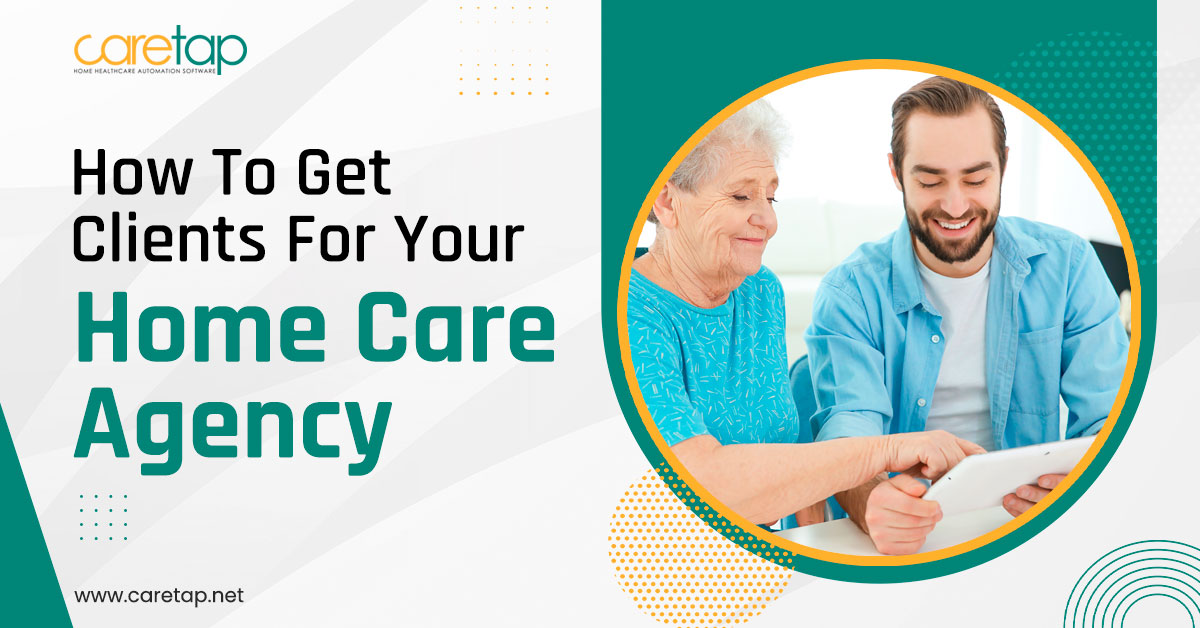
Utilizing Social Media Platforms for Outreach
Social media platforms like Facebook, Instagram, and LinkedIn provide valuable chances for home health care agencies to connect with their target audience. Regularly posting informative content, client testimonials, and updates on community involvement can help build trust and credibility. Consider these strategies:
- Develop a content calendar to make sure you’re posting consistently.
- Use targeted ads to reach specific demographics, like seniors and their families.
- Engage with followers through comments and direct messages — this builds relationships.
Creating a User-Friendly Website with Valuable Content
A well-designed website acts as the backbone of digital marketing efforts. Make sure the website is intuitive, mobile-friendly, and has essential information like services offered, contact details, and client testimonials. Incorporating a blog with valuable content related to home health care can also increase user engagement and establish authority. Key elements include:
- Clear navigation to facilitate user experience.
- High-quality content that addresses common questions and concerns.
- Calls-to-action that encourage visitors to schedule consultations or request more information.
Implementing SEO Strategies for Better Visibility
Search engine optimization (SEO) is crucial for enhancing online visibility and attracting organic traffic. By optimizing website content with relevant keywords — such as “home health care” — agencies can rank higher in search engine results. Important SEO practices include:
- Conducting keyword research to identify terms potential clients are searching for.
- Optimizing meta descriptions and title tags for search engines.
- Ensuring fast load times and mobile optimization to enhance user experience.
According to recent data, websites that employ effective SEO strategies can see organic traffic increases of up to 50% within six months.
Using Online Advertising Effectively
Online advertising can significantly enhance client acquisition efforts. Platforms like Google Ads and Facebook Ads allow for precise targeting based on demographics, interests, and location. Strategies to consider include:
- Utilizing pay-per-click (PPC) campaigns to drive immediate traffic.
- Retargeting ads to engage users who’ve previously visited your website.
- Creating compelling ad copy that highlights unique selling points and client benefits.
In 2024, businesses investing in online advertising are projected to see a return on investment (ROI) of about 200%.
Common misconceptions surround digital marketing, including the belief that social media isn’t essential for serious businesses. However, 78% of consumers report discovering new products on social media platforms. Additionally, many agencies underestimate the importance of local SEO — this can significantly impact visibility in community searches. A focus on local search often leads to higher engagement rates and client acquisition, as nearly 46% of all Google searches are local.
To effectively implement these strategies, home health care agencies should start by establishing a strong online presence. This includes optimizing the website, creating engaging social media profiles, and developing a content strategy that resonates with potential clients. Regularly analyzing performance metrics will also help refine marketing efforts and improve overall effectiveness.
Building Relationships with Healthcare Providers
Networking with local healthcare professionals is crucial for home health care agencies aiming to grow their client base. Strong relationships can lead to valuable referrals and boost credibility within the community.
Identifying Key Healthcare Providers in Your Area
To effectively build relationships, begin by identifying the key healthcare providers in your region. This includes:
- Physicians and specialists who often prescribe home health services
- Hospitals and rehabilitation centers that discharge patients needing continued care
- Nursing homes and assisted living facilities that may need supplemental home health services
- Local clinics and urgent care facilities
- Community health organizations focused on home care
Researching these providers can involve reviewing local directories, attending community health events, or using online resources like LinkedIn to find connections (this is often overlooked).
Strategies for Networking and Relationship Building
Effective networking can take many forms. Consider these strategies:
- Attend industry conferences and health fairs. Meet healthcare professionals and discuss services.
- Host educational seminars to inform providers about the benefits of home health care.
- Join local healthcare associations to connect with other professionals and gain insights into industry trends.
- Leverage social media to engage with local providers by sharing valuable content and insights.
Building rapport is vital. Regularly follow up with providers, express appreciation for their support, and share success stories that highlight the positive impact of your services.
Creating Referral Programs with Healthcare Professionals
A structured referral program can incentivize healthcare providers to refer clients to your agency. Key components include:
- Clear guidelines on how referrals should be made, including necessary paperwork.
- Incentives for referring providers, such as financial rewards or additional services.
- Feedback mechanisms to keep providers informed about the outcomes of their referrals.
Establishing a referral program not only streamlines the process — it also fosters a sense of partnership between your agency and healthcare providers.
Maintaining Ongoing Communication and Trust
Trust is foundational in healthcare relationships. Implement strategies to maintain open lines of communication:
- Schedule regular check-ins with healthcare providers to discuss patient care and any changes in services.
- Provide updates on patient progress and outcomes to demonstrate the effectiveness of your services.
- Solicit feedback from providers regarding their experiences with your agency and areas for improvement.
Consistent communication reinforces relationships. It also helps build a network of trusted referrals.
In the competitive landscape of home health care, agencies that prioritize relationship-building with healthcare providers can notably enhance their client acquisition efforts. A 2024 survey revealed that agencies engaging in regular networking and establishing referral programs saw a 30% increase in client acquisition rates. This highlights the importance of not just making initial connections but also nurturing those relationships over time.
To apply these strategies, start by mapping your local healthcare landscape. Identify at least five key providers to approach. Plan your networking activities and develop a referral program that aligns with their needs. Consistently follow up and maintain communication to cultivate trust and strengthen these vital relationships.
Community Engagement and Outreach Strategies
This section outlines effective strategies for home health care agencies to connect with local communities, fostering relationships that can lead to client acquisition. Engaging with the community enhances visibility and builds trust — both essential elements in the health care sector. These connections are invaluable.
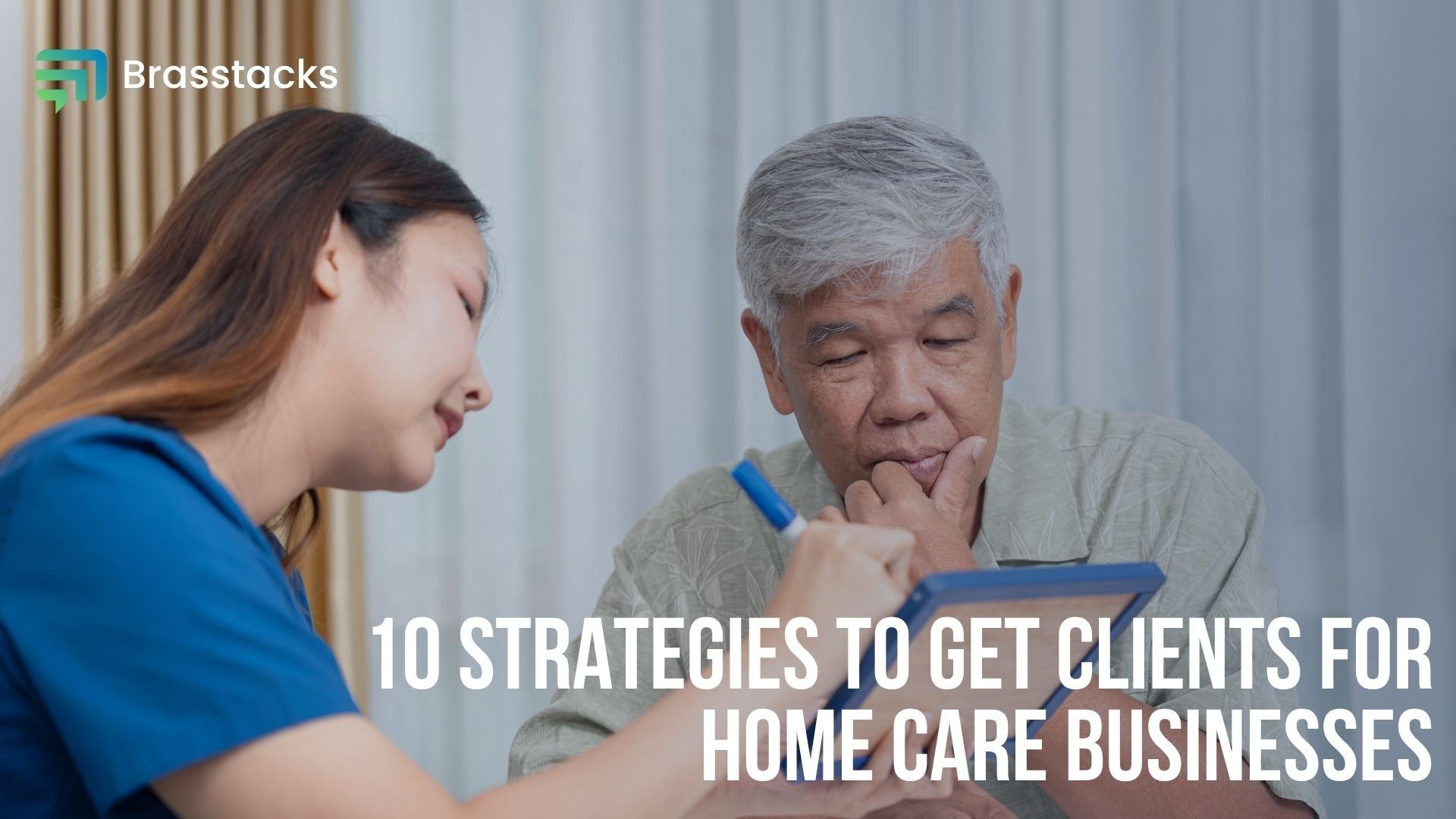
Participating in Community Events and Health Fairs
Participating in local community events and health fairs is a solid strategy for home health care agencies. These gatherings attract individuals seeking health-related information and services. By setting up booths and distributing educational materials, agencies can showcase their expertise directly to potential clients. Offering free health screenings also helps.
- Identify key local events, such as health expos, senior fairs, and community festivals.
- Engage with attendees through interactive activities, such as demonstrations of care techniques or wellness assessments.
- Network with other local health providers to create referral opportunities.
Offering Free Workshops or Seminars on Health Topics
Hosting free workshops or seminars on relevant health topics can position a home health care agency as a thought leader within the community. Topics might include managing chronic conditions, nutrition for seniors, or fall prevention strategies. These workshops not only educate attendees but also provide a platform for agencies to introduce their services — essential for visibility.
According to a 2024 survey by the National Association for Home Care and Hospice, agencies that engage in community education initiatives see a 30% increase in inquiries for services compared to those that do not.
Collaborating with Local Organizations for Outreach
Collaboration with local organizations, such as senior centers, churches, and non-profits, can significantly enhance outreach efforts. By partnering with these institutions, agencies tap into established trust networks — a vital component. Offering joint programs or resources increases visibility and credibility.
- Establish partnerships with organizations that serve your target demographic.
- Co-host events to broaden reach and appeal.
- Share resources, such as brochures or newsletters, to inform members about available services.
Utilizing Testimonials and Success Stories in the Community
Client testimonials and success stories are powerful tools for building trust within the community. Sharing these narratives through local media, social media platforms, and community bulletin boards can significantly impact public perception. According to a 2025 report by Health Affairs, 85% of consumers are influenced by online reviews when selecting health care providers.
Agencies should actively request feedback from clients and highlight positive outcomes in their marketing materials. Make sure these stories resonate with the community’s needs and values — this is often overlooked.
Many agencies overlook the importance of follow-up after initial outreach efforts. Consistent communication with community members fosters ongoing relationships. Regular newsletters, updates on services, and invitations to future events can keep the agency top-of-mind.
To effectively implement these strategies, agencies should:
- Develop a calendar of community events and plan participation accordingly.
- Invest in marketing materials that highlight service offerings and client testimonials.
- Establish partnerships with local organizations, focusing on mutual benefits.
By actively engaging with the community through these methods, home health care agencies can effectively learn how to get clients for home health care agency, establishing themselves as trusted providers in the local landscape.
Measuring Success: Key Metrics for Client Acquisition
This section delves into how to track and measure the success of client acquisition strategies for home health care agencies. Understanding these metrics is vital for optimizing marketing efforts — and achieving sustainable growth.

Identifying Key Performance Indicators (KPIs)
Establishing Key Performance Indicators (KPIs) is critical for assessing client acquisition success. Common KPIs for home health care agencies include:
- Client Growth Rate: This measures the percentage increase in clients over a specific period.
- Lead Conversion Rate: The ratio of leads that become clients indicates the effectiveness of your sales process.
- Cost Per Acquisition (CPA): The total marketing cost divided by the number of new clients acquired provides insights into budget efficiency.
Tools and Methods for Tracking Client Acquisition
Using the right tools enhances the ability to monitor these KPIs effectively. Popular methods include:
- Customer Relationship Management (CRM) Systems: Platforms like Salesforce or HubSpot help track interactions with clients and leads.
- Analytics Software: Tools such as Google Analytics measure website traffic and conversion rates, offering insight into online marketing performance.
- Surveys and Feedback Forms: Collecting direct feedback from clients helps gauge satisfaction — and identify areas for improvement.
Analyzing Data to Refine Marketing Strategies
Regular analysis of collected data is crucial for refining marketing strategies. Implement these approaches:
- Monthly Reports: Generate reports that summarize KPI performance and highlight trends over time.
- Segmentation Analysis: Break down data by demographics or service type to pinpoint the most effective targeting strategies.
- Benchmarking: Compare performance against industry standards to assess competitiveness; for instance, the average CPA in the home health care sector is approximately $350 as of 2024 (this figure can vary).
Setting Realistic Goals and Expectations
Establishing achievable goals is vital for keeping motivation and direction. Consider the following when setting objectives:
- SMART Criteria: Goals should be Specific, Measurable, Achievable, Relevant, and Time-bound.
- Incremental Growth Targets: Aim for gradual increases in client acquisition rather than unrealistic spikes.
- Review and Adjust: Regularly revisit goals based on performance data to ensure they stay relevant and attainable.
Many agencies mistakenly adopt overly ambitious targets without considering market conditions. For example, expecting a 50% increase in clients within a quarter can lead to frustration and misallocated resources. A target of 10-15% growth is often more realistic and sustainable.
To apply this information effectively, home health care agencies should first identify their specific KPIs. Then, implement tracking tools that align with their objectives. Regularly analyze the data to uncover insights and refine marketing strategies. Finally, set SMART goals that guide the agency’s growth efforts and remain adaptable to changing circumstances.
Local Strategies for Attracting Clients to Your Home Health Care Agency
Understanding local market dynamics is essential for home health care agencies aiming to attract clients. With 46% of all Google searches targeting local information, a focused approach can significantly improve visibility and client acquisition in your area.
Geographic Market Differences
In densely populated urban areas like Los Angeles or New York City, competition among home health care agencies is intense. A strong online presence is necessary — along with unique service offerings. On the flip side, agencies in smaller towns might face less competition, but they still need to build trust and foster community relationships to draw in clients. Tailoring your marketing strategy to these geographic differences can enhance your outreach efforts.
Local Business Applications
Local home health care agencies gain from specific strategies that resonate within their communities. Consider these applications:
- Personalized care programs that cater to local demographics — such as senior citizens in suburban areas.
- Community partnerships with local hospitals and clinics for generating referrals.
- Sponsoring local events to boost visibility and connect with potential clients.
- Using local testimonials and case studies in marketing materials to build credibility (this is often overlooked).
Local Search and Visibility Impact
Local search rankings are critical for attracting clients. Home health care agencies must make sure they are optimized for local visibility through the following steps:
- Claim and optimize your Google Business Profile with accurate information, including service areas and operating hours.
- Encourage satisfied clients to leave reviews — 85% of consumers trust online reviews just as much as personal recommendations.
- Implement local keywords in your website content, focusing on phrases like “home health care in [Your City].”
- Build local citations by listing your agency in local directories and health-related websites.
Pricing and Cost in Local Markets
Costs for home health care services can vary widely based on location. For instance, hourly rates in metropolitan areas can range from $25 to $50, while rural areas may see rates between $15 and $30. Agencies should budget wisely — considering that national players might spend upwards of $20,000 monthly on marketing, while local businesses can achieve results with a budget of $1,000 to $5,000.
Local Implementation Checklist:
- Optimize your Google Business Profile with up-to-date information.
- Collect and showcase client testimonials on your website.
- Engage in local community events to increase visibility.
- Use local keywords in your online content.
- Build relationships with local healthcare providers for referral opportunities.
- Confirm that your agency is listed in local business directories.
- Monitor and respond to online reviews actively.
Frequently Asked Questions
What are the best ways to market a home health care agency?
Effective marketing strategies for a home health care agency include utilizing digital marketing, networking with healthcare professionals, and leveraging social media. Creating informative content that highlights services can also attract potential clients.
How can I find clients for my home health care business?
Finding clients can be achieved through referrals from healthcare providers, community outreach, and online marketing efforts. Building relationships with local hospitals and clinics can also generate leads.
What are common mistakes in getting clients for home health care agencies?
Common mistakes include neglecting online presence, failing to understand target demographics, and not following up with leads. Agencies often overlook the importance of personalized communication and relationship building.
How much does it cost to acquire clients for a home health care agency?
The cost of acquiring clients can vary widely, typically ranging from a few hundred to several thousand dollars depending on marketing strategies. Factors influencing costs include advertising, promotional materials, and referral fees.
How long does it take to get clients for a home health care agency?
The timeline for acquiring clients can vary, often taking several weeks to months. Factors such as marketing effectiveness and networking efforts significantly influence this duration.
What role does local SEO play in attracting clients for home health care agencies?
Local SEO is crucial for home health care agencies as it improves visibility in local search results. Optimizing for local keywords helps potential clients find services in their area more easily.
What types of partnerships can help home health care agencies gain clients?
Partnerships with hospitals, physicians, and senior living facilities can significantly boost client acquisition. Collaborating with local organizations and community groups also enhances visibility and trust.
Final Thoughts on how to get clients for home health care agency
Success in acquiring clients for a home health care agency hinges on a multifaceted approach that combines strategic marketing, robust networking, and active community engagement. By leveraging digital platforms and forging strong relationships with healthcare providers, agencies can establish a trusted presence that resonates with potential clients.
Implement a targeted digital marketing campaign that utilizes social media and SEO to reach your specific demographic, ensuring your agency stands out in a competitive landscape.
Ready to amplify your home health care agency’s reach? Partner with a google ads expert and watch your client base grow!
Building a reliable client base in home health care is not just beneficial—it’s essential for delivering quality care to those in need and fostering trust within the community.