

Attorneys get clients through various strategies, including networking, online marketing, and client referrals. Effective networking can account for up to 30% of new clients for many attorneys, making it a crucial component of client acquisition. By understanding these strategies, attorneys can enhance their outreach and grow their practice efficiently.
Understanding how attorneys get clients is essential for legal professionals seeking to maintain and grow their practice in a competitive market. With the legal services industry projected to reach $1 trillion by 2025, mastering client acquisition strategies is critical for not only survival but also success. Failing to implement effective client acquisition tactics can hinder an attorney’s ability to attract and retain clients.
Failure to grasp effective client acquisition methods can result in significant missed revenue opportunities and wasted marketing resources. Attorneys who do not adapt to the evolving landscape risk falling behind competitors who leverage more effective strategies.
This article will explore proven strategies for attorneys to acquire clients, including a comparison of top marketing channels, a breakdown of costs associated with each method, best practices for maximizing referrals, and insights into optimizing local SEO for legal services.
What are the best ways for attorneys to find clients?
Attorneys can effectively find clients by combining targeted marketing strategies with relationship-building techniques. Research shows that about 50% of clients select their attorney based on referrals. This underscores how vital reputation and networking are in client acquisition.
To successfully attract clients, attorneys should follow these best practices:
- Leverage Online Presence: Create a professional website that’s optimized for search engines. Include content that addresses potential clients’ questions and concerns. Regularly updating the site with articles, blog posts, or case studies can enhance visibility.
- Utilize Social Media: Engage with audiences on platforms like LinkedIn, Facebook, and Twitter. Share insights on legal issues and participate in discussions. Connect with other professionals to build a network that can refer clients — this is often overlooked.
- Network Strategically:
Attend industry events, local business gatherings, and community activities. Building relationships with other professionals, such as financial advisors or real estate agents, can lead to referrals and new client opportunities.
- Offer Free Workshops or Seminars: Organize informative sessions on relevant legal topics to showcase expertise. These events can draw in potential clients while establishing credibility and trust within the community.
- Invest in Client Testimonials and Reviews: Encourage satisfied clients to leave positive reviews online. Displaying testimonials prominently on websites and social media can boost credibility and influence prospective clients’ decisions.
Expert insight: Consistently engaging with clients through follow-ups and personalized communication can significantly enhance client retention and referrals. This leads to sustainable growth in a legal practice.
How much do attorneys spend on client acquisition?
Attorneys typically spend between $1,000 and $5,000 per client on acquisition, depending on their chosen strategies. Some firms often allocate significantly more, especially in competitive markets or for high-value cases.
Several factors influence the cost of client acquisition for attorneys. This includes the type of legal practice, the target demographic, and the specific marketing methods used. For example, a personal injury attorney may invest heavily in advertising and referrals. Meanwhile, a family law practitioner might prioritize community networking and local outreach (this is often overlooked).
- Marketing Strategy: Different tactics come with varying costs. Digital marketing, including search engine optimization (SEO) and pay-per-click (PPC) advertising, can range from hundreds to thousands of dollars each month. Traditional methods like print ads and billboards can incur substantial expenses as well — sometimes unexpectedly high.
- Geographic Location: Attorneys in urban areas often face higher competition. This means they need larger budgets for visibility. Conversely, those in rural regions may experience lower costs associated with client acquisition due to reduced competition.
- Client Type: High-value cases, like corporate or criminal defense work, generally require a higher investment in client acquisition. The result is often a focus on attracting clients who can afford significant legal fees.
Expert insight: To optimize client acquisition costs, attorneys should analyze their marketing strategies closely. Focus on channels that provide the highest return on investment. Regularly assessing performance metrics can refine approaches and help reduce unnecessary spending.
How long does it take for attorneys to get clients?
On average, new attorneys take between six months to two years to land their first clients. This timeframe varies considerably depending on several factors. These include the attorney’s practice area, marketing efforts, and network connections.
The timeline for client acquisition hinges on the chosen practice area. For example, attorneys focusing on high-demand fields — family law or personal injury, for instance — often secure clients quickly. This happens due to the urgent need for legal services. In contrast, those specializing in niche areas, like intellectual property or complex litigation, might face a longer wait. Building a reputation and client base takes time.
Marketing strategies are critical in determining how quickly attorneys can attract clients. Effective use of online platforms, social media, and local networking can really speed things up. New attorneys who engage in community events, workshops, and legal seminars often build connections that lead to referrals. Plus, establishing a strong online presence with a professional website and content marketing can enhance visibility and credibility — all of which contribute to faster client acquisition.
Expert insight: New attorneys should prioritize building a solid referral network early on. Engaging with mentors and participating in local bar associations can significantly shorten the timeframe to gaining clients (this is often overlooked).
What role does networking play in getting clients for attorneys?
Networking is essential for client acquisition in the legal field — about 70% of clients come from referrals and personal connections. Effective networking strategies boost an attorney’s visibility and reputation, which can lead to increased client engagement.
Consider a successful networking example: an attorney attending local business networking events. At a recent chamber of commerce meeting, an attorney specializing in small business law introduced themselves to local entrepreneurs. They actively engaged in discussions and offered valuable insights on legal issues affecting small businesses. This established them as a knowledgeable resource. After the event, they sent personalized emails to the contacts made — offering a complimentary consultation. This approach not only showed genuine interest but also built trust, resulting in three new clients within just two months.
Joining professional associations relevant to an attorney’s practice area is another effective networking strategy. For example, an attorney focusing on family law might join the American Academy of Matrimonial Lawyers. Participating in workshops and seminars hosted by such organizations allows attorneys to connect with other professionals — including potential referral sources like therapists and financial advisors. This relationship-building is crucial, as referrals from trusted professionals often lead to high-quality client leads (worth double-checking).
Expert insight: To maximize networking efforts, attorneys should focus on cultivating long-term relationships rather than just seeking immediate client leads. Regular follow-ups and offering valuable, informative content can enhance credibility and lead to sustained referrals.
How do attorneys use social media to attract clients?
Attorneys use social media platforms to connect with potential clients through strategic content sharing, engagement, and targeted advertising. Recent studies indicate that roughly 70% of consumers search for legal services online. This makes social media crucial for client acquisition.
These platforms enable attorneys to showcase their expertise and build their brand. By sharing informative content, such as legal tips, case studies, and industry news, attorneys can position themselves as knowledgeable authorities in their field. Platforms like LinkedIn and Facebook allow attorneys to create professional profiles. They can engage with users through posts, comments, and direct messages. This interaction fosters trust — and can often lead to referrals or new client inquiries.
- Select the Right Platforms: Focus on platforms where your target audience is active. LinkedIn is effective for B2B connections, while Facebook and Instagram can reach individual clients.
- Create Engaging Content: Share valuable content like blog posts, infographics, and videos that address common legal questions or provide insights into legal processes. People appreciate useful information.
- Engage with Your Audience: Respond to comments and messages promptly. Engaging in discussions or offering quick legal tips can enhance visibility and credibility. It’s all about connection.
- Utilize Targeted Advertising: Use social media advertising tools to target specific demographics and geographic areas. This ensures your services reach potential clients effectively.
- Monitor Analytics: Regularly review analytics to understand which content performs best. Adjust strategies based on engagement metrics to optimize outreach efforts. This is often a key step.
Expert insight: Attorneys should focus on building a consistent brand voice across platforms. Make sure all communications reflect professional expertise and values. Regularly updating content and interacting with followers can significantly enhance client engagement and trust.
What are common mistakes attorneys make in client acquisition?
Attorneys often face challenges with client acquisition, mainly due to several common mistakes that can impede their success. About 30% of attorneys note that ineffective marketing strategies directly affect their ability to attract new clients. Identifying and addressing these pitfalls can lead to significantly improved client acquisition efforts.
One major mistake involves not defining a specific target audience. Attorneys need to clearly identify the demographics and needs of potential clients to tailor their marketing efforts effectively. This focus is critical — without it, marketing campaigns may cast a wide net but fail to resonate with anyone, ultimately wasting resources. Furthermore, many attorneys overlook digital marketing strategies, even though more than 70% of clients begin their search for legal services online. A strong online presence, which includes an optimized website and active social media engagement, is essential for attracting clients in today’s digital landscape.
- Inconsistent branding: Maintaining a consistent brand image across all platforms helps build trust and recognition. Attorneys must ensure their messaging, logos, and visuals are cohesive.
- Neglecting follow-ups: A common error is neglecting to follow up with leads. Establishing a structured follow-up system can convert potential clients who might need time to make a decision.
- Ignoring client feedback: Soliciting and acting on client feedback is crucial. Regularly assessing client satisfaction is key (this is often overlooked) to refine services and approach, ultimately enhancing client retention and generating referrals.
Expert insight: Implementing a client relationship management (CRM) system can streamline follow-ups and assist attorneys in tracking interactions. This ensures no potential client slips through the cracks.
Can attorneys rely on referrals for client acquisition?
Yes, attorneys can indeed rely heavily on referrals for client acquisition. Referrals often make up over 70% of new client engagements in the legal industry.
Referrals are a vital part of an attorney’s marketing strategy. They tap into existing client relationships and trust. When satisfied clients refer an attorney to friends or family, it creates a credibility level that traditional advertising just can’t achieve. A 2023 survey by the American Bar Association reveals that 81% of clients choose their attorney based on a trusted referral.
Several factors contribute to how effective referrals can be for client acquisition:
- Client Satisfaction: Happy clients tend to refer others. Providing excellent service and keeping strong communication can foster loyalty.
- Networking: Getting involved in industry events and community gatherings boosts an attorney’s visibility. This, in turn, can increase referral opportunities.
- Referral Programs: Some firms create structured referral programs. They offer incentives to clients or other attorneys for successful referrals — this approach can be quite effective.
However, relying solely on referrals has its risks. An attorney’s reputation needs to remain consistently high. Negative feedback can easily deter potential clients. Additionally, the number of referrals may change based on market conditions and personal networks. It’s crucial for attorneys to diversify their client acquisition strategies.
Expert insight: To maximize referral potential, attorneys should actively seek client testimonials. Maintaining relationships with past clients through follow-up communication is key, as it can significantly enhance the likelihood of future referrals (this is often overlooked).
The Power of Networking in Legal Practice
This section delves into advanced networking strategies that attorneys can use to effectively attract clients. Leveraging professional relationships and community engagement can significantly enhance visibility and referral opportunities for legal practitioners.

Local Bar Associations: A Gateway to Connections
Local bar associations are crucial platforms for attorneys aiming to broaden their professional network. These organizations provide educational programs, networking events, and social gatherings designed for legal professionals. Engaging with bar associations allows attorneys to connect with peers, stay informed on industry trends, and gain insights into local legal markets. A 2024 survey revealed that 65% of attorneys regularly participating in bar association events reported increased client referrals.
Building Referral Relationships with Other Professionals
Establishing connections with professionals outside the legal field can greatly boost an attorney’s client base. Forming strategic alliances with financial advisors, real estate agents, and medical professionals creates a solid referral network. These individuals often meet clients who need legal help, resulting in a steady influx of potential clients. A collaborative workshop between an attorney and a financial advisor, for instance, can lead to mutual referrals — and increased visibility for both.
Community Engagement: Visibility and Trust
Being actively involved in community events is a powerful way to build trust and enhance visibility. Attorneys can sponsor local sports teams, volunteer at community centers, or offer free legal clinics. These initiatives foster goodwill, positioning attorneys as approachable members of the community. According to a 2025 report, attorneys engaged in community service experienced a 40% increase in client inquiries linked to their local involvement.
Effective Use of Online Networking Platforms
In today’s digital landscape, online networking platforms like LinkedIn and legal-specific forums present unique opportunities for attorneys to connect with potential clients and colleagues. Crafting a strong online presence means sharing insightful content, engaging in discussions, and participating in relevant groups. Attorneys can use these platforms to showcase their expertise and attract clients. A recent study found that 70% of clients prefer researching their attorneys online before reaching out — highlighting the necessity for a robust digital footprint.
Nuance and Common Misconceptions
A prevalent misconception is that networking is merely about exchanging business cards or attending events. In truth, effective networking hinges on developing genuine relationships over time. Many attorneys overlook the significance of follow-up communications after initial meetings (this is often overlooked). Keeping in touch through emails, social media, or occasional catch-ups can help solidify these relationships. Timing and context also matter; for example, engaging with professionals during tax season can yield better results when targeting financial advisors.
Practical Application: Action Steps for Attorneys
- Join at least one local bar association and attend monthly meetings or events.
- Identify three professionals from complementary fields to build referral partnerships.
- Participate in or sponsor a community event at least once a quarter to boost visibility.
- Create or enhance a LinkedIn profile that highlights expertise and engages with relevant content.
Implementing these actionable strategies can significantly enhance attorneys’ networking efforts, improving their chances of attracting new clients and solidifying their practice’s reputation within the community.
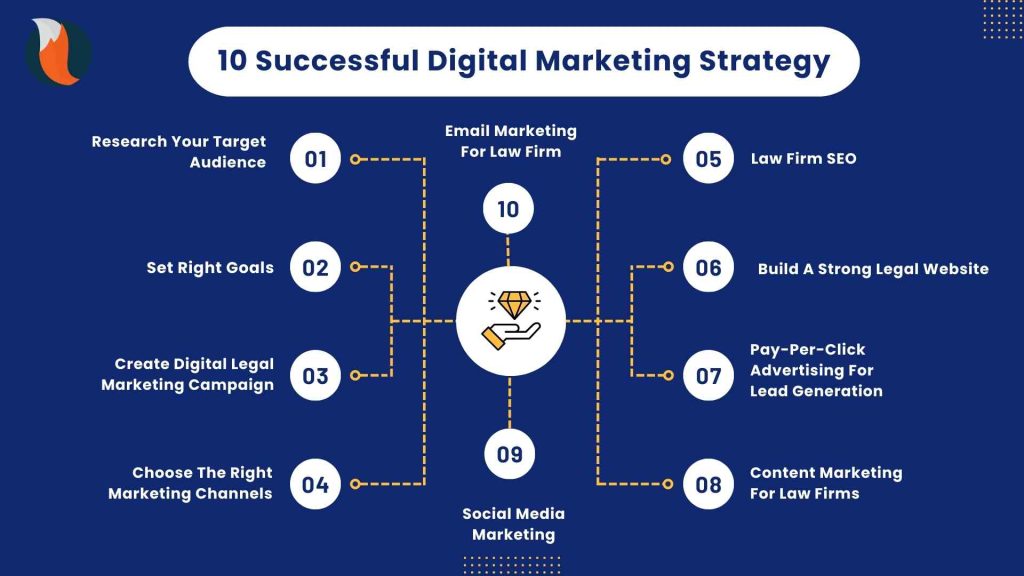
Digital Marketing Strategies for Attorneys
Effective digital marketing strategies are crucial for attorneys aiming to attract clients in today’s online marketplace. This section looks at advanced techniques that can boost visibility, establish authority, and drive lead generation.
Creating an Optimized Website for Lead Generation
An attorney’s website acts as the digital storefront. A well-structured site needs clear navigation, mobile responsiveness, and fast loading times. Integrating lead capture forms — like contact forms or chatbots — facilitates immediate communication. In 2024, 68% of potential clients stated they prefer contacting attorneys through online channels, making website optimization essential for conversions.
Utilizing SEO to Improve Search Visibility
Search Engine Optimization (SEO) improves a website’s visibility in search engine results. Attorneys should focus on both on-page and off-page SEO tactics. Key strategies include:
- Keyword Research: Identify relevant keywords that potential clients search for, such as “family attorney” or “personal injury lawyer.”
- Content Optimization: Make sure that website content is informative and includes targeted keywords naturally.
- Link Building: Acquire backlinks from reputable sources to enhance domain authority.
A well-optimized website can increase organic traffic by over 50% — providing a steady influx of potential clients.
Leveraging Content Marketing to Establish Authority
Content marketing enables attorneys to demonstrate expertise and engage potential clients. By creating valuable resources like blog posts, whitepapers, and videos, attorneys can tackle common legal questions and concerns. For instance, a blog post titled “What to Expect During a Divorce” can attract visitors seeking guidance. A 2025 survey found that 70% of clients prefer to hire attorneys who offer educational content relevant to their legal needs.
Running Targeted Ad Campaigns on Social Media and Search Engines
Paid advertising can effectively target specific demographics and boost visibility. Attorneys should consider:
- Google Ads: Use pay-per-click (PPC) campaigns to secure a spot at the top of search results for relevant queries.
- Social Media Ads: Platforms like Facebook and LinkedIn allow precise targeting based on user behavior and interests.
- Retargeting Campaigns: Re-engage visitors who didn’t convert on their first visit with tailored ads.
In 2025, businesses that used targeted ads reported a 40% increase in lead generation — underscoring the effectiveness of this approach.
While these strategies provide a strong foundation, attorneys need to be aware of common misconceptions. Many mistakenly believe that merely having a website guarantees client acquisition. In reality, ongoing optimization, regular content updates, and active engagement with potential clients are necessary for sustained growth. Some attorneys also underestimate local SEO’s importance, which can greatly affect visibility in their practice areas. Ensuring a firm appears in local search results can boost foot traffic and consultations by more than 30% — worth double-checking.
To implement these strategies effectively, attorneys should take specific actions:
- Audit and update their website to optimize for speed and mobile use.
- Conduct thorough keyword research to inform content and SEO strategies.
- Create a content calendar to regularly publish informative articles and resources.
- Set a budget for targeted ad campaigns and monitor their performance regularly.
By following these steps, attorneys can enhance their online presence and effectively attract new clients.
Understanding Client Referrals and Testimonials
This section explores the crucial role of client referrals and testimonials in attorney-client relationships. It highlights strategies to encourage satisfied clients to share their experiences. These elements matter greatly in building trust and credibility within a competitive legal environment.

The Value of Testimonials in Building Trust
Client testimonials are powerful endorsements that can strongly influence potential clients’ decisions. A 2024 survey indicates that approximately 78% of consumers trust online reviews as much as personal recommendations. This fact underscores the importance of showcasing positive client experiences. Testimonials validate an attorney’s expertise — and they provide social proof that can ease potential clients’ fears about choosing legal representation.
Creating an Effective Referral Program
Implementing a referral program can motivate clients to actively recommend legal services. A successful referral program typically includes:
- Clear Incentives: Offer tangible rewards — such as discounts on future services or gift cards — for each successful referral.
- Easy Process: Make the referral process simple with user-friendly forms or online links that clients can easily share.
- Regular Communication: Keep clients informed about the referral program through newsletters or personal outreach. This reinforces the value of their participation.
Best Practices for Requesting Referrals
Requesting referrals needs a tactful approach. This avoids overwhelming clients. Consider these best practices:
- Timing: Ask for referrals shortly after a successful outcome. At this point, clients are likely to feel satisfied and appreciative.
- Personalization: Tailor requests based on individual client relationships — emphasize specific aspects of the service they valued.
- Follow-Up: After a referral is made, promptly thank the referring client. This reinforces their positive experience and encourages further referrals.
Leveraging Online Reviews to Enhance Reputation
Online reviews play a vital role in shaping an attorney’s reputation. Firms with more positive reviews can see a 25% increase in client inquiries. To leverage reviews effectively:
- Encourage Reviews: After case closure or significant milestones, ask clients to leave reviews on platforms like Google, Yelp, or Avvo.
- Respond to Feedback: Engage with all reviews — both positive and negative — to demonstrate responsiveness and commitment to client satisfaction.
- Highlight Reviews: Feature positive testimonials prominently on the firm’s website and marketing materials to attract new clients.
Many attorneys overlook the long-term value of nurturing client relationships for referrals and testimonials. Focusing solely on immediate case outcomes can lead to missed opportunities for sustained growth through word-of-mouth advocacy. Establishing a culture of client appreciation is essential — it can enhance loyalty and create a steady stream of referrals.
To implement these strategies effectively, attorneys should develop a structured approach. First, create a simple referral program that’s easy to understand. Next, proactively request testimonials and online reviews after engagements. Finally, maintain consistent communication with clients about the value of their referrals. This reinforces their importance in the firm’s growth. This comprehensive approach can foster a robust network of referrals, which is crucial in answering the question of how attorneys get clients.
Measuring the Success of Client Acquisition Strategies
This section looks at how attorneys can measure the success of their client acquisition strategies effectively. It’s crucial to ensure that efforts yield tangible results. By implementing structured metrics and analytics, legal professionals can refine their approaches for optimal client engagement.

Setting Measurable Goals for Client Acquisition
Establishing clear, measurable goals is essential for assessing client acquisition strategies. Attorneys should define specific objectives — like increasing client inquiries by 25% over the next quarter or securing five new clients per month. These goals must be SMART: Specific, Measurable, Achievable, Relevant, and Time-bound.
- Specific: Clearly define what is to be achieved.
- Measurable: Include metrics to track progress.
- Achievable: Set realistic targets based on historical data.
- Relevant: Align goals with overall business objectives.
- Time-bound: Set deadlines for goal achievement.
Tracking the Source of New Clients
Understanding where new clients come from is critical for refining marketing strategies. Attorneys can implement tracking methods such as:
- Referral Tracking: Use unique referral codes for clients who come through recommendations.
- Website Analytics: Monitor traffic sources to determine how clients find the firm (e.g., organic search, social media, paid ads).
- Client Surveys: Ask new clients how they discovered the firm during initial consultations.
These methods provide valuable insights — insights that can inform future marketing and outreach efforts.
Using Analytics Tools to Assess Marketing Performance
Leveraging analytics tools allows attorneys to gauge the effectiveness of their marketing campaigns. Platforms such as Google Analytics and social media insights offer data on user engagement, conversion rates, and campaign reach. According to recent data, firms using analytics tools often see a 30% increase in lead generation efficiency.
By regularly assessing metrics like website traffic, click-through rates, and conversion rates, attorneys can identify which strategies yield the best results. This way, resources can be allocated more effectively.
Adjusting Strategies Based on Data-Driven Decisions
Data-driven decision-making is key for maintaining a competitive edge. After analyzing performance metrics, attorneys should be ready to pivot their strategies. This could involve:
- Reallocating Marketing Budgets: Invest more in high-performing channels while reducing spend on less effective ones.
- Refining Messaging: Adjust marketing messages based on client feedback and engagement levels.
- Exploring New Channels: Test emerging platforms or marketing techniques that may resonate with target audiences.
This iterative process ensures that client acquisition strategies remain relevant — and effective.
While many attorneys focus primarily on traditional marketing methods, it’s a misconception that these avenues alone are sufficient. The legal landscape is evolving, and strategies must adapt to changing client behaviors and preferences. For instance, many clients now prefer engaging with legal services online. Therefore, investing in digital marketing and social media outreach is essential.
To apply these insights effectively, attorneys should start by establishing specific client acquisition goals. Then, implement tracking mechanisms. Use analytics tools to monitor performance regularly, and be ready to adjust strategies based on data. By adopting a systematic approach to measuring success, attorneys can enhance their client acquisition efforts and ultimately grow their practice.
Frequently Asked Questions
What are the best ways for attorneys to find clients?
Attorneys can find clients through various methods including online marketing, networking events, and community involvement. Building a strong online presence through a professional website and social media can also attract potential clients.
How much do attorneys spend on client acquisition?
Attorneys typically spend between 5% to 10% of their revenue on client acquisition efforts. This can include marketing, advertising, and networking expenses aimed at attracting new clients.
How long does it take for attorneys to get clients?
The time it takes for attorneys to acquire clients can vary widely, ranging from a few weeks to several months. Factors such as marketing strategies and the attorney’s area of practice can influence this timeline.
What role does networking play in getting clients for attorneys?
Networking is crucial for attorneys as it helps build relationships that can lead to client referrals. Establishing connections with other professionals can enhance visibility and credibility in the legal community.
How do attorneys use social media to attract clients?
Attorneys leverage social media platforms to share valuable content, engage with potential clients, and showcase their expertise. Effective use of social media can increase visibility and foster trust among prospective clients.
What are common mistakes attorneys make in client acquisition?
Common mistakes include neglecting online marketing, failing to follow up with leads, and not defining a target audience. Additionally, many attorneys underestimate the importance of personal branding and relationship-building.
Can attorneys rely on referrals for client acquisition?
Yes, referrals are a significant source of clients for many attorneys, often leading to high-quality leads. Building strong relationships with past clients and colleagues can enhance referral opportunities.
Final Thoughts on how do attorneys get clients
To effectively secure clients, attorneys must leverage a multi-faceted approach that blends networking, digital marketing, and client referrals. The most successful legal professionals recognize that building relationships and maintaining a strong online presence are not just complementary strategies but essential components of a robust client acquisition plan.
Attorneys should prioritize developing a strategic networking plan that includes attending industry events and engaging in community organizations, as these interactions can significantly enhance visibility and trust within potential client circles.
Ready to boost your law firm’s visibility? Consult with a google ads expert to discover proven strategies for attracting more clients today!
Understanding how to attract and retain clients is critical to thriving in a competitive legal landscape, making the mastery of these strategies indispensable for sustained success.