
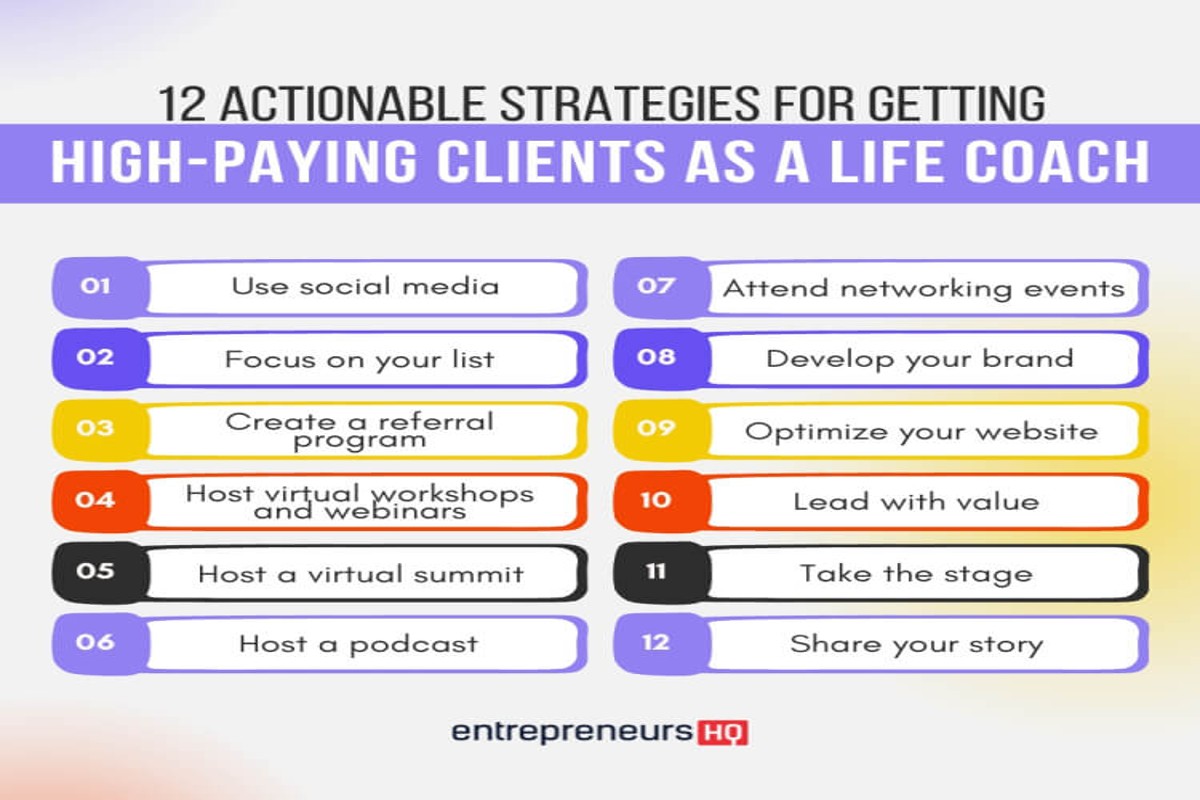
How to get clients as a life coach involves employing strategies such as establishing a robust online presence, leveraging social media platforms, and engaging in community networking. By focusing on these areas, life coaches can significantly enhance their visibility and attract potential clients. Research indicates that 80% of coaches secure clients through referrals and word-of-mouth recommendations.
Understanding how to get clients as a life coach is critical for success in a competitive industry where effective client acquisition can make or break a coaching practice. With the life coaching market projected to reach $1 billion by 2025, coaches must grasp the nuances of client engagement to thrive. Failure to implement effective strategies can lead to missed opportunities and stagnation in business growth.
Neglecting to master client acquisition strategies can result in significant financial losses, wasted marketing resources, and an inability to compete effectively in the coaching landscape. Without a solid client base, coaches may struggle to sustain their practice and achieve their professional goals.
This article will provide actionable insights on proven strategies for attracting clients, including the importance of online marketing, networking techniques, and the role of referrals. Readers will gain a comprehensive understanding of best practices for establishing a successful coaching business.
What are effective marketing strategies for life coaches?
Effective marketing strategies for life coaches involve using social media, creating valuable content, and networking both online and offline. A 2024 survey found that 63% of life coaches identify social media as their main source of client acquisition.
To attract clients effectively, life coaches should consider these best practices:
- Use Social Media Platforms: Establish a steady presence on platforms like Instagram and LinkedIn. Share testimonials, client success stories, and motivational content to engage potential clients. Interacting regularly with followers builds trust and community.
- Create a Professional Website: A well-designed website acts as a hub for your services. Don’t forget to include a blog with informative articles on life coaching topics. Optimize the site for search engines — this greatly enhances visibility and brings in organic traffic.
- Offer Free Workshops or Webinars: Hosting free events highlights your expertise and lets potential clients experience your coaching style. Promote these events through social media and email marketing to reach a larger audience.
- Network with Other Professionals: Collaborate with professionals in related fields, such as therapists or wellness coaches. Referrals from trusted sources can really boost your client base. Attending networking events and joining relevant online communities helps build important relationships.
- Use Email Marketing: Start building an email list by offering a free resource, like an e-book or a newsletter. Regularly send valuable content and updates about your services to keep your audience engaged and informed (this is often overlooked).
Expert insight: Focus on developing a personal brand that resonates with your target audience. Authenticity and relatability can greatly enhance client trust — and engagement will follow.
How can I attract clients as a new life coach?
Attracting clients as a new life coach requires a mix of effective marketing strategies, personal branding, and networking. Approximately 70% of coaches find clients through referrals and word-of-mouth. This underscores the need to establish a strong presence both online and offline.
To start, new life coaches should identify their target audience and carve out a clear niche. This means understanding the specific challenges potential clients face and tailoring services to meet those needs. Next, it’s essential to develop an online presence with a professional website and active social media profiles. Consistent content creation, like blogs or videos that provide valuable insights, can position the coach as an authority in their field. Additionally, using SEO techniques can effectively attract organic traffic to their platforms.
- Network within your community: Attend local events, workshops, and seminars to connect with potential clients and other professionals. Building relationships in person can lead to referrals — it’s often more effective than online interactions.
- Offer free introductory sessions: Providing complimentary coaching sessions can showcase your skills and attract clients. This gives potential clients a taste of the value you offer, without an initial commitment.
- Utilize social proof: Collect testimonials and success stories from clients to build credibility. Display these on your website and social media. This can attract new clients who want similar outcomes.
- Engage in online communities: Participate in forums, social media groups, or platforms like LinkedIn where your target audience gathers. Offering free advice and insights helps establish trust and can lead clients to your services.
Expert insight: Focus on building a personal brand that reflects your unique coaching style and values. Authenticity resonates with potential clients — it can significantly enhance your ability to attract and retain them.
What is the average cost of hiring a life coach?
The average cost of hiring a life coach typically falls between $50 to $300 per hour. This depends on various factors like the coach’s experience, location, and specialization. Some coaches offer package deals that can reduce the hourly rate. Others may have a flat fee for specific programs or sessions.
Several factors influence the cost of life coaching services. These include:
- Experience and Certification: Coaches with advanced certifications or significant experience often charge higher rates. Their expertise and proven track records justify these costs.
- Location: Coaching rates can vary widely by geographic region. Urban areas with higher costs of living generally see higher coaching fees — this is often overlooked.
- Specialization: Coaches who focus on niche markets, such as career coaching, health and wellness, or relationship coaching, may have various pricing structures. This depends on demand and the depth of their services.
- Session Format: Individual sessions might be priced differently than group coaching sessions or workshops. Group formats are usually more cost-effective per participant.
Clients can usually expect to invest in life coaching as a long-term commitment. Many coaches suggest a series of sessions to achieve substantial results. The result is often total costs ranging from hundreds to thousands of dollars over time. It’s wise for clients to discuss their budget and goals upfront — this ensures a coaching arrangement that fits their needs.
Expert insight: When selecting a life coach, consider not just the cost but also the value provided in terms of specific outcomes and personal growth. A higher price doesn’t always mean better results; finding a coach whose style and expertise align with your goals can lead to more effective coaching outcomes (worth double-checking).
How long does it take to get clients as a life coach?
New life coaches can usually begin acquiring clients within three to six months of starting their practice. However, this timeframe can really vary — based on several factors like marketing strategies, networking efforts, and personal branding.
Several key factors influence how quickly a life coach attracts clients. First, effective marketing strategies are essential. Coaches who engage in social media, content marketing, or paid advertising tend to see results more quickly. For instance, those who create a solid online presence, including a professional website and regular social media activity, can shorten the time it takes to gain clients. Additionally, using platforms like LinkedIn or coaching directories can boost visibility and credibility, which often enhances client engagement.
Another important factor is the coach’s niche and target audience. Coaches who focus on high-demand areas — like career transitions or stress management — often find clients more easily than those in less popular niches. Personal networks can also play a significant role in how quickly clients come in. Coaches who actively network and seek referrals from their existing contacts usually build their clientele faster. Establishing partnerships with complementary professionals, such as therapists or wellness coaches, is worth double-checking for additional referrals.
Expert insight: Concentrate on building a strong personal brand and engaging with your target audience to speed up client acquisition. Consistent outreach and proactive networking can lead to faster results.
What are common mistakes life coaches make when trying to get clients?
Common mistakes life coaches make include failing to define their target market, neglecting to build an online presence, and not leveraging their network effectively. Research shows that about 70% of new coaches struggle to attract clients due to these oversights.
One frequent pitfall is not identifying a specific niche. For instance, a life coach might market themselves broadly, aiming to help anyone with personal development. This approach dilutes their messaging — a more effective strategy involves specializing in areas such as career coaching, wellness, or relationship guidance. It not only draws clients seeking specific solutions but also establishes the coach as an authority in that niche.
Another mistake is underutilizing digital platforms. Many coaches overlook the importance of social media and professional websites. For example, a coach may have a Facebook page but fail to engage with followers or share valuable content. Maintaining an active online presence, with regular updates and insights, can significantly boost visibility and client engagement. Make sure to use platforms like LinkedIn to connect with potential clients, as this can broaden outreach (this is often overlooked).
Expert insight: Focus on creating a targeted marketing strategy and actively engaging with your audience online. This will enhance your visibility and credibility. Ultimately, it leads to a more robust client base.
How important is social media for life coaches?
Social media is an essential tool for life coaches. It serves as a primary platform for client acquisition and brand building. In 2024, around 70% of life coaches reported gaining clients through social media channels. This highlights its significance in the industry.
Social media allows for direct engagement with potential clients. It gives life coaches the chance to showcase their expertise and build a community. Platforms such as Instagram, Facebook, and LinkedIn create opportunities for sharing success stories, client testimonials, and valuable content — all of which can enhance credibility and attract new clients. The visual nature of platforms like Instagram also effectively communicates a coach’s brand personality and coaching style.
- Targeted Advertising: Social media enables targeted advertising, allowing coaches to reach specific demographics interested in personal development.
- Networking Opportunities: Engaging with other professionals and joining relevant groups can lead to referrals and collaborative opportunities (this is often overlooked).
- Content Marketing: Sharing articles, videos, and live sessions can help establish a coach’s authority. This encourages followers to seek services.
While social media can be a powerful tool, its effectiveness varies. This is often based on the coach’s target audience and content strategy. For instance, coaches focusing on niche markets may find more success on platforms that align with their audience’s preferences. Additionally, consistency in posting and interaction is critical. Coaches who actively engage with their audience are more likely to convert followers into clients.
Expert insight: To maximize social media’s potential, life coaches should develop a content calendar that matches their brand message and audience interests. This ensures a steady flow of relevant content and engagement. Regularly analyzing metrics can also optimize strategies for client acquisition — worth double-checking.
What niche should I focus on as a life coach?
Choosing a niche as a life coach is crucial for attracting clients. Popular niches include career coaching, relationship coaching, wellness coaching, and financial coaching. Each niche appeals to different client demographics and shapes marketing strategies.
The selection of a niche directly influences the approach to client acquisition. For example, career coaches often target professionals looking to advance their careers. In contrast, wellness coaches might focus on health and lifestyle changes. The differences in these niches impact marketing strategies, client engagement, and service offerings.
- Career Coaching: Focuses on professional development and job satisfaction. Effective strategies include networking events and LinkedIn marketing.
- Relationship Coaching: Centers on improving personal relationships. Client attraction often involves workshops and social media engagement.
- Wellness Coaching: Emphasizes health and lifestyle. Attracting clients may rely on content marketing — this can include blogs and health-related social media posts.
- Financial Coaching: Helps clients achieve financial goals. Client acquisition strategies typically involve webinars and partnerships with financial institutions.
Every niche needs tailored marketing strategies to reach the intended audience effectively. Recognizing the specific needs and challenges of potential clients (this is often overlooked) in each niche will improve outreach efforts. Moreover, selecting a niche can lead to a more fulfilling coaching career by aligning personal passions with client needs.
Expert insight: Focus on a niche that resonates with personal experiences or expertise — this enhances authenticity and strengthens client connection.
Building a Personal Brand as a Life Coach
Establishing a compelling personal brand is crucial for life coaches aiming to attract clients. A well-defined brand communicates your unique coaching style — and it builds trust and credibility in a competitive market.

Define Your Unique Coaching Style and Philosophy
Your coaching style and philosophy play a vital role in setting you apart from other coaches. Start by identifying your core values, strengths, and the specific challenges you’re equipped to tackle. This self-awareness helps articulate a clear coaching approach that resonates with potential clients. Consider creating a personal mission statement — it should encapsulate your goals and the impact you intend to make on your clients.
Create a Professional Website
A professional website is the cornerstone of your personal brand. It needs to showcase your coaching philosophy, services, and qualifications effectively. Key elements to include are:
- Homepage: A welcoming introduction that highlights your coaching niche.
- About Page: A narrative detailing your journey, credentials, and coaching philosophy.
- Services Offered: Clear descriptions of your coaching packages and methodologies.
- Blog: Regularly updated content that showcases your expertise and engages your audience.
By 2026, 70% of consumers prefer learning about a company through articles rather than advertisements — this underscores the significance of a well-crafted online presence.
Use Testimonials and Case Studies
Social proof is a potent tool in client acquisition. Collect testimonials from clients who’ve benefited from your coaching. Highlight their achievements and transformative experiences in case studies. This not only boosts your credibility but also demonstrates the tangible results potential clients can expect. Aim for at least three to five testimonials on your website, ensuring they reflect a diverse range of client experiences (this is often overlooked).
Engage in Public Speaking or Workshops
Public speaking and hosting workshops are effective strategies for boosting visibility and establishing authority. Such engagements let you showcase your expertise while directly interacting with potential clients. Consider these opportunities:
- Local Community Events: Offer free workshops on relevant topics to attract interest.
- Networking Groups: Join groups where you can present your coaching services.
- Online Webinars: Host webinars to reach a broader audience and engage with participants in real-time.
In 2024, 63% of life coaches reported that public speaking significantly increased their client acquisition rates — this highlights the effectiveness of this approach.
Nuance and Expert Layer
A common misconception is that personal branding revolves chiefly around aesthetics and marketing tactics. While visuals and messaging are important, the core of a personal brand lies in authenticity and connection. Clients are increasingly drawn to coaches who genuinely reflect their values and are relatable. Sometimes, a less polished but authentic representation resonates more with potential clients than a perfectly curated image. Life coaches should prioritize building genuine relationships and trust — rather than just emphasizing professional accolades.
Practical Application
To leverage personal branding effectively, implement these steps:
- Identify and articulate your unique coaching style and philosophy.
- Design a professional website that clearly communicates your brand and services.
- Gather and display testimonials and case studies prominently on your site.
- Seek opportunities for public speaking and workshops to enhance visibility.
By integrating these strategies, you’ll strengthen your ability to attract clients as a life coach. Position yourself as a trusted and credible professional in your field.
Leveraging Networking and Referrals
Building a sustainable client base as a life coach relies heavily on networking and referrals. This section examines practical strategies for tapping into personal connections and professional relationships. The result is often increased client acquisition.
Identifying Key Networking Opportunities
Networking is vital for life coaches aiming to broaden their clientele. Community events, workshops, and local meetups provide prime opportunities to connect with potential clients. Consider participating in:
- Health and wellness fairs: These events attract those interested in personal development.
- Business networking groups: Interacting with local entrepreneurs can lead to valuable referrals.
- Community service activities: Volunteering enhances visibility and builds trust — a crucial aspect.
Developing Relationships with Complementary Professionals
Establishing connections with professionals in related fields can create mutually beneficial referral pathways. Consider collaborating with:
- Therapists and counselors: They can refer clients needing coaching services.
- Fitness trainers: Trainers often work with individuals seeking holistic improvement.
- Nutritionists: Clients looking for lifestyle changes may also benefit from coaching.
Regularly attending workshops or seminars can facilitate these connections. They also foster long-term collaborations (this is often overlooked).
Implementing a Referral Program
A structured referral program can motivate existing clients to recommend your services. Consider these strategies:
- Offer discounts: Provide a discount on future sessions for clients who refer others.
- Referral bonuses: Reward both the referrer and the new client with a special offer.
- Tiered benefits: Create a system where clients earn greater rewards for multiple referrals.
Statistics show referred customers are 18% more loyal than those acquired through other means, highlighting the value of this approach.
Utilizing Online Platforms
In the digital age, online platforms act as powerful tools for connecting with potential clients. Leverage platforms such as:
- Social media: Use targeted ads and engaging content to reach broader audiences.
- Professional websites: Make sure your website includes testimonials and clear calls to action.
- Online forums and groups: Participate in discussions that align with your coaching niche.
As of 2024, approximately 70% of clients find service providers through online research. This underscores the necessity of a strong online presence.
While networking and referrals are effective client acquisition strategies, many coaches overlook the importance of building genuine relationships. It’s crucial to focus on both the transactional nature of referrals and fostering trust and rapport within your network. Building a reputation as a reliable and supportive coach can create a steady stream of referrals — even from those who may not directly use your services.
To effectively implement these strategies, start by identifying two or three local networking events to attend this month. Establish a schedule for reaching out to complementary professionals. Propose a coffee meeting to discuss potential collaborations. Finally, create a straightforward referral program that rewards both your current clients and new ones. These actionable steps will enhance your visibility and lead to increased client acquisition.
Creating Valuable Content to Attract Clients
Content marketing is a powerful tool for life coaches aiming to attract clients. By offering valuable insights and resources, coaches can build credibility, showcase their expertise, and engage potential clients. It’s not just about having content — it’s about making it meaningful.
Start a Blog or Podcast
Launching a blog or podcast enables life coaches to share their knowledge and personal experiences. Regularly publishing articles or episodes on relevant topics can help position coaches as thought leaders. Consistency is crucial — aim for at least one blog post or podcast episode each week to keep the audience engaged. According to recent statistics, businesses that prioritize blogging are 13 times more likely to see a positive ROI.
Offer Free Resources
Offering free resources, such as e-books, webinars, or downloadable worksheets, effectively showcases coaching skills. These resources should provide immediate value and address common challenges faced by potential clients. For instance, a life coach might create a free e-book titled “10 Tips for Overcoming Procrastination,” capturing leads while demonstrating expertise. A 2024 survey found that 60% of consumers prefer engaging with brands that provide valuable free content (this is often overlooked).
Utilize SEO Techniques
Search Engine Optimization (SEO) is key for boosting the visibility of content. By researching relevant keywords and incorporating them strategically into blog posts, titles, and meta descriptions, coaches can improve their search rankings. Tools like Google Analytics are helpful for tracking performance and identifying which keywords drive traffic. Implementing effective SEO strategies can increase organic traffic by up to 70% over time. This makes it easier for potential clients to find coaching services.
Engage on Social Media Platforms
Social media is an essential channel for engaging with audiences and promoting content. Platforms like Instagram, Facebook, and LinkedIn allow coaches to share insights, interact with followers, and build a community. Posting content that encourages discussion — such as polls or thought-provoking questions — can enhance engagement and visibility. Statistics reveal that content shared on social media can generate up to 94% more views than content not promoted through these channels.
Nuance: Misconceptions About Content Marketing
Many life coaches underestimate the impact of content marketing, thinking simply having a website is enough. However, creating high-quality, consistent content is vital for establishing authority in a crowded market. Furthermore, some coaches may focus solely on promoting their services instead of providing genuine value through content. The most successful coaches realize that building trust and relationships through valuable content is crucial for converting leads into clients.
Practical Application
- Choose a content format (blog or podcast) and commit to a consistent schedule.
- Develop a free resource that addresses a common pain point for your target audience.
- Conduct keyword research to optimize your content for search engines.
- Identify 2-3 social media platforms where your target clients are active, and start engaging with them.
Implementing these strategies will significantly enhance the ability to attract clients as a life coach. Focus on delivering consistent, high-quality content that resonates with your audience’s needs and interests. This approach pays off in the long run.
Understanding Client Needs and Tailoring Your Approach
Understanding the specific needs of potential clients is crucial for life coaches who want to build a successful practice. Tailoring coaching programs and marketing strategies based on client feedback not only improves service delivery — it also boosts client acquisition rates.

Conduct Surveys and Interviews
Gathering client feedback through surveys and interviews yields valuable insights into their preferences and expectations. This approach helps life coaches pinpoint common challenges and desired outcomes among their target audience. According to a 2024 survey, 65% of clients prefer personalized coaching tailored to their individual goals (this is often overlooked). This clearly highlights the need for customized approaches.
Adapt Coaching Programs
Based on the feedback collected, coaches should adjust their programs to meet client preferences. Flexibility in coaching methodologies can greatly enhance client satisfaction and retention. Offering various formats — one-on-one sessions, group coaching, or online workshops — allows clients to choose what works best for them. This choice matters.
Utilize Active Listening Skills
Active listening is a vital skill for grasping client challenges. By fully engaging with clients during sessions, coaches can unearth underlying issues that might not be immediately evident. This method fosters trust and rapport, essential components for effective coaching relationships. Research shows that 75% of clients feel more supported when their coaches practice active listening.
Create Personalized Marketing Messages
Crafting marketing messages that resonate with potential clients is key to attracting new business. Personalization can be achieved by segmenting the target audience based on demographics, interests, or specific pain points. Tailored marketing campaigns have been found to increase engagement rates by up to 30% — an impressive boost for coaches aiming to expand their client base.
Common Misconceptions
A common misconception is that a one-size-fits-all approach will deliver the best results. In truth, the coaching industry is diverse, and client needs can vary significantly. Coaches often underestimate the importance of continuous feedback and adjustment, which can lead to stagnation in client acquisition efforts. Recognizing the unique needs of each client and adapting accordingly is what truly distinguishes successful coaches.
Practical Application
- Implement regular feedback mechanisms, like monthly surveys or post-session evaluations, to better understand client needs.
- Review and modify coaching programs quarterly based on client input and emerging trends.
- Practice active listening techniques in every coaching session to deepen understanding and rapport.
- Segment your marketing audience and create tailored messages addressing specific client pain points.
By putting client needs first and customizing approaches, life coaches can effectively improve their marketability and client acquisition strategies. This focus ultimately leads to a thriving coaching practice.
Frequently Asked Questions
What are effective marketing strategies for life coaches?
Effective marketing strategies for life coaches include content marketing, networking, and leveraging testimonials. Building a professional website and utilizing email marketing can also help attract potential clients.
How can I attract clients as a new life coach?
New life coaches can attract clients by offering free introductory sessions and engaging in local community events. Establishing a strong online presence through social media and content creation is also essential.
What is the average cost of hiring a life coach?
The average cost of hiring a life coach typically ranges from $50 to $300 per session, depending on the coach’s experience and specialization. Packages and longer-term commitments may offer reduced rates.
How long does it take to get clients as a life coach?
It can take anywhere from a few weeks to several months for life coaches to secure clients, depending on their marketing efforts and network. Consistent outreach and visibility can accelerate this process.
What are common mistakes life coaches make when trying to get clients?
Common mistakes include failing to define a target market and not utilizing effective marketing channels. Additionally, many coaches underestimate the importance of follow-ups and personal branding.
How important is social media for life coaches?
Social media is crucial for life coaches as it helps build brand awareness and connect with potential clients. Platforms like Instagram and LinkedIn allow coaches to showcase their expertise and share valuable content.
What niche should I focus on as a life coach?
Choosing a niche should align with personal passions and expertise, such as career coaching, wellness, or relationship coaching. A well-defined niche helps attract specific clients and enhances marketing efforts.
Final Thoughts on how to get clients as a life coach
Establishing a successful life coaching practice hinges on a multifaceted approach that combines authentic personal branding, effective networking, and the creation of valuable content. By strategically positioning oneself and leveraging relationships, life coaches can not only attract clients but also build a sustainable business model that thrives on trust and credibility.
To take immediate action, invest time in developing a robust online presence through targeted social media campaigns and engaging blog content that resonates with your ideal clientele.
Ready to elevate your coaching business? Consult a google ads expert to help you attract more clients with targeted advertising strategies.
Mastering client acquisition is essential, as it directly influences the impact and reach of a life coach’s transformative work.